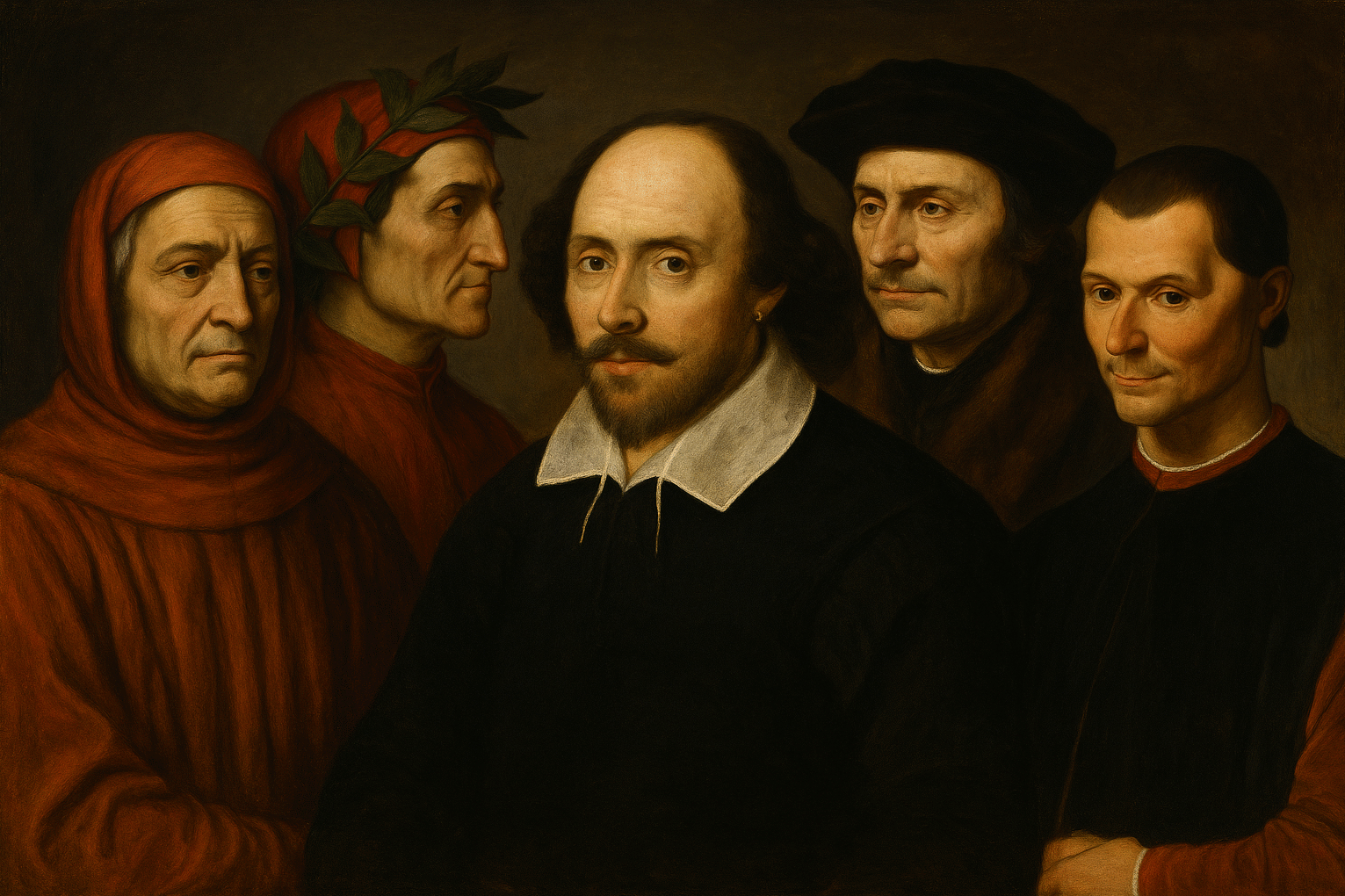
1. Introduction to Sir Thomas More Sir Thomas More as Renaissance writer exemplifies the fusion of humanist philosophy, ethical reflection, and literary sophistication. Transition words link his intellectual formation, moral insight, and literary output to thematic clarity, audience engagement, and Read More …
Month: June 2025
Shakespeare as a Renaissance Writer
Introduction William Shakespeare as a Renaissance writer represents the pinnacle of literary innovation, blending classical influences with contemporary culture. His works reflect the intellectual curiosity, humanism, and artistic experimentation central to the Renaissance era. Moreover, he integrates complex character psychology, Read More …
Wulfstan as a Writer of Anglo-Saxon Period
Introduction Wulfstan as a writer stands out in Anglo-Saxon literature for his remarkable ability to combine morality, law, and religion into texts that are both persuasive and instructive. His works reflect a clear understanding of the social and spiritual crises Read More …
Aldhelm as a Writer of Anglo-Saxon Period
Introduction to Aldhelm as a Writer Aldhelm as a Writer occupies a central place in Anglo-Saxon literary history. Consequently, his works bridge Latin scholarship and vernacular culture effectively. Moreover, his writings demonstrate deep understanding of Christian doctrine. Furthermore, Aldhelm shows Read More …
King Alfred the Great: The Founder of English Prose
I: The Crisis and The Royal Mission 1. The Collapse of Learning in 9th Century England The relentless Viking raids caused not just conquest and material devastation everywhere. Crucially, they destroyed monasteries, vital centers of all intellectual activity. Consequently, literacy Read More …
Bede as a Writer of the Anglo-Saxon Period
Introduction Bede stands as a key Anglo-Saxon figure. He earned the title “Venerable Bede.” His voluminous writings fully illuminate the entire period. He clearly showed the religious and political landscape of his age. His comprehensive output defines early English history. Read More …
Cynewulf as a Writer-Anglo-Saxon Period
Cynewulf as a Writer: Introduction Cynewulf as a Writer is significant. He is an identifiable Anglo-Saxon poet. His surviving works offer a glimpse. They show the religious landscape. They show the early medieval poetic landscape. His output helps us understand Read More …
Caedmon as First English Poet-Anglo-Saxon Period
Introduction Caedmon as First English Poet emerges as the earliest known figure in English poetry. Furthermore, his work embodies religious devotion, moral reflection, and cultural transition. He lived during the Anglo-Saxon period, a time of oral tradition and emerging literacy. Read More …
Theme of The Regiment of Princes by Thomas Hoccleve
Introduction to Theme of The Regiment of PrincesThe Regiment of Princes explores the responsibilities, virtues, and perils of princely rule. Moreover, it examines the moral, political, and ethical challenges that leaders face in maintaining justice and order. Consequently, readers perceive Read More …
The Regiment of Princes by Thomas Hoccleve: Background, Analysis, and Poetic Style
Background of The Regiment of Princes by Thomas Hoccleve The Regiment of Princes is a major literary work of the early 15th century. Thomas Hoccleve wrote it around 1411–1413. It belongs to the tradition of “mirror for princes” literature. This Read More …