Introduction to Thomas Otway
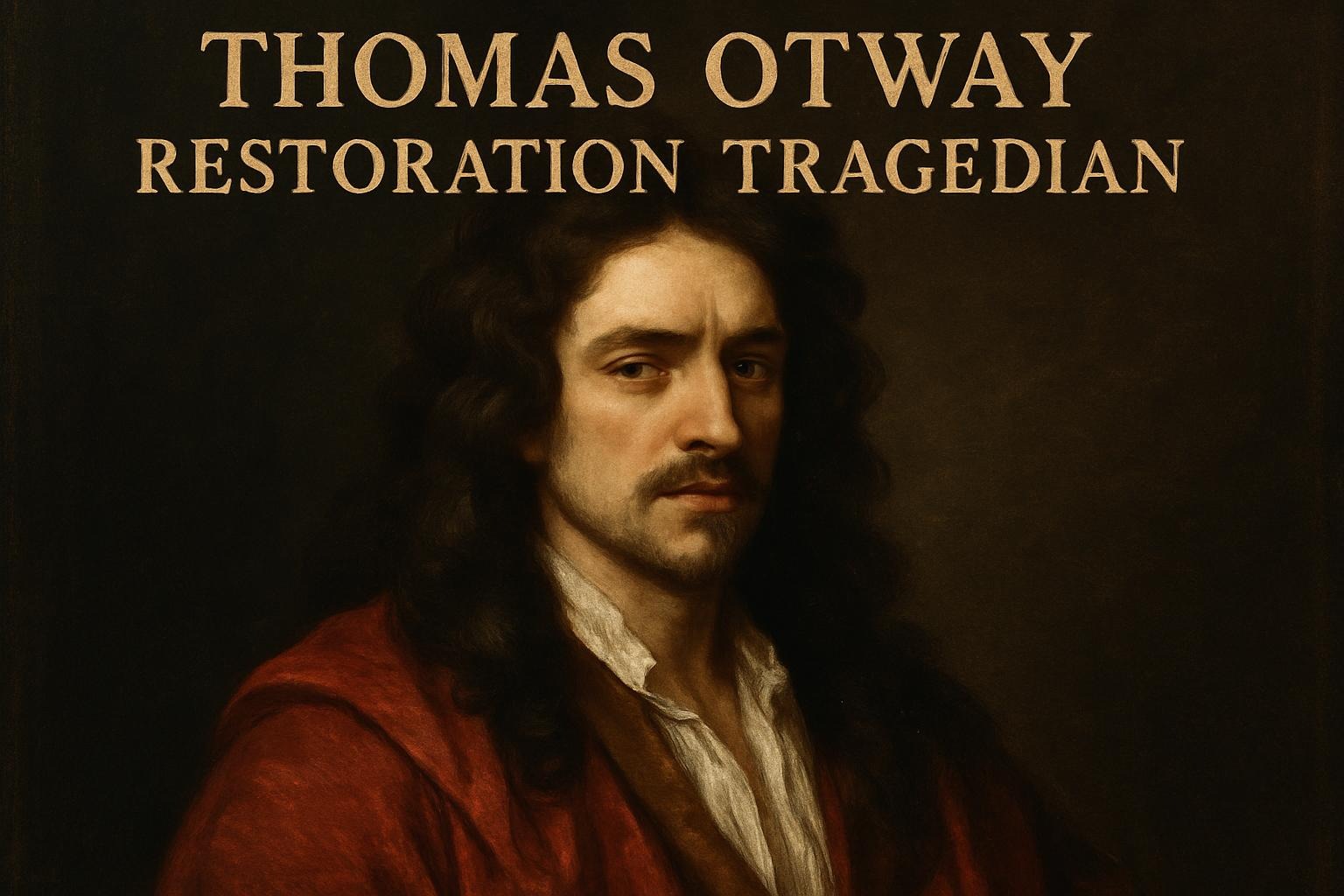
Thomas Otway as Restoration Tragedian holds a significant place in English drama. He created plays that revealed deep human emotions and tragic desires. Writers in his time admired his skill with character and plot. His tragedies reflected intense struggles and the vulnerability of human hearts. Therefore, his works continue to attract readers and scholars today. He lived a short, troubled life filled with financial hardships. Yet, his passion for theater pushed him to create memorable art. Moreover, Otway captured the fragile line between love and despair. His characters lived with intensity and fell with great pain. Through this, he shaped the tragic tradition in Restoration literature. His influence reached beyond his age into modern understandings of drama. Consequently, Otway remains a symbol of tragic genius and literary dedication.
Early Life of Thomas Otway
Otway was born in 1652 in Sussex, England. His father served as a clergyman, guiding young Thomas with religious discipline. However, Otway’s interests soon turned toward writing and theater. He studied at Winchester School and later at Christ Church, Oxford. But he never completed his degree due to personal difficulties. Instead, he pursued acting though he faced struggles on stage. Therefore, he shifted toward writing plays where he found his strength. His early life reflected both promise and disappointment in equal measure. Yet, these experiences gave him insight into human weakness and desire. Furthermore, his failures built a foundation for his tragic vision. He learned that ambition often clashes with reality and struggle. Thus, his early path revealed a restless mind searching for meaning. Ultimately, this background prepared him to craft works of sorrow and passion.
Otway’s Struggles in Acting
Thomas Otway attempted acting before fully embracing playwriting. He first appeared on stage in London theaters. However, his nervousness and lack of confidence ruined performances. Therefore, audiences rejected his acting efforts very quickly. He soon realized his talent belonged elsewhere in literature. This failure did not end his journey but redirected it instead. Moreover, the rejection strengthened his determination to write compelling plays. His struggles as an actor revealed theater’s demands and unpredictability. Thus, he gained valuable lessons about stage life and audience expectations. Furthermore, his experience gave him sympathy for performers and their challenges. He learned how performance requires emotional truth and physical confidence. These insights later enriched his writing of stage directions and roles. Consequently, Otway turned disappointment into growth that inspired powerful tragic plays. Through hardship, he discovered the true path of his literary career.
Entrance into Playwriting
After failing as an actor, Otway focused entirely on writing. His first plays revealed raw energy and emotional intensity. Although not immediately successful, they displayed potential for tragic drama. Therefore, he persisted and developed his craft with each attempt. Moreover, his dedication brought gradual recognition within London’s literary scene. He created plays that challenged audiences with strong themes of love. He also explored betrayal, power, and moral conflict within society. Consequently, Otway became known for authentic emotions and gripping plots. His writing reflected personal hardship combined with artistic ambition and imagination. Each play sharpened his skill and prepared him for greatness. Thus, his entrance into playwriting marked a turning point in life. Through words, he achieved what acting denied him on stage. Ultimately, this shift secured his reputation as a dramatic writer. His perseverance transformed failure into an enduring literary legacy.
Major Themes in Otway’s Plays
Thomas Otway as Restoration Tragedian explored several central themes in his tragedies. Love and betrayal dominated his narratives with heartbreaking intensity. Therefore, audiences felt drawn to his depiction of fragile relationships. Moreover, loyalty and dishonor clashed within characters seeking power or passion. He portrayed human vulnerability in moments of desperation and weakness. His plays revealed how personal desires often destroyed social harmony. Furthermore, Otway highlighted conflicts between duty and emotion in every plot. The characters struggled between personal happiness and larger responsibilities. Consequently, readers recognized their own fears and conflicts mirrored on stage. He also addressed themes of political unrest and moral corruption. His tragedies reflected social anxieties of Restoration England’s shifting order. Thus, Otway gave audiences drama filled with relevance and human truth. Ultimately, these recurring themes defined his contribution to the tragic tradition. His artistry blended emotional truth with social critique.
Friendship and Literary Circles
Otway moved among London’s literary and theater circles. He developed friendships with several writers and actors. Moreover, these relationships influenced his career and provided opportunities. He gained support from peers who valued his talent and vision. Therefore, his network helped him survive financially during difficult times. His friends encouraged him to keep writing despite constant setbacks. Additionally, they offered guidance that shaped his plays’ direction and strength. Otway often collaborated or exchanged ideas with playwrights of his day. Consequently, these exchanges expanded his understanding of drama and themes. Through friendship, he remained connected to theater culture and audience taste. Thus, literary circles played an essential role in his artistic journey. They provided Otway both support and inspiration for new projects. Ultimately, these bonds sustained him during years of financial and personal struggle.
️Otway and Restoration Theater
Thomas Otway as Restoration Tragedian crafted plays while influenced by the Restoration theater environment. The stage demanded spectacle, wit, and strong emotional appeal. Therefore, Otway shaped his plays to meet these expectations of the era. However, he also introduced greater sincerity and depth into tragedy. Moreover, his characters avoided superficial wit often found in other works of the time. He aimed for realism in emotion rather than fashionable clever dialogue. Consequently, his tragedies offered audiences raw truth instead of polish. This difference set him apart within Restoration drama’s crowded landscape. Furthermore, Otway emphasized compassion for human weakness and frailty. Audiences responded with recognition and sympathy for suffering characters. Thus, he developed a unique place within Restoration tragic tradition. His works balanced theatrical demands with heartfelt emotion. Ultimately, Otway’s role in Restoration theater blended convention and originality. He created plays that stood out for passion and authenticity.
Venice Preserv’d Overview
Venice Preserv’d remains Thomas Otway Restoration Tragedian’s most famous tragedy. The play depicts political corruption and personal betrayal in Venice. Therefore, it resonated strongly with Restoration audiences facing turmoil. Moreover, the story follows Jaffeir and Pierre, two tragic friends. Their loyalty collapses under pressure from conflicting duties and desires. Otway created characters that displayed love, honor, and despair together. Consequently, audiences admired the intense emotions and moral dilemmas presented. The play questioned loyalty to friends versus loyalty to state. Furthermore, it highlighted personal sacrifice and the cost of betrayal. Through these struggles, Otway revealed the fragility of trust and loyalty. Thus, Venice Preserv’d secured his legacy as a tragic dramatist. The play remained popular for centuries and influenced later writers. Ultimately, it stands as a masterpiece of Restoration tragic drama. Its themes of love and duty still speak today.
The Orphan Overview
The Orphan ranks among Thomas Otway Restoration Tragedian’s most enduring plays. The work tells the story of Monimia and her tragic fate. Therefore, it captured audiences with its emotional intensity and sorrow. Moreover, it addressed themes of love, betrayal, and family tragedy. The play revealed human weakness and mistakes that brought irreversible consequences. Otway painted characters with depth, vulnerability, and relatable desires. Consequently, audiences felt deep sympathy for the unfolding misfortunes. The Orphan showed Otway’s mastery of creating emotional depth and tension. Furthermore, it displayed his talent for weaving love and despair together. Readers admired the sharp dialogue and compelling structure of the tragedy. Thus, the play confirmed Otway’s reputation as a master of emotion. Ultimately, The Orphan reflected both personal sorrow and literary brilliance. It remains a significant example of Restoration tragic theater today.
Language and Style in Otway’s Drama
Thomas Otway as Restoration Tragedian used language filled with passion and simplicity. He avoided excessive ornamentation common in Restoration drama. Therefore, his plays felt direct and emotionally sincere. Moreover, he shaped dialogue that mirrored natural human speech. His characters spoke with intensity and raw honesty on stage. Consequently, audiences related deeply to their struggles and desires. His style balanced poetry with plainness, making his tragedies accessible. Furthermore, he emphasized rhythm and clarity over elaborate phrasing or wit. Otway sought emotional impact more than intellectual playfulness or cleverness. Thus, his language reflected his devotion to truth in drama. Ultimately, Otway’s style created powerful moments of authenticity and tragedy. He gave voice to love, betrayal, and despair with strength. His mastery of language confirmed his position among Restoration dramatists. Moreover, his directness made his works timeless and relatable for readers.
Reception of Otway’s Works
Audiences received Otway’s tragedies with admiration and empathy. His plays connected deeply with their emotions and fears. Therefore, his works stood apart from witty comedies of the period. Moreover, critics praised his ability to portray sincere passion. They recognized his skill in creating relatable characters and plots. Consequently, Otway gained respect despite financial and personal struggles. His plays brought both acclaim and lasting influence on drama. Furthermore, he achieved greater success after death as recognition grew. Later generations studied his tragedies as examples of heartfelt theater. Thus, his reception showed the endurance of true emotional art. Ultimately, Thomas Otway as Restoration Tragedian became remembered for depth and sincerity. His audience valued authenticity more than theatrical spectacle or wit. Otway proved drama could reveal human truth through passionate storytelling and tragedy. His reception confirmed his place in literary history.
Personal Hardships of Otway
Thomas Otway as Restoration Tragedian lived a life marked by struggle and misfortune. Poverty followed him throughout his career and personal life. Therefore, he often lacked resources to sustain comfortable living. Moreover, his plays brought critical acclaim but little financial reward. He endured hunger, debt, and constant insecurity about survival. Consequently, these hardships influenced his tragedies’ themes of suffering and despair. His experiences mirrored the downfall and sorrow of his characters. Furthermore, personal misfortunes deepened his understanding of human weakness. Thus, his life and works shared tragedy as a central theme. Ultimately, Otway died young in poverty and neglect. His end revealed society’s indifference toward artistic struggle. Nevertheless, his legacy endured through plays filled with emotional intensity. His personal hardships gave authenticity to his tragic art. Moreover, they made his works resonate with universal human suffering.
Influence on Later Writers
Thomas Otway as Restoration Tragedian influenced many later writers with his tragedies. Poets and dramatists admired his emotional sincerity and depth. Therefore, they studied his works for lessons in tragic form. Moreover, writers like Shelley and Coleridge praised his mastery of passion. His ability to depict vulnerability inspired romantic and modern sensibilities. Consequently, his tragedies shaped evolving understandings of drama across centuries. He demonstrated how emotion could overpower convention in theater. Furthermore, Otway proved that sincerity mattered more than theatrical brilliance. Later writers borrowed themes, structures, and tone from his plays. Thus, his influence extended beyond his short and troubled life. Ultimately, Thomas Otway as Restoration Tragedian became a model of tragic genius. His mark remained visible in drama long after his death. Moreover, his impact highlighted literature’s power to transcend time and struggle.
Critical Views on Otway
Critics often debated Thomas Otway Restoration Tragedian’s place within English literature. Some highlighted his limitations in comedy and dramatic variety. However, they consistently praised his tragic power and sincerity. Therefore, he earned a reputation as an authentic tragedian. Moreover, critics valued his simplicity and emotional depth above polish. They argued his tragedies revealed more truth than wit could provide. Consequently, Otway gained a permanent place in dramatic history. Furthermore, scholars explored his works for insight into Restoration culture. They noted his unique blend of social critique and personal sorrow. Thus, critical views balanced acknowledgment of weakness with recognition of strength. Ultimately, critics celebrated him as a dramatist of feeling and passion. His legacy remained secure despite his narrow tragic focus. Moreover, his critical reception reinforced the value of genuine emotional art. His reputation continues through ongoing scholarly interest and theatrical revivals.
Otway and Political Context
Otway’s plays reflected political anxieties of Restoration England. He lived during times of turbulence and shifting authority. Therefore, his tragedies addressed themes of loyalty, corruption, and betrayal. Moreover, Venice Preserv’d became a powerful commentary on political struggles. The play mirrored conflicts between individual duty and state authority. Consequently, audiences related to its portrayal of unstable governance. Otway did not preach openly but revealed conflict through characters. Furthermore, his tragedies suggested that politics destroyed personal happiness and trust. He dramatized how ambition clashed with human affection and morality. Thus, his works captured political realities within emotional narratives. Ultimately, Otway created plays that blended personal tragedy and political critique. His audience recognized truth in his depictions of unrest. Moreover, his political context shaped the resonance of his themes. His works reflected both private emotion and public struggle.
Comparison with Other Tragedians
Thomas Otway as Restoration Tragedian stood apart from other tragedians of his time. Playwrights like Dryden valued grandeur and rhetorical brilliance. However, Otway focused on emotional realism and simplicity. Therefore, his tragedies struck audiences with sincerity and depth. Moreover, his characters felt more human and vulnerable than heroic. Consequently, his plays contrasted sharply with the lofty styles of contemporaries. He avoided elaborate speeches, choosing natural dialogue instead. Furthermore, Otway emphasized authenticity over theatrical spectacle or cleverness. Thus, his tragedies revealed hearts rather than celebrating victory. Ultimately, Thomas Otway as Restoration Tragedian differed in purpose and method. His goal was truth in human suffering and desire. Moreover, this distinction ensured his survival in dramatic history. Readers valued his tragedies for honesty and intensity, not grandeur. His difference strengthened his reputation as a true tragedian of passion.
Otway’s Use of Blank Verse
Otway often employed blank verse in his serious dramas, particularly in his later works. This unrhymed iambic pentameter offered great flexibility for emotional range. Therefore, he could achieve both high eloquence and natural speech rhythms. Moreover, blank verse allowed him to focus on the intensity of the characters’ feelings. It provided a structure suitable for deep, passionate soliloquies and dialogues. Consequently, his verse helped convey the authenticity he sought in tragedy. Furthermore, this choice connected his work to earlier English dramatic traditions, notably Shakespeare. Because of this, his verse felt both classical and emotionally immediate to the audience. Thus, the deliberate use of blank verse enhanced the power of his tragic vision. Ultimately, it proved crucial to establishing the serious, sincere tone of his masterpieces. The meter supported the raw emotional truth that defined his unique contribution.
The Role of Female Characters
Otway distinguished himself through the creation of complex female characters. Women like Monimia and Belvidera are central to the tragic plots. Therefore, their suffering and passions drive the emotional core of his plays. Moreover, he portrayed their vulnerability and strength with considerable sympathy and depth. They often faced impossible choices between love, duty, and survival. Consequently, the female roles became crucial vehicles for Otway’s themes of betrayal and sorrow. Furthermore, their intense emotionality resonated profoundly with Restoration audiences. Because of their central importance, their plights often highlighted the cruelty of society. Thus, Otway gave his female characters a powerful, defining voice within his tragedies. Ultimately, the memorable nature of these women secured his reputation as a sensitive dramatist. Their experiences often provide the most heartbreaking and enduring moments in his work.
Otway’s Concept of Honor
The concept of honor is frequently tested and ultimately corrupted in Otway’s tragedies. Characters often face conflicts where personal honor clashes with loyalty or ambition. Therefore, the plays explore the devastating consequences when honor is compromised or betrayed. Moreover, Otway suggests that societal pressures often force honorable people into dishonorable acts. This thematic struggle creates intense moral tension within the narratives. Consequently, the characters’ tragic downfall is directly tied to a failure of integrity. Furthermore, the exploration of corrupted honor deepens the political critique present in his work. Because of this, Otway’s dramas became relevant commentaries on the period’s shifting values. Thus, the theme of honor became a powerful device for exploring human weakness. Ultimately, it underscores the fragility of morality when confronted with despair or necessity.
Revival and Performance History
Otway’s plays enjoyed significant popularity and frequent revivals long after his death. Actors loved the intense, passionate roles he created, especially in Venice Preserv’d. Therefore, his works remained staples on the English stage throughout the 18th century. Moreover, the raw emotional power of the tragedies appealed to later Romantic audiences. This sustained popularity is rare for a playwright of the Restoration era. Consequently, performances of his plays continued to shape the tradition of tragic acting. Furthermore, The Orphan also saw numerous stagings, cementing its place in the repertoire. Because of this lasting presence, Otway’s dramatic techniques influenced generations of performers. Thus, his performance history reflects the timeless nature of his emotional appeal. Ultimately, the consistent theatrical revivals attest to his enduring significance as a dramatist. His powerful scenes ensured his works remained vital on stage for over a century.
Otway’s Forays into Comedy
While known for tragedy, Otway also wrote several comedies earlier in his career. These plays included The Cheats of Scapin and Friendship in Fashion. Therefore, they reveal a different, perhaps less celebrated, facet of his dramatic skill. Moreover, his comedies often incorporated the witty dialogue and social satire typical of the Restoration period. However, they lacked the lasting critical impact of his great tragedies. Consequently, his attempts at comedy are largely overshadowed by the emotional power of his serious works. Furthermore, Friendship in Fashion even drew some moral criticism for its content. Because of this, his reputation rests almost entirely on his tragic output. Thus, his early comedies serve mainly as a contrast to his eventual mastery of tragedy. Ultimately, they prove his versatility, but also highlight where his true artistic genius lay. His heart, clearly, belonged to sorrowful and sincere drama.
Rhetorical Devices in Tragedy
Otway effectively used key rhetorical devices to enhance the emotional weight of his tragedies. Techniques like pathos, or appeal to emotion, are central to his writing. Therefore, he masterfully employed hyperbole and vivid imagery to convey intense suffering. Moreover, he utilized rhetorical questions and anaphora to build dramatic intensity in speeches. These devices amplify the characters’ desperation and despair on stage. Consequently, the language of his plays became deeply moving and memorable for audiences. Furthermore, Otway often used simple, direct language in contrast with elaborate rhetoric. Because of this balance, his passionate outbursts felt authentic rather than overly artificial. Thus, his calculated use of rhetoric served the ultimate goal of emotional sincerity. Ultimately, these stylistic choices ensured his tragedies achieved maximum psychological and tragic impact.
Otway’s Classical Influences
Otway’s tragic vision demonstrates an awareness of classical dramatic structures and themes. He often adapted stories from classical and historical sources for his plots. Therefore, his works connect back to the grand tradition of Greek and Roman tragedy. Moreover, the focus on fate, betrayal, and the downfall of great characters mirrors ancient drama. Venice Preserv’d contains elements that recall the political tension of Roman plays. Consequently, Otway’s tragedies possess a gravitas that elevates them beyond mere contemporary drama. Furthermore, his dramatic focus on moral dilemmas and irreversible consequence aligns with classical form. Because of this foundation, his plays carry a universal, timeless resonance. Thus, Otway consciously situated his art within a venerable, serious literary lineage. Ultimately, these classical influences provided the depth and weight necessary for enduring tragic literature.
Otway and the Poetic Justice Debate
Otway’s tragic endings often defied the contemporary demand for poetic justice. His good characters sometimes suffered greatly, while villains did not always meet a tidy end. Therefore, his plays challenged the prevailing dramatic convention that virtue must be rewarded. Moreover, he aimed for emotional and psychological truth, even if it meant an unjust outcome. This refusal to adhere strictly to formula marks him as a more profound writer. Consequently, his tragedies are more realistic reflections of life’s often unfair realities. Furthermore, this approach contrasts sharply with the moralizing tendencies of some of his peers. Because of this complexity, his works provoke thought rather than offer simple moral lessons. Thus, Otway contributed to the evolving debate on morality and fate in drama. Ultimately, his rejection of simple poetic justice deepened the authenticity of his tragic art.
The Use of the Double Plot
Otway occasionally used a double plot structure in his dramatic works. He skillfully wove together a main tragic storyline with a secondary, often comedic, subplot. Therefore, the juxtaposition of extreme sorrow and light humor created a complex viewing experience. Moreover, the comedic element sometimes served to highlight the absurdity or futility of the tragic events. This technique was common in Restoration drama, yet Otway employed it with unique tragic purpose. Consequently, the contrast intensified the sincerity and emotional depth of the main plot. Furthermore, the inclusion of a subplot allowed for broader social commentary and observation. Because of this structural choice, his plays captured more facets of human experience. Thus, the double plot, while a convention, became another tool for tragic exploration. Ultimately, the careful blending of elements distinguished his nuanced approach to dramatic structure.
Otway’s Personal Tragedy in Art
Otway’s own personal misfortunes and poverty deeply informed his artistic output. His lifelong struggles with finance and rejection permeate the themes of suffering and injustice. Therefore, his powerful depictions of human despair feel incredibly authentic and raw. Moreover, the tragic downfalls of his protagonists often mirror his own sense of abandonment and struggle. This autobiographical connection gives his work a unique intensity and sincerity. Consequently, his personal tragedy became the wellspring of his greatest artistic strength. Furthermore, his intimate understanding of pain allows audiences to connect deeply with his characters. Because of this connection, the sorrow in his plays feels less theatrical and more genuinely felt. Thus, his difficult life was tragically transformed into profound and enduring art. Ultimately, the artist’s suffering fueled the emotional truth that defines his literary legacy.
Dramatic Irony in Otway
Otway frequently employed dramatic irony to heighten tension and foreshadow tragedy. The audience often possesses crucial knowledge that the characters tragically lack. Therefore, this technique generates a feeling of inevitability and deepening dread in the theater. Moreover, the characters’ mistaken beliefs or choices become agonizing for the knowing viewer. For example, key moments in The Orphan rely heavily on this narrative device. Consequently, the use of dramatic irony intensifies the audience’s sympathy for the characters’ plight. Furthermore, it underscores the themes of fate and the inability to escape predetermined doom. Because of this subtle manipulation of perspective, the tragic events achieve maximum emotional impact. Thus, dramatic irony served as a powerful tool for controlling the dramatic pace and effect. Ultimately, this technique contributed significantly to the overwhelming sense of sorrow in his tragedies.
Religious and Moral Undertones
Otway’s work often contains complex religious and moral undertones that reflect the period. He explored questions of divine justice, sin, and redemption within his tragic worlds. Therefore, his characters frequently grapple with moral guilt and the consequences of their actions. Moreover, the moral conflicts often heighten the sense of profound human weakness and frailty. His plays, while secular in plot, address universal moral concerns of the soul. Consequently, the tragedies resonate on a deeper level than mere political or romantic drama. Furthermore, the downfall of characters often serves as a moral cautionary tale to the audience. Because of this underlying morality, his work speaks to timeless ethical dilemmas. Thus, the religious and moral context adds gravity and seriousness to his tragic vision. Ultimately, these undertones contribute to the lasting, universal appeal of his powerful dramatic art.
Alcibiades and Early Tragedy
Otway’s very first tragedy, Alcibiades, appeared in 1675. This early work already demonstrated his innate talent for portraying powerful emotion. Therefore, the play marked his formal and serious entry into the competitive world of Restoration drama. Moreover, Alcibiades immediately revealed his preference for themes of love, jealousy, and honor. The play, though not as sophisticated as his later masterpieces, showed great promise. Consequently, it served as a crucial early experiment with the tragic form he would master. Furthermore, the production helped establish his name and brought him into contact with key actors. Because of this initial success, the work provided momentum for his developing career as a playwright. Thus, Alcibiades is historically important as the genesis of his tragic output. Ultimately, it laid the foundational style and thematic concerns for his enduring body of work.
Otway and the University Wits
While not part of the earlier group, Otway shared a background with the University Wits of the 16th century. Like them, he was a university-educated writer who entered the theatrical world. Therefore, his classical learning and intellectual depth informed his approach to drama. Moreover, his focus on profound human passions over mere farce aligns with the Wits’ seriousness. The Wits had established the tradition of the playwright as a literary figure of substance. Consequently, Otway continued this legacy, elevating the tragic form in his own time. Furthermore, his early struggles with finances also echo the poverty faced by some of the earlier literary figures. Because of this shared intellectual and sometimes biographical foundation, he sits in a historical tradition. Thus, he represents a continuation of the learned dramatic writer in English theater. Ultimately, his commitment to literary tragedy honors the groundwork laid by his intellectual predecessors.
Imagery and Symbolism in Plays
Thomas Otway as Restoration Tragedian utilized rich imagery and symbolism to enhance the emotional texture of his tragedies. Images of storms, broken vows, and corrupted beauty often permeate the dialogue. Therefore, these symbolic elements deepen the audience’s understanding of the characters’ internal turmoil. Moreover, the pervasive imagery of darkness and ruin foreshadows the inevitable tragic conclusion. This subtle layer of poetic language adds density to his otherwise direct style. Consequently, the symbolism works alongside the plot to convey the magnitude of the suffering. Furthermore, the recurring motifs create a unified, intense atmosphere of despair throughout the work. Because of this careful use of language, the plays achieve greater psychological resonance. Thus, Otway’s symbolic craft is integral to the powerful emotional effect of his tragedies. Ultimately, the imagery he employed helped etch the sorrowful events into the audience’s memory.
Otway’s Impact on Opera
Otway’s works, particularly The Orphan, were adapted for the rising form of English opera in the 18th century. The intense, passionate nature of his tragedies made them suitable for musical adaptation. Therefore, his powerful emotional narratives provided excellent libretti for operatic composers. Moreover, the clear structure and strong characterizations translated effectively to the operatic stage. The sorrow and high drama of his plots found a new voice in sung performance. Consequently, his influence extended beyond spoken drama into the developing musical theater tradition. Furthermore, these adaptations helped keep his name and stories relevant to broader audiences. Because of this transfer to opera, his works maintained cultural currency well into the 18th century. Thus, his themes proved universal enough to transcend the original dramatic medium. Ultimately, this operatic impact underscores the fundamental emotional power of his storytelling.
Otway and Neo-Classicism
While a Restoration figure, Otway’s work showed a tension with strict Neo-Classical ideals of drama. He respected form but prioritized emotional truth and sincerity over rigid rules. Therefore, his tragedies sometimes broke with the Neo-Classical adherence to decorum and strict rules of unity. Moreover, his focus on the raw, often messy, reality of human passion contrasts with Neo-Classical restraint. This willingness to follow emotion over dogma made his tragedies feel more alive. Consequently, his plays helped push English drama towards a greater focus on affective power. Furthermore, his tragic intensity contrasts with the cool, witty satire preferred by some Neo-Classical writers. Because of this balance, he represents a unique bridge within the period’s dramatic development. Thus, Otway used Neo-Classical form as a starting point, not a cage for his powerful emotion. Ultimately, his dedication to feeling over formula ensured his distinct place in dramatic history.
Otway’s Literary Legacy
Otway’s legacy endures through his tragic masterpieces. His plays remain studied for sincerity, depth, and timeless themes. Therefore, his influence stretches beyond Restoration theater into modern thought. Moreover, students and scholars continue to explore his art today. His tragedies taught future writers how passion drives human fate. Consequently, he represents literature’s power to reflect genuine suffering. His works preserved human truths through crafted characters and dialogue. Furthermore, his legacy revealed that failure could produce lasting art. He proved that short, troubled lives still leave monumental impact. Thus, Thomas Otway as Restoration Tragedian remains significant in literary memory. Ultimately, his legacy belongs not only to history but to humanity. His tragedies reveal universal struggles of love, betrayal, and despair. Moreover, they ensure his voice remains alive within dramatic traditions.
Conclusion on Otway’s Significance
Thomas Otway as Restoration Tragedian lived a brief, sorrowful life. Yet, his tragedies created timeless works filled with passion and emotion. Therefore, his significance continues within English literature and theater history. Moreover, he demonstrated how sincerity elevates drama beyond theatrical spectacle. His characters remain relatable because they mirror universal human weakness. Consequently, his plays survived centuries despite his forgotten personal life. Otway achieved greatness through dedication and authenticity in art. Furthermore, his legacy inspired countless writers to value emotional truth. Thus, his works remain a foundation for tragic drama studies. Ultimately, Otway represents the enduring power of heartfelt literature. His tragedies remind audiences of love, pain, and human fragility. Moreover, they prove art transforms hardship into beauty and meaning. Through this, Otway secured immortality within the tragic tradition of theater.
Ben Lerner as Novelist: https://englishlitnotes.com/2025/09/17/ben-lerner-as-novelist/
For more educational resources and study material, visit Ilmkidunya. It offers guides, notes, and updates for students: https://www.ilmkidunya.com/
Discover more from Naeem Ullah Butt - Mr.Blogger
Subscribe to get the latest posts sent to your email.