1. Introduction to Contrast between Human and Divine Perspective in Patience
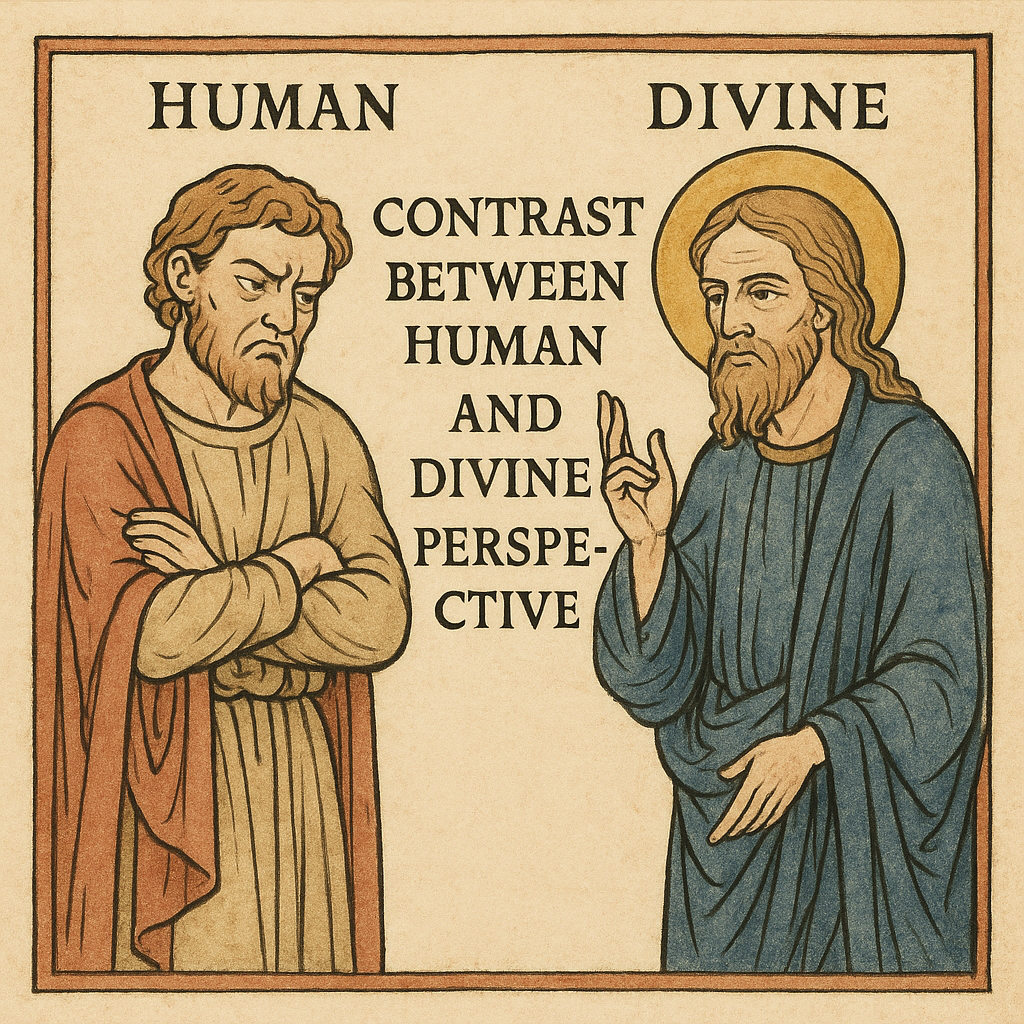
The Patience poem explores faith through a profound Contrast between Human and Divine Perspective. The poet illustrates how limited human understanding struggles before divine perfection. Jonah’s impatience reflects humanity’s emotional nature, while God’s actions reveal wisdom beyond measure. Moreover, the tension between mortal doubt and divine control drives the narrative forward. Through vivid imagery and repetition, the poet exposes human frailty alongside divine strength. Consequently, readers recognize that suffering teaches spiritual awareness. The poet’s focus remains theological, yet it also mirrors emotional conflict. Each episode challenges human logic while affirming divine reason. Thus, the poem transforms frustration into learning. Through humility, the believer gains closeness to God. Ultimately, Contrast between Human and Divine Perspective strengthens faith by revealing dependence on grace rather than intellect. The lesson remains timeless, guiding patience through trust and acceptance.
2. Jonah’s Limited Vision
Jonah perceives God’s command as excessive, revealing human limitation in moral comprehension. His initial flight from duty exposes flawed reasoning shaped by self-interest. Moreover, the poet contrasts divine constancy with human instability. Jonah’s protest arises from pride, showing unwillingness to yield. Through his reluctance, readers witness spiritual blindness caused by fear and ego. Consequently, the poet positions him as every believer confronting divine will. Jonah’s human weakness highlights how emotion distorts understanding. The sea storm becomes both literal punishment and symbolic awakening. Furthermore, divine intervention reveals compassion rather than cruelty. The poet teaches that correction emerges from mercy, not vengeance. Each moment exposes the Contrast between Human and Divine Perspective through action and reflection. Ultimately, Jonah learns obedience through humility. His journey represents the spiritual reformation that arises only after surrendering personal pride.
3. Divine Wisdom and Human Confusion
The poet presents divine reasoning as purposeful, though unseen by human eyes. Jonah’s despair mirrors universal confusion when divine motives appear hidden. Moreover, God’s patience demonstrates enduring compassion amid human disobedience. The divine voice guides, forgives, and restores through consistent love. Meanwhile, Jonah’s reasoning collapses under emotional strain. Consequently, the poem portrays confusion as the birthplace of enlightenment. The reader perceives divine design through contrast with human folly. Each trial reshapes awareness and strengthens moral clarity. Furthermore, the Contrast between Human and Divine Perspective deepens theological reflection. God’s omniscience transforms perceived chaos into structured mercy. The poet insists that true wisdom begins in submission. Jonah’s failure to grasp divine purpose reflects collective human struggle. Therefore, endurance becomes enlightenment’s key. By accepting divine order, humanity discovers peace amid uncertainty.
4. Symbolism of the Storm
The raging storm symbolizes both divine correction and human turmoil. Jonah’s panic illustrates how conscience reacts to guilt and avoidance. Moreover, nature serves as divine messenger, embodying moral balance. The wind and waves become tools of instruction rather than destruction. Consequently, the storm mirrors the spiritual tempest within Jonah’s soul. Through this allegory, the poet blends theology and emotion seamlessly. The Contrast between Human and Divine Perspective unfolds as Jonah perceives punishment, while God enacts purification. Furthermore, the storm’s intensity reveals the transformative power of divine attention. Humanity interprets wrath; divinity offers redemption. Each surge and silence echoes lessons of faith and humility. Ultimately, Jonah’s deliverance from the storm signifies renewed understanding. The poet suggests that divine discipline refines character through compassion and grace.
5. The Whale as Divine Refuge
The whale symbolizes confinement and salvation simultaneously. For Jonah, it represents punishment; for God, it functions as protection. Moreover, this paradox intensifies the Contrast between Human and Divine Perspective. Jonah believes himself abandoned, yet he is preserved. The dark belly of the whale becomes a sacred chamber of renewal. Consequently, his despair transforms into revelation. The poet illustrates how divine methods transcend mortal logic. Within stillness, Jonah discovers faith and clarity. Furthermore, the creature’s role blurs boundaries between judgment and mercy. Through this symbolic imprisonment, human emotion meets divine strategy. The poet’s insight suggests that isolation precedes illumination. Jonah’s prayer marks spiritual rebirth through surrender. Ultimately, divine wisdom reveals itself through contradiction, teaching endurance and humility. Thus, salvation arrives disguised as punishment, emphasizing the mysterious harmony of divine purpose.
6. Prayer and Revelation
Inside the whale, Jonah prays with desperation and awe. His words shift from protest to gratitude, symbolizing inner transformation. Moreover, the act of prayer bridges human fear with divine mercy. The poet uses repetition to heighten emotional intensity and spiritual awareness. Consequently, Jonah’s confession becomes a turning point in understanding. Through submission, he perceives divine order beyond logic. The Contrast between Human and Divine Perspective reaches clarity through repentance. Furthermore, his voice echoes universal longing for redemption. The prayer reveals how divine patience nurtures human growth. Jonah’s acceptance invites renewal, showing grace through obedience. The poet transforms despair into thanksgiving through faith’s progression. Ultimately, revelation follows surrender. Humanity learns that recognition of weakness initiates divine strength. This moment confirms that enlightenment arises through humility and trust in God’s plan.
7. The Role of Patience
Patience emerges as both virtue and theological principle throughout the poem. Jonah’s journey measures spiritual endurance against divine expectation. Moreover, the poet portrays patience as active trust rather than passive submission. Each trial reinforces reliance on divine timing. Consequently, the reader witnesses faith’s maturation through struggle. The Contrast between Human and Divine Perspective surfaces in differing concepts of justice and mercy. Jonah expects swift judgment; God extends compassion. Furthermore, patience transforms perception by replacing fear with insight. The poet suggests that waiting refines wisdom. Endurance becomes an act of devotion, proving loyalty and understanding. Through gradual acceptance, Jonah grows morally and spiritually. Ultimately, patience functions as the bridge between ignorance and enlightenment. The virtue unites divine constancy with human perseverance, affirming harmony between creator and creation.
8. Divine Mercy and Human Judgment
The poet contrasts divine forgiveness with human resentment. Jonah condemns quickly; God forgives completely. Moreover, this tension defines the moral structure of the narrative. Jonah’s anger exposes limited compassion rooted in ego. Consequently, divine mercy emerges as both corrective and restorative. Through this lens, the Contrast between Human and Divine Perspective emphasizes moral maturity. Humanity clings to fairness; divinity embodies grace. Furthermore, the poet illustrates how forgiveness reveals superior justice. Jonah’s frustration mirrors human reluctance to release pride. God’s mercy invites reflection on humility and empathy. The lesson extends beyond theology, shaping ethical conduct in daily life. Ultimately, divine pardon teaches generosity of spirit. Through mercy, truth transcends emotion, uniting moral intention with divine example.
9. Lessons through Suffering
Suffering functions as revelation within Patience. Jonah’s pain educates rather than punishes. Moreover, the poet presents endurance as sacred pedagogy. Each affliction exposes self-deception and invites introspection. Consequently, the Contrast between Human and Divine Perspective underscores suffering’s dual meaning. Humanity interprets pain as cruelty; divinity views it as growth. Through adversity, the soul perceives divine order gradually. Furthermore, the poet highlights that discipline affirms love. Each sorrow refines the believer’s perception of truth. Jonah’s deliverance arises not from escape but from insight. Therefore, endurance becomes enlightenment’s foundation. Ultimately, suffering transforms rebellion into faith. The narrative confirms that divine intention seeks renewal through compassion rather than destruction.
10. Transformation and Understanding
Jonah’s transformation completes the poem’s moral trajectory. His experience transforms rebellion into reverence. Moreover, the Contrast between Human and Divine Perspective concludes with harmony between will and wisdom. Jonah’s submission aligns human emotion with divine intention. Consequently, humility replaces pride as guiding principle. The poet celebrates repentance as spiritual rebirth. Each event reveals divine patience working through human error. Furthermore, understanding replaces confusion when faith matures. The story ends not with punishment but restoration. Through realization, Jonah embodies humanity’s potential for change. Ultimately, divine order triumphs through compassion, showing that wisdom begins in surrender. The poet’s message remains enduring: faith grows through experience, humility, and divine instruction.
11. Symbolism of the Plant
The gourd plant in Patience holds deep moral symbolism. Jonah delights in its shade, yet its sudden decay shocks him. Moreover, the plant’s rise and fall mirror human attachment to comfort. Through this moment, the poet exposes fleeting satisfaction derived from worldly pleasure. Consequently, Jonah’s frustration reveals his fragile gratitude. The divine lesson unfolds through contrast—temporary shelter against eternal wisdom. Furthermore, the plant becomes a silent sermon on humility and detachment. Each withered leaf reminds readers that comfort without faith remains hollow. The poet transforms nature into theology, teaching that divine benevolence surpasses human control. Ultimately, the gourd reflects humanity’s dependence on grace. Jonah learns that gratitude must endure beyond convenience. Through decay, enlightenment blossoms, transforming loss into moral renewal.
12. Human Anger and Divine Calm
Jonah’s outburst against the plant’s destruction displays emotional immaturity. His anger reflects the limits of human perspective when faced with divine action. Moreover, the poet juxtaposes Jonah’s fury with divine serenity. Through this contrast, the reader perceives wisdom within stillness. Jonah demands explanation; divinity offers quiet reasoning. Consequently, the episode reveals the futility of excessive pride. The poet teaches that divine patience outlasts human temper. Furthermore, the calmness surrounding Jonah’s rage enhances the poem’s didactic power. Anger dissolves when understanding dawns. Each pause between complaint and response becomes a lesson in restraint. Through this balance, emotional chaos yields moral clarity. Ultimately, the episode reinforces the virtue of self-control. The poet reminds that divine example instructs humanity more effectively than punishment or debate.
13. Divine Dialogue and Human Silence
The divine question to Jonah—“Do you well to be angry?”—illuminates moral proportion. Jonah’s silence afterward speaks louder than argument. Moreover, the exchange underscores divine pedagogy through reflection, not force. The poet highlights that wisdom often enters through quiet recognition. Consequently, dialogue transforms into introspection, replacing rebellion with thought. Each divine word contains guidance designed for self-realization. Furthermore, the poet invites readers to examine their own impatience through Jonah’s response. The pause following divine inquiry signifies spiritual awakening. Silence becomes participation in revelation. Through restraint, the believer perceives grace beyond language. Ultimately, divine discourse corrects without humiliation. The lesson reminds that spiritual growth requires listening as much as speaking. The poet thus transforms conversation into contemplation, harmonizing emotion and faith.
14. Lessons from Nature
Throughout Patience, natural imagery reinforces divine instruction. The sea, wind, and plant all serve theological functions. Moreover, each natural event reveals human limitation against cosmic order. The poet portrays creation as an instrument of divine teaching. Consequently, readers encounter faith through environmental metaphor. The natural world becomes scripture for the soul’s understanding. Furthermore, harmony within creation contrasts sharply with Jonah’s inner discord. Nature obeys; humanity resists. Through this observation, the poet unveils profound moral symmetry. Every creature aligns with divine intention, reminding humanity of its moral obligation. Ultimately, nature mirrors divine patience by persisting in order and renewal. The lesson endures: humility before creation equals reverence toward the creator. Through observation, spiritual awareness matures into gratitude and discipline.
15. The Role of Faith in Understanding
Faith functions as interpretive clarity within the poem’s moral vision. Jonah’s confusion stems from disbelief rather than ignorance. Moreover, faith bridges knowledge and acceptance, enabling insight into divine reasoning. The poet constructs faith as both virtue and method of comprehension. Consequently, doubt becomes opportunity for revelation. Through faith, suffering gains meaning beyond endurance. Furthermore, the reader learns that belief transforms frustration into recognition. Each test unfolds to strengthen confidence in divine purpose. Without faith, actions lose coherence and hope weakens. Therefore, understanding divine justice requires spiritual surrender. The poet demonstrates that revelation aligns with trust. Ultimately, faith reshapes experience into gratitude, merging human fragility with divine constancy. The believer finds peace not through reason but through unwavering conviction and openness.
16. Moral Education through Experience
Jonah’s journey embodies experiential learning guided by divine structure. His rebellion, punishment, and repentance form a cycle of moral growth. Moreover, the poet constructs each episode as a lesson in humility. The narrative teaches that discipline refines understanding more effectively than ease. Consequently, Jonah’s transformation mirrors humanity’s path from ignorance to insight. Each failure becomes foundation for new wisdom. Furthermore, experience replaces doctrine as the source of conviction. The poet implies that spiritual truth must be lived, not memorized. Through action, emotion, and correction, faith matures authentically. Ultimately, education through trial cultivates endurance and discernment. Jonah’s experiences reveal divine pedagogy working through ordinary struggle. The lesson remains enduring: wisdom emerges only when life’s hardships are received with faith and reflection.
17. The Theme of Mercy
Mercy governs the moral rhythm of Patience. Jonah’s survival, the whale’s protection, and divine forgiveness all manifest compassion. Moreover, the poet portrays mercy as both justice and generosity. Each reprieve emphasizes moral purpose rather than leniency. Consequently, mercy appears as structured grace, balancing correction with love. The narrative thus transforms punishment into purification. Furthermore, mercy reveals divine intimacy with human vulnerability. Through compassionate discipline, the believer learns resilience. The poet’s depiction of forgiveness teaches strength within gentleness. Each act of pardon refines understanding, replacing resentment with empathy. Ultimately, mercy defines divine-human interaction as relational, not transactional. The poem concludes that redemption relies on compassion’s continuity, making mercy the enduring sign of divine wisdom and moral beauty.
18. The Symbolic Function of Time
Time in Patience serves both narrative and spiritual roles. Jonah’s confinement, release, and reflection unfold in divine sequence. Moreover, the poet presents time as moral space rather than duration. Each interval represents opportunity for repentance and transformation. Consequently, patience becomes temporal faith—the ability to wait with purpose. The divine plan unfolds gradually, revealing wisdom through delay. Furthermore, time tests endurance and sincerity simultaneously. The poet suggests that delay refines purity of intention. Through measured progression, characters confront truth. Ultimately, time symbolizes divine order working through imperfection. The believer learns that spiritual maturity depends on rhythm, not haste. Through patience within divine timing, faith acquires depth, endurance, and serenity beyond immediate comprehension.
19. The Interplay of Emotion and Reason
Emotion and reason shape moral balance within the poem. Jonah’s impulsive anger opposes divine rationality. Moreover, the poet dramatizes their tension to reveal spiritual education through contrast. Emotion provides energy; reason provides guidance. Consequently, faith demands integration rather than suppression of feeling. Each emotional surge invites reflection and eventual harmony. Furthermore, divine communication restores order where passion overwhelms judgment. The poet suggests that maturity lies in balancing these internal forces. Through reflection, emotion transforms into understanding. Ultimately, reason becomes servant to belief, not its rival. The narrative shows that harmony between mind and heart mirrors divine equilibrium. Through emotional honesty and rational humility, the believer attains stability within moral and spiritual awareness.
20. Prophetic Responsibility
Jonah’s role as prophet extends beyond personal redemption. He represents humanity’s collective obligation to uphold divine will. Moreover, the poet emphasizes responsibility as sacred trust, not privilege. Prophecy demands obedience, endurance, and compassion simultaneously. Consequently, Jonah’s failure teaches through contrast rather than condemnation. Each misstep exposes tension between calling and comfort. Furthermore, divine mission refines rather than rewards the prophet. The poet reveals that true prophecy requires humility and faith over pride. Through trial, Jonah learns service without self-importance. Ultimately, prophetic duty becomes a lesson in stewardship and sacrifice. The reader perceives that divine purpose surpasses individual desire. Through responsibility, faith becomes action, uniting moral insight with obedient devotion.
21. The Sea as Divine Instrument
The sea dominates Patience as both literal and symbolic element. Jonah’s descent into the waves reflects moral surrender and spiritual awakening. Moreover, the poet transforms chaos into classroom, showing divine order within turmoil. Consequently, each wave represents correction shaped by compassion. The sea does not destroy; instead, it teaches endurance. Furthermore, the water becomes an emblem of purification. Through immersion, rebellion turns into renewal. Jonah’s survival within darkness mirrors humanity’s passage from sin to redemption. The sea’s rhythm conveys divine patience working through movement and stillness. Ultimately, what appears punishment reveals itself as preservation. The ocean thus symbolizes mercy disguised as trial, shaping understanding through experience. Through the sea’s vastness, the poet portrays the immensity of divine power balanced by tenderness.
22. Obedience and the Human Condition
Obedience defines the moral structure of Patience. Jonah’s refusal to preach at Nineveh triggers divine correction. Moreover, the poet reveals obedience as both duty and deliverance. Through rebellion, Jonah discovers the necessity of alignment with divine purpose. Consequently, submission transforms from weakness into strength. The narrative teaches that free will gains value through righteous direction. Furthermore, the poet highlights that obedience involves comprehension, not mere compliance. Jonah learns that divine command carries reason beyond immediate perception. Each act of surrender deepens faith and restores harmony. Ultimately, obedience becomes self-mastery under spiritual authority. The poet reminds readers that discipline liberates, guiding human will toward divine truth. Through obedience, the believer learns to merge humility with conviction gracefully.
23. The Whale as a Place of Reflection
The whale’s belly functions as sacred chamber within Patience. Jonah’s entrapment provides isolation necessary for revelation. Moreover, darkness transforms into illumination through prayer and introspection. The poet presents confinement as moral opportunity rather than punishment. Consequently, silence becomes fertile ground for renewal. Jonah’s repentance within the whale’s depths restores spiritual clarity. Furthermore, the creature symbolizes divine mercy enclosing humanity within safety. The poet implies that introspection requires withdrawal from distraction. Each moment inside the whale nurtures faith through stillness and gratitude. Ultimately, the whale embodies containment without despair. The poet transforms the terrifying into the transformative. Through isolation, the soul learns to listen and surrender. Reflection becomes the foundation of restoration and renewed spiritual direction.
24. Divine Justice and Human Complaint
Divine justice in Patience appears gentle yet firm. Jonah’s complaints reveal misunderstanding rather than rebellion. Moreover, the poet contrasts limited human grievance with cosmic fairness. Divine actions appear harsh only to the impatient heart. Consequently, the poem redefines punishment as instruction. Each correction unfolds as invitation to reflection. Furthermore, justice merges with mercy, balancing reproof and compassion. The poet suggests that fairness requires wisdom beyond human comprehension. Through divine justice, believers perceive order where chaos seems dominant. Ultimately, human complaint transforms into acceptance through revelation. The narrative teaches that divine law guides by love, not by fear. Justice within Patience therefore restores, uniting discipline with forgiveness for enduring spiritual harmony.
25. Symbolic Light and Darkness
Light and darkness pervade Patience as metaphors for understanding and ignorance. Jonah’s descent into the dark sea parallels his moral blindness. Moreover, divine illumination restores clarity after repentance. The poet employs contrast to dramatize transformation from despair to faith. Consequently, darkness becomes prelude to spiritual rebirth. Each divine spark symbolizes revelation through suffering. Furthermore, light embodies grace, appearing after acknowledgment of sin. The poet reminds that divine presence often manifests through adversity. Through alternating imagery, the poem visualizes moral progression vividly. Ultimately, light conquers darkness not by destruction but by conversion. The believer learns that enlightenment grows from within repentance. Through this interplay, the poet unites emotional depth with theological precision beautifully.
26. The Humility of True Wisdom
Wisdom in Patience arises through humility rather than knowledge. Jonah’s failure stems from arrogance disguised as understanding. Moreover, the poet constructs humility as gateway to divine truth. Each humiliation refines perception, eroding pride gradually. Consequently, wisdom appears as acceptance of divine perspective. The narrative transforms self-doubt into sacred awareness. Furthermore, humility reveals that strength lies in surrender. The poet’s instruction teaches that insight requires vulnerability before faith. Through recognition of limitation, revelation blossoms effortlessly. Ultimately, humility becomes enlightenment expressed through obedience and compassion. The believer perceives that intellectual mastery pales beside moral simplicity. Through humility, divine mysteries unfold clearly, guiding the soul toward genuine spiritual vision.
27. Endurance as the Path to Grace
Endurance threads through the structure of Patience like spiritual fabric. Jonah’s trials demand persistence in faith and emotional stability. Moreover, the poet equates endurance with purification. Through continual struggle, character gains depth and devotion sharpens. Consequently, perseverance becomes active participation in divine design. Each delay teaches acceptance rather than frustration. Furthermore, the poet highlights patience as strength rather than passivity. Endurance reveals faith’s authenticity when comfort disappears. Through sustained effort, the believer mirrors divine constancy. Ultimately, perseverance becomes worship expressed through trust. The poem reminds that grace arrives not suddenly but gradually. Through endurance, transformation achieves permanence, uniting human resilience with divine benevolence beautifully.
28. The Balance Between Justice and Compassion
Justice and compassion coexist harmoniously within Patience. The poet portrays divine authority as balanced moral system. Moreover, justice corrects while compassion sustains. This equilibrium teaches that discipline and mercy are inseparable. Consequently, divine law becomes benevolent structure rather than fearsome decree. Each punishment carries restoration as its silent companion. Furthermore, the poet contrasts divine stability with human inconsistency. Through this comparison, moral perspective expands. Justice without compassion becomes cruelty, while mercy without justice loses integrity. Ultimately, divine perfection arises from their fusion. The believer learns that righteousness depends on harmony between correction and care. Through this synthesis, the poem reveals theology rooted in relational understanding, not mechanical rule.
29. Redemption Through Reflection
Redemption in Patience emerges through deep reflection rather than action alone. Jonah’s repentance transforms internal turmoil into acceptance. Moreover, the poet defines salvation as recognition of divine continuity. Through introspection, the soul reconnects with its origin. Consequently, reflection restores unity with divine purpose. Each prayer echoes within conscience, turning error into insight. Furthermore, redemption manifests through awareness of grace already present. The poet emphasizes that self-examination leads to gratitude. Through understanding, forgiveness becomes tangible. Ultimately, redemption evolves from recognition, not reward. The believer learns that divine mercy requires acknowledgment, not achievement. Through reflection, the heart transforms sin into enlightenment, uniting guilt with growth.
30. Conclusion: The Eternal Lesson of the Contrast between Human and Divine Perspective
In Patience, the Contrast between Human and Divine Perspective forms the poem’s spiritual core. The poet constructs every trial, image, and reflection around this profound difference. Moreover, divine vision reveals purpose where human sight perceives conflict. Through this structure, the narrative teaches humility, endurance, and faith. Consequently, humanity learns that divine logic transcends temporal comprehension. Each scene becomes revelation of infinite wisdom guiding finite experience. Furthermore, the poem unites emotional realism with theological grandeur. Jonah’s transformation from resistance to acceptance embodies universal moral awakening. Ultimately, the Contrast between Human and Divine Perspective illuminates the path from despair to peace. Through recognition of this difference, believers embrace trust, patience, and gratitude as enduring virtues of faith.
Medieval Theology of Sin and Redemption in Patience:
https://englishlitnotes.com/2025/07/09/medieval-theology-sin-redemption-patience/
Grammar Puzzle Solved by Naeem Sir: http://grammarpuzzlesolved.englishlitnotes.com
A Summary and Analysis of Medieval Poem “Pearl”: https://share.google/JUznJ0AinWcrtFzkd
Discover more from Naeem Ullah Butt - Mr.Blogger
Subscribe to get the latest posts sent to your email.