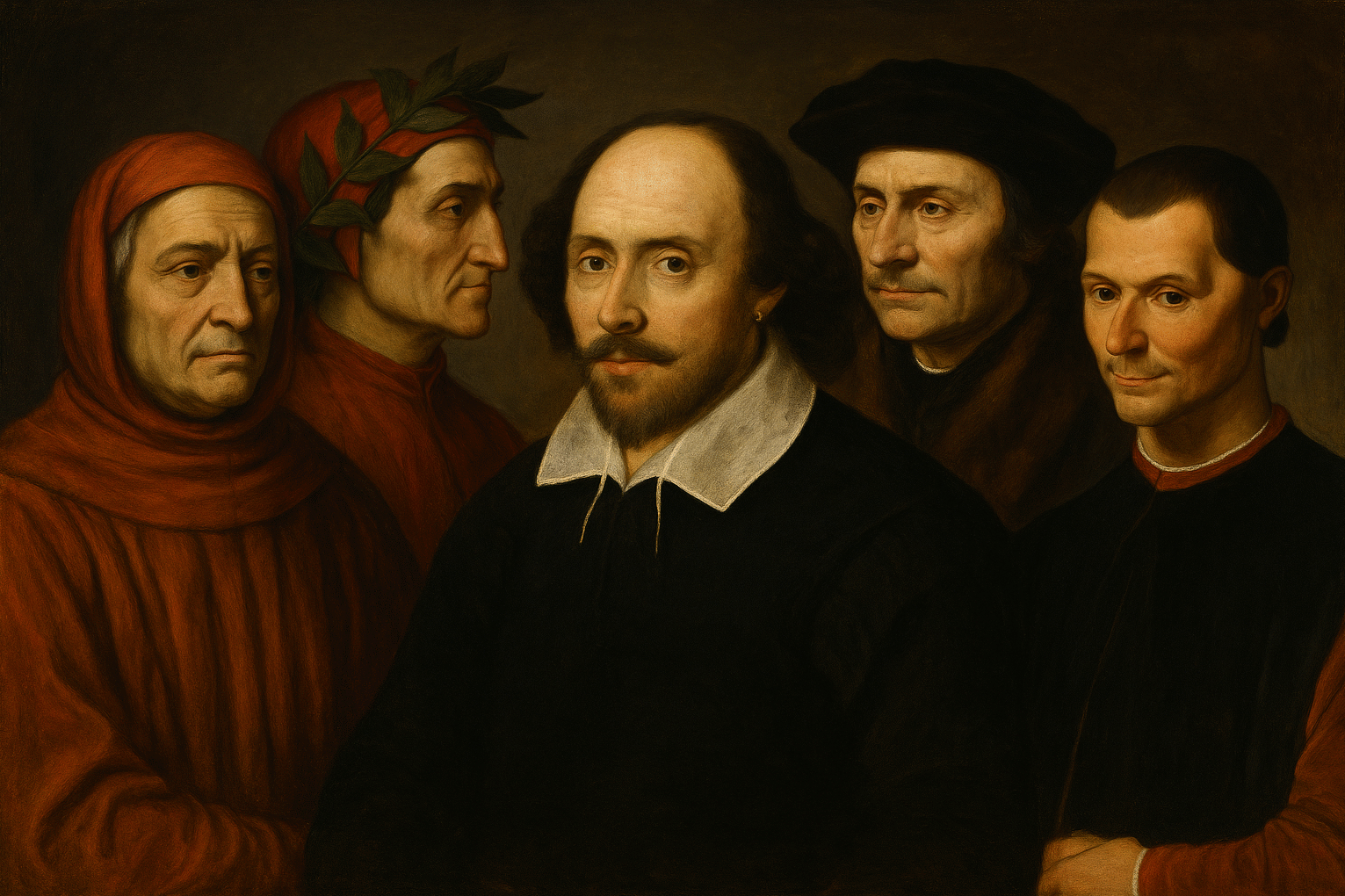
1. Introduction to Symbolism in Gawain Poem
Symbolism in Gawain poem shapes Sir Gawain and the Green Knight profoundly and consistently. Furthermore, these symbols guide readers through complex moral lessons repeatedly and clearly. Consequently, the poet uses objects, colors, and gestures with careful intention continuously. Moreover, every carefully chosen image conveys ethical and spiritual meaning effectively. In addition, armor, shields, and swords carry significant moral weight deliberately. Therefore, even seemingly small actions hold important consequences constantly. Furthermore, each narrative detail reflects inner truths and character development directly. Consequently, symbols connect all characters to prevailing moral standards persistently. Moreover, the poet masterfully blends nature with ethical and spiritual reflection naturally. Therefore, forests, changing seasons, and vivid colors instruct readers on virtue and caution continually. In addition, Gawain’s deliberate actions resonate powerfully through symbolic representation repeatedly. Consequently, they reveal both courage and human flaw simultaneously. Moreover, each trial has clear and deliberate purpose continuously. Therefore, the poem transforms adventurous narrative into structured ethical reflection consistently. Furthermore, green, gold, and cloth emerge as potent symbolic signs continually. Consequently, readers witness meaningful personal growth alongside Gawain actively. Moreover, symbols make abstract moral ideas tangible vividly. Therefore, the narrative becomes morally and spiritually vivid continuously. In addition, the Pearl Poet excels at symbolic storytelling effectively. Consequently, symbolism guides both hero and audience profoundly, shaping interpretation and understanding consistently. Therefore, symbols form the poem’s ethical and spiritual backbone permanently. In addition, each symbol invites careful contemplation and self-reflection repeatedly.
2. The Pentangle and Knightly Perfection
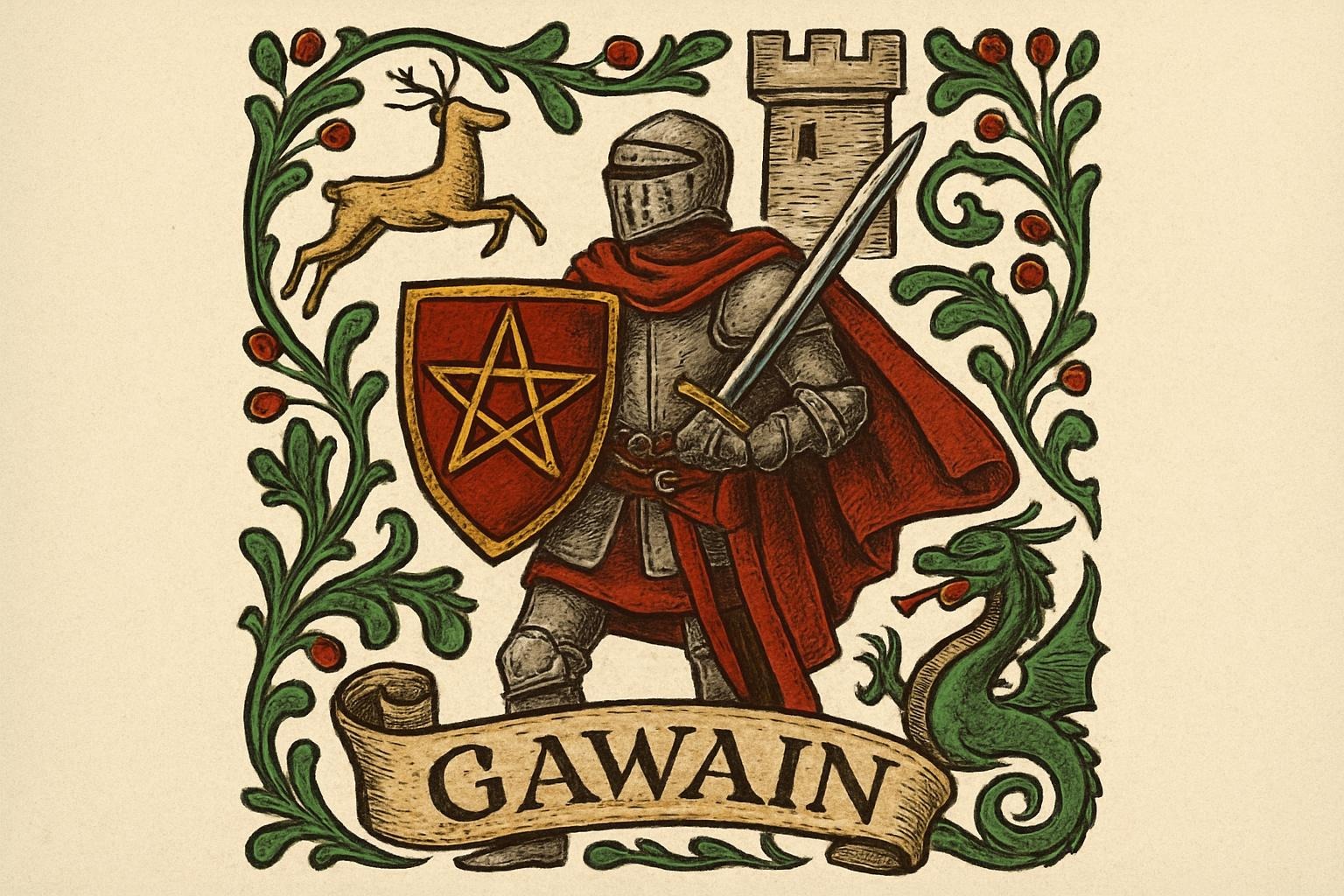
Symbolism in Gawain poem shines through Gawain’s shield, displaying a bright pentangle vividly. Its five points represent essential knightly virtues consistently and meaningfully. Furthermore, generosity, courtesy, chastity, piety, and friendship appear clearly here continually. Consequently, the shape emphasizes both unity and moral perfection actively. Moreover, its endless lines reflect ongoing ethical continuity and responsibility repeatedly. Therefore, all knights should strive to honor these values constantly. In addition, perfection pressures Gawain throughout the story, testing integrity regularly. Consequently, symbols reinforce these ethical expectations and obligations persistently. Furthermore, even minor failures acquire significant moral meaning immediately. Moreover, the pentangle links lofty spiritual ideals with everyday action effectively. Consequently, armor itself becomes a visible sermon, teaching virtue directly. In addition, Gawain’s adherence to these ideals mirrors inner integrity strongly and consistently. Furthermore, the poet highlights both challenge and aesthetic beauty simultaneously. Consequently, each point instructs deliberate moral contemplation and reflection profoundly. Moreover, Gawain’s failures and successes gain heightened symbolic weight continuously. Therefore, the pentangle teaches the enduring cost of maintaining virtue faithfully. In addition, it shows both aspiration and limitation effectively and realistically. Consequently, its constant presence reminds Gawain of accountability constantly. Moreover, symbols convert tangible objects into moral guides directly. Therefore, they enforce lessons beyond immediate action naturally. In addition, moral imperfection becomes instructive repeatedly, and ethical struggle gains tangible form permanently. Consequently, the pentangle demonstrates that idealism requires continuous effort, shaping the poem’s ethical center thoroughly.
3. The Green Girdle as Shame and Growth
Symbolism in Gawain poem appears clearly when Lady Bertilak presents Gawain with a girdle deliberately. Initially, he accepts it to ensure survival and safety immediately. Moreover, he later conceals it carefully from his gracious host deliberately. Consequently, the girdle marks both shame and significant moral learning effectively. Furthermore, symbols consistently show human imperfection alongside complex moral choice intentionally. In addition, his concealment demonstrates fear but also self-preservation actively. Therefore, confession transforms the girdle’s meaning completely and permanently. When Gawain admits his fault openly, the path to redemption begins naturally. Consequently, the girdle shifts from secret object to emblem of moral awareness. Moreover, symbols emphasize humility over perfect behavior repeatedly and deliberately. Furthermore, his court eventually adopts the green symbol thoughtfully and ceremoniously. In addition, the meaning evolves continually through both action and reflection consciously. Therefore, the Pearl Poet values truth above mere external appearance consistently. Moreover, growth becomes visible through symbolic clothing and external signs effectively. Consequently, symbols reflect moral and spiritual education actively and clearly. Furthermore, they reveal human weakness, resilience, and ethical development continuously. In addition, the green cloth mirrors Gawain’s internal struggle persistently and poignantly. Therefore, it moves from deception to open acknowledgment deliberately. Moreover, symbols highlight transformation, insight, and personal improvement consistently. Consequently, they turn minor failures into instructive moral lessons vividly. Furthermore, objects communicate ethical principles beyond the narrative immediately. Finally, Gawain’s journey and the girdle remain inseparable symbolically and thematically, enriching both character and story completely.
4. The Color Green and Dual Meaning
Symbolism in Gawain poem appears in green, repeated consistently throughout the text. Specifically, the color marks nature, life, and continuous change simultaneously. Moreover, the Green Knight’s distinctive hue emphasizes both mystery and formidable challenge directly. In addition, symbols highlight not only danger but also opportunity persistently. Furthermore, forests, animals, and the girdle all share this symbolic green repeatedly. Consequently, Gawain enters a complex world of moral trial deliberately. Additionally, the color tempts the hero but also instructs him carefully. Therefore, symbols convey the intertwined experience of renewal and fear consistently. Meanwhile, green links spiritual testing with earthly challenges effectively. Moreover, it marks events that transform character profoundly and permanently. In addition, the girdle itself carries this enduring symbolic color deliberately. Consequently, survival, temptation, and ethical growth coexist in tension continually. Furthermore, symbols make abstract moral lessons visible and tangible for readers actively. Moreover, they allow the audience to perceive duality in every detail vividly. Therefore, nature itself becomes ethically significant and morally instructive persistently. In addition, green surrounds both hero and audience alike thoughtfully. Consequently, the forest grows, reflecting internal struggle and moral decision-making effectively. Moreover, the poet blends symbolism seamlessly into setting and narrative consistently. Furthermore, color functions as clear narrative guidance continuously. Therefore, symbols reinforce the test’s spiritual depth powerfully. In addition, green serves multiple instructive and ethical purposes consistently. Consequently, it shapes narrative tension, meaning, and character development permanently. Finally, every green appearance carries interpretive weight and moral consequence directly.
5. Gawain’s Journey as Inner Trial
Symbolism in Gawain Poem appears as Gawain leaves Camelot and enters the forest. Specifically, nature embodies danger, reflection, and profound moral testing continually. Moreover, symbolic elements connect the outward journey to internal struggle consistently. Each step challenges courage, honor, and personal integrity intensely. Furthermore, forest creatures, shifting weather, and rugged terrain all instruct repeatedly. Additionally, Lady Bertilak introduces temptation, ethical tension, and complex moral choice effectively. Consequently, Gawain must constantly balance fear, desire, and honor carefully. Therefore, symbols reinforce the intertwining of heroic action and ethical responsibility persistently. Meanwhile, the Green Chapel awaits as a powerful symbolic threshold deliberately. In addition, trials highlight virtue, humility, and self-knowledge continually. Furthermore, every decision resonates with immediate and long-term ethical consequence repeatedly. Moreover, symbols transform the physical travel into extended spiritual reflection seamlessly. Subsequently, the journey mirrors internal growth, emotional maturation, and moral insight repeatedly. In addition, conflict combines physical challenge with moral struggle effectively. Consequently, symbols make each encounter instructive, vivid, and memorable simultaneously. Moreover, they reflect the dynamic interplay between chance, circumstance, and character continually. Therefore, forest challenges strip pride, expose truth, and demand courage consistently. Furthermore, the wilderness frames ethical, emotional, and imaginative development repeatedly. Ultimately, symbols guide Gawain toward final insight, resolution, and moral clarity continually. In addition, each test reveals inner weakness, potential, and strength decisively. Consequently, reflection grows alongside every ethical decision significantly. Finally, symbols merge environment, action, and personal evolution profoundly.
6. Seasons and Time as Symbol
Symbolism in Gawain poem follows seasonal progression carefully and intentionally. Furthermore, the New Year both begins and concludes the story meaningfully. Consequently, time operates as a symbol for spiritual growth and moral cycles continuously. Moreover, spring brings promise, summer provides challenges, and winter reflects difficulty repeatedly. Therefore, symbols tie the natural rhythm closely to character development directly. In addition, Gawain matures and ages through the year’s passing intentionally. Consequently, seasonal cycles echo his internal reflection, learning, and growth consistently. Furthermore, time allows failure, testing, and meaningful repentance deliberately. Therefore, symbols transform ordinary chronology into a structured moral framework effectively. In addition, readers observe growth mirrored clearly in natural patterns constantly. Consequently, ethical understanding develops alongside observable seasonal change persistently. Moreover, the New Year signifies both renewal and deeper insight naturally. Therefore, symbols emphasize the continuous motion of life and human trial repeatedly. Furthermore, they blend environmental, spiritual, and ethical meaning fluidly. Consequently, personal and moral growth appears gradual rather than instantaneous consistently. In addition, time functions as both ethical teacher and narrative guide deliberately. Therefore, symbols highlight transformation through temporal progression actively. Furthermore, each significant moment contributes to Gawain’s character maturation clearly. Consequently, poetic structure strengthens meaning through symbolic timing repeatedly. Moreover, seasons instruct readers on resilience and adaptive behavior continually. Therefore, symbols integrate character, plot, and philosophical insight elegantly. In addition, ethical lessons unfold naturally within cyclical natural order continuously.
7. The Axe and the Covenant
Symbolism in Gawain poem appears clearly in the Green Knight’s axe repeatedly. Furthermore, the weapon embodies both imminent threat and potential promise simultaneously. Consequently, it represents judgment, obligation, and the ethical contract Gawain must honor fully. Moreover, Gawain must submit to the initial blow with courage intentionally. Therefore, later he returns the strike honestly and without hesitation. In addition, symbols emphasize accountability and lasting moral consequences consistently. Consequently, the axe measures both bravery and fidelity to vows repeatedly. Furthermore, its presence influences every moral decision Gawain makes meaningfully. Therefore, symbols transform danger into structured ethical lessons effectively. In addition, fear converts into reflection through symbolic interaction naturally. Consequently, the poet blends suspense with moral instruction elegantly. Moreover, the axe carries both literal and figurative weight clearly. Therefore, each strike illustrates human imperfection, failure, and learning consistently. In addition, symbols highlight fairness, courage, and measured restraint repeatedly. Consequently, judgment manifests through both action and thoughtful interpretation deliberately. Furthermore, the axe connects ethical code to personal experience intimately. Therefore, it instructs Gawain without harsh or cruel enforcement repeatedly. In addition, symbols make physical objects spiritually and morally meaningful continuously. Consequently, fear, mercy, and reflection intersect symbolically in its deliberate swings. Moreover, the axe frames ethical clarity consistently throughout the story. Therefore, the narrative combines adventure and instruction seamlessly for readers.
8. The Green Chapel as Threshold
Symbolism in Gawain poem appears vividly as the Green Chapel waits deep within the forest. Furthermore, its appearance remains wild, strange, and slightly frightening consistently. Consequently, symbols mark the transformation from Gawain’s old self to new. Moreover, he must confront the truth hidden within this sacred space fully. Therefore, the chapel embodies judgment, mercy, and revelation simultaneously throughout the narrative. In addition, natural features such as trees, rocks, and roots conceal profound spiritual significance meaningfully. Consequently, symbols convert architecture into a morally instructive rather than decorative presence continually. Furthermore, stone, moss, and entwined roots carry symbolic resonance persistently. Therefore, Gawain approaches with preparation, fear, and deep reflection simultaneously. Moreover, symbols reflect the ethical and spiritual culmination of his entire journey clearly. Consequently, the chapel merges external trials and internal testing seamlessly. Furthermore, the threshold represents liminality, transition, and moral opportunity repeatedly. Therefore, symbols transform environment into a stage for ethical drama effectively. In addition, Gawain experiences confrontation, confession, and insight fully, integrating lessons learned. Consequently, symbols mark a turning point in his heroic development profoundly. Furthermore, spatial symbolism connects character with the moral universe deliberately. Therefore, ethics and setting intersect meaningfully in this sacred space consistently. In addition, the poet aligns structural design with spiritual lesson continuously. Consequently, symbols allow readers to witness Gawain’s transformation vividly and deeply. Moreover, the chapel embodies revelation, trial, and moral clarity simultaneously, completing narrative arc effectively.
9. The Game as Moral Framework
Symbolism in Gawain poem appears in the beheading game, measuring courage, honesty, and honor consistently. Furthermore, Gawain agrees to rules that actively test his integrity throughout the story. Consequently, symbols convert what seems a playful contest into a serious ethical experiment repeatedly. Moreover, delay, suspense, and anticipation heighten moral tension continuously. Therefore, the Knight enforces the rules fairly while blending both temptation and instruction seamlessly. In addition, symbols ensure that every choice carries consequence at each stage meaningfully. Consequently, Gawain faces moral challenges through deliberate action and careful reflection simultaneously. Furthermore, each round highlights virtue, flaw, and the potential for repentance effectively. Therefore, symbols transform a physical contest into a profound spiritual reflection constantly. Moreover, honesty, concealment, and confession gain clear instructional weight repeatedly. Consequently, the poet merges playfulness with serious ethical and spiritual meaning elegantly. In addition, symbols guide the reader’s understanding subtly yet persistently throughout the narrative. Therefore, ethical stakes remain unmistakable despite ongoing suspense and uncertainty. Moreover, Gawain navigates temptation, duty, and honor in equal measure continuously. Consequently, symbols provide moral calibration for every decision carefully. Furthermore, the Knight’s presence amplifies the ethical framework through vivid example consistently. Therefore, growth, self-knowledge, and insight unfold within symbolic structure intentionally. In addition, the game becomes a mirror reflecting human character entirely. Consequently, symbols integrate narrative tension with moral and spiritual insight effectively, guiding both hero and audience deeply.
10. Clothing as Mirror of Soul
Gawain’s armor reflects pride, virtue, and appearance. Symbols make external garments ethical markers clearly. The green girdle conceals failure and insecurity. Clothing illustrates inner state through outer appearance. Symbols reveal conflict, growth, and confession simultaneously. Gawain shifts from secrecy to honesty visibly. Symbols demonstrate humility, learning, and moral transformation. The court observes, understands, and responds symbolically. Garments reinforce ethical lesson repeatedly throughout story. Armor fades; girdle endures as symbolic reminder. Symbols link identity, morality, and social perception vividly. The poet blends appearance with moral instruction consistently. Clothing communicates internal conflict externally. Symbols make ethical understanding accessible and immediate. Gawain learns to display flaw responsibly. Symbols guide both character and audience comprehension. Outer layers mirror inner truth effectively. They convert material objects into moral instruments. Symbols teach honesty, courage, and human imperfection. Garments become conduits of ethical reflection and continuity.
11. The Court as Contrast
Camelot represents order, beauty, and apparent perfection. Symbols contrast superficial appearance with inner moral reality. Pride, entertainment, and luxury mask ethical weakness. Gawain leaves this environment for forest trials. Symbols emphasize difference between comfort and moral testing. Ethical understanding emerges outside the court’s walls. Reflection and growth occur away from applause. Symbols highlight contrast between safety and challenge. Court adopts girdle, yet misses Gawain’s internal change. Symbols reveal isolation inherent in true learning. Heroic growth emerges in wilderness, not castle. Camelot represents surface, forest represents depth symbolically. Courtly life mirrors limited understanding consistently. Symbols underscore tension between image and substance. Gawain perceives lessons the court overlooks. Moral insight develops through reflection beyond social praise. Symbols illustrate internal versus external ethical measure. Contrast teaches humility, courage, and honesty. Symbols shape narrative tension between setting and character. Moral discernment emerges clearly through spatial differentiation.
12. Moral Lessons Through Symbols
Every object, color, and gesture instructs readers. Symbols illustrate courage, humility, and ethical reflection. Gawain’s armor, girdle, and shield all carry meaning. Symbols convert physical presence into moral statement continuously. Readers learn virtue, fallibility, and repentance symbolically. Symbols blend internal struggle with external action naturally. Each failure communicates lesson without didactic tone. Symbols make narrative ethically rich and instructive. Reflection accompanies trial repeatedly throughout story. Symbols convert story into spiritual and moral meditation. Ethical development aligns with symbolic representation consistently. Symbols show consequences of honesty and concealment clearly. Readers internalize lessons through symbolic demonstration. Growth and moral clarity accompany symbolically significant moments. Symbols teach balance between duty, temptation, and wisdom. The poet merges narrative and ethical instruction seamlessly. Symbols elevate story beyond literal adventure. They guide Gawain and audience toward reflection. Ethical understanding crystallizes through symbolic narrative continually.
13. Forest as Moral Mirror
The forest conceals danger and reveals truth simultaneously. Gawain faces isolation, trial, and temptation repeatedly. Symbols link wilderness to internal ethical struggle. Every path tests courage and wisdom continuously. Trees, animals, and shadows instruct symbolically. The poet blends environment with moral framework seamlessly. Forest mirrors character development profoundly. Symbols transform space into active teacher. Moral clarity emerges gradually through symbolic interaction. Reflection and action intertwine continuously. The forest pushes Gawain to confront self honestly. Symbols reinforce consequences of decision-making consistently. Wilderness contrasts courtly security effectively. The poet shows growth through symbolic terrain. Forest teaches lessons the castle cannot convey. Symbols intertwine character, place, and ethical insight vividly. Human choice aligns with natural symbolism repeatedly. Wilderness highlights courage, humility, and truth symbolically. Forest transforms narrative into reflection and instruction naturally.
14. Hospitality and Ethical Testing
Hosts provide safety, temptation, and guidance simultaneously. Symbols mark ethical tension within domestic space. Lady Bertilak tests honor through small gestures. Gawain navigates moral complexity under observation. Symbols convert social interaction into ethical challenge. Hospitality reveals character, honesty, and restraint repeatedly. The poet links duty and temptation symbolically. Actions, speech, and concealment carry moral weight. Symbols embed lessons into ordinary encounters effectively. Gawain learns patience, tact, and ethical clarity. Hosts facilitate growth symbolically through choices and consequences. Symbols show that testing occurs in everyday life. Moral insight emerges from social environment continuously. Hospitality frames temptation and reflection vividly. Symbols teach integration of virtue into real settings. Ethical lessons develop through guidance and trial simultaneously. Gawain responds with honesty and prudence. Symbols highlight moral opportunity in routine interactions. The poet makes ordinary space extraordinary symbolically.
15. Temptation and Virtue
Lady Bertilak tempts Gawain consistently throughout the stay. Symbols emphasize moral conflict and self-control repeatedly. Choices reveal courage, honesty, and humility clearly. Gawain struggles with fear, honor, and desire. Symbols highlight ethical tension within narrative structure. Moral insight emerges through testing, reflection, and decision. Symbols connect temptation to personal growth naturally. Actions reveal virtues under pressure symbolically. Reflection accompanies moral choice throughout story. Symbols convert internal struggle into tangible lessons. Gawain learns consequences of concealment and honesty. Symbols reinforce ethical principles through narrative incidents. Temptation clarifies limits of perfection symbolically. Choices weigh character, not appearance. Symbols make conflict visible and instructional. Reflection and growth unfold alongside ethical pressure. Symbols connect internal conscience with external conduct vividly. Moral clarity emerges through symbolic representation consistently.
16. Honor and Shame
Honor depends on courage, honesty, and loyalty continuously. Shame arises from concealment or failure symbolically. Symbols mark moral lessons in social and internal contexts. Gawain’s response to error teaches humility and growth. Symbols reinforce ethical tension repeatedly. Readers witness consequences of choice symbolically. Reflection and confession transform shame into insight. Symbols demonstrate learning through visible, ethical markers. Honor connects action, conscience, and societal perception naturally. Symbols convert moral principle into tangible narrative element. Shame highlights vulnerability, weakness, and eventual redemption clearly. Symbols emphasize ethical struggle within personal and social spheres. Gawain’s choices guide moral reflection repeatedly. Symbols integrate psychological, ethical, and narrative dimensions consistently. Reflection deepens understanding of ethical responsibility symbolically. Moral integrity emerges through observable actions continuously. Symbols teach the balance of courage and humility. Shame transforms from punishment to lesson. Symbols clarify ethical and emotional growth simultaneously.
17. The Role of Magic
Morgan le Fay introduces magic to test knights. Symbols integrate supernatural influence with moral instruction repeatedly. The Green Knight acts within magical and human parameters. Symbols highlight interaction between destiny and free choice. Magic frames challenges, temptation, and ethical testing simultaneously. Symbols clarify purpose behind trials. Hero’s courage, honesty, and reflection interact with magical influence. Symbols reinforce lesson without overshadowing human agency. Magic enhances narrative tension and symbolic depth. Symbols connect extraordinary events with moral meaning. Ethical lessons persist despite fantastical elements symbolically. The poet blends supernatural with instructive purpose smoothly. Symbols make mystical elements morally relevant. Human action gains weight alongside magical circumstance. Reflection occurs within symbolic structure of challenge. Symbols guide interpretation of supernatural events clearly. Magic complements testing, temptation, and ethical decision. Symbols connect wonder with conscience repeatedly. Supernatural events become moral instruments symbolically.
18. Reciprocity and Ethical Balance
Exchange of hospitality, gifts, and truth matters consistently. Symbols highlight fairness, justice, and ethical balance repeatedly. Gawain reciprocates kindness while navigating temptation. Symbols convert social interaction into moral testing. Reflection and action intertwine continuously. The poet emphasizes cause, effect, and consequence symbolically. Moral lessons rely on balance of honesty and loyalty. Symbols reveal ethical expectations of knightly conduct. Reciprocity shapes both narrative and instruction repeatedly. Gawain learns that dishonesty undermines virtue symbolically. Symbols reinforce consequences of ethical failure consistently. Testing requires reflection and judgment simultaneously. Moral insight emerges through proportional response. Symbols connect social norms to personal conscience. Ethical balance guides narrative flow symbolically. Decisions affect hero, host, and broader moral universe. Symbols make interconnectedness of action visible clearly. Reciprocity teaches cause, effect, and reflection repeatedly.
19. Nature and Moral Order
Natural world mirrors ethical principle repeatedly. Forests, weather, and animals symbolize moral challenges. Symbols connect environment to internal struggle consistently. Observation and reflection arise within natural context. Symbols link survival, growth, and ethical choice seamlessly. Gawain navigates danger while learning moral lessons symbolically. Nature reflects consequences of courage, honesty, and failure. Symbols intertwine landscape with conscience continually. Environmental cues reinforce decision-making repeatedly. Forest and chapel demonstrate spiritual and ethical order. Symbols connect human choice to cosmic pattern consistently. Reflection arises from observing natural signs. Symbols frame internal conflict through external world. Ethical structure emerges alongside environmental narrative. Nature and moral order merge symbolically. Symbols guide readers in ethical interpretation. Gawain’s journey aligns with natural teaching. Symbols reinforce ethical themes through observation repeatedly.
20. Confession and Redemption
Gawain admits faults honestly to the Knight. Symbols show acknowledgment and moral restoration clearly. Confession transforms failure into opportunity repeatedly. Redemption follows understanding and humility consistently. Symbols illustrate ethical learning through visible action. Truth replaces concealment symbolically. Reflection and moral insight accompany confession. Symbols reinforce consequences of ethical choice continually. Hero’s growth emerges through acknowledgment repeatedly. Gawain’s scar marks both trial and learning. Symbols convert punishment into constructive lesson. Ethical clarity arrives through transparency consistently. Confession signals moral maturity and awareness symbolically. Symbols emphasize honesty as essential to virtue. Recognition of flaw deepens understanding repeatedly. Gawain’s experience teaches balance between fear and courage. Symbols reflect restoration and human development continuously. Ethical principles solidify through visible act. Reflection reinforces moral teaching symbolically.
21. The Girdle’s Transforming Symbolism
The green girdle evolves throughout the story. Symbols mark transition from shame to wisdom. Concealment shifts to confession and acceptance. Symbols reflect moral learning repeatedly. Gawain wears it with humility openly. Symbolic meaning grows alongside character development. Reflection accompanies ethical evolution clearly. Symbols highlight transformation and human imperfection continuously. Gawain’s adoption of the girdle demonstrates insight. Symbols show balance of fear, prudence, and honesty. Moral complexity gains tangible representation. Symbols teach human growth through symbolic object. Readers perceive flaw and learning simultaneously. Ethical maturity appears alongside symbolic transformation. Symbols reinforce interconnectedness of action and lesson. The girdle symbolizes reflection and moral recalibration. Growth integrates shame, confession, and virtue. Symbols show tangible consequence of ethical choice.
22. Conclusion: Symbolism in Gawain Poem
Symbolism in Gawain poem enriches every narrative layer. Objects, colors, and places teach courage. Symbols guide reflection, growth, and ethical understanding. Moral lessons appear repeatedly through visual and narrative cues. Symbols merge external action with internal change. Readers perceive ethical struggle through symbolic lens. Objects transform into conveyors of human insight. Symbols highlight consequences of choices consistently. Reflection deepens understanding of human virtue. Symbols link narrative, morality, and spiritual dimension. Gawain’s journey becomes symbolically instructive. Ethical clarity emerges alongside symbolic representation. Symbols integrate character development with plot meaningfully. Every test illustrates courage, humility, and honesty. Symbols convert medieval tale into timeless lesson. Reflection accompanies action throughout story. Symbols reinforce consequences of ethical failure clearly. Insight emerges through observation and moral choice. Symbols make narrative didactic without being preachy. The poem’s symbolic structure ensures enduring meaning.
Green Knight as a Judge: https://englishlitnotes.com/2025/07/12/green-knight-as-judge/
Kathy Acker American Writer of Radical Postmodern Feminism:
https://americanlit.englishlitnotes.com/kathy-acker-american-writer/
Discover more from Naeem Ullah Butt - Mr.Blogger
Subscribe to get the latest posts sent to your email.