Introduction: The Moral Weight of the Girdle
The symbolism of the green girdle in Gawain carries profound ethical and spiritual significance. Clearly, it represents both temptation and human weakness simultaneously. Moreover, it serves as a tangible emblem of moral struggle, blending survival instincts with knightly ideals repeatedly. Consequently, it becomes not only a personal reminder for Gawain but also a lesson for the audience continuously. The Pearl Poet carefully crafts this object to teach virtue and reflect human imperfection. In addition, the girdle’s green color evokes nature, renewal, and growth while simultaneously symbolizing desire and moral testing. Furthermore, the emblem emphasizes the tension between faith and fear consistently, and it integrates personal failure with broader moral instruction. Ultimately, the symbolism of the green girdle highlights courage, honesty, and humility, demonstrating that virtue evolves through trial and reflection constantly.
1. The Girdle as Ethical Test
The symbolism of the green girdle clearly acts as Gawain’s final ethical challenge, testing honesty and moral endurance repeatedly. Moreover, accepting the girdle illustrates the human tendency toward fear and self-preservation naturally. Consequently, the test is less about physical courage and more about ethical decision-making continually. In addition, the Pearl Poet emphasizes that moral growth involves confronting personal weakness consistently. Each choice reflects the tension between knightly duty and instinct for survival repeatedly. Furthermore, the green girdle embodies temptation directly, reminding Gawain that integrity requires vigilance at all times. Therefore, the symbolism of the green girdle functions as both a personal and ethical mirror, demonstrating that human imperfection can coexist with virtue continuously. In this way, it becomes a lasting moral guide, linking fear, reflection, and courage seamlessly throughout the poem.
2. Connection to Human Imperfection
The symbolism of the green girdle demonstrates human imperfection clearly and repeatedly. Moreover, it reflects that even the noblest knight is susceptible to error naturally. Consequently, the girdle emphasizes that ethical growth arises from acknowledgment of fault consistently. In addition, fear, survival instinct, and moral responsibility interact to shape Gawain’s decisions repeatedly. Furthermore, the Pearl Poet underscores that virtue is not about flawlessness but conscious effort, reflection, and repentance continuously. Each moment of hesitation or concealment reveals both humanity and moral learning naturally. Therefore, the symbolism of the green girdle functions as a lens through which human weakness is transformed into ethical insight repeatedly. In this context, failure becomes instructive, demonstrating that humility, courage, and awareness must coexist for moral and spiritual development continually throughout the narrative.
3. The Girdle and Survival Instinct
The symbolism of the green girdle directly connects to Gawain’s instinct to survive. Clearly, it represents his fear of death and desire for safety repeatedly. Moreover, this object emphasizes the tension between prudence and chivalric honesty continually. Consequently, the girdle shows that moral dilemmas often involve real human emotion and vulnerability. In addition, the Pearl Poet depicts Gawain’s decision as understandable, highlighting that ethical judgment does not exclude natural instincts naturally. The green girdle serves as a test of conscience. It reminds both knight and audience that courage includes moral awareness continually. Thus, the symbolism of the green girdle blends instinct with principle seamlessly. It conveys that survival alone does not define virtue; reflection, courage, and honesty determine moral growth repeatedly. Therefore, the girdle becomes a transformative emblem bridging human limitation and ethical insight consistently throughout the poem.
4. Temptation and Moral Choice
Temptation becomes central to the symbolism of the green girdle repeatedly. Clearly, it embodies the seductive pull of self-preservation over duty continually. Moreover, the Pearl Poet carefully orchestrates the scenario to examine how desire interacts with moral responsibility naturally. Consequently, each interaction tests Gawain’s commitment to chivalric ideals, emphasizing internal struggle continuously. In addition, the green girdle reminds the audience that ethical decisions are rarely straightforward naturally. Furthermore, it highlights that even courageous individuals can succumb to fear, prompting reflection and repentance repeatedly. Therefore, the symbolism of the green girdle illuminates the subtle, persistent challenges of virtue consistently. By showing that human temptation exists alongside noble intention, it teaches that integrity requires both awareness and action continually. Ultimately, this emblem reinforces the necessity of moral vigilance and deliberate ethical choice throughout the narrative.
5. The Role of Fear in Ethical Decision
Fear plays a crucial role in the symbolism of the green girdle repeatedly. Clearly, it motivates Gawain to accept the object, illustrating the tension between courage and self-preservation naturally. Moreover, the Pearl Poet demonstrates that fear is not shameful but a guiding factor in ethical reflection continually. Consequently, the green girdle embodies the delicate balance between instinctive response and moral responsibility repeatedly. In addition, it shows that ethical growth involves confronting fear honestly while maintaining virtue naturally. Furthermore, Gawain’s choice reveals the human struggle with mortality and duty continuously. Therefore, the symbolism of this girdle emphasizes that courage is meaningful only when paired with conscience consistently. By linking fear to moral development, the poem teaches that virtue requires self-awareness and deliberate action repeatedly. Ultimately, the girdle becomes a marker of reflection, human limitation, and ethical insight continuously.
6. Chivalry and Ethical Responsibility
The symbolism of the green girdle reinforces the obligations of chivalry naturally. Clearly, it connects Gawain’s actions to his knightly vows repeatedly. Moreover, it highlights that ethical responsibility involves more than public perception continually. Consequently, the girdle becomes a private reminder of conduct, emphasizing the weight of moral integrity repeatedly. In addition, the Pearl Poet shows that ethical lapses, however minor, require acknowledgment and reflection naturally. Furthermore, Gawain’s choice demonstrates that chivalric duty must harmonize with personal virtue continuously. Therefore, the symbolism of this girdle blends public honor with private conscience seamlessly. By connecting ethical responsibility to personal reflection, it shows that true knighthood requires both courage and moral insight repeatedly. Ultimately, the girdle embodies the integration of social duty, personal virtue, and spiritual awareness consistently throughout the poem.
7. The Green Girdle as a Symbol of Temptation
The symbolism of the girdle directly embodies temptation repeatedly. Clearly, it tests Gawain’s moral endurance naturally. Moreover, it functions as a visible emblem of hidden desire continually. Consequently, the object challenges the knight to reconcile instinct with ethical principle repeatedly. In addition, the Pearl Poet emphasizes that yielding to temptation does not erase virtue but prompts reflection naturally. Furthermore, the green girdle teaches that moral education arises from recognizing weakness continuously. Therefore, the symbolism of the girdle encourages ethical vigilance repeatedly. By linking temptation with moral instruction, the poem underscores the constant interplay of human limitation and virtue naturally. Ultimately, the green girdle illustrates that confronting and acknowledging desire strengthens conscience and fosters ethical development continually.
8. Honesty and Concealment
The symbolism of the girdle intertwines with honesty and concealment repeatedly. Clearly, Gawain’s decision to hide the girdle illustrates the tension between truth and self-interest naturally. Moreover, the Pearl Poet portrays concealment as a critical moral lesson continually. Consequently, the girdle reminds readers that integrity includes both action and transparency repeatedly. In addition, Gawain’s choice reflects human imperfection and the need for ethical reflection naturally. Furthermore, the green girdle demonstrates that admitting fault and understanding consequence promotes virtue continually. Therefore, the symbolism of this girdle reinforces the importance of honesty and acknowledgment repeatedly. By linking concealment with moral insight, it emphasizes that human weakness provides opportunities for growth naturally. Ultimately, the girdle teaches that integrity evolves through reflection and correction continually throughout the narrative.
9. Integration of Human and Divine Principles
The symbolism of the girdle illustrates the integration of human and divine principles repeatedly. Clearly, Gawain’s struggle demonstrates that ethical decision-making aligns with moral and spiritual guidance naturally. Moreover, the girdle represents the connection between worldly action and higher moral law continually. Consequently, it reinforces that human choices require both awareness and conscience repeatedly. In addition, the Pearl Poet emphasizes that virtue includes understanding divine oversight while navigating human temptation naturally. Furthermore, the green girdle bridges fear, desire, and ethical reflection continually. Therefore, the symbolism of this girdle integrates personal responsibility with universal principle repeatedly. By linking human weakness to spiritual instruction, the poem demonstrates that ethical growth occurs through conscious reflection naturally. Ultimately, the girdle embodies the partnership of morality, spirituality, and accountability continually.
10. Ethical Reflection through the Girdle
The symbolism of the girdle encourages ethical reflection repeatedly. Clearly, it prompts Gawain to consider the consequences of his choices naturally. Moreover, it demonstrates that minor lapses provide opportunities for moral learning continually. Consequently, the girdle functions as a catalyst for self-examination repeatedly. In addition, the Pearl Poet portrays reflection as essential for virtuous development naturally. Furthermore, Gawain’s acknowledgment of failure strengthens his moral reasoning continually. Therefore, the symbolism of this girdle promotes contemplation and conscious ethical evaluation repeatedly. By linking personal weakness to insight, the poem emphasizes that reflection is a cornerstone of virtue naturally. Ultimately, the girdle becomes an enduring emblem of learning, moral growth, and ethical awareness continually throughout the narrative.
11. Lady Bertilak’s Persistent Temptation
Lady Bertilak continues her efforts with careful attention to timing and words. Each encounter blends courtesy with subtle pressure. Moreover, she tests Gawain’s patience and ethical awareness constantly. He responds with politeness, yet he must navigate desire and duty simultaneously. Consequently, his moral discipline is challenged repeatedly. The poet shows how temptation can appear both gentle and insistent. In addition, every gesture and compliment carries potential consequences. Gawain’s internal struggle illustrates the tension between human weakness and knightly responsibility. Furthermore, these encounters reinforce the importance of vigilance and reflection in moral testing. His decisions in response to her advance highlight character development under pressure. Therefore, the poet emphasizes that ethical action is never isolated. Each choice resonates outward, affecting both personal integrity and social perception. These scenes demonstrate that awareness and self-restraint are essential virtues in a world of constant moral opportunity.
12. The Hunting Game and Ethical Parallel
Meanwhile, Bertilak’s hunting trips run parallel to the temptations inside the castle. The poet contrasts the chase of animals with the moral pursuit facing Gawain. As the hunts progress, Gawain must negotiate honesty and courtesy simultaneously. Each day’s gift exchange mirrors the hunting results, reinforcing accountability. Consequently, the story draws connections between physical activity and ethical reflection. In addition, the structure of alternating scenes creates tension and suspense. This pattern also emphasizes the repetitive nature of testing. Moreover, Gawain’s ability to maintain composure illustrates the value of consistent decision-making. His choices in speech, action, and thought are examined against both human and divine standards. Ultimately, the hunting game functions as symbolic reinforcement for moral growth. It shows that observation, discernment, and adherence to principle must accompany courage. These paired trials underscore that virtue emerges from persistence and conscious reflection, not from luck or strength alone.
13. Moral Complexity in Gawain’s Decisions
Gawain faces increasingly difficult decisions each day. The poet emphasizes that ethical dilemmas rarely present simple solutions. In fact, Gawain must weigh honesty, loyalty, and self-preservation simultaneously. Moreover, subtle pressures from Lady Bertilak complicate clarity. Consequently, each choice requires reflection, courage, and moral insight. The narrative demonstrates how internal conflict fosters self-awareness. Furthermore, hesitation and uncertainty reveal human limitations without undermining virtue. In addition, repeated exposure to testing strengthens character through experience. These challenges highlight that moral development depends on both action and reflection. Gawain’s struggles illustrate that ethical growth is cumulative, often built upon small decisions. Therefore, the poem underscores the importance of vigilance, accountability, and awareness of consequences. It also reveals how social expectations intersect with personal integrity. Ultimately, Gawain’s navigation of these complex situations emphasizes the poet’s belief in measured, thoughtful response as essential for ethical maturity.
14. The Role of Fear and Courage
Fear accompanies every stage of Gawain’s journey. While courage drives action, fear tests resolve simultaneously. Indeed, the poet portrays bravery not as absence of fear, but as controlled response. Gawain’s acknowledgment of danger allows him to act with prudence. Furthermore, fear reinforces the weight of ethical decision-making. In addition, courage must be balanced with judgment and reflection. Therefore, each encounter provides opportunity to exercise both virtue and restraint. The narrative shows that fear can illuminate priorities, revealing where character truly lies. Moreover, repeated exposure to challenges strengthens the connection between knowledge and ethical action. Gawain’s ability to navigate fear demonstrates that moral courage requires continuous vigilance and conscientious effort. The poet uses this interplay to teach that valor is inseparable from awareness, reflection, and commitment to higher principles. Consequently, the combination of fear and courage forms a dynamic space where virtue develops gradually and reliably.
15. Secrecy and Accountability
Secrecy complicates Gawain’s ethical journey. Every hidden action carries potential consequences, both socially and spiritually. In fact, concealment of small details demonstrates human vulnerability to temptation. Moreover, awareness of observation by others heightens moral responsibility. Consequently, Gawain must reconcile personal motives with external expectations continuously. In addition, secrecy provides opportunity for introspection and growth. Ethical reflection deepens as he anticipates outcomes and considers obligations. The poet highlights that honesty, even when inconvenient, forms the foundation of virtue. Furthermore, repeated moments of concealment test consistency and moral reasoning simultaneously. Gawain’s ability to balance discretion with integrity underscores the delicate interplay between human weakness and conscientious action. In this way, accountability is both internal and relational. Therefore, these episodes illustrate that ethical development requires recognition of consequences, careful deliberation, and continuous self-awareness.
16. Daily Rituals and Ethical Reinforcement
Gawain’s routines at the castle reinforce moral vigilance. Each day’s activities combine hospitality, prayer, and careful observation. Furthermore, repeated interactions create a structured framework for ethical testing. The poet emphasizes that moral lessons often emerge from ordinary behaviors. In addition, ritual provides opportunity for reflection and measured decision-making. Consequently, routine becomes pedagogical, shaping character over time. Moreover, repetitive encounters enhance awareness of obligations and potential missteps. Gawain’s engagement with both guests and hosts demonstrates how social conduct reflects internal virtue. Daily tasks also reinforce the link between action and consequence. In fact, repetition highlights patterns of choice and moral accountability. Therefore, ethical growth arises not only from extraordinary trials but also from consistent adherence to principle. These moments underscore the importance of discipline, mindfulness, and reflection in forming lasting character.
17. Testing Integrity Through Small Choices
Minor decisions throughout Gawain’s stay reveal cumulative lessons. Each gift accepted or word spoken carries weight. Consequently, attention to small acts reflects broader ethical development. Moreover, the poet underscores that virtue is demonstrated consistently, not only in dramatic moments. In addition, repeated testing of honesty, loyalty, and prudence creates subtle moral pressure. Gawain’s awareness of consequence encourages deliberate action. Furthermore, the accumulation of these small choices enhances self-knowledge. Ethical patterns emerge gradually, shaping judgment and behavior. The poet emphasizes that even trivial acts reveal character. Therefore, cumulative responsibility is central to understanding moral complexity. Reflection on these decisions deepens insight, linking personal desire with duty and faith. Gawain’s navigation of small tests shows that ethical excellence requires attention to detail. It also requires consistent integrity and thoughtful response in both private and public spheres.
18. The Interplay of Honor and Self-Preservation
Gawain repeatedly faces tension between preserving life and maintaining honor. Each decision balances survival with adherence to ethical code. In fact, the poet highlights the difficulty of reconciling human instinct with social expectation. Moreover, this tension emphasizes moral complexity and realistic human experience. Consequently, readers see that virtue often demands compromise without abandoning principle. In addition, Gawain’s internal deliberations reflect the ongoing struggle between fear and conscience. Repeated tests reinforce the importance of thoughtful judgment and ethical reflection. Furthermore, the narrative shows how courage is intertwined with reason and prudence. Ethical action becomes a negotiated space rather than automatic response. Ultimately, Gawain’s choices reveal that moral excellence is dynamic, shaped by circumstance, and reliant on both awareness and deliberate action. The interplay between honor and self-preservation deepens thematic resonance throughout the poem.
19. Reflection as a Moral Tool
Gawain’s continuous reflection enhances understanding of virtue. Each pause to consider action strengthens conscience and self-awareness. Moreover, reflection allows him to evaluate consequences before acting. Consequently, moral growth becomes intentional rather than reactive. In addition, repeated contemplation reinforces alignment between desire, duty, and ethical principle. The poet emphasizes that insight arises from thoughtful attention to both self and environment. Furthermore, reflection fosters humility, allowing recognition of weakness and potential error. In fact, ethical education requires deliberate evaluation, not only immediate reaction. Therefore, moments of reflection act as moral checkpoints. They provide opportunity to integrate lessons, balance judgment, and refine character. Ultimately, sustained reflection shapes Gawain’s ability to act consistently with virtue. It also reinforces the poem’s message that deliberate awareness is essential to moral development. Enduring integrity demands thoughtful reflection.
20. The Role of Confession and Admission
Confession becomes central to understanding ethical failure. Gawain’s willingness to acknowledge missteps highlights integrity and humility. Moreover, verbal admission reinforces accountability, connecting personal responsibility with ethical principle. Consequently, reflection translates into concrete acknowledgment of error. In addition, confession demonstrates understanding of consequence and moral weight. The poet portrays this process as essential to virtuous growth. Furthermore, admission facilitates learning, turning error into instruction. In fact, ethical improvement requires recognition of faults, not concealment. Therefore, moments of confession serve both educational and restorative purposes. They also reinforce trust and relational integrity within community structures. Moreover, repeated opportunities for acknowledgment strengthen ethical awareness. Gawain’s reflective confessions exemplify the balance between personal honesty and social expectation. Ultimately, admitting wrongdoing transforms failure into opportunity, emphasizing continuous moral refinement throughout the narrative.
21. The Green Chapel Approaches
Gawain’s journey brings him closer to the Green Chapel. Each step heightens tension and anticipation. Moreover, the poet emphasizes the physical and moral landscape simultaneously. The forest grows denser, reflecting inner complexity and uncertainty. Consequently, Gawain faces external danger alongside internal reflection. In addition, every encounter with weather, terrain, and wildlife reinforces the challenge of perseverance. He navigates both fear and duty, balancing prudence with courage. Furthermore, anticipation itself becomes a test, shaping resolve and preparation. Repeated exposure to harsh conditions mirrors ethical endurance. Gawain’s awareness of time and promise strengthens decision-making. Therefore, the journey itself functions as a moral rehearsal, emphasizing vigilance, integrity, and sustained effort. The poet illustrates that approach and preparation are as vital to ethical trials as the final confrontation. In this way, Gawain’s movement forward represents both action and contemplation.
22. Testing Through Anticipation
Anticipation heightens Gawain’s moral awareness continuously. Every step toward the chapel provides time for reflection. Moreover, the poet intertwines fear with ethical consideration consistently. Consequently, Gawain prepares mentally for challenges while evaluating past choices. In addition, repeated exposure to risk strengthens self-discipline and patience. His thoughts fluctuate between pride, caution, and humility, emphasizing moral complexity. Furthermore, every action becomes deliberate, demonstrating the integration of reflection and conduct. Anticipation also magnifies responsibility, making each decision carry added weight. The narrative shows that ethical trials extend beyond immediate events. Instead, preparation, awareness, and self-scrutiny form the foundation for integrity. Therefore, anticipation serves as both practical and spiritual rehearsal. Gawain’s focus sharpens, reinforcing the connection between reflection, resolve, and virtue. Ultimately, the poet teaches that foresight enhances both courage and conscience.
23. Confronting the Green Knight
The moment of confrontation arrives with palpable tension. Gawain faces the Green Knight fully aware of both consequence and moral expectation. Moreover, the poet emphasizes the simultaneous test of courage and honesty. Every action—bowing, speaking, and responding—reflects internal deliberation. Consequently, the encounter becomes a stage for both ethical demonstration and spiritual reflection. In addition, Gawain’s posture, speech, and composure illustrate self-discipline cultivated throughout his journey. The narrative underscores that readiness requires both external courage and internal reflection. Furthermore, the Green Knight’s measured responses amplify the stakes of judgment. Every pause, glance, and movement carries symbolic and moral weight. Therefore, the confrontation functions as culmination of both prior trials and preparatory reflection. Gawain’s capacity to balance fear with honesty reflects continuous growth. Ultimately, this moment crystallizes the poet’s vision of virtue in action.
24. Moral Reckoning and Awareness
Gawain confronts not only the Green Knight but also his own conscience. Ethical awareness intensifies as every movement is scrutinized. Moreover, reflection reveals accumulated lessons from previous temptations and tests. Consequently, each reaction carries amplified significance. In addition, the poet shows that moral clarity is achieved through experience, self-scrutiny, and ethical rehearsal. Gawain’s inner dialogue demonstrates the interplay of fear, humility, and responsibility. Furthermore, he evaluates past choices, understanding consequences in real time. Reflection and anticipation merge, creating heightened ethical perception. Repeated engagement with moral dilemmas reinforces understanding of duty and integrity. The narrative emphasizes that the culmination of ethical growth occurs in moments of challenge. Therefore, moral reckoning is inseparable from conscious reflection and attentive action. Ultimately, awareness guides behavior as effectively as courage or skill.
25. The First Axe Strike
The Green Knight’s first strike tests Gawain’s composure and ethical fortitude. His reaction demonstrates courage tempered with careful attention. Moreover, the poet emphasizes that fear must be managed alongside moral responsibility. Consequently, Gawain’s flinch is instructive, revealing both human instinct and restraint. In addition, the strike highlights the necessity of reflection in confronting imminent danger. Each movement and pause signals accumulated lessons in patience, honesty, and vigilance. Furthermore, anticipation of consequence shapes the ethical response. Repeated training through prior tests enhances the ability to face immediate peril. Gawain’s focus and attentiveness show growth in both courage and conscience. Therefore, the narrative underscores that preparation and reflection complement bravery. Ultimately, the first strike functions as an ethical mirror, showing how prior lessons shape response under pressure.
26. The Second Axe Strike
The second strike reinforces previous lessons and adds moral intensity. Gawain remains calm despite fear, demonstrating growing self-discipline. Moreover, the poet emphasizes continuous ethical evaluation alongside physical action. Consequently, the trial reflects the integration of courage, prudence, and reflection. In addition, each strike is both literal and symbolic, testing loyalty, honesty, and honor. Gawain’s demeanor communicates restraint, humility, and insight into human imperfection. Furthermore, repeated exposure to challenge strengthens ethical judgment. The narrative illustrates that sustained trials reveal consistent virtue rather than isolated heroism. Repeated lessons of reflection, preparation, and moral awareness guide behavior during repeated testing. Therefore, Gawain’s response underscores that moral and spiritual resilience develop through repeated confrontation with fear and temptation. Ultimately, the second strike reinforces the importance of ethical awareness as part of valor.
27. The Third Axe Strike and Revelation
The final strike reveals both consequence and instruction. Gawain is cut lightly, signaling symbolic rather than punitive resolution. Moreover, the poet emphasizes that moral learning supersedes physical harm. Consequently, the moment demonstrates that prior reflection and ethical perseverance shape outcomes. In addition, Gawain understands the cumulative meaning of all trials he faced. Every prior temptation, hesitation, and choice contributes to insight and humility. Furthermore, the revelation explains the role of deception and testing as tools for moral education. The poet shows that human imperfection is instructive rather than shameful. Repeated reflection and accountability converge in this final moment. Therefore, the third strike functions as both moral clarification and spiritual confirmation. Gawain internalizes lessons learned, marking the journey’s ethical culmination. Ultimately, the poet emphasizes insight over punishment, framing trials as instruction.
28. Gawain’s Return to Camelot
Gawain’s journey home emphasizes sharing lessons and ethical reflection. The poet portrays return as both social and moral act. Moreover, Gawain reports experiences, revealing insight, humility, and self-awareness. Consequently, the narrative shows that virtue involves communal engagement. In addition, interaction with Arthur’s court illustrates how personal lessons benefit collective understanding. Repeated reflection and confession enhance credibility and moral authority. Furthermore, the poet emphasizes that growth is recognized both internally and externally. Gawain’s conduct models integration of courage, prudence, and awareness. Ethical behavior spreads through storytelling and example. Therefore, the journey’s conclusion reinforces the link between private virtue and public responsibility. Ultimately, returning home completes the ethical arc, demonstrating accountability, reflection, and the lasting impact of lessons learned during testing.
29. Communal Response and Solidarity
The court’s reception of Gawain demonstrates shared moral reflection. Knights respond with admiration and humor, highlighting collective ethical engagement. Moreover, communal support mitigates shame while reinforcing moral learning. Consequently, the poet shows that society plays a role in ethical development. In addition, shared acknowledgment creates solidarity, emphasizing the social dimension of virtue. Repeated narrative reinforcement underscores ethical responsibility beyond the individual. Furthermore, communal response illustrates that public recognition shapes moral perception. Gawain’s transparency fosters trust and encourages ethical practice among peers. Therefore, integration of personal insight and social acknowledgment exemplifies holistic virtue. Ultimately, the poet underscores that morality exists in both private reflection and communal participation. Lessons learned individually are linked with broader societal reinforcement. Public engagement completes the arc of ethical growth.
30. Symbolism of the Green Girdle
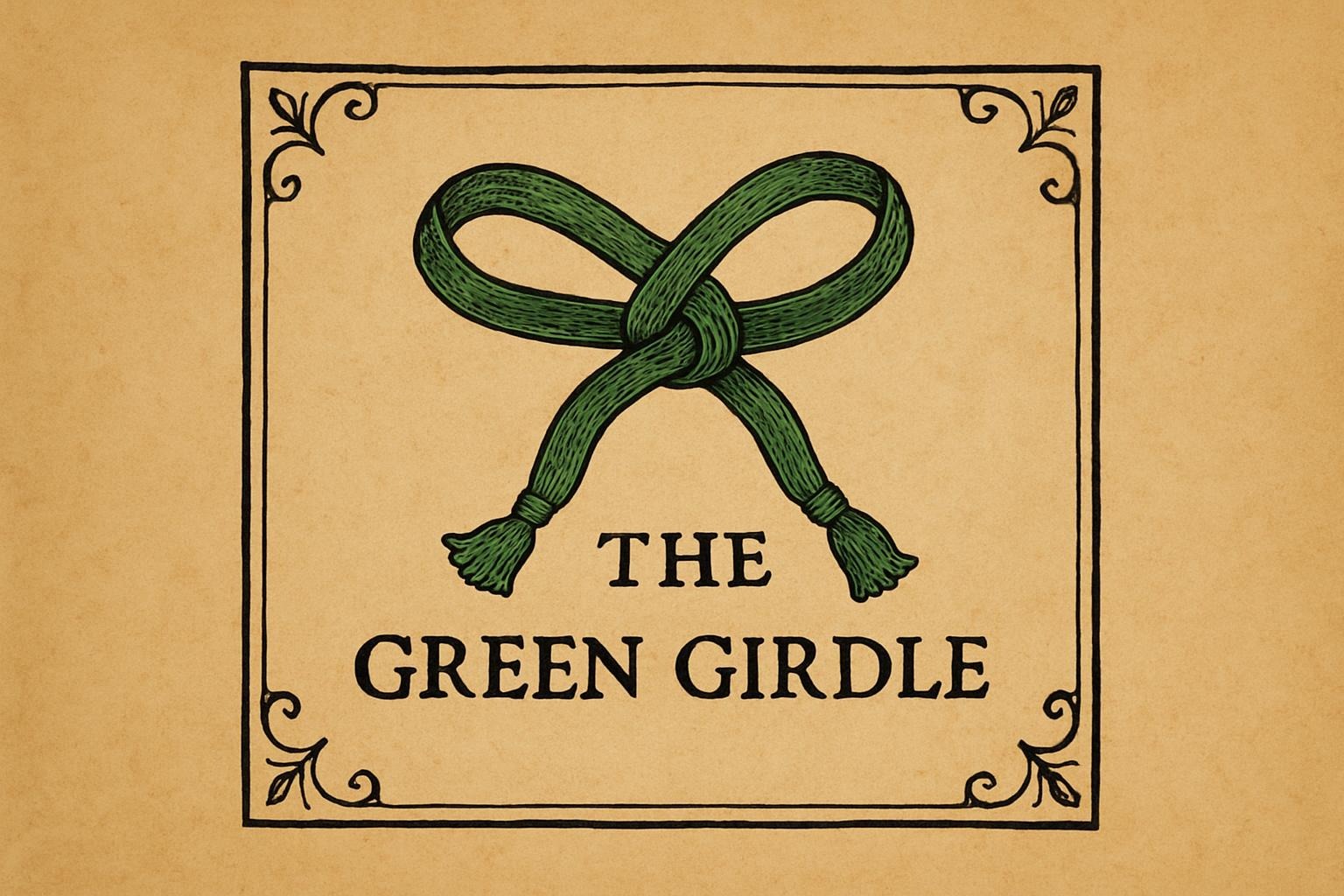
The green girdle serves as central emblem of both failure and insight. For Gawain, it represents human imperfection and fear of death. Moreover, the poet portrays the object as symbolic of moral complexity and growth. Consequently, readers understand the tension between self-preservation and ethical ideal. In addition, the girdle links all prior trials, integrating lessons on honesty, courage, and reflection. It functions as visual reminder of both temptation and virtue, reinforcing ethical awareness. Furthermore, its color symbolizes renewal, nature, and testing. Repeated encounters with moral dilemmas culminate in the significance of this single object. Therefore, the symbolism of the green girdle demonstrates that ethical education embraces imperfection, reflection, and conscious choice. Ultimately, the girdle encapsulates the poem’s vision. Virtue develops through struggle, insight, and ongoing self-examination. It teaches readers the enduring value of moral vigilance.
Tests and Temptations in Gawain by the Pearl Poet: https://englishlitnotes.com/2025/07/13/tests-and-temptations-in-gawain/
American Literature:http://americanlit.englishlitnotes.com
The Green Girdle: https://share.google/EHfyf0x0rXDdWNzXo
Discover more from Naeem Ullah Butt - Mr.Blogger
Subscribe to get the latest posts sent to your email.