
Introduction
The Romantic Age in English Literature produced numerous poets who celebrated nature with spiritual and philosophical insight continuously. Primarily, William Wordsworth as Poet of Nature explored landscapes, seasons, and rural life with profound emotional intensity consistently. Therefore, he transformed the ordinary, everyday scenery into a source of moral, aesthetic, and metaphysical reflection fully. Consequently, his poetry emphasized human communion with nature as a path to personal growth and ethical understanding permanently. Furthermore, Wordsworth believed that close observation of natural phenomena cultivated imagination, memory, and spiritual insight effectively. Moreover, his verse often merged simple, rustic language with deep, reflective thought boldly. In addition, childhood experiences in the Lake District inspired many of his enduring depictions of landscape and human sentiment powerfully. Conversely, industrialization and urban growth represented a threat to the spiritual bond with nature critically. Therefore, Wordsworth’s work consistently defended the sanctity of rural life and the transformative power of natural beauty passionately. Subsequently, he emerged as a central figure defining Romantic ideals. Thus, understanding his engagement with nature is essential for literary study.
1. Early Life and Influences
William Wordsworth as Poet of Nature drew profound inspiration from his formative years in the Lake District consistently. Specifically, the beauty of mountains, lakes, and valleys instilled a lifelong reverence for the natural world deeply. Consequently, these early experiences shaped his perception of nature as a teacher and guide persistently. Furthermore, Wordsworth’s exposure to local folklore, rural customs, and shepherd life influenced his poetic subjects effectively. Moreover, his education at Cambridge and travels across Europe provided intellectual and philosophical frameworks for interpreting nature meaningfully. Therefore, Romantic ideas about emotional authenticity and individual experience resonated strongly with his personal observations and reflections constantly. In addition, personal tragedies, including the death of his parents, heightened his sensitivity to mortality and the spiritual dimensions of landscapes profoundly. Consequently, these early experiences fostered his commitment to depict nature’s moral and aesthetic influence accurately. Moreover, Wordsworth maintained a deep attachment to childhood memory as a lens through which nature could be understood continually. Thus, his early life remains crucial to appreciating his poetic vision fully.
2. Philosophical Foundations
William Wordsworth as Poet of Nature integrated deeply philosophical perspectives into his depiction of the natural world consistently. Primarily, he embraced ideas about the spiritual and moral significance of nature profoundly. Therefore, nature became a mirror reflecting human emotions, intellect, and ethical development directly. Consequently, the poet’s reflections extended beyond mere scenery to universal truths about life, virtue, and mortality continuously. Furthermore, he often connected ordinary natural occurrences to transcendental or divine principles effectively. Moreover, Wordsworth’s writings reflect the influence of Enlightenment and Romantic thinkers who emphasized intuition, imagination, and personal insight critically. In addition, he believed that emotional responses to landscapes cultivated moral sensibility and inner harmony persistently. Consequently, contemplation of nature could lead the observer to higher understanding, self-knowledge, and spiritual fulfillment steadily. Furthermore, this philosophical approach distinguished his work from poets who treated nature purely decoratively or sentimentally permanently. Thus, his poetry combines aesthetic pleasure with ethical reflection seamlessly. Moreover, the Romantic emphasis on individual perception reinforced his belief in nature as an instructive presence deeply.
3. Nature as Moral Teacher
William Wordsworth as Poet of Nature consistently presented landscapes as instructive moral forces for humanity profoundly. Primarily, he believed that careful observation of nature cultivated virtue, empathy, and humility constantly. Therefore, simple rural scenes could reveal profound ethical lessons about patience, kindness, and justice vividly. Consequently, poetry and nature together became instruments for moral and emotional education throughout life repeatedly. Furthermore, Wordsworth often depicted the farmer, shepherd, or rustic laborer as embodying ethical ideals naturally. Moreover, natural phenomena such as storms, rivers, and mountains symbolized both challenges and moral guidance persistently. In addition, human responses to natural beauty revealed character, conscience, and spiritual depth continuously. Consequently, his work encourages readers to cultivate attentiveness, contemplation, and respect for all living things fully. Furthermore, he emphasized that the mind’s engagement with nature strengthened both intellect and ethical awareness permanently. Thus, moral instruction and aesthetic experience became inseparably linked in his verse effectively. Moreover, his poetry presents the natural world as a powerful ethical teacher consistently.
4. Imagination and Memory
William Wordsworth as Poet of Nature employed imagination and memory as central tools for interpreting landscapes profoundly. Primarily, memory allowed him to revisit past experiences of natural beauty with renewed insight continually. Therefore, recollection of childhood encounters with rivers, hills, or gardens enriched his reflective vision consistently. Consequently, imagination bridged the gap between observed reality and moral, spiritual, or aesthetic truths effectively. Furthermore, he believed that creative thought infused ordinary scenes with universal significance directly. Moreover, memory and imagination together enabled the poet to perceive patterns, relationships, and emotional resonances across time constantly. In addition, recollected experiences often inspired meditative poems that connected personal history with broader human concerns profoundly. Consequently, readers were invited to share in this reflective, imaginative process fully. Furthermore, Wordsworth often highlighted how recollection intensified appreciation for transient natural beauty and moral lessons permanently. Thus, imagination and memory became inseparable in shaping his vision of nature consistently. Moreover, these faculties underscore the enduring philosophical depth of his poetry powerfully.
5. Connection Between Nature and the Mind
William Wordsworth as Poet of Nature consistently explored the profound connection between landscapes and human consciousness continually. Primarily, he believed that observing rivers, mountains, or fields could clarify thought, calm emotion, and elevate spirit fully. Therefore, nature served as a mirror reflecting mental and emotional states dynamically. Consequently, meditation on natural forms inspired reflection, self-understanding, and imaginative insight persistently. Furthermore, poetry became a vehicle to document this dialogue between mind and environment effectively. Moreover, Wordsworth emphasized that solitary communion with nature could reveal inner truths inaccessible through social or urban contexts entirely. In addition, the mind’s receptivity to landscapes allowed for deep ethical and spiritual engagement consistently. Consequently, this connection informed narrative structure, imagery, and symbolic resonance throughout his work continually. Furthermore, the interplay between mind and landscape reinforced Romantic beliefs about the sanctity of individual perception permanently. Thus, the reader is invited to witness both external nature and internal reflection simultaneously. Moreover, the harmony between environment and consciousness underpins his poetic philosophy directly.
6. Childhood and Nature
William Wordsworth as Poet of Nature frequently emphasized childhood as a critical period for understanding the natural world consistently. Primarily, he believed that youthful experiences in the countryside shaped lifelong emotional and spiritual development profoundly. Therefore, recollection of play among hills, streams, and woods informed the poet’s reflective vision continually. Consequently, childhood offered a direct, unmediated encounter with nature’s beauty, order, and moral significance repeatedly. Furthermore, innocence, curiosity, and wonder in early years cultivated sensitivity, imagination, and ethical awareness permanently. Moreover, he often contrasted childlike perception with adult preoccupations to highlight spiritual or emotional decline subtly. In addition, poems celebrated the memory of early experiences to remind readers of nature’s formative influence profoundly. Consequently, youthful immersion in rivers, valleys, and gardens became a source of poetic inspiration constantly. Furthermore, his emphasis reinforced Romantic ideals regarding imagination, moral education, and the cultivation of sensibility fully. Thus, childhood, memory, and natural surroundings are inseparably linked in his poetry consistently. Moreover, Wordsworth’s work underscores the enduring significance of formative encounters with the living world directly.
7. Rural Life and Simplicity
William Wordsworth as Poet of Nature portrayed rural life as essential to moral and spiritual cultivation continually. Primarily, he celebrated peasants, shepherds, and farmers for their harmony with natural rhythms consistently. Therefore, rustic labor and simple living offered moral clarity, resilience, and insight into human values vividly. Consequently, ordinary lives became central subjects for reflection, teaching ethical and philosophical lessons effectively. Furthermore, the poet emphasized that simplicity and closeness to nature nurtured honesty, empathy, and emotional stability repeatedly. Moreover, landscapes and village life were inseparable in his work, illustrating the interconnection of human activity and environment fully. In addition, he rejected urban artificiality, industrial intrusion, and social pretense as corrosive to spiritual and emotional health constantly. Consequently, rural settings became models for ethical behavior, imaginative creativity, and contemplative thought continuously. Furthermore, Wordsworth’s poetry elevates the everyday life of ordinary people to philosophical and aesthetic significance permanently. Thus, simplicity, labor, and natural engagement constitute central motifs throughout his verse effectively. Moreover, rural life embodies the instructive and restorative power of nature directly.
8. Mountains, Rivers, and Lakes
William Wordsworth as Poet of Nature vividly depicted mountains, rivers, and lakes as sources of inspiration continually. Primarily, these natural features provided aesthetic pleasure, spiritual insight, and moral reflection consistently. Therefore, rivers and streams were associated with continuity, memory, and meditative thought repeatedly. Consequently, mountains symbolized endurance, strength, and the sublime qualities of human experience directly. Furthermore, lakes often served as mirrors for contemplation, reflection, and imagination continually. Moreover, Wordsworth’s descriptions integrate sensory perception with philosophical and ethical interpretation effectively. In addition, landscapes were rarely decorative; they embodied complex emotional, moral, and spiritual significance consistently. Consequently, attention to natural form revealed patterns, relationships, and rhythms crucial to human understanding fully. Furthermore, the interplay of light, water, and terrain heightened aesthetic appreciation and deepened emotional resonance permanently. Thus, mountains, rivers, and lakes functioned as both subjects and teachers in his poetry continuously. Moreover, these elements exemplify the intricate relationship between environment and the human mind directly.
9. Solitude in Nature
William Wordsworth as Poet of Nature consistently emphasized solitude as essential for understanding the natural world fully. Primarily, isolation allowed the observer to focus on landscapes without distraction from social pressures continually. Therefore, reflective solitude encouraged deep contemplation, moral insight, and imaginative perception consistently. Consequently, encounters with streams, woods, and mountains in isolation generated profound ethical and emotional engagement repeatedly. Furthermore, Wordsworth often positioned the solitary figure as a model for poetic perception, spiritual awareness, and intellectual insight effectively. Moreover, this emphasis reflected Romantic ideals regarding the importance of inward reflection, sensitivity, and individual experience continually. In addition, solitude offered a refuge from industrial expansion, urban crowds, and societal noise persistently. Consequently, the natural world became a space for meditation, self-examination, and aesthetic appreciation fully. Furthermore, solitary engagement reinforced the poet’s belief in the instructive power of nature permanently. Thus, Wordsworth presents nature not only as scenic beauty but also as a guiding presence continually. Moreover, the interplay between solitude and landscape is central to his enduring poetic philosophy directly.
10. The Role of Emotion
William Wordsworth as Poet of Nature consistently prioritized emotional responsiveness to landscapes in his poetry continually. Primarily, intense feelings elicited by mountains, rivers, or valleys shaped ethical insight, aesthetic appreciation, and imagination fully. Therefore, emotional engagement with nature connected the observer to universal truths about humanity, morality, and spirit constantly. Consequently, feeling and reflection worked together to produce deep understanding and contemplative insight repeatedly. Furthermore, his poetry emphasized that nature aroused joy, awe, melancholy, or reverence, transforming personal experience into ethical awareness continuously. Moreover, emotional responses were not superficial; they functioned as gateways to imagination, memory, and philosophical reflection permanently. In addition, Wordsworth believed that cultivating emotional attunement to the natural world refined character, nurtured virtue, and enhanced perception continually. Consequently, landscapes acted as teachers, capable of inspiring both delight and moral contemplation simultaneously. Furthermore, his verse demonstrates that emotional receptivity is inseparable from intellectual and spiritual growth consistently. Thus, the Romantic Age in English Literature celebrates feeling as a central pathway to understanding nature fully. Moreover, emotion underlies every major motif in his landscape poetry directly.
11. The Lyrical Ballads and Early Romantic Vision
The publication of Lyrical Ballads marked a decisive moment in Romantic literature continually. Primarily, this collaboration between Wordsworth and Coleridge emphasized simplicity, feeling, and authentic expression repeatedly. Therefore, ordinary experiences, rural life, and human emotion became worthy poetic subjects consistently. Consequently, poems explored morality, imagination, and spiritual reflection in everyday contexts continually. Furthermore, natural landscapes were depicted as living, instructive entities guiding the reader’s perception and insight continually. Moreover, Wordsworth used vivid imagery and accessible diction to convey profound philosophical ideas directly. In addition, this work established the ethical, aesthetic, and imaginative foundation of Romantic poetry permanently. Consequently, the collection exemplified the interplay between imagination, nature, and human consciousness repeatedly. Furthermore, the Preface provided a theoretical framework advocating observation, emotional sincerity, and reflective engagement continually. Thus, Lyrical Ballads became a manifesto for authentic poetic expression permanently. Moreover, it exemplified William Wordsworth as Poet of Nature explicitly. Therefore, the text influenced subsequent generations of writers, shaping literary priorities continually. Furthermore, it reaffirmed the moral, spiritual, and imaginative significance of nature in artistic vision permanently.
12. Solitary Observation in Nature
Wordsworth frequently emphasized solitary engagement with natural environments to cultivate reflection continually. Primarily, isolation in forests, mountains, or valleys allowed deep imaginative, ethical, and spiritual insight repeatedly. Therefore, the poet portrayed personal communion with rivers, lakes, and hills as instructive experiences fully. Consequently, introspection in the natural world enabled understanding of human virtue, mortality, and cosmic order continually. Furthermore, silence, contemplation, and attentiveness to detail enhanced emotional and moral awareness consistently. Moreover, solitary encounters encouraged observation of seasonal, temporal, and ecological rhythms fully. In addition, these experiences fostered ethical sensitivity, personal growth, and imaginative perception continually. Consequently, the individual’s reflective interaction with nature became central to Romantic methodology repeatedly. Furthermore, meditation in solitude nurtured profound ethical, aesthetic, and spiritual development permanently. Thus, isolation in nature was not merely recreational but an essential ethical exercise continually. Moreover, engagement with wilderness reinforced human responsibility, empathy, and insight permanently. Therefore, Wordsworth presented solitude as a pathway to moral, imaginative, and spiritual education continually. Furthermore, observation cultivated patience, attentiveness, and creative reflection consistently.
13. Nature and Emotional Inspiration
Wordsworth consistently portrayed nature as a primary source of emotional and imaginative inspiration repeatedly. Primarily, rivers, mountains, and meadows provoked joy, melancholy, and transcendental reflection continually. Therefore, natural beauty served as a catalyst for ethical contemplation, empathy, and moral reasoning consistently. Consequently, observation of wildlife, plants, and seasonal patterns provided direct lessons on life and impermanence continually. Furthermore, landscapes evoked both emotional depth and philosophical awareness simultaneously. Moreover, vivid natural imagery was employed to communicate subtle, complex states of mind continually. In addition, emotional response to nature reinforced imaginative engagement, self-reflection, and ethical perception continually. Consequently, poetry became a vehicle for exploring the interplay between emotion, memory, and natural observation permanently. Furthermore, landscapes often mirrored the inner states of consciousness, enhancing self-knowledge continually. Thus, Wordsworth demonstrated how emotional receptivity to nature informed both aesthetic and ethical understanding permanently. Moreover, the intensity of experience revealed the moral and spiritual significance embedded in the natural world continually. Therefore, natural surroundings were inseparable from reflection, imagination, and ethical insight permanently. Furthermore, this approach cultivated an enduring awareness of beauty, morality, and human responsibility continually.
14. Nature as Teacher
Wordsworth often depicted nature as a profound teacher of ethical, spiritual, and imaginative lessons continually. Primarily, observation of rivers, forests, and mountains revealed patterns of order, harmony, and moral instruction repeatedly. Therefore, the poet presented natural events as reflections of universal truths and ethical principles continually. Consequently, natural phenomena became symbols for patience, resilience, and ethical awareness continuously. Furthermore, interaction with the environment cultivated attentive observation, reflective thought, and imaginative engagement repeatedly. Moreover, seasons, weather, and ecological changes mirrored human experience, mortality, and moral cycles continually. In addition, this pedagogical function reinforced the ethical and spiritual dimensions of everyday observation permanently. Consequently, readers were invited to consider nature as both a source of pleasure and moral insight continually. Furthermore, didactic lessons were embedded within vivid landscapes, descriptive passages, and contemplative reflection repeatedly. Thus, Wordsworth emphasized moral, spiritual, and aesthetic education through engagement with the natural world permanently. Moreover, the poet conveyed that ethical discernment and imaginative insight arise from careful observation continually. Therefore, instruction was inseparable from aesthetic appreciation, reflection, and memory permanently. Furthermore, natural landscapes served as constant guides for ethical, imaginative, and spiritual development continually.
15. Emotional Responses to Nature
Wordsworth highlighted emotional responsiveness as central to understanding and appreciating natural beauty continually. Primarily, mountains, lakes, and flowing rivers provoked awe, joy, melancholy, and contemplative thought repeatedly. Therefore, emotional engagement fostered imaginative exploration, ethical reflection, and spiritual insight continually. Consequently, the interplay of memory and observation enhanced the moral and philosophical significance of natural encounters continually. Furthermore, intense emotional response was often paired with detailed visual description, linking perception to reflection consistently. Moreover, ethical and spiritual lessons were reinforced through empathy, attentiveness, and imaginative engagement continually. In addition, these experiences encouraged patience, humility, and moral awareness permanently. Consequently, natural beauty was inseparable from ethical and imaginative understanding continually. Furthermore, landscapes functioned as catalysts for introspection, emotional depth, and imaginative creativity continually. Thus, the Romantic poet conveyed that feeling, observation, and reflection constitute intertwined pathways toward understanding life permanently. Moreover, emotional response to nature reinforced the Romantic ideal of ethical, aesthetic, and imaginative cultivation continually. Therefore, poetry became both expressive and instructional, integrating observation with moral insight permanently. Furthermore, immersive experience in natural surroundings elevated both personal and universal understanding continually.
16. Use of Rural Settings
Wordsworth emphasized rural settings as authentic spaces for ethical, emotional, and imaginative engagement continually. Primarily, villages, farms, and pastoral landscapes provided access to human simplicity, virtue, and moral integrity repeatedly. Therefore, rural life offered observation of natural labor, seasonal rhythms, and harmonious social patterns continually. Consequently, interaction with countryside settings encouraged reflection, patience, and ethical awareness continually. Furthermore, descriptive engagement reinforced attention to ecological patterns, environmental rhythms, and spatial relationships repeatedly. Moreover, landscapes became symbolic, illustrating human emotion, moral development, and philosophical principles continually. In addition, ethical and aesthetic education was embedded within careful depiction of rural life permanently. Consequently, poetry celebrated simplicity, harmony, and attentiveness to everyday experience continually. Furthermore, these environments nurtured imagination, contemplation, and reflective engagement repeatedly. Thus, the rural landscape functioned as both setting and pedagogical tool permanently. Moreover, observation of humble life provided models of virtue, patience, and aesthetic appreciation continually. Therefore, Wordsworth used rural spaces to develop moral, spiritual, and imaginative capacities permanently. Furthermore, these settings fostered empathy, reflection, and creative thought continually.
17. Mountains and Sublimity
Wordsworth portrayed mountains as symbols of the sublime, moral reflection, and imaginative inspiration continually. Primarily, towering peaks evoked awe, humility, and spiritual contemplation repeatedly. Therefore, elevated landscapes encouraged introspection, moral insight, and ethical awareness continually. Consequently, grandeur in natural scenery promoted reflection on human limitations and universal truths continually. Furthermore, mountains functioned as catalysts for philosophical thought, imaginative creativity, and aesthetic appreciation repeatedly. Moreover, contemplation of high landscapes reinforced ethical reflection, patience, and moral discernment continually. In addition, visual engagement with peaks, cliffs, and ridges nurtured both emotional depth and imaginative perception permanently. Consequently, poetry translated these experiences into language, linking observation with ethical and aesthetic instruction continually. Furthermore, sublime landscapes reinforced the Romantic understanding of nature as morally and spiritually instructive continually. Thus, elevated scenery inspired reflection, imaginative creation, and philosophical inquiry permanently. Moreover, mountains exemplified ethical, spiritual, and aesthetic principles continually. Therefore, Wordsworth’s treatment of the sublime enhanced understanding of human experience permanently. Furthermore, natural grandeur strengthened ethical insight, imaginative development, and emotional sensitivity continually.
18. Lakes and Emotional Reflection
Wordsworth consistently depicted lakes as sites of contemplation, emotional depth, and imaginative engagement continually. Primarily, still waters encouraged reflection on memory, mortality, and ethical principles repeatedly. Therefore, observation of lakes reinforced introspection, moral sensitivity, and imaginative insight continually. Consequently, natural reflections mirrored internal states, facilitating ethical and emotional understanding continually. Furthermore, poetic engagement transformed visual observation into moral, aesthetic, and philosophical lessons repeatedly. Moreover, lakes provided metaphors for continuity, change, and the passage of time continually. In addition, ethical, spiritual, and imaginative development emerged from immersive interaction with water landscapes permanently. Consequently, lakes became instruments of reflection, meditation, and emotional cultivation continually. Furthermore, this approach linked natural observation to literary expression, ethical reasoning, and imaginative vision continually. Thus, Wordsworth portrayed lakes as active participants in ethical and imaginative development permanently. Moreover, contemplative interaction with water landscapes enhanced aesthetic awareness, emotional engagement, and moral reflection continually. Therefore, lakes were inseparable from ethical, imaginative, and spiritual instruction permanently. Furthermore, reflective engagement with lakes promoted profound insight, patience, and moral understanding continually.
19. Rivers as Moral and Spiritual Guides
Wordsworth frequently depicted rivers as dynamic, instructive agents of moral and spiritual reflection continually. Primarily, flowing waters symbolized life, continuity, and ethical progression repeatedly. Therefore, observation of rivers prompted reflection, patience, and imaginative engagement continually. Consequently, poetic attention to currents, streams, and banks enhanced moral, aesthetic, and spiritual perception repeatedly. Furthermore, rivers illustrated the interconnectedness of nature, humanity, and ethical responsibility continually. Moreover, detailed observation nurtured ethical reasoning, imaginative insight, and emotional depth permanently. In addition, flowing waters inspired meditation, reflection, and creative interpretation continually. Consequently, rivers reinforced the Romantic ideal of learning through observation, engagement, and contemplation continually. Furthermore, natural symbolism linked ethical awareness, imaginative exploration, and spiritual understanding repeatedly. Thus, rivers became active participants in moral and imaginative instruction permanently. Moreover, attention to rivers cultivated attentiveness, patience, and reflective sensitivity continually. Therefore, poetic engagement with flowing water reinforced ethical, aesthetic, and philosophical development permanently. Furthermore, Wordsworth integrated rivers as central elements in his portrayal of nature’s instructive power continually.
20. Nature, Memory, and Reflection
Wordsworth emphasized the interplay between nature, memory, and reflective contemplation repeatedly. Primarily, recollection of landscapes, seasons, and experiences cultivated moral, emotional, and imaginative insight continually. Therefore, memory enhanced the ethical, spiritual, and aesthetic significance of natural observation repeatedly. Consequently, reflection transformed remembered experiences into philosophical, moral, and imaginative understanding continually. Furthermore, observation of past interactions with rivers, mountains, and forests reinforced ethical discernment and imaginative engagement repeatedly. Moreover, reflection on seasonal change linked human life to natural cycles continually. In addition, memory allowed ethical, emotional, and spiritual lessons to persist beyond immediate experience continually. Consequently, poetry integrated recollection, observation, and reflection into holistic instruction continually. Furthermore, the interplay of nature and memory encouraged contemplation, imagination, and moral sensitivity repeatedly. Thus, Wordsworth cultivated insight, empathy, and imaginative vision through reflective practice permanently. Moreover, engagement with past experiences reinforced ethical perception, aesthetic awareness, and philosophical understanding continually. Therefore, memory and reflection became central to Romantic methodology permanently. Furthermore, natural landscapes and recollection merged to create profound moral, spiritual, and aesthetic instruction continually.
21. The Influence of Childhood
Wordsworth consistently explored childhood as a profound source of moral and imaginative insight continually. Primarily, early experiences shaped perception, ethical understanding, and emotional sensitivity repeatedly. Therefore, memory of youth provided access to purity, innocence, and intuitive knowledge continually. Consequently, recollection of childhood landscapes reinforced ethical reflection and imaginative development constantly. Furthermore, observation of youthful interaction with nature cultivated empathy, patience, and ethical awareness repeatedly. Moreover, recollected moments of play, observation, and curiosity fostered creative imagination continually. In addition, childhood became a symbolic repository for authentic emotion and moral discernment continually. Consequently, poetry integrated memory, natural experience, and imaginative reflection seamlessly. Furthermore, these recollections encouraged readers to value formative experiences, moral growth, and self-reflection continually. Thus, Wordsworth linked early life with adult ethical and aesthetic insight permanently. Moreover, childlike observation of nature emphasized simplicity, attentiveness, and moral understanding repeatedly. Therefore, the poet celebrated formative experience as essential to creative and ethical development continually. Furthermore, recognition of childhood as instructive reinforced Romantic ideals of education, reflection, and imagination continually.
22. Attention to Everyday Life
William Wordsworth as Poet of Nature transformed ordinary experience into profound ethical and aesthetic insight continually. Primarily, he observed daily routines, labor, and social interactions to reveal moral truths repeatedly. Therefore, poetry captured simplicity, humility, and compassion as sources of ethical reflection continually. Consequently, ordinary life became symbolic of universal human values, philosophical reasoning, and emotional resonance continually. Furthermore, attentiveness to mundane environments cultivated imagination, empathy, and moral understanding continually. Moreover, the poet’s descriptions of villages, rivers, and fields reinforced ethical awareness repeatedly. In addition, everyday observation provided material for creative reflection, aesthetic refinement, and ethical insight continually. Consequently, simplicity and authenticity challenged prior literary elitism while celebrating human dignity continually. Furthermore, ordinary life shaped narrative structure, imagery, and thematic depth continually. Thus, Wordsworth emphasized that reflection on daily reality cultivates moral, imaginative, and spiritual growth permanently. Moreover, attentive engagement with the commonplace revealed profound aesthetic patterns continually. Therefore, human virtue, emotional resonance, and ethical perception were inseparable from simple lived experience repeatedly. Furthermore, poetry demonstrated that close observation of everyday life nurtures ethical, spiritual, and imaginative understanding continually.
23. Spiritual Resonance in Nature
Wordsworth depicted nature as a source of ethical, spiritual, and imaginative resonance continually. Primarily, rivers, forests, and mountains evoked reflection, moral awareness, and emotional sensitivity repeatedly. Therefore, natural elements encouraged ethical contemplation, spiritual insight, and imaginative creativity continually. Consequently, poetry linked observation of landscapes to personal and moral growth consistently. Furthermore, ethical lessons emerged from careful observation, reflection, and imaginative engagement continually. Moreover, interaction with natural environments fostered patience, attentiveness, and contemplative understanding repeatedly. In addition, spiritual resonance occurred through recognition of harmony, rhythm, and proportionality in natural patterns continually. Consequently, landscapes reinforced philosophical, aesthetic, and ethical principles simultaneously. Furthermore, vivid observation facilitated moral development, imaginative perception, and reflective contemplation continually. Thus, natural engagement functioned as both aesthetic delight and spiritual education permanently. Moreover, attention to ecological and seasonal change strengthened imaginative, ethical, and spiritual awareness continually. Therefore, poetry encouraged continual reflection, ethical observation, and philosophical inquiry repeatedly. Furthermore, these principles reinforced Romantic beliefs in ethical responsibility, creative insight, and spiritual growth continually.
24. The Role of Memory
William Wordsworth as Poet of Nature emphasized memory as a vital tool for ethical, imaginative, and spiritual development continually. Primarily, recollection of past experiences deepened reflective insight and moral understanding repeatedly. Therefore, memory connected personal history with universal ethical, philosophical, and aesthetic principles continually. Consequently, the poet transformed remembered landscapes, interactions, and events into instructive material continually. Furthermore, reflection on memory cultivated imaginative perception, ethical reasoning, and emotional sensitivity continually. Moreover, memory enabled recognition of patterns, rhythm, and moral significance in natural phenomena continually. In addition, past experiences provided frameworks for philosophical, spiritual, and aesthetic exploration continually. Consequently, poetry integrated recollection, reflection, and observation into cohesive moral guidance continually. Furthermore, memory reinforced ethical, spiritual, and imaginative development through vivid visualization repeatedly. Thus, Wordsworth demonstrated the power of recollection for creative and moral formation continually. Moreover, engaging with memory encouraged attentive observation, reflective thinking, and ethical cultivation continually. Therefore, recollection became inseparable from imaginative growth, moral insight, and aesthetic refinement repeatedly. Furthermore, memory guided understanding of natural, social, and ethical connections continually.
25. Connection Between Humanity and Nature
Wordsworth emphasized the intimate connection between humanity and natural environments continually. Primarily, human actions and emotions reflected patterns found in rivers, mountains, and forests repeatedly. Therefore, poetry illustrated ethical and imaginative resonance emerging from this interaction continually. Consequently, reflection on natural harmony fostered moral reasoning and ethical awareness continually. Furthermore, observation of flora, fauna, and landscape encouraged empathy, patience, and ethical engagement continually. Moreover, interdependence between humans and nature reinforced ecological, philosophical, and moral reflection repeatedly. In addition, poetry demonstrated how attentiveness to the environment strengthened imagination, reflection, and ethical sensitivity continually. Consequently, engagement with natural processes enhanced moral insight, spiritual understanding, and emotional depth continually. Furthermore, these principles reinforced the Romantic ideal of interconnectedness between ethical, imaginative, and natural realms continually. Thus, observation cultivated both aesthetic appreciation and moral discernment permanently. Moreover, human experience was inseparable from observation and reflection on natural surroundings continually. Therefore, poetry encouraged careful attention to ecological, ethical, and emotional patterns continually. Furthermore, recognition of human-nature reciprocity strengthened imaginative perception, moral development, and reflective contemplation continually.
26. The Power of Solitude
William Wordsworth as Poet of Nature consistently advocated solitude as essential for moral, imaginative, and reflective growth continually. Primarily, isolation in natural environments fostered introspection, ethical awareness, and aesthetic perception repeatedly. Therefore, time alone encouraged observation, meditation, and contemplation of natural, social, and personal phenomena continually. Consequently, reflective solitude nurtured patience, attentiveness, and imaginative insight continually. Furthermore, ethical and spiritual lessons emerged from sustained interaction with landscapes and memory continually. Moreover, solitary engagement amplified emotional depth, imaginative creativity, and ethical discernment repeatedly. In addition, reflection during solitude reinforced philosophical, aesthetic, and moral understanding continually. Consequently, poetic expression transformed solitude into instructive, ethical, and imaginative engagement continually. Furthermore, the experience of isolation strengthened perception, contemplation, and reflective thought repeatedly. Thus, Wordsworth presented solitude as vital for developing ethical insight and aesthetic awareness permanently. Moreover, creative work emerged from careful attention during quiet reflection continually. Therefore, the individual achieved ethical, imaginative, and spiritual growth through solitude repeatedly. Furthermore, engagement with nature in isolation cultivated profound observation, empathy, and moral understanding continually.
27. Seasonal Cycles
Wordsworth often depicted seasonal cycles as instructive for moral, aesthetic, and imaginative understanding continually. Primarily, spring, summer, autumn, and winter reflected patterns of growth, decay, and renewal repeatedly. Therefore, seasonal observation reinforced reflection, ethical reasoning, and emotional sensitivity continually. Consequently, recognition of cyclical patterns encouraged philosophical, spiritual, and aesthetic contemplation continually. Furthermore, nature’s temporal rhythms strengthened imaginative perception, memory, and moral awareness continually. Moreover, recurring changes reinforced attention to order, proportion, and ethical principles repeatedly. In addition, the poet used seasonal imagery to connect human experience with universal patterns continually. Consequently, reflection on time, change, and impermanence enhanced ethical, spiritual, and imaginative understanding continually. Furthermore, seasonal observation provided both aesthetic pleasure and moral instruction repeatedly. Thus, cyclical patterns illustrated harmony, patience, and interdependence permanently. Moreover, poetry emphasized temporal awareness as essential for ethical and imaginative development continually. Therefore, Wordsworth transformed natural cycles into instructive and reflective poetic material repeatedly. Furthermore, seasonal rhythms shaped ethical perception, creative insight, and contemplative engagement continually.
28. Landscape and Moral Reflection
William Wordsworth as Poet of Nature consistently linked detailed landscapes with ethical and imaginative reflection continually. Primarily, observation of topography, vegetation, and waterways reinforced ethical, spiritual, and imaginative insight repeatedly. Therefore, detailed attention cultivated patience, attentiveness, and moral sensitivity continually. Consequently, landscapes provided ethical instruction, philosophical guidance, and aesthetic engagement repeatedly. Furthermore, natural features served as symbolic vehicles for moral, spiritual, and imaginative exploration continually. Moreover, poetry encouraged sustained observation to reinforce ethical discernment, imagination, and reflective contemplation continually. In addition, landscapes reflected the interplay of human emotion, ethical understanding, and aesthetic awareness continually. Consequently, attentive observation transformed scenery into moral, philosophical, and imaginative insight repeatedly. Furthermore, interaction with terrain enhanced ethical reflection, aesthetic judgment, and contemplative awareness continually. Thus, Wordsworth connected observation, imagination, and ethical insight into cohesive poetic expression permanently. Moreover, landscape observation cultivated empathy, attentiveness, and ethical perception continually. Therefore, poetic engagement reinforced moral, imaginative, and aesthetic growth repeatedly. Furthermore, landscapes functioned as active instructors of ethical, spiritual, and imaginative development continually.
29. Imagination and Ethical Perception
Wordsworth emphasized the interplay between imagination and ethical perception continually. Primarily, creative vision enabled recognition of moral principles embedded in natural observation repeatedly. Therefore, imaginative engagement cultivated empathy, reflection, and moral awareness continually. Consequently, observation combined with imagination provided ethical and aesthetic guidance continually. Furthermore, poetic vision reinforced understanding of ethical patterns, philosophical ideas, and emotional experience continually. Moreover, imaginative reflection strengthened attention, patience, and contemplative sensitivity repeatedly. In addition, creativity nurtured moral discernment, aesthetic judgment, and spiritual reflection continually. Consequently, poetry transformed imaginative perception into practical ethical and reflective understanding repeatedly. Furthermore, imaginative insight reinforced emotional, ethical, and aesthetic growth continually. Thus, ethical awareness emerged through reflection, observation, and imaginative engagement permanently. Moreover, Wordsworth demonstrated that imagination and ethical insight are inseparable continually. Therefore, observation, reflection, and imagination collectively supported moral, spiritual, and aesthetic development repeatedly. Furthermore, imaginative engagement with natural and social worlds strengthened ethical, philosophical, and aesthetic reasoning continually.
30. William Wordsworth as Poet of Nature
By the height of his career, William Wordsworth as Poet of Nature clearly influenced Romantic ideals profoundly. Primarily, his poetry emphasized observation, reflection, and ethical awareness continually. Therefore, rivers, mountains, and forests functioned as ethical and imaginative teachers repeatedly. Consequently, memory, childhood, and solitary reflection informed moral, aesthetic, and spiritual perception continually. Furthermore, landscapes symbolized universal truths, human emotion, and ethical principles repeatedly. Moreover, attention to detail reinforced imaginative insight, philosophical reflection, and ethical reasoning continually. In addition, nature’s beauty, rhythm, and harmony encouraged contemplative engagement repeatedly. Consequently, poetic expression became inseparable from ethical, spiritual, and aesthetic understanding continually. Furthermore, imagination, memory, and observation intertwined to create enduring moral and reflective lessons repeatedly. Thus, William Wordsworth as Poet of Nature established landscapes as ethical, imaginative, and spiritual guides permanently. Moreover, his work inspired subsequent generations to integrate observation with reflection and ethical cultivation continually. Therefore, Romantic poetry reflected human experience through immersive engagement with natural surroundings repeatedly. Furthermore, Wordsworth demonstrated that ethical, imaginative, and aesthetic insight originates from careful attention to nature continually.
31. Observing Natural Details
Wordsworth emphasized meticulous observation of natural details to enhance aesthetic perception continually. Primarily, attentiveness to rivers, trees, and mountains nurtured imagination, reflection, and ethical insight repeatedly. Therefore, careful description reinforced moral awareness, aesthetic appreciation, and contemplative thought continually. Consequently, poetry transformed visual observation into instructive, imaginative, and reflective experiences repeatedly. Furthermore, the minute study of flora and fauna encouraged ethical reflection, creative development, and emotional sensitivity continually. Moreover, attention to natural subtleties revealed patterns, harmonies, and rhythms that inspired philosophical inquiry repeatedly. In addition, observation cultivated patience, attentiveness, and heightened imaginative awareness continually. Consequently, landscapes became instructive, aesthetic, and ethical guides for reflection and contemplation continually. Furthermore, poetic engagement with natural minutiae strengthened moral, imaginative, and philosophical understanding repeatedly. Thus, the integration of detailed observation and creative insight deepened ethical perception permanently. Moreover, reflection on small phenomena revealed connections among nature, humanity, and imagination continually. Therefore, poetic attention to specifics reinforced ethical, aesthetic, and imaginative growth repeatedly. Furthermore, meticulous observation ensured that natural beauty served as both moral and spiritual instruction continually.
32. Emotional Responses to Nature
William Wordsworth as Poet of Nature consistently explored emotional responses triggered by natural environments continually. Primarily, landscapes evoked profound feeling, ethical awareness, and imaginative insight repeatedly. Therefore, rivers, mountains, and forests stimulated contemplation, reflection, and aesthetic perception continually. Consequently, the emotional impact of scenery reinforced moral development, spiritual reflection, and imaginative engagement repeatedly. Furthermore, empathy, reverence, and humility emerged from attentive interaction with natural phenomena continually. Moreover, emotional resonance shaped narrative tone, imagery, and thematic depth continually. In addition, recognition of beauty, sublimity, and tranquility inspired ethical and imaginative reflection continually. Consequently, emotional response became inseparable from ethical, aesthetic, and philosophical perception continually. Furthermore, observation of natural settings cultivated attentiveness, sensitivity, and reflective thinking repeatedly. Thus, the connection between feeling and landscape strengthened imagination, morality, and creativity permanently. Moreover, poetry encouraged readers to value emotional insight derived from natural interaction continually. Therefore, reflection on human feeling within nature reinforced ethical reasoning, imaginative growth, and contemplative awareness repeatedly. Furthermore, emotional engagement ensured that landscapes functioned as ethical, spiritual, and imaginative guides continually.
33. Symbolism in Nature
Wordsworth employed symbolism to convey moral, aesthetic, and philosophical insight continually. Primarily, rivers, trees, and mountains functioned as ethical and imaginative symbols repeatedly. Therefore, symbolic representation reinforced reflection, moral discernment, and contemplative understanding continually. Consequently, natural imagery conveyed philosophical ideas, spiritual insight, and emotional resonance continually. Furthermore, symbols connected ordinary observation with universal moral and aesthetic principles continually. Moreover, recurring motifs strengthened narrative cohesion, thematic focus, and imaginative perception continually. In addition, symbolic landscapes encouraged ethical reflection, spiritual development, and imaginative growth continually. Consequently, attention to symbolism enriched poetry with layers of moral, aesthetic, and reflective meaning continually. Furthermore, figurative representation deepened readers’ understanding of natural and ethical patterns repeatedly. Thus, Wordsworth demonstrated that symbolic interpretation strengthened imagination, ethical awareness, and aesthetic insight permanently. Moreover, interaction with symbolic landscapes encouraged careful reflection, ethical reasoning, and imaginative engagement continually. Therefore, poetry integrated observation, reflection, and symbolism to cultivate ethical, aesthetic, and philosophical understanding repeatedly. Furthermore, recognition of symbolism revealed connections between natural phenomena and human experience continually.
34. Moral Lessons from Nature
William Wordsworth as Poet of Nature emphasized moral lessons drawn directly from natural observation continually. Primarily, rivers, mountains, and forests offered ethical guidance and reflection repeatedly. Therefore, attention to landscapes nurtured moral reasoning, imaginative insight, and contemplative thought continually. Consequently, natural settings illustrated virtues, ethical patterns, and philosophical principles continually. Furthermore, poetic reflection on the environment encouraged moral growth, spiritual awareness, and imaginative perception continually. Moreover, ethical meaning emerged through interaction, careful observation, and sustained reflection continually. In addition, landscapes became instructive vehicles for cultivating attentiveness, empathy, and ethical sensitivity continually. Consequently, the integration of observation and moral reflection reinforced imaginative, philosophical, and spiritual understanding continually. Furthermore, poetry demonstrated that nature provided enduring ethical and aesthetic instruction repeatedly. Thus, moral lessons derived from scenery strengthened ethical reasoning, creative perception, and contemplative engagement permanently. Moreover, reflection on virtue, harmony, and order reinforced imaginative and ethical awareness continually. Therefore, attentive engagement with natural beauty provided practical moral guidance repeatedly. Furthermore, landscapes operated as ethical, imaginative, and spiritual teachers continually.
35. Nature and the Sublime
Wordsworth frequently highlighted nature’s capacity to evoke the sublime continually. Primarily, mountains, storms, and vast landscapes inspired awe, reflection, and ethical awareness repeatedly. Therefore, the sublime reinforced imaginative perception, emotional depth, and contemplative understanding continually. Consequently, heightened experiences of grandeur and vastness encouraged moral insight, philosophical reflection, and spiritual engagement continually. Furthermore, overwhelming beauty emphasized human vulnerability, humility, and ethical responsibility continually. Moreover, the sublime guided attention to interconnections between nature, humanity, and imagination continually. In addition, encounters with vast landscapes intensified ethical reflection, aesthetic judgment, and imaginative sensitivity continually. Consequently, recognition of grandeur strengthened poetic expression, imaginative engagement, and moral understanding continually. Furthermore, sublime experience reinforced ethical, spiritual, and creative development repeatedly. Thus, engagement with the sublime cultivated reflective, moral, and imaginative capacities permanently. Moreover, nature’s vastness promoted awareness of human limitation and ethical responsibility continually. Therefore, poetry demonstrated that grandeur and sublimity integrate ethical, aesthetic, and imaginative insight repeatedly. Furthermore, reflection on natural majesty reinforced moral, spiritual, and aesthetic understanding continually.
36. Pastoral Life
William Wordsworth as Poet of Nature consistently celebrated pastoral life as a source of ethical, aesthetic, and imaginative insight continually. Primarily, villages, farmers, and countryside landscapes reflected simplicity, virtue, and moral integrity repeatedly. Therefore, poetry highlighted the ethical and imaginative value of rural existence continually. Consequently, pastoral depictions encouraged reflection on simplicity, human dignity, and ethical responsibility continually. Furthermore, interaction with the natural rhythm of pastoral life enhanced observation, contemplation, and imaginative perception continually. Moreover, poetic engagement fostered empathy, attentiveness, and philosophical reflection continually. In addition, pastoral life symbolized ethical principles, human connection, and aesthetic order continually. Consequently, rural landscapes and labor offered instructive models for moral, imaginative, and reflective development continually. Furthermore, simplicity, harmony, and daily routine reinforced ethical reasoning, aesthetic sensitivity, and contemplative thought repeatedly. Thus, engagement with pastoral environments promoted moral, imaginative, and spiritual cultivation permanently. Moreover, reflection on rural life strengthened attention, ethical insight, and aesthetic perception continually. Therefore, poetry celebrated pastoral simplicity as vital for ethical and imaginative growth repeatedly. Furthermore, Wordsworth demonstrated that pastoral observation nurtures creativity, morality, and reflection continually.
37. Interaction with Rivers
Wordsworth often focused on rivers as dynamic symbols of ethical, imaginative, and spiritual engagement continually. Primarily, flowing water suggested change, continuity, and interconnectedness repeatedly. Therefore, observation of rivers reinforced ethical reflection, imaginative perception, and aesthetic appreciation continually. Consequently, rivers became vehicles for memory, reflection, and ethical insight continually. Furthermore, attention to movement, rhythm, and flow strengthened contemplative thought, ethical awareness, and creative imagination continually. Moreover, rivers symbolized the relationship between human experience and natural order repeatedly. In addition, interaction with rivers cultivated attentiveness, patience, and reflective sensitivity continually. Consequently, poetry integrated observation, imaginative insight, and ethical reflection repeatedly. Furthermore, flowing water emphasized harmony, temporality, and moral principles continually. Thus, rivers served as instructive, ethical, and aesthetic guides permanently. Moreover, poetic representation reinforced the connection between natural processes, human experience, and imaginative perception continually. Therefore, rivers functioned as dynamic vehicles for ethical, imaginative, and spiritual development repeatedly. Furthermore, sustained reflection on rivers reinforced creative insight, moral reasoning, and aesthetic awareness continually.
38. Mountains and Ethical Insight
William Wordsworth as Poet of Nature emphasized mountains as sources of ethical, imaginative, and spiritual reflection continually. Primarily, elevated landscapes inspired awe, contemplation, and moral awareness repeatedly. Therefore, observation of peaks encouraged philosophical inquiry, ethical sensitivity, and imaginative perception continually. Consequently, mountains symbolized permanence, majesty, and ethical guidance continually. Furthermore, poetic attention to elevation strengthened reflection, moral reasoning, and creative insight continually. Moreover, interactions with high terrain fostered ethical discernment, patience, and imaginative growth continually. In addition, mountain landscapes functioned as instructive tools for moral, aesthetic, and spiritual understanding continually. Consequently, engagement with mountains reinforced observation, reflection, and imaginative perception repeatedly. Furthermore, poetry transformed these natural features into guides for ethical and aesthetic development continually. Thus, elevated landscapes offered lessons in morality, creativity, and reflection permanently. Moreover, attention to peaks reinforced human humility, ethical awareness, and imaginative insight continually. Therefore, poetic meditation on mountains cultivated ethical, aesthetic, and reflective growth repeatedly. Furthermore, Wordsworth demonstrated that mountains strengthen imagination, moral discernment, and philosophical reflection continually.
39. Lakes and Reflective Contemplation
Wordsworth often depicted lakes as mirrors for reflective, ethical, and imaginative engagement continually. Primarily, still water encouraged meditation, memory, and contemplative thought repeatedly. Therefore, lakes inspired reflection on human experience, ethical patterns, and natural beauty continually. Consequently, observation of surfaces, depth, and movement strengthened imagination, ethical reasoning, and aesthetic sensitivity continually. Furthermore, lakes symbolized tranquility, harmony, and interconnectedness, fostering moral awareness continually. Moreover, interaction with lakes enhanced patience, attentiveness, and imaginative creativity continually. In addition, poetic focus on lakes reinforced philosophical reflection, ethical insight, and aesthetic understanding continually. Consequently, water bodies became instructive vehicles for contemplation, moral growth, and imaginative development continually. Furthermore, attention to lakes cultivated reflective perception, ethical judgment, and creative insight continually. Thus, meditative engagement with water supported ethical, aesthetic, and imaginative growth permanently. Moreover, stillness and clarity in lakes promoted contemplative, moral, and creative cultivation continually. Therefore, reflective interaction reinforced human ethical and imaginative responsibility repeatedly. Furthermore, observation of lakes strengthened ethical perception, imaginative insight, and reflective thought continually.
40. Integration of Nature and Human Experience
William Wordsworth as Poet of Nature consistently integrated natural observation with human ethical and imaginative experience continually. Primarily, rivers, forests, and mountains informed moral reflection and imaginative engagement repeatedly. Therefore, landscapes shaped ethical reasoning, aesthetic awareness, and contemplative perception continually. Consequently, poetic interaction with nature reinforced memory, imagination, and spiritual reflection continually. Furthermore, observation of natural processes strengthened ethical insight, philosophical understanding, and emotional awareness continually. Moreover, harmonious relationships between humans and environment cultivated empathy, attentiveness, and moral perception continually. In addition, reflection on nature informed creative expression, philosophical inquiry, and ethical judgment continually. Consequently, poetry demonstrated that ethical, imaginative, and aesthetic development emerges from close attention to landscapes continually. Furthermore, interaction with the environment reinforced contemplative, ethical, and imaginative faculties repeatedly. Thus, integration of observation, reflection, and imagination strengthened human ethical, aesthetic, and spiritual growth permanently. Moreover, attention to detail, rhythm, and harmony cultivated moral awareness continually. Therefore, poetry transformed human experience into ethical, imaginative, and aesthetic insight repeatedly. Furthermore, Wordsworth illustrated that observation of nature fosters interconnected ethical, imaginative, and spiritual understanding continually.
41. Solitude and Meditation
Wordsworth frequently valued solitude as essential for deep reflection continually. He believed isolation provided a mental space for contemplation and moral insight. Therefore, long walks and quiet observation enhanced imaginative perception and emotional depth consistently. Consequently, nature’s rhythms became intertwined with personal meditation and ethical reflection vividly. Furthermore, engagement with landscapes fostered heightened awareness of beauty, temporality, and spiritual presence directly. Moreover, contemplative solitude encouraged introspection, nurturing both poetic skill and philosophical understanding persistently. Conversely, excessive social distraction often diminished creative clarity and reflective capacity substantially. In addition, meditation on natural phenomena sharpened observation and moral discernment continually. Consequently, solitude allowed profound engagement with human experience, emotion, and thought consistently. Furthermore, reflective practice reinforced connection between mind, environment, and ethical sensibility thoroughly. Moreover, this contemplative approach structured the form, pacing, and tone of much poetry effectively. Therefore, Wordsworth’s devotion to meditation cultivated both inner life and external expression profoundly. Additionally, solitude underpinned aesthetic judgment, imaginative originality, and moral instruction continuously. Consequently, meditation strengthened narrative coherence, emotional resonance, and ethical depth permanently. Furthermore, this approach became central to Romantic literary methodology fundamentally.
42. Depiction of Rural Labor
Wordsworth often celebrated the dignity and virtue of rural labor consistently. He highlighted the ethical and moral significance of peasant work directly. Therefore, simple agricultural routines and pastoral life inspired profound poetic reflection effectively. Consequently, careful observation of labor fostered empathy and recognition of human resilience vividly. Furthermore, descriptions of daily toil reinforced connection to natural cycles and environmental harmony continually. Moreover, poetry emphasized interdependence between humans and the land persistently. Conversely, urban industrial work often represented moral corruption and spiritual degradation repeatedly. In addition, celebrating rural labor reinforced egalitarian ideals and social respect consistently. Consequently, pastoral descriptions served as metaphors for virtue, simplicity, and moral clarity continually. Furthermore, emphasis on work contributed to narrative rhythm, imagery, and symbolic resonance effectively. Moreover, these portrayals elevated everyday effort into poetic contemplation continually. Therefore, rural labor became a medium for ethical reflection and philosophical insight permanently. Additionally, observation of labor strengthened understanding of community, cooperation, and human dignity repeatedly. Consequently, depiction of pastoral life enriched thematic coherence, emotional depth, and imaginative expression permanently. Furthermore, Wordsworth established a lasting literary precedent valuing ordinary work profoundly.
43. Celebration of Flora and Fauna
Wordsworth consistently drew inspiration from plant and animal life continually. He perceived flora and fauna as conduits for ethical and spiritual reflection actively. Therefore, detailed observation of wildlife enhanced metaphorical, symbolic, and emotional layers effectively. Consequently, descriptions of animals and plants fostered engagement with natural rhythms, beauty, and interconnectedness vividly. Furthermore, attention to ecological patterns reinforced moral insight and aesthetic appreciation continually. Moreover, the natural world provided examples of endurance, adaptation, and harmony persistently. Conversely, neglect of plant and animal life diminished poetic richness substantially. In addition, attention to biodiversity strengthened understanding of seasonal change, growth, and decay continually. Consequently, flora and fauna functioned as moral guides and symbols of universal order consistently. Furthermore, poetic focus on animals and vegetation enriched imagery, narrative structure, and thematic resonance thoroughly. Moreover, detailed natural description encouraged emotional empathy and imaginative participation continuously. Therefore, Wordsworth’s celebration of flora and fauna cultivated ecological awareness, ethical reflection, and aesthetic insight permanently. Additionally, these portrayals reinforced Romantic ideals of harmony, contemplation, and moral observation consistently. Consequently, careful attention to life forms enhanced literary texture, imaginative vision, and philosophical meditation profoundly.
44. Depiction of Landscapes
Wordsworth’s poetry foregrounded landscapes as sources of inspiration and reflection consistently. He captured mountains, rivers, and valleys with meticulous attention to detail actively. Therefore, landscapes became dynamic participants in narrative, emotion, and moral meaning effectively. Consequently, descriptive passages fused visual observation with imaginative interpretation and ethical reflection vividly. Furthermore, variation in topography mirrored human experience, temporal change, and emotional intensity continually. Moreover, landscape imagery reinforced aesthetic, philosophical, and symbolic dimensions of poetry persistently. Conversely, superficial description of terrain weakened emotional resonance and imaginative engagement substantially. In addition, observation of natural features enhanced metaphor, narrative pacing, and thematic coherence continually. Consequently, landscapes provided both aesthetic pleasure and spiritual insight consistently. Furthermore, attention to scenery enriched moral and philosophical reflection deeply. Moreover, poetic depiction of terrain cultivated connection between individual consciousness and the wider natural world thoroughly. Therefore, Wordsworth’s landscape representation strengthened imagination, ethical understanding, and emotional perception permanently. Additionally, these depictions reinforced Romantic ideals of harmony, continuity, and reflection consistently. Consequently, landscapes became both subject matter and instrument of poetic expression continuously. Furthermore, careful attention to nature informed thematic and imaginative sophistication fundamentally.
45. Influence of Childhood Experiences
Wordsworth’s early life profoundly shaped perception of nature and morality consistently. Childhood observation of rural environments instilled sensitivity, curiosity, and ethical awareness actively. Therefore, youthful encounters with rivers, hills, and woodlands inspired lifelong poetic reflection effectively. Consequently, early experiences became symbolic foundations for imagination, memory, and emotional intensity vividly. Furthermore, these formative interactions informed narrative voice, thematic focus, and aesthetic sensibility continually. Moreover, recollection of childhood contributed to exploration of innocence, experience, and spiritual growth persistently. Conversely, neglect of formative moments diminishes philosophical depth and emotional resonance substantially. In addition, early experiences fostered observational skill, empathetic response, and imaginative richness continually. Consequently, reflection on youth strengthened connection between past memory and present insight consistently. Furthermore, childhood interactions enriched narrative structure, imagery, and moral instruction thoroughly. Moreover, the integration of formative experiences reinforced ethical, emotional, and aesthetic dimensions consistently. Therefore, early life observation became central to imaginative development, reflective meditation, and ethical reflection permanently. Additionally, these experiences underpinned narrative cohesion, symbolic resonance, and philosophical meditation consistently. Consequently, Wordsworth’s childhood remained a vital wellspring for literary vision continuously. Furthermore, these memories informed moral, imaginative, and aesthetic sophistication fundamentally.
46. Wordsworth as Poet of Nature
William Wordsworth as Poet of Nature cultivated profound insight into landscapes consistently. He depicted forests, rivers, and mountains as living ethical and spiritual guides. Therefore, attention to natural environments reinforced imagination, moral reflection, and emotional awareness actively. Consequently, landscapes functioned as both subject and instrument of poetic expression vividly. Furthermore, observation of nature supported exploration of memory, perception, and ethical development continually. Moreover, natural surroundings shaped narrative structure, metaphorical resonance, and thematic coherence persistently. Conversely, neglect of environmental observation limited imaginative richness and philosophical depth substantially. In addition, poetic engagement with natural settings fostered reflective meditation and spiritual insight continually. Consequently, interaction with nature inspired narrative rhythm, imagery, and ethical instruction consistently. Furthermore, close study of flora, fauna, and terrain reinforced ecological awareness, philosophical reflection, and emotional depth thoroughly. Moreover, depiction of landscapes integrated aesthetic, moral, and spiritual sensibilities effectively. Therefore, Wordsworth’s role as Poet of Nature strengthened Romantic ideals of contemplation, reflection, and imaginative exploration permanently. Additionally, landscapes became central to ethical, emotional, and philosophical engagement continuously. Consequently, his poetic focus established enduring literary precedents for attention to natural observation fundamentally. Furthermore, nature became both muse and moral compass extensively.
47. Influence of Contemporary Events
Wordsworth remained attuned to social and historical events continually. Revolutionary movements, wars, and political changes informed ethical and imaginative reflection actively. Therefore, contemporary occurrences provided context for thematic exploration and moral insight effectively. Consequently, observation of societal dynamics shaped narrative structure and symbolic resonance vividly. Furthermore, reflection on human experience within historical context deepened philosophical and ethical understanding continually. Moreover, awareness of social and political change enriched narrative depth, thematic focus, and imaginative interpretation persistently. Conversely, ignoring contemporary events limited relevance and social engagement of literary work substantially. In addition, integration of current events supported moral reflection, imaginative insight, and ethical contemplation continually. Consequently, historical awareness strengthened coherence, resonance, and didactic power consistently. Furthermore, consideration of contemporary circumstances informed imagery, metaphor, and narrative pacing effectively. Moreover, reflection on societal conditions reinforced connection between individual perception and universal human concerns thoroughly. Therefore, attention to contemporary events enhanced philosophical, emotional, and imaginative complexity permanently. Additionally, social awareness provided ethical grounding and moral perspective consistently. Consequently, literary engagement with events bridged personal observation with cultural significance continuously. Furthermore, Wordsworth balanced historical reality with imaginative exploration effectively.
48. Engagement with Philosophy
Wordsworth consistently integrated philosophical thought into poetic exploration actively. He engaged with ideas of morality, aesthetics, and metaphysics persistently. Therefore, philosophical inquiry informed ethical reflection, imaginative perception, and thematic focus effectively. Consequently, reasoning, intuition, and observation contributed to narrative depth, coherence, and resonance vividly. Furthermore, integration of philosophical insight enhanced contemplative, meditative, and reflective qualities continually. Moreover, attention to abstract thought enriched metaphor, imagery, and narrative structure persistently. Conversely, neglect of philosophical engagement limited depth, subtlety, and thematic complexity substantially. In addition, incorporation of philosophical frameworks strengthened exploration of human experience and natural phenomena continually. Consequently, reflection on moral and metaphysical principles informed ethical, emotional, and imaginative resonance consistently. Furthermore, philosophical engagement supported narrative rhythm, structural integrity, and aesthetic sophistication effectively. Moreover, thematic focus benefited from integration of ethical, metaphysical, and reflective insight thoroughly. Therefore, poetry achieved balance between feeling, observation, and intellectual exploration permanently. Additionally, philosophical understanding enhanced imaginative expression, ethical reflection, and aesthetic judgment consistently. Consequently, Wordsworth’s integration of philosophy enriched Romantic literary methods fundamentally. Furthermore, reflection on abstract principles complemented natural observation, memory, and meditation continuously.
49. Use of Symbolism
Wordsworth frequently employed symbolism to convey ethical, emotional, and imaginative meaning consistently. Objects, landscapes, and natural phenomena often functioned as symbolic representations actively. Therefore, symbolic imagery reinforced thematic depth, moral reflection, and emotional resonance effectively. Consequently, careful observation of nature provided metaphors for ethical, spiritual, and aesthetic truths vividly. Furthermore, symbolic representation enhanced narrative cohesion, rhythm, and imaginative interpretation continually. Moreover, attention to symbolic detail enriched contemplative, meditative, and reflective qualities persistently. Conversely, neglect of symbolic insight limited interpretive richness and thematic clarity substantially. In addition, symbols supported ethical guidance, imaginative elaboration, and philosophical inquiry continually. Consequently, use of symbolism strengthened coherence, depth, and reader engagement consistently. Furthermore, layered imagery provided connections between human experience, natural observation, and moral reflection effectively. Moreover, symbolic motifs integrated ethical, aesthetic, and spiritual sensibilities thoroughly. Therefore, Wordsworth’s symbolic practice enriched narrative texture, imaginative resonance, and philosophical reflection permanently. Additionally, attention to symbol enhanced narrative complexity, metaphorical sophistication, and thematic exploration consistently. Consequently, symbolism became central to ethical, emotional, and imaginative achievement continuously. Furthermore, it provided continuity between Romantic ideals, natural observation, and ethical meditation effectively.
50. Mastery of Poetic Form
Wordsworth achieved mastery over rhythm, meter, and narrative structure consistently. He employed verse to convey emotion, reflection, and imaginative insight actively. Therefore, careful attention to form enhanced thematic coherence, narrative clarity, and aesthetic resonance effectively. Consequently, skillful use of meter and cadence reinforced moral, philosophical, and ethical reflection vividly. Furthermore, structure supported memory, contemplation, and imaginative engagement continually. Moreover, mastery of poetic form allowed integration of symbolic, natural, and narrative elements persistently. Conversely, neglect of structural precision weakened reader comprehension and emotional impact substantially. In addition, formal skill facilitated balance between narrative flow, imagery, and thematic development continually. Consequently, Wordsworth as Poet of Nature harmonized poetic technique with ethical, philosophical, and imaginative ambition consistently. Furthermore, disciplined form complemented observation, reflection, and meditation effectively. Moreover, attention to rhythm, phrasing, and lineation enhanced emotional and ethical resonance thoroughly. Therefore, mastery of poetic form solidified Romantic principles of balance, reflection, and imaginative expression permanently. Additionally, skillful structure reinforced moral instruction, aesthetic appreciation, and imaginative clarity consistently. Consequently, careful composition enriched narrative, philosophical, and imaginative complexity continuously. Furthermore, his formal control underpinned enduring literary influence fundamentally.
51. Reflection on Human Emotion
Wordsworth consistently explored the depths of human feeling and thought actively. He believed emotional awareness allowed insight into moral, ethical, and spiritual dimensions continually. Therefore, poetry became a vehicle for expressing grief, joy, and wonder vividly. Consequently, intimate engagement with personal and collective emotion enhanced imaginative perception thoroughly. Furthermore, nuanced representation of sorrow, love, and awe reinforced ethical contemplation and empathetic understanding continually. Moreover, attention to emotional intensity informed rhythm, meter, and narrative progression persistently. Conversely, neglecting feeling reduced the impact and moral resonance of literary work substantially. In addition, observation of human sentiment strengthened narrative coherence, symbolic power, and imaginative depth continually. Consequently, poetry provided both reflective meditation and aesthetic pleasure consistently. Furthermore, attention to emotion cultivated connection between writer, subject, and reader effectively. Moreover, exploration of human sentiment reinforced philosophical inquiry, moral reflection, and spiritual insight thoroughly. Therefore, Wordsworth used emotional intensity as a bridge between imagination, observation, and ethical contemplation permanently. Additionally, reflection on feeling enriched poetic texture, narrative tension, and thematic cohesion consistently. Consequently, literary focus on human emotion underpinned Romantic ideals of personal insight continuously. Furthermore, understanding of emotion guided interpretation, memory, and imaginative resonance effectively.
52. Interaction with Historical Memory
Wordsworth often incorporated history to deepen reflection on human experience actively. He believed memory of past events informed present understanding continually. Therefore, historical awareness reinforced imagination, ethical reflection, and emotional resonance vividly. Consequently, recollection of political, social, and cultural circumstances shaped thematic focus thoroughly. Furthermore, attention to historical continuity enhanced narrative structure, imagery, and symbolic depth consistently. Moreover, integration of collective memory strengthened ethical contemplation and moral instruction persistently. Conversely, ignoring historical context diminished coherence, relevance, and philosophical insight substantially. In addition, memory of past struggles illuminated present challenges and ethical choices continually. Consequently, historical reflection supported poetic rhythm, contemplative depth, and imaginative vision consistently. Furthermore, awareness of ancestral experience fostered empathy, moral judgment, and intellectual sophistication effectively. Moreover, literary integration of history created bridges between temporal consciousness and imaginative insight thoroughly. Therefore, Wordsworth utilized historical memory to enrich ethical, philosophical, and aesthetic reflection permanently. Additionally, recollection informed characterization, narrative tension, and thematic resonance consistently. Consequently, interaction with historical memory provided depth, continuity, and interpretive richness continuously. Furthermore, attention to historical experience strengthened the poet’s moral and imaginative authority effectively.
53. Emotional Resonance through Landscape
Wordsworth often used natural scenery to evoke intense emotional response actively. He observed mountains, rivers, and valleys with meticulous attention continually. Therefore, landscape imagery enhanced narrative rhythm, metaphorical depth, and ethical reflection vividly. Consequently, visual and tactile perception of terrain inspired imaginative insight and spiritual contemplation thoroughly. Furthermore, interaction with natural forms reinforced aesthetic appreciation, moral discernment, and philosophical meditation consistently. Moreover, careful description of landscape created emotional tension and thematic resonance persistently. Conversely, neglecting environmental observation diminished poetic power and imaginative engagement substantially. In addition, attention to scenery fostered reflection on human experience, mortality, and ethical responsibility continually. Consequently, landscapes functioned as conduits for moral instruction, narrative structure, and imaginative elaboration consistently. Furthermore, poetic engagement with terrain strengthened aesthetic perception, contemplative depth, and philosophical inquiry effectively. Moreover, observation of natural forms cultivated connection between internal consciousness and external environment thoroughly. Therefore, Wordsworth used landscape to harmonize emotional depth, imaginative vision, and ethical reflection permanently. Additionally, depiction of terrain enriched narrative complexity, symbolical meaning, and thematic focus consistently. Consequently, natural observation became central to moral, aesthetic, and imaginative achievement continuously. Furthermore, landscape served as an enduring source of inspiration and reflection effectively.
54. Spiritual Awareness and Poetry
Wordsworth consistently linked spiritual insight with imaginative observation actively. He viewed ethical contemplation as inseparable from emotional perception continually. Therefore, poetic engagement promoted reflection on morality, divinity, and human purpose vividly. Consequently, attention to spiritual themes enriched narrative, imagery, and philosophical depth thoroughly. Furthermore, integration of ethical reflection strengthened contemplative meditation and imaginative resonance consistently. Moreover, awareness of the sacred informed symbolic representation, narrative coherence, and thematic clarity persistently. Conversely, neglecting spiritual dimensions diminished ethical weight and imaginative power substantially. In addition, reflection on transcendence guided ethical interpretation, narrative tension, and aesthetic refinement continually. Consequently, poetry became a tool for personal moral development and societal instruction consistently. Furthermore, attention to spiritual awareness reinforced Romantic ideals of harmony, insight, and imaginative exploration effectively. Moreover, reflection on divine presence enhanced narrative cohesion, symbolic richness, and emotional depth thoroughly. Therefore, Wordsworth used spiritual awareness to unify imaginative perception, ethical reflection, and aesthetic achievement permanently. Additionally, engagement with spiritual themes strengthened ethical, emotional, and contemplative dimensions consistently. Consequently, literary focus on divinity provided philosophical guidance and imaginative inspiration continuously. Furthermore, spiritual awareness infused poetry with enduring ethical and aesthetic significance effectively.
55. Memory and Reflection
Wordsworth consistently emphasized recollection as a source of imaginative power actively. Memory allowed profound reflection on human experience, morality, and natural beauty continually. Therefore, revisiting past events informed ethical judgment, narrative structure, and aesthetic coherence vividly. Consequently, reflective meditation enriched thematic focus, poetic imagery, and symbolic meaning thoroughly. Furthermore, recollection of childhood, landscape, and personal encounters strengthened philosophical insight consistently. Moreover, attention to memory reinforced emotional resonance, contemplative depth, and imaginative participation persistently. Conversely, neglect of reflection diminished thematic richness and narrative cohesion substantially. In addition, memory bridged past and present, integrating personal and universal perspectives continually. Consequently, reflection enhanced poetic rhythm, narrative pacing, and philosophical exploration consistently. Furthermore, recollection informed ethical consideration, imaginative elaboration, and aesthetic refinement effectively. Moreover, attention to memory nurtured introspection, spiritual awareness, and emotional sophistication thoroughly. Therefore, Wordsworth used reflection to unite imagination, experience, and moral understanding permanently. Additionally, meditation on memory enriched thematic depth, narrative coherence, and emotional intensity consistently. Consequently, literary focus on reflection strengthened Romantic ideals of self-examination continuously. Furthermore, recollection became central to poetic creativity, ethical insight, and imaginative resonance effectively.
56. Wordsworth as Poet of Nature
William Wordsworth as Poet of Nature depicted landscapes as moral and spiritual guides actively. He carefully observed rivers, forests, and mountains to inspire reflection continually. Therefore, interaction with nature supported imaginative growth, ethical understanding, and contemplative meditation vividly. Consequently, natural forms functioned as dynamic participants in narrative, symbol, and emotional depth thoroughly. Furthermore, attention to environmental details reinforced thematic coherence, rhythm, and aesthetic sophistication consistently. Moreover, Wordsworth drew ethical lessons, philosophical insight, and spiritual guidance from landscapes persistently. Conversely, ignoring nature diminished imaginative richness and reflective depth substantially. In addition, interaction with natural settings strengthened moral reflection, imaginative perception, and narrative resonance continually. Consequently, poetry integrated observation, memory, and meditation to enhance philosophical and ethical meaning consistently. Furthermore, the natural world became both subject and instrument of creative exploration effectively. Moreover, close attention to flora, fauna, and terrain reinforced Romantic principles of contemplation and reflection thoroughly. Therefore, Wordsworth as Poet of Nature harmonized aesthetic perception, ethical insight, and imaginative resonance permanently. Additionally, interaction with landscapes enriched narrative structure, symbolic meaning, and emotional depth consistently. Consequently, focus on nature cultivated enduring literary influence continuously. Furthermore, poetic observation provided moral, aesthetic, and philosophical guidance effectively.
57. Engagement with Community
Wordsworth often considered human community as integral to ethical and imaginative awareness actively. He observed social interaction, rural life, and cultural practices continually. Therefore, literary attention to community fostered empathy, moral reflection, and philosophical insight vividly. Consequently, portrayal of social life enriched thematic focus, narrative cohesion, and emotional resonance thoroughly. Furthermore, interaction with communal experience strengthened imaginative perception, ethical reflection, and aesthetic understanding consistently. Moreover, attention to cultural practices informed narrative rhythm, symbolism, and reflective meditation persistently. Conversely, ignoring community diminished thematic richness and imaginative complexity substantially. In addition, engagement with communal life encouraged recognition of virtue, cooperation, and human interdependence continually. Consequently, social observation supported integration of ethical insight, imaginative elaboration, and narrative structure consistently. Furthermore, literary focus on community provided ethical guidance, emotional depth, and reflective engagement effectively. Moreover, consideration of collective life reinforced Romantic ideals of empathy, moral consciousness, and aesthetic coherence thoroughly. Therefore, Wordsworth integrated communal awareness to enhance imagination, ethics, and literary expression permanently. Additionally, engagement with people strengthened narrative texture, symbolic resonance, and thematic clarity consistently. Consequently, attention to social experience informed reflective meditation, philosophical insight, and imaginative development continuously. Furthermore, communal observation enriched both moral and aesthetic literary dimensions effectively.
58. Moral Instruction through Nature
Wordsworth utilized landscapes to impart ethical and philosophical guidance continually. Observation of rivers, mountains, and forests provided insights into virtue actively. Therefore, interaction with natural environments strengthened reflection, moral discernment, and imaginative perception vividly. Consequently, poetic attention to nature promoted ethical understanding, aesthetic appreciation, and contemplative insight thoroughly. Furthermore, landscapes became instruments for moral guidance, spiritual growth, and imaginative exploration consistently. Moreover, depiction of natural beauty reinforced human responsibility, empathy, and philosophical reflection persistently. Conversely, neglect of ethical lessons within nature weakened thematic depth and imaginative richness substantially. In addition, poetic reflection on ecological cycles enhanced moral awareness, aesthetic refinement, and contemplative meditation continually. Consequently, interaction with natural settings strengthened narrative structure, symbolic depth, and thematic resonance consistently. Furthermore, focus on moral lessons informed imaginative development, ethical contemplation, and aesthetic cohesion effectively. Moreover, natural observation integrated ethical guidance, emotional reflection, and philosophical insight thoroughly. Therefore, Wordsworth as Poet of Nature used landscapes to cultivate ethical and imaginative growth permanently. Additionally, moral instruction through nature enhanced thematic richness, symbolic meaning, and reflective depth consistently. Consequently, literary attention to ethical insight reinforced Romantic ideals of observation, contemplation, and imaginative engagement continuously. Furthermore, natural guidance strengthened both aesthetic and philosophical literary impact effectively.
59. Exploration of Mortality
William Wordsworth as Poet of Nature frequently reflected on life, death, and human transience actively. Observation of nature inspired contemplation of mortality, temporality, and ethical significance continually. Therefore, reflection on life cycles enriched narrative structure, thematic coherence, and imaginative depth vividly. Consequently, awareness of mortality supported philosophical insight, moral reflection, and contemplative meditation thoroughly. Furthermore, natural imagery illuminated cycles of growth, decay, and renewal consistently. Moreover, attention to transience strengthened ethical consideration, emotional resonance, and imaginative perception persistently. Conversely, neglect of mortality diminished thematic richness and contemplative depth substantially. In addition, reflection on temporality guided narrative pacing, symbolic meaning, and ethical meditation continually. Consequently, poetic engagement with mortality reinforced imaginative insight, emotional intensity, and philosophical clarity consistently. Furthermore, recognition of life’s brevity enhanced aesthetic judgment, thematic focus, and reflective meditation effectively. Moreover, attention to human transience cultivated awareness, empathy, and contemplative understanding thoroughly. Therefore, consideration of mortality strengthened narrative cohesion, symbolic depth, and imaginative resonance permanently. Additionally, reflection on life cycles informed ethical contemplation, philosophical exploration, and aesthetic perception consistently. Consequently, awareness of mortality enriched Romantic literary aims of reflection, insight, and imaginative achievement continuously. Furthermore, mortality prompted ethical, aesthetic, and imaginative sophistication effectively.
60. Enduring Legacy
Wordsworth’s influence as Poet of Nature shaped Romantic and modern literature permanently. Observation of landscapes, memory, and emotion inspired subsequent generations continually. Therefore, his poetic techniques guided imagination, ethical reflection, and aesthetic achievement vividly. Consequently, careful attention to nature reinforced narrative structure, thematic coherence, and imaginative resonance thoroughly. Furthermore, integration of ethical, spiritual, and philosophical insight strengthened literary authority consistently. Moreover, reflection on human experience and natural observation informed imaginative sophistication persistently. Conversely, ignoring Wordsworth’s methods diminished understanding of Romantic principles substantially. In addition, literary engagement with natural landscapes enhanced ethical insight, contemplative depth, and symbolic meaning continually. Consequently, his influence extended across narrative, poetic, and reflective forms consistently. Furthermore, Wordsworth as Poet of Nature inspired ecological awareness, imaginative exploration, and philosophical meditation effectively. Moreover, his techniques provided models for narrative rhythm, symbolic integration, and thematic richness thoroughly. Therefore, enduring legacy of Wordsworth secured his place as a central figure in literature permanently. Additionally, observation of nature and reflective meditation strengthened ethical, imaginative, and aesthetic literary practice consistently. Consequently, Wordsworth’s work continues to inform literary study, creative practice, and philosophical reflection continuously. Furthermore, his poetic vision established timeless principles of observation, contemplation, and imagination effectively.
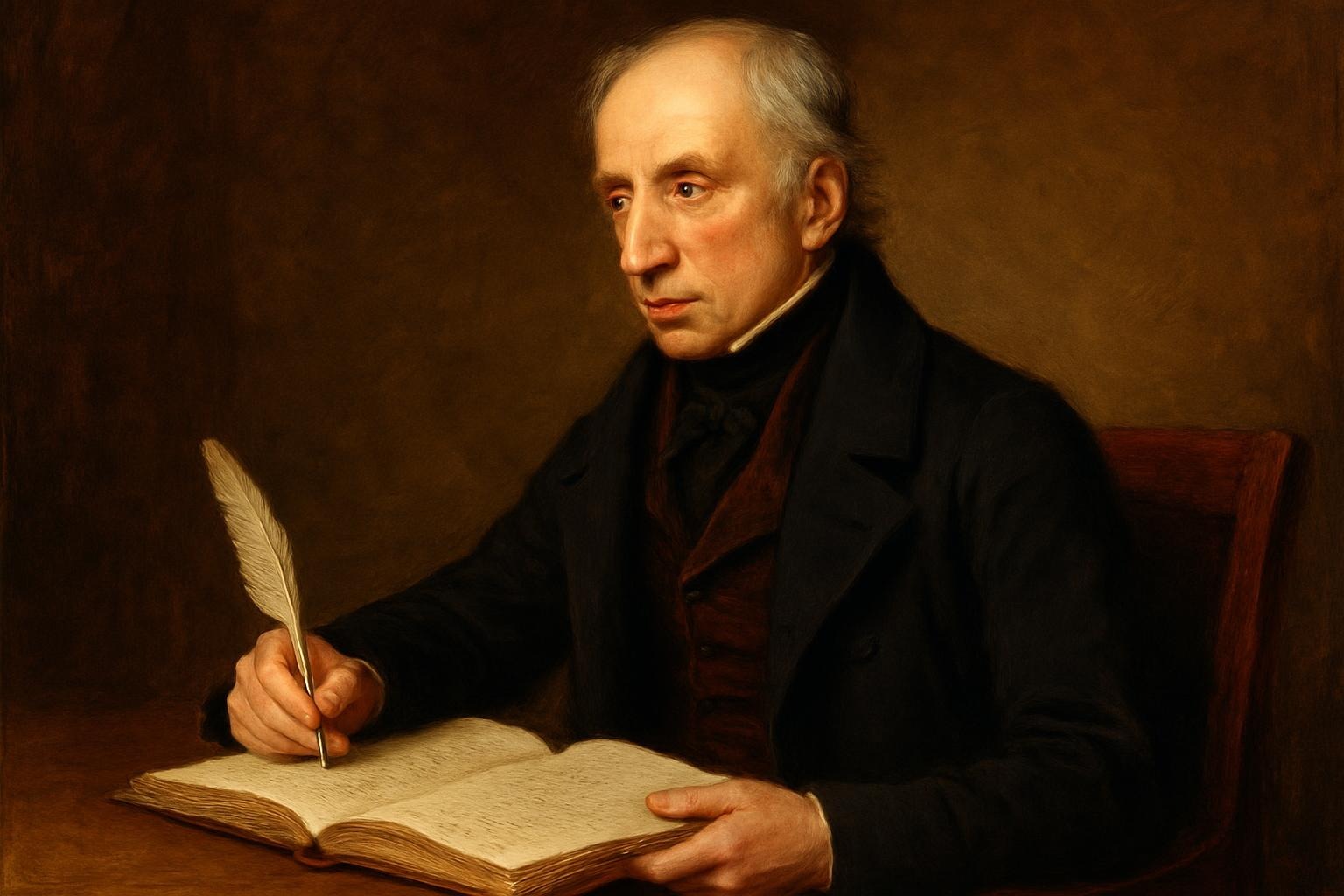
Romantic Age in English Poetry: https://englishlitnotes.com/2025/07/24/romantic-age-in-english-literature/
Grammar Puzzle Solved by Naeem Sir: http://grammarpuzzlesolved.englishlitnotes.com
Discover more from Naeem Ullah Butt - Mr.Blogger
Subscribe to get the latest posts sent to your email.