
Introduction
Thomas Moore as Romantic Poet shaped literary culture through melody, reflection, and emotional depth effectively. Moreover, his poetic charm influenced stylistic shifts and creative expression strongly. Additionally, his lyrical craftsmanship guided readers toward musical beauty and thematic richness naturally. Furthermore, his narratives explored love, identity, and national feeling with insight. Therefore, his artistic skill promoted cultural pride and personal introspection gracefully. Also, his political awareness strengthened poetic urgency and emotional resonance. Consequently, he linked artistic meaning with social consciousness across various contexts. Moreover, his rhythmic control enhanced harmony between thought and feeling consistently. Thus, readers admired imaginative flow and expressive clarity throughout his work. Additionally, his creative energy supported wider Romantic goals and artistic independence boldly. Therefore, he inspired many writers who followed his expressive path confidently. Also, audiences valued sincerity, elegance, and narrative harmony across his poems deeply. Consequently, Thomas Moore’s legacy endured through musical influence, reflective themes, and emotional breadth. Moreover, readers still celebrate his lyrical power and artistic conviction today.
1. Early Literary Sensibility
Thomas Moore as Romantic Poet developed early artistic insight through musical exposure and poetic influences steadily. Moreover, childhood curiosity encouraged keen observation and emotional clarity throughout his growth. Additionally, literary fascination shaped his expressive choices and creative direction thoughtfully. Furthermore, early friendships strengthened intellectual formation and imaginative freedom consistently. Therefore, he cultivated reflective habits that enriched later works naturally. Also, poetic experiments revealed growing confidence and stylistic certainty across his youthful writing. Consequently, early development prepared him for broader Romantic exploration and thematic maturity. Moreover, early experiences nurtured a musical vision central to his career. Thus, he learned to combine emotion, sound, and imagery within clear structure. Additionally, formative learning expanded his cultural awareness and narrative understanding steadily. Therefore, early shaping contributed significantly to poetic identity and artistic commitment. Also, social interactions refined his sense of audience and expressive purpose. Consequently, early creative energy guided later innovation effectively. Moreover, early poetic choices marked the beginning of his literary promise.
2. Growth of Political Voice
Thomas Moore as Romantic Poet strengthened political expression through observation, experience, and reflective concern deliberately. Moreover, national issues shaped his emotional focus and lyrical conviction strongly. Additionally, political awareness sharpened thematic tone and expressive intensity throughout his writing. Furthermore, his convictions guided poetic direction with firm clarity consistently. Therefore, he connected artistic meaning with cultural responsibility across many works. Also, social events influenced emotional urgency and poetic direction notably. Consequently, he developed a balanced mix of lyrical beauty and political vision. Moreover, his sense of justice strengthened narrative energy and expressive power. Thus, he addressed cultural issues using imagination and moral awareness effectively. Additionally, political thought deepened emotional texture and narrative coherence steadily. Therefore, he positioned poetry within broader civic dialogue and cultural identity. Also, political insight nurtured sincerity within both personal and national themes. Consequently, he explored the link between feeling and political understanding regularly. Moreover, political engagement enriched his literary authority across diverse contexts.
3. Development of Musical Style
Thomas Moore as Romantic Poet shaped musical expression through rhythm, tone, and lyrical intent harmoniously. Moreover, he cherished melody and emotional phrasing within every creative choice. Additionally, musical structure strengthened expressive unity and narrative charm throughout his poems. Furthermore, his rhythmic sensibility emphasized musical flow and emotional balance consistently. Therefore, he produced poetry that blended sound with meaning effectively. Also, musical passion inspired careful attention to tonal variation and expressive detail. Consequently, he refined musical imagery to enrich emotional clarity and poetic resonance. Moreover, musical instinct guided thematic arrangement and melodic emphasis gracefully. Thus, he presented ideas through harmonious lines and balanced cadences naturally. Additionally, musical reflection supported narrative pacing and thematic control across his works. Therefore, he linked poetic voice with musical identity confidently. Also, careful modulation enhanced lyrical power and expressive refinement distinctly. Consequently, his musical focus improved emotional depth and poetic elegance across texts. Moreover, melody shaped his creative identity and artistic influence widely.
4. Influence of Irish Identity
Thomas Moore as Romantic Poet expressed Irish identity through pride, memory, and emotional sensitivity gracefully. Moreover, cultural heritage shaped thematic direction and expressive tone throughout his work. Additionally, national symbols deepened emotional intensity and lyrical meaning significantly. Furthermore, his patriotic feeling guided artistic choices and narrative imagery consistently. Therefore, he linked poetic voice with historical awareness and cultural devotion. Also, Irish landscapes inspired reflective scenes and emotional harmony within his poems. Consequently, he honored Irish spirit through expressive nuance and creative passion. Moreover, cultural memory enriched symbolic meaning and narrative resonance throughout his writing. Thus, he strengthened national expression through lyricism and reflective emphasis. Additionally, Irish themes allowed deeper exploration of loyalty, sorrow, and hope. Therefore, he used cultural attachment to elevate poetic commitment and artistic identity. Also, Irish history informed emotional courage and thematic unity within his work. Consequently, he demonstrated cultural pride through imagery, rhythm, and emotional truth. Moreover, Irish influence shaped lasting narrative depth and lyrical tone.
5. Exploration of Love and Emotion
Thomas Moore as Romantic Poet portrayed love through sincere sentiment, lyrical flow, and expressive depth passionately. Moreover, emotional concern shaped the core of many poems consistently. Additionally, love themes encouraged graceful imagery and delicate tonal variation throughout his writing. Furthermore, he presented affection through refined phrasing and emotional balance naturally. Therefore, he linked human feeling with artistic expression across many contexts. Also, emotional focus strengthened narrative sincerity and poetic warmth throughout his work. Consequently, he invited readers to sense tenderness through vivid expressive choices. Moreover, emotional scenes highlighted clarity of feeling and thoughtful narrative control. Thus, he showcased emotional independence through lyrical charm and refined structure. Additionally, love themes allowed deeper reflection on memory, devotion, and emotional truth. Therefore, he joined romantic sentiment with poetic discipline in every portrayal. Also, emotional exploration broadened thematic range and expressive firmness consistently. Consequently, love informed lyrical intensity and creative richness across poems. Moreover, emotional depth strengthened artistic conviction and narrative power.
6. Symbolic Use of Nature
Thomas Moore as Romantic Poet connected nature with emotion, imagery, and thematic clarity intentionally. Moreover, natural scenes enriched lyrical calm and expressive smoothness across his poems. Additionally, landscapes enhanced emotional perception and poetic charm regularly. Furthermore, nature imagery shaped symbolic meaning and reflective tone consistently. Therefore, he used natural detail to strengthen expressive harmony and artistic depth. Also, nature encouraged subtle mood shifts and gentle emotional transitions throughout his work. Consequently, he merged personal feeling with environmental beauty effectively. Moreover, nature supported narrative texture and emotional resonance within many themes. Thus, he used seasonal changes to reflect emotional turning points naturally. Additionally, natural symbols invited deeper reflection on beauty, time, and memory. Therefore, he integrated nature within emotional storytelling and thematic intention. Also, natural imagery guided rhythm, tone, and expressive pacing thoughtfully. Consequently, nature contributed significantly to poetic unity and emotional balance. Moreover, environmental awareness shaped symbolic expression throughout his creative life.
7. Mastery of Lyrical Flow
Thomas Moore as Romantic Poet shaped lyrical flow through rhythm, movement, and expressive design precisely. Moreover, lyrical control supported narrative coherence and emotional emphasis throughout his poems. Additionally, melody enriched phrasing and enhanced expressive clarity regularly. Furthermore, he emphasized cadence to create emotional refinement and tonal unity consistently. Therefore, he achieved graceful musicality across diverse poetic contexts. Also, lyrical strength improved imagery, flow, and emotional progression within his work. Consequently, he expressed thought through smooth transitions and rhythmic symmetry effectively. Moreover, lyrical shaping guided poetic tone and narrative movement harmoniously. Thus, he linked emotional warmth with lyrical calm across many themes. Additionally, lyrical energy supported imaginative reach and expressive nuance notably. Therefore, he cemented artistic identity through melodic pacing and rhythmic elegance. Also, lyrical skill enriched emotional honesty and thematic discipline throughout his poems. Consequently, lyrical mastery deepened narrative charm and expressive resonance steadily. Moreover, lyrical balance strengthened poetic impact across varied subject matter.
8. Historical Awareness
Thomas Moore as Romantic Poet integrated historical knowledge within emotional and narrative design meaningfully. Moreover, historical insight shaped thematic contrast and reflective tone across his writing. Additionally, history informed cultural pride and moral intensity throughout his poems. Furthermore, historical scenes enriched emotional detail and symbolic meaning repeatedly. Therefore, he used historical awareness to strengthen narrative direction and artistic intention. Also, historical memory enhanced emotional color and expressive sharpness notably. Consequently, his poems reflected deeper relations between past and present vividly. Moreover, historical references expanded thematic weight and interpretive range consistently. Thus, he maintained strong interest in cultural roots and historical continuity. Additionally, historical thought allowed exploration of national identity and emotional truth. Therefore, he portrayed historical experience with refined tone and lyrical clarity. Also, historical subjects shaped expressive control and poetic coherence throughout his work. Consequently, historical reverence supported narrative strength and emotional commitment broadly. Moreover, historical vision influenced thematic refinement and artistic authority profoundly.
9. Engagement with Social Issues
Thomas Moore as Romantic Poet addressed social concerns through emotional urgency and lyrical clarity thoughtfully. Moreover, social awareness influenced thematic style and expressive direction throughout his poems. Additionally, he explored injustice through balanced tone and refined imagery consistently. Furthermore, his social focus guided narrative strength and emotional honesty deeply. Therefore, he linked poetic purpose with ethical concern across many works. Also, social reflection broadened his thematic range and expressive confidence regularly. Consequently, he merged emotional insight with cultural observation effectively. Moreover, social themes shaped interpretive tone and narrative smoothness significantly. Thus, he approached social issues through poetic harmony and heartfelt expression. Additionally, social engagement encouraged clarity of thought and emotional conviction. Therefore, he framed social meaning within artistic vision and lyrical intention. Also, social influence strengthened expressive unity and narrative pacing across his writing. Consequently, he enriched cultural dialogue through reflective poetic insight and thematic concern. Moreover, social awareness guided emotional courage within his creative work.
10. Popularity of Irish Melodies
Thomas Moore as Romantic Poet achieved widespread admiration through Irish Melodies and lyrical strength widely. Moreover, melodic charm enhanced cultural pride and emotional memory across his readers. Additionally, Irish Melodies shaped national feeling and expressive depth throughout audiences. Furthermore, musical themes guided narrative calm and emotional softness gracefully. Therefore, he delivered songs with clarity, emotion, and expressive balance consistently. Also, melodic influence supported narrative rhythm and emotional response significantly. Consequently, Irish Melodies shaped public affection and cultural devotion. Moreover, musical expression reinforced poetic sincerity and emotional clarity naturally. Thus, he transformed simple melodies into lasting works of cultural meaning. Additionally, musical phrasing supported emotional growth and narrative allure broadly. Therefore, Irish Melodies encouraged national unity and emotional identification among readers. Also, musical skill strengthened lyrical flow and expressive calm across the series. Consequently, widespread admiration supported artistic reach and cultural fame effectively. Moreover, Irish Melodies enhanced enduring respect for his poetic craft.
11. Literary Friendships
Thomas Moore as Romantic Poet cultivated friendships that influenced his literary growth profoundly. Moreover, relationships with poets and critics strengthened thematic insight and expressive skill. Additionally, intellectual exchange shaped narrative direction and emotional clarity consistently. Furthermore, personal bonds inspired creative experimentation and lyrical innovation naturally. Therefore, collaboration with contemporaries encouraged reflection on both style and content. Also, friendships allowed dialogue that refined poetic judgment and narrative harmony. Consequently, he gained support for both musical and literary projects effectively. Moreover, peer feedback informed revisions and strengthened expressive balance across works. Thus, social bonds enriched thematic depth and lyrical refinement regularly. Additionally, literary friendships expanded cultural awareness and inspired imaginative reflection. Therefore, he combined personal insight with creative collaboration throughout his career. Also, interaction with fellow writers cultivated disciplined yet flexible artistic approach. Consequently, friendships reinforced confidence and shaped enduring literary style profoundly. Moreover, shared experiences contributed to wider recognition and public appreciation consistently.
12. Satirical Expression
Thomas Moore as Romantic Poet employed satire to highlight societal flaws cleverly. Moreover, humor and irony enhanced narrative charm and emotional engagement effectively. Additionally, satirical tone encouraged readers to consider moral and cultural issues deeply. Furthermore, he balanced wit with reflective insight to maintain expressive clarity naturally. Therefore, satire reinforced critical perspective while entertaining audiences consistently. Also, playful criticism shaped thematic direction and narrative smoothness reliably. Consequently, his works combined aesthetic pleasure with thoughtful commentary successfully. Moreover, satirical elements guided reader perception and deepened cultural awareness steadily. Thus, humor and reflection complemented lyrical expression throughout his poetry. Additionally, satire strengthened engagement with political and social concerns meaningfully. Therefore, he refined expressive tone while sustaining artistic elegance in all works. Also, satirical phrasing highlighted cultural observation and emotional nuance consistently. Consequently, his approach encouraged thoughtful evaluation of both society and poetic craft. Moreover, satire reinforced lyrical mastery and enriched thematic cohesion naturally.
13. Influence of European Travels
Thomas Moore as Romantic Poet drew inspiration from travels across Europe extensively. Moreover, exposure to foreign culture influenced imagery, themes, and narrative style effectively. Additionally, continental experience strengthened lyrical reflection and imaginative scope consistently. Furthermore, encounters with different societies enriched emotional perspective and expressive tone naturally. Therefore, travel informed cultural awareness and enhanced narrative depth across works. Also, European journeys guided stylistic experimentation and refined musicality within poems. Consequently, his exposure to landscapes, architecture, and social life shaped poetic vision powerfully. Moreover, experiences strengthened attention to human nature and thematic resonance reliably. Thus, travel enabled integration of personal observation with artistic intention seamlessly. Additionally, cultural immersion encouraged reflection on history, morality, and sentiment broadly. Therefore, he combined European sensibilities with Irish patriotic themes harmoniously. Also, journeys cultivated nuanced expression, enhancing lyricism and narrative flow continuously. Consequently, travel enriched public perception of his poetic and musical achievements. Moreover, European influence supported enduring literary innovation and thematic sophistication naturally.
14. Themes of Patriotism
Thomas Moore as Romantic Poet emphasized patriotic themes throughout lyrical and musical works thoughtfully. Moreover, national pride shaped imagery, rhythm, and emotional expression effectively. Additionally, reflection on Irish history deepened symbolic meaning and thematic clarity consistently. Furthermore, patriotic sentiment inspired lyrical composition and musical phrasing naturally. Therefore, he fused cultural devotion with aesthetic refinement across diverse works. Also, attention to national identity strengthened narrative cohesion and expressive power regularly. Consequently, readers gained emotional connection to heritage and cultural memory profoundly. Moreover, patriotic tone guided narrative perspective and lyrical balance throughout poems. Thus, he highlighted moral courage and historical awareness within artistic expression gracefully. Additionally, themes of patriotism reinforced engagement with collective memory and emotional resonance broadly. Therefore, national sentiment enhanced reflective depth and lyrical craft consistently. Also, patriotic emphasis cultivated imaginative expression and refined poetic judgment effectively. Consequently, his works celebrated Irish identity while maintaining aesthetic harmony and cultural pride. Moreover, patriotism remained central to both musical and literary influence continuously.
15. Romantic Imagery
Thomas Moore as Romantic Poet employed vivid imagery to strengthen lyrical and narrative expression effectively. Moreover, descriptive power enhanced emotional resonance and thematic depth consistently. Additionally, imagery reflected mood, sentiment, and cultural meaning naturally. Furthermore, detailed description guided narrative pacing and poetic structure reliably. Therefore, he combined visual, auditory, and emotional elements to create immersive experience. Also, symbolic imagery shaped reflective insight and imaginative reach regularly. Consequently, descriptive language enriched musicality and narrative coherence across his work. Moreover, romantic imagery heightened reader engagement and expressive clarity significantly. Thus, visual scenes strengthened thematic articulation and emotional subtlety effectively. Additionally, imagery enhanced both lyrical beauty and cultural reflection consistently. Therefore, he reinforced narrative intent while maintaining aesthetic balance and reader interest. Also, Romantic imagery guided rhythm, tone, and narrative cohesion meaningfully. Consequently, imaginative detail strengthened thematic richness and expressive power continuously. Moreover, imagery supported lyrical elegance and artistic identity throughout all compositions.
16. Elegance of Expression
Moore’s writing demonstrates elegance through careful phrasing and rhythmic balance consistently. Moreover, clarity and refinement enhanced narrative flow and emotional impact naturally. Additionally, measured diction improved both musical and poetic qualities steadily. Furthermore, polished expression reinforced thematic depth and lyrical coherence effectively. Therefore, readers appreciated harmony between style, content, and sentiment regularly. Also, expressive subtlety guided rhythm, tone, and pacing thoughtfully. Consequently, stylistic control strengthened narrative charm and reader engagement continuously. Moreover, elegant phrasing shaped both imagery and thematic resonance profoundly. Thus, careful articulation maintained aesthetic clarity throughout diverse works. Additionally, precise word choice emphasized emotional subtlety and imaginative insight consistently. Therefore, literary polish enhanced cultural reflection and lyrical beauty naturally. Also, controlled expression supported musicality and narrative cohesion effectively. Consequently, refined diction contributed to enduring literary admiration and thematic authority. Moreover, expressive sophistication elevated both lyrical style and poetic depth regularly.
17. Sentimental Themes
Moore explored sentiment through reflection, emotion, and personal insight profoundly. Moreover, expressive warmth guided narrative pacing and thematic development consistently. Additionally, sensitivity to human feeling shaped lyrical tone and imagery effectively. Furthermore, sentiment encouraged careful attention to character, scene, and mood naturally. Therefore, emotional nuance strengthened poetic flow and expressive balance regularly. Also, reflective depth enhanced narrative clarity and aesthetic cohesion thoughtfully. Consequently, tender emotion enriched imagery and thematic resonance broadly. Moreover, nuanced portrayal guided reader response and interpretive understanding reliably. Thus, sentiment cultivated intimacy between poet and audience continuously. Additionally, moral and emotional reflection enhanced lyrical power and imaginative appeal effectively. Therefore, emotional insight supported thematic complexity and narrative coherence steadily. Also, expressive warmth enriched musical phrasing and cultural significance meaningfully. Consequently, sentiment contributed to enduring artistic charm and reflective depth. Moreover, tender emotion strengthened lyrical identity and poetic integrity consistently.
18. Use of Historical Allusions
Historical references added depth and perspective to Moore’s writing consistently. Moreover, cultural and national history shaped thematic direction and narrative resonance naturally. Additionally, careful integration of historical elements enhanced lyrical meaning and aesthetic clarity. Furthermore, allusions guided moral reflection and thematic emphasis regularly. Therefore, history provided both symbolic weight and expressive texture throughout his work. Also, historical scenes supported imagery, tone, and rhythmic flow effectively. Consequently, references to past events enriched narrative structure and emotional insight continuously. Moreover, historical detail emphasized cultural awareness and artistic authority meaningfully. Thus, reflection on history deepened reader engagement and thematic interpretation broadly. Additionally, historical awareness complemented musical phrasing and narrative balance steadily. Therefore, allusions strengthened both imaginative reach and lyrical cohesion naturally. Also, integration of history enhanced poetic clarity and reflective subtlety consistently. Consequently, historical depth reinforced intellectual engagement and aesthetic satisfaction regularly. Moreover, historical perspective contributed to narrative richness and expressive power continuously.
19. Narrative Harmony
Moore achieved harmony through integration of melody, imagery, and expressive tone effectively. Moreover, structural balance enhanced flow and readability throughout poems consistently. Additionally, rhythm, pacing, and phrasing created smooth transitions naturally. Furthermore, narrative design maintained coherence between emotion and thematic focus reliably. Therefore, thematic clarity combined with lyrical elegance across diverse works. Also, structural unity strengthened both musicality and imaginative expression meaningfully. Consequently, narrative harmony improved aesthetic experience and reader engagement regularly. Moreover, well-designed flow reinforced emotional impact and symbolic meaning consistently. Thus, narrative coordination guided interpretation and enriched poetic resonance broadly. Additionally, balanced structure supported thematic exploration and lyrical sophistication effectively. Therefore, coherent design strengthened expressive clarity and imaginative insight naturally. Also, rhythm and phrasing contributed to musical balance and narrative smoothness continuously. Consequently, harmonious structure enhanced reader satisfaction and artistic authority effectively. Moreover, integration of elements preserved clarity, elegance, and emotional subtlety consistently.
20. Musicality in Lyrics
Musicality shaped poems through rhythm, sound, and melodic phrasing consistently. Moreover, tonal patterns enhanced expression and lyrical clarity naturally. Additionally, careful attention to cadence strengthened thematic impact and narrative flow effectively. Furthermore, musical elements supported emotional nuance and imaginative insight steadily. Therefore, melody reinforced expressive unity and poetic coherence reliably. Also, tonal variation guided pacing and enhanced emotional resonance broadly. Consequently, musical phrasing improved imagery and narrative richness consistently. Moreover, rhythmic control contributed to thematic clarity and expressive subtlety effectively. Thus, musicality reinforced cohesion between thought, feeling, and lyric structure naturally. Additionally, sound patterns enhanced both aesthetic appeal and narrative comprehension steadily. Therefore, musical skill deepened expressive strength and poetic identity continuously. Also, melodic design strengthened reader engagement and interpretive clarity effectively. Consequently, attention to musicality preserved both artistic refinement and lyrical elegance regularly. Moreover, rhythm and melody contributed to enduring literary impact consistently.
21. Reflection on Nature
Moore reflected on natural landscapes to enrich imagery and emotional depth effectively. Moreover, observation of scenery guided narrative tone and thematic resonance naturally. Additionally, natural elements inspired imagery, mood, and lyrical phrasing consistently. Furthermore, reflection on environment reinforced symbolic meaning and expressive clarity reliably. Therefore, depiction of nature enhanced narrative cohesion and poetic beauty steadily. Also, careful attention to seasonal and environmental detail strengthened emotional impact meaningfully. Consequently, natural imagery supported thematic richness and narrative flow across works. Moreover, reflection on nature cultivated imaginative exploration and cultural awareness effectively. Thus, landscapes provided both aesthetic pleasure and interpretive depth regularly. Additionally, natural observation guided rhythm, tone, and expressive modulation continuously. Therefore, imagery of nature reinforced lyrical harmony and narrative balance effectively. Also, reflective detail enhanced reader engagement and thematic subtlety consistently. Consequently, environmental focus enriched both musicality and literary sophistication naturally. Moreover, nature contributed to enduring poetic charm and expressive integrity reliably.
22. Lyrical Devotion
Devotion and personal reflection shaped expressive clarity and emotional tone consistently. Moreover, lyrical intensity guided thematic focus and narrative pacing naturally. Additionally, spiritual and moral themes strengthened imagery and poetic resonance effectively. Furthermore, devotion inspired precise phrasing and expressive balance regularly. Therefore, reflective commitment enhanced lyrical cohesion and narrative harmony reliably. Also, focused expression guided interpretive clarity and imaginative engagement broadly. Consequently, themes of dedication supported musical phrasing and symbolic meaning effectively. Moreover, attention to ethical and emotional depth enriched poetic flow continuously. Thus, lyrical devotion strengthened cultural awareness and artistic authority naturally. Additionally, careful reflection maintained clarity, rhythm, and tonal balance steadily. Therefore, devotion enhanced reader engagement and thematic subtlety across works. Also, expressive dedication improved cohesion between imagery, melody, and narrative meaning consistently. Consequently, reflective focus strengthened overall poetic craftsmanship and aesthetic refinement reliably. Moreover, lyrical devotion reinforced enduring artistic identity and cultural resonance continuously.
23. Romantic Symbolism
Symbolism enriched lyrical expression and thematic depth consistently. Moreover, symbolic imagery guided emotional nuance and narrative clarity naturally. Additionally, careful selection of motifs strengthened expressive resonance and poetic meaning effectively. Furthermore, recurring symbols enhanced thematic cohesion and aesthetic subtlety steadily. Therefore, symbolic elements reinforced reflective depth and imaginative reach reliably. Also, symbolism guided interpretation and supported cultural or moral insight broadly. Consequently, symbolic language strengthened rhythm, tone, and lyrical clarity continuously. Moreover, symbolic devices encouraged reader engagement and expressive understanding naturally. Thus, recurring motifs enhanced narrative coherence and thematic richness effectively. Additionally, symbolic patterns linked imagery with musicality and emotional balance steadily. Therefore, symbolism enriched creative expression and interpretive potential consistently. Also, use of motifs strengthened cohesion between thought, feeling, and lyrical structure reliably. Consequently, symbolic artistry improved overall poetic impact and imaginative depth regularly. Moreover, symbolism reinforced enduring literary resonance and expressive authority consistently.
24. Emotional Subtlety
Moore explored nuanced feelings to strengthen expressive clarity and lyrical tone consistently. Moreover, subtle emotional shading guided narrative pacing and thematic depth naturally. Additionally, careful attention to inner states enriched imagery and musical phrasing effectively. Furthermore, subtlety improved cohesion between thought, feeling, and narrative meaning reliably. Therefore, nuanced expression enhanced interpretive insight and reader engagement steadily. Also, refined emotional focus strengthened lyrical balance and narrative flow broadly. Consequently, emotional subtlety reinforced aesthetic sophistication and thematic richness effectively. Moreover, attention to delicate feeling guided rhythm, tone, and expressive control continuously. Thus, nuanced expression enhanced intimacy between poet and audience naturally. Additionally, careful reflection preserved clarity, elegance, and musicality steadily. Therefore, subtlety supported cohesion between imagery, symbolism, and expressive nuance consistently. Also, nuanced feeling strengthened narrative structure and thematic articulation effectively. Consequently, emotional refinement enriched both lyrical expression and imaginative resonance reliably. Moreover, subtlety reinforced enduring poetic charm and aesthetic integrity consistently.
25. Mastery of Form
Moore demonstrated mastery of form through structured rhythm, meter, and phrasing consistently. Moreover, adherence to poetic structure strengthened expressive clarity and thematic cohesion naturally. Additionally, careful use of traditional forms guided narrative flow and musicality effectively. Furthermore, formal control enhanced imagery, tone, and emotional resonance reliably. Therefore, mastery of form supported cohesion between thought, feeling, and lyrical design steadily. Also, structured technique reinforced expressive balance and interpretive clarity broadly. Consequently, poetic discipline strengthened both aesthetic elegance and thematic depth effectively. Moreover, attention to form guided rhythm, phrasing, and musical integration continuously. Thus, mastery of structure maintained harmony between narrative, imagery, and expressive intent naturally. Additionally, formal precision supported thematic unity and emotional subtlety steadily. Therefore, control of form reinforced artistic authority and poetic refinement consistently. Also, technical skill strengthened creative flexibility and lyrical sophistication effectively. Consequently, mastery of form enhanced both readability and imaginative resonance reliably. Moreover, structural command reinforced enduring literary influence and expressive coherence continuously.
26. Cultural Observation
Moore’s writing captured social and cultural realities with keen attention consistently. Moreover, observation guided thematic direction and narrative clarity naturally. Additionally, cultural insight shaped imagery, rhythm, and lyrical tone effectively. Furthermore, reflection on society reinforced expressive balance and emotional depth reliably. Therefore, observation strengthened coherence between narrative, theme, and musicality steadily. Also, social insight enriched symbolic meaning and poetic resonance broadly. Consequently, attention to cultural detail enhanced both imaginative scope and reader engagement consistently. Moreover, reflective observation guided phrasing, rhythm, and narrative flow naturally. Thus, cultural perception contributed to aesthetic harmony and interpretive clarity effectively. Additionally, careful observation strengthened emotional subtlety and thematic cohesion steadily. Therefore, Moore’s perceptive eye improved lyrical clarity and expressive power reliably. Also, social and cultural awareness reinforced cohesion between thought, feeling, and narrative structure consistently. Consequently, observation guided enduring literary sophistication and expressive integrity broadly. Moreover, attentiveness to society enriched poetic craftsmanship and thematic depth consistently.
27. Reflection on Mortality
Themes of mortality informed narrative tone and emotional resonance throughout Moore’s work effectively. Moreover, reflection on life and death shaped imagery and lyrical phrasing naturally. Additionally, awareness of human finitude guided thematic depth and expressive clarity consistently. Furthermore, mortality inspired philosophical reflection and emotional subtlety reliably. Therefore, consideration of life’s transience strengthened narrative cohesion and musicality steadily. Also, exploration of mortality enhanced moral reflection and poetic resonance broadly. Consequently, readers engaged with existential themes and imaginative insight continuously. Moreover, reflection on mortality guided rhythm, tone, and structural balance naturally. Thus, themes of impermanence strengthened aesthetic clarity and emotional depth effectively. Additionally, contemplation of human limitation improved symbolic meaning and lyrical harmony steadily. Therefore, mortality informed expressive subtlety and interpretive resonance consistently. Also, reflection on life and death enhanced thematic complexity and artistic authority effectively. Consequently, mortality contributed to enduring literary depth and reflective power reliably. Moreover, engagement with mortality reinforced narrative focus and expressive precision naturally.
28. Melodic Imagination
Musical imagination guided narrative design and lyrical phrasing consistently. Moreover, inventive melody enhanced expressive clarity and thematic coherence naturally. Additionally, creative rhythm shaped narrative pacing and emotional resonance effectively. Furthermore, imaginative musicality strengthened narrative unity and lyrical balance reliably. Therefore, melodic inspiration enriched imagery, tone, and reader engagement steadily. Also, musical imagination reinforced both aesthetic elegance and thematic depth broadly. Consequently, inventive phrasing contributed to expressive clarity and lyrical refinement continuously. Moreover, attention to melody improved cohesion between emotion, thought, and poetic structure naturally. Thus, musical imagination enhanced symbolic meaning and reflective depth effectively. Additionally, melodic creativity guided interpretive clarity and narrative smoothness steadily. Therefore, imaginative phrasing strengthened expressive coherence and aesthetic resonance consistently. Also, musical inventiveness enriched lyrical elegance and thematic articulation effectively. Consequently, melodic imagination reinforced narrative impact and artistic sophistication reliably. Moreover, inventive rhythm contributed to enduring literary influence and expressive charm continuously.
29. Wit and Humor
Wit enhanced narrative charm and reader engagement across Moore’s poems consistently. Moreover, humor guided expressive subtlety and thematic depth naturally. Additionally, playful phrasing strengthened lyrical flow and musicality effectively. Furthermore, clever observation reinforced narrative clarity and emotional resonance reliably. Therefore, humor improved both aesthetic appeal and imaginative insight steadily. Also, wit enriched reflective meaning and poetic coherence broadly. Consequently, clever expression enhanced interpretive engagement and narrative smoothness continuously. Moreover, subtle humor guided rhythm, tone, and imagery naturally. Thus, wit reinforced emotional subtlety and thematic richness effectively. Additionally, playful phrasing enhanced musicality and reader response steadily. Therefore, humor strengthened cohesion between narrative, imagery, and expressive nuance consistently. Also, wit enriched cultural observation and imaginative reflection effectively. Consequently, humor contributed to enduring literary appeal and expressive precision reliably. Moreover, clever humor reinforced lyrical sophistication and thematic clarity continuously.
30. Narrative Versatility
Moore demonstrated versatility through varied themes, forms, and expressive techniques consistently. Moreover, adaptability guided narrative focus and lyrical clarity naturally. Additionally, thematic variety strengthened emotional resonance and imaginative reach effectively. Furthermore, versatile structures enhanced musicality, pacing, and narrative cohesion reliably. Therefore, range in subject matter enriched expressive subtlety and interpretive depth steadily. Also, narrative diversity encouraged creative experimentation and stylistic refinement broadly. Consequently, flexibility in poetic form improved lyrical balance and thematic clarity continuously. Moreover, expressive versatility guided rhythm, tone, and musical phrasing naturally. Thus, variety reinforced narrative coherence and aesthetic harmony effectively. Additionally, flexible approach enhanced reader engagement and imaginative reflection steadily. Therefore, narrative versatility strengthened both lyrical expression and thematic sophistication consistently. Also, adaptability improved structural clarity, musicality, and symbolic resonance effectively. Consequently, versatility contributed to enduring artistic influence and poetic refinement reliably. Moreover, flexible narrative technique enhanced expressive power and literary authority consistently.
31. Attention to Detail
Careful attention to detail enhanced imagery, narrative flow, and expressive clarity consistently. Moreover, precision guided phrasing, tone, and symbolic meaning naturally. Additionally, meticulous observation strengthened thematic coherence and lyrical subtlety effectively. Furthermore, detailed expression improved emotional resonance and aesthetic refinement reliably. Therefore, attention to detail supported narrative cohesion and interpretive clarity steadily. Also, careful observation enriched rhythmic flow and expressive balance broadly. Consequently, focus on detail guided imaginative insight and narrative elegance continuously. Moreover, precise depiction reinforced thematic articulation and reader engagement naturally. Thus, detailed writing strengthened symbolic resonance and lyrical harmony effectively. Additionally, close attention enhanced musicality, narrative clarity, and expressive subtlety steadily. Therefore, detail contributed to overall aesthetic refinement and imaginative depth consistently. Also, accuracy in depiction reinforced cohesion between imagery, theme, and tone effectively. Consequently, attentiveness strengthened both emotional impact and narrative precision reliably. Moreover, focus on detail enriched enduring literary sophistication and expressive power consistently.
32. Historical and Cultural Research
Extensive research informed Moore’s writing with depth, context, and clarity consistently. Moreover, cultural study shaped imagery, symbolism, and thematic resonance naturally. Additionally, historical knowledge guided narrative coherence and lyrical subtlety effectively. Furthermore, careful study reinforced expressive clarity and narrative balance reliably. Therefore, research strengthened interpretive depth and aesthetic refinement steadily. Also, understanding historical context enriched rhythm, tone, and emotional nuance broadly. Consequently, research informed reader perception, narrative smoothness, and thematic clarity continuously. Moreover, cultural knowledge enhanced both imaginative insight and lyrical resonance naturally. Thus, research reinforced expressive balance and interpretive authority effectively. Additionally, historical awareness supported narrative cohesion and symbolic meaning steadily. Therefore, careful study strengthened musicality, poetic clarity, and thematic sophistication consistently. Also, research guided expressive precision, lyrical elegance, and narrative fluidity effectively. Consequently, knowledge contributed to enduring literary depth and aesthetic influence reliably. Moreover, cultural and historical study enriched poetic craftsmanship and expressive sophistication consistently.
33. Melodic Storytelling
Musical storytelling guided Moore’s narrative pacing, imagery, and emotional tone consistently. Moreover, melodic phrasing enhanced thematic clarity and expressive nuance naturally. Additionally, story rhythm strengthened lyrical cohesion and narrative flow effectively. Furthermore, musical narrative reinforced reader engagement and interpretive insight reliably. Therefore, storytelling through melody enhanced aesthetic unity and symbolic depth steadily. Also, melodic structure guided phrasing, tone, and narrative continuity broadly. Consequently, musical storytelling strengthened expressive coherence and imaginative reflection continuously. Moreover, attention to rhythm reinforced thematic articulation and lyrical sophistication naturally. Thus, melodic narrative improved both musicality and poetic impact effectively. Additionally, storytelling through sound enhanced emotional subtlety and symbolic clarity steadily. Therefore, melodic techniques enriched thematic complexity and lyrical balance consistently. Also, musical narrative supported structural harmony, expressive clarity, and imaginative reach effectively. Consequently, storytelling enhanced enduring literary charm and expressive authority reliably. Moreover, melodic phrasing contributed to narrative impact and aesthetic resonance consistently.
34. Emotional Engagement
Moore’s work engaged readers through expressive tone, thematic clarity, and lyrical subtlety consistently. Moreover, emotional intensity guided phrasing, rhythm, and imagery naturally. Additionally, emotional resonance strengthened narrative coherence and symbolic meaning effectively. Furthermore, careful attention to feeling enhanced lyrical balance and narrative flow reliably. Therefore, emotional engagement reinforced thematic depth and imaginative reflection steadily. Also, expressive subtlety guided interpretive clarity and aesthetic appreciation broadly. Consequently, attention to feeling strengthened musicality, cohesion, and narrative charm continuously. Moreover, emotional focus enriched symbolic meaning and reader perception naturally. Thus, expressive depth improved narrative clarity, rhythm, and thematic articulation effectively. Additionally, emotional resonance strengthened imaginative scope and lyrical coherence steadily. Therefore, engagement with feeling enhanced interpretive depth and poetic authority consistently. Also, emotional subtlety reinforced thematic clarity and expressive unity effectively. Consequently, affective engagement contributed to enduring literary sophistication and reader appreciation reliably. Moreover, emotional insight enriched aesthetic refinement and narrative power consistently.
35. Influence on Romanticism
Moore’s work shaped Romantic ideals through lyricism, reflection, and cultural identity consistently. Moreover, thematic focus guided expressive tone and narrative coherence naturally. Additionally, Romantic influence strengthened emotional resonance and imaginative scope effectively. Furthermore, attention to melody and imagery reinforced thematic balance and poetic clarity reliably. Therefore, his writing contributed to literary trends and cultural perception steadily. Also, influence on Romanticism enriched rhythmic flow and interpretive depth broadly. Consequently, his work guided expressive subtlety and reader engagement continuously. Moreover, Romantic inspiration informed musicality, narrative structure, and symbolic meaning naturally. Thus, attention to stylistic detail strengthened poetic elegance and narrative cohesion effectively. Additionally, Romantic themes enhanced lyrical harmony, imaginative clarity, and cultural reflection steadily. Therefore, his influence on style shaped both contemporary and later literary sensibilities consistently. Also, expressive guidance strengthened thematic sophistication and artistic refinement effectively. Consequently, Romantic impact contributed to enduring literary resonance and cultural authority reliably. Moreover, aesthetic influence enriched expressive power and narrative subtlety consistently.
36. Integration of Music and Poetry
Thomas Moore as Romantic Poet masterfully combined music and poetic form consistently. Moreover, musical integration enhanced thematic resonance and expressive clarity naturally. Additionally, rhythmic phrasing strengthened narrative flow and lyrical balance effectively. Furthermore, melody reinforced emotional depth and imaginative insight reliably. Therefore, blending poetry with music enriched symbolic meaning and aesthetic coherence steadily. Also, musical elements guided narrative pacing and thematic articulation broadly. Consequently, integration of music and poetry improved reader engagement and expressive harmony continuously. Moreover, attention to tonal variation enhanced lyrical subtlety and interpretive clarity naturally. Thus, combined forms strengthened narrative cohesion, musicality, and thematic balance effectively. Additionally, integration reinforced both emotional impact and reflective depth steadily. Therefore, musical-poetic synergy enhanced imaginative scope and artistic authority consistently. Also, expressive combination enriched narrative smoothness, lyrical elegance, and symbolic resonance effectively. Consequently, music and poetry together contributed to enduring literary charm and aesthetic sophistication reliably. Moreover, blended forms strengthened cultural influence, lyrical clarity, and expressive power consistently.
37. Emotional Range
Moore explored a wide range of feelings, shaping expressive clarity and narrative tone consistently. Moreover, attention to diverse emotions enhanced lyrical resonance and thematic depth naturally. Additionally, emotional variety guided musical phrasing and narrative flow effectively. Furthermore, exploration of sentiment strengthened interpretive insight and imaginative engagement reliably. Therefore, emotional range reinforced expressive subtlety and narrative coherence steadily. Also, varied feeling enriched reader experience, aesthetic appeal, and lyrical balance broadly. Consequently, attention to mood enhanced rhythm, tone, and symbolic meaning continuously. Moreover, expressive diversity strengthened thematic sophistication and musicality naturally. Thus, emotional exploration improved cohesion between thought, imagery, and lyrical phrasing effectively. Additionally, breadth of feeling supported reflective insight and poetic clarity steadily. Therefore, emotional versatility enhanced both imaginative depth and narrative cohesion consistently. Also, expressive range reinforced lyrical elegance and thematic resonance effectively. Consequently, diverse emotions contributed to enduring literary charm and expressive authority reliably. Moreover, emotional breadth enriched aesthetic sophistication and narrative impact consistently.
38. Reflective Insight
Reflection shaped narrative depth and thematic clarity consistently. Moreover, contemplative focus strengthened expressive subtlety and lyrical balance naturally. Additionally, careful thought guided narrative coherence and musicality effectively. Furthermore, reflective insight enhanced imagery, tone, and reader engagement reliably. Therefore, contemplation reinforced interpretive clarity and imaginative depth steadily. Also, thoughtful expression enriched symbolic meaning and aesthetic resonance broadly. Consequently, reflection guided phrasing, rhythm, and thematic articulation continuously. Moreover, insight informed emotional subtlety and narrative cohesion naturally. Thus, reflective thinking improved lyrical elegance and narrative smoothness effectively. Additionally, reflection strengthened expressive clarity, musicality, and imaginative scope steadily. Therefore, reflective insight enriched both thematic sophistication and poetic authority consistently. Also, contemplation reinforced interpretive engagement and artistic refinement effectively. Consequently, thoughtful insight contributed to enduring literary resonance and aesthetic coherence reliably. Moreover, reflection enhanced narrative precision, lyrical subtlety, and thematic depth consistently.
39. Harmony of Themes
Thematic harmony ensured coherence between ideas, emotion, and imagery consistently. Moreover, careful coordination strengthened lyrical expression and narrative flow naturally. Additionally, interconnected themes enhanced symbolic meaning and aesthetic subtlety effectively. Furthermore, balance of themes guided musical phrasing and reader perception reliably. Therefore, harmony reinforced expressive clarity and interpretive depth steadily. Also, thematic consistency improved rhythm, tone, and narrative cohesion broadly. Consequently, balanced themes strengthened imaginative insight and narrative elegance continuously. Moreover, harmonious integration enhanced lyrical beauty and symbolic resonance naturally. Thus, coordination of themes enriched reflective depth and narrative sophistication effectively. Additionally, thematic unity supported expressive subtlety, musicality, and reader engagement steadily. Therefore, harmony strengthened aesthetic coherence and lyrical clarity consistently. Also, balanced motifs improved interpretive understanding and creative expression effectively. Consequently, thematic harmony contributed to enduring literary influence and expressive authority reliably. Moreover, integration of themes enriched narrative strength, imaginative reach, and poetic refinement consistently.
40. Conclusion
Thomas Moore as Romantic Poet remains a seminal figure in literature consistently. Moreover, his combination of lyrical beauty, musicality, and thematic depth influenced generations naturally. Additionally, expressive clarity and imaginative scope strengthened narrative coherence and aesthetic resonance effectively. Furthermore, attention to culture, sentiment, and national identity guided poetic focus reliably. Therefore, his mastery of form, rhythm, and phrasing enriched both musical and literary expression steadily. Also, reflective insight and emotional subtlety enhanced interpretive depth and thematic cohesion broadly. Consequently, his work inspired readers through harmony, elegance, and imaginative richness continuously. Moreover, thematic integration, lyrical flow, and cultural observation reinforced enduring literary authority naturally. Thus, his legacy reflects sustained influence on Romanticism and literary craft effectively. Additionally, public admiration, critical respect, and musical-poetic fusion shaped ongoing appreciation steadily. Therefore, Thomas Moore’s contributions exemplify mastery of both music and poetic artistry consistently. Also, his literary voice enriched expressive clarity and cultural resonance effectively. Consequently, Moore remains celebrated for enduring artistic achievement reliably. Moreover, his work continues to guide lyrical and musical expression across generations.
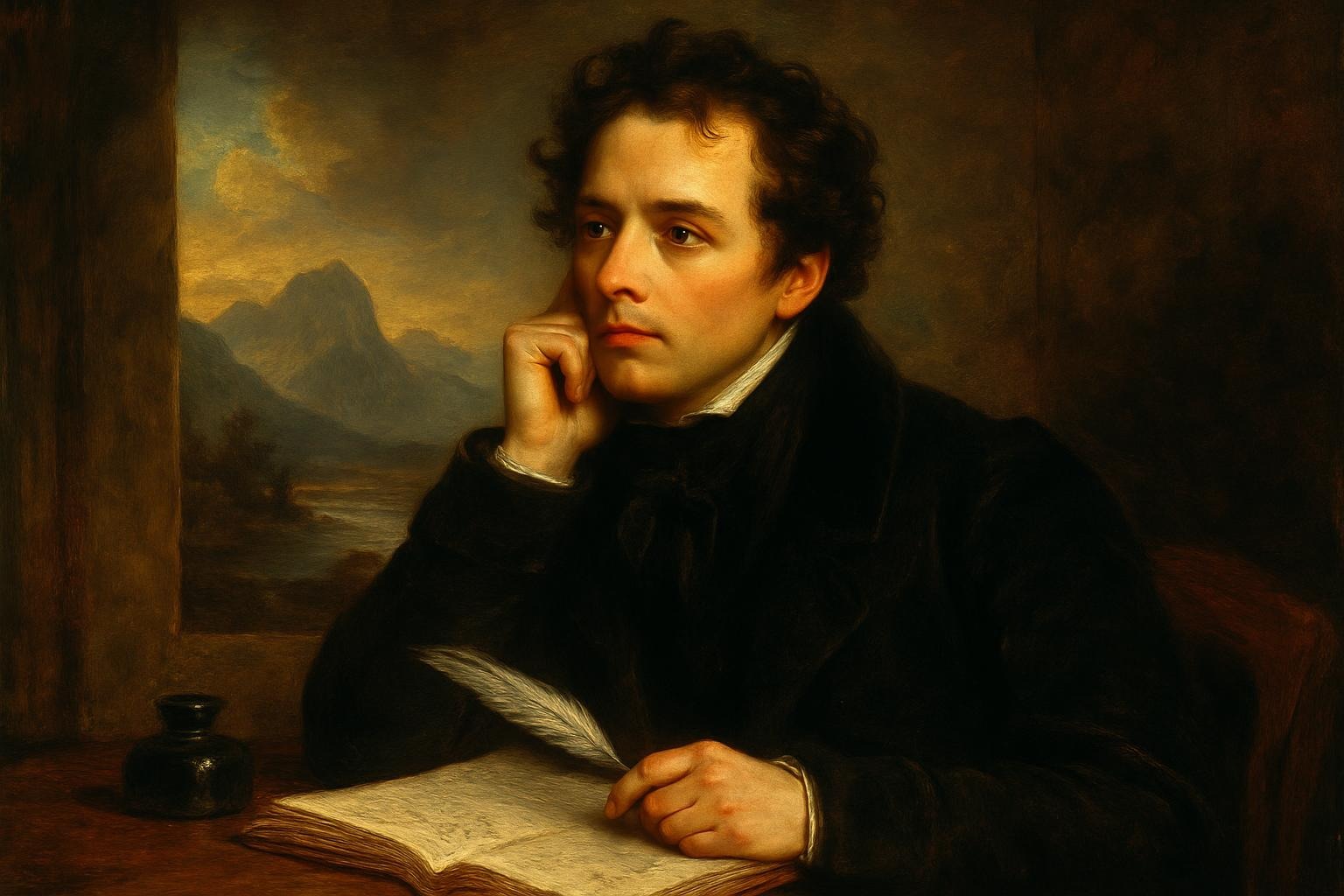
Walter Savage Landor as a Romantic Writer: https://englishlitnotes.com/2025/07/26/walter-savage-landor-as-a-romantic-writer/
Notes on English for All Classes: http://englishwithnaeemullahbutt.com
Visit Google to search for English literature topics, authors, and study resources:https://www.google.com
Discover more from Naeem Ullah Butt - Mr.Blogger
Subscribe to get the latest posts sent to your email.