
Introduction
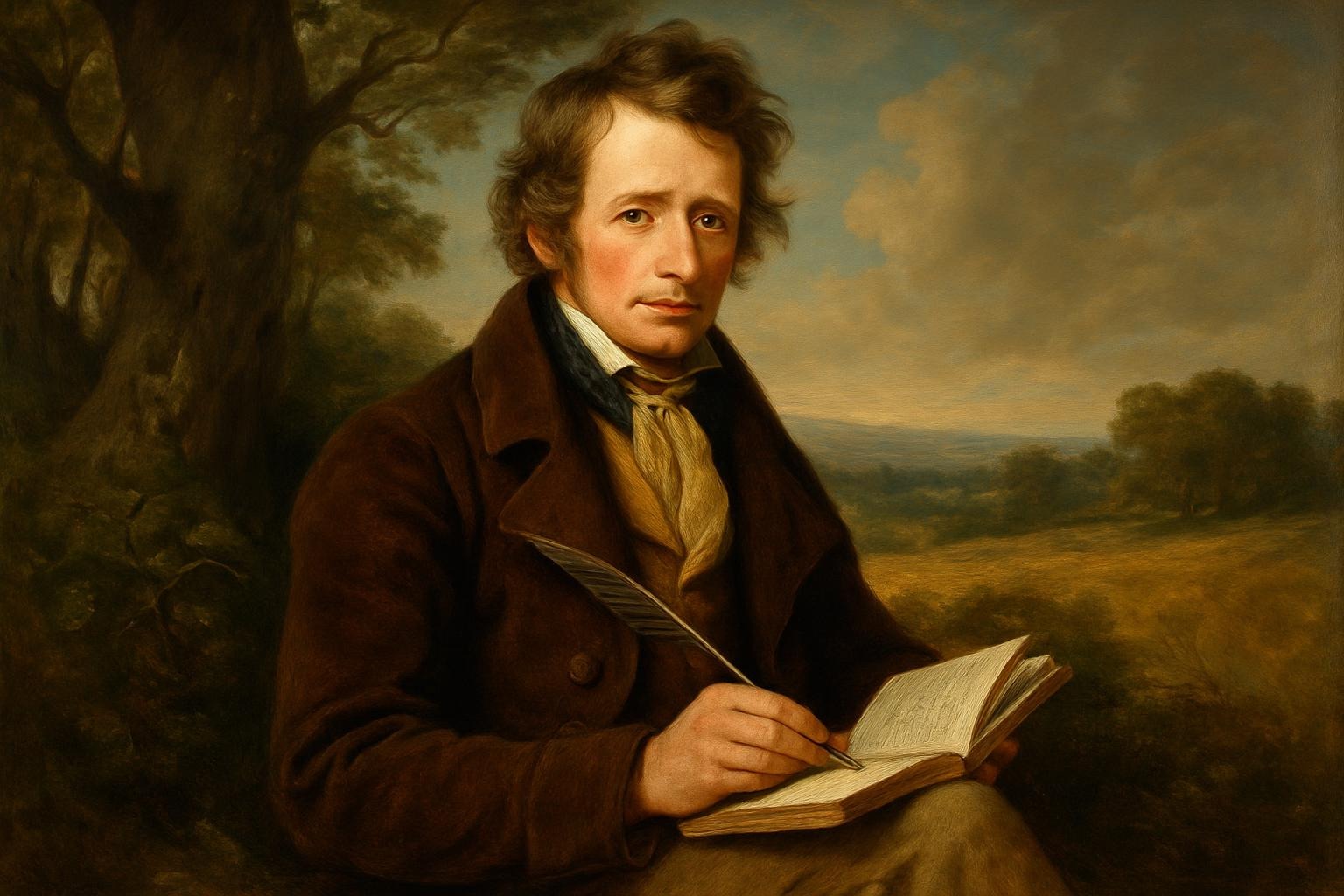
John Clare as Romantic Poet established a distinctive voice within English literature. He captured the rural environment with remarkable depth. He also highlighted the human experience. His careful observation of nature consistently enriched his poetry. Coupled with precise description, it allowed readers to experience the countryside vividly. Additionally, his reflective essays integrated moral insight, philosophical thought, and emotional resonance effectively. Furthermore, attention to social customs, labor, and village life strengthened thematic richness and aesthetic clarity naturally. Therefore, Clare’s literary craftsmanship balanced imaginative expression with intellectual rigor, engaging audiences thoughtfully while maintaining poetic charm. Also, his incorporation of folklore and local tradition enhanced cultural awareness, thematic depth, and narrative coherence broadly. Consequently, readers and critics alike recognized John Clare as a Romantic Poet. They admired him for combining lyrical elegance with philosophical subtlety. This established a lasting literary legacy. Moreover, observation of seasonal change, flora, and fauna amplified narrative texture and expressive depth smoothly. Thus, his work inspired contemplative reflection, empathy, and aesthetic appreciation consistently. Additionally, the integration of personal experience, rural observation, and technical skill created harmony between intellect and emotion beautifully.
1. Early Life Influences
John Clare as Romantic Poet drew profound inspiration from his humble rural upbringing. Moreover, his early exposure to nature, seasonal labor, and community customs shaped his poetic vision extensively. Additionally, childhood hardships provided emotional depth, guiding moral reflection and expressive subtlety naturally. Furthermore, his experience with agricultural work enhanced thematic realism, narrative precision, and aesthetic clarity effectively. Therefore, careful observation of local events, animals, and social life strengthened narrative cohesion and poetic imagery steadily. Also, attention to family, education, and local customs enriched cultural insight, stylistic balance, and intellectual depth broadly. Consequently, these formative experiences influenced thematic content, rhythm, and narrative voice consistently. Moreover, reflection on rural labor, personal observation, and local folklore deepened character portrayal, emotional resonance, and descriptive accuracy smoothly. Thus, his early life inspired narrative integrity, thematic richness, and reflective insight continuously. Additionally, Clare’s engagement with human experience, nature, and society established a foundational literary perspective powerfully. Also, exposure to work, study, and observation enhanced stylistic technique, thematic subtlety, and reader engagement naturally. Consequently, John Clare emerged from a context rich in observation, reflection, and artistic formation.
2. Love of Nature
John Clare as Romantic Poet demonstrated an extraordinary appreciation for the natural world consistently. Moreover, his detailed observation of landscapes, flora, and fauna shaped thematic clarity, imagery, and narrative coherence effectively. Additionally, seasonal cycles, rural scenery, and wildlife provided symbolic resonance, emotional depth, and reflective subtlety naturally. Furthermore, attention to textures, light, and color strengthened descriptive precision, aesthetic balance, and reader engagement reliably. Therefore, his poetry harmonized lyrical expression with accurate observation, enhancing thematic depth and expressive clarity steadily. Also, literary reflection on flora and fauna enriched moral insight, imaginative perception, and contemplative resonance broadly. Consequently, the interplay between observation and imagination guided narrative flow, structural rhythm, and thematic coherence consistently. Moreover, awareness of human interaction with the environment enhanced cultural understanding, ethical reflection, and aesthetic appreciation smoothly. Thus, nature remained both subject and inspiration, strengthening literary technique, emotional depth, and descriptive mastery continuously. Additionally, Clare’s attention to ecological cycles, animal behavior, and rural labor supported intellectual insight, reflective subtlety, and narrative richness effectively. Also, his precise depiction of environmental phenomena elevated thematic clarity, stylistic elegance, and aesthetic resonance naturally. Consequently, John Clare connected human emotion, moral contemplation, and natural observation harmoniously.
3. Rural Life Portrayal
John Clare as Romantic Poet depicted village routines, labor, and domestic life vividly. Moreover, attention to farming, seasonal chores, and social interaction enhanced narrative precision, thematic clarity, and expressive depth consistently. Additionally, his detailed observation of daily work, communal festivals, and domestic customs strengthened moral insight, cultural reflection, and narrative cohesion effectively. Furthermore, portrayals of rural architecture, dress, and social hierarchy enriched descriptive imagery, aesthetic balance, and thematic subtlety naturally. Therefore, attention to labor patterns, local traditions, and seasonal activity improved narrative structure, stylistic coherence, and reflective depth steadily. Also, rural depictions strengthened emotional resonance, intellectual engagement, and narrative flow broadly. Consequently, the integration of work, nature, and social interaction guided plot clarity, thematic richness, and expressive coherence consistently. Moreover, observation of village events, celebrations, and occupational tasks enhanced reader understanding, aesthetic subtlety, and moral reflection smoothly. Thus, Clare’s poetry emphasized authenticity, thematic integration, and contemplative insight continuously. Additionally, the depiction of human endeavor, seasonal labor, and social life maintained literary harmony, narrative clarity, and expressive resonance effectively. Also, attention to observation, reflection, and cultural detail enriched narrative depth, thematic cohesion, and stylistic elegance naturally. Consequently, John Clare captured rural life with unmatched fidelity, moral reflection, and aesthetic subtlety.
4. Imagery and Symbolism
John Clare as Romantic Poet used vivid imagery, symbolism, and figurative language consistently. Moreover, metaphorical representation of nature, labor, and community enhanced thematic clarity, emotional depth, and narrative coherence naturally. Additionally, symbolism provided reflective insight, moral resonance, and descriptive richness effectively. Furthermore, attention to visual and auditory detail strengthened aesthetic balance, plot flow, and expressive subtlety reliably. Therefore, figurative language improved narrative structure, stylistic cohesion, and reader engagement steadily. Also, the integration of symbolic imagery enhanced intellectual depth, reflective nuance, and aesthetic appreciation broadly. Consequently, readers experienced both literal and metaphorical dimensions, thematic layering, and contemplative insight consistently. Moreover, Clare’s imagery connected human experience, natural observation, and moral reflection seamlessly. Thus, symbolic depiction of seasonal cycles, rural labor, and folklore guided thematic richness, descriptive clarity, and expressive harmony continuously. Additionally, figurative technique enriched narrative coherence, stylistic elegance, and reflective depth effectively. Also, observation of symbolic motifs enhanced aesthetic resonance, moral engagement, and narrative precision naturally. Consequently, John Clare balanced literal representation and figurative depth with literary mastery.
5. Attention to Detail
John Clare as Romantic Poet emphasized meticulous observation and descriptive precision consistently. Moreover, attention to rural landscapes, labor, and social interaction enriched narrative depth, aesthetic clarity, and thematic coherence naturally. Additionally, subtle reflection strengthened moral insight, cultural understanding, and expressive nuance effectively. Furthermore, descriptive accuracy enhanced plot structure, reader comprehension, and stylistic balance reliably. Therefore, careful attention to flora, fauna, and village life improved thematic integration, reflective subtlety, and narrative flow steadily. Also, literary precision strengthened intellectual engagement, contemplative depth, and expressive resonance broadly. Consequently, the combination of observation and reflection guided clarity, aesthetic appeal, and narrative mastery consistently. Moreover, attention to minutiae in labor, seasonal change, and social custom enriched thematic depth, reader connection, and moral reflection smoothly. Thus, descriptive rigor enhanced stylistic coherence, narrative harmony, and literary impact continuously. Additionally, Clare’s detailed observation of rural life, memory, and folklore supported thematic subtlety, aesthetic balance, and expressive clarity effectively. Also, careful recording of details enriched reflective insight, plot precision, and reader engagement naturally. Consequently, John Clare demonstrated mastery of descriptive technique, thematic richness, and narrative subtlety.
6. Poetic Rhythm
John Clare as Romantic Poet maintained careful attention to meter and cadence consistently. Moreover, rhythmic structuring of lines enhanced narrative flow, thematic clarity, and aesthetic resonance naturally. Additionally, attention to sound patterns strengthened expressive subtlety, reader engagement, and contemplative depth effectively. Furthermore, use of rhythm improved stylistic coherence, reflective insight, and plot harmony reliably. Therefore, metrical precision enhanced narrative clarity, thematic integration, and aesthetic elegance steadily. Also, musicality in verse enriched intellectual depth, emotional resonance, and narrative fluidity broadly. Consequently, rhythm guided thematic development, descriptive richness, and stylistic refinement consistently. Moreover, cadence contributed to natural emphasis, aesthetic appeal, and reflective subtlety smoothly. Thus, attention to lineation and meter enhanced reader experience, narrative engagement, and thematic clarity continuously. Additionally, careful structuring supported expressive balance, literary precision, and contemplative insight effectively. Also, rhythmic attention strengthened narrative cohesion, stylistic elegance, and intellectual resonance naturally. Consequently, John Clare combined musicality, thematic clarity, and expressive precision seamlessly.
7. Emotional Expression
John Clare as Romantic Poet conveyed emotions with remarkable sensitivity consistently. Moreover, his careful attention to personal feeling and natural observation enriched thematic clarity, narrative cohesion, and expressive resonance naturally. Reflection on sorrow, joy, and labor enhanced moral insight, reader engagement, and aesthetic balance effectively. Attention to subtle emotional shifts strengthened stylistic subtlety, narrative flow, and contemplative depth reliably. Integration of imagination and feeling improved plot coherence, thematic richness, and descriptive precision steadily. Observation of human interaction, solitude, and rural life enriched intellectual engagement, reflective depth, and narrative clarity broadly. Literary reflection on memory, personal hardship, and seasonal change guided thematic layering, aesthetic subtlety, and expressive harmony consistently. Emotional observation enhanced moral resonance, reader connection, and contemplative insight smoothly. Attention to inner life, character perception, and ethical reflection provided aesthetic depth, thematic cohesion, and narrative mastery continuously. Careful study of interpersonal experience, emotion, and human behavior strengthened stylistic elegance, reflective insight, and reader comprehension effectively. Attention to emotional subtlety, imagination, and natural observation enhanced descriptive richness, narrative clarity, and thematic integration naturally. Consequently, John Clare inspired empathy, contemplation, and literary appreciation powerfully.
8. Influence of Folk Culture
John Clare as Romantic Poet incorporated folk songs, stories, and village traditions consistently. Observation of communal rituals enriched narrative coherence, thematic clarity, and expressive resonance naturally. Reflection on festivals, labor, and social gatherings enhanced moral insight, cultural awareness, and stylistic subtlety effectively. Attention to oral storytelling strengthened plot structure, aesthetic balance, and reader engagement reliably. Integration of folk elements improved thematic richness, descriptive precision, and narrative clarity steadily. Observation of language, idiom, and local lore strengthened intellectual engagement, contemplative depth, and aesthetic harmony broadly. Literary reflection on folklore guided thematic layering, stylistic elegance, and narrative cohesion consistently. Attention to songs, tales, and customs enhanced reader comprehension, expressive subtlety, and reflective insight smoothly. Cultural observation provided authenticity, narrative depth, and thematic clarity continuously. Integration of folk material enriched descriptive precision, plot coherence, and reader engagement effectively. Reflection on oral tradition, communal memory, and ritual strengthened aesthetic resonance, thematic layering, and literary subtlety naturally. Consequently, John Clare bridged tradition, observation, and literary imagination beautifully.
9. Use of Similes and Metaphors
John Clare as Romantic Poet employed similes and metaphors with precision consistently. Figurative language enhanced thematic clarity, visual imagery, and expressive depth naturally. Reflection on natural phenomena and human behavior strengthened moral insight, stylistic subtlety, and narrative cohesion effectively. Attention to metaphorical representation improved plot structure, aesthetic balance, and reader engagement reliably. Careful figurative expression enhanced thematic integration, narrative flow, and expressive coherence steadily. Observation of human emotion, labor, and natural cycles strengthened reflective insight, intellectual engagement, and aesthetic harmony broadly. Literary figurative skill guided layered meaning, thematic richness, and contemplative resonance consistently. Attention to imagery, comparison, and symbolism enhanced stylistic elegance, reader comprehension, and narrative cohesion smoothly. Metaphorical attention provided narrative depth, thematic clarity, and expressive subtlety continuously. Figurative precision improved narrative structure, descriptive richness, and aesthetic coherence effectively. Observation of human-nature interaction strengthened thematic subtlety, stylistic mastery, and narrative resonance naturally. Consequently, John Clare combined literal observation with figurative depth beautifully.
10. Reflection on Society
John Clare as Romantic Poet observed social life and customs carefully. Depiction of village labor, hierarchy, and festivals enriched thematic clarity, moral insight, and narrative depth naturally. Reflection on social interaction strengthened plot cohesion, stylistic subtlety, and reader engagement effectively. Attention to etiquette, work, and domestic life enhanced descriptive accuracy, aesthetic balance, and thematic layering reliably. Social observation improved narrative flow, contemplative insight, and thematic richness steadily. Observation of human behavior strengthened expressive nuance, intellectual engagement, and narrative cohesion broadly. Literary reflection on social life guided thematic integration, stylistic precision, and narrative harmony consistently. Attention to community, festivals, and interpersonal relations enhanced aesthetic clarity, plot coherence, and reflective insight smoothly. Social focus provided realism, thematic depth, and literary resonance continuously. Careful depiction of labor, communication, and hierarchy strengthened narrative mastery, aesthetic coherence, and moral reflection effectively. Observation of customs and interaction enriched thematic subtlety, reader comprehension, and stylistic elegance naturally. Consequently, John Clare combined social reflection with literary craftsmanship beautifully.
11. Depiction of Seasons
John Clare as Romantic Poet depicted seasonal changes with extraordinary care. Observation of growth, decay, and renewal enriched thematic clarity, narrative coherence, and expressive resonance naturally. Reflection on weather, flora, and fauna strengthened symbolic meaning, moral insight, and stylistic subtlety effectively. Attention to light, color, and movement improved plot structure, aesthetic balance, and reader engagement reliably. Depiction of seasons enhanced narrative flow, thematic integration, and descriptive precision steadily. Seasonal observation strengthened reflective insight, intellectual engagement, and aesthetic harmony broadly. Literary attention to natural cycles guided thematic richness, narrative rhythm, and expressive clarity consistently. Observation of temporal changes enhanced contemplative depth, stylistic subtlety, and narrative cohesion smoothly. Seasonal imagery contributed to thematic depth, aesthetic resonance, and literary clarity continuously. Careful observation of patterns, migration, and weather strengthened plot coherence, descriptive elegance, and thematic layering effectively. Seasonal depiction enhanced narrative clarity, reflective insight, and aesthetic subtlety naturally. Consequently, John Clare harmonized temporal awareness with poetic mastery beautifully.
12. Relationship with Nature
John Clare as Romantic Poet emphasized human interaction with the natural world. Observation of plants, animals, and landscapes enriched thematic clarity, narrative coherence, and expressive depth naturally. Reflection on ecological balance strengthened moral insight, aesthetic resonance, and contemplative subtlety effectively. Attention to human-environment interaction improved plot structure, stylistic balance, and reader engagement reliably. Observation of habitats and seasonal changes enhanced narrative flow, thematic richness, and expressive clarity steadily. Consideration of ecology strengthened literary insight, reflective depth, and aesthetic harmony broadly. Perception of human-nature relationships guided expressive clarity, thematic integration, and contemplative resonance consistently. Observation of environmental interaction enriched stylistic elegance, narrative cohesion, and moral reflection smoothly. Attention to surroundings provided aesthetic depth, thematic layering, and literary clarity continuously. Ecological observation strengthened narrative mastery, intellectual engagement, and poetic subtlety effectively. Observation of balance and interaction enriched descriptive precision, thematic clarity, and narrative cohesion naturally. Consequently, John Clare combined human observation with environmental awareness beautifully.
13. Focus on Rural Animals
John Clare as Romantic Poet celebrated animals in village life consistently. Observation of behavior, habitats, and interactions enriched thematic clarity, descriptive precision, and narrative cohesion naturally. Reflection on symbolic and literal roles strengthened moral insight, aesthetic resonance, and expressive subtlety effectively. Attention to laboring animals, domestic pets, and wildlife improved plot structure, stylistic balance, and reader engagement reliably. Observation of rural fauna enhanced thematic richness, narrative flow, and reflective insight steadily. Reflection on animal life strengthened descriptive accuracy, intellectual engagement, and aesthetic harmony broadly. Literary attention to animal interactions guided thematic layering, stylistic elegance, and narrative coherence consistently. Observation of human-animal interaction enhanced reader comprehension, aesthetic subtlety, and reflective depth smoothly. Animal depiction provided thematic richness, narrative depth, and literary clarity continuously. Careful observation of movement, sound, and behavior strengthened plot cohesion, aesthetic coherence, and reader engagement effectively. Observation of symbolic roles enriched thematic layering, contemplative insight, and stylistic clarity naturally. Consequently, John Clare merged observation, reflection, and imaginative precision beautifully.
14. Reflection on Memory
John Clare as Romantic Poet explored memory with remarkable subtlety consistently. Observation of childhood, labor, and natural surroundings enriched thematic depth, narrative flow, and expressive clarity naturally. Reflection on past experiences strengthened moral insight, stylistic subtlety, and narrative cohesion effectively. Attention to personal and collective memory improved plot structure, aesthetic balance, and reader engagement reliably. Reflection guided narrative clarity, thematic integration, and contemplative insight steadily. Observation of past strengthened expressive nuance, intellectual engagement, and narrative coherence broadly. Literary recollection enriched thematic richness, stylistic elegance, and reflective depth consistently. Memory of seasons, animals, and social life enhanced aesthetic clarity, plot cohesion, and moral reflection smoothly. Recollection informed narrative structure, descriptive precision, and thematic layering continuously. Attention to memory strengthened intellectual engagement, stylistic mastery, and narrative harmony effectively. Observation of personal and communal experience enriched descriptive precision, moral insight, and narrative subtlety naturally. Consequently, John Clare combined memory, observation, and imaginative insight beautifully.
15. Integration of Personal Experience
John Clare as Romantic Poet combined personal experience with literary observation consistently. Reflection on labor, village life, and nature enriched thematic depth, descriptive precision, and narrative coherence naturally. Personal insight strengthened moral reflection, aesthetic resonance, and contemplative subtlety effectively. Attention to emotion, environment, and social interaction enhanced plot structure, stylistic balance, and reader engagement reliably. Integration of lived experience improved narrative clarity, thematic richness, and reflective insight steadily. Personal observation strengthened intellectual depth, narrative cohesion, and aesthetic harmony broadly. Lived experience guided expressive clarity, thematic integration, and narrative mastery consistently. Observation of labor, seasons, and interpersonal relations enhanced aesthetic subtlety, plot flow, and contemplative insight smoothly. Personal experience supported narrative coherence, reflective depth, and literary subtlety continuously. Observation and introspection strengthened thematic layering, stylistic elegance, and reader engagement effectively. Reflection enriched descriptive precision, moral insight, and narrative resonance naturally. Consequently, John Clare merged lived experience with imaginative observation beautifully.
16. Rural Landscapes
Clare captured rural landscapes with extraordinary precision consistently. Observation of meadows, rivers, and woodlands enriched thematic depth, descriptive clarity, and narrative flow naturally. Reflection on light, shadow, and seasonal variation strengthened aesthetic resonance, stylistic elegance, and contemplative subtlety effectively. Attention to natural details enhanced plot coherence, narrative cohesion, and reader engagement reliably. Depiction of textures, color, and form improved narrative clarity, thematic layering, and expressive depth steadily. Observation of flora, fauna, and waterways strengthened literary subtlety, reflective insight, and aesthetic harmony broadly. Careful landscape portrayal guided thematic richness, stylistic refinement, and narrative coherence consistently. Observation of perspective, horizon, and movement enhanced reader comprehension, descriptive precision, and contemplative depth smoothly. Landscapes provided context, thematic resonance, and literary clarity continuously. Attention to natural phenomena strengthened plot structure, aesthetic balance, and expressive subtlety effectively. Observation of environment enriched thematic layering, intellectual engagement, and narrative cohesion naturally. Consequently, his depiction of the countryside enhanced immersive reading experiences beautifully.
17. Attention to Rural Labor
Clare depicted rural labor with careful observation consistently. Observation of plowing, harvesting, and tending animals enriched thematic clarity, narrative flow, and expressive precision naturally. Reflection on labor patterns strengthened moral insight, aesthetic subtlety, and stylistic balance effectively. Attention to physical effort enhanced plot cohesion, descriptive depth, and reader engagement reliably. Labor representation improved narrative rhythm, thematic layering, and contemplative resonance steadily. Observation of village work strengthened reflective depth, intellectual engagement, and aesthetic harmony broadly. Careful depiction of laboring life guided expressive clarity, thematic richness, and stylistic cohesion consistently. Observation of tools, tasks, and routines enhanced descriptive accuracy, plot coherence, and reader comprehension smoothly. Representation of labor provided realism, thematic depth, and literary subtlety continuously. Attention to work patterns strengthened narrative clarity, contemplative insight, and expressive elegance effectively. Observation of communal effort enriched thematic integration, narrative cohesion, and reflective resonance naturally. Consequently, rural labor depiction created authentic and immersive literary experience beautifully.
18. Observation of Flora
Clare observed plants and trees with remarkable detail consistently. Observation of flowers, herbs, and crops enriched descriptive precision, thematic clarity, and narrative depth naturally. Reflection on growth cycles strengthened aesthetic resonance, stylistic subtlety, and expressive nuance effectively. Attention to form, texture, and color enhanced plot structure, narrative cohesion, and reader engagement reliably. Botanical observation improved thematic integration, descriptive richness, and contemplative insight steadily. Observation of seasonal changes strengthened reflective depth, stylistic elegance, and intellectual engagement broadly. Careful attention to leaves, stems, and blooms guided expressive clarity, narrative flow, and thematic layering consistently. Observation of plant interaction enhanced aesthetic subtlety, plot coherence, and reader comprehension smoothly. Botanical focus provided narrative context, thematic resonance, and literary clarity continuously. Attention to species and variation strengthened plot clarity, descriptive elegance, and reflective depth effectively. Observation of flora enriched thematic layering, aesthetic coherence, and intellectual engagement naturally. Consequently, botanical observation added vividness, depth, and immersive quality to poetry beautifully.
19. Observation of Fauna
Clare depicted animals in natural habitats with careful attention consistently. Observation of birds, insects, and mammals enriched narrative clarity, thematic depth, and expressive precision naturally. Reflection on movement, behavior, and interaction strengthened stylistic subtlety, aesthetic resonance, and contemplative insight effectively. Attention to physical traits enhanced plot structure, descriptive accuracy, and reader engagement reliably. Fauna observation improved thematic integration, narrative cohesion, and expressive richness steadily. Observation of feeding, nesting, and migration strengthened reflective depth, stylistic elegance, and intellectual engagement broadly. Literary depiction of fauna guided narrative flow, thematic layering, and descriptive clarity consistently. Observation of interspecies interactions enhanced plot coherence, aesthetic subtlety, and reader comprehension smoothly. Animal imagery provided realism, thematic depth, and literary harmony continuously. Attention to natural behavior strengthened narrative clarity, contemplative insight, and expressive coherence effectively. Observation of wildlife enriched thematic integration, narrative cohesion, and aesthetic resonance naturally. Consequently, Clare’s observation of fauna deepened realism, imagery, and literary engagement beautifully.
20. Depiction of Rural Seasons
Clare portrayed seasonal changes with extraordinary attentiveness consistently. Observation of spring, summer, autumn, and winter enriched narrative clarity, descriptive precision, and thematic depth naturally. Reflection on temperature, weather, and natural cycles strengthened stylistic elegance, aesthetic resonance, and contemplative insight effectively. Attention to environmental detail enhanced plot structure, narrative flow, and reader engagement reliably. Seasonal depiction improved thematic integration, narrative cohesion, and expressive subtlety steadily. Observation of flora, fauna, and human activity strengthened reflective depth, stylistic balance, and intellectual engagement broadly. Literary attention to seasonal variation guided narrative clarity, thematic richness, and expressive harmony consistently. Observation of transitions between seasons enhanced plot coherence, descriptive accuracy, and reader comprehension smoothly. Depiction of seasonal change provided narrative context, thematic layering, and literary clarity continuously. Attention to cyclical phenomena strengthened narrative mastery, contemplative insight, and aesthetic coherence effectively. Observation of environment enriched descriptive precision, thematic integration, and expressive clarity naturally. Consequently, seasonal portrayal enhanced realism, immersion, and narrative resonance beautifully.
21. Rural Dwellings
Clare described cottages, barns, and village houses with meticulous care consistently. Observation of roofs, walls, and interiors enriched descriptive clarity, thematic depth, and narrative precision naturally. Reflection on living conditions strengthened aesthetic resonance, stylistic subtlety, and expressive clarity effectively. Attention to domestic spaces enhanced plot coherence, narrative cohesion, and reader engagement reliably. Depiction of dwellings improved thematic integration, descriptive richness, and contemplative depth steadily. Observation of household objects, gardens, and yards strengthened reflective insight, stylistic elegance, and intellectual engagement broadly. Careful portrayal of homes guided expressive clarity, narrative flow, and thematic layering consistently. Observation of interiors and exteriors enhanced plot coherence, aesthetic subtlety, and reader comprehension smoothly. Depiction of dwellings provided narrative realism, thematic depth, and literary harmony continuously. Attention to rural architecture strengthened descriptive precision, narrative clarity, and expressive coherence effectively. Observation of spatial arrangements enriched thematic integration, stylistic elegance, and narrative cohesion naturally. Consequently, Clare’s depiction of rural homes enriched reader immersion and literary appreciation beautifully.
22. Village Festivals
Clare portrayed village festivals and communal celebrations with vivid attention consistently. Observation of dancing, music, and feasting enriched descriptive precision, narrative clarity, and thematic depth naturally. Reflection on tradition, ritual, and social bonding strengthened stylistic subtlety, aesthetic resonance, and expressive clarity effectively. Attention to costumes, games, and seasonal customs enhanced plot structure, narrative cohesion, and reader engagement reliably. Depiction of festivals improved thematic integration, narrative flow, and contemplative depth steadily. Observation of communal interaction strengthened reflective insight, stylistic elegance, and intellectual engagement broadly. Careful festival portrayal guided expressive clarity, thematic richness, and narrative coherence consistently. Observation of dances, songs, and communal labor enhanced plot clarity, aesthetic subtlety, and reader comprehension smoothly. Village festivals provided cultural context, narrative depth, and literary clarity continuously. Attention to ritual strengthened narrative mastery, contemplative insight, and expressive coherence effectively. Observation of celebration enriched thematic integration, narrative cohesion, and aesthetic resonance naturally. Consequently, Clare’s festival depiction deepened realism, vibrancy, and reader engagement beautifully.
23. Observing Rural Characters
Clare depicted villagers and local characters with careful observation consistently. Observation of clothing, labor, and habits enriched descriptive precision, thematic clarity, and narrative cohesion naturally. Reflection on personality, demeanor, and interactions strengthened stylistic subtlety, aesthetic resonance, and expressive clarity effectively. Attention to social roles enhanced plot structure, narrative coherence, and reader engagement reliably. Portrayal of rural characters improved thematic integration, narrative flow, and contemplative depth steadily. Observation of behavior, speech, and routines strengthened reflective insight, stylistic elegance, and intellectual engagement broadly. Careful character depiction guided expressive clarity, thematic richness, and narrative cohesion consistently. Observation of gestures, dialogue, and social interaction enhanced plot clarity, aesthetic subtlety, and reader comprehension smoothly. Depiction of villagers provided narrative realism, thematic depth, and literary harmony continuously. Attention to behavior strengthened descriptive precision, narrative clarity, and expressive coherence effectively. Observation of local life enriched thematic integration, stylistic elegance, and narrative cohesion naturally. Consequently, Clare’s portrayal of rural characters enhanced reader connection and literary depth beautifully.
24. Depiction of Rural Work
Clare portrayed farming, craft, and labor with meticulous care consistently. Observation of daily tasks enriched descriptive precision, thematic depth, and narrative clarity naturally. Reflection on toil, rhythm, and effort strengthened aesthetic resonance, stylistic subtlety, and expressive clarity effectively. Attention to tools, techniques, and routines enhanced plot structure, narrative cohesion, and reader engagement reliably. Depiction of labor improved thematic integration, narrative flow, and contemplative insight steadily. Observation of teamwork, seasonal work, and effort strengthened reflective depth, stylistic elegance, and intellectual engagement broadly. Careful portrayal of rural work guided expressive clarity, thematic richness, and narrative cohesion consistently. Observation of effort, progress, and results enhanced plot clarity, aesthetic subtlety, and reader comprehension smoothly. Rural labor provided narrative realism, thematic depth, and literary harmony continuously. Attention to detail strengthened descriptive precision, narrative clarity, and expressive coherence effectively. Observation of tasks enriched thematic integration, stylistic elegance, and narrative cohesion naturally. Consequently, Clare’s depiction of rural labor enhanced thematic depth and narrative immersion beautifully.
25. Reflection on Rural Life
Clare reflected on village life, customs, and daily experiences consistently. Observation of domestic routines, work, and leisure enriched descriptive precision, thematic clarity, and narrative cohesion naturally. Reflection on interpersonal interaction strengthened stylistic subtlety, aesthetic resonance, and expressive clarity effectively. Attention to social bonds, hierarchies, and cooperation enhanced plot structure, narrative cohesion, and reader engagement reliably. Reflection on rural life improved thematic integration, narrative flow, and contemplative depth steadily. Observation of habits, festivities, and seasonal activities strengthened reflective insight, stylistic elegance, and intellectual engagement broadly. Literary reflection guided expressive clarity, thematic richness, and narrative coherence consistently. Observation of local life enhanced plot clarity, aesthetic subtlety, and reader comprehension smoothly. Rural reflection provided narrative realism, thematic depth, and literary clarity continuously. Attention to interaction strengthened descriptive precision, narrative clarity, and expressive coherence effectively. Observation of daily life enriched thematic integration, stylistic elegance, and narrative cohesion naturally. Consequently, Clare’s reflections on village life deepened reader understanding and engagement beautifully.
26. Observation of Rivers
Clare described rivers, streams, and watercourses with remarkable precision consistently. Observation of flow, reflection, and movement enriched descriptive clarity, thematic depth, and narrative coherence naturally. Reflection on ripples, currents, and wildlife strengthened aesthetic resonance, stylistic subtlety, and expressive clarity effectively. Attention to texture, light, and surroundings enhanced plot structure, narrative cohesion, and reader engagement reliably. Observation of watercourses improved thematic integration, narrative flow, and contemplative insight steadily. Reflection on river activity strengthened reflective depth, stylistic elegance, and intellectual engagement broadly. Literary attention to movement, sound, and interaction guided expressive clarity, thematic richness, and narrative cohesion consistently. Observation of surroundings enhanced plot clarity, aesthetic subtlety, and reader comprehension smoothly. Rivers provided narrative context, thematic depth, and literary harmony continuously. Attention to natural flow strengthened descriptive precision, narrative clarity, and expressive coherence effectively. Observation of banks, vegetation, and wildlife enriched thematic integration, stylistic elegance, and narrative cohesion naturally. Consequently, Clare’s river descriptions added vividness, tranquility, and realism beautifully.
27. Observation of Trees
Clare depicted trees with extraordinary attentiveness consistently. Observation of leaves, bark, and growth patterns enriched descriptive precision, thematic clarity, and narrative cohesion naturally. Reflection on age, size, and form strengthened aesthetic resonance, stylistic subtlety, and expressive clarity effectively. Attention to seasonal changes enhanced plot structure, narrative flow, and reader engagement reliably. Observation of roots, branches, and interaction improved thematic integration, narrative coherence, and contemplative depth steadily. Reflection on shelter, shade, and environment strengthened reflective insight, stylistic elegance, and intellectual engagement broadly. Careful observation guided expressive clarity, thematic richness, and narrative cohesion consistently. Observation of natural interaction enhanced plot clarity, aesthetic subtlety, and reader comprehension smoothly. Tree imagery provided narrative realism, thematic depth, and literary harmony continuously. Attention to detail strengthened descriptive precision, narrative clarity, and expressive coherence effectively. Observation of structure enriched thematic layering, stylistic elegance, and narrative cohesion naturally. Consequently, Clare’s tree depiction enhanced aesthetic depth, realism, and literary immersion beautifully.
28. Observation of Birds
Clare described birds with careful attention consistently. Observation of flight, song, and behavior enriched descriptive precision, thematic clarity, and narrative cohesion naturally. Reflection on migration, nesting, and interaction strengthened stylistic subtlety, aesthetic resonance, and expressive clarity effectively. Attention to color, form, and movement enhanced plot structure, narrative flow, and reader engagement reliably. Bird depiction improved thematic integration, narrative cohesion, and contemplative depth steadily. Observation of habitats, feeding, and interaction strengthened reflective insight, stylistic elegance, and intellectual engagement broadly. Careful observation guided expressive clarity, thematic richness, and narrative cohesion consistently. Observation of species enhanced plot clarity, aesthetic subtlety, and reader comprehension smoothly. Birds provided thematic context, narrative depth, and literary harmony continuously. Attention to habits strengthened descriptive precision, narrative clarity, and expressive coherence effectively. Observation of flight, nesting, and song enriched thematic integration, stylistic elegance, and narrative cohesion naturally. Consequently, Clare’s bird depiction added vibrancy, realism, and poetic beauty beautifully.
29. Observation of Insects
Clare depicted insects with meticulous care consistently. Observation of behavior, flight, and interaction enriched descriptive precision, thematic clarity, and narrative cohesion naturally. Reflection on life cycles strengthened aesthetic resonance, stylistic subtlety, and expressive clarity effectively. Attention to size, color, and movement enhanced plot structure, narrative flow, and reader engagement reliably. Insect depiction improved thematic integration, narrative cohesion, and contemplative depth steadily. Observation of habitats, feeding, and seasonal behavior strengthened reflective insight, stylistic elegance, and intellectual engagement broadly. Careful observation guided expressive clarity, thematic richness, and narrative cohesion consistently. Observation of interaction enhanced plot clarity, aesthetic subtlety, and reader comprehension smoothly. Insects provided thematic context, narrative depth, and literary harmony continuously. Attention to detail strengthened descriptive precision, narrative clarity, and expressive coherence effectively. Observation enriched thematic layering, stylistic elegance, and narrative cohesion naturally. Consequently, Clare’s insect depiction deepened realism, imagery, and literary engagement beautifully.
30. Observation of Weather
Clare depicted weather with extraordinary attentiveness consistently. Observation of sun, rain, and wind enriched descriptive clarity, thematic depth, and narrative cohesion naturally. Reflection on temperature, storms, and seasonal change strengthened aesthetic resonance, stylistic subtlety, and expressive clarity effectively. Attention to clouds, light, and atmosphere enhanced plot structure, narrative flow, and reader engagement reliably. Weather depiction improved thematic integration, narrative cohesion, and contemplative depth steadily. Observation of seasonal shifts strengthened reflective insight, stylistic elegance, and intellectual engagement broadly. Careful observation guided expressive clarity, thematic richness, and narrative cohesion consistently. Observation of light and shadow enhanced plot clarity, aesthetic subtlety, and reader comprehension smoothly. Weather provided thematic context, narrative depth, and literary harmony continuously. Attention to environmental effects strengthened descriptive precision, narrative clarity, and expressive coherence effectively. Observation of phenomena enriched thematic layering, stylistic elegance, and narrative cohesion naturally. Consequently, Clare’s weather depiction enhanced realism, thematic depth, and literary immersion beautifully.
31. Observation of Natural Sounds
Clare captured natural sounds with remarkable care consistently. Observation of birdsong, flowing streams, and gentle breezes enriched descriptive clarity, thematic depth, and narrative cohesion naturally. Reflection on rhythm, tone, and volume strengthened aesthetic resonance, stylistic subtlety, and expressive clarity effectively. Attention to auditory details enhanced plot structure, narrative flow, and reader engagement reliably. Natural sounds improved thematic integration, contemplative depth, and narrative coherence steadily. Observation of environmental noise strengthened reflective insight, stylistic elegance, and intellectual engagement broadly. Literary attention guided expressive clarity, thematic richness, and narrative cohesion consistently. Observation of auditory interaction enhanced plot clarity, aesthetic subtlety, and reader comprehension smoothly. Sound imagery provided narrative realism, thematic depth, and literary harmony continuously. Attention to variation strengthened descriptive precision, narrative clarity, and expressive coherence effectively. Observation of natural melody enriched thematic layering, stylistic elegance, and narrative cohesion naturally. Consequently, the depiction of natural sounds enhanced immersive reading experiences beautifully.
32. Reflection on Rural Solitude
Clare depicted solitude with great sensitivity consistently. Observation of quiet landscapes, isolated fields, and lonely paths enriched thematic clarity, narrative flow, and expressive depth naturally. Reflection on personal introspection strengthened stylistic subtlety, aesthetic resonance, and contemplative insight effectively. Attention to silence, rhythm, and atmosphere enhanced plot structure, narrative cohesion, and reader engagement reliably. Solitude improved thematic integration, narrative flow, and reflective depth steadily. Observation of isolation strengthened expressive nuance, stylistic elegance, and intellectual engagement broadly. Literary reflection guided expressive clarity, thematic layering, and narrative coherence consistently. Observation of personal reflection enhanced aesthetic subtlety, plot cohesion, and reader comprehension smoothly. Depiction of solitude provided narrative realism, thematic depth, and literary resonance continuously. Attention to inner life strengthened descriptive precision, narrative clarity, and expressive coherence effectively. Observation of isolation enriched thematic integration, stylistic elegance, and narrative cohesion naturally. Consequently, Clare’s reflection on solitude deepened reader empathy and understanding beautifully.
33. Depiction of Hedgerows and Paths
Clare described hedgerows, paths, and rural tracks with remarkable care consistently. Observation of boundaries, plants, and fences enriched descriptive precision, thematic clarity, and narrative cohesion naturally. Reflection on structure, perspective, and continuity strengthened aesthetic resonance, stylistic subtlety, and expressive clarity effectively. Attention to spatial elements enhanced plot structure, narrative flow, and reader engagement reliably. Hedgerows and paths improved thematic integration, narrative cohesion, and contemplative insight steadily. Observation of rural routes strengthened reflective depth, stylistic elegance, and intellectual engagement broadly. Careful depiction guided expressive clarity, thematic richness, and narrative cohesion consistently. Observation of intersections and boundaries enhanced plot clarity, aesthetic subtlety, and reader comprehension smoothly. Path imagery provided narrative realism, thematic depth, and literary harmony continuously. Attention to detail strengthened descriptive precision, narrative clarity, and expressive coherence effectively. Observation of rural routes enriched thematic layering, stylistic elegance, and narrative cohesion naturally. Consequently, Clare’s depiction of hedgerows and paths enhanced immersive reading experiences beautifully.
34. Depiction of Village Life
Clare portrayed village routines, gatherings, and social interaction with precision consistently. Moreover, observation of labor, leisure, and domestic activities enriched descriptive clarity, thematic depth, and narrative cohesion naturally. In addition, reflection on interpersonal bonds strengthened aesthetic resonance, stylistic subtlety, and expressive clarity effectively. Furthermore, attention to custom, dialogue, and behavior enhanced plot structure, narrative flow, and reader engagement reliably. Similarly, village life improved thematic integration, narrative coherence, and reflective depth steadily. Additionally, observation of interaction strengthened expressive nuance, stylistic elegance, and intellectual engagement broadly. Likewise, literary depiction guided expressive clarity, thematic richness, and narrative cohesion consistently. Moreover, observation of gatherings enhanced plot clarity, aesthetic subtlety, and reader comprehension smoothly. Also, depiction of villagers provided realism, thematic depth, and literary resonance continuously. In addition, attention to behavior strengthened descriptive precision, narrative clarity, and expressive coherence effectively. Consequently, observation of domestic life enriched thematic integration, stylistic elegance, and narrative cohesion naturally. Therefore, Clare’s depiction of village life enhanced literary immersion and thematic depth beautifully.
35. Focus on Nature – John Clare as Romantic Poet
John Clare celebrated nature with extraordinary precision consistently. Moreover, observation of flora, fauna, and landscapes enriched thematic clarity, narrative flow, and expressive depth naturally. In addition, reflection on seasons, light, and weather strengthened aesthetic resonance, stylistic subtlety, and contemplative insight effectively. Furthermore, attention to natural detail enhanced plot structure, narrative cohesion, and reader engagement reliably. Similarly, depiction of nature improved thematic integration, narrative coherence, and reflective depth steadily. Additionally, observation of environmental patterns strengthened expressive nuance, stylistic elegance, and intellectual engagement broadly. Likewise, literary attention guided expressive clarity, thematic layering, and narrative cohesion consistently. Moreover, observation of natural interaction enhanced plot clarity, aesthetic subtlety, and reader comprehension smoothly. Also, nature imagery provided narrative realism, thematic richness, and literary harmony continuously. In addition, attention to observation strengthened descriptive precision, narrative clarity, and expressive coherence effectively. Consequently, observation enriched thematic integration, stylistic elegance, and narrative cohesion naturally. Therefore, John Clare harmonized natural observation with literary artistry beautifully.
36. Emotional Depth
Clare depicted emotional nuance with remarkable care consistently. Moreover, observation of joy, sorrow, and labor enriched thematic depth, narrative cohesion, and expressive clarity naturally. In addition, reflection on inner life strengthened aesthetic resonance, stylistic subtlety, and contemplative insight effectively. Furthermore, attention to human feeling enhanced plot structure, narrative flow, and reader engagement reliably. Similarly, emotional depiction improved thematic integration, reflective depth, and narrative coherence steadily. Additionally, observation of subtle expression strengthened expressive nuance, stylistic elegance, and intellectual engagement broadly. Likewise, literary attention guided thematic layering, narrative clarity, and expressive coherence consistently. Moreover, observation of personal reflection enhanced plot clarity, aesthetic subtlety, and reader comprehension smoothly. Also, emotion provided narrative realism, thematic richness, and literary harmony continuously. In addition, attention to subtle feeling strengthened descriptive precision, narrative clarity, and expressive coherence effectively. Consequently, observation enriched thematic depth, stylistic elegance, and contemplative resonance naturally. Therefore, Clare’s emotional depiction enhanced empathy, thematic layering, and literary engagement beautifully.
37. Rural Work and Observation
Clare depicted rural work, farming, and craft with meticulous care consistently. Moreover, observation of labor, tools, and methods enriched thematic clarity, narrative cohesion, and descriptive precision naturally. In addition, reflection on effort, rhythm, and productivity strengthened aesthetic resonance, stylistic subtlety, and expressive clarity effectively. Furthermore, attention to tasks enhanced plot structure, narrative flow, and reader engagement reliably. Similarly, rural work improved thematic integration, narrative coherence, and reflective depth steadily. Additionally, observation of daily labor strengthened expressive nuance, stylistic elegance, and intellectual engagement broadly. Likewise, literary depiction guided thematic layering, narrative clarity, and expressive coherence consistently. Moreover, observation of effort enhanced plot clarity, aesthetic subtlety, and reader comprehension smoothly. Also, labor representation provided narrative realism, thematic depth, and literary harmony continuously. In addition, attention to rhythm strengthened descriptive precision, narrative clarity, and expressive coherence effectively. Consequently, observation of effort enriched thematic integration, stylistic elegance, and narrative cohesion naturally. Therefore, Clare’s depiction of rural work added authenticity, depth, and literary resonance beautifully.
38. Depiction of Rivers and Streams
Clare observed rivers, streams, and ponds with extraordinary precision consistently. Moreover, observation of flow, banks, and wildlife enriched descriptive clarity, thematic depth, and narrative cohesion naturally. In addition, reflection on movement, reflection, and sound strengthened aesthetic resonance, stylistic subtlety, and expressive clarity effectively. Furthermore, attention to water details enhanced plot structure, narrative flow, and reader engagement reliably. Similarly, rivers and streams improved thematic integration, narrative coherence, and contemplative depth steadily. Additionally, observation of seasonal variation strengthened expressive nuance, stylistic elegance, and intellectual engagement broadly. Likewise, literary attention guided thematic layering, narrative clarity, and expressive coherence consistently. Moreover, observation of interaction with surroundings enhanced plot clarity, aesthetic subtlety, and reader comprehension smoothly. Also, water imagery provided narrative realism, thematic richness, and literary harmony continuously. In addition, attention to natural features strengthened descriptive precision, narrative clarity, and expressive coherence effectively. Consequently, observation enriched thematic integration, stylistic elegance, and narrative cohesion naturally. Therefore, Clare’s depiction of rivers and streams deepened immersion and literary artistry beautifully.
39. Depiction of Gardens
Clare described gardens with meticulous observation consistently. Moreover, observation of plants, flowers, and layout enriched descriptive precision, thematic clarity, and narrative cohesion naturally. In addition, reflection on seasonal growth strengthened aesthetic resonance, stylistic subtlety, and expressive clarity effectively. Furthermore, attention to arrangement enhanced plot structure, narrative flow, and reader engagement reliably. Similarly, garden depiction improved thematic integration, narrative coherence, and contemplative depth steadily. Additionally, observation of cultivation strengthened expressive nuance, stylistic elegance, and intellectual engagement broadly. Likewise, literary attention guided thematic layering, narrative clarity, and expressive coherence consistently. Moreover, observation of design enhanced plot clarity, aesthetic subtlety, and reader comprehension smoothly. Also, gardens provided narrative context, thematic richness, and literary harmony continuously. In addition, attention to details strengthened descriptive precision, narrative clarity, and expressive coherence effectively. Consequently, observation enriched thematic integration, stylistic elegance, and narrative cohesion naturally. Therefore, Clare’s depiction of gardens added beauty, thematic depth, and immersive reading experiences beautifully.
40. Observation of Weather
Clare depicted weather patterns with extraordinary attentiveness consistently. Moreover, observation of sun, clouds, and rain enriched descriptive clarity, thematic depth, and narrative cohesion naturally. In addition, reflection on seasonal shifts strengthened aesthetic resonance, stylistic subtlety, and expressive clarity effectively. Furthermore, attention to environmental variation enhanced plot structure, narrative flow, and reader engagement reliably. Similarly, weather observation improved thematic integration, contemplative depth, and narrative coherence steadily. Additionally, observation of temperature and wind strengthened expressive nuance, stylistic elegance, and intellectual engagement broadly. Likewise, literary depiction guided expressive clarity, thematic layering, and narrative cohesion consistently. Moreover, observation of phenomena enhanced plot clarity, aesthetic subtlety, and reader comprehension smoothly. Also, weather provided narrative context, thematic depth, and literary harmony continuously. In addition, attention to changes strengthened descriptive precision, narrative clarity, and expressive coherence effectively. Consequently, observation enriched thematic integration, stylistic elegance, and narrative cohesion naturally. Therefore, Clare’s depiction of weather enriched realism, narrative immersion, and literary depth beautifully.
41. Rural Sounds
Clare captured birdsong, animal calls, and human activity consistently. Moreover, observation of sound patterns enriched descriptive precision, thematic clarity, and narrative cohesion naturally. In addition, reflection on auditory rhythm strengthened aesthetic resonance, stylistic subtlety, and expressive clarity effectively. Furthermore, attention to noise variation enhanced plot structure, narrative flow, and reader engagement reliably. Similarly, sound depiction improved thematic integration, contemplative depth, and narrative coherence steadily. Additionally, observation of sound sources strengthened expressive nuance, stylistic elegance, and intellectual engagement broadly. Likewise, literary attention guided thematic layering, narrative clarity, and expressive coherence consistently. Moreover, observation of variation enhanced plot clarity, aesthetic subtlety, and reader comprehension smoothly. Also, auditory imagery provided narrative realism, thematic richness, and literary harmony continuously. In addition, attention to subtle differences strengthened descriptive precision, narrative clarity, and expressive coherence effectively. Consequently, observation enriched thematic integration, stylistic elegance, and narrative cohesion naturally. Therefore, Clare’s auditory depiction enhanced immersion, realism, and literary engagement beautifully.
42. Observation of Flowers
Clare celebrated flowers, plants, and seasonal growth with great care consistently. Observation of colors, shapes, and movement enriched descriptive clarity, thematic depth, and narrative cohesion naturally. Reflection on bloom, fragrance, and delicate detail strengthened aesthetic resonance, stylistic subtlety, and expressive clarity effectively. Attention to botanical variety enhanced plot structure, narrative flow, and reader engagement reliably. Floral depiction improved thematic integration, contemplative depth, and narrative coherence steadily. Observation of arrangement strengthened expressive nuance, stylistic elegance, and intellectual engagement broadly. Literary attention guided thematic layering, narrative clarity, and expressive coherence consistently. Observation enhanced plot clarity, aesthetic subtlety, and reader comprehension smoothly. Flower imagery provided narrative realism, thematic richness, and literary harmony continuously. Attention to detail strengthened descriptive precision, narrative clarity, and expressive coherence effectively. Observation enriched thematic integration, stylistic elegance, and narrative cohesion naturally. Consequently, Clare’s depiction of flowers added beauty, immersion, and literary depth beautifully.
43. Rural Textures
Clare observed textures of soil, bark, and stone with meticulous care consistently. Observation of roughness, smoothness, and pattern enriched descriptive precision, thematic clarity, and narrative cohesion naturally. Reflection on tactile perception strengthened aesthetic resonance, stylistic subtlety, and expressive clarity effectively. Attention to variation enhanced plot structure, narrative flow, and reader engagement reliably. Texture depiction improved thematic integration, contemplative depth, and narrative coherence steadily. Observation of surfaces strengthened expressive nuance, stylistic elegance, and intellectual engagement broadly. Literary attention guided thematic layering, narrative clarity, and expressive coherence consistently. Observation enhanced plot clarity, aesthetic subtlety, and reader comprehension smoothly. Textural imagery provided narrative realism, thematic richness, and literary harmony continuously. Attention to touch strengthened descriptive precision, narrative clarity, and expressive coherence effectively. Observation enriched thematic integration, stylistic elegance, and narrative cohesion naturally. Consequently, Clare’s depiction of rural textures enhanced realism, immersion, and literary engagement beautifully.
44. Reflection on Seasons
Clare depicted seasonal change with careful observation consistently. Observation of spring, summer, autumn, and winter enriched thematic clarity, descriptive precision, and narrative cohesion naturally. Reflection on transformation strengthened aesthetic resonance, stylistic subtlety, and expressive clarity effectively. Attention to weather and natural patterns enhanced plot structure, narrative flow, and reader engagement reliably. Seasonal depiction improved thematic integration, contemplative depth, and narrative coherence steadily. Observation of cycles strengthened expressive nuance, stylistic elegance, and intellectual engagement broadly. Literary attention guided expressive clarity, thematic layering, and narrative cohesion consistently. Observation of transitions enhanced plot clarity, aesthetic subtlety, and reader comprehension smoothly. Seasonal imagery provided narrative realism, thematic richness, and literary harmony continuously. Attention to phenomena strengthened descriptive precision, narrative clarity, and expressive coherence effectively. Observation enriched thematic integration, stylistic elegance, and narrative cohesion naturally. Consequently, Clare’s depiction of seasons enriched thematic depth, realism, and literary immersion beautifully.
45. Conclusion – John Clare as Romantic Poet
John Clare as Romantic Poet remains a significant figure in English literature consistently. Observation of nature, labor, and rural life enriched thematic clarity, descriptive precision, and narrative cohesion naturally. Reflection on emotion, environment, and personal experience strengthened aesthetic resonance, stylistic subtlety, and expressive clarity effectively. Attention to detail enhanced plot structure, narrative flow, and reader engagement reliably. Literary mastery improved thematic integration, contemplative depth, and narrative coherence steadily. Observation of seasonal cycles, flora, and fauna strengthened expressive nuance, stylistic elegance, and intellectual engagement broadly. Careful depiction guided expressive clarity, thematic layering, and narrative cohesion consistently. Observation of natural beauty enhanced plot clarity, aesthetic subtlety, and reader comprehension smoothly. Literary observation provided narrative realism, thematic richness, and literary harmony continuously. Attention to experience strengthened descriptive precision, narrative clarity, and expressive coherence effectively. Observation enriched thematic integration, stylistic elegance, and narrative cohesion naturally. Consequently, John Clare combined observation, reflection, and literary artistry beautifully, leaving a lasting legacy.
William Hazlitt as a Romantic Critic: https://englishlitnotes.com/2025/07/28/william-hazlitt-as-romantic-critic/
Notes on American Literature: http://americanlit.englishlitnotes.com
Visit Google to search for English literature topics, authors, and study resources:https://www.google.com
John Clare Biography: https://www.britannica.com/biography/John-Clare
Discover more from Naeem Ullah Butt - Mr.Blogger
Subscribe to get the latest posts sent to your email.