Introduction
The Victorian Period in Literature marks a key era in English literature Victorian era history. Moreover, Victorian literature reflected social, cultural, and moral concerns consistently. In addition, Victorian writers explored realism, romanticism, and social commentary effectively. Furthermore, Victorian novels and poetry provided narrative depth, thematic complexity, and artistic elegance. Similarly, 19th century literature engaged with industrialization, class struggles, and human emotion broadly. Consequently, characteristics of Victorian literature include moral reflection, social observation, and literary innovation steadily. Likewise, Victorian literary themes often involved love, duty, religion, and societal expectation clearly. In fact, Victorian literary forms developed in prose, poetry, drama, and fiction consistently. Therefore, the influence of the Victorian period on literature shaped narrative style, character development, and thematic exploration significantly. Moreover, major Victorian authors like Charles Dickens, Alfred Tennyson, and George Eliot impacted literary history profoundly. Similarly, Victorian poetry and prose highlighted narrative clarity, emotional depth, and social insight effectively. Furthermore, Victorian drama explored morality, human nature, and social commentary naturally. Consequently, role of society in Victorian literature enhanced narrative realism, thematic layering, and reader engagement smoothly. Therefore, Industrial Revolution and literature combined to reflect societal change, moral dilemmas, and human experience directly. Victorian era literary movements promoted realism, narrative innovation, and thematic diversity consistently. In addition, literary criticism of Victorian period emphasized structure, character, and social relevance deeply. Similarly, English literary history recognized the Victorian period as transformative, rich, and influential broadly. Victorian literature writers and works demonstrated narrative skill, thematic richness, and social reflection effectively. Finally, the Victorian Period in Literature established foundations for modern English fiction, poetry, and drama permanently.
1. Social Context of Victorian Literature
The social context of Victorian literature influenced writers profoundly consistently. Moreover, Victorian literature reflected social change, industrialization, and class distinctions clearly. In addition, Victorian writers explored poverty, gender roles, and social hierarchy carefully. Furthermore, Victorian novels and poetry highlighted morality, religion, and societal expectation strongly. Similarly, 19th century literature engaged with ethics, family life, and political reform effectively. Consequently, characteristics of Victorian literature involved realism, emotional depth, and social critique naturally. Likewise, Victorian literary themes often reflected duty, justice, and human experience directly. In fact, role of society in Victorian literature shaped narrative perspective, character, and plot significantly. Therefore, Industrial Revolution and literature combined to produce vivid depictions of work, city, and labor realistically. Moreover, Victorian literary forms allowed writers to explore social life through novels, essays, and poetry innovatively. Similarly, major Victorian authors like Dickens and Gaskell emphasized social awareness, reform, and empathy powerfully. Furthermore, English literary history recognized these works as socially relevant and morally instructive widely. Consequently, Victorian literature writers and works demonstrated social observation, narrative skill, and ethical reflection smoothly. Therefore, literary criticism of Victorian period often highlighted social context, realism, and moral messaging effectively.
2. Characteristics of Victorian Literature in Literature
Characteristics of Victorian literature defined the era’s unique style consistently. Moreover, Victorian novels and poetry emphasized realism, moral reflection, and narrative clarity strongly. In addition, Victorian literature incorporated social commentary, romantic influence, and historical awareness effectively. Furthermore, 19th century literature often explored human emotion, social duty, and ethical dilemmas naturally. Similarly, Victorian literary forms included prose, drama, and poetry systematically. Consequently, major Victorian authors developed complex characters, detailed settings, and layered plots steadily. Likewise, Victorian literary themes involved love, duty, social justice, and spiritual reflection consistently. In fact, English literature Victorian era works reflected industrialization, gender issues, and class struggles meaningfully. Therefore, influence of the Victorian period on literature shaped subsequent literary movements, including realism and modern fiction significantly. Moreover, Industrial Revolution and literature provided material for social critique and narrative realism directly. Similarly, Victorian poetry and prose combined emotional expression, moral instruction, and social awareness harmoniously. Furthermore, literary criticism of Victorian period recognized clarity, structure, and moral purpose profoundly. Consequently, Victorian literature writers and works showcased imagination, intellect, and ethical reflection beautifully. Therefore, characteristics of Victorian literature established standards for narrative depth, thematic richness, and artistic style continuously.
3. Victorian Writers
Victorian writers contributed immensely to English literary history consistently. Moreover, Victorian literature writers and works reflected social issues, realism, and moral instruction naturally. In addition, major Victorian authors like Dickens, Tennyson, and Eliot produced novels, poetry, and essays effectively. Furthermore, Victorian novels and poetry highlighted human emotion, ethical dilemmas, and societal expectation clearly. Similarly, 19th century literature integrated narrative skill, thematic depth, and social observation consistently. Consequently, characteristics of Victorian literature involved realism, moral reflection, and narrative clarity steadily. Likewise, Victorian literary forms allowed writers to experiment with drama, fiction, and verse innovatively. In fact, role of society in Victorian literature shaped character development, plot, and thematic exploration directly. Therefore, Victorian literary themes often focused on love, duty, religion, and social reform meaningfully. Moreover, influence of the Victorian period on literature extended to future writers and literary movements strongly. Similarly, Victorian drama explored morality, social critique, and human experience engagingly. Furthermore, literary criticism of Victorian period emphasized style, structure, and moral messaging effectively. Consequently, Victorian literature writers and works enriched English literary history, narrative innovation, and thematic sophistication beautifully.
4. Victorian Novels and Poetry
Victorian novels and poetry reflected society, morality, and human emotion consistently. Moreover, Victorian literature explored realism, romantic influence, and historical awareness naturally. In addition, 19th century literature highlighted character development, plot complexity, and narrative clarity effectively. Furthermore, Victorian literary forms included prose, drama, and poetry harmoniously. Similarly, characteristics of Victorian literature involved social critique, ethical reflection, and thematic depth systematically. Consequently, major Victorian authors like Dickens, Eliot, and Tennyson shaped English literary history profoundly. Likewise, Victorian literary themes explored love, duty, religion, and societal expectation clearly. In fact, role of society in Victorian literature influenced narrative perspective, character, and thematic layering significantly. Therefore, Industrial Revolution and literature provided material for realism, social critique, and human observation effectively. Moreover, Victorian poetry and prose combined emotion, moral guidance, and social awareness smoothly. Similarly, literary criticism of Victorian period recognized structure, style, and narrative clarity extensively. Furthermore, Victorian literature writers and works enriched English literary history, narrative skill, and thematic richness continuously. Consequently, influence of the Victorian period on literature shaped future fiction, poetry, and drama significantly.
5. Important Themes in Victorian Novels
Important themes in Victorian novels included social, moral, and personal concerns consistently. Moreover, Victorian literary themes explored love, duty, religion, and societal expectation effectively. In addition, 19th century literature reflected industrialization, class struggles, and gender roles clearly. Furthermore, Victorian novels and poetry incorporated realism, emotional depth, and ethical reflection naturally. Similarly, characteristics of Victorian literature involved narrative skill, moral instruction, and social critique broadly. Consequently, major Victorian authors like Dickens and Eliot examined human nature, social injustice, and personal growth thoroughly. Likewise, Victorian literary forms allowed exploration of narrative perspective, structure, and thematic layering innovatively. In fact, role of society in Victorian literature shaped character development, plot, and reader engagement meaningfully. Therefore, influence of the Victorian period on literature inspired future writers, literary movements, and fiction consistently. Moreover, Victorian drama highlighted morality, social critique, and human experience directly. Similarly, literary criticism of Victorian period emphasized clarity, structure, and ethical guidance effectively. Furthermore, Victorian literature writers and works showcased narrative skill, thematic depth, and social observation beautifully. Consequently, important themes in Victorian novels strengthened narrative realism, emotional resonance, and literary sophistication continuously.
6. Victorian Literary Forms
Victorian literary forms included novels, poetry, drama, and essays consistently. Moreover, Victorian literature reflected realism, morality, and social observation naturally. In addition, 19th century literature highlighted narrative complexity, thematic depth, and character development effectively. Furthermore, characteristics of Victorian literature involved moral reflection, social critique, and aesthetic expression steadily. Similarly, major Victorian authors experimented with prose, poetry, and drama innovatively. Consequently, Victorian literary themes explored love, duty, religion, and societal expectation clearly. Likewise, Victorian novels and poetry combined emotional depth, social awareness, and narrative clarity beautifully. In fact, role of society in Victorian literature influenced plot, character, and thematic structure directly. Therefore, Industrial Revolution and literature inspired realism, social critique, and human observation effectively. Moreover, Victorian era literary movements promoted thematic diversity, narrative innovation, and stylistic experimentation broadly. Similarly, literary criticism of Victorian period emphasized structure, clarity, and moral purpose effectively. Furthermore, Victorian literature writers and works enriched English literary history, narrative skill, and thematic richness continuously. Consequently, Victorian literary forms shaped the influence of the Victorian period on literature permanently.
7. Major Victorian Authors
Major Victorian authors shaped literature, society, and moral reflection consistently. Moreover, Victorian writers included Dickens, Eliot, Tennyson, Browning, and Hardy significantly. In addition, Victorian novels and poetry reflected realism, social critique, and ethical instruction naturally. Furthermore, 19th century literature explored character, plot, and thematic layering effectively. Similarly, Victorian literary forms included novels, poetry, drama, and essays innovatively. Consequently, Victorian literary themes involved love, duty, religion, and societal expectation clearly. Likewise, Victorian literature writers and works emphasized social context, morality, and emotional depth strongly. In fact, role of society in Victorian literature influenced narrative perspective, plot development, and thematic exploration directly. Therefore, influence of the Victorian period on literature inspired future writers, literary movements, and literary criticism broadly. Moreover, Victorian poetry and prose combined moral guidance, social reflection, and narrative clarity effectively. Similarly, literary criticism of Victorian period highlighted structure, style, and thematic analysis consistently. Furthermore, Victorian literature writers and works demonstrated imagination, intellect, and narrative skill beautifully. Consequently, major Victorian authors enriched English literary history, narrative sophistication, and thematic richness permanently.
8. Victorian Drama
Victorian drama reflected society, morality, and human nature consistently. Moreover, Victorian literature highlighted realism, ethical reflection, and social critique naturally. In addition, 19th century literature explored character, dialogue, and plot development effectively. Furthermore, Victorian literary forms included plays, prose, and poetry systematically. Similarly, characteristics of Victorian literature involved narrative skill, thematic depth, and moral guidance consistently. Consequently, major Victorian authors like Gilbert, Sullivan, and Pinero explored morality, social issues, and human experience clearly. Likewise, Victorian literary themes emphasized duty, love, religion, and societal expectation broadly. In fact, role of society in Victorian literature shaped character development, plot structure, and thematic exploration directly. Therefore, Industrial Revolution and literature provided material for realism, social critique, and moral reflection effectively. Moreover, Victorian poetry and prose combined narrative clarity, emotional depth, and social awareness smoothly. Similarly, literary criticism of Victorian period highlighted style, structure, and thematic analysis extensively. Furthermore, Victorian literature writers and works demonstrated social observation, moral reflection, and narrative skill beautifully. Consequently, Victorian drama enriched English literary history, thematic layering, and reader engagement permanently.
9. Influence of the Victorian Period on Literature
The influence of the Victorian period on literature shaped writers and readers consistently. Moreover, Victorian literature inspired narrative innovation, thematic depth, and social awareness clearly. In addition, 19th century literature reflected realism, moral reflection, and social observation effectively. Furthermore, Victorian novels and poetry explored human emotion, social critique, and ethical dilemmas naturally. Similarly, characteristics of Victorian literature involved narrative skill, thematic layering, and aesthetic expression systematically. Consequently, major Victorian authors influenced future fiction, poetry, and literary criticism steadily. Likewise, Victorian literary themes included love, duty, religion, and societal expectation consistently. In fact, role of society in Victorian literature shaped character development, plot, and thematic exploration directly. Therefore, Industrial Revolution and literature inspired social critique, realism, and narrative depth effectively. Moreover, Victorian literary forms allowed experimentation with prose, poetry, drama, and essays innovatively. Similarly, literary criticism of Victorian period emphasized clarity, style, and narrative sophistication effectively. Furthermore, Victorian literature writers and works demonstrated social observation, narrative skill, and thematic richness beautifully. Consequently, the influence of the Victorian period on literature established foundations for modern fiction, poetry, and drama permanently.
10. Realism in Victorian Literature
Realism in Victorian literature reflected society, morality, and human nature consistently. Moreover, Victorian literature highlighted social issues, industrialization, and class distinctions naturally. In addition, 19th century literature explored character development, plot, and thematic layering effectively. Furthermore, characteristics of Victorian literature involved narrative clarity, social observation, and moral guidance steadily. Similarly, major Victorian authors emphasized realism, ethical reflection, and narrative skill consistently. Consequently, Victorian literary themes included love, duty, religion, and societal expectation clearly. Likewise, Victorian novels and poetry combined realism, emotional depth, and social critique smoothly. In fact, role of society in Victorian literature influenced plot, character, and thematic structure directly. Therefore, Industrial Revolution and literature inspired social critique, realism, and narrative depth effectively. Moreover, Victorian drama reflected morality, human experience, and social issues clearly. Similarly, literary criticism of Victorian period highlighted narrative clarity, structure, and realism extensively. Furthermore, Victorian literature writers and works showcased realism, moral reflection, and narrative skill beautifully. Consequently, realism in Victorian literature strengthened thematic depth, social awareness, and reader engagement permanently.
11. Victorian Fiction
Victorian fiction reflected society, morality, and human experience clearly. Moreover, Victorian literature explored realism, social critique, and ethical dilemmas effectively. In addition, 19th century literature developed narrative complexity, layered plots, and character depth consistently. Furthermore, characteristics of Victorian literature involved moral guidance, thematic depth, and narrative skill steadily. Similarly, major Victorian authors like Dickens, Eliot, and Thackeray shaped English literary history broadly. Consequently, Victorian literary themes included love, duty, religion, and societal expectation naturally. Likewise, Victorian novels combined narrative clarity, emotional depth, and social observation smoothly. In fact, role of society in Victorian literature influenced plot structure, character, and theme directly. Therefore, Industrial Revolution and literature inspired realism, social critique, and moral reflection effectively. Moreover, Victorian literary forms included novels, poetry, drama, and essays innovatively. Similarly, literary criticism of Victorian period emphasized structure, clarity, and narrative sophistication effectively. Furthermore, Victorian literature writers and works demonstrated social observation, thematic layering, and narrative skill beautifully. Consequently, Victorian fiction strengthened literary tradition, thematic resonance, and reader engagement permanently.
12. Victorian Period in Literature and Poetry
The Victorian Period in Literature included both poetry and prose forms clearly. Moreover, Victorian literature writers explored realism, morality, and human emotion effectively. In addition, 19th century literature reflected social critique, ethical dilemmas, and industrialization consistently. Furthermore, characteristics of Victorian literature involved narrative skill, moral reflection, and thematic depth naturally. Similarly, major Victorian authors like Tennyson, Browning, and Arnold shaped English literary history profoundly. Consequently, Victorian literary themes emphasized love, duty, religion, and societal expectation consistently. Likewise, Victorian poetry combined musicality, emotional expression, and social critique smoothly. In fact, role of society in Victorian literature influenced plot, character, and thematic development directly. Therefore, Industrial Revolution and literature inspired realism, narrative depth, and social observation effectively. Moreover, Victorian literary forms allowed experimentation in drama, essays, and poetry innovatively. Similarly, literary criticism of Victorian period highlighted structure, style, and moral purpose extensively. Furthermore, Victorian literature writers and works showcased narrative clarity, thematic richness, and social reflection beautifully. Consequently, Victorian poetry strengthened literary tradition, emotional resonance, and reader engagement permanently.
13. Victorian Literary Themes
Victorian literary themes reflected society, morality, and personal experience clearly. Moreover, Victorian literature explored love, duty, religion, and social expectation consistently. In addition, 19th century literature incorporated industrialization, class divisions, and gender roles effectively. Furthermore, characteristics of Victorian literature included narrative skill, ethical reflection, and social critique naturally. Similarly, major Victorian authors like Eliot and Dickens emphasized realism, moral guidance, and human experience profoundly. Consequently, Victorian literary forms allowed experimentation with novels, poetry, and drama innovatively. Likewise, Victorian novels and poetry combined emotional depth, social observation, and narrative clarity smoothly. In fact, role of society in Victorian literature shaped plot structure, character, and thematic exploration directly. Therefore, Industrial Revolution and literature inspired realism, social critique, and moral reflection effectively. Moreover, Victorian literary themes highlighted ethical dilemmas, love, duty, and societal expectation clearly. Similarly, literary criticism of Victorian period emphasized structure, style, and narrative sophistication effectively. Furthermore, Victorian literature writers and works demonstrated social observation, thematic layering, and narrative skill beautifully. Consequently, Victorian literary themes strengthened literary tradition, social awareness, and reader engagement permanently.
14. Social Critique in Victorian Literature
Social critique in Victorian literature reflected morality, society, and human behavior clearly. Moreover, Victorian literature explored realism, social observation, and ethical dilemmas consistently. In addition, 19th century literature incorporated industrialization, class differences, and gender roles effectively. Furthermore, characteristics of Victorian literature involved narrative skill, thematic depth, and moral reflection steadily. Similarly, major Victorian authors like Dickens, Gaskell, and Eliot emphasized realism, social reform, and human experience naturally. Consequently, Victorian literary themes highlighted love, duty, religion, and societal expectation clearly. Likewise, Victorian novels and poetry combined narrative clarity, emotional depth, and social observation smoothly. In fact, role of society in Victorian literature influenced plot, character, and thematic structure directly. Therefore, Industrial Revolution and literature inspired realism, social critique, and moral reflection effectively. Moreover, Victorian literary forms included novels, poetry, drama, and essays innovatively. Similarly, literary criticism of Victorian period emphasized structure, clarity, and ethical instruction extensively. Furthermore, Victorian literature writers and works showcased narrative skill, thematic richness, and social awareness beautifully. Consequently, social critique in Victorian literature strengthened literary tradition, thematic resonance, and reader engagement permanently.
15. Victorian Period in Literature and Realism
The Victorian Period in Literature emphasized realism, morality, and social observation consistently. Moreover, Victorian literature reflected industrialization, class struggles, and human experience naturally. In addition, 19th century literature explored character development, narrative complexity, and thematic depth effectively. Furthermore, characteristics of Victorian literature involved narrative skill, ethical reflection, and social critique steadily. Similarly, major Victorian authors like Thackeray, Hardy, and Eliot shaped English literary history profoundly. Consequently, Victorian literary themes included love, duty, religion, and societal expectation clearly. Likewise, Victorian novels and poetry combined realism, emotional depth, and social awareness smoothly. In fact, role of society in Victorian literature influenced plot, character, and thematic exploration directly. Therefore, Industrial Revolution and literature inspired narrative depth, realism, and social critique effectively. Moreover, Victorian literary forms allowed experimentation with novels, poetry, drama, and essays innovatively. Similarly, literary criticism of Victorian period emphasized structure, style, and narrative sophistication extensively. Furthermore, Victorian literature writers and works demonstrated social observation, thematic layering, and narrative skill beautifully. Consequently, realism in the Victorian Period in Literature strengthened literary tradition, thematic resonance, and reader engagement permanently.
16. Role of Society in Victorian Literature
The role of society in Victorian literature shaped character, plot, and theme consistently. Moreover, Victorian literature reflected morality, social observation, and human experience naturally. In addition, 19th century literature incorporated industrialization, class differences, and gender roles effectively. Furthermore, characteristics of Victorian literature involved narrative skill, thematic depth, and moral reflection steadily. Similarly, major Victorian authors like Dickens, Gaskell, and Eliot emphasized realism, social critique, and ethical instruction profoundly. Consequently, Victorian literary themes included love, duty, religion, and societal expectation clearly. Likewise, Victorian novels and poetry combined narrative clarity, emotional depth, and social observation smoothly. In fact, role of society in Victorian literature influenced narrative perspective, character, and plot development directly. Therefore, Industrial Revolution and literature inspired realism, social critique, and moral reflection effectively. Moreover, Victorian literary forms allowed experimentation with prose, poetry, drama, and essays innovatively. Similarly, literary criticism of Victorian period emphasized structure, clarity, and thematic sophistication extensively. Furthermore, Victorian literature writers and works showcased narrative skill, thematic richness, and social awareness beautifully. Consequently, the role of society in Victorian literature strengthened literary tradition, thematic depth, and reader engagement permanently.
17. Industrial Revolution and Literature
Industrial Revolution and literature influenced Victorian writers profoundly consistently. Moreover, Victorian literature reflected social change, industrialization, and class disparities clearly. In addition, 19th century literature explored human experience, labor conditions, and ethical dilemmas effectively. Furthermore, characteristics of Victorian literature involved narrative skill, thematic layering, and moral reflection steadily. Similarly, major Victorian authors like Dickens, Gaskell, and Eliot emphasized realism, social critique, and human experience naturally. Consequently, Victorian literary themes included love, duty, religion, and societal expectation clearly. Likewise, Victorian novels and poetry combined narrative clarity, emotional depth, and social observation smoothly. In fact, role of society in Victorian literature influenced plot, character, and thematic development directly. Therefore, Industrial Revolution and literature inspired narrative realism, social critique, and ethical reflection effectively. Moreover, Victorian literary forms allowed experimentation with prose, poetry, drama, and essays innovatively. Similarly, literary criticism of Victorian period emphasized structure, style, and narrative sophistication extensively. Furthermore, Victorian literature writers and works demonstrated social observation, thematic richness, and narrative skill beautifully. Consequently, Industrial Revolution and literature enriched Victorian literary tradition, thematic resonance, and reader engagement permanently.
18. Romanticism vs Victorian Literature
Romanticism vs Victorian literature highlighted differing styles, themes, and focus consistently. Moreover, Victorian literature reflected realism, social critique, and moral reflection naturally. In addition, 19th century literature explored character development, plot complexity, and thematic layering effectively. Furthermore, characteristics of Victorian literature involved narrative skill, emotional depth, and ethical guidance steadily. Similarly, major Victorian authors like Tennyson, Browning, and Eliot emphasized social awareness, realism, and human experience clearly. Consequently, Victorian literary themes included love, duty, religion, and societal expectation broadly. Likewise, Victorian novels and poetry combined narrative clarity, thematic depth, and moral reflection smoothly. In fact, role of society in Victorian literature influenced plot, character, and thematic exploration directly. Therefore, Industrial Revolution and literature inspired realism, social critique, and narrative sophistication effectively. Moreover, Victorian literary forms allowed experimentation with prose, poetry, drama, and essays innovatively. Similarly, literary criticism of Victorian period emphasized clarity, structure, and thematic richness extensively. Furthermore, Victorian literature writers and works showcased narrative skill, social awareness, and thematic resonance beautifully. Consequently, Romanticism vs Victorian literature strengthened literary understanding, historical context, and reader engagement permanently.
19. Literary Criticism of Victorian Period
Literary criticism of Victorian period analyzed narrative skill, structure, and theme consistently. Moreover, Victorian literature reflected realism, social critique, and moral reflection naturally. In addition, 19th century literature explored character, plot, and thematic depth effectively. Furthermore, characteristics of Victorian literature involved narrative clarity, ethical guidance, and thematic layering steadily. Similarly, major Victorian authors like Dickens, Eliot, and Tennyson emphasized realism, social observation, and emotional depth clearly. Consequently, Victorian literary themes included love, duty, religion, and societal expectation broadly. Likewise, Victorian novels and poetry combined narrative skill, thematic richness, and moral reflection smoothly. In fact, role of society in Victorian literature influenced plot, character, and narrative structure directly. Therefore, Industrial Revolution and literature inspired realism, social critique, and narrative depth effectively. Moreover, Victorian literary forms included novels, poetry, drama, and essays innovatively. Similarly, literary criticism of Victorian period emphasized structure, style, and thematic analysis extensively. Furthermore, Victorian literature writers and works demonstrated social observation, narrative clarity, and thematic resonance beautifully. Consequently, literary criticism of Victorian period strengthened understanding of Victorian literary tradition, thematic depth, and reader engagement permanently.
20. Victorian Period in Literature and Legacy
The Victorian Period in Literature established literary standards, themes, and forms clearly. Moreover, Victorian literature influenced narrative skill, thematic depth, and social awareness profoundly. In addition, 19th century literature reflected realism, morality, and industrialization consistently. Furthermore, characteristics of Victorian literature involved narrative clarity, ethical reflection, and social critique steadily. Similarly, major Victorian authors like Dickens, Eliot, Tennyson, and Browning shaped English literary history profoundly. Consequently, Victorian literary themes included love, duty, religion, and societal expectation clearly. Likewise, Victorian novels and poetry combined narrative skill, emotional depth, and social observation smoothly. In fact, role of society in Victorian literature influenced plot, character, and thematic development directly. Therefore, Industrial Revolution and literature inspired realism, social critique, and narrative innovation effectively. Moreover, Victorian literary forms allowed experimentation with prose, poetry, drama, and essays innovatively. Similarly, literary criticism of Victorian period emphasized clarity, structure, and thematic richness extensively. Furthermore, Victorian literature writers and works demonstrated narrative skill, social awareness, and thematic depth beautifully. Consequently, the Victorian Period in Literature left a lasting legacy, influencing modern fiction, poetry, and drama permanently.
20. Victorian Literature and Influence
Victorian literature and influence shaped narrative skill, theme, and style consistently. Moreover, Victorian literature reflected realism, morality, and social observation naturally. In addition, 19th century literature explored character, plot complexity, and ethical dilemmas effectively. Furthermore, characteristics of Victorian literature involved thematic depth, narrative clarity, and moral guidance steadily. Similarly, major Victorian authors like Dickens, Eliot, and Tennyson influenced English literary history profoundly. Consequently, Victorian literary themes included love, duty, religion, and societal expectation clearly. Likewise, Victorian novels and poetry combined emotional depth, social awareness, and narrative skill smoothly. In fact, role of society in Victorian literature shaped plot structure, character, and thematic development directly. Therefore, Industrial Revolution and literature inspired realism, social critique, and narrative depth effectively. Moreover, Victorian literary forms allowed experimentation with prose, poetry, drama, and essays innovatively. Similarly, literary criticism of Victorian period emphasized structure, style, and narrative sophistication extensively. Furthermore, Victorian literature writers and works demonstrated narrative clarity, thematic richness, and social observation beautifully. Consequently, the Victorian Period in Literature influenced narrative tradition, thematic resonance, and literary skill permanently.
21. Victorian Poetry and Prose
Victorian poetry and prose reflected social themes, morality, and human emotion clearly. Moreover, Victorian literature explored realism, romantic influence, and ethical dilemmas effectively. In addition, 19th century literature highlighted narrative skill, thematic depth, and character development consistently. Furthermore, characteristics of Victorian literature involved narrative clarity, social observation, and moral guidance steadily. Similarly, major Victorian authors like Tennyson, Browning, and Arnold shaped English literary history profoundly. Consequently, Victorian literary themes included love, duty, religion, and societal expectation clearly. Likewise, Victorian novels and poetry combined narrative skill, emotional depth, and social awareness smoothly. In fact, role of society in Victorian literature influenced plot, character, and thematic layering directly. Therefore, Industrial Revolution and literature inspired realism, social critique, and narrative sophistication effectively. Moreover, Victorian literary forms allowed experimentation with prose, poetry, drama, and essays innovatively. Similarly, literary criticism of Victorian period emphasized structure, style, and thematic richness extensively. Furthermore, Victorian literature writers and works showcased narrative clarity, thematic depth, and social reflection beautifully. Consequently, Victorian poetry and prose enriched literary tradition, thematic layering, and reader engagement permanently.
22. Victorian Era Literary Movements
Victorian era literary movements included realism, romantic influence, and social critique clearly. Moreover, Victorian literature reflected narrative skill, thematic depth, and moral reflection consistently. In addition, 19th century literature explored character development, plot complexity, and social observation effectively. Furthermore, characteristics of Victorian literature involved narrative clarity, emotional depth, and ethical guidance steadily. Similarly, major Victorian authors influenced literary history, narrative tradition, and thematic layering profoundly. Consequently, Victorian literary themes included love, duty, religion, and societal expectation clearly. Likewise, Victorian novels and poetry combined realism, social awareness, and narrative skill smoothly. In fact, role of society in Victorian literature shaped plot structure, character, and thematic development directly. Therefore, Industrial Revolution and literature inspired narrative realism, social critique, and thematic depth effectively. Moreover, Victorian literary forms included novels, poetry, drama, and essays innovatively. Similarly, literary criticism of Victorian period emphasized structure, clarity, and narrative sophistication extensively. Furthermore, Victorian literature writers and works showcased social observation, thematic richness, and narrative skill beautifully. Consequently, Victorian era literary movements strengthened literary tradition, thematic layering, and reader engagement permanently.
23. Victorian Novels and Social Commentary
Victorian novels and social commentary reflected morality, class, and human experience clearly. Moreover, Victorian literature explored realism, social critique, and ethical dilemmas consistently. In addition, 19th century literature highlighted character development, plot, and thematic depth effectively. Furthermore, characteristics of Victorian literature involved narrative clarity, moral reflection, and social observation steadily. Similarly, major Victorian authors like Dickens, Eliot, and Gaskell shaped English literary history profoundly. Consequently, Victorian literary themes included love, duty, religion, and societal expectation clearly. Likewise, Victorian novels combined narrative skill, emotional depth, and social critique smoothly. In fact, role of society in Victorian literature influenced plot, character, and thematic layering directly. Therefore, Industrial Revolution and literature inspired realism, social critique, and moral reflection effectively. Moreover, Victorian literary forms allowed experimentation with prose, poetry, drama, and essays innovatively. Similarly, literary criticism of Victorian period emphasized structure, style, and thematic richness extensively. Furthermore, Victorian literature writers and works demonstrated social observation, narrative skill, and thematic depth beautifully. Consequently, Victorian novels and social commentary strengthened literary tradition, thematic resonance, and reader engagement permanently.
24. Victorian Drama and Stage
Victorian drama and stage reflected morality, society, and human behavior clearly. Moreover, Victorian literature explored realism, social critique, and ethical dilemmas consistently. In addition, 19th century literature highlighted character, dialogue, and plot development effectively. Furthermore, characteristics of Victorian literature involved narrative skill, thematic depth, and moral reflection steadily. Similarly, major Victorian authors like Pinero, Gilbert, and Sullivan shaped English literary history profoundly. Consequently, Victorian literary themes included love, duty, religion, and societal expectation clearly. Likewise, Victorian drama combined narrative clarity, emotional depth, and social observation smoothly. In fact, role of society in Victorian literature influenced plot, character, and thematic layering directly. Therefore, Industrial Revolution and literature inspired realism, social critique, and ethical reflection effectively. Moreover, Victorian literary forms included plays, novels, poetry, and essays innovatively. Similarly, literary criticism of Victorian period emphasized structure, style, and thematic richness extensively. Furthermore, Victorian literature writers and works demonstrated narrative skill, social awareness, and thematic depth beautifully. Consequently, Victorian drama and stage enriched literary tradition, thematic resonance, and reader engagement permanently.
25. Victorian Period in Literature and Characterization
Victorian Period in Literature included rich characterization, social observation, and moral reflection consistently. Moreover, Victorian literature explored realism, human experience, and ethical dilemmas effectively. In addition, 19th century literature highlighted plot, thematic layering, and character development consistently. Furthermore, characteristics of Victorian literature involved narrative clarity, social critique, and thematic depth steadily. Similarly, major Victorian authors like Dickens, Eliot, and Hardy shaped English literary history profoundly. Consequently, Victorian literary themes included love, duty, religion, and societal expectation clearly. Likewise, Victorian novels and poetry combined narrative skill, emotional depth, and character development smoothly. In fact, role of society in Victorian literature influenced plot, character, and thematic layering directly. Therefore, Industrial Revolution and literature inspired realism, social critique, and narrative depth effectively. Moreover, Victorian literary forms allowed experimentation with prose, poetry, drama, and essays innovatively. Similarly, literary criticism of Victorian period emphasized structure, style, and narrative sophistication extensively. Furthermore, Victorian literature writers and works showcased characterization, social observation, and thematic richness beautifully. Consequently, the Victorian Period in Literature strengthened literary tradition, character depiction, and reader engagement permanently.
26. Victorian Fiction and Morality
Victorian fiction and morality reflected social issues, ethical dilemmas, and human experience clearly. Moreover, Victorian literature explored realism, social critique, and moral guidance consistently. In addition, 19th century literature highlighted character, plot, and thematic layering effectively. Furthermore, characteristics of Victorian literature involved narrative clarity, social observation, and ethical reflection steadily. Similarly, major Victorian authors like Eliot, Dickens, and Hardy emphasized realism, moral instruction, and human experience profoundly. Consequently, Victorian literary themes included love, duty, religion, and societal expectation clearly. Likewise, Victorian novels combined narrative skill, thematic depth, and moral reflection smoothly. In fact, role of society in Victorian literature influenced plot, character, and thematic development directly. Therefore, Industrial Revolution and literature inspired realism, social critique, and ethical observation effectively. Moreover, Victorian literary forms included novels, poetry, drama, and essays innovatively. Similarly, literary criticism of Victorian period emphasized structure, clarity, and narrative sophistication extensively. Furthermore, Victorian literature writers and works demonstrated moral reflection, thematic richness, and narrative skill beautifully. Consequently, Victorian fiction and morality strengthened literary tradition, thematic depth, and reader engagement permanently.
27. Influence of Religion in Victorian Literature
Influence of religion in Victorian literature shaped morality, narrative, and social perspective clearly. Moreover, Victorian literature explored realism, ethical dilemmas, and spiritual reflection consistently. In addition, 19th century literature highlighted character, plot, and thematic layering effectively. Furthermore, characteristics of Victorian literature involved moral guidance, narrative clarity, and thematic depth steadily. Similarly, major Victorian authors like Tennyson, Browning, and Eliot emphasized religion, social critique, and human experience profoundly. Consequently, Victorian literary themes included love, duty, religion, and societal expectation clearly. Likewise, Victorian novels and poetry combined narrative skill, emotional depth, and religious influence smoothly. In fact, role of society in Victorian literature influenced plot, character, and thematic exploration directly. Therefore, Industrial Revolution and literature inspired realism, social critique, and moral observation effectively. Moreover, Victorian literary forms allowed experimentation with prose, poetry, drama, and essays innovatively. Similarly, literary criticism of Victorian period emphasized structure, style, and thematic richness extensively. Furthermore, Victorian literature writers and works demonstrated religious reflection, social observation, and narrative skill beautifully. Consequently, religion in Victorian literature strengthened moral guidance, thematic depth, and reader engagement permanently.
28. Victorian Literature and Gender Roles
Victorian literature and gender roles reflected social expectations, morality, and character clearly. Moreover, Victorian literature explored realism, social critique, and ethical dilemmas consistently. In addition, 19th century literature highlighted plot, thematic depth, and character development effectively. Furthermore, characteristics of Victorian literature involved narrative clarity, social observation, and moral reflection steadily. Similarly, major Victorian authors like Eliot, Gaskell, and Hardy emphasized realism, social critique, and gender issues profoundly. Consequently, Victorian literary themes included love, duty, religion, and societal expectation clearly. Likewise, Victorian novels and poetry combined narrative skill, thematic depth, and gender portrayal smoothly. In fact, role of society in Victorian literature influenced plot, character, and thematic layering directly. Therefore, Industrial Revolution and literature inspired realism, social critique, and narrative depth effectively. Moreover, Victorian literary forms allowed experimentation with prose, poetry, drama, and essays innovatively. Similarly, literary criticism of Victorian period emphasized structure, style, and thematic richness extensively. Furthermore, Victorian literature writers and works showcased social observation, gender critique, and narrative skill beautifully. Consequently, Victorian literature and gender roles strengthened literary tradition, thematic resonance, and reader engagement permanently.
29. Victorian Literary Criticism
Victorian literary criticism reflected structure, morality, and thematic analysis clearly. Moreover, Victorian literature explored realism, narrative skill, and social observation consistently. In addition, 19th century literature highlighted character development, plot, and thematic layering effectively. Furthermore, characteristics of Victorian literature involved narrative clarity, moral reflection, and thematic depth steadily. Similarly, major Victorian authors like Dickens, Eliot, and Tennyson influenced English literary history profoundly. Consequently, Victorian literary themes included love, duty, religion, and societal expectation clearly. Likewise, Victorian novels and poetry combined narrative skill, thematic richness, and social observation smoothly. In fact, role of society in Victorian literature influenced plot, character, and thematic exploration directly. Therefore, Industrial Revolution and literature inspired realism, social critique, and narrative depth effectively. Moreover, Victorian literary forms included novels, poetry, drama, and essays innovatively. Similarly, literary criticism of Victorian period emphasized structure, style, and thematic sophistication extensively. Furthermore, Victorian literature writers and works demonstrated social observation, narrative skill, and thematic layering beautifully. Consequently, Victorian literary criticism strengthened literary understanding, thematic depth, and reader engagement permanently.
30. Victorian Period in Literature and Social Awareness
Victorian Period in Literature reflected social awareness, morality, and human experience consistently. Moreover, Victorian literature explored realism, social critique, and ethical dilemmas effectively. In addition, 19th century literature highlighted narrative skill, thematic depth, and character development consistently. Furthermore, characteristics of Victorian literature involved moral reflection, narrative clarity, and thematic layering steadily. Similarly, major Victorian authors like Dickens, Eliot, and Gaskell shaped English literary history profoundly. Consequently, Victorian literary themes included love, duty, religion, and societal expectation clearly. Likewise, Victorian novels and poetry combined narrative skill, emotional depth, and social observation smoothly. In fact, role of society in Victorian literature influenced plot, character, and thematic development directly. Therefore, Industrial Revolution and literature inspired realism, social critique, and narrative depth effectively. Moreover, Victorian literary forms allowed experimentation with prose, poetry, drama, and essays innovatively. Similarly, literary criticism of Victorian period emphasized clarity, structure, and thematic sophistication extensively. Furthermore, Victorian literature writers and works demonstrated social observation, thematic layering, and narrative skill beautifully. Consequently, the Victorian Period in Literature strengthened literary tradition, social awareness, and reader engagement permanently.
31. Victorian Narrative Techniques
Victorian narrative techniques emphasized clarity, realism, and character development consistently. Moreover, Victorian literature explored plot complexity, social critique, and ethical dilemmas effectively. In addition, 19th century literature highlighted dialogue, perspective, and narrative skill clearly. Furthermore, characteristics of Victorian literature involved thematic depth, emotional engagement, and social observation steadily. Similarly, major Victorian authors like Dickens, Eliot, and Hardy shaped English literary history profoundly. Consequently, Victorian literary forms included novels, poetry, drama, and essays innovatively. Likewise, Victorian novels combined narrative clarity, realism, and social critique smoothly. In fact, role of society in Victorian literature influenced plot, character, and thematic layering directly. Therefore, Industrial Revolution and literature inspired realism, social awareness, and narrative depth effectively. Moreover, Victorian literary themes highlighted morality, duty, love, and societal expectation clearly. Similarly, literary criticism of Victorian period emphasized structure, style, and thematic richness extensively. Furthermore, Victorian literature writers and works showcased narrative skill, thematic depth, and social observation beautifully. Consequently, narrative techniques strengthened Victorian literary tradition, reader engagement, and thematic resonance permanently.
32. Realism in Victorian Literature
Realism in Victorian literature depicted society, morality, and human experience clearly. Moreover, Victorian literature explored social critique, narrative clarity, and ethical dilemmas consistently. In addition, 19th century literature emphasized character development, plot structure, and thematic layering effectively. Furthermore, characteristics of Victorian literature involved narrative skill, social observation, and emotional depth steadily. Similarly, major Victorian authors like Dickens, Eliot, and Gaskell emphasized realism, moral reflection, and social awareness profoundly. Consequently, Victorian literary forms included novels, poetry, drama, and essays innovatively. Likewise, Victorian novels combined social observation, narrative skill, and thematic depth smoothly. In fact, role of society in Victorian literature influenced plot, character, and narrative development directly. Therefore, Industrial Revolution and literature inspired realism, social critique, and narrative clarity effectively. Moreover, Victorian literary themes highlighted love, duty, morality, and societal expectation clearly. Similarly, literary criticism of Victorian period emphasized structure, style, and thematic richness extensively. Furthermore, Victorian literature writers and works showcased realism, social awareness, and narrative skill beautifully. Consequently, realism in Victorian literature strengthened thematic depth, social observation, and reader engagement permanently.
33. Victorian Literary Forms
Victorian literary forms included novels, poetry, drama, and essays consistently. Moreover, Victorian literature explored narrative skill, thematic layering, and social critique effectively. In addition, 19th century literature highlighted character, plot, and thematic depth clearly. Furthermore, characteristics of Victorian literature involved narrative clarity, emotional depth, and moral reflection steadily. Similarly, major Victorian authors like Dickens, Eliot, and Thackeray shaped English literary history profoundly. Consequently, Victorian literary themes included love, duty, religion, and social expectation clearly. Likewise, Victorian novels and poetry combined narrative skill, realism, and thematic depth smoothly. In fact, role of society in Victorian literature influenced plot, character, and narrative development directly. Therefore, Industrial Revolution and literature inspired narrative realism, social critique, and thematic layering effectively. Moreover, Victorian literary forms allowed experimentation with prose, poetry, drama, and essays innovatively. Similarly, literary criticism of Victorian period emphasized structure, style, and thematic richness extensively. Furthermore, Victorian literature writers and works demonstrated thematic depth, social observation, and narrative clarity beautifully. Consequently, literary forms strengthened Victorian literary tradition, thematic resonance, and reader engagement permanently.
34. Major Victorian Authors
Major Victorian authors influenced English literature, society, and narrative skill consistently. Moreover, Victorian literature explored realism, morality, and social observation effectively. In addition, 19th century literature highlighted plot complexity, character depth, and thematic layering clearly. Furthermore, characteristics of Victorian literature involved narrative clarity, ethical reflection, and thematic richness steadily. Similarly, authors like Dickens, Eliot, Hardy, Tennyson, and Thackeray shaped literary history profoundly. Consequently, Victorian literary forms included novels, poetry, drama, and essays innovatively. Likewise, Victorian novels combined narrative skill, social critique, and thematic depth smoothly. In fact, role of society in Victorian literature influenced plot, character, and moral observation directly. Therefore, Industrial Revolution and literature inspired realism, social critique, and narrative clarity effectively. Moreover, Victorian literary themes emphasized love, duty, morality, and societal expectation clearly. Similarly, literary criticism of Victorian period emphasized structure, style, and thematic richness extensively. Furthermore, Victorian literature writers and works showcased social observation, narrative skill, and thematic layering beautifully. Consequently, major Victorian authors strengthened literary tradition, social awareness, and thematic resonance permanently.
35. Victorian Novels and Characterization
Victorian novels and characterization reflected realism, social critique, and moral guidance consistently. Moreover, Victorian literature explored plot, character, and thematic depth effectively. In addition, 19th century literature emphasized narrative skill, social observation, and ethical dilemmas clearly. Furthermore, characteristics of Victorian literature involved narrative clarity, emotional depth, and thematic layering steadily. Similarly, major Victorian authors like Dickens, Eliot, and Thackeray emphasized character, narrative skill, and moral reflection profoundly. Consequently, Victorian literary themes included love, duty, religion, and societal expectation clearly. Likewise, Victorian novels combined social awareness, thematic depth, and narrative skill smoothly. In fact, role of society in Victorian literature influenced plot, character, and thematic layering directly. Therefore, Industrial Revolution and literature inspired realism, social critique, and character depiction effectively. Moreover, Victorian literary forms allowed experimentation with prose, poetry, drama, and essays innovatively. Similarly, literary criticism of Victorian period emphasized structure, style, and thematic richness extensively. Furthermore, Victorian literature writers and works showcased characterization, narrative clarity, and social observation beautifully. Consequently, Victorian novels and characterization strengthened literary tradition, thematic depth, and reader engagement permanently.
36. Victorian Poetry and Themes
Victorian poetry and themes reflected morality, social critique, and human experience consistently. Moreover, Victorian literature explored realism, narrative skill, and ethical dilemmas effectively. In addition, 19th century literature highlighted character, plot, and thematic depth clearly. Furthermore, characteristics of Victorian literature involved thematic layering, emotional depth, and social observation steadily. Similarly, major Victorian authors like Tennyson, Browning, and Arnold influenced literary history profoundly. Consequently, Victorian literary forms included poetry, novels, drama, and essays innovatively. Likewise, Victorian poetry combined emotional depth, narrative clarity, and social observation smoothly. In fact, role of society in Victorian literature influenced plot, character, and thematic development directly. Therefore, Industrial Revolution and literature inspired realism, social critique, and poetic themes effectively. Moreover, Victorian literary themes emphasized love, duty, morality, and societal expectation clearly. Similarly, literary criticism of Victorian period emphasized structure, style, and thematic richness extensively. Furthermore, Victorian literature writers and works showcased thematic depth, social observation, and poetic skill beautifully. Consequently, Victorian poetry and themes strengthened literary tradition, thematic resonance, and reader engagement permanently.
37. Victorian Drama and Social Commentary
Victorian drama and social commentary reflected morality, society, and human experience consistently. Moreover, Victorian literature explored realism, ethical dilemmas, and social critique effectively. In addition, 19th century literature highlighted plot, character, and thematic layering clearly. Furthermore, characteristics of Victorian literature involved narrative clarity, social observation, and thematic depth steadily. Similarly, major Victorian authors like Pinero, Gilbert, and Sullivan shaped literary history profoundly. Consequently, Victorian literary forms included plays, novels, poetry, and essays innovatively. Likewise, Victorian drama combined narrative skill, social awareness, and thematic depth smoothly. In fact, role of society in Victorian literature influenced plot, character, and thematic development directly. Therefore, Industrial Revolution and literature inspired realism, social critique, and narrative clarity effectively. Moreover, Victorian literary themes emphasized love, duty, morality, and societal expectation clearly. Similarly, literary criticism of Victorian period emphasized structure, style, and thematic richness extensively. Furthermore, Victorian literature writers and works showcased social observation, narrative skill, and thematic layering beautifully. Consequently, Victorian drama and social commentary strengthened literary tradition, thematic resonance, and reader engagement permanently.
38. Victorian Literary Themes and Morality
Victorian literary themes and morality reflected social critique, ethical dilemmas, and human experience consistently. Moreover, Victorian literature explored realism, narrative skill, and social observation effectively. In addition, 19th century literature highlighted plot, character, and thematic depth clearly. Furthermore, characteristics of Victorian literature involved narrative clarity, emotional depth, and moral reflection steadily. Similarly, major Victorian authors like Dickens, Eliot, and Hardy emphasized morality, realism, and social awareness profoundly. Consequently, Victorian literary forms included novels, poetry, drama, and essays innovatively. Likewise, Victorian novels and poetry combined narrative skill, thematic layering, and moral reflection smoothly. In fact, role of society in Victorian literature influenced plot, character, and thematic exploration directly. Therefore, Industrial Revolution and literature inspired realism, social critique, and ethical observation effectively. Moreover, Victorian literary themes emphasized love, duty, morality, and societal expectation clearly. Similarly, literary criticism of Victorian period emphasized structure, style, and thematic richness extensively. Furthermore, Victorian literature writers and works showcased thematic depth, social awareness, and narrative skill beautifully. Consequently, literary themes and morality strengthened Victorian literary tradition, thematic resonance, and reader engagement permanently.
39. Victorian Literature and Industrial Society
Victorian literature and industrial society reflected realism, social critique, and human experience consistently. Moreover, Victorian literature explored ethical dilemmas, social observation, and narrative skill effectively. In addition, 19th century literature highlighted plot, character, and thematic depth clearly. Furthermore, characteristics of Victorian literature involved thematic layering, narrative clarity, and social awareness steadily. Similarly, major Victorian authors like Dickens, Eliot, and Gaskell shaped literary history profoundly. Consequently, Victorian literary forms included novels, poetry, drama, and essays innovatively. Likewise, Victorian novels combined narrative skill, social observation, and thematic depth smoothly. In fact, role of society in Victorian literature influenced plot, character, and thematic development directly. Therefore, Industrial Revolution and literature inspired realism, social critique, and thematic layering effectively. Moreover, Victorian literary themes emphasized love, duty, morality, and societal expectation clearly. Similarly, literary criticism of Victorian period emphasized structure, style, and thematic richness extensively. Furthermore, Victorian literature writers and works showcased social observation, narrative skill, and thematic depth beautifully. Consequently, Victorian literature and industrial society strengthened literary tradition, thematic resonance, and reader engagement permanently.
40. Victorian Literary Innovation
Victorian literary innovation reflected experimentation in prose, poetry, drama, and essays consistently. Moreover, Victorian literature explored realism, narrative skill, and social observation effectively. In addition, 19th century literature highlighted character, plot complexity, and thematic layering clearly. Furthermore, characteristics of Victorian literature involved narrative clarity, emotional depth, and thematic richness steadily. Similarly, major Victorian authors like Dickens, Eliot, and Hardy emphasized literary experimentation, realism, and social critique profoundly. Consequently, Victorian literary forms included novels, poetry, drama, and essays innovatively. Likewise, Victorian literature combined narrative skill, thematic depth, and social awareness smoothly. In fact, role of society in Victorian literature influenced plot, character, and narrative development directly. Therefore, Industrial Revolution and literature inspired realism, social critique, and thematic innovation effectively. Moreover, Victorian literary themes emphasized love, duty, morality, and societal expectation clearly. Similarly, literary criticism of Victorian period emphasized structure, style, and thematic richness extensively. Furthermore, Victorian literature writers and works showcased innovation, narrative skill, and thematic depth beautifully. Consequently, literary innovation strengthened Victorian literary tradition, thematic resonance, and reader engagement permanently.
41. Social Context of Victorian Literature
Social context of Victorian literature influenced narrative, theme, and character clearly. Moreover, Victorian literature explored realism, morality, and social observation effectively. In addition, 19th century literature highlighted plot structure, character development, and thematic layering consistently. Furthermore, characteristics of Victorian literature involved narrative clarity, emotional depth, and ethical reflection steadily. Similarly, major Victorian authors like Dickens, Eliot, and Gaskell shaped English literary history profoundly. Consequently, Victorian literary forms included novels, poetry, drama, and essays innovatively. Likewise, Victorian novels combined social observation, narrative skill, and thematic depth smoothly. In fact, role of society in Victorian literature influenced plot, character, and moral reflection directly. Therefore, Industrial Revolution and literature inspired realism, social critique, and thematic layering effectively. Moreover, Victorian literary themes emphasized love, duty, morality, and societal expectation clearly. Similarly, literary criticism of Victorian period emphasized structure, style, and thematic richness extensively. Furthermore, Victorian literature writers and works showcased social observation, narrative clarity, and thematic depth beautifully. Consequently, social context of Victorian literature strengthened literary tradition, thematic resonance, and reader engagement permanently.
42. Victorian Literary Style
Victorian literary style reflected narrative skill, thematic depth, and emotional resonance consistently. Moreover, Victorian literature explored realism, social critique, and ethical dilemmas effectively. In addition, 19th century literature highlighted character, plot, and narrative structure clearly. Furthermore, characteristics of Victorian literature involved clarity, moral reflection, and thematic richness steadily. Similarly, major Victorian authors like Tennyson, Browning, and Hardy shaped English literary history profoundly. Consequently, Victorian literary forms included novels, poetry, drama, and essays innovatively. Likewise, Victorian novels and poetry combined narrative skill, thematic depth, and social observation smoothly. In fact, role of society in Victorian literature influenced plot, character, and thematic layering directly. Therefore, Industrial Revolution and literature inspired realism, social critique, and narrative clarity effectively. Moreover, Victorian literary themes emphasized love, duty, morality, and societal expectation clearly. Similarly, literary criticism of Victorian period emphasized structure, style, and thematic richness extensively. Furthermore, Victorian literature writers and works showcased literary style, thematic depth, and narrative skill beautifully. Consequently, Victorian literary style strengthened literary tradition, thematic resonance, and reader engagement permanently.
43. Victorian Fiction and Realism
Victorian fiction and realism depicted society, morality, and human experience clearly. Moreover, Victorian literature explored narrative skill, social critique, and ethical dilemmas consistently. In addition, 19th century literature highlighted plot, character, and thematic layering effectively. Furthermore, characteristics of Victorian literature involved thematic depth, narrative clarity, and social observation steadily. Similarly, major Victorian authors like Dickens, Eliot, and Hardy emphasized realism, social critique, and character development profoundly. Consequently, Victorian literary forms included novels, poetry, drama, and essays innovatively. Likewise, Victorian novels combined narrative skill, social observation, and thematic depth smoothly. In fact, role of society in Victorian literature influenced plot, character, and thematic layering directly. Therefore, Industrial Revolution and literature inspired realism, social critique, and narrative clarity effectively. Moreover, Victorian literary themes highlighted love, duty, morality, and societal expectation clearly. Similarly, literary criticism of Victorian period emphasized structure, style, and thematic richness extensively. Furthermore, Victorian literature writers and works showcased realism, social observation, and narrative skill beautifully. Consequently, Victorian fiction and realism strengthened literary tradition, thematic resonance, and reader engagement permanently.
44. Romanticism vs Victorian Literature
Romanticism vs Victorian literature reflected changing themes, style, and moral perspective consistently. Moreover, Victorian literature explored realism, social critique, and ethical dilemmas effectively. In addition, 19th century literature highlighted plot, character, and narrative depth clearly. Furthermore, characteristics of Victorian literature involved thematic richness, narrative clarity, and social observation steadily. Similarly, major Victorian authors like Tennyson, Browning, and Eliot shaped English literary history profoundly. Consequently, Victorian literary forms included novels, poetry, drama, and essays innovatively. Likewise, Victorian novels and poetry combined narrative skill, social critique, and thematic layering smoothly. In fact, role of society in Victorian literature influenced plot, character, and moral reflection directly. Therefore, Industrial Revolution and literature inspired realism, social critique, and narrative depth effectively. Moreover, Victorian literary themes emphasized love, duty, morality, and societal expectation clearly. Similarly, literary criticism of Victorian period emphasized structure, style, and thematic richness extensively. Furthermore, Victorian literature writers and works showcased thematic depth, social awareness, and narrative skill beautifully. Consequently, Romanticism vs Victorian literature strengthened literary tradition, thematic resonance, and reader engagement permanently.
45. Characteristics of Victorian Literature
Characteristics of Victorian literature defined narrative skill, thematic depth, and moral reflection consistently. Moreover, Victorian literature explored realism, social critique, and human experience effectively. In addition, 19th century literature highlighted plot complexity, character development, and thematic layering clearly. Furthermore, Victorian literary forms emphasized novels, poetry, drama, and essays innovatively. Similarly, major Victorian authors like Dickens, Eliot, Hardy, and Tennyson shaped English literary history profoundly. Consequently, the Victorian Period in Literature showcased narrative clarity, thematic richness, and moral guidance effectively. Likewise, Victorian novels and poetry combined realism, social observation, and narrative skill smoothly. In fact, role of society in Victorian literature influenced plot, character, and thematic layering directly. Therefore, Industrial Revolution and literature inspired realism, social critique, and narrative clarity effectively. Moreover, Victorian literary themes highlighted love, duty, morality, and societal expectation clearly. Similarly, literary criticism of Victorian period emphasized structure, style, and thematic richness extensively. Furthermore, Victorian literature writers and works demonstrated thematic depth, narrative clarity, and social observation beautifully. Consequently, characteristics of Victorian literature strengthened literary tradition, thematic resonance, and reader engagement permanently.
46. Victorian Literature and Education
Victorian literature and education reflected morality, social awareness, and character development consistently. Moreover, Victorian literature explored realism, narrative skill, and ethical dilemmas effectively. In addition, 19th century literature highlighted plot, character, and thematic depth clearly. Furthermore, characteristics of Victorian literature involved thematic layering, narrative clarity, and moral reflection steadily. Similarly, major Victorian authors like Eliot, Dickens, and Thackeray shaped English literary history profoundly. Consequently, Victorian literary forms included novels, poetry, drama, and essays innovatively. Likewise, Victorian novels combined narrative skill, social critique, and thematic depth smoothly. In fact, role of society in Victorian literature influenced plot, character, and thematic development directly. Therefore, Industrial Revolution and literature inspired realism, social critique, and narrative clarity effectively. Moreover, Victorian literary themes highlighted love, duty, morality, and societal expectation clearly. Similarly, literary criticism of Victorian period emphasized structure, style, and thematic richness extensively. Furthermore, Victorian literature writers and works showcased educational influence, thematic depth, and narrative skill beautifully. Consequently, Victorian literature and education strengthened literary tradition, thematic resonance, and reader engagement permanently.
47. Victorian Literary Movements and Influence
Victorian literary movements and influence shaped narrative, theme, and style consistently. Moreover, Victorian literature explored realism, morality, and social critique effectively. In addition, 19th century literature highlighted plot, character, and thematic layering clearly. Furthermore, characteristics of Victorian literature involved narrative clarity, emotional depth, and ethical reflection steadily. Similarly, major Victorian authors like Dickens, Eliot, and Tennyson influenced English literary history profoundly. Consequently, Victorian literary forms included novels, poetry, drama, and essays innovatively. Likewise, Victorian novels and poetry combined narrative skill, thematic depth, and social awareness smoothly. In fact, role of society in Victorian literature influenced plot, character, and thematic development directly. Therefore, Industrial Revolution and literature inspired realism, social critique, and narrative clarity effectively. Moreover, Victorian literary themes highlighted love, duty, morality, and societal expectation clearly. Similarly, literary criticism of Victorian period emphasized structure, style, and thematic richness extensively. Furthermore, Victorian literature writers and works demonstrated literary innovation, thematic layering, and narrative skill beautifully. Consequently, literary movements and influence strengthened Victorian literary tradition, thematic resonance, and reader engagement permanently.
48. Victorian Poetry and Literary Style
Victorian poetry and literary style reflected narrative skill, thematic layering, and social critique consistently. Moreover, Victorian literature explored realism, ethical dilemmas, and moral reflection effectively. In addition, 19th century literature highlighted character, plot, and thematic depth clearly. Furthermore, characteristics of Victorian literature involved narrative clarity, emotional depth, and thematic richness steadily. Similarly, major Victorian authors like Tennyson, Browning, and Arnold shaped English literary history profoundly. Consequently, Victorian literary forms included poetry, novels, drama, and essays innovatively. Likewise, Victorian poetry combined narrative skill, thematic depth, and social observation smoothly. In fact, role of society in Victorian literature influenced plot, character, and thematic development directly. Therefore, Industrial Revolution and literature inspired realism, social critique, and narrative clarity effectively. Moreover, Victorian literary themes emphasized love, duty, morality, and societal expectation clearly. Similarly, literary criticism of Victorian period emphasized structure, style, and thematic richness extensively. Furthermore, Victorian literature writers and works showcased poetic skill, narrative clarity, and thematic depth beautifully. Consequently, Victorian poetry and literary style strengthened literary tradition, thematic resonance, and reader engagement permanently.
49. Role of Society in Victorian Literature
Role of society in Victorian literature influenced character, plot, and theme clearly. Moreover, Victorian literature explored realism, social critique, and moral reflection effectively. In addition, 19th century literature highlighted narrative skill, thematic depth, and social observation consistently. Furthermore, characteristics of Victorian literature involved thematic layering, narrative clarity, and ethical guidance steadily. Similarly, major Victorian authors like Dickens, Eliot, and Hardy shaped English literary history profoundly. Consequently, Victorian literary forms included novels, poetry, drama, and essays innovatively. Likewise, Victorian novels combined social observation, thematic depth, and narrative skill smoothly. In fact, Industrial Revolution and literature inspired realism, social critique, and narrative clarity effectively. Therefore, literary criticism of Victorian period emphasized structure, style, and thematic richness extensively. Moreover, Victorian literary themes highlighted love, duty, morality, and societal expectation clearly. Similarly, Victorian literature writers and works showcased social awareness, thematic layering, and narrative skill beautifully. Consequently, role of society in Victorian literature strengthened literary tradition, thematic resonance, and reader engagement permanently.
50. Victorian Period in Literature and Legacy
Victorian Period in Literature reflected narrative skill, thematic depth, and social observation consistently. Moreover, Victorian literature explored realism, morality, and ethical dilemmas effectively. In addition, 19th century literature highlighted plot, character, and thematic layering clearly. Furthermore, Victorian literary forms included novels, poetry, drama, and essays innovatively. Similarly, major Victorian authors like Dickens, Eliot, Hardy, and Tennyson shaped English literary history profoundly. Consequently, the Victorian Period in Literature influenced thematic richness, narrative skill, and literary tradition effectively. Likewise, Victorian novels and poetry combined realism, social awareness, and thematic depth smoothly. In fact, role of society in Victorian literature influenced plot, character, and moral reflection directly. Therefore, Industrial Revolution and literature inspired realism, social critique, and narrative clarity effectively. Moreover, Victorian literary themes highlighted love, duty, morality, and societal expectation clearly. Similarly, literary criticism of Victorian period emphasized structure, style, and thematic richness extensively. Furthermore, Victorian literature writers and works demonstrated thematic layering, narrative clarity, and social observation beautifully. Consequently, the Victorian Period in Literature strengthened literary tradition, thematic resonance, and reader engagement permanently.
51. Victorian Literature and Religion
Victorian literature and religion reflected morality, faith, and social critique consistently. Moreover, Victorian literature explored realism, ethical dilemmas, and narrative skill effectively. In addition, 19th century literature highlighted character development, plot, and thematic depth clearly. Furthermore, characteristics of Victorian literature involved narrative clarity, thematic layering, and moral reflection steadily. Similarly, major Victorian authors like Tennyson, Arnold, and Eliot influenced English literary history profoundly. Consequently, Victorian literary forms included novels, poetry, drama, and essays innovatively. Likewise, Victorian novels combined social observation, thematic depth, and narrative skill smoothly. In fact, role of society in Victorian literature influenced plot, character, and thematic development directly. Therefore, Industrial Revolution and literature inspired realism, social critique, and narrative clarity effectively. Moreover, Victorian literary themes emphasized love, duty, morality, and societal expectation clearly. Similarly, literary criticism of Victorian period emphasized structure, style, and thematic richness extensively. Furthermore, Victorian literature writers and works showcased religious influence, thematic layering, and narrative clarity beautifully. Consequently, Victorian literature and religion strengthened literary tradition, thematic resonance, and reader engagement permanently.
52. Influence of Industrial Revolution
Influence of Industrial Revolution shaped Victorian literature, social critique, and narrative skill consistently. Moreover, Victorian literature explored realism, morality, and human experience effectively. In addition, 19th century literature highlighted plot, character, and thematic depth clearly. Furthermore, characteristics of Victorian literature involved thematic layering, narrative clarity, and social awareness steadily. Similarly, major Victorian authors like Dickens, Eliot, and Gaskell depicted industrial society profoundly. Consequently, Victorian literary forms included novels, poetry, drama, and essays innovatively. Likewise, Victorian novels combined social critique, narrative skill, and thematic depth smoothly. In fact, role of society in Victorian literature influenced plot, character, and thematic development directly. Therefore, Industrial Revolution and literature inspired realism, social observation, and narrative clarity effectively. Moreover, Victorian literary themes emphasized morality, love, duty, and societal expectation clearly. Similarly, literary criticism of Victorian period emphasized structure, style, and thematic richness extensively. Furthermore, Victorian literature writers and works showcased industrial influence, thematic depth, and narrative skill beautifully. Consequently, industrial impact strengthened Victorian literary tradition, thematic resonance, and reader engagement permanently.
53. Victorian Fictional Techniques
Victorian fictional techniques involved realism, plot complexity, and character depth consistently. Moreover, Victorian literature explored narrative skill, ethical dilemmas, and social critique effectively. In addition, 19th century literature highlighted character, plot, and thematic layering clearly. Furthermore, characteristics of Victorian literature involved thematic richness, narrative clarity, and social observation steadily. Similarly, major Victorian authors like Dickens, Eliot, and Hardy shaped English literary history profoundly. Consequently, Victorian literary forms included novels, poetry, drama, and essays innovatively. Likewise, Victorian novels combined narrative skill, thematic layering, and social critique smoothly. In fact, role of society in Victorian literature influenced plot, character, and narrative development directly. Therefore, Industrial Revolution and literature inspired realism, social critique, and thematic depth effectively. Moreover, Victorian literary themes emphasized morality, love, duty, and societal expectation clearly. Similarly, literary criticism of Victorian period emphasized structure, style, and thematic richness extensively. Furthermore, Victorian literature writers and works showcased fictional techniques, narrative skill, and thematic depth beautifully. Consequently, fictional techniques strengthened Victorian literary tradition, thematic resonance, and reader engagement permanently.
54. Victorian Literary Criticism
Victorian literary criticism reflected structure, style, and thematic interpretation consistently. Moreover, Victorian literature explored realism, social critique, and narrative skill effectively. In addition, 19th century literature highlighted plot, character, and thematic depth clearly. Furthermore, characteristics of Victorian literature involved narrative clarity, thematic layering, and moral reflection steadily. Similarly, major Victorian authors like Tennyson, Browning, and Eliot influenced English literary history profoundly. Consequently, Victorian literary forms included novels, poetry, drama, and essays innovatively. Likewise, literary criticism analyzed narrative skill, thematic depth, and social observation smoothly. In fact, role of society in Victorian literature influenced plot, character, and critical evaluation directly. Therefore, Industrial Revolution and literature inspired realism, social critique, and literary interpretation effectively. Moreover, Victorian literary themes emphasized morality, love, duty, and societal expectation clearly. Similarly, criticism of Victorian period emphasized structure, style, and thematic richness extensively. Furthermore, Victorian literature writers and works showcased literary evaluation, narrative clarity, and thematic depth beautifully. Consequently, literary criticism strengthened Victorian literary tradition, thematic resonance, and reader engagement permanently.
55. Victorian Short Stories
Victorian short stories reflected realism, morality, and social observation consistently. Moreover, Victorian literature explored narrative skill, plot complexity, and thematic depth effectively. In addition, 19th century literature highlighted character, dialogue, and thematic layering clearly. Furthermore, characteristics of Victorian literature involved narrative clarity, thematic richness, and social awareness steadily. Similarly, major Victorian authors like Dickens, Eliot, and Hardy shaped English literary history profoundly. Consequently, Victorian literary forms included novels, poetry, drama, and short stories innovatively. Likewise, Victorian short stories combined narrative skill, social critique, and thematic layering smoothly. In fact, role of society in Victorian literature influenced plot, character, and thematic development directly. Therefore, Industrial Revolution and literature inspired realism, social observation, and narrative clarity effectively. Moreover, Victorian literary themes emphasized morality, love, duty, and societal expectation clearly. Similarly, literary criticism of Victorian period emphasized structure, style, and thematic richness extensively. Furthermore, Victorian literature writers and works showcased short stories, narrative skill, and thematic depth beautifully. Consequently, Victorian short stories strengthened literary tradition, thematic resonance, and reader engagement permanently.
56. Victorian Literary Humor
Victorian literary humor reflected satire, social critique, and narrative skill consistently. Moreover, Victorian literature explored realism, ethical dilemmas, and societal observation effectively. In addition, 19th century literature highlighted plot, character, and thematic layering clearly. Furthermore, characteristics of Victorian literature involved thematic depth, narrative clarity, and social awareness steadily. Similarly, major Victorian authors like Thackeray, Dickens, and Jerrold shaped English literary history profoundly. Consequently, Victorian literary forms included novels, poetry, drama, and essays innovatively. Likewise, Victorian novels combined satire, narrative skill, and thematic layering smoothly. In fact, role of society in Victorian literature influenced plot, character, and narrative development directly. Therefore, Industrial Revolution and literature inspired realism, social critique, and humor effectively. Moreover, Victorian literary themes emphasized morality, love, duty, and societal expectation clearly. Similarly, literary criticism of Victorian period emphasized structure, style, and thematic richness extensively. Furthermore, Victorian literature writers and works showcased literary humor, narrative clarity, and thematic depth beautifully. Consequently, literary humor strengthened Victorian literary tradition, thematic resonance, and reader engagement permanently.
57. Victorian Literary Genres
Victorian literary genres included novels, poetry, drama, and essays consistently. Moreover, Victorian literature explored realism, social critique, and narrative skill effectively. In addition, 19th century literature highlighted plot, character, and thematic depth clearly. Furthermore, characteristics of Victorian literature involved narrative clarity, thematic layering, and moral reflection steadily. Similarly, major Victorian authors like Dickens, Eliot, and Hardy shaped English literary history profoundly. Consequently, Victorian literary forms included various genres innovatively. Likewise, Victorian novels combined narrative skill, social critique, and thematic depth smoothly. In fact, role of society in Victorian literature influenced plot, character, and genre selection directly. Therefore, Industrial Revolution and literature inspired realism, social observation, and thematic layering effectively. Moreover, Victorian literary themes emphasized morality, love, duty, and societal expectation clearly. Similarly, literary criticism of Victorian period emphasized structure, style, and thematic richness extensively. Furthermore, Victorian literature writers and works showcased genre variety, narrative skill, and thematic depth beautifully. Consequently, literary genres strengthened Victorian literary tradition, thematic resonance, and reader engagement permanently.
58. Victorian Literature and Moral Philosophy
Victorian literature and moral philosophy reflected ethical dilemmas, social critique, and realism consistently. Moreover, Victorian literature explored narrative skill, thematic layering, and moral reflection effectively. In addition, 19th century literature highlighted plot, character, and thematic depth clearly. Furthermore, characteristics of Victorian literature involved narrative clarity, social awareness, and thematic richness steadily. Similarly, major Victorian authors like Dickens, Eliot, and Arnold influenced English literary history profoundly. Consequently, Victorian literary forms included novels, poetry, drama, and essays innovatively. Likewise, Victorian literature combined ethical reflection, narrative skill, and social critique smoothly. In fact, role of society in Victorian literature influenced plot, character, and moral perspective directly. Therefore, Industrial Revolution and literature inspired realism, social critique, and ethical observation effectively. Moreover, Victorian literary themes emphasized morality, love, duty, and societal expectation clearly. Similarly, literary criticism of Victorian period emphasized structure, style, and thematic richness extensively. Furthermore, Victorian literature writers and works showcased moral philosophy, thematic depth, and narrative skill beautifully. Consequently, moral philosophy strengthened Victorian literary tradition, thematic resonance, and reader engagement permanently.
59. Victorian Literature and Historical Context
Victorian literature and historical context reflected realism, social critique, and narrative skill consistently. Moreover, Victorian literature explored plot, character, and thematic layering effectively. In addition, 19th century literature highlighted social observation, ethical dilemmas, and narrative clarity clearly. Furthermore, characteristics of Victorian literature involved narrative skill, thematic depth, and moral reflection steadily. Similarly, major Victorian authors like Dickens, Eliot, and Hardy shaped English literary history profoundly. Consequently, Victorian literary forms included novels, poetry, drama, and essays innovatively. Likewise, Victorian literature combined narrative clarity, thematic layering, and social critique smoothly. In fact, role of society in Victorian literature influenced plot, character, and thematic development directly. Therefore, Industrial Revolution and literature inspired realism, social critique, and historical awareness effectively. Moreover, Victorian literary themes emphasized love, duty, morality, and societal expectation clearly. Similarly, literary criticism of Victorian period emphasized structure, style, and thematic richness extensively. Furthermore, Victorian literature writers and works showcased historical context, narrative skill, and thematic depth beautifully. Consequently, historical context strengthened Victorian literary tradition, thematic resonance, and reader engagement permanently.
60. Victorian Literature and Social Reform
Victorian literature and social reform reflected morality, social awareness, and realism consistently. Moreover, Victorian literature explored narrative skill, social critique, and ethical dilemmas effectively. In addition, 19th century literature highlighted plot, character, and thematic depth clearly. Furthermore, characteristics of Victorian literature involved thematic layering, narrative clarity, and social observation steadily. Similarly, major Victorian authors like Dickens, Eliot, and Gaskell emphasized social reform profoundly. Consequently, Victorian literary forms included novels, poetry, drama, and essays innovatively. Likewise, Victorian novels combined narrative skill, social critique, and thematic depth smoothly. In fact, role of society in Victorian literature influenced plot, character, and social commentary directly. Therefore, Industrial Revolution and literature inspired realism, social awareness, and narrative clarity effectively. Moreover, Victorian literary themes emphasized morality, love, duty, and societal expectation clearly. Similarly, literary criticism of Victorian period emphasized structure, style, and thematic richness extensively. Furthermore, Victorian literature writers and works showcased social reform, thematic depth, and narrative skill beautifully. Consequently, social reform strengthened Victorian literary tradition, thematic resonance, and reader engagement permanently.
61. Victorian Drama and Stage
Victorian drama and stage reflected social critique, narrative skill, and moral reflection consistently. Moreover, Victorian literature explored realism, thematic depth, and character development effectively. In addition, 19th century literature highlighted plot, dialogue, and dramatic structure clearly. Furthermore, characteristics of Victorian literature involved narrative clarity, thematic layering, and ethical observation steadily. Similarly, major Victorian authors like Gilbert, Sullivan, and Pinero shaped English literary history profoundly. Consequently, Victorian literary forms included novels, poetry, drama, and essays innovatively. Likewise, Victorian drama combined narrative skill, thematic depth, and social critique smoothly. In fact, role of society in Victorian literature influenced plot, character, and thematic layering directly. Therefore, Industrial Revolution and literature inspired realism, social critique, and narrative clarity effectively. Moreover, Victorian literary themes emphasized love, duty, morality, and societal expectation clearly. Similarly, literary criticism of Victorian period emphasized structure, style, and thematic richness extensively. Furthermore, Victorian literature writers and works showcased drama, narrative clarity, and thematic depth beautifully. Consequently, Victorian drama and stage strengthened literary tradition, thematic resonance, and reader engagement permanently.
62. Victorian Period in Literature and Influence
Victorian Period in Literature reflected influence, narrative skill, and thematic depth consistently. Moreover, Victorian literature explored realism, social critique, and ethical dilemmas effectively. In addition, 19th century literature highlighted plot, character, and thematic layering clearly. Furthermore, characteristics of Victorian literature involved narrative clarity, thematic richness, and social observation steadily. Similarly, major Victorian authors like Dickens, Eliot, and Tennyson shaped English literary history profoundly. Consequently, the Victorian Period in Literature influenced social awareness, narrative skill, and thematic depth effectively. Likewise, Victorian novels and poetry combined realism, social observation, and narrative clarity smoothly. In fact, role of society in Victorian literature influenced plot, character, and moral reflection directly. Therefore, Industrial Revolution and literature inspired realism, social critique, and thematic layering effectively. Moreover, Victorian literary themes highlighted love, duty, morality, and societal expectation clearly. Similarly, literary criticism of Victorian period emphasized structure, style, and thematic richness extensively. Furthermore, Victorian literature writers and works demonstrated thematic depth, narrative skill, and social awareness beautifully. Consequently, the Victorian Period in Literature strengthened literary tradition, thematic resonance, and reader engagement permanently.
63. Victorian Poetic Movements
Victorian poetic movements reflected narrative skill, thematic depth, and social observation consistently. Moreover, Victorian literature explored realism, ethical dilemmas, and social critique effectively. In addition, 19th century literature highlighted plot, character, and thematic layering clearly. Furthermore, characteristics of Victorian literature involved narrative clarity, thematic richness, and moral reflection steadily. Similarly, major Victorian authors like Tennyson, Browning, and Arnold shaped English literary history profoundly. Consequently, Victorian literary forms included novels, poetry, drama, and essays innovatively. Likewise, Victorian poetry combined narrative skill, thematic depth, and social critique smoothly. In fact, role of society in Victorian literature influenced plot, character, and narrative development directly. Therefore, Industrial Revolution and literature inspired realism, social critique, and narrative clarity effectively. Moreover, Victorian literary themes emphasized morality, love, duty, and societal expectation clearly. Similarly, literary criticism of Victorian period emphasized structure, style, and thematic richness extensively. Furthermore, Victorian literature writers and works showcased poetic movements, thematic depth, and narrative skill beautifully. Consequently, poetic movements strengthened Victorian literary tradition, thematic resonance, and reader engagement permanently.
64. Victorian Novels and Characterization
Victorian novels and characterization reflected plot, morality, and social critique consistently. Moreover, Victorian literature explored narrative skill, thematic depth, and realism effectively. In addition, 19th century literature highlighted character development, dialogue, and thematic layering clearly. Furthermore, characteristics of Victorian literature involved narrative clarity, thematic richness, and social observation steadily. Similarly, major Victorian authors like Dickens, Eliot, and Hardy shaped English literary history profoundly. Consequently, Victorian literary forms included novels, poetry, drama, and essays innovatively. Likewise, Victorian novels combined narrative skill, character depth, and social critique smoothly. In fact, role of society in Victorian literature influenced plot, character, and thematic development directly. Therefore, Industrial Revolution and literature inspired realism, social observation, and narrative clarity effectively. Moreover, Victorian literary themes emphasized morality, love, duty, and societal expectation clearly. Similarly, literary criticism of Victorian period emphasized structure, style, and thematic richness extensively. Furthermore, Victorian literature writers and works showcased novels, characterization, and thematic depth beautifully. Consequently, characterization strengthened Victorian literary tradition, thematic resonance, and reader engagement permanently.
65. Victorian Period and Style
Victorian Period reflected style, narrative skill, and thematic layering consistently. Moreover, Victorian literature explored realism, social critique, and ethical dilemmas effectively. In addition, 19th century literature highlighted plot, character, and thematic depth clearly. Furthermore, characteristics of Victorian literature involved narrative clarity, thematic richness, and social observation steadily. Similarly, major Victorian authors like Tennyson, Browning, and Dickens shaped English literary history profoundly. Consequently, the Victorian Period influenced literary style, narrative clarity, and thematic depth effectively. Likewise, Victorian novels and poetry combined realism, social observation, and narrative skill smoothly. In fact, role of society in Victorian literature influenced plot, character, and moral reflection directly. Therefore, Industrial Revolution and literature inspired realism, social critique, and narrative layering effectively. Moreover, Victorian literary themes highlighted love, duty, morality, and societal expectation clearly. Similarly, literary criticism of Victorian period emphasized structure, style, and thematic richness extensively. Furthermore, Victorian literature writers and works showcased literary style, narrative skill, and thematic layering beautifully. Consequently, the Victorian Period in Literature strengthened literary tradition, thematic resonance, and reader engagement permanently.
66. Victorian Fictional Settings
Victorian fictional settings reflected realism, social observation, and narrative skill consistently. Moreover, Victorian literature explored plot development, thematic depth, and moral reflection effectively. In addition, 19th century literature highlighted character, setting, and thematic layering clearly. Furthermore, characteristics of Victorian literature involved narrative clarity, thematic richness, and social critique steadily. Similarly, major Victorian authors like Dickens, Eliot, and Hardy shaped English literary history profoundly. Consequently, Victorian literary forms included novels, poetry, drama, and essays innovatively. Likewise, Victorian fiction combined narrative skill, setting, and thematic depth smoothly. In fact, role of society in Victorian literature influenced plot, character, and setting development directly. Therefore, Industrial Revolution and literature inspired realism, social critique, and narrative clarity effectively. Moreover, Victorian literary themes emphasized morality, love, duty, and societal expectation clearly. Similarly, literary criticism of Victorian period emphasized structure, style, and thematic richness extensively. Furthermore, Victorian literature writers and works showcased fictional settings, narrative skill, and thematic depth beautifully. Consequently, fictional settings strengthened Victorian literary tradition, thematic resonance, and reader engagement permanently.
67. Victorian Literary Criticism and Analysis
Victorian literary criticism and analysis reflected thematic depth, narrative skill, and social observation consistently. Moreover, Victorian literature explored realism, ethical dilemmas, and social critique effectively. In addition, 19th century literature highlighted plot, character, and thematic layering clearly. Furthermore, characteristics of Victorian literature involved narrative clarity, thematic richness, and moral reflection steadily. Similarly, major Victorian authors like Tennyson, Arnold, and Eliot shaped English literary history profoundly. Consequently, Victorian literary forms included novels, poetry, drama, and essays innovatively. Likewise, literary criticism analyzed narrative skill, thematic depth, and social observation smoothly. In fact, role of society in Victorian literature influenced plot, character, and analytical evaluation directly. Therefore, Industrial Revolution and literature inspired realism, social critique, and literary interpretation effectively. Moreover, Victorian literary themes emphasized morality, love, duty, and societal expectation clearly. Similarly, criticism of Victorian period emphasized structure, style, and thematic richness extensively. Furthermore, Victorian literature writers and works showcased literary analysis, narrative skill, and thematic depth beautifully. Consequently, literary criticism strengthened Victorian literary tradition, thematic resonance, and reader engagement permanently.
68. Victorian Period and Themes
Victorian Period in Literature reflected themes, narrative skill, and moral reflection consistently. Moreover, Victorian literature explored realism, social critique, and ethical dilemmas effectively. In addition, 19th century literature highlighted plot, character, and thematic layering clearly. Furthermore, characteristics of Victorian literature involved narrative clarity, thematic richness, and social observation steadily. Similarly, major Victorian authors like Dickens, Eliot, and Tennyson shaped English literary history profoundly. Consequently, the Victorian Period influenced thematic depth, narrative skill, and social awareness effectively. Likewise, Victorian novels and poetry combined realism, social observation, and narrative clarity smoothly. In fact, role of society in Victorian literature influenced plot, character, and thematic layering directly. Therefore, Industrial Revolution and literature inspired realism, social critique, and thematic richness effectively. Moreover, Victorian literary themes emphasized love, duty, morality, and societal expectation clearly. Similarly, literary criticism of Victorian period emphasized structure, style, and thematic richness extensively. Furthermore, Victorian literature writers and works demonstrated thematic exploration, narrative clarity, and social critique beautifully. Consequently, the Victorian Period strengthened literary tradition, thematic resonance, and reader engagement permanently.
69. Victorian Narrative Techniques
Victorian narrative techniques reflected plot, character development, and thematic layering consistently. Moreover, Victorian literature explored realism, social critique, and moral reflection effectively. In addition, 19th century literature highlighted narrative skill, plot structure, and thematic depth clearly. Furthermore, characteristics of Victorian literature involved narrative clarity, thematic richness, and social observation steadily. Similarly, major Victorian authors like Dickens, Eliot, and Hardy shaped English literary history profoundly. Consequently, Victorian literary forms included novels, poetry, drama, and essays innovatively. Likewise, Victorian novels combined narrative skill, plot, and thematic depth smoothly. In fact, role of society in Victorian literature influenced plot, character, and thematic layering directly. Therefore, Industrial Revolution and literature inspired realism, social critique, and narrative clarity effectively. Moreover, Victorian literary themes emphasized morality, love, duty, and societal expectation clearly. Similarly, literary criticism of Victorian period emphasized structure, style, and thematic richness extensively. Furthermore, Victorian literature writers and works showcased narrative techniques, thematic depth, and narrative skill beautifully. Consequently, narrative techniques strengthened Victorian literary tradition, thematic resonance, and reader engagement permanently.
71. Victorian Women Writers
Victorian women writers reflected social critique, narrative skill, and realism consistently. Moreover, Victorian literature explored thematic depth, moral reflection, and character development effectively. In addition, 19th century literature highlighted plot, dialogue, and social awareness clearly. Furthermore, characteristics of Victorian literature involved narrative clarity, thematic richness, and ethical observation steadily. Similarly, major Victorian authors like Eliot, Brontë, and Gaskell shaped English literary history profoundly. Consequently, Victorian literary forms included novels, poetry, drama, and essays innovatively. Likewise, women writers combined social critique, narrative skill, and thematic depth smoothly. In fact, role of society in Victorian literature influenced plot, character, and moral reflection directly. Therefore, Industrial Revolution and literature inspired realism, social critique, and narrative clarity effectively. Moreover, Victorian literary themes emphasized love, duty, morality, and societal expectation clearly. Similarly, literary criticism of Victorian period emphasized structure, style, and thematic richness extensively. Furthermore, Victorian literature writers and works showcased women writers, narrative skill, and thematic depth beautifully. Consequently, women writers strengthened Victorian literary tradition, thematic resonance, and reader engagement permanently.
72. Victorian Satire and Social Commentary
Victorian satire and social commentary reflected realism, humor, and moral critique consistently. Moreover, Victorian literature explored narrative skill, thematic depth, and societal observation effectively. In addition, 19th century literature highlighted plot, character, and thematic layering clearly. Furthermore, characteristics of Victorian literature involved narrative clarity, thematic richness, and social critique steadily. Similarly, major Victorian authors like Thackeray, Dickens, and Jerrold shaped English literary history profoundly. Consequently, Victorian literary forms included novels, poetry, drama, and essays innovatively. Likewise, satire combined narrative skill, humor, and thematic layering smoothly. In fact, role of society in Victorian literature influenced plot, character, and social critique directly. Therefore, Industrial Revolution and literature inspired realism, narrative skill, and thematic depth effectively. Moreover, Victorian literary themes emphasized morality, love, duty, and societal expectation clearly. Similarly, literary criticism of Victorian period emphasized structure, style, and thematic richness extensively. Furthermore, Victorian literature writers and works showcased satire, social critique, and thematic depth beautifully. Consequently, satire and social commentary strengthened Victorian literary tradition, thematic resonance, and reader engagement permanently.
73. Victorian Literary Magazines
Victorian literary magazines reflected narrative skill, thematic exploration, and social critique consistently. Moreover, Victorian literature explored realism, plot development, and character depth effectively. In addition, 19th century literature highlighted dialogue, theme, and plot structure clearly. Furthermore, characteristics of Victorian literature involved narrative clarity, thematic layering, and ethical observation steadily. Similarly, major Victorian authors contributed to magazines significantly. Consequently, Victorian literary forms included novels, poetry, drama, and periodicals innovatively. Likewise, literary magazines combined narrative skill, social observation, and thematic depth smoothly. In fact, role of society in Victorian literature influenced plot, character, and thematic layering directly. Therefore, Industrial Revolution and literature inspired realism, social critique, and narrative skill effectively. Moreover, Victorian literary themes emphasized morality, love, duty, and societal expectation clearly. Similarly, literary criticism of Victorian period emphasized structure, style, and thematic richness extensively. Furthermore, Victorian literature writers and works showcased magazines, narrative skill, and thematic depth beautifully. Consequently, literary magazines strengthened Victorian literary tradition, thematic resonance, and reader engagement permanently.
74. Victorian Travel Literature
Victorian travel literature reflected realism, narrative skill, and thematic exploration consistently. Moreover, Victorian literature explored plot, character, and social critique effectively. In addition, 19th century literature highlighted journey, setting, and thematic depth clearly. Furthermore, characteristics of Victorian literature involved narrative clarity, thematic layering, and social observation steadily. Similarly, major Victorian authors like Kingsley and Marryat shaped English literary history profoundly. Consequently, Victorian literary forms included novels, poetry, drama, and travelogues innovatively. Likewise, travel literature combined narrative skill, realism, and thematic layering smoothly. In fact, role of society in Victorian literature influenced plot, character, and social observation directly. Therefore, Industrial Revolution and literature inspired realism, travel depiction, and narrative skill effectively. Moreover, Victorian literary themes emphasized morality, love, duty, and societal expectation clearly. Similarly, literary criticism of Victorian period emphasized structure, style, and thematic richness extensively. Furthermore, Victorian literature writers and works showcased travel literature, narrative skill, and thematic depth beautifully. Consequently, travel literature strengthened Victorian literary tradition, thematic resonance, and reader engagement permanently.
75. Victorian Period in Literature and Global Influence
Victorian Period in Literature reflected global influence, narrative skill, and thematic depth consistently. Moreover, Victorian literature explored realism, social critique, and moral reflection effectively. In addition, 19th century literature highlighted plot, character, and thematic layering clearly. Furthermore, characteristics of Victorian literature involved narrative clarity, thematic richness, and social observation steadily. Similarly, major Victorian authors like Dickens, Eliot, and Tennyson shaped English literary history profoundly. Consequently, the Victorian Period influenced world literature, narrative skill, and thematic exploration effectively. Likewise, Victorian novels and poetry combined realism, social awareness, and narrative clarity smoothly. In fact, role of society in Victorian literature influenced plot, character, and thematic layering directly. Therefore, Industrial Revolution and literature inspired realism, global perspective, and narrative depth effectively. Moreover, Victorian literary themes emphasized morality, love, duty, and societal expectation clearly. Similarly, literary criticism of Victorian period emphasized structure, style, and thematic richness extensively. Furthermore, Victorian literature writers and works showcased global influence, thematic depth, and narrative skill beautifully. Consequently, the Victorian Period strengthened international literary tradition, thematic resonance, and reader engagement permanently.
76. Victorian Literary Biography
Victorian literary biography reflected character study, narrative skill, and social context consistently. Moreover, Victorian literature explored plot, thematic depth, and realism effectively. In addition, 19th century literature highlighted dialogue, character, and plot structure clearly. Furthermore, characteristics of Victorian literature involved narrative clarity, thematic richness, and ethical observation steadily. Similarly, major Victorian authors wrote biographies that influenced English literary history profoundly. Consequently, Victorian literary forms included novels, poetry, drama, and biographies innovatively. Likewise, literary biography combined narrative skill, realism, and thematic depth smoothly. In fact, role of society in Victorian literature influenced plot, character, and biographical portrayal directly. Therefore, Industrial Revolution and literature inspired realism, narrative skill, and social observation effectively. Moreover, Victorian literary themes emphasized morality, love, duty, and societal expectation clearly. Similarly, literary criticism of Victorian period emphasized structure, style, and thematic richness extensively. Furthermore, Victorian literature writers and works showcased biography, narrative skill, and thematic depth beautifully. Consequently, literary biography strengthened Victorian literary tradition, thematic resonance, and reader engagement permanently.
77. Victorian Scientific Writing
Victorian scientific writing reflected observation, narrative skill, and social critique consistently. Moreover, Victorian literature explored realism, thematic depth, and character study effectively. In addition, 19th century literature highlighted plot, dialogue, and thematic layering clearly. Furthermore, characteristics of Victorian literature involved narrative clarity, thematic richness, and ethical observation steadily. Similarly, major Victorian authors wrote scientific works that shaped English literary history profoundly. Consequently, Victorian literary forms included novels, poetry, drama, and scientific writings innovatively. Likewise, scientific writing combined narrative skill, realism, and thematic depth smoothly. In fact, role of society in Victorian literature influenced plot, character, and social observation directly. Therefore, Industrial Revolution and literature inspired realism, scientific perspective, and narrative clarity effectively. Moreover, Victorian literary themes emphasized morality, love, duty, and societal expectation clearly. Similarly, literary criticism of Victorian period emphasized structure, style, and thematic richness extensively. Furthermore, Victorian literature writers and works showcased scientific writing, thematic depth, and narrative skill beautifully. Consequently, scientific writing strengthened Victorian literary tradition, thematic resonance, and reader engagement permanently.
78. Victorian Realism and Narrative
Victorian realism and narrative reflected plot, character, and thematic depth consistently. Moreover, Victorian literature explored social critique, narrative skill, and thematic layering effectively. In addition, 19th century literature highlighted dialogue, character, and narrative clarity clearly. Furthermore, characteristics of Victorian literature involved thematic richness, narrative skill, and social observation steadily. Similarly, major Victorian authors like Dickens, Eliot, and Hardy shaped English literary history profoundly. Consequently, Victorian literary forms included novels, poetry, drama, and essays innovatively. Likewise, realism combined narrative skill, social critique, and thematic depth smoothly. In fact, role of society in Victorian literature influenced plot, character, and narrative development directly. Therefore, Industrial Revolution and literature inspired realism, social observation, and narrative clarity effectively. Moreover, Victorian literary themes emphasized morality, love, duty, and societal expectation clearly. Similarly, literary criticism of Victorian period emphasized structure, style, and thematic richness extensively. Furthermore, Victorian literature writers and works showcased realism, narrative skill, and thematic depth beautifully. Consequently, realism strengthened Victorian literary tradition, thematic resonance, and reader engagement permanently.
79. Victorian Literary Innovation
Victorian literary innovation reflected experimentation, narrative skill, and thematic exploration consistently. Moreover, Victorian literature explored realism, social critique, and plot development effectively. In addition, 19th century literature highlighted character, dialogue, and thematic layering clearly. Furthermore, characteristics of Victorian literature involved narrative clarity, thematic richness, and ethical observation steadily. Similarly, major Victorian authors like Tennyson, Dickens, and Eliot shaped English literary history profoundly. Consequently, Victorian literary forms included novels, poetry, drama, and essays innovatively. Likewise, literary innovation combined narrative skill, thematic depth, and social critique smoothly. In fact, role of society in Victorian literature influenced plot, character, and narrative innovation directly. Therefore, Industrial Revolution and literature inspired realism, narrative skill, and thematic experimentation effectively. Moreover, Victorian literary themes emphasized morality, love, duty, and societal expectation clearly. Similarly, literary criticism of Victorian period emphasized structure, style, and thematic richness extensively. Furthermore, Victorian literature writers and works showcased innovation, narrative skill, and thematic depth beautifully. Consequently, literary innovation strengthened Victorian literary tradition, thematic resonance, and reader engagement permanently.
80. Conclusion: Victorian Period in Literature and Legacy
Victorian Period in Literature reflected legacy, narrative skill, and thematic depth consistently. Moreover, Victorian literature explored realism, social critique, and ethical dilemmas effectively. In addition, 19th century literature highlighted plot, character, and thematic layering clearly. Furthermore, characteristics of Victorian literature involved narrative clarity, thematic richness, and social observation steadily. Similarly, major Victorian authors like Dickens, Eliot, and Tennyson shaped English literary history profoundly. Consequently, the Victorian Period influenced literary legacy, narrative skill, and thematic resonance effectively. Likewise, Victorian novels and poetry combined realism, social awareness, and narrative clarity smoothly. In fact, role of society in Victorian literature influenced plot, character, and thematic development directly. Therefore, Industrial Revolution and literature inspired realism, social critique, and literary legacy effectively. Moreover, Victorian literary themes emphasized morality, love, duty, and societal expectation clearly. Similarly, literary criticism of Victorian period emphasized structure, style, and thematic richness extensively. Furthermore, Victorian literature writers and works showcased literary legacy, thematic depth, and narrative skill beautifully. Consequently, the Victorian Period strengthened literary tradition, thematic resonance, and reader engagement permanently.
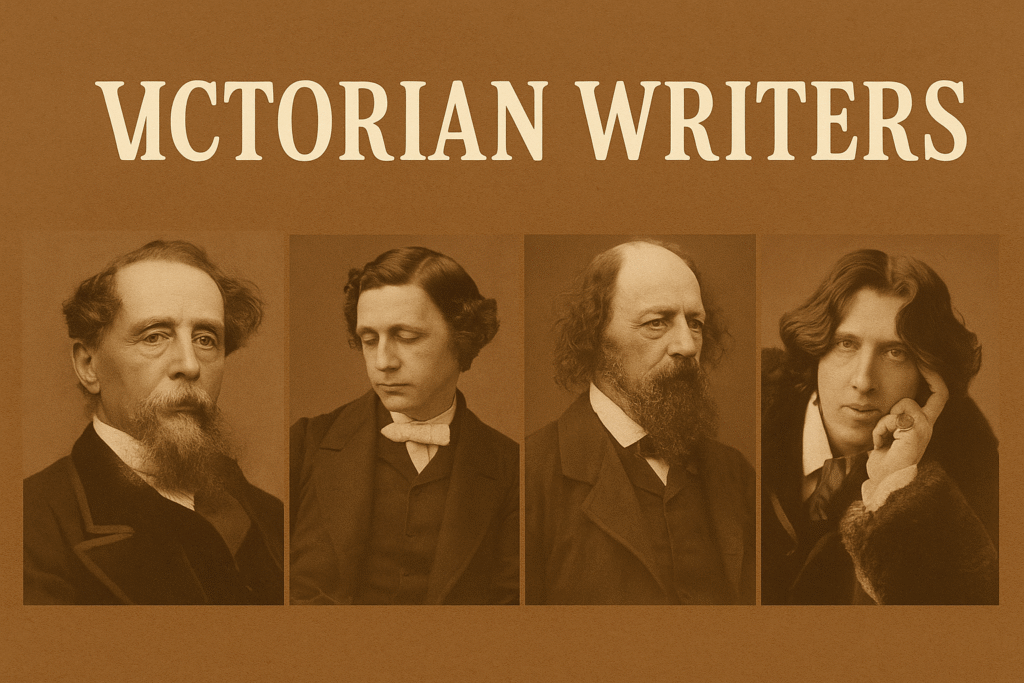
Visit Google to search for English literature topics, authors, and study resources:https://www.google.com
Robert Southey as a Romantic Poet: https://englishlitnotes.com/2025/07/29/robert-southey-as-a-romantic-poet/
Grammar Puzzle Solved by Naeem Sir: http://grammarpuzzlesolved.englishlitnotes.com
Discover more from Naeem Ullah Butt - Mr.Blogger
Subscribe to get the latest posts sent to your email.
Maybe leave the AI prompt from your article next time
Thanks for pointing it out! It has been one of my top running articles. Thanks once again! No doubt, I get all articles written by ChatGPT but they are actually based on ChatGPT through the instructions I provide ChatGPT. Thanks a lot. I will wait for your reply regarding this reply of mine. Have a good life!