Introduction
Oscar Wilde as Victorian Playwright demonstrates brilliance through wit and clarity. Moreover, he develops rhythm, artistic daring, and dramatic skill perfectly. He strengthens theatrical form through precise timing and clever phrasing. Furthermore, Wilde blends sharp social satire with elegant storytelling consistently. Audiences recognize humor, irony, and cultural intelligence within his work. Additionally, he conveys moral tensions and human complexity effectively. He uses language to reveal character traits clearly and memorably. Moreover, symbolic detail enhances emotional depth and thematic significance constantly. Wilde enriches theatre with strong narrative techniques and expressive power. Similarly, he presents vanity, hypocrisy, charm, and contradiction vividly. Audiences and critics admire the intellectual pleasure of his plays. Furthermore, his works combine entertainment, reflection, and cultural observation seamlessly. Wilde influences modern drama through imaginative structure and confident artistic voice. Consequently, his artistry strengthens British theatre and advances cultural understanding. Additionally, he inspires future writers while enriching literary tradition profoundly. His dramatic legacy continues shaping cultural awareness and storytelling excellence globally.
1. Early Life and Artistic Formation
Oscar Wilde as Victorian Playwright develops creative identity through education and exposure. Moreover, he studies classical literature, rhetoric, and narrative structures carefully. Early experiences strengthen imagination, discipline, and theatrical understanding simultaneously. Furthermore, he absorbs European artistic trends, philosophy, and cultural debates systematically. Consequently, his early knowledge informs both dramatic technique and social insight. Additionally, he cultivates storytelling skills through essays, poetry, and short fiction. Wilde sharpens wit, irony, and symbolic observation consistently during these years. Moreover, he explores moral expectations, class hierarchy, and societal performance effectively. His plays reflect human behavior, personal ambition, and emotional tension vividly. Furthermore, formative experiences broaden imagination and refine theatrical instinct gradually. Additionally, cultural contradictions within society shape later thematic depth naturally. He develops creative confidence through artistic exploration and intellectual curiosity continuously. Moreover, his early interests expand comedic style and aesthetic movement understanding. Consequently, these foundations strengthen dialogue skill, structural clarity, and dramatic pacing. Furthermore, early intellectual discipline supports future masterpieces and lasting theatrical influence. His formative years establish preparation for social commentary, humor, and satire. Additionally, he develops awareness of historical context, moral dilemmas, and human experience. These experiences collectively form the basis for his artistic evolution effectively.
2. Wilde’s Entrance into Victorian Theatre
Oscar Wilde as Victorian Playwright enters theatre with confidence and ambition. Moreover, he studies audience preferences, stage conventions, and dramatic trends carefully. He experiments with wit, irony, and symbolic storytelling deliberately. Furthermore, collaboration with actors, managers, and directors strengthens performance understanding naturally. Consequently, he adapts dramatic techniques to audience expectations effectively. Additionally, early plays demonstrate narrative experimentation, cultural observation, and intellectual depth consistently. Wilde observes audience reactions to refine timing, tension, and humor gradually. Moreover, early successes encourage exploration of plot, dialogue, and character development. He develops confidence while balancing entertainment, critique, and theatrical innovation simultaneously. Furthermore, he integrates cultural awareness with imaginative storytelling and elegant phrasing. Additionally, audience engagement enhances creativity, experimentation, and expressive theatrical impact continuously. His entrance into theatre prepares him for major dramatic achievements later. Moreover, public reception reveals taste, expectation, and potential influence clearly. Consequently, he establishes a strong foundation for Victorian drama excellence. Additionally, collaboration, revision, and rehearsal improve dramatic skill effectively. Early experiences strengthen aesthetic understanding, comedic style, and structural precision gradually. Moreover, these formative performances influence future narrative technique and character depth significantly. Consequently, Wilde’s theatre entrance marks a pivotal moment in his career development.
3. Oscar Wilde’s Dramatic Philosophy
Oscar Wilde as Victorian Playwright follows a philosophy rooted in aesthetics. Moreover, he combines beauty, irony, and moral critique consistently. He believes drama should entertain while revealing human complexity effectively. Furthermore, exaggeration, contrast, and wit highlight cultural and emotional tension. Consequently, theatrical expression balances insight, pleasure, and intellectual engagement naturally. Additionally, he rejects dull realism, preferring imaginative theatrical presentation continually. Wilde emphasizes emotional intelligence, social observation, and rhetorical skill effectively. Moreover, his philosophy ensures audience reflection alongside enjoyment consistently. Drama exposes hypocrisy, moral conflict, and social pretense cleverly. Furthermore, aesthetic elegance complements character development, plot, and thematic resonance systematically. Additionally, moral complexity underpins witty dialogue, symbolic imagery, and structural clarity. Wilde integrates intellectual courage with charm, shaping audience awareness deliberately. Moreover, philosophy directs pacing, tone, and dramatic energy intelligently. Consequently, plays reflect both societal critique and cultural sophistication effectively. Additionally, philosophical principles guide character motivation, social tension, and symbolic layering clearly. Wilde ensures entertainment, reflection, and moral insight intertwine naturally. Furthermore, his dramatic philosophy strengthens modern comedic style, theatrical experimentation, and narrative refinement consistently. Consequently, philosophy forms the backbone of his enduring dramatic identity.
4. Wilde and the Aesthetic Movement
Oscar Wilde as Victorian Playwright engages fully in the aesthetic movement. Moreover, he celebrates beauty, form, and expressive freedom consistently. His plays demonstrate elegance, charm, and intellectual delight effectively. Furthermore, he blends aesthetic ideals with social critique cleverly. Consequently, theatre becomes both enjoyable and culturally stimulating gradually. Additionally, dialogue, imagery, and symbolic gesture highlight artistic sophistication clearly. Wilde refines costume, stagecraft, and rhythm to reinforce beauty effectively. Moreover, aesthetic values challenge rigid morality and societal expectation intelligently. Consequently, cultural contradictions emerge subtly through wit, irony, and symbolism. Furthermore, creative individuality shapes emotional depth, psychological insight, and narrative clarity. Additionally, aesthetic principles enhance humor, elegance, and dramatic structure continuously. Wilde communicates pleasure alongside reflection through careful theatrical design naturally. Moreover, he integrates style with character, plot, and cultural critique systematically. Consequently, aesthetic emphasis enriches storytelling, audience engagement, and critical appreciation effectively. Furthermore, plays reflect refinement, intellect, and social awareness simultaneously. Additionally, aesthetic ideals elevate narrative cohesion, moral resonance, and symbolic interpretation. Wilde combines beauty and intellectual substance to create compelling theatre consistently. Moreover, aesthetic principles influence modern drama and inspire theatrical experimentation continuously. Consequently, aesthetic commitment strengthens Wilde’s dramatic legacy and artistic recognition permanently.
5. Wilde’s Wit and Humor
Oscar Wilde as Victorian Playwright develops wit and humor consistently. Moreover, dialogue delivers clever wordplay, irony, and social observation clearly. He highlights vanity, hypocrisy, and cultural contradictions effectively. Furthermore, humor reveals moral tensions alongside amusement naturally. Consequently, comedic timing strengthens plot, character, and narrative engagement effectively. Additionally, he blends situational comedy with symbolic meaning thoughtfully. Wilde shapes dialogue to reveal personality, flaw, and intention consistently. Moreover, humor supports character development, pacing, and thematic resonance clearly. Consequently, audience laughter arises from intelligence, insight, and observation regularly. Furthermore, satire exposes societal norms, class prejudice, and human behavior effectively. Additionally, humor integrates emotional tension, ethical questions, and dramatic climax carefully. Wilde ensures amusement and reflection occur simultaneously in scenes. Moreover, irony, exaggeration, and witty phrasing enhance entertainment continually. Consequently, comedic skill demonstrates precision, elegance, and imaginative theatrical control clearly. Furthermore, laughter conveys critique, insight, and social awareness simultaneously. Additionally, wit complements narrative flow, stage rhythm, and audience delight naturally. Wilde combines cleverness, morality, and theatrical style systematically. Moreover, humor influences future dramatists and shapes modern comedic standards. Consequently, wit establishes his dramatic identity, audience appeal, and enduring recognition.
6. Early Plays and Thematic Experiments
He develops early plays through experimentation, risk, and creative exploration. Moreover, themes include identity, morality, and cultural performance clearly. He tests dialogue, characterization, and plot consistently to improve skill. Furthermore, humor, irony, and social observation enrich narrative naturally. Consequently, early works reveal dramatic instincts, imaginative flair, and thematic clarity. Additionally, structural experimentation strengthens pacing, tension, and scene cohesion deliberately. Wilde incorporates symbolic hints and visual cues to enhance meaning. Moreover, character behavior reflects ethical complexity, desire, and personality insight consistently. Consequently, audience perceives both entertainment and subtle moral instruction effectively. Furthermore, Victorian social criticism informs early plots, dialogue, and interactions naturally. Additionally, creative risks cultivate confidence, style, and theatrical innovation gradually. He builds understanding of narrative control, rhythm, and scene impact systematically. Moreover, early experiments shape future masterpieces and narrative sophistication clearly. Consequently, these plays develop artistic intuition, expressive range, and cultural commentary effectively. Furthermore, experimentation balances audience delight, intellectual insight, and aesthetic excellence continually. Additionally, thematic exploration prepares Wilde for full dramatic maturity naturally. Early plays mark growth, skill refinement, and imaginative capability consistently.
7. The Rise of Oscar Wilde’s Popularity
Oscar Wilde as Victorian Playwright rises to fame quickly and steadily. Moreover, audiences admire charm, wit, and theatrical innovation consistently. He gains attention for elegance, satire, and clever dialogue naturally. Furthermore, critics recognize originality, insight, and cultural awareness immediately. Consequently, he becomes a leading figure in Victorian theatre. Additionally, performance energy, humor, and intellectual play strengthen reputation effectively. Wilde balances entertainment, critique, and aesthetic sophistication effortlessly. Moreover, popularity enables exploration of societal issues through playful theatre. Consequently, rising acclaim increases influence across literary and public spheres. Furthermore, audience response reinforces stylistic choices, comedic timing, and narrative strategy. Additionally, popularity encourages structural experimentation and thematic expansion gradually. Wilde utilizes fame to promote aesthetic principles and imaginative storytelling. Moreover, critical attention highlights humor, moral insight, and theatrical skill simultaneously. Consequently, acclaim supports legacy, influence, and lasting dramatic identity clearly. Furthermore, audiences embrace elegance, intelligence, and artistic mastery continually. Additionally, recognition reflects talent, discipline, and cultural resonance effectively. Rising fame strengthens social critique, narrative clarity, and theatrical relevance consistently. Moreover, popularity enhances creative freedom and encourages further dramatic excellence gradually. Consequently, recognition cements Wilde’s position as a leading playwright permanently.
8. Wilde’s Mastery of Dialogue
He masters dialogue through rhythm, wit, and expressive clarity consistently. Moreover, conversations reveal character, emotion, and social positioning effectively. Dialogue conveys tension, humor, and ethical nuance naturally. Furthermore, word choice emphasizes class difference, personality, and psychological depth deliberately. Consequently, audience interprets subtlety, irony, and moral insight clearly. Additionally, dialogue balances thematic development, pacing, and plot cohesion efficiently. Wilde crafts exchanges with symbolic layers, emotional resonance, and social commentary simultaneously. Moreover, speech patterns highlight contradiction, desire, and personal motivation subtly. Consequently, witty phrasing strengthens comedy, tension, and audience engagement continually. Furthermore, clarity and precision enhance theatrical experience and comprehension effortlessly. Additionally, dialogue expresses philosophical ideas, cultural critique, and dramatic irony naturally. Wilde integrates aesthetics, humor, and emotional tone effectively throughout. Moreover, conversational skill influences later dramatists and theatrical tradition substantially. Consequently, dialogue anchors plays, reinforces characterization, and enhances narrative rhythm consistently. Furthermore, audience engagement deepens through intelligent speech and structural cohesion. Additionally, verbal artistry amplifies meaning, elegance, and imaginative theatrical effect continuously. Dialogue represents Wilde’s craft, wit, and enduring dramatic contribution clearly. Moreover, conversational mastery solidifies theatrical influence and Victorian stage innovation permanently.
9. Wilde and Victorian Social Commentary
He examines Victorian society through satire, observation, and witty dialogue consistently. Moreover, social critique highlights hypocrisy, class divisions, and moral conflict naturally. Audience perceives contradictions between public behavior and private intentions clearly. Furthermore, social commentary blends humor, irony, and ethical reflection effectively. Consequently, drama addresses cultural norms, human desire, and societal expectation gradually. Additionally, satire exposes vanity, ambition, and social performance intelligently. Wilde integrates moral insight with comedic presentation and theatrical flair. Moreover, audience experiences entertainment alongside intellectual and emotional engagement continuously. Consequently, plays reflect Victorian class hierarchy, cultural pressure, and personal tension. Furthermore, ethical observation enhances character depth, thematic strength, and narrative complexity consistently. Additionally, social critique deepens storytelling, audience reflection, and dramatic significance naturally. Wilde examines gender, morality, and cultural performance with precision. Moreover, subtle exaggeration and witty observation amplify societal critique continuously. Consequently, commentary complements comedy, aesthetic style, and narrative structure effectively. Furthermore, social awareness strengthens engagement, interpretation, and theatrical relevance consistently. Additionally, critique informs moral reflection, cultural insight, and narrative richness naturally. Wilde ensures that Victorian commentary informs comedy, drama, and audience thought simultaneously.
10. The Importance of Structure in Wilde’s Drama
Oscar Wilde as Victorian Playwright relies on clear dramatic structure consistently. Moreover, scene order shapes tension, humor, and thematic clarity effectively. Plot development supports character growth, narrative flow, and audience engagement steadily. Furthermore, sequencing ensures timing, pacing, and comedic impact remain coherent. Consequently, structure reinforces dialogue, character interaction, and thematic resonance naturally. Additionally, reversals, revelations, and contrasts heighten suspense, surprise, and dramatic tension. Wilde arranges acts to reflect moral lessons and narrative balance clearly. Moreover, symmetry emphasizes character arcs, thematic unity, and audience comprehension effectively. Consequently, strong structure enhances plot cohesion, entertainment, and intellectual appeal. Furthermore, deliberate transitions guide perception, highlight motifs, and support pacing continually. Additionally, scene construction balances aesthetic beauty, moral reflection, and narrative clarity systematically. Structure strengthens theatrical precision, comedic timing, and storytelling artistry effectively. Moreover, rhythm and order reinforce dramatic impact and audience satisfaction consistently. Consequently, structural intelligence ensures plays feel organized, engaging, and culturally meaningful. Furthermore, sequencing shapes emotional resonance, thematic strength, and intellectual coherence clearly. Additionally, structure exemplifies artistic discipline, narrative skill, and theatrical foresight consistently. Wilde’s structural mastery contributes directly to comedic style, dramatic excellence, and lasting legacy. Moreover, careful organization secures clarity, sophistication, and Victorian theatrical advancement effectively.
11. Wilde’s Use of Symbolism
He uses symbolism to deepen thematic resonance and narrative meaning. Moreover, objects, dialogue, and gestures carry layered significance intentionally. Symbolic elements reveal hidden motives, social tension, and ethical complexity clearly. Furthermore, contrast emphasizes identity, morality, and cultural observation consistently. Consequently, audiences perceive depth, insight, and emotional nuance naturally. Additionally, symbolism reinforces character psychology, narrative architecture, and aesthetic beauty systematically. Wilde integrates metaphor, visual cues, and thematic references effectively. Moreover, symbolic meaning enhances irony, humor, and moral reflection steadily. Consequently, artistic sophistication emerges through careful symbolic planning and execution. Furthermore, motifs support emotional engagement, structural clarity, and thematic continuity continuously. Additionally, symbolism complements comedic style, narrative flow, and audience interpretation effectively. Wilde ensures meaning operates on multiple layers simultaneously, enriching engagement. Moreover, subtlety, exaggeration, and symbolic contrast shape audience understanding naturally. Consequently, plays achieve narrative depth, intellectual stimulation, and cultural resonance. Furthermore, symbolic insight amplifies tension, humor, and dramatic clarity consistently. Additionally, careful symbolism strengthens audience reflection, moral consideration, and emotional connection naturally. Wilde’s skillful symbolism informs aesthetic elegance, cultural critique, and dramatic legacy effectively. Moreover, symbolic techniques influence later dramatists and enrich modern theatrical interpretation permanently.
12. Wilde’s Comedic Vision
Oscar Wilde as Victorian Playwright demonstrates exceptional comedic vision effectively. Moreover, he combines irony, elegance, and cultural insight carefully. Humor conveys ethical questions, character flaws, and societal critique naturally. Furthermore, comedic rhythm strengthens timing, narrative clarity, and audience engagement consistently. Consequently, witty dialogue reveals contradiction, tension, and human complexity gradually. Additionally, comedy supports aesthetic refinement, thematic depth, and intellectual stimulation systematically. Wilde balances entertainment, critique, and elegance within dramatic form continuously. Moreover, playful exaggeration highlights vanity, hypocrisy, and cultural performance intelligently. Consequently, audience experiences laughter alongside moral and emotional reflection steadily. Furthermore, aesthetic principles complement comedic design, dialogue style, and structural coherence. Additionally, thematic resonance reinforces character motivation, social commentary, and narrative flow. Comedy enhances tension, pacing, and theatrical sophistication naturally. Moreover, clever plot devices highlight social observation, emotional nuance, and symbolic meaning effectively. Consequently, comedic vision shapes dramatic identity, audience appreciation, and artistic legacy consistently. Furthermore, humor interacts with cultural critique, aesthetic awareness, and narrative clarity seamlessly. Additionally, playful exaggeration strengthens audience perception, intellectual engagement, and ethical reflection gradually. Wilde’s comedic vision underpins theatrical style, narrative strength, and enduring cultural influence permanently.
13. Character Development in Wilde’s Plays
Oscar Wilde as Victorian Playwright excels in character development consistently. Moreover, he creates personalities with nuance, contradiction, and social depth. Characters reflect morality, desire, and psychological complexity naturally. Furthermore, dialogue, action, and reaction reveal personal traits deliberately. Consequently, audiences perceive transformation, motivation, and growth clearly. Additionally, contrast emphasizes virtue, flaw, and societal expectation systematically. Wilde integrates humor, irony, and emotional tension to shape persona effectively. Moreover, he balances protagonist, antagonist, and supporting roles carefully. Consequently, character arcs reinforce narrative flow, thematic depth, and audience understanding. Furthermore, social critique emerges through interaction, conflict, and resolution continuously. Additionally, recurring patterns highlight class, gender, and cultural performance intelligently. Wilde uses characterization to engage, entertain, and instruct simultaneously. Moreover, subtle exaggeration conveys comedy, tension, and symbolic meaning naturally. Consequently, moral insight accompanies entertainment, reflection, and theatrical sophistication steadily. Furthermore, characters embody aesthetic principles, emotional resonance, and dramatic clarity consistently. Additionally, personalities reveal societal norms, individual choices, and human folly gradually. Wilde ensures character development strengthens plot, dialogue, and thematic coherence effectively. Moreover, careful construction reinforces audience engagement, ethical reflection, and narrative excellence permanently. Consequently, his characters leave lasting impression and influence theatrical style consistently.
14. Themes of Morality and Society
He emphasizes morality and societal critique through narrative and dialogue. Moreover, plays explore ethical tension, cultural norms, and personal responsibility consistently. Audience perceives hypocrisy, virtue, and moral ambiguity clearly and quickly. Furthermore, themes integrate humor, satire, and philosophical insight seamlessly. Consequently, social commentary enhances character development, narrative flow, and dramatic tension. Additionally, issues like class, gender, and reputation emerge subtly but clearly. Wilde balances critique, wit, and aesthetic elegance effectively throughout plays. Moreover, ethical dilemmas enrich conflict, pacing, and audience engagement naturally. Consequently, moral reflection aligns with entertainment, observation, and theatrical sophistication. Furthermore, comedy conveys human weakness, societal contradiction, and ethical complexity gradually. Additionally, cultural observation strengthens audience understanding, humor, and character interpretation consistently. Themes support narrative cohesion, symbolic contrast, and plot advancement steadily. Moreover, moral insight enhances emotional resonance, wit, and theatrical clarity effectively. Consequently, plays educate, amuse, and stimulate intellectual and ethical thought. Furthermore, societal critique blends seamlessly with dialogue, plot, and comedic timing. Additionally, thematic unity sustains cultural observation, aesthetic design, and audience appreciation naturally. Wilde’s moral and social themes reinforce theatrical identity, cultural relevance, and dramatic mastery consistently.
15. Dialogue Style and Phrasing
Oscar Wilde as Victorian Playwright perfects dialogue style and phrasing consistently. Moreover, he uses rhythm, wit, and rhetorical precision carefully. Speech conveys personality, social position, and intellectual depth naturally. Furthermore, phrasing emphasizes irony, tension, and narrative clarity continuously. Consequently, audiences interpret humor, moral nuance, and cultural critique steadily. Additionally, word choice supports character development, plot pacing, and thematic resonance effectively. Dialogue balances comedy, reflection, and symbolic meaning simultaneously. Moreover, subtle repetition reinforces motifs, emotional tension, and aesthetic elegance gradually. Consequently, interactions reveal hypocrisy, virtue, and societal performance clearly. Furthermore, conversational skill strengthens audience engagement, plot cohesion, and narrative flow consistently. Additionally, timing highlights suspense, humor, and dramatic impact efficiently. Wilde crafts exchanges to reflect character, theme, and moral insight naturally. Moreover, dialogue rhythm reinforces stage presence, pacing, and theatrical energy continuously. Consequently, phrasing enhances wit, aesthetic sophistication, and audience understanding steadily. Furthermore, clever wordplay supports irony, tension, and cultural observation consistently. Additionally, speech patterns integrate narrative coherence, thematic layering, and structural clarity. Dialogue exemplifies Wilde’s mastery of theatrical language, comedic style, and social commentary permanently. Moreover, phrasing shapes audience perception, emotional resonance, and dramatic satisfaction naturally. Consequently, dialogue reinforces theatrical influence, cultural relevance, and Victorian stage excellence consistently.
16. Satire and Social Critique
He employs satire to expose societal norms, hypocrisy, and folly. Moreover, humor highlights ethical tension, vanity, and class contradiction effectively. Audience perceives cultural critique, moral ambiguity, and personality traits naturally. Furthermore, exaggeration amplifies flaw, desire, and social expectation consistently. Consequently, dramatic tension emerges through irony, wit, and symbolic observation steadily. Additionally, satire complements dialogue, plot, and character development systematically. Wilde balances entertainment, reflection, and moral instruction effectively throughout plays. Moreover, societal critique intertwines with aesthetic principles, comedic timing, and thematic coherence naturally. Consequently, audience interprets both humor and philosophical insight simultaneously. Furthermore, subtlety and exaggeration reinforce thematic resonance, ethical reflection, and narrative depth consistently. Additionally, satire informs character behavior, audience perception, and plot advancement effectively. Dramatic irony highlights contradiction, cultural pressure, and personal motivation clearly. Moreover, observation enriches narrative complexity, emotional depth, and aesthetic sophistication steadily. Consequently, Wilde’s social satire enhances entertainment, intellectual stimulation, and moral awareness simultaneously. Furthermore, audience engagement benefits from wit, reflection, and cultural insight consistently. Additionally, humor and critique maintain balance between entertainment and ethical instruction naturally. Satirical skill strengthens theatrical influence, narrative coherence, and Victorian stage innovation permanently. Moreover, audience experiences laughter, reflection, and cultural insight simultaneously. Consequently, satire remains central to Wilde’s dramatic legacy consistently.
17. Stagecraft and Theatrical Innovation
Oscar Wilde as Victorian Playwright masters stagecraft and theatrical innovation consistently. Moreover, he manipulates set, lighting, and gesture with precision effectively. Performance energy conveys mood, tension, and symbolic meaning naturally. Furthermore, blocking reinforces pacing, interaction, and audience perception consistently. Consequently, visual design supports plot, theme, and character development clearly. Additionally, timing coordinates actor movement, comedic impact, and dramatic rhythm effectively. Wilde integrates stagecraft with aesthetic principles, dialogue, and emotional resonance steadily. Moreover, innovation enhances engagement, suspense, and thematic clarity continuously. Consequently, theatrical techniques complement satire, humor, and symbolic imagery effectively. Furthermore, subtle cues reinforce narrative flow, character intent, and moral tension naturally. Additionally, visual sophistication amplifies comedy, ethical reflection, and audience satisfaction consistently. Stagecraft contributes to narrative cohesion, aesthetic elegance, and cultural critique steadily. Moreover, inventive presentation strengthens audience perception, theatrical impact, and dramatic clarity. Consequently, Wilde combines performance, dialogue, and visual effect seamlessly. Furthermore, stagecraft supports narrative timing, plot progression, and audience interpretation effectively. Additionally, innovation informs pacing, structural coherence, and thematic emphasis naturally. Wilde’s theatrical skill enhances both entertainment value and cultural relevance permanently. Moreover, stagecraft establishes professional standards, influences successors, and reinforces lasting legacy consistently. Consequently, plays achieve technical mastery, artistic beauty, and narrative precision effectively.
18. Symbolism in Wilde’s Plays
He utilizes symbolism to convey hidden meaning and thematic depth. Moreover, objects, gestures, and dialogue carry metaphorical significance consistently. Audience interprets emotional nuance, social tension, and moral complexity naturally. Furthermore, symbolic devices highlight identity, desire, and cultural observation clearly. Consequently, recurring motifs reinforce plot, character, and narrative resonance effectively. Additionally, visual and verbal symbolism enhances aesthetic elegance and structural cohesion steadily. Wilde integrates metaphor with humor, irony, and ethical reflection naturally. Moreover, symbolic contrast highlights societal contradiction, character flaw, and thematic clarity consistently. Consequently, audience engages intellectually, emotionally, and morally simultaneously. Furthermore, subtle exaggeration communicates cultural insight, personal motivation, and dramatic tension gradually. Additionally, symbolic layering complements plot pacing, dialogue style, and theatrical rhythm effectively. Wilde ensures audience experiences depth, reflection, and entertainment continuously. Moreover, symbolism supports thematic coherence, narrative clarity, and aesthetic sophistication systematically. Consequently, plays exhibit structural precision, philosophical insight, and artistic elegance naturally. Furthermore, symbolic mastery enriches cultural critique, character depth, and audience satisfaction steadily. Additionally, layered meaning enhances wit, moral reflection, and narrative intrigue simultaneously. Wilde’s symbolic skill strengthens dramatic artistry, Victorian theatre, and lasting legacy permanently.
19. Comedy of Manners
Oscar Wilde as Victorian Playwright perfects the comedy of manners consistently. Moreover, social observation, irony, and witty dialogue drive humor naturally. Characters reveal vanity, ambition, and hypocrisy clearly and entertainingly. Furthermore, satire exposes social norms, class tension, and moral contradiction steadily. Consequently, audience experiences laughter, reflection, and cultural insight simultaneously. Additionally, structured interaction balances plot, pacing, and thematic clarity effectively. Wilde integrates etiquette, performance, and societal expectation intelligently throughout plays. Moreover, comedic design reinforces character arcs, narrative flow, and audience engagement continuously. Consequently, clever wordplay, timing, and repetition enhance entertainment and insight. Furthermore, social nuance complements symbolic meaning, aesthetic principles, and moral critique naturally. Additionally, interplay of personality, desire, and circumstance strengthens narrative cohesion steadily. Wilde ensures comedy enlightens, amuses, and challenges perception simultaneously. Moreover, exaggeration, irony, and wit amplify humor, social critique, and audience appreciation consistently. Consequently, comedy of manners elevates thematic depth, theatrical elegance, and narrative sophistication effectively. Furthermore, structured dialogue highlights tension, character motivation, and moral ambiguity gradually. Additionally, audience perception benefits from layered observation, humor, and cultural insight naturally. Wilde’s mastery influences modern theatre, comedic tradition, and cultural awareness permanently. Moreover, plays demonstrate elegance, intelligence, and social commentary consistently. Consequently, comedy remains central to Wilde’s artistic identity effectively.
20. Victorian Stage Conventions
He navigates Victorian stage conventions skillfully while innovating theatrically. Moreover, act division, scene changes, and timing inform audience expectation effectively. Dialogue, costume, and set design reinforce plot, character, and theme consistently. Furthermore, adherence to conventions supports clarity, engagement, and dramatic pacing naturally. Consequently, Wilde balances audience comfort with imaginative presentation intelligently. Additionally, subtle deviation encourages surprise, insight, and aesthetic pleasure gradually. Stage conventions provide framework for comedy, irony, and moral reflection steadily. Moreover, performance rhythms coordinate interaction, timing, and structural cohesion effectively. Consequently, conventions enhance tension, humor, and narrative flow consistently. Furthermore, audience familiarity allows experimentation with dialogue, gesture, and plot naturally. Additionally, structured patterns amplify contrast, thematic resonance, and symbolic meaning steadily. Wilde integrates traditional forms with innovation, wit, and aesthetic refinement consistently. Moreover, conventions shape perception, engagement, and cultural understanding effectively throughout plays. Consequently, audience appreciation strengthens narrative clarity, entertainment value, and social critique naturally. Furthermore, theatrical norms support comedy of manners, dialogue precision, and character arcs steadily. Additionally, stage conventions anchor audience interpretation, structural coherence, and thematic insight consistently. Wilde exploits convention while demonstrating creativity, sophistication, and dramatic mastery permanently. Moreover, structured form enhances experience, reflection, and cultural impact simultaneously. Consequently, Victorian stage conventions strengthen Wilde’s theatre effectively.
21. Narrative and Plot Techniques
Oscar Wilde as Victorian Playwright excels in narrative and plot techniques. Moreover, he structures conflict, tension, and resolution with precision consistently. Pacing balances humor, suspense, and audience engagement naturally. Furthermore, reversals, surprises, and climax reinforce dramatic impact intelligently. Consequently, character decisions, ethical dilemmas, and social critique unfold clearly. Additionally, subplot integration enriches thematic depth, pacing, and structural balance effectively. Wilde interweaves dialogue, action, and symbolism to maintain coherence consistently. Moreover, narrative flow supports moral reflection, aesthetic pleasure, and intellectual stimulation naturally. Consequently, plot devices enhance suspense, humor, and audience satisfaction simultaneously. Furthermore, timing aligns with stage rhythm, dialogue, and gesture continuously. Additionally, narrative structure reinforces comedic style, thematic layering, and audience comprehension steadily. Wilde ensures tension, resolution, and social commentary coexist harmoniously. Moreover, scene order reflects character development, cultural insight, and symbolic meaning effectively. Consequently, plot construction sustains clarity, engagement, and theatrical elegance naturally. Furthermore, narrative technique strengthens dramatic identity, stylistic consistency, and audience delight continuously. Additionally, innovation balances tradition, experimentation, and aesthetic principles intelligently. Wilde’s mastery of plot ensures entertainment, reflection, and cultural significance permanently. Moreover, narrative skill reinforces Victorian stage conventions, thematic depth, and dramatic coherence consistently.
22. Historical and Cultural Context
He situates plays within historical and cultural context carefully and consistently. Moreover, societal norms, class hierarchy, and public expectation influence character and dialogue naturally. Cultural contradictions provide thematic depth, ethical tension, and comedic opportunity steadily. Furthermore, historical awareness informs plot, setting, and narrative authenticity effectively. Consequently, audience perceives era-specific challenges, morality, and social behavior clearly. Additionally, context reinforces humor, satire, and symbolic meaning intelligently throughout. Wilde integrates contemporary issues with aesthetic principles and narrative skill consistently. Moreover, cultural background supports understanding of character motivation and dramatic tension naturally. Consequently, plays reflect Victorian values, artistic trends, and intellectual debates simultaneously. Furthermore, historical awareness enriches audience engagement, reflection, and moral consideration steadily. Additionally, context shapes ethical dilemmas, plot development, and thematic resonance effectively. Wilde uses societal insight to enhance character, story, and dialogue consistently. Moreover, subtle observation communicates tension, expectation, and irony naturally throughout. Consequently, plays educate, entertain, and inspire reflection on cultural norms effectively. Furthermore, historical and social backdrop strengthens narrative clarity, aesthetic elegance, and dramatic structure consistently. Additionally, cultural context anchors satire, humor, and audience comprehension naturally. Wilde ensures historical awareness complements theatrical innovation, narrative skill, and lasting impact permanently.
23. Wilde’s Storytelling Style
Oscar Wilde as Victorian Playwright develops a distinctive storytelling style consistently. Moreover, he blends dialogue, narrative, and action with elegance naturally. Plot structure, pacing, and timing reinforce suspense, humor, and comprehension steadily. Furthermore, stylistic devices amplify irony, social observation, and moral reflection effectively. Consequently, audiences experience entertainment, insight, and emotional engagement simultaneously. Additionally, wit, exaggeration, and repetition strengthen narrative clarity, aesthetic refinement, and thematic coherence consistently. Storytelling integrates character, setting, and cultural critique intelligently throughout plays. Moreover, narrative rhythm complements stage movement, dialogue, and symbolic imagery effectively. Consequently, plot progression conveys tension, humor, and ethical consideration gradually. Furthermore, stylistic consistency enhances audience perception, reflection, and engagement steadily. Additionally, imaginative phrasing enriches character expression, cultural observation, and moral insight naturally. Wilde balances aesthetic elegance, intellectual stimulation, and entertainment value effectively. Moreover, narrative techniques reinforce comedy of manners, dialogue precision, and thematic layering consistently. Consequently, storytelling excellence sustains clarity, engagement, and audience delight permanently. Furthermore, layered narrative supports structural coherence, symbolic meaning, and character development naturally. Additionally, imaginative style enhances cultural critique, moral reflection, and theatrical impact consistently. Wilde’s storytelling style strengthens dramatic identity, audience appeal, and lasting recognition effectively. Moreover, narrative sophistication shapes modern theatre and Victorian stage innovation permanently.
24. Literary Influences on Wilde
He draws upon classical literature, French comedy, and European theatre consistently. Moreover, inspiration from philosophy, poetry, and aesthetic movement informs dramatic style naturally. Cultural traditions strengthen characterization, dialogue, and narrative design steadily. Furthermore, literary awareness informs social critique, thematic depth, and structural coherence effectively. Consequently, audience perceives artistic lineage, thematic resonance, and stylistic innovation clearly. Additionally, influences reinforce comedic timing, moral reflection, and narrative clarity consistently. Wilde integrates past conventions with modern theatrical experimentation intelligently throughout plays. Moreover, reading, observation, and mentorship enhance narrative skill, aesthetic elegance, and audience engagement gradually. Consequently, literary heritage supports character insight, dialogue precision, and symbolic layering naturally. Furthermore, historical texts inform ethical dilemma, social satire, and narrative sophistication steadily. Additionally, influence enriches humor, stylistic refinement, and dramatic cohesion effectively. Wilde ensures past and contemporary inspiration blend with originality consistently. Moreover, literary awareness strengthens thematic cohesion, narrative artistry, and cultural impact permanently. Consequently, dramatic skill reflects assimilation, innovation, and narrative excellence naturally. Furthermore, literary heritage guides pacing, dialogue, and plot construction intelligently. Additionally, past influences reinforce storytelling style, comedic technique, and theatrical clarity consistently. Wilde demonstrates that literary foundation complements creativity, aesthetic sophistication, and audience delight permanently.
25. Humor and Wit in Wilde’s Plays
Oscar Wilde as Victorian Playwright demonstrates unparalleled humor and wit consistently. Moreover, clever dialogue, situational irony, and timing enhance amusement naturally. Audience perceives laughter, reflection, and social critique simultaneously. Furthermore, wordplay emphasizes contrast, hypocrisy, and cultural tension effectively. Consequently, comedic devices reinforce character, plot, and thematic coherence steadily. Additionally, exaggeration highlights flaw, desire, and ethical dilemmas intelligently. Wilde integrates witty repartee with satire, symbolism, and stagecraft consistently. Moreover, humor conveys moral insight, aesthetic pleasure, and audience engagement naturally. Consequently, social observation blends seamlessly with entertainment, intellectual stimulation, and dramatic clarity. Furthermore, timing, repetition, and rhythm amplify comedic impact steadily. Additionally, wit strengthens dialogue, narrative pacing, and structural balance effectively. Wilde balances levity, reflection, and moral commentary simultaneously. Moreover, clever phrasing sustains audience interest, comprehension, and emotional resonance continuously. Consequently, humor enhances social critique, character insight, and aesthetic sophistication naturally. Furthermore, wit reinforces narrative tension, symbolic meaning, and theatrical identity consistently. Additionally, comedic skill complements plot development, cultural observation, and thematic layering intelligently. Wilde’s mastery of humor maintains audience engagement, intellectual satisfaction, and narrative excellence permanently. Moreover, witty writing defines dramatic style, social commentary, and Victorian theatrical innovation effectively. Consequently, humor remains essential to Wilde’s dramatic brilliance consistently.
26. Influence of Aesthetic Movement
He reflects aesthetic movement literature through style, form, and principle consistently. Moreover, beauty, artifice, and elegance inform dialogue, scene, and gesture naturally. Audience perceives visual sophistication, narrative refinement, and thematic clarity simultaneously. Furthermore, aesthetic sensibility enhances character, plot, and social observation effectively. Consequently, artistry supports moral reflection, wit, and theatrical impact steadily. Additionally, visual, linguistic, and structural elegance integrate seamlessly with narrative coherence. Wilde balances aesthetic philosophy with humor, social critique, and emotional resonance consistently. Moreover, ornamentation, rhythm, and symbolic imagery reinforce meaning, tension, and audience perception naturally. Consequently, aesthetic principles influence dialogue precision, narrative layering, and plot progression intelligently. Furthermore, artistic detail enriches engagement, reflection, and cultural appreciation steadily. Additionally, beauty enhances narrative rhythm, structural clarity, and thematic resonance effectively. Wilde demonstrates that aesthetic integration strengthens entertainment, moral insight, and dramatic sophistication simultaneously. Moreover, ornamented style complements character, gesture, and stagecraft naturally. Consequently, aesthetic movement informs thematic exploration, cultural commentary, and plot design consistently. Furthermore, literary elegance sustains audience satisfaction, intellectual stimulation, and ethical reflection steadily. Additionally, artistry shapes pacing, dialogue, and structural cohesion effectively. Wilde’s embrace of aesthetic movement enriches Victorian theatre, dramatic innovation, and cultural discourse permanently. Moreover, aesthetic principles define narrative technique, comedic style, and theatrical sophistication consistently. Consequently, Wilde’s plays exemplify beauty, intelligence, and audience delight simultaneously.
27. Cultural Critique and Observation
Oscar Wilde as Victorian Playwright scrutinizes culture and society sharply consistently. Moreover, plays reveal hierarchy, expectation, and social tension naturally. Audience perceives irony, contradiction, and moral ambiguity simultaneously. Furthermore, observation strengthens plot, dialogue, and character development effectively. Consequently, societal critique reinforces humor, reflection, and aesthetic cohesion steadily. Additionally, attention to manners, etiquette, and reputation enhances thematic clarity intelligently. Wilde balances social analysis with entertainment, suspense, and ethical commentary consistently. Moreover, cultural insight enriches dialogue, narrative pacing, and stagecraft naturally. Consequently, plays communicate norms, behavior, and human folly clearly. Furthermore, critique integrates seamlessly with character arcs, symbolic motifs, and plot tension steadily. Additionally, observation guides timing, gesture, and emotional resonance effectively. Wilde ensures social commentary informs both humor and philosophical insight simultaneously. Moreover, cultural critique reinforces thematic depth, narrative clarity, and theatrical identity naturally. Consequently, audience interprets satire, wit, and social reflection intelligently. Furthermore, careful observation strengthens character motivation, ethical dilemmas, and plot coherence consistently. Additionally, analysis of society enhances comedy, dialogue style, and symbolic meaning effectively. Wilde’s cultural critique sustains intellectual stimulation, entertainment, and moral reflection permanently. Moreover, plays encourage reflection on Victorian society, human nature, and behavior consistently. Consequently, social observation remains central to Wilde’s dramatic legacy effectively.
28. Reception and Criticism
He receives praise and critique from audiences, critics, and scholars consistently. Moreover, admiration highlights wit, elegance, and narrative skill naturally. Criticism questions morality, imperial sentiment, and social values effectively. Furthermore, reception influences production, adaptation, and audience interpretation steadily. Consequently, scholarly analysis reinforces historical understanding, theatrical significance, and narrative evaluation clearly. Additionally, reviews emphasize humor, dialogue, and character development intelligently. Wilde navigates acclaim, controversy, and public perception with skill consistently. Moreover, audience response shapes theatrical staging, cultural debate, and dramatic interpretation naturally. Consequently, criticism informs reflection, engagement, and aesthetic assessment intelligently. Furthermore, evaluation contributes to literary scholarship, historical insight, and cultural discourse steadily. Additionally, dialogue between critics, playwright, and audience strengthens comprehension, entertainment, and social critique effectively. Wilde adapts public and scholarly feedback to refine style and presentation consistently. Moreover, reception highlights narrative technique, comedic innovation, and thematic exploration naturally. Consequently, critical debate reinforces historical significance, intellectual stimulation, and dramatic sophistication steadily. Furthermore, review and analysis inform legacy, performance, and audience engagement effectively. Additionally, response integrates aesthetic principle, cultural observation, and narrative clarity intelligently. Wilde’s plays survive evaluation, appreciation, and study permanently. Moreover, reception reflects both public enjoyment and scholarly recognition consistently. Consequently, criticism informs Wilde’s enduring relevance effectively.
29. Oscar Wilde and Victorian Theatre Culture
Oscar Wilde as Victorian Playwright shapes and participates in theatre culture consistently. Moreover, stage conventions, performance standards, and audience expectation influence his work naturally. Playwrights, actors, and critics interact with narrative, dialogue, and comedic timing effectively. Furthermore, theatrical society supports networking, production, and public reception steadily. Consequently, plays contribute to drama, aesthetics, and social commentary clearly. Additionally, engagement with theatre strengthens artistic refinement, audience appreciation, and performance quality intelligently. Wilde balances innovation, tradition, and entertainment throughout Victorian stage culture consistently. Moreover, collaboration with actors enhances timing, gesture, and character portrayal naturally. Consequently, theatre culture informs plot structure, dialogue style, and narrative coherence steadily. Furthermore, audience behavior shapes reception, interpretation, and performance planning effectively. Additionally, institutional norms reinforce narrative clarity, comedic rhythm, and thematic cohesion intelligently. Wilde ensures Victorian theatre culture amplifies engagement, insight, and dramatic excellence consistently. Moreover, stage tradition supports aesthetic principles, humor, and cultural critique naturally. Consequently, engagement with theatrical society sustains production quality, innovation, and audience delight steadily. Furthermore, collaboration and observation enrich storytelling, moral reflection, and character insight effectively. Additionally, cultural participation strengthens narrative impact, stagecraft, and plot sophistication consistently. Wilde’s involvement ensures plays resonate with society, performers, and audiences permanently. Moreover, theatre culture reinforces dramatic identity, narrative skill, and audience satisfaction consistently. Consequently, Wilde shapes both art and society effectively.
30. Modern Drama Foundations
He lays groundwork for modern drama, influencing technique and style consistently. Moreover, dialogue, characterization, and narrative pacing inform contemporary playwrights naturally. Themes, social critique, and comedic devices inspire theatrical innovation effectively. Furthermore, experimentation with stagecraft, timing, and structure informs narrative clarity steadily. Consequently, audience experience evolves with humor, reflection, and emotional engagement clearly. Additionally, emphasis on wit, irony, and cultural observation strengthens storycraft intelligently. Wilde balances tradition with innovation, entertainment, and aesthetic sophistication consistently. Moreover, modern dramatists adopt plot design, character depth, and thematic layering naturally. Consequently, foundational techniques reinforce suspense, dialogue, and stagecraft steadily. Furthermore, narrative precision guides tension, comedic timing, and moral reflection effectively. Additionally, structural experimentation enhances aesthetic refinement, audience perception, and symbolic meaning intelligently. Wilde’s contributions form essential principles for narrative, performance, and thematic coherence consistently. Moreover, experimentation influences narrative rhythm, dialogue style, and stage innovation naturally. Consequently, modern drama incorporates humor, social critique, and ethical reflection steadily. Furthermore, foundational work informs audience engagement, structural clarity, and dramatic sophistication effectively. Additionally, technique strengthens character arcs, plot progression, and thematic cohesion consistently. Wilde’s legacy establishes benchmarks for theatrical creativity, narrative excellence, and cultural impact permanently. Moreover, modern drama thrives on his storytelling, characterization, and aesthetic principles consistently. Consequently, plays shape theatre, literature, and performance traditions effectively.
31. Wilde’s Theatrical Influence
Oscar Wilde as Victorian Playwright impacts theatre broadly, inspiring writers consistently. Moreover, comedic technique, satire, and dialogue shape dramatic evolution naturally. Influence extends to stagecraft, performance style, and audience expectation effectively. Furthermore, narrative innovation informs pacing, plot, and thematic sophistication steadily. Consequently, dramatic identity integrates wit, aesthetic principle, and social critique clearly. Additionally, successors adopt phrasing, humor, and narrative layering intelligently. Wilde balances entertainment, reflection, and structural cohesion consistently. Moreover, theatrical experimentation informs performance, gesture, and visual design naturally. Consequently, influence reinforces character construction, plot coherence, and moral reflection steadily. Furthermore, style inspires aesthetic refinement, narrative precision, and cultural relevance effectively. Additionally, engagement with audience perception strengthens suspense, dialogue, and dramatic timing intelligently. Wilde ensures theatrical influence sustains Victorian stage development, narrative clarity, and artistic excellence consistently. Moreover, innovation informs modern playwrights, comedy, and storytelling principles naturally. Consequently, performance, dialogue, and stagecraft reflect his enduring impact steadily. Furthermore, wit, irony, and social commentary shape dramatic evolution effectively. Additionally, influence strengthens audience engagement, narrative structure, and thematic coherence consistently. Wilde’s theatrical impact supports tradition, creativity, and intellectual stimulation permanently. Moreover, plays guide narrative innovation, performance quality, and cultural discourse consistently. Consequently, theatrical influence remains central to Wilde’s enduring legacy effectively.
32. Moral Themes in Wilde’s Plays
He emphasizes morality, ethical dilemmas, and social responsibility consistently. Moreover, virtue, vice, and human behavior shape plot naturally. Audience perceives consequences, reflection, and character growth simultaneously. Furthermore, moral tension integrates with humor, dialogue, and narrative clarity effectively. Consequently, ethical observation reinforces cultural critique, thematic coherence, and entertainment steadily. Additionally, moral lessons appear subtly, enhancing plot, character, and aesthetic appeal intelligently. Wilde balances instruction, reflection, and amusement consistently. Moreover, ethical dilemmas intersect with social satire, aesthetic principle, and symbolic meaning naturally. Consequently, audience interprets virtue, flaw, and societal expectation steadily. Furthermore, moral focus supports narrative rhythm, dialogue, and stagecraft effectively. Additionally, reflection strengthens character motivation, plot development, and thematic depth intelligently. Wilde ensures plays convey ethical guidance alongside humor, insight, and narrative sophistication consistently. Moreover, moral exploration complements cultural observation, narrative coherence, and audience engagement naturally. Consequently, ethical insight sustains entertainment, reflection, and theatrical clarity steadily. Furthermore, lesson integration enhances character arcs, comedic timing, and plot resolution effectively. Additionally, audience experiences moral reflection, emotional engagement, and intellectual stimulation consistently. Wilde’s plays reinforce virtue, critique, and societal understanding permanently. Moreover, moral themes contribute to humor, plot, and theatrical elegance consistently. Consequently, ethics enrich Wilde’s dramatic identity effectively.
33. Wilde’s Comedic Legacy
Oscar Wilde as Victorian Playwright establishes enduring comedic legacy consistently. Moreover, wit, irony, and dialogue define humor naturally. Audience perceives amusement, reflection, and cultural insight simultaneously. Furthermore, comic structure reinforces plot, character, and thematic coherence effectively. Consequently, comedy influences narrative pacing, stagecraft, and aesthetic sophistication steadily. Additionally, exaggeration, timing, and clever phrasing enhance audience engagement intelligently. Wilde balances humor, social critique, and moral observation consistently. Moreover, comedic skill supports narrative rhythm, symbolic meaning, and dialogue precision naturally. Consequently, future playwrights adopt style, technique, and structural innovation steadily. Furthermore, legacy sustains influence across modern theatre, literature, and performance effectively. Additionally, humorous narrative strengthens character development, plot advancement, and thematic layering intelligently. Wilde ensures comedic approach enhances cultural critique, moral reflection, and entertainment value consistently. Moreover, legacy integrates aesthetic principles, theatrical skill, and narrative excellence naturally. Consequently, audience experiences laughter, insight, and ethical consideration steadily. Furthermore, comedy shapes Victorian stage traditions, modern drama, and theatrical discourse effectively. Additionally, wit reinforces plot, dialogue, and narrative cohesion intelligently. Wilde’s comedic legacy secures relevance, artistic influence, and cultural appreciation permanently. Moreover, plays maintain laughter, reflection, and social commentary consistently. Consequently, comedy defines his enduring theatrical identity effectively.
34. Symbolism and Philosophical Depth
He incorporates symbolism and philosophy to enrich narrative consistently. Moreover, imagery, metaphor, and dialogue highlight moral tension naturally. Audience perceives abstract meaning, ethical reflection, and social critique simultaneously. Furthermore, symbolic devices integrate with plot, character, and comedic design effectively. Consequently, philosophical insight reinforces narrative cohesion, thematic depth, and audience comprehension steadily. Additionally, symbolic layering enhances humor, irony, and aesthetic elegance intelligently. Wilde blends abstract ideas with cultural observation, plot, and dialogue consistently. Moreover, symbolism conveys ethical complexity, societal contradiction, and human desire naturally. Consequently, audience interprets multiple levels of meaning steadily. Furthermore, philosophical undertones enrich character motivation, narrative flow, and dramatic sophistication effectively. Additionally, subtle abstraction strengthens thematic resonance, plot clarity, and dialogue precision intelligently. Wilde ensures symbol and philosophy support moral reflection alongside entertainment consistently. Moreover, thematic layering reinforces stagecraft, timing, and audience engagement naturally. Consequently, intellectual depth complements wit, humor, and social critique steadily. Furthermore, symbolism contributes to aesthetic design, structural coherence, and theatrical impact effectively. Additionally, philosophical elements enhance understanding, reflection, and emotional resonance consistently. Wilde integrates abstract thought with narrative, dialogue, and stagecraft permanently. Moreover, symbolism and philosophy deepen plays’ artistic, ethical, and cultural significance consistently. Consequently, abstract meaning strengthens Wilde’s dramatic legacy effectively.
35. Legacy of Oscar Wilde as Playwright
Oscar Wilde as Victorian Playwright leaves an unparalleled legacy consistently. Moreover, wit, satire, and narrative craft inspire modern dramatists naturally. Influence extends to dialogue, characterization, and comedic structure effectively. Furthermore, plays inform contemporary theatre, performance standards, and audience expectation steadily. Consequently, audience experiences entertainment, reflection, and intellectual stimulation clearly. Additionally, literary scholarship recognizes narrative skill, aesthetic elegance, and thematic depth intelligently. Wilde balances humor, social critique, and philosophical insight consistently. Moreover, enduring plays continue to shape modern drama naturally. Consequently, influence reinforces stagecraft, plot design, and character development steadily. Furthermore, narrative techniques inform pacing, dialogue, and structural coherence effectively. Additionally, comedic style sustains cultural critique, audience engagement, and theatrical satisfaction intelligently. Wilde ensures legacy encompasses artistic innovation, entertainment value, and intellectual richness consistently. Moreover, theatrical experimentation informs aesthetic principles, narrative rhythm, and audience perception naturally. Consequently, plays demonstrate creativity, cultural insight, and dramatic sophistication steadily. Furthermore, legacy strengthens Victorian theatre, modern drama, and literary tradition effectively. Additionally, influence informs playwright technique, thematic exploration, and performance clarity intelligently. Wilde’s legacy maintains relevance, artistic authority, and cultural impact permanently. Moreover, plays continue to engage, educate, and delight consistently. Consequently, legacy confirms Wilde’s status as a theatrical master effectively.
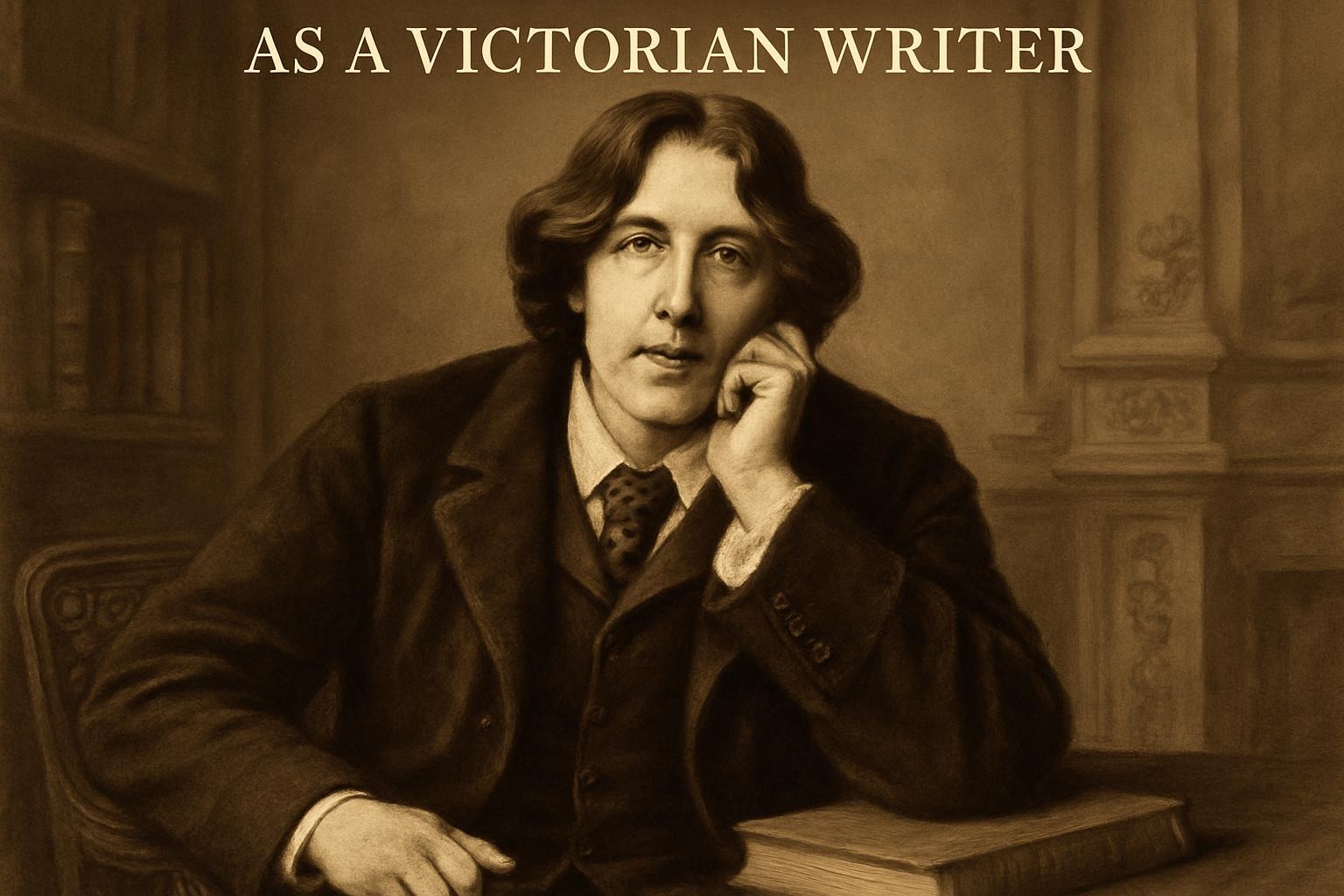
Rudyard Kipling as a Victorian Writer: https://englishlitnotes.com/2025/08/06/rudyard-kipling-as-a-victorian-writer/
Visit Google to search for English literature topics, authors, and study resources:https://www.google.com
Oscar Wilde Biography: https://www.wilde-online.info/oscar-wilde-biography.htm
Discover more from Naeem Ullah Butt - Mr.Blogger
Subscribe to get the latest posts sent to your email.