Introduction
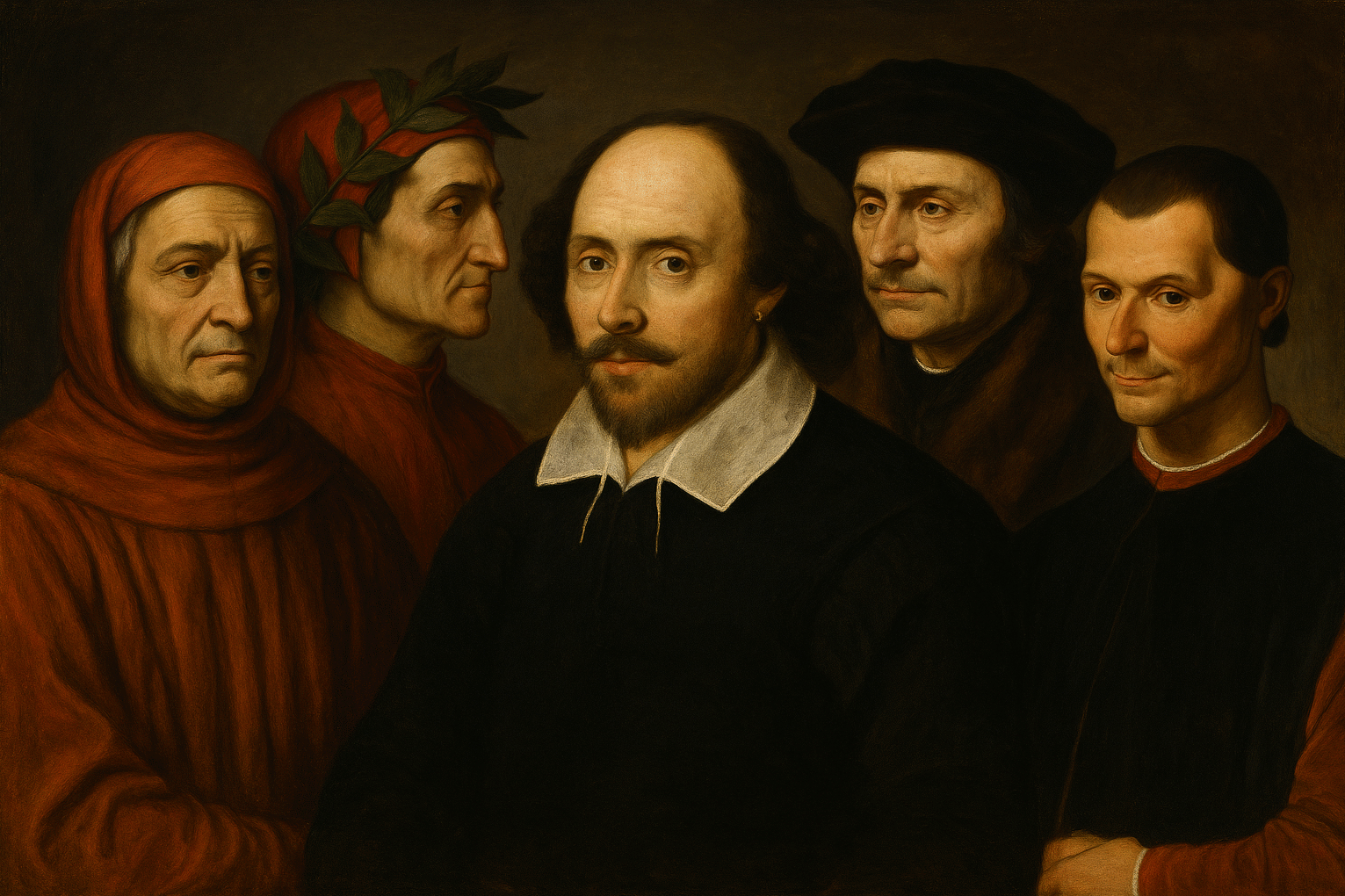
Algernon Charles Swinburne as Poet of the Victorian Period represents bold innovation, technical mastery, and daring thematic exploration consistently. Moreover he integrates musicality, intricate prosody, and vivid imagery seamlessly, producing emotionally and intellectually engaging poetry throughout his career. Therefore his works challenge moral conventions while exploring eroticism, rebellion, and transgressive passions effectively. Additionally experimentation with meter, stanzaic form, and rhyme schemes generates striking lyrical effects enhancing thematic depth consistently. Furthermore integration of Pagan and Christian motifs, philosophical inquiry, and symbolic language demonstrates sophistication rarely matched by contemporaries. Also attention to sound, alliteration, and consonance heightens musicality while supporting layered meaning effectively. Hence Swinburne balances technical precision with expressive freedom, producing works that inspire scholars and poets alike consistently. Moreover his influence extends to Decadent and Aesthetic movements, shaping Victorian literary discourse and challenging traditional expectations simultaneously. Consequently analysis of Swinburne’s poetry reveals harmonic combination of sound, rhythm, and imagery ensuring enduring relevance. Additionally recurring motifs, thematic cohesion, and innovative form solidify his reputation as a brilliant and audacious Victorian poet.
2. Swinburne Poetic Style
Algernon Charles Swinburne as Poet demonstrates extraordinary mastery, blending technical skill, musicality, and imaginative imagery consistently throughout Victorian literature. Moreover he balances strict prosody with expressive freedom, producing intense aesthetic experiences for readers simultaneously. Therefore his poetry explores eroticism, rebellion, and transgressive themes while maintaining lyrical elegance effectively. Additionally frequent use of alliteration, consonance, and assonance enhances musicality and reinforces layered meaning throughout compositions. Furthermore attention to stanzaic innovation, varied rhyme schemes, and prosodic complexity ensures rhythmic coherence and stylistic sophistication consistently. Also integration of Pagan and Christian motifs, moral reflection, and philosophical inquiry enriches interpretive depth and reader engagement simultaneously. Hence Swinburne poetic style exemplifies audacious innovation, technical brilliance, and thematic sophistication across works, influencing later poets while retaining originality. Moreover recurring imagery and symbolic language provide cohesion, intellectual stimulation, and aesthetic pleasure continuously. Consequently analysis of Swinburne poetic style reveals harmonic integration of sound, form, and meaning, ensuring lasting relevance. Additionally his style plays a crucial role in the Decadent and Aesthetic movements. It shapes literary discourse in the Victorian period. It also challenges conventional morality.
3. Swinburne Pre-Raphaelite Connections
Algernon Charles Swinburne as Poet demonstrates significant Pre-Raphaelite connections, illustrating engagement with Victorian artistic movements, emphasizing aestheticism, medievalism, and moral exploration consistently. Moreover he incorporates symbolic imagery, meticulous detail, and thematic cohesion, reflecting influence from Pre-Raphaelite ideals without losing individuality. Therefore themes of love, sensuality, and heroic narrative often echo the circle of Rossetti while retaining experimental boldness simultaneously. Additionally, he interacted and corresponded with members of the Pre-Raphaelite Brotherhood. They exchanged ideas on poetry, visual art, and literary innovation consistently. Furthermore these connections demonstrate alignment and divergence, blending classical narrative structures with daring thematic experimentation effectively. Also consideration of historical context highlights intersections between literature and visual art, enriching interpretation and appreciation. Hence, Swinburne’s works exemplify aesthetic principles. They exhibit lyrical sophistication and emotional intensity. His works reflect broader cultural and artistic currents of late Victorian England. Moreover his adaptation of Pre-Raphaelite concepts integrates them into personal poetic vision while reinforcing originality and innovation simultaneously. Consequently examination of these connections provides insight into literary networks, collaborative influence, and aesthetic exploration. Additionally recurring motifs, rich symbolism, and thematic unity illustrate the enduring significance of these artistic relationships in his poetry.
4. Victorian Symbolism in Swinburne’s Poetry
Victorian symbolism in Swinburne’s poetry conveys abstract philosophical ideas and emotional depth through recurring images and allegorical motifs consistently. Moreover he integrates Pagan, Christian, and natural symbolism, enriching interpretive layers while maintaining lyrical clarity effectively. Therefore symbols operate on multiple levels, merging narrative, aesthetic, and moral significance throughout compositions simultaneously. Additionally recurring motifs such as fatal women, rebellion, and erotic desire provide thematic cohesion and social commentary effectively. Furthermore natural imagery, including landscapes, seasons, and celestial motifs, emphasizes universality and reinforces structural coherence consistently. Also strategic placement of symbols enhances musicality, layered meaning, and reader engagement without overwhelming narrative clarity. Hence Victorian symbolism in Swinburne’s poetry exemplifies sophistication, intellectual depth, and aesthetic brilliance, reflecting mastery of form and content simultaneously. Moreover careful integration ensures emotional intensity, thematic coherence, and stylistic elegance, producing highly rewarding literary experiences. Consequently readers encounter multi-layered meaning, aesthetic richness, and intellectual stimulation across his body of work. Additionally this symbolic richness reinforces his status as a technically brilliant and thematically audacious poet, shaping Victorian literary discourse significantly.
5. Swinburne Themes of Love and Death
Algernon Charles Swinburne as Poet explores themes of love and death dominating much of his poetic work, intertwining passion, mortality, and moral transgression consistently. Moreover he treats these themes with lyrical elegance. He incorporates technical sophistication and philosophical insight simultaneously. This approach produces emotionally resonant and intellectually stimulating poetry. Therefore love and death coexist as intertwined forces, offering readers layered interpretation and thematic depth throughout his oeuvre. Additionally vivid imagery, metaphor, and symbolism amplify emotional intensity while supporting musicality and narrative structure effectively. Furthermore exploration of eroticism, fatal attraction, and rebellion against societal norms demonstrates thematic audacity and challenges Victorian moral conventions simultaneously. Also recurring motifs include fatal women and doomed lovers. They create cohesion across works. These motifs effectively reinforce ethical reflection. Hence Swinburne themes of love and death illustrate technical mastery, expressive depth, and aesthetic sophistication consistently throughout his poetic career. Moreover careful attention to meter, prosody, and rhyme ensures structural cohesion while enhancing emotional and intellectual impact simultaneously. Consequently these themes contribute to his enduring significance, inspiring critical analysis and creative emulation across literary generations. Additionally the interplay of desire, mortality, and moral exploration reinforces his influence on the development of late Victorian poetic innovation.
6. Swinburne Lyrical Techniques
Swinburne lyrical techniques showcase mastery of sound, rhythm, and formal innovation, producing poetry that resonates emotionally and intellectually. Moreover he employs alliteration, assonance, consonance, and intricate rhyme schemes to create musical cohesion and thematic emphasis consistently. Therefore techniques such as prosody, stanzaic variation, and anapestic meter demonstrate technical ingenuity while supporting expressive depth effectively. Additionally frequent use of repeated motifs, symbolic language, and layered imagery enhances thematic richness and narrative resonance simultaneously. Furthermore his attention to cadence, tone, and harmonic structure ensures lyrical elegance across diverse poetic forms continuously. Also experimentation with sound patterns and musicality amplifies emotional impact while reinforcing philosophical and moral reflection effectively. Hence Swinburne lyrical techniques reflect the integration of technical brilliance with expressive sophistication. This produces poetry that consistently engages both mind and senses. Moreover detailed motifs and musical devices offer structural unity. Symbolic imagery adds thematic unity. This combination enriches reader experience throughout his oeuvre. Consequently examination of lyrical techniques reveals the interconnectedness of form, sound, and meaning, illustrating his enduring relevance. Additionally innovative techniques solidify his reputation as a masterful poet whose works influence subsequent literary movements and stylistic experimentation.
7. Swinburne Major Works
Swinburne has major works, which include Poems and Ballads, Atalanta in Calydon, The Garden of Proserpine, and Tristram of Lyonesse. These works exemplify thematic audacity. They also demonstrate technical mastery. Moreover these works explore love, death, eroticism, and rebellion against Victorian norms consistently, providing emotional intensity and intellectual stimulation. Therefore recurring motifs, rich symbolism, and innovative form unify each composition while reinforcing aesthetic sophistication and lyrical cohesion simultaneously. Additionally musicality, prosody, and intricate stanzaic design demonstrate technical brilliance, enhancing interpretive depth and reader engagement continuously. Furthermore historical and cultural context, including connections to Aesthetic and Decadent movements, informs thematic focus and artistic execution effectively. Swinburne’s major works show his mastery of poetic form. They also illustrate thematic innovation. These works have an enduring influence on Victorian and later poetry. Moreover careful attention to sound, rhythm, and imagery reinforces emotional impact and intellectual richness consistently. Consequently these works establish him as a technically skilled, audacious, and influential poet in the Victorian period. Additionally recurring engagement with Pre-Raphaelite ideals and Decadent principles reinforces artistic and thematic sophistication.
8. Swinburne Influence on Later Poets
Swinburne influence on later poets is profound. It shapes Decadent, Aesthetic, and Modernist literary movements through daring experimentation. His technical brilliance further enhances his impact. Moreover his exploration of taboo subjects, musicality, and complex symbolic imagery inspires innovative approaches to form and content consistently. Therefore subsequent poets adopt stylistic techniques, thematic boldness, and rhythmic experimentation pioneered by Swinburne effectively. His fusion of lyrical mastery provides a model for artistic ambition. His moral reflection and aesthetic innovation offer a model for intellectual depth. Engagement with Pre-Raphaelite ideals, classical forms, and Decadent principles enhances the transmission of aesthetic values. It also enriches interpretive richness across literary generations. Enduring relevance of thematic exploration, stylistic sophistication, and technical innovation strengthens his role as a seminal figure in Victorian poetry. This reinforces his status consistently. Hence Swinburne influence on later poets demonstrates the integration of tradition and experimentation. This combination inspires new approaches to poetry throughout the twentieth century. Moreover critical analysis of his works highlights ongoing significance, literary innovation, and aesthetic impact effectively. Consequently his contributions shape poetic technique, thematic engagement, and aesthetic sensibility across successive literary movements. Additionally his legacy encourages exploration of sound, form, and daring thematic content in modern poetry.
9. Swinburne Medievalism in Poetry
Swinburne medievalism in poetry reflects fascination with chivalric themes. It also encompasses heroic narratives and historical legend. His work integrates aesthetic elegance with moral exploration consistently. Moreover he adapts medieval motifs, symbolism, and narrative structures to examine contemporary themes of love, death, and rebellion simultaneously. Therefore medievalism informs thematic complexity, structural innovation, and narrative cohesion across diverse compositions effectively. Additionally use of heroic couplets, classical forms, and mythic references enhances rhythmic precision and literary sophistication continuously. Furthermore integration of medieval imagery, allegorical motifs, and historical narrative provides aesthetic richness and intellectual depth simultaneously. Also attention to moral reflection, philosophical inquiry, and symbolic layering demonstrates mastery of thematic integration throughout his poetry consistently. Hence Swinburne medievalism in poetry exemplifies blending historical influence with personal innovation. His works engage readers emotionally. They simultaneously engage them intellectually. Moreover careful adaptation of medieval models ensures relevance to Victorian sensibilities while retaining imaginative audacity effectively. Consequently his medievalism contributes to enduring literary significance, influencing later poets and reinforcing engagement with historical and aesthetic tradition. Additionally interweaving medieval inspiration with Decadent and Aesthetic principles enriches narrative depth, musicality, and thematic cohesion continuously.
10. The Fleshly School of Poetry
Algernon Charles Swinburne as Poet exemplifies engagement in The Fleshly School of Poetry controversy, highlighting moral critique, Victorian censorship, and aesthetic rebellion simultaneously. Moreover he defends poetic exploration of eroticism, desire, and human passion, challenging prevailing social norms consistently. Therefore his works exemplify courage, technical skill, and thematic audacity while provoking debate and critical reflection effectively. Additionally interactions with Rossetti, critics, and literary contemporaries illustrate tensions between moral expectation and aesthetic innovation continuously. Furthermore literary debate emphasizes boundaries of artistic freedom, interpretive complexity, and thematic boldness simultaneously. Also Swinburne employs musicality, vivid imagery, and symbolic narrative to reinforce argument and aesthetic credibility effectively. Hence The Fleshly School of Poetry controversy demonstrates his pivotal role in Victorian literary culture. It inspires discourse, analysis, and reinterpretation across generations. Moreover enduring relevance of these debates reflects ongoing negotiation between artistic liberty and societal constraint consistently. Consequently his engagement with moral critique, erotic themes, and formal innovation continues to influence literary scholarship and creative practice. Additionally careful defense of aesthetic principles establishes Swinburne as a fearless and transformative figure in Victorian literature.
11. Aestheticism in Swinburne’s Poetry
Aestheticism in Swinburne’s poetry emphasizes art for art’s sake, musicality, and sensory richness consistently throughout his work. Moreover he prioritizes beauty, technical mastery, and expressive freedom while exploring controversial themes effectively. Therefore aesthetic focus elevates form and content simultaneously, producing harmony between sound, rhythm, and meaning. Additionally incorporation of allegory, symbolism, and lyrical experimentation enhances reader engagement and interpretive depth continuously. Furthermore careful attention to prosody, stanzaic variation, and rhyme schemes reinforces musical elegance while supporting thematic exploration consistently. Also frequent reference to classical, medieval, and mythic motifs demonstrates synthesis of historical influence with personal innovation effectively. Hence aestheticism in Swinburne’s poetry illustrates integration of beauty, technical skill, and daring thematic content seamlessly. Moreover the balance of auditory pleasure, structural sophistication, and emotional intensity ensures enduring relevance and critical acclaim simultaneously. Consequently readers encounter multi-layered aesthetic experiences, reflecting Decadent principles and lyrical brilliance consistently. Additionally aestheticism provides a framework for exploring eroticism, rebellion, and mortality while maintaining elegance, cohesion, and poetic sophistication continuously.
12. Pre-Raphaelite Art and Literature
Pre-Raphaelite art and literature influence Swinburne, inspiring visual imagery, narrative intensity, and thematic experimentation simultaneously. Moreover he adapts aesthetic principles, symbolic motifs, and medieval sensibilities into his poetic compositions effectively. Therefore literary engagement with Pre-Raphaelite ideals enriches structural elegance, imaginative imagery, and emotional resonance consistently throughout his work. Additionally connections to Rossetti, Morris, and other Pre-Raphaelites demonstrate collaborative inspiration, thematic alignment, and stylistic innovation effectively. Furthermore integration of visual detail, allegorical references, and lyrical intensity reinforces interpretive complexity and reader engagement continuously. Also attention to narrative form, prosody, and musicality ensures cohesion between visual inspiration and poetic expression effectively. Hence Pre-Raphaelite art and literature inform his thematic exploration of love, death, and transgression with sophistication, elegance, and audacity simultaneously. Moreover blending of visual, symbolic, and formal elements exemplifies interdisciplinary creativity, producing poetry that engages multiple senses consistently. Consequently analysis of these influences highlights artistic networks, cross-disciplinary inspiration, and thematic depth throughout Victorian poetry. Additionally these connections reinforce Swinburne’s role as a poet who bridges aesthetic movements, historical motifs, and literary innovation seamlessly.
13. The Blessed Damozel Analysis
Algernon Charles Swinburne as Poet demonstrates mastery in The Blessed Damozel analysis, revealing lyrical form, musicality, and symbolic depth consistently. Moreover poem explores love, separation, and celestial longing with refined imagery and harmonic structure effectively. Therefore recurring motifs, vivid symbolism, and prosodic precision produce emotional resonance and interpretive richness simultaneously. Additionally attention to rhythm, stanzaic variation, and sound patterns heightens aesthetic impact and lyrical brilliance consistently. Furthermore thematic layering, allegorical meaning, and moral reflection provide intellectual engagement while reinforcing sensory appeal effectively. Also exploration of mortality, longing, and transcendence demonstrates thematic audacity, emotional intensity, and narrative cohesion continuously. Hence The Blessed Damozel analysis illustrates integration of formal mastery, aesthetic sensitivity, and profound thematic insight consistently. Moreover musicality, alliteration, and imagery ensure reader immersion while sustaining interpretive complexity simultaneously. Consequently poem exemplifies Swinburne’s technical skill, thematic innovation, and aesthetic sophistication throughout his career. Additionally its enduring appeal highlights contribution to Decadent and Aesthetic movements while influencing subsequent literary generations effectively.
14. The House of Life Sonnet Sequence
The House of Life sonnet sequence exemplifies Swinburne’s technical mastery, lyrical experimentation, and thematic cohesion consistently. Moreover sequence explores love, mortality, and philosophical reflection using varied stanzaic forms, rhythm, and musicality effectively. Therefore structural innovation, symbolic language, and intricate rhyme schemes create layered meaning while maintaining aesthetic elegance simultaneously. Additionally recurring motifs, allegorical references, and narrative arcs provide interpretive depth and cohesion throughout the sequence continuously. Furthermore attention to cadence, harmonic structure, and prosody enhances reader engagement while reinforcing thematic sophistication effectively. Also exploration of eroticism, desire, and human longing demonstrates daring thematic audacity alongside formal brilliance consistently. Hence The House of Life sonnet sequence reflects integration of sound, form, and narrative depth seamlessly. Moreover musicality, stylistic variation, and symbolic richness ensure aesthetic pleasure and intellectual stimulation simultaneously. Consequently analysis reveals how Swinburne balances thematic innovation, technical skill, and emotional resonance throughout the sequence. Additionally these works reinforce his contribution to Victorian Decadent and Aesthetic movements while inspiring later poets effectively.
15. Poems and Ballads Overview
Algernon Charles Swinburne as Poet demonstrates audacious exploration in Poems and Ballads overview, highlighting taboo subjects, musicality, and lyrical mastery consistently. Moreover work challenged Victorian moral conventions while advancing Decadent and Aesthetic principles simultaneously. Therefore recurring themes of eroticism, rebellion, and mortality provoke debate and critical reflection effectively. Additionally vivid imagery, intricate prosody, and symbolic language enhance interpretive depth while reinforcing formal cohesion continuously. Furthermore attention to meter, stanzaic variation, and sound patterns produces aesthetic brilliance and reader engagement effectively. Also alignment with Pre-Raphaelite ideals and classical motifs provides historical grounding, thematic sophistication, and structural elegance simultaneously. Hence Poems and Ballads overview exemplifies technical mastery, thematic boldness, and aesthetic innovation consistently throughout Swinburne’s career. Moreover musicality, rhythmic experimentation, and moral audacity ensure enduring influence, inspiring critical analysis and literary emulation simultaneously. Consequently these works establish him as a fearless, technically skilled, and thematically audacious poet. Additionally their significance resonates in later literary movements, reinforcing Decadent and Aesthetic values effectively.
16. Tristram of Lyonesse Summary
Tristram of Lyonesse summary demonstrates Swinburne’s narrative skill, lyrical brilliance, and thematic sophistication consistently. Moreover poem explores love, chivalry, and mortality using vivid imagery, symbolic language, and musicality effectively. Therefore recurring motifs, allegorical references, and harmonic rhythm provide cohesion, interpretive depth, and aesthetic elegance simultaneously. Additionally prosodic experimentation, stanzaic variation, and rhyme schemes reinforce musicality and structural precision continuously. Furthermore attention to philosophical reflection, moral inquiry, and thematic audacity enhances intellectual engagement while sustaining emotional intensity effectively. Also integration of medieval and classical motifs exemplifies fusion of historical influence with original innovation consistently. Hence Tristram of Lyonesse summary illustrates Swinburne’s ability to combine narrative, technical skill, and aesthetic sensitivity seamlessly. Moreover musicality, symbolic richness, and thematic boldness ensure enduring literary relevance and critical acclaim simultaneously. Consequently analysis reinforces his status as a technically skilled and audacious Victorian poet. Additionally these qualities contribute to influence on Decadent and Aesthetic movements effectively.
17. Swinburne Themes of Love and Death
Algernon Charles Swinburne as Poet explores themes of love and death intertwining passion, mortality, and aesthetic exploration consistently throughout his poetry. Moreover he examines erotic desire, fatal attraction, and human longing with musicality, prosody, and symbolic richness effectively. Therefore recurring motifs, allegorical imagery, and narrative cohesion provide thematic depth and structural elegance simultaneously. Additionally attention to meter, rhythm, and stanzaic design ensures formal precision while enhancing interpretive complexity continuously. Furthermore integration of philosophical inquiry, moral reflection, and aesthetic boldness amplifies reader engagement and critical reflection effectively. Also exploration of eroticism, transgression, and rebellion against societal norms exemplifies thematic audacity and artistic courage consistently. Hence Swinburne themes of love and death highlight technical mastery, narrative sophistication, and aesthetic brilliance simultaneously. Moreover layered symbolism, musicality, and recurring motifs ensure emotional resonance and intellectual stimulation continuously. Consequently these themes solidify his contribution to Decadent and Aesthetic movements while influencing later poets effectively. Additionally careful attention to sound, imagery, and form reinforces enduring literary significance consistently.
18. Sensory Imagery in Swinburne’s Poetry
Sensory imagery in Swinburne’s poetry heightens aesthetic impact, emotional intensity, and interpretive depth consistently throughout his work. Moreover he employs visual, auditory, and tactile imagery to create immersive experiences while supporting thematic complexity effectively. Therefore recurring motifs, symbolic references, and detailed description produce cohesion, lyrical brilliance, and reader engagement simultaneously. Additionally attention to prosody, cadence, and harmonic structure enhances musicality while reinforcing sensory vividness continuously. Furthermore imagery supports exploration of love, death, eroticism, and rebellion, amplifying thematic resonance effectively. Also integration of Pre-Raphaelite influence, medieval motifs, and classical allusions enriches interpretive depth and aesthetic sophistication simultaneously. Hence sensory imagery in Swinburne’s poetry exemplifies fusion of technical skill, aesthetic brilliance, and thematic boldness seamlessly. Moreover careful orchestration of sound, symbolism, and visual detail ensures multilayered reader experience and lasting impact continuously. Consequently analysis highlights his mastery of lyrical, narrative, and symbolic techniques. Additionally sensory imagery reinforces musicality, thematic cohesion, and emotional intensity consistently.
19. Symbolism in Victorian Poetry
Algernon Charles Swinburne as Poet demonstrates mastery of symbolism in Victorian poetry, shaping meaning, aesthetic elegance, and thematic depth consistently. Moreover he employs allegorical references, mythic motifs, and moral imagery to enrich interpretive complexity and emotional impact effectively. Therefore symbols function across multiple levels, supporting narrative, musicality, and thematic resonance simultaneously. Additionally integration of Pagan, Christian, and classical imagery enhances cohesion, narrative depth, and aesthetic sophistication continuously. Furthermore attention to rhythm, rhyme, and prosodic patterning amplifies musicality and reinforces symbolic meaning effectively. Also recurring motifs, layered imagery, and allegorical structures ensure reader engagement and critical reflection simultaneously. Hence symbolism in Victorian poetry contributes to intellectual depth, aesthetic brilliance, and thematic audacity consistently. Moreover it connects Swinburne to Pre-Raphaelite and Decadent movements, reinforcing historical and cultural context effectively. Consequently symbolic exploration underpins his poetic innovation, thematic cohesion, and enduring relevance. Additionally deliberate integration of sound, imagery, and thematic layering ensures interpretive richness, musicality, and aesthetic impact simultaneously.
20. Swinburne Biography
Swinburne biography illustrates early life, education, literary influences, and development of thematic audacity consistently. Moreover he experienced intellectual stimulation, exposure to classical texts, and engagement with aesthetic movements, shaping poetic style effectively. Therefore understanding Swinburne biography provides context for technical mastery, thematic exploration, and moral audacity simultaneously. Additionally personal encounters, literary relationships, and cultural milieu influenced thematic focus, narrative choice, and stylistic experimentation continuously. Furthermore attention to intellectual curiosity, aesthetic ambition, and daring exploration underscores development of musicality, symbolic depth, and formal innovation effectively. Also awareness of societal norms, criticism, and controversy enriches interpretation and appreciation of poetic contribution consistently. Hence Swinburne biography informs readers about literary networks, historical context, and aesthetic formation of his works. Moreover, analysis of formative experiences, philosophical inquiry, and creative experimentation. This highlights their enduring influence on Decadent movements. It also influences Aesthetic and later literary movements simultaneously. Consequently his biography illuminates interplay between life, art, and Victorian literary culture. Additionally biographical knowledge enhances understanding of thematic boldness, technical skill, and aesthetic sophistication consistently.
21. Swinburne Influence on Later Poets
Algernon Charles Swinburne as Poet exerts profound influence on later poets, manifesting through technical mastery, thematic audacity, and musical innovation consistently. Moreover his use of alliteration, prosody, and symbolic imagery inspired Decadent, Aesthetic, and Modernist writers effectively. Therefore attention to sound, structure, and aesthetic principles encouraged experimentation and lyrical boldness simultaneously. Additionally exploration of eroticism, rebellion, and mortality influenced narrative daring, thematic sophistication, and stylistic freedom continuously. Furthermore integration of Pre-Raphaelite motifs, medieval references, and classical allusions provided models for intertextual richness and historical awareness effectively. Also his rhythmic precision, harmonic experimentation, and musicality established benchmarks for poetic form, inspiring subsequent generations of poets consistently. Hence Swinburne influence on later poets solidified his status as an innovator bridging Victorian and modern poetic sensibilities. Moreover careful balance of aesthetic pleasure, thematic depth, and formal experimentation ensures continued relevance and critical study simultaneously. Consequently his legacy persists through literary homage, stylistic emulation, and interpretive analysis consistently. Additionally his daring themes, technical brilliance, and aesthetic audacity reinforce enduring literary significance effectively.
22. Swinburne and Pre-Raphaelite Connections
Algernon Charles Swinburne as Poet demonstrates strong ties with the Pre-Raphaelites, shaping thematic choices, aesthetic principles, and stylistic experimentation consistently. Moreover his relationships with Rossetti, Morris, and other artists fostered interdisciplinary inspiration, allegorical richness, and narrative elegance effectively. Therefore collaboration with Pre-Raphaelites enhanced use of medieval motifs, visual imagery, and symbolic references simultaneously. Additionally exploration of love, death, and rebellion reflects shared interests in aesthetic innovation, historical revival, and artistic audacity continuously. Furthermore attention to prosody, musicality, and formal experimentation reinforced cohesion between visual art and poetic expression effectively. Also incorporation of mythic and classical references demonstrates synthesis of tradition and innovation consistently. Hence Swinburne and Pre-Raphaelite connections illustrate integration of literary networks, aesthetic collaboration, and thematic boldness seamlessly. Moreover these ties influenced lyrical techniques, symbolic layering, and interpretive complexity simultaneously. Consequently they contributed to his enduring influence on Victorian and Decadent poetry. Additionally cross-disciplinary engagement strengthened aesthetic principles, thematic depth, and structural experimentation consistently.
23. The Fleshly School of Poetry Controversy
The Fleshly School of Poetry controversy spotlighted Swinburne’s audacious treatment of eroticism, moral transgression, and stylistic sophistication consistently. Moreover criticism from critics and contemporaries amplified debates regarding Victorian morality, Decadent principles, and poetic freedom effectively. Therefore controversy emphasized tension between societal norms and literary innovation, highlighting risk-taking and artistic courage simultaneously. Additionally Swinburne’s musicality, prosody, and formal brilliance reinforced his arguments for aesthetic autonomy continuously. Furthermore engagement with taboo subjects, allegorical references, and classical allusions heightened interpretive depth and aesthetic complexity effectively. Also dialogue with Rossetti and other Pre-Raphaelites contextualized the debate, blending collaborative influence with individual expression consistently. Hence The Fleshly School of Poetry controversy exemplifies intersection of technical mastery, thematic daring, and cultural debate seamlessly. Moreover it positioned Swinburne as a pivotal figure challenging conventions, inspiring dialogue, and influencing subsequent literary movements simultaneously. Consequently analysis highlights courage, skill, and aesthetic philosophy underpinning his poetic identity consistently. Additionally lasting scholarly interest demonstrates enduring significance of this controversy in Victorian literary history effectively.
24. Characteristics of Swinburne’s Poetry
Characteristics of Swinburne’s poetry include musicality, rhythmic innovation, thematic audacity, and symbolic richness consistently. Moreover attention to prosody, stanzaic variation, and harmonic patterns enhances aesthetic cohesion while supporting narrative depth effectively. Therefore frequent use of alliteration, anapestic meter, and lyrical experimentation produces sonic brilliance simultaneously. Additionally exploration of love, death, eroticism, and rebellion ensures thematic boldness, interpretive complexity, and reader engagement continuously. Furthermore incorporation of classical, medieval, and mythic motifs strengthens historical resonance and stylistic sophistication effectively. Also attention to structure, imagery, and allegory reinforces cohesion, narrative clarity, and symbolic depth consistently. Hence characteristics of Swinburne’s poetry illustrate fusion of technical skill, aesthetic refinement, and thematic courage seamlessly. Moreover layered symbolism, musicality, and formal experimentation ensure enduring influence, critical acclaim, and scholarly interest simultaneously. Consequently these features define his unique contribution to Victorian and Decadent literary movements. Additionally deliberate interplay of sound, form, and thematic exploration enhances reader experience consistently.
25. Swinburne themes of love and death
Swinburne themes of love and death explore passion, mortality, and aesthetic inquiry continuously across his oeuvre. Moreover recurring motifs, allegorical imagery, and musical structure provide interpretive depth, narrative cohesion, and emotional intensity effectively. Therefore eroticism, fatal attraction, and longing intertwine with mortality, rebellion, and aesthetic exploration simultaneously. Additionally attention to meter, rhythm, and prosody reinforces musicality while enhancing thematic resonance continuously. Furthermore integration of classical, Pagan, and mythic references enriches symbolic complexity and intellectual engagement effectively. Also exploration of societal norms, taboo subjects, and human desire exemplifies thematic audacity and narrative innovation consistently. Hence Swinburne themes of love and death illustrate harmony between sound, imagery, and thematic depth seamlessly. Moreover layered symbolism, melodic phrasing, and formal experimentation ensure enduring aesthetic pleasure and critical recognition simultaneously. Consequently thematic analysis highlights his pioneering role in Decadent and Aesthetic poetry. Additionally meticulous attention to structure, narrative cohesion, and interpretive richness reinforces literary significance continuously.
26. Sensory Imagery in Swinburne’s Poetry
Sensory imagery in Swinburne’s poetry engages sight, sound, and tactile perception to enhance aesthetic and emotional impact consistently. Moreover vivid description, prosodic experimentation, and symbolic layering heighten interpretive complexity and lyrical brilliance effectively. Therefore recurring motifs, musicality, and allegorical references produce cohesion, narrative richness, and reader engagement simultaneously. Additionally integration of Pre-Raphaelite influence, classical motifs, and medieval allusions supports thematic depth continuously. Furthermore imagery underscores eroticism, mortality, and rebellion, intensifying thematic resonance and aesthetic pleasure effectively. Also attention to rhythm, stanzaic structure, and harmonic patterning reinforces sonic and symbolic coherence consistently. Hence sensory imagery in Swinburne’s poetry illustrates fusion of formal precision, lyrical richness, and thematic sophistication seamlessly. Moreover deliberate orchestration of visual, auditory, and tactile elements ensures immersive reader experience and critical appreciation simultaneously. Consequently imagery contributes to his enduring influence, thematic audacity, and technical mastery. Additionally combination of musicality, symbolism, and descriptive skill reinforces aesthetic, intellectual, and emotional engagement consistently.
27. Swinburne Lyrical Techniques
Swinburne lyrical techniques include musicality, prosody, alliteration, and rhythmic experimentation consistently throughout his work. Moreover careful attention to stanzaic variation, rhyme schemes, and harmonic cadence enhances structural cohesion and aesthetic brilliance effectively. Therefore deployment of recurring motifs, allegorical imagery, and sonic patterns reinforces thematic depth and reader engagement simultaneously. Additionally exploration of love, death, eroticism, and rebellion demonstrates thematic boldness alongside formal sophistication continuously. Furthermore integration of classical, medieval, and mythic references strengthens narrative richness, symbolic resonance, and interpretive complexity effectively. Also use of melodic phrasing, anapestic meter, and prosodic variety exemplifies technical mastery and lyrical elegance consistently. Hence Swinburne lyrical techniques highlight fusion of sound, form, and thematic innovation seamlessly. Moreover deliberate experimentation with musicality and symbolic layering ensures immersive aesthetic experience and critical acclaim simultaneously. Consequently analysis of these techniques underscores his contribution to Decadent, Aesthetic, and Victorian poetry. Additionally sustained emphasis on auditory pleasure, narrative cohesion, and symbolic richness reinforces lasting literary significance consistently.
28. Atalanta in Calydon Analysis
Atalanta in Calydon analysis demonstrates Swinburne’s mastery of lyrical drama, musicality, and mythic adaptation consistently. Moreover poem explores Greek mythology, gender dynamics, and human mortality with narrative elegance and symbolic depth effectively. Therefore rhythmic precision, harmonic structure, and prosodic experimentation reinforce aesthetic brilliance while supporting thematic exploration simultaneously. Additionally attention to imagery, allegory, and symbolic motifs produces interpretive richness and cohesion continuously. Furthermore integration of classical themes, narrative innovation, and formal sophistication enhances emotional resonance and reader engagement effectively. Also exploration of power, fate, and desire exemplifies thematic audacity and narrative daring consistently. Hence Atalanta in Calydon analysis highlights technical mastery, aesthetic sensibility, and mythic adaptation seamlessly. Moreover musicality, rhythmic variation, and symbolic layering ensure immersive reading experience and enduring literary influence simultaneously. Consequently these qualities reinforce Swinburne’s prominence within Decadent, Aesthetic, and Victorian poetry. Additionally poem exemplifies synthesis of narrative, musicality, and symbolic sophistication consistently.
29. The Garden of Proserpine Analysis
The Garden of Proserpine analysis illustrates Swinburne’s exploration of mortality, fatalism, and aesthetic contemplation consistently. Moreover vivid imagery, musical phrasing, and symbolic references heighten interpretive depth, narrative cohesion, and emotional resonance effectively. Therefore recurring motifs, rhythmic experimentation, and allegorical layering reinforce formal elegance and thematic sophistication simultaneously. Additionally exploration of pagan symbolism, death, and human longing exemplifies daring thematic audacity and philosophical reflection continuously. Furthermore attention to cadence, prosody, and stanzaic design enhances musicality and cohesion while supporting interpretive complexity effectively. Also integration of mythic, classical, and Pre-Raphaelite motifs strengthens literary resonance and aesthetic richness consistently. Hence The Garden of Proserpine analysis demonstrates technical mastery, thematic boldness, and narrative elegance seamlessly. Moreover careful orchestration of sound, imagery, and symbolic depth ensures aesthetic pleasure and intellectual engagement simultaneously. Consequently poem exemplifies Swinburne’s contribution to Decadent and Aesthetic movements. Additionally thematic and formal sophistication reinforce his lasting influence consistently.
30. Dolores Analysis
Dolores analysis highlights Algernon Charles Swinburne as Poet through exploration of eroticism, rebellion, and aesthetic daring consistently. Moreover vivid imagery, rhythmic experimentation, and prosodic precision enhance narrative cohesion and thematic depth effectively. Therefore repeated motifs, allegorical references, and musicality reinforce interpretive richness and lyrical brilliance simultaneously. Additionally attention to meter, stanzaic structure, and harmonic cadence ensures formal elegance while supporting thematic audacity continuously. Furthermore integration of classical, mythic, and Pre-Raphaelite motifs strengthens symbolic resonance and aesthetic sophistication effectively. Also exploration of desire, transgression, and mortality exemplifies thematic boldness and narrative daring consistently. Hence Dolores analysis illustrates fusion of technical mastery, aesthetic refinement, and thematic audacity seamlessly. Moreover deliberate use of musicality, imagery, and symbolic layering ensures immersive reader experience and critical acclaim simultaneously. Consequently analysis underscores Swinburne’s role in Victorian Decadent and Aesthetic poetry. Additionally poem reinforces his enduring influence, narrative skill, and thematic innovation consistently.
31. Hymn to Proserpine Analysis
Hymn to Proserpine analysis explores pagan symbolism, mortality, and aesthetic contemplation consistently throughout Swinburne’s work. Moreover rhythmic experimentation, prosodic skill, and lyrical elegance heighten interpretive depth and narrative cohesion effectively. Therefore recurring motifs, symbolic imagery, and musical phrasing reinforce thematic sophistication and formal brilliance simultaneously. Additionally integration of mythic references, allegory, and classical allusions enriches aesthetic complexity continuously. Furthermore attention to meter, stanzaic variation, and harmonic cadence amplifies musicality and narrative cohesion effectively. Also exploration of rebellion, fatalism, and human longing exemplifies thematic boldness and literary audacity consistently. Hence Hymn to Proserpine analysis demonstrates technical mastery, narrative richness, and aesthetic sophistication seamlessly. Moreover careful orchestration of sound, imagery, and symbolism ensures immersive aesthetic experience and critical recognition simultaneously. Consequently analysis highlights Swinburne’s contribution to Decadent and Aesthetic movements. Additionally thematic audacity, rhythmic skill, and symbolic depth reinforce lasting literary influence consistently.
32. Legacy of Algernon Charles Swinburne as Poet
Legacy of Algernon Charles Swinburne as Poet encompasses technical mastery, thematic audacity, and enduring influence on later literary generations consistently. Moreover his innovative use of prosody, alliteration, and rhythmic experimentation inspired Decadent, Aesthetic, and Modernist writers effectively. Therefore attention to eroticism, rebellion, and mortality reinforced artistic daring and formal sophistication simultaneously. Additionally integration of mythic, classical, and Pre-Raphaelite motifs ensured layered symbolism, narrative richness, and interpretive depth continuously. Furthermore exploration of controversial subjects, societal norms, and human desire amplified literary significance and critical discussion effectively. Also contribution to Victorian Decadent, Aesthetic, and lyrical movements exemplifies lasting cultural impact and scholarly interest consistently. Hence legacy of Algernon Charles Swinburne highlights fusion of sound, imagery, and thematic boldness seamlessly. Moreover enduring influence on lyrical techniques, narrative sophistication, and aesthetic innovation ensures continued relevance simultaneously. Consequently he remains a pivotal figure bridging Victorian tradition and modern poetic experimentation. Additionally study of his works reinforces literary heritage, thematic daring, and technical brilliance consistently.
Dante Gabriel Rossetti: https://englishlitnotes.com/2025/08/19/dante-gabriel-rossetti/
For English and American literature and grammar, visit Google: https://www.google.com
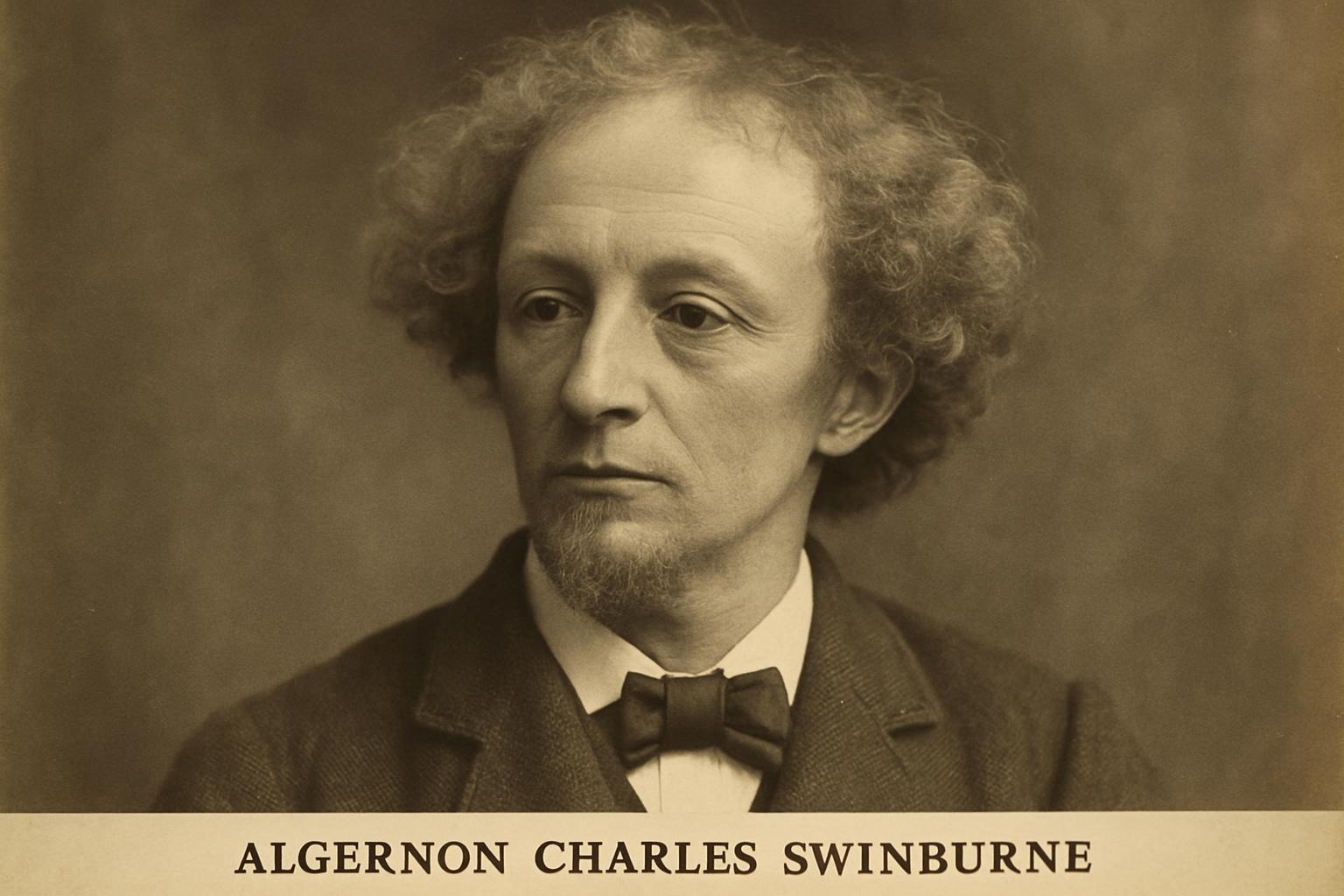
Algernon Charles Swinburne: https://interestingliterature.com/2020/06/swinburne-poems/
Discover more from Naeem Ullah Butt - Mr.Blogger
Subscribe to get the latest posts sent to your email.