1. Introduction to the Edwardian Period
The Edwardian Period stretched from 1901 to 1914, following the Victorian era. It marked a time of transition, progress, and cultural transformation. Unlike the Victorian age, this period was less rigid in moral values and more adventurous in ideas. Literature mirrored these shifts through realism, satire, and subtle modernist seeds. Writers engaged actively with social issues and portrayed everyday life in greater depth. Furthermore, they experimented with themes of class conflict, gender roles, and imperial power. Because society experienced vast change, literature became a mirror of modern anxieties. Moreover, education and publishing expanded reading audiences. In addition, cultural tastes shifted toward drama and narrative prose. Therefore, this short but dynamic era holds importance in English literary history. Ultimately, the Edwardian Period bridged the gap between Victorian traditions and early modernist experimentation, leaving a lasting impression on literature and culture.
2. Historical Context of Edwardian England
Edwardian England existed in a world of contrasts. It was wealthy yet unstable, advanced yet deeply traditional. Industrial progress thrived while the empire still commanded global power. However, tensions simmered beneath this outward stability. Workers demanded rights, women sought suffrage, and colonies struggled with resistance. These tensions influenced writers, who responded with sharp observation. They depicted not only prosperity but also deep inequality. Moreover, new technologies changed social habits. Automobiles, electricity, and cinema reshaped daily life. Meanwhile, international relations darkened with the approach of World War I. Therefore, literature captured both optimism and unease. Novelists and poets began addressing urgent questions about society’s direction. In addition, theatre dramatists voiced criticisms of tradition. Thus, the historical background shaped literary voices. Significantly, the Edwardian Period reflected a transitional moment, capturing an empire at its height yet already showing cracks beneath its glittering surface.
3. The Reign of Edward VII and Its Influence
King Edward VII reigned only briefly, from 1901 until 1910, yet his influence was wide. Known as the “uncle of Europe,” his personality shaped politics and culture. He was more sociable, fashionable, and relaxed than his mother, Queen Victoria. His reign inspired confidence and openness in the arts. Courtly tastes influenced society, encouraging luxury, leisure, and optimism. Writers mirrored these values by exploring themes of wealth, privilege, and decadence. At the same time, they also highlighted inequalities beneath this elegance. Furthermore, Edward’s personal interests promoted modern artistic movements. In addition, his connections across Europe affected diplomatic and cultural ties. Literature responded with both admiration and critique. Authors began questioning privilege while enjoying wider readerships. Thus, the Edwardian monarchy left a visible cultural mark. Ultimately, the Edwardian Period cannot be understood without recognizing the impact of Edward VII’s personality and reign.
4. Social Changes in Edwardian Society
Society in Edwardian England was rapidly changing. Traditional hierarchies weakened as industrialization and urban growth reshaped lives. The middle class expanded, and literacy rates rose. With more readers, literature thrived as a force for reflection and critique. Women also pushed for rights, demanding equality and access to education. Writers responded with themes of gender struggle and freedom. Furthermore, urban workers campaigned for fair wages, and authors echoed their voices. In addition, immigration and imperial issues stirred debates. Literature incorporated these realities, offering commentary on the shifting order. Moreover, popular culture expanded, with magazines and theatre entertaining large audiences. Consequently, Edwardian writers could not ignore such changes. They blended realism with satire, exposing tensions within society. These social transformations created fertile ground for creativity. Overall, the Edwardian Period reflected both optimism and unrest, revealing an age caught between stability and approaching upheaval.
5. The Edwardian Middle Class and Literature
The Edwardian middle class grew rapidly, influencing politics, economics, and culture. With new opportunities, they demanded literature reflecting their values. Writers responded with realistic depictions of ambition, domestic life, and aspirations. Moreover, middle-class audiences sought entertainment and moral insight. As a result, novels and plays gained strong popularity. Authors like Arnold Bennett portrayed middle-class struggles with honesty, emphasizing provincial life. In addition, libraries and cheaper books expanded readership. This democratization of culture gave writers broader influence. Furthermore, middle-class reformers pushed for social justice, inspiring literary critiques of inequality. Newspapers also reached this group, fueling public debate. Therefore, middle-class influence extended into every cultural sphere. Importantly, the Edwardian Period gave voice to these readers, who shaped literary tastes. Consequently, literature became both reflective and critical of their world, recording their values while questioning their growing dominance.
6. Role of Women in Edwardian Culture
Women’s roles during the Edwardian era underwent profound change. Campaigns for suffrage, education, and employment grew stronger. Literature reflected these debates by portraying ambitious heroines and strong female voices. Writers such as Virginia Woolf, who began her early career then, questioned traditional gender roles. Moreover, suffragist plays gained stage attention, blending activism with drama. In addition, female readers formed a powerful audience, shaping publishing demands. Women also began writing more widely, securing reputations in fiction and journalism. Consequently, literature expanded its scope, including women’s experiences. Social criticism often highlighted marriage, independence, and personal freedom. Furthermore, theatre reflected struggles for equality, often through satirical wit. Thus, the Edwardian Age became an arena of cultural debate. Ultimately, these years paved the way for greater representation. In fact, the Edwardian Age helped prepare the ground for feminist breakthroughs in modern literature.
7. The Edwardian Aristocracy and Their Decline
The aristocracy maintained wealth and prestige during the Edwardian era, yet decline was inevitable. Social mobility increased, and industrial fortunes challenged hereditary privilege. Literature frequently portrayed aristocrats with irony, satire, or nostalgia. Writers emphasized fading traditions and exaggerated wealth. Moreover, playwrights like Shaw mocked upper-class pretensions. At the same time, authors such as John Galsworthy examined tensions between old privilege and new money. In addition, the press revealed scandals that weakened aristocratic images. The Edwardian audience found fascination in both glamour and decay. Therefore, the literary world reflected this transition vividly. Furthermore, new democratic movements reduced aristocratic influence. Their cultural dominance diminished as modern ideas spread. Ultimately, the Edwardian Age highlighted a society shifting from rigid class control toward broader voices. Writers captured this change, recording the fading power of aristocracy in contrast with rising social forces.
8. Edwardian Attitudes Toward Empire
The empire remained a central theme during the Edwardian years. National pride flourished, yet criticism grew stronger. Writers grappled with the contradictions of imperial control. On one hand, adventure tales glorified empire-building. On the other, realist novels questioned colonial exploitation. Joseph Conrad’s works, for example, exposed imperial darkness. Moreover, Edwardian newspapers spread imperial propaganda while also reporting resistance abroad. In addition, intellectuals debated the moral justification of empire. Therefore, literature became a battleground for these perspectives. Plays, novels, and poems explored both loyalty and dissent. Furthermore, imperial themes shaped children’s stories, embedding patriotism. Yet dissenting voices highlighted the costs of domination. Consequently, readers encountered complex portrayals of imperial responsibility. Ultimately, the Edwardian Period reflected shifting views of empire, caught between confidence and unease. Literature thus documented both imperial pride and its looming disintegration.
9. Science, Technology, and Edwardian Progress
Edwardian society embraced rapid scientific and technological progress. Automobiles transformed travel, electricity lit homes, and cinema reshaped entertainment. These changes altered daily life dramatically. Literature mirrored excitement and anxiety over progress. H.G. Wells, for example, wrote about science with visionary insight. Moreover, scientific ideas influenced cultural debates. Evolution, psychology, and social theory reshaped intellectual life. Writers incorporated these subjects, blending fiction with social critique. In addition, the press spread scientific knowledge widely. Furthermore, technology revolutionized communication, expanding literary audiences. These innovations inspired optimism yet also provoked fear about disruption. Therefore, literature became a space for exploring benefits and dangers. Authors experimented with futuristic imagination while grounding narratives in realism. Ultimately, the Edwardian Period represented a society fascinated by progress but unsure of its consequences. Writers reflected this duality, balancing admiration for change with cautionary vision.
10. The Growth of Education and Literacy
Education expanded dramatically in Edwardian England. New reforms increased access to schools, raising literacy rates across classes. Consequently, more people could read novels, newspapers, and magazines. This created new audiences for writers, who tailored themes for broader appeal. Moreover, libraries and publishing houses expanded availability of affordable books. In addition, education empowered social reformers and intellectual debates. Literature now reached working-class readers, amplifying political awareness. Therefore, writing became a vehicle for social engagement. Furthermore, female education advanced, producing new voices in literature. Increased literacy also strengthened the market for children’s stories. Writers responded by exploring moral instruction and entertainment together. The Edwardian Age thus linked education with cultural growth. Importantly, rising literacy broadened the social impact of literature. Consequently, the age’s literature reflected a more inclusive audience, marking a distinct development compared to Victorian exclusivity.
11. Edwardian Poetry: Style and Themes
Edwardian poetry balanced tradition with new explorations. Many poets followed Victorian romantic styles, yet fresh voices emerged. They experimented with nature imagery, patriotic expression, and social reflection. Moreover, some poets, like Rupert Brooke, celebrated youthful vitality. Others, however, hinted at approaching war. The poetry often emphasized beauty, clarity, and emotional honesty. In addition, it captured rural life and nostalgia for simpler times. Furthermore, poets began questioning conventional morality. These shifts suggested the influence of modernist experimentation. Therefore, Edwardian poetry provided a bridge between past traditions and future innovations. Importantly, it mirrored both confidence and unease within society. Readers enjoyed verse that was accessible yet thoughtful. Consequently, poetry during this age held strong cultural value. Ultimately, The Edwardian Period preserved poetry’s role in shaping national identity while preparing the stage for the modernist revolution that followed.
12. Edwardian Novelists and Realism
Novelists during this era favored realism and social commentary. They examined class structures, moral dilemmas, and rapid social change. Moreover, provincial life appeared frequently in narratives. Arnold Bennett, for example, portrayed everyday struggles with depth and sympathy. In addition, H.G. Wells critiqued society through science-infused novels. Writers embraced storytelling that revealed tensions between old traditions and modern forces. Furthermore, their works often criticized inequality and privilege. Therefore, novels became a means of questioning established norms. Readers valued realistic characters and situations, finding relevance in literature. Importantly, new readerships demanded accessible yet insightful writing. Thus, Edwardian novelists balanced artistic quality with public appeal. They reflected ambition, anxiety, and humor in equal measure. Ultimately, their realist approach provided an authentic record of society. The Edwardian Age, therefore, strengthened the role of the novel as a vehicle for truth.
13. Arnold Bennett and His Contributions
Arnold Bennett became a central figure in Edwardian literature. Known for his “Five Towns” novels, he captured provincial England with precision. His focus on middle-class life resonated widely. Moreover, he avoided romantic exaggeration, preferring honest realism. His characters struggled with ambition, family, and social mobility. Furthermore, his clear style appealed to broad audiences. In addition, he defended the novel as an important art form. Through essays and criticism, Bennett argued for literature’s relevance. Therefore, he bridged popular appeal and artistic credibility. His works also offered sharp portrayals of industrial towns, revealing both charm and hardship. Readers admired his authenticity and accessibility. Importantly, his influence reached later writers who valued realism. Ultimately, Bennett symbolized Edwardian confidence in literature’s power. The Edwardian Period cannot be discussed without acknowledging his significant role in shaping realistic fiction and defending its cultural authority.
14. H.G. Wells and Social Criticism
H.G. Wells stood out as both novelist and social critic. His science fiction explored future societies, but his realism examined contemporary issues. Moreover, he critiqued inequality, war, and education. Works like Kipps and Tono-Bungay highlighted class struggles and moral corruption. Furthermore, Wells balanced imaginative vision with grounded commentary. His ability to blend entertainment with analysis made him influential. In addition, his works reflected faith in progress yet concern about its misuse. Therefore, Wells became an outspoken voice in Edwardian debates. Readers admired his bold ideas, while critics respected his intellectual depth. Importantly, his novels reflected optimism tempered by realism. Consequently, Wells shaped not only fiction but also cultural discussions. His presence ensured that Edwardian literature included radical perspectives. Ultimately, the Edwardian Age gained greater richness from his contributions, which blended scientific imagination with pressing social concerns.
15. John Galsworthy and The Forsyte Saga
John Galsworthy earned fame through The Forsyte Saga, a sweeping family chronicle. His novels examined wealth, morality, and social conflict. Moreover, he highlighted tensions within the privileged classes. In addition, he criticized materialism and selfishness, showing cracks in aristocratic values. His realist style blended sharp description with emotional depth. Readers admired his balanced portrayal of characters, both flawed and sympathetic. Furthermore, he addressed legal and social injustices, reinforcing literature’s social purpose. His use of detailed narrative made his novels widely accessible. Therefore, Galsworthy represented a crucial Edwardian novelist. Importantly, he later received the Nobel Prize in Literature, validating his cultural importance. His work remains significant as a reflection of class struggles. Ultimately, Galsworthy symbolized Edwardian realism at its most comprehensive. The Edwardian Period, through his novels, revealed both privilege and discontent in early twentieth-century society.
16. Joseph Conrad in the Edwardian Period
Joseph Conrad, though often associated with modernism, thrived during the Edwardian era. His works like Nostromo and The Secret Agent reflected moral ambiguity. Moreover, he explored imperialism, alienation, and political unrest. His prose was dense, symbolic, and psychologically probing. Furthermore, Conrad examined the corruption of power and fragile human morality. In addition, his maritime backgrounds provided unique perspectives. Readers appreciated both adventure and intellectual challenge in his fiction. Therefore, Conrad bridged Edwardian realism and modernist complexity. Importantly, he questioned empire while portraying its human cost. His works offered bleak yet profound insights into global anxieties. Moreover, his influence extended beyond his time, shaping modernist thought. Consequently, Conrad stood as a distinctive voice within Edwardian literature. Ultimately, The Edwardian Period was enriched by his unique combination of realism, symbolism, and critical engagement with imperial themes.
17. Early Modernist Seeds in Edwardian Writing
Although Edwardian literature leaned toward realism, seeds of modernism appeared. Writers experimented with narrative style, symbolism, and fragmented perspectives. Moreover, Conrad and Ford Madox Ford introduced psychological depth and complexity. In addition, poets like Thomas Hardy hinted at darker modernist themes. Therefore, Edwardian literature cannot be seen as purely traditional. It acted instead as a transitional phase. Furthermore, growing disillusionment with empire, morality, and stability influenced experimentation. Writers began rejecting neat resolutions and linear storytelling. Readers encountered ambiguity and moral uncertainty more often. These features prepared audiences for later modernist innovations. Importantly, intellectual debates on science, philosophy, and art inspired literary change. Thus, Edwardian literature foreshadowed the turbulence of the twentieth century. Ultimately, the Edwardian Age served as a fertile bridge, nurturing early modernist impulses while still embracing accessible realism for wider readers.
18. The Edwardian Theatre and Drama
Theatre flourished during the Edwardian years. Audiences enjoyed a wide range of plays, from light comedies to serious social dramas. Moreover, playwrights used the stage to critique class, gender, and politics. George Bernard Shaw became particularly influential. In addition, experimental playwrights pushed boundaries of form and subject matter. Furthermore, theatres expanded in number, offering entertainment to diverse audiences. Therefore, drama became both popular and intellectual. Satire, wit, and moral questioning appeared frequently. Audiences valued plays that entertained yet provoked reflection. The theatre also responded quickly to contemporary issues, keeping it relevant. Importantly, the Edwardian stage helped shape cultural debates. Moreover, women’s issues and labor struggles gained dramatic representation. Consequently, drama reflected society’s diversity and tensions. Ultimately, The Edwardian Period produced a vibrant theatre culture that influenced later modernist dramatists while engaging broad audiences in critical discussions.
19. George Bernard Shaw’s Edwardian Plays
George Bernard Shaw dominated Edwardian theatre with wit and boldness. His plays challenged social conventions, exposing hypocrisy and injustice. Works like Man and Superman and Major Barbara questioned morality, class, and economics. Moreover, Shaw’s satirical style captivated audiences. In addition, his arguments for reform reached wide audiences through entertaining dialogue. Furthermore, his female characters embodied independence, reflecting growing feminist movements. Therefore, his theatre fused art with activism. Importantly, his influence extended beyond the stage, shaping public debates. Audiences admired his courage and originality. His works combined humor with sharp intellectual challenge. Consequently, he elevated theatre to a forum for ideas. Moreover, his plays maintained accessibility while questioning deep issues. Ultimately, Shaw symbolized Edwardian drama at its most fearless. The Edwardian Period benefited greatly from his contributions, which kept theatre vital, daring, and socially relevant.
20. J.M. Barrie and Peter Pan’s Legacy
J.M. Barrie created one of Edwardian literature’s most enduring characters: Peter Pan. His play captured the imagination of children and adults alike. Moreover, it celebrated innocence, fantasy, and eternal youth. At the same time, it carried deeper themes of loss and memory. Furthermore, Barrie blended whimsy with emotional depth, appealing across generations. His work reflected Edwardian fascination with childhood. In addition, Peter Pan became symbolic of escapism during a rapidly changing society. Readers and audiences embraced the play’s imaginative world. Therefore, Barrie contributed significantly to Edwardian culture. Importantly, his creation influenced later children’s literature and popular culture. Moreover, his storytelling revealed both nostalgia and creativity. Ultimately, the Edwardian Age is remembered partly through Peter Pan, a timeless character who represented joy, imagination, and resistance to the rigid expectations of adulthood.
21. Edwardian Children’s Literature
Children’s literature during the Edwardian Age flourished with imagination and morality. Writers offered entertaining yet instructive works for a growing young audience. Moreover, themes often celebrated adventure, loyalty, and courage. J.M. Barrie’s Peter Pan embodied fantasy, while E. Nesbit wrote realistic family adventures. In addition, children’s stories often included imperial pride, teaching patriotism. Furthermore, fairy tales and magical stories remained popular. Publishers recognized the expanding market, producing affordable editions. Therefore, literature for children gained cultural importance. Importantly, it blended instruction with delight, shaping generations of readers. These stories also reflected social ideals, preparing youth for adult roles. Consequently, children’s literature mirrored broader Edwardian values. Ultimately, the Edwardian Period nurtured a golden age of storytelling for children, combining timeless imagination with moral lessons that continue to resonate with readers across different ages.
22. Magazines, Newspapers, and Popular Reading
Magazines and newspapers shaped Edwardian reading habits significantly. Cheap print and rising literacy created wide audiences. Moreover, serialized fiction became a staple, engaging readers weekly. Popular magazines published short stories, poems, and essays, making literature accessible. In addition, women’s magazines promoted household advice alongside cultural content. Furthermore, political journalism reached working-class readers, stirring debates on labor rights and reforms. Therefore, periodicals expanded literary influence beyond elite circles. They created demand for entertaining, affordable, and relevant content. Importantly, this shift strengthened writers’ economic independence. Moreover, essays and reviews cultivated intellectual discourse. These publications supported new writers, giving them visibility. Consequently, magazines played a vital role in Edwardian literary culture. Ultimately, the Edwardian Period thrived on the dynamic growth of print culture. This growth democratized access to literature. It spread ideas across all social classes.
23. Impact of Industrialization on Edwardian Literature
Industrialization shaped Edwardian writing profoundly. Expanding cities created new themes of urban struggle and social tension. Moreover, industrial wealth contrasted sharply with poverty. Writers reflected this duality through novels and plays. Arnold Bennett, for instance, described industrial towns with realism. In addition, H.G. Wells critiqued industrial capitalism’s inequalities. Furthermore, the working-class audience demanded literature reflecting their experiences. Therefore, industrialization influenced not only subjects but also readers. Importantly, writers examined labor rights, family disruption, and environmental consequences. Moreover, the contrast between factory towns and countryside inspired rural nostalgia. Consequently, literature captured both progress and discontent. These depictions gave depth to Edwardian realism. Ultimately, the Edwardian Age became a record of industrial transformation. Authors highlighted opportunities and dangers. They balanced admiration for progress with awareness of its human and cultural costs in rapidly modernizing society.
24. Urban vs. Rural Themes in Edwardian Writing
Edwardian literature often contrasted bustling cities with tranquil countryside. Urban narratives depicted ambition, poverty, and anonymity. Moreover, cities symbolized modern progress and dislocation. In addition, industrial life created new challenges for individuals. Conversely, rural settings offered peace, tradition, and community. Writers like Thomas Hardy, though older, influenced this perspective. Furthermore, many authors mourned fading rural life. Therefore, novels and poetry reflected both nostalgia and criticism. Importantly, the contrast revealed social anxieties about modernization. Moreover, rural life became symbolic of stability amid urban chaos. These themes enriched Edwardian realism with emotional variety. Consequently, literature provided space for reflection on cultural balance. Ultimately, the Edwardian Age highlighted the tension between industrial expansion and traditional rural identity. Writers used both landscapes to explore values, struggles, and the consequences of social and technological change.
25. Class Conflict in Edwardian Literature
Class conflict dominated Edwardian writing. Authors observed struggles between wealthy elites, middle-class strivers, and workers. Moreover, inequality became a recurring theme. John Galsworthy depicted upper-class privilege and corruption. In addition, Arnold Bennett portrayed middle-class ambition with honesty. Furthermore, plays by Shaw mocked aristocratic arrogance. Therefore, literature revealed friction across society. Importantly, industrial disputes and strikes influenced characters and plots. Moreover, readers demanded realistic depictions of these tensions. Writers balanced sympathy for workers with critiques of privilege. Consequently, novels and dramas became arenas of social reflection. These conflicts also mirrored debates about suffrage and reform. Ultimately, Edwardian literature functioned as both mirror and critique of inequality. The Edwardian Period portrayed class struggles vividly. This portrayal contributed to ongoing debates about fairness, responsibility, and the urgent need for structural changes in modern society.
26. Edwardian Literature and Morality
Edwardian literature grappled with morality. Traditional values still held sway, yet writers questioned them boldly. Moreover, themes of marriage, sexuality, and independence grew prominent. Plays often satirized hypocrisy within families and institutions. In addition, novels examined moral dilemmas faced by ordinary people. Furthermore, authors explored conflicts between personal desire and social expectations. Therefore, literature encouraged reflection on changing norms. Importantly, female independence challenged old moral codes. Moreover, critiques of wealth highlighted ethical failures. These explorations balanced entertainment with deep commentary. Readers found literature both relevant and provocative. Consequently, Edwardian writers prepared audiences for modernist complexity. Their questioning spirit defined the age. Ultimately, the Edwardian Period left behind a legacy of moral exploration. Writers documented a society rethinking values, revealing tension between tradition and change, and encouraging debate about the meaning of integrity.
27. The Shadow of World War I
World War I loomed over Edwardian society. Although it began in 1914, its causes and tensions shaped earlier years. Militarism, alliances, and imperial rivalries created unease. Moreover, literature reflected this looming crisis. Some works displayed patriotic confidence, while others revealed anxiety. In addition, writers hinted at conflict through themes of uncertainty and fragility. Furthermore, poets like Rupert Brooke embodied youthful optimism soon shattered by war. Therefore, the Edwardian era carried an undercurrent of instability. Importantly, literature became a prophetic mirror of oncoming catastrophe. Moreover, Edwardian optimism clashed with darker realities. This tension gave writing emotional depth. Consequently, the war transformed literature profoundly after 1914. Ultimately, the Edwardian Period marks the last cultural moment of innocence. War’s devastation permanently changed artistic directions and social values worldwide.
28. Differences Between Victorian and Edwardian Literature
Victorian and Edwardian literature share continuity yet differ in emphasis. Victorians stressed moral earnestness, while Edwardians leaned toward realism and critique. Moreover, Edwardian writers displayed more social satire. In addition, they wrote with openness about class and gender. Furthermore, Edwardian theatre mocked aristocratic pretensions directly. Therefore, the tone shifted from strict morality to broader questioning. Importantly, Victorian poetry emphasized grandeur, whereas Edwardian verse valued simplicity. Moreover, Edwardians anticipated modernist experimentation. These differences reflected shifting social landscapes. Consequently, the Edwardian era became transitional, not fully traditional nor fully modern. Writers balanced reverence for the past with curiosity about the future. Ultimately, The Edwardian Age distinguished itself as a bridge. It carried forward literary traditions. Writers reshaped them with realism, satire, and innovation. This prepared English literature for the bold experimentation of modernism.
29. Legacy of the Edwardian Period in Literature
The Edwardian literary legacy remains significant. Writers preserved realism while planting modernist seeds. Moreover, they recorded society in transition, balancing tradition and innovation. In addition, they broadened audiences through affordable publishing and literacy growth. Furthermore, they addressed pressing issues such as class conflict, gender roles, and empire. Therefore, their work continues to inform historical and literary study. Importantly, dramatists reshaped theatre into a platform for reform. Novelists created enduring characters and vivid depictions of society. Moreover, children’s literature flourished, leaving timeless classics. Consequently, the Edwardian legacy spans multiple genres. Its works remain studied for their historical richness and stylistic variety. Ultimately, the Edwardian Age demonstrated literature’s power to both entertain and challenge. It stands as a vibrant chapter that connected Victorian seriousness with modernist experimentation, shaping the path of twentieth-century English literature.
30. Edwardian Realism in Fiction
Edwardian fiction embraced clear realism with strong conviction. Moreover, writers created characters grounded firmly within daily struggle. Therefore, readers recognized authentic emotions within each scene. In addition, authors highlighted economic pressure shaping personal growth. Furthermore, vivid details strengthened psychological insight throughout narratives. Writers valued sincerity while rejecting exaggerated melodramatic techniques. They trusted experience more than decorative description. Moreover, realism encouraged sharper moral questioning among thoughtful readers. Characters confronted ordinary dilemmas honestly without theatrical excess. Therefore, stories gained emotional depth and social relevance. Additionally, novels addressed shifting family expectations and cultural uncertainty. Writers examined ambition, frustration, duty, and disillusionment. Moreover, personal journeys mirrored national transitions within society. Realism gave literature renewed vitality and stronger purpose. Therefore, Edwardian fiction entered classrooms and discussions confidently. Writers shaped cultural memory through truthful representation and steady clarity. Ultimately, Edwardian realism defined a courageous movement toward sharper honesty.
31. Growth of Edwardian Social Comedy
Edwardian social comedy flourished energetically across theatres nationwide. Moreover, playwrights targeted pretension, snobbery, and rigid etiquette. Therefore, audiences enjoyed sharp dialogue with clever rhythm. In addition, comedy revealed anxieties beneath polished manners. Furthermore, writers exposed vanity through witty conversational exchanges. Characters confronted hypocrisy publicly through humorous misunderstandings. Therefore, comedy challenged established hierarchies without harsh severity. Moreover, spectators appreciated both humour and insight. Writers blended entertainment with thoughtful social commentary. Additionally, comedic structure supported brisk pacing and clear conflict. Scenes emphasized rivalry, secrecy, ambition, and exaggerated self-importance. Moreover, comedy encouraged reflection about modern expectations. Therefore, audiences recognized themselves within satirical portrayals. Writers pushed humour toward deeper cultural relevance successfully. Additionally, comic plays strengthened Edwardian theatre significantly. Moreover, comedic dialogue influenced later dramatic techniques. Therefore, Edwardian social comedy maintained lasting significance. It shaped audience tastes and enriched dramatic evolution effectively.
32. Women Novelists Shaping Edwardian Prose
Women novelists energized Edwardian prose with bold imagination. Moreover, they introduced perspectives shaped through lived experience. Therefore, their novels expanded conversations about autonomy. In addition, women explored work, marriage, ambition, and freedom. Furthermore, writers examined constraints shaping emotional development. Their characters navigated society courageously despite constant pressure. Moreover, women demanded honest discussion about long-ignored concerns. Therefore, readers encountered complex female protagonists everywhere. Novels offered energy, sensitivity, and strong intellectual purpose. Additionally, women shaped narrative voice with deliberate clarity. Their writing blended domestic insight with broader cultural vision. Moreover, they portrayed inner conflict with impressive depth. Therefore, their fiction influenced literary growth significantly. Additionally, women unsettled stereotypes through realistic dialogue. Their stories questioned inherited norms confidently and consistently. Moreover, they inspired later writers seeking truthful representation. Ultimately, women novelists expanded British prose meaningfully and permanently.
33. Historical Fiction During The Edwardian Period
Edwardian writers elevated historical fiction with strong dedication. Moreover, they blended accuracy with compelling emotional intensity. Therefore, readers entered past worlds with renewed engagement. In addition, authors highlighted moral conflict within historical transformation. Furthermore, vivid description supported powerful dramatic movement. Characters confronted duty, loyalty, justice, and shifting civilizations. Moreover, writers connected heritage with contemporary issues thoughtfully. Therefore, historical fiction gained educational value and cultural weight. Additionally, novels revealed consequences of ambition and empire. Writers emphasized courage, betrayal, triumph, and difficult reconciliation. Moreover, narrative clarity strengthened thematic coherence effectively. Therefore, historical fiction shaped public understanding of heritage. Additionally, stories nurtured national memory with evocative detail. Writers honored tradition while exploring psychological depth. Moreover, their commitment enriched literary richness and intellectual scope. Ultimately, The Edwardian Age strengthened historical fiction significantly through vibrant storytelling.
34. Children’s Adventure Writing in Edwardian England
Edwardian children’s literature embraced adventurous spirit with enthusiasm. Moreover, writers created imaginative landscapes full of wonder. Therefore, young readers enjoyed freedom through exciting journeys. In addition, authors valued curiosity, courage, and strong loyalty. Furthermore, stories presented clear danger without overwhelming fear. Characters solved problems independently and confidently throughout narratives. Moreover, adventure encouraged emotional growth alongside entertainment. Therefore, stories balanced fun with deeper lessons. Additionally, children encountered friendship, responsibility, and moral choice. Writers shaped young imaginations with creativity and warmth. Moreover, adventure tales supported literacy by sustaining interest. Therefore, these stories influenced reading habits widely. Additionally, writers blended realism with fantasy carefully. Their approach strengthened variety within children’s literature. Moreover, many adventure books became lasting classics. Ultimately, Edwardian adventure writing shaped childhood reading culture permanently.
35. Edwardian Satire and Social Critique
Edwardian writers employed satire to expose societal faults. Moreover, humour revealed hypocrisy in aristocracy, middle class, and institutions. Therefore, readers confronted both amusement and serious reflection. In addition, satire highlighted contradictions within moral, political, and economic systems. Furthermore, witty dialogue and ironic situations entertained audiences while delivering critique. Characters often embodied arrogance, ignorance, or greed for literary examination. Moreover, playwrights like Shaw combined sharp satire with persuasive argumentation. Therefore, satire became a powerful tool for ethical questioning. Additionally, novels incorporated irony subtly to challenge assumptions. Writers balanced humour with moral insight consistently. Moreover, satire strengthened engagement with contemporary debates. Consequently, literature prompted awareness of injustice and reform opportunities. Audiences recognized social tensions cleverly portrayed on stage or in prose. Therefore, Edwardian satire shaped literary discourse profoundly. It encouraged reflection without alienating readers unnecessarily. Ultimately, the Edwardian Period showcased satire as both entertainment and moral instrument, blending laughter with pointed social observation.
36. Edwardian Literary Magazines and Journals
Magazines thrived during Edwardian years, reaching broad readerships. Moreover, journals offered fiction, essays, reviews, and cultural commentary. Therefore, writers gained platforms for experimentation and exposure. In addition, serialized novels captivated weekly or monthly audiences. Furthermore, periodicals promoted emerging authors, especially women and reformist voices. Readers accessed new ideas through affordable print consistently. Moreover, editors influenced literary taste and publishing trends directly. Therefore, magazines became a hub of literary discussion. Additionally, illustrations and photography complemented textual content effectively. Writers responded to public feedback quickly and thoughtfully. Moreover, literary journals debated contemporary issues such as suffrage, labor, and empire. Consequently, periodicals shaped both culture and opinion simultaneously. Audiences valued accessibility combined with intellectual stimulation. Therefore, Edwardian magazines strengthened literary networks across social classes. They connected writers, critics, and readers dynamically. Ultimately, these publications left a lasting influence on literary production, circulation, and readership culture, demonstrating the period’s vibrancy and responsiveness.
37. Edwardian Literary Criticism and Reviews
Critics guided readers through the rapidly changing literary scene. Moreover, reviews evaluated novels, plays, and poetry with precision. Therefore, authors received immediate feedback and public appraisal. In addition, journals debated artistic quality versus popular appeal regularly. Furthermore, criticism shaped literary trends and influenced publishing decisions. Critics analyzed style, theme, and moral perspective thoughtfully. Moreover, Edwardian readers relied on reviews to select meaningful works. Therefore, criticism encouraged writers to refine narrative clarity and depth. Additionally, literary essays explored historical, philosophical, and psychological contexts extensively. Critics highlighted innovations while preserving standards of tradition. Moreover, public discussion of reviews stimulated cultural literacy broadly. Consequently, Edwardian literary criticism became a bridge between audience and author. Readers appreciated informed perspectives that clarified complex ideas. Therefore, evaluation remained dynamic, reflective, and engaging consistently. Ultimately, the Edwardian Age cultivated criticism as a vital tool for literary understanding, shaping authorial practice and audience perception alike.
38. Edwardian Literature and Imperialism
Imperial themes pervaded Edwardian literature profoundly. Moreover, writers examined colonial conquest, governance, and ethical dilemmas. Therefore, literature questioned power, morality, and cultural impact. In addition, novels depicted explorers, soldiers, and administrators navigating foreign lands. Furthermore, stories contrasted metropolitan confidence with colonial uncertainty and resistance. Authors like Joseph Conrad highlighted moral ambiguity and human cost. Moreover, poetry and children’s stories reinforced national pride or criticized exploitation subtly. Therefore, imperialism became a lens for reflecting society and identity. Additionally, narratives explored tension between tradition and modern expansion consistently. Writers depicted heroism alongside tragedy, emphasizing complexity. Moreover, readers encountered multiple perspectives on empire’s reach and consequences. Consequently, Edwardian literature balanced celebration with critical reflection. These works encouraged engagement with ethical and political questions. Therefore, literature became both record and analysis of imperial influence. Ultimately, the Edwardian Age revealed literature’s capacity to interrogate national power responsibly and imaginatively, exposing contradictions inherent in empire while engaging broad readerships.
39. Edwardian Literary Responses to Technology
Technology transformed Edwardian life and inspired literature. Moreover, authors explored electricity, telegraphs, and transport systems creatively. Therefore, narratives reflected excitement, disruption, and societal change. In addition, scientific innovations prompted reflections on progress and morality simultaneously. Furthermore, writers like H.G. Wells examined consequences of technological advancement thoughtfully. Novels explored both benefit and risk with foresight. Moreover, characters adapted to industrial and urban environments dynamically. Therefore, literature engaged readers in imagining modern possibilities and challenges. Additionally, speculative fiction blended realism with visionary imagination consistently. Writers emphasized social adaptation, ethical dilemmas, and human ambition. Moreover, literary responses encouraged audiences to consider responsibility alongside innovation. Consequently, Edwardian literature documented and analyzed changing technological landscapes. Authors combined insight, narrative craft, and social commentary effectively. Therefore, readers recognized literature as both entertainment and intellectual guidance. Ultimately, the Edwardian Age demonstrated how technological change shaped thought, behavior, and literary creativity simultaneously, connecting social reality with imaginative exploration.
40. Edwardian Poetry and National Identity
Edwardian poetry reflected pride in national culture. Moreover, poets explored rural landscapes, urban life, and historical memory. Therefore, verse reinforced patriotic sentiment and personal reflection simultaneously. In addition, writers balanced romantic tradition with emerging realism carefully. Furthermore, poems emphasized emotional clarity, aesthetic beauty, and moral questioning. Poets like Rupert Brooke celebrated youth, optimism, and duty vividly. Moreover, others hinted at instability, mortality, and social tension subtly. Therefore, poetry became a medium for national self-examination. Additionally, literary imagery conveyed cultural values and societal concerns consistently. Writers highlighted individual experience within broader historical context. Moreover, verse engaged public imagination and inspired reflection about responsibility. Consequently, Edwardian poetry bridged past traditions with modernist experimentation. Readers encountered accessible yet profound language addressing identity, heritage, and morality. Therefore, poetry reinforced both collective pride and personal contemplation. Ultimately, the Edwardian Age used verse to define cultural belonging, social values, and ethical awareness while preparing readers for the coming literary transformations of the twentieth century.
41. Edwardian Drama and Realism
Edwardian drama embraced realism to explore social issues. Moreover, playwrights portrayed class, gender, and moral conflicts vividly. Therefore, audiences encountered believable characters confronting relatable dilemmas consistently. In addition, dialogue emphasized wit, tension, and social commentary carefully. Furthermore, stagecraft reflected everyday environments, enhancing authenticity dramatically. Playwrights like Shaw and Galsworthy blended moral critique with entertainment effectively. Moreover, realism encouraged audiences to reflect on injustice, ambition, and societal pressures. Therefore, theatre became a forum for intellectual engagement and cultural debate. Additionally, stage narratives examined urban, rural, and domestic settings in detail. Writers depicted ordinary life while revealing ethical and emotional depth. Moreover, audiences experienced subtle lessons without didactic overtones consistently. Consequently, Edwardian drama strengthened literary discussion across multiple social strata. Theatre influenced public opinion, inspired reformist thinking, and engaged readers with realistic portrayals. Ultimately, the Edwardian Age demonstrated drama’s power to combine narrative craft, social observation, and ethical reflection for broader cultural impact.
42. Edwardian Satirical Journalism
Satirical journalism flourished alongside literature and theatre. Moreover, writers lampooned politics, class pretension, and public figures sharply. Therefore, newspapers entertained while provoking critical thought consistently. In addition, illustrations, cartoons, and witty commentary amplified impact significantly. Furthermore, journalists highlighted contradictions in morality, wealth, and authority cleverly. Columns exposed hypocrisy, corruption, and social absurdity with humour. Moreover, satire reached middle-class and working-class audiences broadly. Therefore, periodicals became instruments of social observation and commentary simultaneously. Additionally, satire encouraged readers to question inherited norms thoughtfully. Writers influenced cultural debates and public opinion dynamically. Moreover, journalism provided rapid response to contemporary events and scandals. Consequently, Edwardian satirical writing strengthened public engagement with literature, politics, and social critique. Audiences recognized humour as a tool for reflection and persuasion. Therefore, writers combined wit, insight, and literary skill effectively. Ultimately, the Edwardian Age leveraged satire to blend entertainment, social criticism, and ethical engagement successfully across print media.
43. Edwardian Literary Realism in Short Stories
Short stories thrived as a literary form during Edwardian years. Moreover, writers captured moments of domestic, social, and moral significance vividly. Therefore, narratives achieved concentrated emotional and ethical impact consistently. In addition, short fiction explored individual psychology and societal pressure effectively. Furthermore, stories highlighted ordinary dilemmas, ambition, and personal growth clearly. Authors like Arnold Bennett and H.G. Wells used brevity to enhance realism. Moreover, plots examined everyday conflict and unexpected consequences thoughtfully. Therefore, short stories became instruments of both entertainment and reflection simultaneously. Additionally, literary techniques emphasized economy, clarity, and thematic focus systematically. Writers explored urban, rural, and familial contexts consistently. Moreover, stories encouraged empathy, moral reasoning, and cultural awareness. Consequently, Edwardian short fiction contributed significantly to literary realism and narrative experimentation. Audiences appreciated accessible yet substantial reading experiences. Therefore, the short story emerged as a key medium for ethical, social, and psychological exploration. Ultimately, the Edwardian Period strengthened prose fiction across multiple formats through realism and narrative precision.
44. Edwardian Literary Themes of Loss and Change
Loss and change dominated Edwardian literary themes. Moreover, writers examined mortality, social upheaval, and personal transformation vividly. Therefore, narratives engaged readers emotionally and intellectually simultaneously. In addition, authors explored fading traditions, declining aristocracy, and urban expansion thoughtfully. Furthermore, novels, poetry, and drama reflected shifting values and cultural uncertainty clearly. Characters confronted disappointment, ambition, and altered social roles consistently. Moreover, literature depicted tension between past stability and future possibility dynamically. Therefore, thematic exploration encouraged reflection about morality, identity, and responsibility. Additionally, stories emphasized adaptation, resilience, and emotional growth carefully. Writers highlighted the consequences of war, industrialization, and modernization consistently. Moreover, loss became a lens for ethical and psychological insight. Consequently, Edwardian literature revealed impermanence, continuity, and human response effectively. Readers engaged with endings, transitions, and transformations meaningfully. Therefore, authors linked personal experience with societal change clearly. Ultimately, the Edwardian Age examined human vulnerability and resilience, preparing audiences for broader modernist explorations of time, identity, and societal flux.
45. Edwardian Literature and Imperial Critique
Edwardian writers often critiqued imperial policies subtly. Moreover, they examined exploitation, rebellion, and moral responsibility carefully. Therefore, literature questioned the human cost of empire consistently. In addition, novels and essays highlighted cultural encounters and colonial tensions vividly. Furthermore, authors like Joseph Conrad explored alienation, power, and ethical ambiguity thoughtfully. Literature reflected both pride in heritage and concern for injustice simultaneously. Moreover, writers illustrated consequences of greed, conquest, and oppression clearly. Therefore, imperial critique encouraged readers to reconsider national and personal values. Additionally, novels, short stories, and poetry integrated historical awareness with moral reflection. Writers addressed contemporary debates about governance, rights, and identity consistently. Moreover, imperial critique reinforced the need for social and ethical responsibility. Consequently, Edwardian literature balanced patriotism with honesty and critical engagement. Readers encountered compelling narratives linking empire, morality, and human experience effectively. Therefore, writers shaped cultural discourse about justice and historical awareness responsibly. Ultimately, the Edwardian Age used literature to navigate pride, conscience, and imperial legacy thoughtfully.
46. Influence of Journalism on Edwardian Writers
Edwardian writers responded actively to journalistic trends. Moreover, newspapers provided insight into social, political, and cultural shifts consistently. Therefore, literature mirrored current events with precision and clarity. In addition, serialized fiction reached vast audiences through periodicals efficiently. Furthermore, essays and columns inspired debates on morality, reform, and class dynamics thoughtfully. Writers incorporated factual reporting and observation to enrich realism effectively. Moreover, readers expected engagement with contemporary dilemmas and urban life vividly. Therefore, literary style adapted to public expectation and journalistic influence steadily. Additionally, authors examined daily life, scandal, and societal tension thoroughly. Journalism shaped pacing, structure, and narrative urgency consistently. Moreover, writers blended entertainment with analysis to captivate readers effectively. Consequently, Edwardian literature reflected a dialogue between observation, storytelling, and cultural critique. Readers accessed informed and stimulating narratives across multiple media. Therefore, journalism became a catalyst for literary realism, narrative experimentation, and social awareness. Ultimately, the Edwardian Age integrated reporting, observation, and fiction to engage audiences with accuracy, insight, and moral reflection consistently.
47. Edwardian Satire in Novels
Satire thrived within Edwardian novels prominently. Moreover, writers targeted hypocrisy, privilege, and social pretense skillfully. Therefore, narratives combined humor with moral examination consistently. In addition, characters embodied vanity, ambition, and flawed decision-making vividly. Furthermore, ironic narration highlighted contradictions in society effectively. Authors like Galsworthy and Wells exposed ethical dilemmas through wit carefully. Moreover, satire encouraged readers to question inherited norms thoughtfully. Therefore, novels entertained while provoking reflection about morality, class, and behavior. Additionally, humor softened critique without diminishing seriousness consistently. Writers explored societal flaws in urban, domestic, and aristocratic settings clearly. Moreover, satire enhanced accessibility, ensuring broader audience engagement. Consequently, Edwardian satirical novels reinforced realism and social commentary simultaneously. Readers gained insight into human folly and systemic injustice vividly. Therefore, authors balanced cleverness, entertainment, and ethical reflection consistently. Ultimately, the Edwardian Age used satire in fiction to expose, entertain, and instruct while preserving literary elegance and cultural relevance effectively
48. Edwardian Themes of Feminism and Independence
Feminism and independence shaped Edwardian literary themes strongly. Moreover, writers examined women’s agency, work, and education consistently. Therefore, narratives portrayed social constraints and moral expectations vividly. In addition, novels explored autonomy, ambition, and emotional resilience carefully. Furthermore, female characters challenged traditional gender roles effectively. Writers like Virginia Woolf and E. Nesbit highlighted personal freedom thoughtfully. Moreover, literature balanced social critique with engaging storytelling successfully. Therefore, readers encountered strong female voices across genres. Additionally, authors depicted evolving opportunities, inequalities, and societal tension clearly. Feminist themes reinforced broader reflection on morality, culture, and social change consistently. Moreover, independence emerged as a central motif in domestic, urban, and professional contexts. Consequently, Edwardian literature inspired awareness of gender dynamics and ethical responsibility actively. Readers recognized female strength, creativity, and resilience vividly. Therefore, writers linked personal liberation with societal progress steadily. Ultimately, the Edwardian Age fostered literary exploration of feminism, empowerment, and independence, shaping cultural debates and influencing subsequent generations of writers thoughtfully and effectively.
49. Edwardian Exploration of Psychological Realism
Psychological realism gained prominence in Edwardian literature deliberately. Moreover, writers examined thought, emotion, and motivation deeply. Therefore, characters displayed internal conflict and moral ambiguity consistently. In addition, narrative technique highlighted consciousness, perception, and personal reflection vividly. Furthermore, authors like Conrad and Ford Madox Ford explored complexity of mind thoughtfully. Literature emphasized memory, decision-making, and ethical tension carefully. Moreover, readers engaged with interiority, understanding motivation and conflict clearly. Therefore, psychological realism deepened narrative richness and reader empathy consistently. Additionally, plots integrated social context with internal experience effectively. Writers balanced action, dialogue, and introspection coherently. Moreover, emotional subtlety supported moral and social critique steadily. Consequently, Edwardian literature developed nuanced portraits of human behavior and motivation. Readers gained insight into individual experience and societal influence vividly. Therefore, authors advanced literary technique through attention to mind, feeling, and ethical awareness. Ultimately, the Edwardian Age strengthened psychological realism, preparing audiences for modernist experimentation while retaining social and moral clarity consistently.
50. Edwardian Poetry and Symbolism
Edwardian poets incorporated symbolism with careful intention. Moreover, they used imagery to reflect emotion and thought vividly. Therefore, verse conveyed deeper meaning beyond surface description consistently. In addition, symbols highlighted mortality, nature, and social change effectively. Furthermore, poets like Thomas Hardy and Rupert Brooke explored inner experience thoughtfully. Literature linked feeling with observation, creating layered interpretation carefully. Moreover, symbolic motifs appeared in landscape, color, and daily life vividly. Therefore, readers encountered nuanced expression and intellectual engagement consistently. Additionally, poetry blended traditional form with subtle modernist experimentation successfully. Writers connected personal, national, and universal concerns coherently. Moreover, symbolism reinforced psychological depth, moral reflection, and aesthetic appreciation effectively. Consequently, Edwardian poetry cultivated introspection, imagination, and cultural resonance actively. Readers engaged with layered meaning and emotional richness vividly. Therefore, authors shaped verse to illuminate experience, society, and human emotion effectively. Ultimately, the Edwardian Age strengthened poetic symbolism, bridging Victorian sensibility with emerging modernist insight consistently and powerfully.
51. Edwardian Satirical Poetry
Satire flourished within Edwardian poetry intentionally. Moreover, poets addressed hypocrisy, pretension, and social inequity sharply. Therefore, verse combined wit with critique consistently. In addition, poetic form supported ironic tone and clever rhythm effectively. Furthermore, authors like W. B. Yeats and Rudyard Kipling blended humor with moral reflection thoughtfully. Poems highlighted contradictions in politics, culture, and everyday behavior clearly. Moreover, satire encouraged readers to question norms and values actively. Therefore, poetry entertained while stimulating intellectual engagement consistently. Additionally, ironic imagery and wordplay enhanced accessibility and reader enjoyment effectively. Writers balanced levity with serious commentary coherently. Moreover, social critique extended across urban, rural, and imperial settings vividly. Consequently, Edwardian satirical poetry reinforced realism and ethical reflection successfully. Readers gained insight into folly, injustice, and cultural tension vividly. Therefore, authors used humor to provoke thought and reveal societal truth consistently. Ultimately, the Edwardian Period developed a distinctive satirical voice in poetry, enriching literary expression thoughtfully and effectively.
52. Edwardian Literary Journals and Criticism
Edwardian literary journals guided cultural debate thoughtfully. Moreover, criticism evaluated novels, plays, and poetry comprehensively. Therefore, readers accessed informed perspectives on contemporary writing consistently. In addition, journals published essays on social, moral, and aesthetic topics vividly. Furthermore, editors shaped taste and intellectual discourse actively. Writers contributed to dialogue about realism, morality, and modernist experimentation effectively. Moreover, reviews highlighted innovation, technique, and ethical engagement clearly. Therefore, literary journals influenced both audience reception and authorial practice consistently. Additionally, criticism encouraged experimentation while maintaining artistic standards successfully. Editors mediated public debate about class, empire, and gender actively. Moreover, journals supported emerging voices and cultivated discussion across disciplines vividly. Consequently, Edwardian literary journals became central forums for evaluation, reflection, and cultural shaping. Readers encountered authoritative analysis and critical insight consistently. Therefore, periodicals strengthened the relationship between literature, society, and public opinion effectively. Ultimately, the Edwardian Period relied on journals to advance literary awareness, critique, and engagement responsibly and powerfully.
53. Edwardian Novelists and Moral Inquiry
Edwardian novelists examined ethical dilemmas thoroughly. Moreover, narratives explored duty, ambition, and social responsibility vividly. Therefore, readers encountered moral tension in complex circumstances consistently. In addition, writers like Galsworthy and Wells scrutinized justice, privilege, and human behavior carefully. Furthermore, novels addressed conflicts between desire and obligation thoughtfully. Authors highlighted consequences of choice, greed, and compassion clearly. Moreover, characters grappled with societal expectation and personal conscience consistently. Therefore, literature promoted reflection, empathy, and ethical awareness actively. Additionally, moral inquiry extended to family, class, and imperial contexts effectively. Writers balanced storytelling, social critique, and psychological insight coherently. Moreover, ethical concerns appeared across domestic, urban, and professional settings vividly. Consequently, Edwardian fiction combined narrative engagement with profound reflection successfully. Readers gained insight into both individual and cultural morality vividly. Therefore, authors shaped literature as a vehicle for social and personal evaluation consistently. Ultimately, the Edwardian Period strengthened ethical exploration, enriching novels with enduring relevance and thoughtful resonance effectively.
54. Legacy of Edwardian Literary Criticism
Edwardian literary criticism left lasting impact decisively. Moreover, reviewers shaped perception of emerging and established authors consistently. Therefore, readers developed informed appreciation of style, form, and theme actively. In addition, critics analyzed realism, morality, satire, and early modernist experimentation carefully. Furthermore, literary commentary influenced publishing, reception, and audience expectations effectively. Authors responded to critique thoughtfully, refining narrative technique and ethical focus clearly. Moreover, journals guided debates about gender, class, and empire vividly. Therefore, criticism reinforced dialogue between writers, audiences, and cultural institutions consistently. Additionally, evaluative writing preserved historical record and literary trends successfully. Editors highlighted innovation while promoting continuity across literary traditions actively. Moreover, critical frameworks shaped education, interpretation, and scholarship effectively. Consequently, Edwardian literary criticism strengthened engagement, cultural awareness, and intellectual rigor significantly. Readers benefited from informed discussion and reasoned judgment consistently. Therefore, critics amplified the social and ethical function of literature thoughtfully. Ultimately, the Edwardian Age demonstrated how criticism cultivated enduring literary understanding, influencing future generations of writers and scholars consistently and effectively.
55. Edwardian Short Story Development
Edwardian short stories flourished with narrative clarity and purpose. Moreover, writers emphasized precise plot and vivid character depiction consistently. Therefore, readers engaged with compact, insightful, and memorable narratives effectively. In addition, authors explored social issues, moral dilemmas, and psychological tension thoughtfully. Furthermore, stories balanced entertainment with ethical reflection actively. Writers such as H.G. Wells, E. Nesbit, and Arnold Bennett excelled in brevity and impact. Moreover, narrative economy allowed concise exploration of ambition, failure, and emotional depth. Therefore, short stories complemented novels, offering alternative literary experience consistently. Additionally, episodic publications reached broader audiences through magazines effectively. Writers adapted themes to popular taste without sacrificing literary quality thoughtfully. Moreover, innovation in point of view, dialogue, and structure enriched storytelling vividly. Consequently, Edwardian short stories contributed to literary experimentation successfully. Readers encountered realism, moral insight, and psychological subtlety consistently. Therefore, authors advanced narrative techniques while maintaining accessibility effectively. Ultimately, the Edwardian Period reinforced the short story as a vital medium, shaping narrative form and social awareness meaningfully and permanently.
56. Edwardian Literary Modernism Precursors
Edwardian literature planted seeds for modernist experimentation actively. Moreover, writers began rejecting linear plot, conventional resolution, and simplistic characterization consistently. Therefore, narratives reflected psychological depth and moral ambiguity thoughtfully. In addition, authors like Joseph Conrad and Ford Madox Ford explored fragmented perspectives and complex consciousness vividly. Furthermore, poetry and prose incorporated symbolism, irony, and experimentation deliberately. Writers confronted social, philosophical, and cultural tension boldly. Moreover, realism merged with early modernist techniques to prepare audiences. Therefore, readers encountered both familiar structures and innovative expression effectively. Additionally, literary experimentation questioned tradition while maintaining narrative coherence consistently. Authors explored perception, memory, and uncertainty without alienating readership actively. Moreover, these precursors laid groundwork for later modernist icons such as Virginia Woolf and James Joyce. Consequently, Edwardian literature became transitional, bridging Victorian conventions and modernist innovation successfully. Readers experienced layered meaning, psychological subtlety, and social critique consistently. Therefore, Edwardian writers influenced twentieth-century literary evolution permanently. Ultimately, the Edwardian Period nurtured early modernist impulses while engaging broad audiences thoughtfully, shaping the trajectory of English literature decisively.
57. Edwardian Literary Magazines and Influence
Magazines shaped Edwardian literary culture extensively. Moreover, periodicals published fiction, criticism, and poetry widely. Therefore, readers accessed a diverse range of contemporary writing consistently. In addition, editors guided taste and promoted discussion about style, morals, and society actively. Furthermore, serialized novels introduced works to audiences over weeks or months vividly. Writers reached broader readers while experimenting with themes and form thoughtfully. Moreover, magazines facilitated debate about social reform, gender roles, and imperial policy effectively. Therefore, they fostered literary innovation alongside public discourse consistently. Additionally, critics and contributors engaged in intellectual exchange, shaping literary evaluation effectively. Readers gained exposure to emerging authors and experimental techniques vividly. Moreover, publications influenced publishing trends, encouraging diversity and quality in literature actively. Consequently, Edwardian magazines became cultural intermediaries, linking writers, critics, and readers successfully. They amplified voices and disseminated ideas broadly. Therefore, periodicals played a vital role in literary development permanently. Ultimately, the Edwardian Age demonstrated how journals could guide taste, critique, and innovation effectively, leaving lasting influence.
58. Edwardian Themes of Alienation
Alienation appeared prominently in Edwardian literature thoughtfully. Moreover, writers explored individual isolation within society, family, and work vividly. Therefore, characters often confronted loneliness, moral tension, and social expectation consistently. In addition, urbanization and industrialization intensified emotional and cultural disconnection actively. Furthermore, authors like Joseph Conrad and H.G. Wells examined estrangement psychologically and socially deliberately. Writers emphasized the struggle between personal identity and external pressure sharply. Moreover, alienation manifested across gender, class, and generational contexts effectively. Therefore, literature portrayed both internal conflict and societal critique consistently. Additionally, poetic and narrative techniques expressed isolation through symbolism, tone, and imagery vividly. Authors challenged readers to empathize with psychological and emotional dissonance actively. Moreover, alienation served as precursor to modernist exploration of consciousness and fragmentation effectively. Consequently, Edwardian literature reflected uncertainty and moral ambiguity successfully. Readers recognized timeless human experiences through literary depiction consistently. Therefore, the Edwardian Period deepened understanding of isolation, identity, and social tension thoughtfully, enriching narrative and thematic complexity permanently.
59. Edwardian Literary Legacy and Transition
Edwardian literature bridged Victorian tradition and modernist experimentation effectively. Moreover, authors combined realism, social critique, and early innovation consistently. Therefore, readers experienced continuity with tradition alongside fresh literary vision actively. In addition, novels, poetry, and drama reflected social change, moral questioning, and psychological insight vividly. Furthermore, writers like Galsworthy, Bennett, and Conrad prepared audiences for later modernist experimentation thoughtfully. Literary realism merged with narrative experimentation and symbolism deliberately. Moreover, periodicals, criticism, and theatre reinforced cultural engagement effectively. Therefore, the Edwardian Age nurtured creativity, intellectual debate, and public discourse consistently. Additionally, emerging themes of gender, class, and empire shaped literature’s relevance sharply. Authors preserved accessibility while exploring complexity meaningfully. Moreover, Edwardian works influenced twentieth-century narrative, poetic, and dramatic forms effectively. Consequently, literature served as both historical record and innovative laboratory. Readers benefited from ethical, social, and aesthetic reflection vividly. Therefore, Edwardian writing secured lasting significance in literary history permanently. Ultimately, the Edwardian Age defined a transitional era, linking past conventions with modernist boldness thoughtfully and decisively
60. Edwardian Realism in Poetry
Edwardian poetry emphasized realism and emotional clarity actively. Moreover, poets depicted nature, social life, and human experience vividly. Therefore, readers engaged with clear imagery and reflective insight consistently. In addition, authors explored everyday struggles, moral questioning, and personal growth thoughtfully. Furthermore, poets balanced traditional forms with subtle experimentation deliberately. Writers like Rupert Brooke, Walter de la Mare, and Thomas Hardy blended lyricism with realism effectively. Moreover, poetic diction remained accessible, conveying depth without excessive ornamentation. Therefore, verse reflected society’s concerns, rural life, and urban anxieties consistently. Additionally, emotion, observation, and moral reflection intersected in poems meaningfully. Poets captured fleeting beauty, human vulnerability, and ethical dilemmas vividly. Moreover, Edwardian verse addressed continuity and change simultaneously, bridging Victorian sentiment and emerging modernist expression effectively. Consequently, poetry retained cultural relevance while experimenting cautiously. Readers experienced reflection, empathy, and aesthetic pleasure consistently. Therefore, Edwardian poetry shaped national consciousness and literary continuity permanently. Ultimately, the Edwardian age maintained lyrical precision and social awareness while preparing audiences for modernist experimentation thoughtfully and creatively.
61. Edwardian Drama and Realism
Edwardian drama combined social realism with theatrical innovation consistently. Moreover, playwrights addressed morality, class, and gender directly and vividly. Therefore, audiences witnessed characters facing believable dilemmas and ethical tension actively. In addition, dialogue remained sharp, witty, and purposeful throughout performances. Furthermore, drama reflected contemporary anxieties about wealth, authority, and social reform deliberately. Writers like George Bernard Shaw blended satire, philosophical debate, and engaging plots effectively. Moreover, theatre exposed hypocrisy, ambition, and inequality while entertaining audiences consistently. Therefore, Edwardian plays balanced public appeal with intellectual stimulation thoughtfully. Additionally, emerging female dramatists contributed diverse perspectives on society and family vividly. Moreover, stagecraft innovation, set design, and pacing enhanced dramatic impact effectively. Consequently, Edwardian theatre became a platform for critique, reflection, and cultural conversation actively. Readers and audiences experienced humor, insight, and moral engagement consistently. Therefore, drama influenced both literary and social discourse permanently. Ultimately, the Edwardian Period strengthened theatre’s cultural authority while bridging traditional stagecraft with emerging modernist experimentation creatively and decisively.
62. Social Criticism in Edwardian Literature
Edwardian literature incorporated sharp social criticism consistently. Moreover, writers highlighted inequality, injustice, and moral tension vividly. Therefore, readers confronted societal flaws through narratives and dialogue actively. In addition, novels and plays examined class, gender, and empire with ethical awareness deliberately. Furthermore, authors like Shaw, Galsworthy, and Bennett questioned hierarchy, privilege, and convention effectively. Writers revealed hypocrisy, ambition, and ethical dilemmas through vivid characterization consistently. Moreover, literary realism encouraged critical reflection on social norms thoughtfully. Therefore, literature served as a vehicle for cultural engagement and moral debate actively. Additionally, satire and irony enhanced critique while sustaining reader interest vividly. Moreover, periodicals and magazines amplified voices, spreading ideas widely and effectively. Consequently, Edwardian writing engaged audiences in discussion about reform and ethical responsibility meaningfully. Readers recognized persistent societal issues, historical change, and personal accountability consistently. Therefore, Edwardian literature preserved relevance through ethical, social, and cultural scrutiny permanently. Ultimately, the Edwardian era demonstrated literature’s power to challenge norms while cultivating empathy, reflection, and awareness creatively and decisively.
63. Edwardian Literary Depiction of Childhood
Childhood featured prominently in Edwardian literature thoughtfully. Moreover, writers explored imagination, morality, and social development vividly. Therefore, children’s experiences appeared central to narrative and thematic structure consistently. In addition, authors like J.M. Barrie and E. Nesbit portrayed curiosity, adventure, and learning with clarity. Furthermore, narratives emphasized loyalty, courage, and problem-solving deliberately. Writers depicted autonomy and ethical growth while entertaining readers effectively. Moreover, literature balanced realism with fantasy, merging moral guidance with imaginative freedom consistently. Therefore, childhood became a lens for examining social values, responsibility, and identity actively. Additionally, stories inspired creativity, resilience, and empathy among young audiences vividly. Moreover, literature nurtured literacy while fostering moral and emotional awareness effectively. Consequently, Edwardian works shaped long-lasting perceptions of childhood, education, and growth meaningfully. Readers appreciated narratives that combined delight, insight, and ethical reflection consistently. Therefore, literature ensured that childhood experiences were valued, celebrated, and thoughtfully explored permanently. Ultimately, the Edwardian Age defined a rich era of literary focus on youth, imagination, and moral development creatively and responsibly.
64. Edwardian Literary Portrayal of Urban Life
Urban life dominated Edwardian literary imagination vividly. Moreover, writers depicted bustling streets, social contrasts, and moral complexity consistently. Therefore, readers experienced city energy, struggle, and opportunity actively. In addition, novels, short stories, and plays explored ambition, poverty, and social mobility thoughtfully. Furthermore, authors highlighted industrialization, crowding, and cultural change deliberately. Writers like H.G. Wells and Arnold Bennett portrayed urban tension and aspiration effectively. Moreover, literary realism allowed detailed depiction of daily routines and social interactions consistently. Therefore, literature reflected contemporary life while providing ethical and emotional insight actively. Additionally, cityscapes became symbolic of modernity, progress, and dislocation vividly. Moreover, writers examined conflict between tradition and innovation in urban settings effectively. Consequently, Edwardian literature offered vivid insight into social dynamics, ambition, and human resilience meaningfully. Readers encountered layered narratives revealing both opportunity and tension consistently. Therefore, urban portrayal enriched literary realism and social commentary permanently. Ultimately, the Edwardian Age captured the complexity of city life creatively and thoughtfully, shaping English literature’s urban imagination decisively.
65. Edwardian Literary Focus on Rural Life
Rural life appeared prominently in Edwardian literature thoughtfully. Moreover, writers depicted landscapes, community, and tradition vividly. Therefore, readers experienced pastoral beauty alongside social tension actively. In addition, novels and poems explored farming, family, and moral duty deliberately. Furthermore, authors like Thomas Hardy highlighted continuity, nostalgia, and human resilience effectively. Writers balanced simplicity with ethical and emotional depth consistently. Moreover, rural settings contrasted urban life, emphasizing stability and timeless values vividly. Therefore, literature revealed tensions between modernization and heritage actively. Additionally, characters confronted environmental, social, and generational challenges meaningfully. Moreover, literary realism enriched narrative detail and psychological insight effectively. Consequently, Edwardian works preserved local culture while engaging with broader societal change thoughtfully. Readers recognized both continuity and disruption consistently. Therefore, rural focus contributed to literature’s reflective, educational, and aesthetic purpose permanently. Ultimately, the Edwardian era demonstrated a strong literary interest in countryside life, community, and ethical reflection creatively and responsibly.
66. Edwardian Literary Engagement with Class
Class remained central to Edwardian literature consistently. Moreover, writers examined inequality, ambition, and mobility vividly. Therefore, readers confronted social hierarchies and ethical dilemmas actively. In addition, novels, plays, and essays portrayed middle-class growth and aristocratic decline deliberately. Furthermore, authors like Galsworthy, Shaw, and Bennett depicted tension, prejudice, and moral struggle effectively. Writers explored both privilege and labor while maintaining narrative clarity consistently. Moreover, literature encouraged reflection on responsibility, fairness, and personal ambition vividly. Therefore, social critique complemented character development and plot progression actively. Additionally, periodicals and criticism disseminated awareness of class issues meaningfully. Moreover, class engagement enriched literary realism, narrative scope, and thematic coherence effectively. Consequently, Edwardian literature offered both entertainment and ethical insight consistently. Readers experienced societal observation alongside moral contemplation actively. Therefore, class representation strengthened literature’s cultural relevance permanently. Ultimately, the Edwardian era demonstrated careful attention to social structures, ambition, and inequality creatively and critically.
67. Edwardian Literature and Gender Roles
Edwardian literature explored gender roles with bold insight consistently. Moreover, writers portrayed women navigating society, work, and personal ambition vividly. Therefore, readers witnessed characters challenging expectation, authority, and tradition actively. In addition, novels and plays examined female independence, marriage, and ethical decision-making deliberately. Furthermore, authors like Virginia Woolf, E. Nesbit, and Shaw highlighted inequality, resistance, and empowerment effectively. Writers blended domestic life with social critique consistently. Moreover, literature revealed constraints and opportunities within cultural norms vividly. Therefore, gender examination encouraged reflection, discussion, and moral consideration actively. Additionally, female protagonists inspired new perspectives on identity and autonomy meaningfully. Moreover, dialogue, plot, and character emphasized psychological depth and social engagement effectively. Consequently, Edwardian literature balanced entertainment with ethical and cultural critique consistently. Readers recognized societal expectation, ambition, and resistance actively. Therefore, gender representation contributed significantly to literary development permanently. Ultimately, the Edwardian era advanced nuanced exploration of women’s roles, expectations, and liberation creatively and responsibly.
68. Edwardian Literature and Empire
Empire remained a pervasive theme in Edwardian writing vividly. Moreover, authors depicted colonial ambition, moral conflict, and national identity consistently. Therefore, readers encountered narratives questioning power, loyalty, and responsibility actively. In addition, novels, essays, and poetry explored imperial glory alongside critique deliberately. Furthermore, writers like Joseph Conrad revealed exploitation, ethical tension, and human cost effectively. Literature blended adventure, psychological insight, and social commentary consistently. Moreover, stories reflected both pride and doubt about imperial dominance vividly. Therefore, readers experienced complex portrayals of morality, history, and culture actively. Additionally, imperial engagement fostered ethical debate, education, and reflection meaningfully. Moreover, literary realism provided detailed context for distant lands and global interaction effectively. Consequently, Edwardian literature contributed to understanding empire’s influence on society, culture, and ethics consistently. Readers confronted contradictions and consequences of colonial power actively. Therefore, imperial focus enriched narrative scope and social critique permanently. Ultimately, the Edwardian age revealed the complexities of empire thoughtfully and critically, shaping literary discourse creatively and decisively.
69. Edwardian Satire and Humor
Satire thrived in Edwardian literature with sharp precision consistently. Moreover, writers lampooned hypocrisy, pretension, and social folly vividly. Therefore, readers recognized absurdities in politics, class, and domestic life actively. In addition, plays, novels, and periodicals employed wit, irony, and exaggeration deliberately. Furthermore, authors like Shaw, Jerome, and Bennett highlighted contradictions while entertaining audiences effectively. Literature balanced comedy with moral and social critique consistently. Moreover, humorous dialogue, character, and scenario revealed cultural tensions vividly. Therefore, satire encouraged reflection, discussion, and ethical awareness actively. Additionally, witty commentary enhanced accessibility, enjoyment, and intellectual engagement meaningfully. Moreover, humor softened critique while preserving narrative sophistication effectively. Consequently, Edwardian satire influenced subsequent literature, theatre, and public discourse consistently. Readers gained insight into society alongside entertainment actively. Therefore, satire maintained cultural relevance and artistic value permanently. Ultimately, the Edwardian Age demonstrated wit’s literary power, merging amusement with critique creatively and responsibly.
70. Edwardian Literary Engagement with War
Edwardian literature engaged with war anxiously yet vividly. Moreover, authors depicted military conflict, patriotism, and human sacrifice consistently. Therefore, readers confronted uncertainty, fear, and courage actively. In addition, novels, poetry, and essays explored personal experience alongside national duty deliberately. Furthermore, writers like Rupert Brooke and Ford Madox Ford highlighted idealism, loss, and moral tension effectively. Literature balanced emotional resonance with social reflection consistently. Moreover, narratives revealed the psychological and societal consequences of impending war vividly. Therefore, readers experienced the looming threat and heroic ideals actively. Additionally, literary realism provided insight into strategy, discipline, and ordinary soldier experiences meaningfully. Moreover, ethical dilemmas, loyalty, and valor enriched plot and theme effectively. Consequently, Edwardian writing captured anticipation, anxiety, and transformation consistently. Readers encountered both patriotic fervor and critical awareness actively. Therefore, war engagement strengthened narrative depth, moral inquiry, and historical relevance permanently. Ultimately, the Edwardian Period explored conflict’s psychological and cultural impact thoughtfully and compellingly.
71. Edwardian Literature and National Identity
National identity became a recurring theme in Edwardian writing actively. Moreover, authors explored patriotism, heritage, and moral responsibility vividly. Therefore, readers engaged with questions about belonging, pride, and duty consistently. In addition, novels, essays, and poetry depicted Britain’s strengths and contradictions deliberately. Furthermore, writers like Galsworthy, Conrad, and Wells examined cultural values alongside social critique effectively. Literature balanced national celebration with ethical reflection consistently. Moreover, historical consciousness and contemporary observation enriched narrative meaning vividly. Therefore, readers reflected on traditions, progress, and collective responsibility actively. Additionally, literary realism highlighted ordinary lives while connecting to broader national themes meaningfully. Moreover, dialogue, character, and plot emphasized cultural cohesion and moral responsibility effectively. Consequently, Edwardian literature shaped awareness of national character and identity consistently. Readers considered ethical, historical, and social dimensions actively. Therefore, national identity engagement enhanced thematic richness, emotional depth, and cultural reflection permanently. Ultimately, the Edwardian Period documented, questioned, and celebrated British identity creatively and insightfully.
72. Edwardian Travel Writing and Exploration
Travel writing flourished during the Edwardian Period vividly and widely. Moreover, authors explored distant lands, cultures, and adventures consistently. Therefore, readers experienced unfamiliar environments and ideas actively. In addition, novels, essays, and memoirs combined observation, narrative, and reflection deliberately. Furthermore, writers highlighted both excitement and ethical dilemmas of exploration effectively. Literature blended vivid description with social, cultural, and historical commentary consistently. Moreover, travel writing stimulated curiosity, moral reflection, and imagination vividly. Therefore, readers encountered cultural differences, imperial encounters, and personal growth actively. Additionally, authors balanced adventure, observation, and narrative clarity meaningfully. Moreover, exploration themes enriched ethical, educational, and aesthetic value effectively. Consequently, Edwardian travel writing influenced perceptions of geography, empire, and human character consistently. Readers gained knowledge alongside entertainment actively. Therefore, literature celebrated curiosity, learning, and reflection permanently. Ultimately, the Edwardian Age elevated travel writing as a tool for insight, imagination, and critical engagement creatively and responsibly.
73. Edwardian Literature and Psychological Insight
Edwardian writers pursued psychological insight with careful intensity consistently. Moreover, novels and plays explored thought, emotion, and motivation vividly. Therefore, readers recognized internal conflicts and moral tension actively. In addition, authors like Ford Madox Ford and Conrad analyzed consciousness, memory, and ethical choice deliberately. Furthermore, characters demonstrated ambition, fear, and desire through realistic narrative effectively. Literature combined realism with emerging modernist experimentation consistently. Moreover, psychological focus revealed relationships, social pressures, and personal growth vividly. Therefore, readers gained empathetic understanding and intellectual engagement actively. Additionally, narrative technique emphasized perspective, reflection, and moral ambiguity meaningfully. Moreover, inner conflict enriched plot, dialogue, and thematic coherence effectively. Consequently, Edwardian literature deepened emotional, intellectual, and ethical engagement consistently. Readers experienced character complexity alongside narrative clarity actively. Therefore, psychological insight strengthened literary sophistication, relevance, and depth permanently. Ultimately, the Edwardian Period fostered nuanced understanding of human consciousness, ethical choice, and emotional experience thoughtfully and creatively.
74. Edwardian Satire of Social Norms
Satire sharply addressed social norms during the Edwardian era consistently. Moreover, authors exposed hypocrisy, class pretension, and rigid etiquette vividly. Therefore, readers recognized absurdities in everyday behavior actively. In addition, novels, plays, and periodicals employed wit, irony, and exaggeration deliberately. Furthermore, writers like Shaw, Jerome, and Bennett entertained while promoting ethical reflection effectively. Literature blended humor with moral critique consistently. Moreover, dialogue, plot, and character highlighted cultural tension vividly. Therefore, satire encouraged contemplation, discussion, and awareness actively. Additionally, sharp humor enhanced accessibility and intellectual engagement meaningfully. Moreover, literary satire influenced public discourse, theatrical technique, and narrative style effectively. Consequently, Edwardian satire balanced entertainment, critique, and education consistently. Readers examined societal expectation alongside amusement actively. Therefore, humorous social commentary enriched thematic development and cultural insight permanently. Ultimately, the Edwardian Period demonstrated satire’s enduring power, merging wit with social criticism creatively and responsibly.
75. Edwardian Literature and Imperial Critique
Edwardian writers questioned imperial practices boldly and thoughtfully. Moreover, novels, essays, and plays revealed exploitation and moral ambiguity consistently. Therefore, readers engaged critically with empire actively. In addition, authors like Conrad and Wells highlighted human cost alongside political ambition deliberately. Furthermore, literature examined cultural encounters, ethical dilemmas, and economic motives effectively. Works blended realism, historical context, and social awareness consistently. Moreover, imperial critique encouraged reflection on duty, morality, and national identity vividly. Therefore, readers recognized consequences of domination alongside adventure actively. Additionally, narratives emphasized responsibility, courage, and ethical choice meaningfully. Moreover, literature connected colonial events with personal experience effectively. Consequently, Edwardian writing balanced celebration, skepticism, and critical insight consistently. Readers evaluated social, political, and ethical dimensions actively. Therefore, imperial critique enriched literature’s thematic range, intellectual depth, and cultural relevance permanently. Ultimately, the Edwardian Period demonstrated literature’s capacity to question power and responsibility thoughtfully, shaping readers’ understanding of empire critically.
76. Edwardian Literary Criticism and Reviews
Edwardian literary criticism shaped public taste actively and consistently. Moreover, reviewers evaluated style, moral content, and social relevance vividly. Therefore, readers encountered guidance and debate alongside entertainment actively. In addition, journals, newspapers, and periodicals published critiques regularly and thoughtfully. Furthermore, critics analyzed novels, plays, poetry, and essays effectively. Literature received feedback that encouraged reflection and informed readership consistently. Moreover, criticism addressed innovation, realism, and moral engagement vividly. Therefore, readers understood literary quality and societal importance actively. Additionally, discussion of thematic complexity, psychological depth, and social commentary enriched cultural awareness meaningfully. Moreover, literary criticism influenced publishing trends, artistic ambition, and audience expectation effectively. Consequently, Edwardian literary evaluation balanced appreciation, challenge, and moral insight consistently. Readers participated in cultural conversation actively. Therefore, criticism enhanced the value, clarity, and longevity of literature permanently. Ultimately, the Edwardian Period relied on criticism to cultivate taste, encourage debate, and sustain intellectual engagement creatively and responsibly.
77. Humor and Wit in Edwardian Writing
Humor and wit became prominent in Edwardian literature consistently. Moreover, novels, essays, and plays employed clever dialogue and sharp observation vividly. Therefore, readers enjoyed entertainment while reflecting on society actively. In addition, authors like Jerome, Bennett, and Shaw crafted humor alongside moral critique deliberately. Furthermore, satire, irony, and comic exaggeration enhanced plot and character effectively. Literature balanced amusement, insight, and ethical reflection consistently. Moreover, humor highlighted hypocrisy, ambition, and social pretension vividly. Therefore, readers recognized both folly and wisdom actively. Additionally, narrative rhythm, timing, and contrast reinforced wit meaningfully. Moreover, literary humor shaped reader engagement, theatrical performance, and cultural perception effectively. Consequently, Edwardian writing blended entertainment with intellectual stimulation consistently. Readers encountered ethical and social observation alongside laughter actively. Therefore, humor contributed to emotional resonance, thematic richness, and cultural reflection permanently. Ultimately, the Edwardian Period demonstrated wit’s enduring ability to entertain, instruct, and critique creatively and responsibly.
78. Edwardian Drama and Social Criticism
Drama served as a platform for social criticism consistently during the Edwardian Period. Moreover, playwrights confronted class inequality, gender bias, and moral hypocrisy vividly. Therefore, audiences engaged with contemporary debates actively and thoughtfully. In addition, authors like Shaw, Granville-Barker, and Barrie dramatized ethical dilemmas alongside entertainment deliberately. Furthermore, plot, character, and dialogue revealed societal tensions effectively. Literature blended realism, satire, and moral reflection consistently. Moreover, theatre encouraged contemplation, debate, and empathy vividly. Therefore, spectators recognized the human consequences of social inequity actively. Additionally, experimental stage techniques enhanced clarity, impact, and engagement meaningfully. Moreover, dramatic literature influenced public perception, policy discussion, and artistic innovation effectively. Consequently, Edwardian drama combined entertainment, moral insight, and cultural critique consistently. Readers and audiences experienced both reflection and pleasure actively. Therefore, theatrical social commentary strengthened thematic depth, ethical engagement, and cultural relevance permanently. Ultimately, the Edwardian Period demonstrated theatre’s capacity to influence society critically, creatively, and responsibly.
79. Concluding Reflections on the Edwardian Period
The Edwardian age represented transition, innovation, and cultural complexity vividly. Moreover, literature recorded social change, moral questioning, and imperial scrutiny consistently. Therefore, readers encountered realism, humor, and psychological insight actively. In addition, novelists, poets, and dramatists explored class, gender, and national identity deliberately. Furthermore, literary experimentation foreshadowed modernist techniques effectively. Literature blended tradition, social commentary, and intellectual engagement consistently. Moreover, writers balanced entertainment with reflection vividly. Therefore, readers appreciated clarity, insight, and thematic resonance actively. Additionally, literature shaped cultural memory, historical understanding, and aesthetic taste meaningfully. Moreover, the Edwardian era strengthened narrative form, poetic expression, and theatrical innovation effectively. Consequently, literature mirrored society while inspiring debate consistently. Readers understood ethical, social, and emotional dimensions actively. Therefore, the Edwardian Age left lasting influence on English literature permanently. Ultimately, this era bridged Victorian convention and modernist experimentation. It demonstrated literature’s enduring power to reflect, critique, and shape society thoughtfully and creatively.
80. Conclusion: Edwardian Literature’s Place in History
The Edwardian Period, though short, left lasting cultural significance. Literature from 1901 to 1914 reflected ambition, inequality, and transformation. Moreover, it provided a bridge between Victorian tradition and modernist daring. In addition, it highlighted social conflicts, gender struggles, and imperial anxieties. Furthermore, the theatre blossomed with wit and reformist zeal. Poets and novelists mirrored optimism tempered by unease. Therefore, Edwardian literature occupies a crucial historical position. Importantly, it gave audiences both entertainment and reflection. Moreover, its realism documented society’s challenges authentically. These works remain vital for understanding early twentieth-century England. Consequently, the Edwardian Age stands as a transitional yet vibrant literary era. Ultimately, the Edwardian Period must be remembered as both a continuation and a beginning. It captures the last glow of tradition before the dawn of modernist innovation and upheaval.
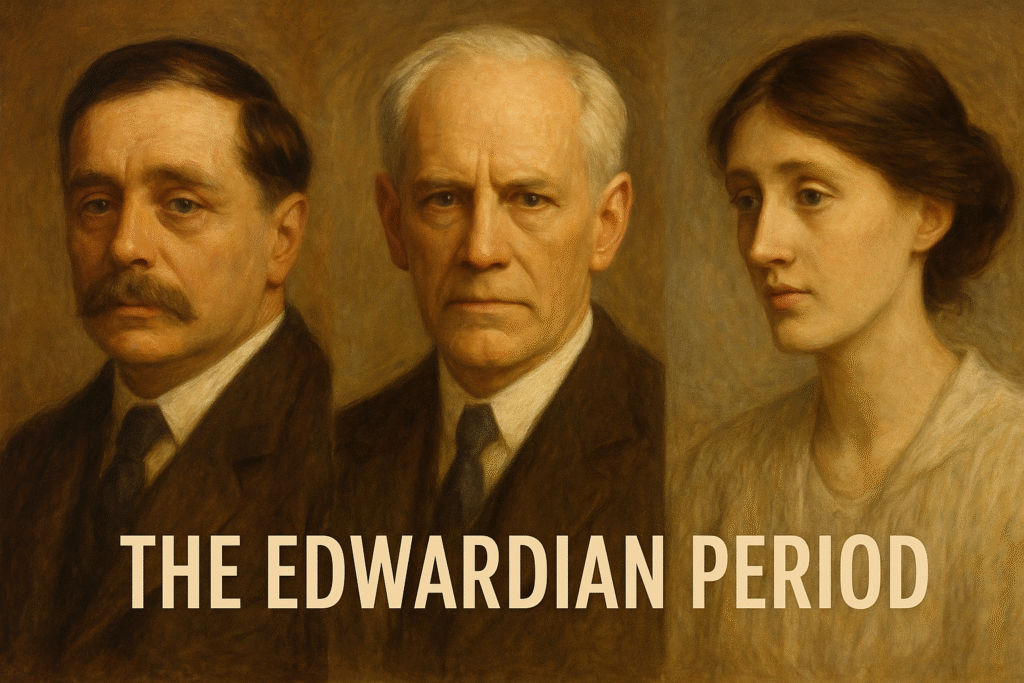
Thomas Carlyle: https://englishlitnotes.com/2025/08/14/thomas-carlyle/
For English and American literature and grammar, visit Google: https://www.google.com
The Edwardian Era: https://www.edwardianpromenade.com/the-edwardian-era/
Discover more from Naeem Ullah Butt - Mr.Blogger
Subscribe to get the latest posts sent to your email.