
1. Social problem novels highlight industrial issues
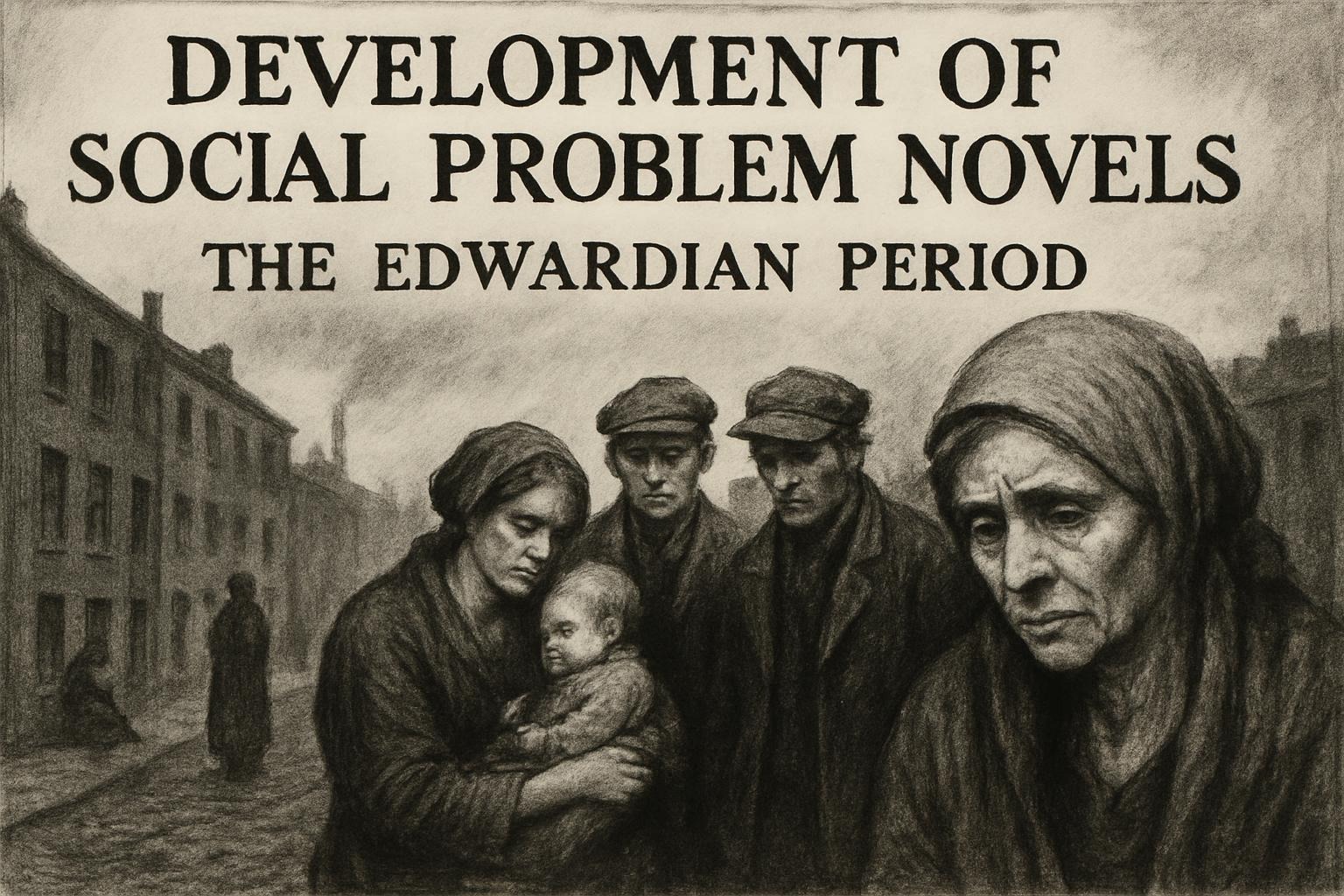
The development of social problem novels shaped Edwardian literature with striking clarity. Edwardian writers highlight industrial struggles through vivid details of factories, smoke, and harsh labor conditions. Therefore, the development of social problem novels shows readers the direct connection between industry and human suffering. Authors like H.G. Wells and Arnold Bennett emphasize unfair wages and unhealthy workplaces. Moreover, they reveal how factory owners exploit laborers. Writers demonstrate the development of social problem novels by showing characters facing hunger and disease. These novels also encourage middle-class readers to think about justice. Furthermore, authors use realism to expose uncomfortable truths. Readers gain sympathy for working families while questioning progress. Consequently, the development of social problem novels turns literature into a powerful tool of awareness. Writers use storytelling as reform. They create characters whose hardships mirror real lives. Thus, novels achieve more than entertainment. They act as mirrors reflecting societal wrongs. Hence, Edwardian fiction grows more critical of industrial capitalism.
2. Social problem novels address urban poverty
The development of social problem novels often focuses on city streets filled with overcrowded housing and disease. Edwardian novelists highlight poor sanitation, inadequate health services, and child neglect. Consequently, the development of social problem novels explores how poverty damages family structures. Writers like Somerset Maugham show destitution with compassion. Furthermore, they demonstrate how poverty creates crime and desperation. Characters reflect broken lives caused by unjust systems. Therefore, readers recognize poverty not as moral weakness but social failure. Moreover, the development of social problem novels calls for public responsibility. Through storytelling, authors awaken conscience and sympathy. Novels also contrast wealthy neighborhoods with filthy slums. Hence, inequality becomes visible and undeniable. Readers cannot escape this truth. Thus, the development of social problem novels inspires reformist debates. Authors believe that literature should not only entertain but also educate. Through this honesty, Edwardian literature contributes to real social awareness and reform.
3. Social problem novels portray labor struggles
Edwardian fiction often centers on strikes, protests, and labor disputes. Writers show workers demanding fair treatment and shorter hours. Therefore, novels transform political struggles into human stories. Authors reveal factory conditions where exhaustion and injuries dominate lives. Moreover, they emphasize courage within collective action. Workers resist injustice despite suffering. Consequently, readers witness the tension between power and survival. Literature documents strikes not with statistics but with flesh and blood. Characters fight for dignity, families, and future generations. Furthermore, writers argue that society cannot progress while workers starve. Novels highlight conflicts between owners and laborers vividly. Thus, fiction contributes to ongoing debates about unions and justice. Social problem novels portray labor struggles as battles of humanity. Through them, Edwardian writers prove literature holds power to influence thought, policy, and reform. Such novels remain vital in understanding historical labor movements.
4. Social problem novels reveal class divisions
Edwardian novels highlight the gap between rich and poor. Characters from upper classes enjoy luxury, while working families face hardship. Therefore, literature paints sharp contrasts. Writers such as Arnold Bennett show both privilege and deprivation in one city. Furthermore, they reveal hypocrisy within wealth. Rich characters speak of progress yet ignore suffering nearby. Novels describe how education, health, and opportunity remain unequal. Consequently, readers question rigid class structures. Moreover, authors often portray cross-class interactions that end in tragedy. Love across classes exposes prejudice and inequality. Thus, novels reveal deep fractures within society. Readers confront realities rather than illusions. Literature becomes a mirror of inequity. Social problem novels reveal class divisions directly and critically. They encourage reflection, sympathy, and reform. Therefore, Edwardian fiction strengthens awareness of social injustice while presenting memorable human stories. Through this, literature becomes an active force for change.
5. Social problem novels explore women’s hardships
Edwardian literature often highlights women trapped by poverty and gender inequality. Novels reveal working women enduring long hours in factories or households. Consequently, authors expose both financial and emotional struggles. Writers like May Sinclair describe female characters confronting exploitation. Furthermore, novels explore issues of wages, harassment, and lack of opportunity. They emphasize how poverty intensifies women’s suffering. Moreover, fiction highlights single mothers abandoned by society. These characters endure humiliation, isolation, and economic despair. Therefore, novels encourage sympathy and debate. Readers see injustice affecting both home and workplace. Consequently, literature insists women deserve respect and security. Writers also challenge stereotypes portraying women as weak. Instead, novels emphasize resilience. Social problem novels explore women’s hardships with honesty. Through them, Edwardian writers demand recognition of female struggles. Thus, literature becomes both feminist commentary and social critique during this transitional period.
6. Social problem novels emphasize housing conditions
Edwardian novels frequently describe slums and overcrowded dwellings. Writers illustrate crumbling walls, leaky roofs, and unsafe structures. Therefore, readers confront the grim reality of working-class homes. Authors emphasize the dangers posed by neglectful landlords. Moreover, they highlight children growing up in unfit environments. Such depictions raise questions about responsibility and justice. Furthermore, novelists explore the connection between housing and health. Disease spreads easily through unsanitary living spaces. Consequently, families struggle to survive both poverty and illness. Literature contrasts these conditions with middle-class comfort. Readers see injustice magnified through comparison. Moreover, novels often portray reformers fighting for better housing. Characters symbolize hope, though change remains slow. Social problem novels emphasize housing conditions with stark realism. They argue that a nation’s progress must include decent homes. Thus, Edwardian literature insists on reform while revealing struggles within everyday life.
7. Social problem novels stress child labor issues
Edwardian fiction portrays children forced into factories, mines, or street work. Writers emphasize how child labor destroys innocence and education. Therefore, novels highlight suffering young bodies. Authors describe long hours, dangerous machinery, and fragile health. Moreover, they emphasize stolen childhoods filled with exhaustion. Literature gives voice to children silenced by poverty. Consequently, readers face haunting depictions of lost futures. Novels demand change by presenting sympathetic characters. Furthermore, fiction demonstrates how child labor perpetuates cycles of poverty. Education becomes impossible while exploitation continues. Writers argue that true progress requires protecting children. Moreover, novels often contrast privileged childhoods with oppressed ones. This contrast sharpens injustice. Social problem novels stress child labor issues with emotional intensity. Through them, Edwardian writers expose cruelty hidden in daily life. Thus, literature contributes to growing debates about reform and children’s rights.
8. Social problem novels criticize unequal education
Edwardian authors emphasize how education divides classes. Wealthy children attend prestigious schools, while working-class children lack resources. Therefore, novels highlight injustice within education systems. Writers describe overcrowded classrooms, underpaid teachers, and absent materials. Moreover, they emphasize how lack of education limits opportunity. Characters often suffer due to ignorance forced by poverty. Consequently, literature demonstrates how inequality begins early in life. Furthermore, authors argue that education should uplift society equally. Novels also highlight the sacrifices families make for learning. Poor children struggle between labor and schooling. This conflict creates frustration and lost potential. Moreover, fiction emphasizes hypocrisy when elites preach morality but deny education. Social problem novels criticize unequal education honestly. Through storytelling, Edwardian writers demand fairness and accessibility. Thus, literature insists that progress requires knowledge for all. Consequently, novels transform schooling into a central question of justice.
9. Social problem novels show rural hardships
Edwardian literature does not ignore villages. Novels describe farm workers struggling against poverty, drought, and lack of opportunity. Therefore, writers highlight hardship outside cities. Authors depict rural poverty with realism, not romance. Moreover, they emphasize migration from countryside to urban areas. Families leave tradition behind for survival. Consequently, novels explore both nostalgia and despair. Literature reveals how rural lives become invisible within industrial progress. Furthermore, authors emphasize exploitation by landlords and limited access to services. Characters symbolize communities forgotten by reform. Moreover, writers contrast countryside beauty with human struggle. Novels also expose isolation, illness, and unemployment. Through them, readers see multiple faces of poverty. Social problem novels show rural hardships with clarity. Thus, Edwardian fiction highlights suffering in both city and countryside. Therefore, literature proves comprehensive in portraying social injustice across environments.
10. Social problem novels reflect health concerns
Edwardian writers highlight diseases spreading through overcrowded and unhygienic environments. Novels describe tuberculosis, malnutrition, and epidemics haunting poor families. Therefore, literature emphasizes the link between poverty and illness. Authors stress how lack of doctors and clean water kills thousands. Moreover, they reveal unequal healthcare where wealth protects survival. Fiction emphasizes the grief of losing children. Consequently, readers understand poverty’s devastating consequences. Furthermore, novels describe hospitals refusing the poor. Characters suffer not from fate but from neglect. Moreover, writers argue that health reflects justice within society. Literature insists reforms must address sanitation, housing, and nutrition. Therefore, social problem novels reflect health concerns beyond personal tragedies. They present illness as a political and social issue. Through such depictions, Edwardian literature advocates for reform. Novels achieve purpose by merging human stories with public health debates.
11. Social problem novels condemn exploitation of workers
Edwardian novels focus on exploitation through long hours, low wages, and unsafe work. Writers describe factory life with relentless detail. Therefore, readers grasp the true human cost of progress. Authors show greedy employers ignoring dignity and humanity. Moreover, they highlight desperation driving workers into silence. Novels capture voices demanding justice despite oppression. Consequently, literature transforms statistics into unforgettable human struggles. Furthermore, authors criticize a system rewarding greed over fairness. They argue that growth without compassion destroys society. Moreover, novels explore characters trapped between survival and self-respect. Readers recognize injustice clearly through such narratives. Social problem novels condemn exploitation of workers firmly. Through strong characters, Edwardian fiction confronts cruelty in industrial capitalism. Thus, literature becomes a sharp tool of criticism. It not only entertains but also educates and inspires reform across Edwardian society.
12. Social problem novels focus on immigrant struggles
Edwardian fiction often highlights immigrant experiences in industrial cities. Writers depict foreigners facing discrimination, poverty, and loneliness. Therefore, novels address cultural tensions created by migration. Authors emphasize barriers to work, housing, and acceptance. Moreover, they reveal stereotypes and prejudice harming communities. Novels also describe resilience among immigrants. Consequently, literature explores both suffering and courage. Furthermore, writers show how newcomers strengthen cities while struggling for survival. Fiction highlights the gap between contribution and recognition. Moreover, it emphasizes human dignity regardless of origin. Readers see the shared humanity in immigrant lives. Social problem novels focus on immigrant struggles honestly. They remind society of its duty toward fairness and inclusion. Thus, Edwardian writers expand social critique beyond class. They add cultural and ethnic dimensions to injustice. Therefore, novels remain relevant in understanding both history and identity.
13. Social problem novels present moral dilemmas
Edwardian novels often highlight characters torn between morality and survival. Writers emphasize choices shaped by poverty. Therefore, literature reveals ethical dilemmas of real life. Authors describe fathers stealing to feed families or mothers sacrificing pride for children. Moreover, novels stress how unjust systems force difficult decisions. Readers witness humanity at its most vulnerable. Consequently, novels become reflections of conscience. Furthermore, literature insists morality cannot exist without justice. Authors show hypocrisy in societies demanding virtue but denying opportunity. Moreover, they emphasize compassion as the true foundation of morality. Readers confront these dilemmas through relatable characters. Social problem novels present moral dilemmas with intensity. Thus, Edwardian literature becomes not only social critique but also ethical exploration. Fiction forces audiences to rethink definitions of good and evil within oppressive structures. Therefore, novels remain powerful guides in both thought and conscience.
14. Social problem novels inspire reform movements
Edwardian novels often inspire public debate and reform campaigns. Writers highlight poverty, injustice, and suffering with vivid force. Therefore, novels fuel demands for social change. Authors believe literature carries responsibility beyond entertainment. Moreover, they aim to awaken conscience. Characters become voices for the voiceless. Consequently, readers cannot ignore injustice after reading such works. Furthermore, fiction becomes ammunition for reformers. It provides emotional power to political arguments. Moreover, authors demonstrate how storytelling can move both hearts and policies. Novels often encourage philanthropy and legislation. Readers join causes after encountering literature. Social problem novels inspire reform movements by blending art and activism. Thus, Edwardian fiction demonstrates literature’s ability to shape society. Therefore, novels remain not only cultural artifacts but also instruments of justice. Writers prove that literature holds true power when it transforms awareness into action.
15. Social problem novels stress dignity of labor
Edwardian writers emphasize that work carries dignity despite hardship. Novels highlight laborers as heroes of survival. Therefore, fiction redefines value within society. Authors show courage in factory workers, miners, and servants. Moreover, they emphasize human worth beyond wealth. Literature portrays strength in ordinary lives. Consequently, readers respect perseverance and resilience. Furthermore, novels argue that progress relies on labor. They insist recognition must extend to workers. Moreover, fiction challenges views that equate wealth with virtue. Characters embody pride within struggle. Readers admire them as symbols of endurance. Social problem novels stress dignity of labor repeatedly. Thus, Edwardian literature gives voice to the overlooked. Therefore, fiction shapes understanding of equality and respect. Novels transform perceptions by highlighting everyday heroism. Through them, Edwardian writers elevate workers into moral centers of society.
16. Social problem novels challenge political authority
Edwardian novels often criticize governments ignoring the poor. Writers highlight corruption, inefficiency, and indifference. Therefore, literature challenges political authority directly. Authors emphasize how policies favor elites while excluding workers. Moreover, they reveal promises broken by leaders. Novels show characters crushed under unjust systems. Consequently, readers question authority. Furthermore, writers argue that governance without compassion lacks legitimacy. They highlight reform as moral duty. Moreover, fiction encourages resistance against exploitation. Literature transforms politics into human experience. Readers engage with debates emotionally, not abstractly. Social problem novels challenge political authority with courage. Thus, Edwardian fiction exposes hypocrisy in institutions. Therefore, novels demonstrate the need for accountability and fairness. Through them, literature becomes both art and political critique. Writers prove that storytelling carries power greater than speeches or manifestos in shaping opinion.
17. Social problem novels humanize statistics
Edwardian literature often translates numbers into human stories. Writers show unemployment rates through struggling families. Therefore, novels humanize statistics effectively. Authors highlight hunger, sickness, and despair behind figures. Moreover, they emphasize suffering individuals overlooked by data. Literature personalizes issues through relatable characters. Consequently, readers understand injustice viscerally. Furthermore, fiction emphasizes pain behind cold reports. It transforms policy debates into questions of humanity. Moreover, authors argue that reform requires empathy, not only numbers. Novels highlight stories lost in political arguments. Readers carry those images longer than statistics. Social problem novels humanize statistics with compassion. Thus, Edwardian fiction makes injustice unforgettable. Therefore, literature strengthens reform movements by touching hearts. Writers prove data cannot stir conscience like stories. Through characters, they reveal depth behind every figure. Novels therefore achieve lasting power beyond reports or studies.
18. Social problem novels emphasize collective action
Edwardian writers highlight how solidarity creates strength. Novels describe communities uniting for justice. Therefore, literature emphasizes collective action as essential. Authors show strikes, protests, and campaigns. Moreover, they portray unity as hope against oppression. Fiction stresses how individuals gain power through cooperation. Consequently, readers value solidarity. Furthermore, novels contrast isolation with union. Characters succeed only when together. Moreover, literature argues progress cannot come from individuals alone. Communities drive reform. Writers highlight sacrifices for common good. Readers respect courage within shared struggle. Social problem novels emphasize collective action repeatedly. Thus, Edwardian fiction strengthens awareness of unity. Therefore, novels inspire readers to consider cooperation in real life. Through storytelling, writers elevate community above self. Literature demonstrates that survival and justice demand shared strength, not isolated effort. Fiction therefore celebrates unity as key to progress.
19. Social problem novels depict hypocrisy of elites
Edwardian novels often expose wealthy elites preaching morality while practicing exploitation. Writers highlight hypocrisy vividly. Therefore, literature critiques privilege with sharp focus. Authors describe politicians advocating progress yet ignoring poverty. Moreover, they show industrialists boasting charity while underpaying workers. Novels emphasize contradictions between words and deeds. Consequently, readers see dishonesty within power structures. Furthermore, literature insists real morality lies in justice, not wealth. Characters often confront elites and reveal corruption. Moreover, writers emphasize false respectability hiding cruelty. Readers cannot escape these truths. Social problem novels depict hypocrisy of elites directly. Thus, Edwardian fiction dismantles illusions of superiority. Therefore, literature forces reevaluation of leadership and values. Novels become instruments of accountability. Through them, writers reveal corruption behind wealth. Fiction proves literature can pierce masks society accepts as virtue.
20. Social problem novels examine workplace hazards
Edwardian writers reveal dangers within factories, mines, and docks. Novels highlight injuries, explosions, and unsafe machinery vividly. Therefore, literature emphasizes human risk caused by negligence. Authors describe exhausted workers facing daily threats. Moreover, fiction illustrates employer disregard for basic safety standards. Characters confront accidents, illness, and exploitation relentlessly. Consequently, readers understand industrial progress often costs human lives. Furthermore, novels emphasize labor regulations’ absence and workers’ vulnerability. Writers contrast corporate profit with physical suffering deliberately. Literature stresses urgent need for reform and oversight. Moreover, storytelling emphasizes emotional trauma alongside physical harm. Novels portray how accidents disrupt families and communities. Readers feel injustice through personal narratives, not statistics. Social problem novels examine workplace hazards with stark realism. Through them, Edwardian literature encourages advocacy for safe labor. Therefore, novels connect industrial ambition with moral responsibility clearly. Authors highlight courage and endurance among oppressed workers. Consequently, literature remains a vital social instrument highlighting daily struggles vividly.
21. Social problem novels depict child exploitation
Novels frequently reveal children forced into harsh labor environments. Writers emphasize long hours, abuse, and stolen innocence vividly. Therefore, literature challenges readers to confront societal neglect directly. Authors describe physical strain and emotional suffering clearly. Moreover, fiction explores how poverty drives exploitation constantly. Characters endure hunger, exhaustion, and fear simultaneously. Consequently, readers witness injustice affecting vulnerable populations relentlessly. Furthermore, novels contrast children’s lives with privileged peers deliberately. Authors highlight lost education, opportunities, and potential vividly. Literature stresses moral responsibility of society for young. Moreover, storytelling emphasizes systemic failures causing childhood suffering consistently. Novels portray sacrifices and courage within oppressed youth. Readers understand urgency of social reform effectively. Social problem novels depict child exploitation with emotional clarity. Through them, Edwardian fiction inspires advocacy for vulnerable communities. Therefore, literature transforms compassion into action actively. Authors show resilience among children despite oppression clearly. Consequently, novels combine realism, morality, and reform purposefully. Literature becomes a mirror reflecting society’s responsibility to protect innocence permanently.
22. Social problem novels highlight urban squalor
Edwardian writers vividly portray crowded streets and filthy alleys. Novels describe disease, inadequate sanitation, and poverty relentlessly. Therefore, literature emphasizes urban suffering and systemic neglect consistently. Authors show families struggling against illness and deprivation vividly. Moreover, fiction contrasts opulence with slum conditions deliberately. Characters endure hardship within unsafe neighborhoods constantly. Consequently, readers recognize urban inequality and social failure clearly. Furthermore, novels highlight community resilience despite harsh circumstances actively. Authors emphasize reformers’ attempts to improve living conditions vividly. Literature stresses importance of housing and sanitation reforms consistently. Moreover, storytelling reveals everyday struggles within crowded cities effectively. Novels explore how poor urban environments shape character and destiny. Readers experience moral responsibility through vivid narrative insight. Social problem novels highlight urban squalor meaningfully. Through them, Edwardian fiction fosters awareness of city hardships actively. Therefore, literature calls attention to inequality and injustice consistently. Authors show life’s vulnerability in dense urban spaces clearly. Consequently, novels provoke empathy, reflection, and social action permanently. Literature combines realism and advocacy within city narratives effectively.
23. Social problem novels reveal women’s labor struggles
The development of social problem novels often portrays women forced into harsh working conditions. Writers highlight exhaustion, low wages, and harassment vividly. Therefore, literature emphasizes gendered inequality within industrial labor actively. Authors describe women balancing family responsibilities and factory work. Moreover, novels explore how societal norms limit opportunity deliberately. Characters endure oppression yet show resilience consistently. Consequently, readers witness courage against both social and economic barriers. Furthermore, fiction emphasizes unequal treatment and lack of recognition vividly. Writers contrast women’s labor with privileged male counterparts consistently. Literature stresses societal complicity in perpetuating injustice actively. Moreover, storytelling highlights female solidarity and resistance effectively. Novels reveal emotional and physical tolls of exploitation vividly. Readers experience empathy while understanding structural oppression clearly. Social problem novels reveal women’s labor struggles powerfully. Through them, Edwardian literature advocates gender equality and reform actively. Therefore, novels combine social critique with human insight consistently. Authors showcase resilience, determination, and dignity in adversity vividly. Consequently, literature transforms narratives into tools of awareness and empowerment permanently.
24. Social problem novels confront rural destitution
Edwardian fiction highlights villages suffering from poverty and neglect. Novels show scarcity, poor infrastructure, and limited education vividly. Therefore, literature emphasizes rural hardship alongside urban misery clearly. Authors describe families struggling with drought and low wages. Moreover, fiction illustrates isolation from resources and services actively. Characters endure illness, unemployment, and hunger relentlessly. Consequently, readers recognize systemic neglect of countryside populations vividly. Furthermore, novels contrast rural simplicity with harsh realities deliberately. Authors emphasize migration to cities due to necessity consistently. Literature stresses need for agricultural and social reform actively. Moreover, storytelling portrays emotional impact of rural suffering vividly. Novels reveal generational cycles of poverty and labor hardship. Readers understand that social injustice extends beyond urban centers clearly. Social problem novels confront rural destitution meaningfully. Through them, Edwardian literature widens awareness of societal challenges actively. Therefore, novels connect geography with inequality and reform consistently. Authors illustrate resilience amid scarcity vividly. Consequently, literature motivates reflection on justice and responsibility permanently.
25. Social problem novels expose class exploitation
The development of social problem novels emphasizes elite exploitation of working classes clearly. Writers portray landlords, industrialists, and authorities profiting from others’ labor. Therefore, literature emphasizes inequality and moral failure vividly. Authors describe unfair wages, unsafe workplaces, and oppression directly. Moreover, novels explore systemic favoritism and injustice actively. Characters endure hardship while elites thrive consistently. Consequently, readers recognize structural power imbalances clearly. Furthermore, fiction critiques institutions and privileged morality deliberately. Authors contrast luxury with deprivation vividly. Literature stresses accountability and reform urgency effectively. Moreover, storytelling highlights resistance and struggle persistently. Novels reveal human consequences behind class exploitation vividly. Readers gain empathy while understanding societal failure clearly. Social problem novels expose class exploitation meaningfully. Through them, Edwardian fiction challenges readers to confront inequality actively. Therefore, literature combines realism, morality, and social advocacy consistently. Authors highlight courage, resilience, and dignity in adversity vividly. Consequently, novels transform awareness into advocacy permanently. Literature balances storytelling with reform imperatives vividly and thoughtfully.
26. Social problem novels explore public health crises
Edwardian novels often portray epidemics in poor communities vividly. Authors emphasize overcrowding, contaminated water, and lack of doctors. Therefore, literature stresses health inequalities clearly. Fiction reveals emotional and physical suffering constantly. Moreover, storytelling highlights preventive measures ignored by authorities actively. Characters endure illness, loss, and despair relentlessly. Consequently, readers confront society’s neglect vividly. Furthermore, novels contrast wealthy neighborhoods with sick districts deliberately. Authors emphasize consequences of inadequate sanitation and housing consistently. Literature stresses urgency of public health reform actively. Moreover, storytelling explores emotional impact on families and communities vividly. Novels reveal systemic failures while emphasizing resilience and courage. Readers recognize that social responsibility includes health clearly. Social problem novels explore public health crises meaningfully. Through them, Edwardian fiction fosters awareness of mortality and injustice actively. Therefore, literature connects human suffering with societal reform consistently. Authors illustrate need for proactive solutions vividly. Consequently, novels encourage empathy, awareness, and civic responsibility permanently.
27. Social problem novels highlight legal injustice
Edwardian fiction frequently depicts biased courts and unfair laws. Writers show laborers, women, and the poor punished unjustly. Therefore, literature emphasizes inequality within legal systems clearly. Authors describe harsh sentences and corrupt authorities vividly. Moreover, novels explore systemic bias actively. Characters endure punishment for survival attempts relentlessly. Consequently, readers recognize legal hypocrisy and societal failure vividly. Furthermore, storytelling contrasts elite impunity with working-class punishment deliberately. Authors emphasize legal reforms and advocacy consistently. Literature stresses fairness and accountability actively. Moreover, novels explore moral dilemmas surrounding justice vividly. Readers witness law’s human impact directly. Social problem novels highlight legal injustice effectively. Through them, Edwardian fiction demands awareness of systemic bias actively. Therefore, literature merges human stories with advocacy consistently. Authors show courage confronting corrupt systems vividly. Consequently, novels strengthen public demand for fairness permanently. Literature becomes an instrument exposing inequity and inspiring action effectively. Readers reflect on justice, morality, and social responsibility constantly.
28. Social problem novels portray unemployment struggles
Edwardian novels frequently depict joblessness, despair, and societal pressure. Authors emphasize hunger, shame, and family hardship vividly. Therefore, literature stresses economic insecurity clearly. Characters struggle daily to survive without wages. Moreover, fiction reveals psychological toll of prolonged unemployment actively. Novels contrast employed and unemployed lives deliberately. Consequently, readers recognize systemic failures causing poverty vividly. Furthermore, storytelling explores dignity amidst hardship consistently. Authors emphasize resilience, hope, and family support vividly. Literature stresses reforms to reduce joblessness actively. Moreover, novels depict communities seeking aid and solidarity effectively. Readers experience empathy and understanding deeply. Social problem novels portray unemployment struggles effectively. Through them, Edwardian fiction inspires advocacy for labor reform actively. Therefore, literature connects human hardship with moral responsibility consistently. Authors highlight courage, patience, and creativity vividly. Consequently, novels strengthen readers’ awareness of economic inequality permanently. Literature transforms everyday struggles into lessons of social conscience actively. Readers witness suffering, resilience, and hope simultaneously.
29. Social problem novels address gender inequality
The development of social problem novels emphasizes discrimination against women clearly. Writers portray wage gaps, social exclusion, and limited opportunity vividly. Therefore, literature highlights systemic oppression actively. Authors explore challenges in education, employment, and household responsibilities consistently. Moreover, fiction emphasizes resilience among female characters vividly. Characters confront harassment, inequality, and prejudice daily. Consequently, readers witness gendered injustice clearly. Furthermore, novels contrast privilege with oppression deliberately. Authors stress necessity of reform and equality consistently. Literature inspires empathy, awareness, and advocacy actively. Moreover, storytelling highlights courage, solidarity, and persistence vividly. Novels reveal how gender inequality impacts society broadly. Readers recognize urgency of action vividly. Social problem novels address gender inequality meaningfully. Through them, Edwardian fiction strengthens awareness of discrimination actively. Therefore, literature combines realism, morality, and reform consistently. Authors depict women challenging societal norms vividly. Consequently, novels transform injustice into calls for action permanently. Literature emphasizes both human dignity and systemic responsibility effectively.
30. Social problem novels expose food insecurity
Edwardian fiction portrays hunger, malnutrition, and scarcity vividly. Authors describe families struggling for meals consistently. Therefore, literature emphasizes economic deprivation clearly. Characters endure daily hunger, weakness, and desperation relentlessly. Moreover, novels explore children’s suffering vividly. Storytelling highlights inequalities between social classes actively. Consequently, readers witness moral and physical challenges vividly. Furthermore, fiction depicts charitable efforts and community support deliberately. Authors stress systemic causes of food scarcity consistently. Literature emphasizes urgent need for social reform actively. Moreover, novels portray emotional, psychological, and familial consequences vividly. Readers recognize human cost of economic failure clearly. Social problem novels expose food insecurity meaningfully. Through them, Edwardian fiction inspires empathy and reform advocacy actively. Therefore, literature links hunger with societal responsibility consistently. Authors show resilience, creativity, and survival vividly. Consequently, novels transform narratives into instruments of social awareness permanently. Literature balances human suffering with hope effectively. Readers reflect on poverty, justice, and collective action consistently.
31. Social problem novels analyze industrial pollution
The development of social problem novels often reveals smoke, filth, and contamination vividly. Writers describe factories emitting fumes into neighborhoods consistently. Therefore, literature emphasizes environmental and health hazards actively. Authors portray children, workers, and families suffering directly. Moreover, fiction explores public negligence and industrial greed vividly. Characters endure illness and despair daily. Consequently, readers recognize the cost of industrial growth vividly. Furthermore, novels contrast polluted areas with clean affluent districts deliberately. Authors emphasize reforms and accountability persistently. Literature stresses intersection of labor, health, and ecology actively. Moreover, storytelling reveals economic and ethical consequences vividly. Novels illustrate societal neglect impacting daily life clearly. Readers understand urgency of reform consistently. Social problem novels analyze industrial pollution meaningfully. Through them, Edwardian fiction fosters awareness of environment actively. Therefore, literature connects human suffering with industrial responsibility consistently. Authors highlight courage, endurance, and advocacy vividly. Consequently, novels transform environmental issues into lessons of morality permanently. Literature combines realism, reform, and advocacy effectively.
32. Social problem novels show moral corruption
Edwardian novels reveal greed, deceit, and moral decay vividly. Writers highlight corruption among employers, politicians, and elites consistently. Therefore, literature emphasizes ethical failure clearly. Characters confront exploitation, bribery, and injustice daily. Moreover, fiction contrasts integrity with selfish ambition vividly. Storytelling explores societal consequences of unethical behavior actively. Consequently, readers recognize the cost of corruption vividly. Furthermore, novels depict ordinary citizens struggling under dishonest leaders deliberately. Authors emphasize necessity of accountability and justice consistently. Literature stresses morality’s central role in reform actively. Moreover, storytelling explores consequences of selfishness vividly. Novels show courage and integrity overcoming corruption clearly. Readers reflect on ethical responsibility consistently. Social problem novels show moral corruption meaningfully. Through them, Edwardian fiction promotes integrity, fairness, and reform actively. Therefore, literature transforms human experience into moral lesson consistently. Authors illustrate consequences vividly, demanding reader reflection. Consequently, novels strengthen awareness of ethical issues permanently. Literature merges storytelling with moral critique effectively.
33. Social problem novels highlight working-class education
The development of social problem novels emphasizes limited schooling for the poor vividly. Authors depict overcrowded classrooms and scarce resources consistently. Therefore, literature stresses inequality in opportunity actively. Characters struggle to learn under harsh conditions daily. Moreover, fiction explores barriers caused by poverty vividly. Storytelling highlights systemic neglect of education deliberately. Consequently, readers recognize education’s role in social mobility vividly. Furthermore, novels contrast elite access with working-class deprivation consistently. Authors emphasize reform and equal opportunity actively. Literature stresses education as a tool for empowerment vividly. Moreover, storytelling reveals consequences of ignorance and neglect vividly. Novels portray resilience, ambition, and perseverance among children. Readers gain empathy and understanding clearly. Social problem novels highlight working-class education meaningfully. Through them, Edwardian fiction fosters awareness of social inequity actively. Therefore, literature transforms personal narratives into calls for systemic reform consistently. Authors illustrate hope, struggle, and progress vividly. Consequently, novels advocate equal education permanently. Literature combines storytelling, realism, and social critique effectively.
34. Social problem novels reveal addiction and vice
Edwardian fiction portrays alcohol, gambling, and moral decay vividly. Writers explore causes and consequences within impoverished communities consistently. Therefore, literature emphasizes human suffering clearly. Characters endure family breakdown, illness, and financial ruin. Moreover, novels depict societal neglect and lack of reform vividly. Storytelling explores cycles of addiction actively. Consequently, readers recognize both personal and systemic responsibility vividly. Furthermore, novels contrast prosperity with ruin deliberately. Authors emphasize interventions, resilience, and hope consistently. Literature stresses societal obligation to address vice actively. Moreover, storytelling shows rehabilitation and community support vividly. Novels reveal courage amid addiction struggles clearly. Readers reflect on morality, support, and responsibility consistently. Social problem novels reveal addiction and vice meaningfully. Through them, Edwardian fiction encourages awareness and advocacy actively. Therefore, literature merges realism, empathy, and reform consistently. Authors depict consequences, courage, and resilience vividly. Consequently, novels transform human struggle into lessons permanently. Literature balances tragedy with hope effectively.
35. Social problem novels investigate urban crime
The development of social problem novels examines theft, fraud, and violence vividly. Authors highlight causes rooted in poverty and neglect consistently. Therefore, literature emphasizes justice and reform actively. Characters face moral dilemmas and survival struggles daily. Moreover, fiction explores systemic inequality fostering crime vividly. Storytelling contrasts law-abiding citizens with offenders deliberately. Consequently, readers recognize social roots of criminality vividly. Furthermore, novels emphasize rehabilitation and prevention consistently. Authors stress societal duty to reduce crime actively. Literature portrays crime’s emotional and social impact vividly. Moreover, storytelling shows community resilience and reform vividly. Novels illustrate courage confronting criminality clearly. Readers understand connection between poverty, neglect, and lawlessness vividly. Social problem novels investigate urban crime meaningfully. Through them, Edwardian fiction strengthens awareness of societal responsibility actively. Therefore, literature merges human stories with advocacy consistently. Authors depict hope, justice, and reform vividly. Consequently, novels transform crime narratives into moral lessons permanently. Literature emphasizes systemic causes and solutions effectively.
36. Social problem novels expose bureaucratic inefficiency
Edwardian novels often reveal government delays, corruption, and apathy vividly. Writers emphasize human suffering caused by red tape consistently. Therefore, literature stresses accountability and responsibility actively. Characters endure frustration, delays, and injustice daily. Moreover, fiction explores officials ignoring urgent needs vividly. Storytelling contrasts efficiency with negligence deliberately. Consequently, readers recognize systemic flaws clearly. Furthermore, novels highlight reformers seeking improvements consistently. Authors emphasize societal duty to ensure service actively. Literature stresses consequences of mismanagement vividly. Moreover, storytelling portrays human perseverance despite bureaucracy vividly. Novels reveal courage confronting inefficiency clearly. Readers witness systemic challenges while gaining insight vividly. Social problem novels expose bureaucratic inefficiency meaningfully. Through them, Edwardian fiction inspires advocacy for reform actively. Therefore, literature merges realism, morality, and activism consistently. Authors depict resilience, patience, and accountability vividly. Consequently, novels transform frustration into awareness permanently. Literature combines critique and narrative effectively.
37. Social problem novels discuss mental health issues
The development of social problem novels highlights depression, stress, and trauma vividly. Authors describe psychological impact of poverty and injustice consistently. Therefore, literature emphasizes mental well-being actively. Characters endure anxiety, despair, and social stigma daily. Moreover, fiction explores societal neglect of emotional health vividly. Storytelling contrasts privileged stability with vulnerable distress deliberately. Consequently, readers recognize urgency of care vividly. Furthermore, novels emphasize reforms and awareness consistently. Authors stress responsibility of society toward mental health actively. Literature portrays emotional suffering and resilience vividly. Moreover, storytelling shows recovery, support, and coping vividly. Novels illustrate courage confronting mental illness clearly. Readers understand consequences of neglect vividly. Social problem novels discuss mental health issues meaningfully. Through them, Edwardian fiction encourages awareness and reform actively. Therefore, literature merges storytelling, empathy, and advocacy consistently. Authors highlight courage, care, and resilience vividly. Consequently, novels transform understanding into action permanently. Literature balances human struggle with hope effectively.
38. Social problem novels highlight elderly neglect
Edwardian novels portray aging citizens abandoned or mistreated vividly. Authors explore poverty, illness, and isolation consistently. Therefore, literature emphasizes societal responsibility clearly. Characters endure physical and emotional hardship daily. Moreover, fiction reveals family and institutional neglect vividly. Storytelling contrasts wealth and vulnerability deliberately. Consequently, readers recognize neglect’s moral and social impact vividly. Furthermore, novels explore advocacy, reform, and care consistently. Authors emphasize compassion and dignity actively. Literature portrays courage among elderly individuals vividly. Moreover, storytelling emphasizes resilience, adaptation, and support vividly. Novels illustrate hardships and hope clearly. Readers reflect on justice, morality, and responsibility consistently. Social problem novels highlight elderly neglect meaningfully. Through them, Edwardian fiction inspires awareness and action actively. Therefore, literature merges realism, empathy, and reform consistently. Authors depict resilience, dignity, and advocacy vividly. Consequently, novels transform social observation into lessons permanently. Literature combines storytelling with moral critique effectively.
39. Social problem novels examine systemic injustice
The development of social problem novels emphasizes unfair systems clearly. Writers portray bureaucracy, law, and inequality vividly. Therefore, literature stresses reform and responsibility actively. Characters suffer due to structural oppression daily. Moreover, fiction explores class, gender, and racial bias vividly. Storytelling contrasts power and vulnerability deliberately. Consequently, readers witness systemic failure vividly. Furthermore, novels highlight necessity of advocacy consistently. Authors stress reform, justice, and awareness actively. Literature portrays courage confronting injustice vividly. Moreover, storytelling demonstrates societal impact of inequality vividly. Novels reveal hope and resistance clearly. Readers recognize long-term consequences vividly. Social problem novels examine systemic injustice meaningfully. Through them, Edwardian fiction strengthens social consciousness actively. Therefore, literature merges narrative, advocacy, and empathy consistently. Authors depict struggle, reform, and resilience vividly. Consequently, novels transform observation into action permanently. Literature emphasizes human dignity and responsibility effectively.
40. Social problem novels create lasting legacy
Edwardian novels addressing social problems leave enduring influence. Writers highlight injustice with courage. Therefore, literature secures lasting relevance. Authors inspire reforms and cultural debates. Moreover, they shape later literary traditions. Fiction becomes foundation for Modernist social critique. Consequently, novels remain central in English literature. Furthermore, Edwardian writers prove storytelling can change society. Their works inspire both readers and reformers. Moreover, characters symbolize resilience against injustice. Readers continue to find meaning in them. Social problem novels create lasting legacy beyond their age. Thus, Edwardian literature bridges tradition and progress. Therefore, novels remind every generation of literature’s responsibility. Writers prove fiction can transform not only imagination but also reality. Through them, Edwardian society learns compassion. Literature gains respect as moral compass. Hence, social problem novels remain timeless contributions to history and thought.
The Edwardian Period (1901-1914): https://englishlitnotes.com/2025/08/20/the-edwardian-period/
For English and American literature and grammar, visit Google:https://www.google.com
Literary Theory and Criticism: https://literariness.org/2025/05/25/edwardian-era/
Discover more from Naeem Ullah Butt - Mr.Blogger
Subscribe to get the latest posts sent to your email.