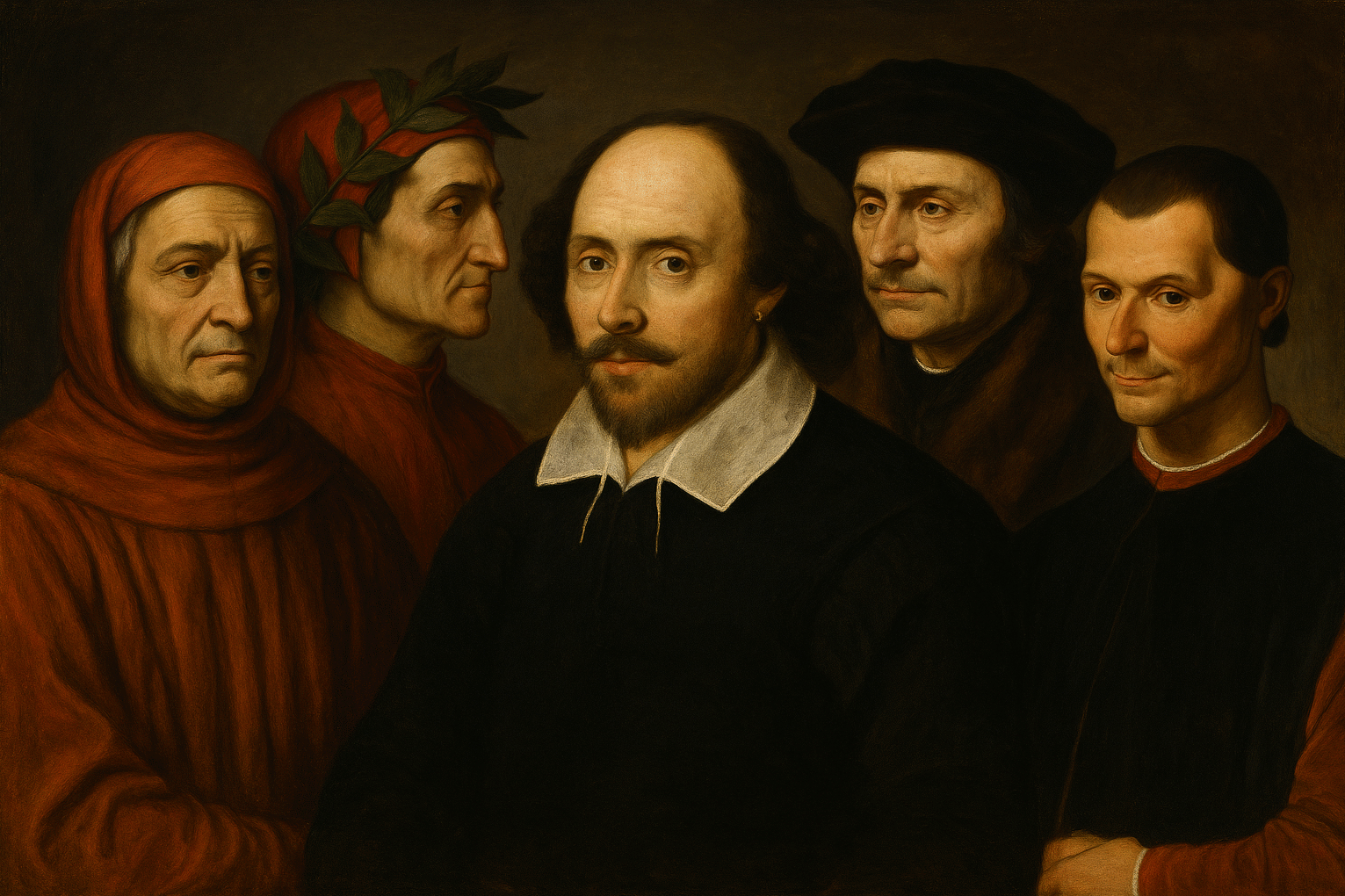
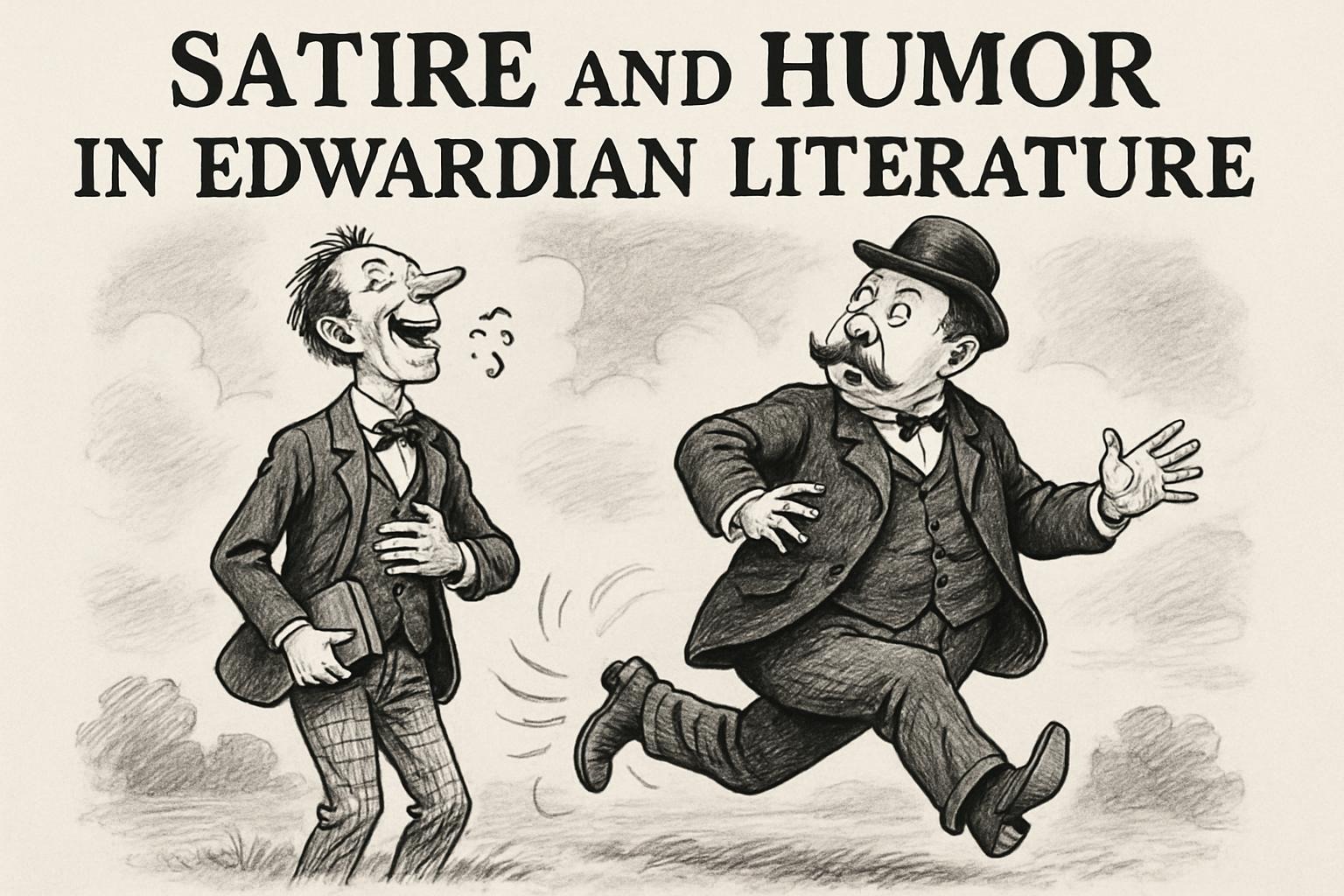
1. Introduction to Edwardian Satire
Satire and humor in Edwardian literature reflected social critique. Writers combined wit with sharp observation. Therefore, novels and plays entertained while instructing. Authors targeted hypocrisy, class divisions, and political absurdities. Consequently, readers understood societal tensions. Satire and humor in encouraged reflection through laughter. Writers revealed contradictions in behavior and morality. Furthermore, humor became a vehicle for criticism. Authors employed irony, exaggeration, and caricature. Consequently, satire engaged both intellect and emotion. Satire and humor captured everyday life with subtlety. Writers exposed absurdities of etiquette, authority, and tradition. Literature balanced comedy and moral insight. Furthermore, readers confronted social norms through amusement. Authors used characters to personify folly. Consequently, satire became both entertaining and instructive. Satire and humor in Edwardian writing played a central role in shaping literary discourse.
2. Critique of Social Hierarchies
Satire and humor in Edwardian literature exposed class divisions. Writers mocked aristocratic privilege and elitism. Consequently, literature revealed inequalities with wit. Authors highlighted absurd social rituals. Therefore, readers laughed while recognizing injustice. Satire and humor in emphasized irony to critique power structures. Writers portrayed servants, workers, and middle-class characters cleverly. Literature revealed social mobility challenges. Furthermore, humor highlighted contradictions between appearance and reality. Consequently, novels and plays questioned rigid hierarchies. Satire and humor blended entertainment with reflection. Authors revealed moral and ethical inconsistencies. Literature encouraged critical thinking. Therefore, humor became a tool for social commentary. Writers depicted folly and pretension. Readers enjoyed amusement while perceiving truth. Satire and humor strengthened literary engagement. Authors combined character, plot, and wit. Literature critiqued society without didacticism. Humor bridged critique and accessibility.
3. Use of Irony and Sarcasm
Satire and humor in Edwardian literature relied on irony. Writers contrasted words with action. Consequently, readers recognized absurdity and hypocrisy. Authors employed sarcasm to highlight social flaws. Therefore, literature entertained while provoking thought. It was satire and humor in literature that revealed contradictions in morality, etiquette, and authority. Writers used subtle exaggeration and rhetorical wit. Literature emphasized intelligence over slapstick. Furthermore, irony exposed cultural and political tension. Consequently, novels and plays critiqued tradition. This use of satire and irony encouraged analytical reading. Authors depicted characters whose speech revealed folly. Literature balanced entertainment with critique. Therefore, irony strengthened narrative depth. Writers combined observation with sharp commentary. Readers discerned humor and moral lesson simultaneously. This use of satire and irony became central tool for intellectual engagement. Authors demonstrated mastery of wit. Literature merged amusement, insight, and social consciousness. Humor enriched both theme and style.
4. Character Caricature
Satire and humor in Edwardian literature frequently relied on caricature. Writers exaggerated traits to expose human folly. Consequently, readers understood moral and social critique. Authors portrayed stubborn aristocrats, greedy merchants, and pretentious professionals. This use of satire and irony emphasized human weakness through exaggeration. Literature revealed absurdity without overt moralizing. Furthermore, caricature allowed playful exploration of social norms. Readers laughed while reflecting on reality. This use of satire and irony also combined observation with exaggeration. Authors crafted memorable characters who embodied societal contradictions. Literature balanced entertainment with ethical insight. Therefore, caricature became a vehicle for indirect criticism. Writers highlighted everyday hypocrisy and pretension. Their use encouraged recognition of human folly. Readers enjoyed amusement alongside thoughtful reflection. Authors used exaggeration strategically. Literature revealed truth beneath humor. Caricature amplified satire’s reach. Consequently, moral critique became entertaining and lasting.
5. Humor in Dialogue
This use of satire and irony often thrived through dialogue. Writers crafted witty, rapid exchanges. Consequently, characters revealed social tension and irony. Authors used conversation to expose hypocrisy and folly. Humor in dialogue illustrated conflicts between appearance and reality. This use of satire and irony emphasized conversational wit over narration. Characters’ speech reflected class, intellect, and personality. Furthermore, dialogue conveyed social critique subtly. Readers recognized nuances and contradictions. This use of satire and irony transformed ordinary exchanges into insightful commentary. Authors created tension and amusement simultaneously. Literature entertained while instructing. Consequently, dialogue became central to narrative strategy. Humor enriched plot and characterization. Satire and humor used speech to reveal moral and social absurdity. Authors demonstrated linguistic skill. Readers engaged actively with multiple layers of meaning. Dialogue reinforced satire’s effectiveness. Literature combined wit, critique, and insight seamlessly.
6. Parody and Mimicry
This use of satire and irony frequently employed parody. Writers imitated styles, genres, or public figures. Consequently, literature highlighted absurdities and contradictions. Authors used mimicry to ridicule pretension and social expectation.Literature entertained while fostering reflection. Furthermore, parody exposed literary, political, and cultural weaknesses. Readers understood both humor and critique. This use of satire and irony blended aesthetic play with moral observation. Authors revealed inconsistencies in authority and tradition. Literature offered entertainment while challenging perception. Consequently, parody became an educational tool. Writers demonstrated intelligence and creativity. Satire and humor in literature connected amusement with societal insight. Authors encouraged readers to question norms. Literature mirrored human behavior cleverly. Furthermore, mimicry amplified impact of criticism. Humor, irony, and parody worked in tandem.
7. Political Satire
Satire and humor in Edwardian writings often addressed politics. Writers critiqued government, bureaucracy, and policy. Consequently, novels and plays revealed absurdity in authority. Authors highlighted corruption, inefficiency, and hypocrisy. This use of satire and irony emphasized indirect critique to engage readers. Literature exposed political flaws cleverly and memorably. Furthermore, satire encouraged reflection without preaching. Readers laughed while recognizing injustice. Satire and humor in Edwardian writings connected amusement to civic awareness. Authors revealed societal tensions and public sentiment. Literature encouraged critical thinking and discussion. Consequently, humor became instrument of political insight. Writers highlighted both prominent figures and ordinary citizens’ roles. Authors used wit to illuminate systemic issues. Literature encouraged perception beyond appearances. Readers enjoyed laughter while confronting serious matters. Satire became both artistic and socially impactful.
8. Social Satire
Satire and humor in Edwardian writings focused on everyday social norms. Writers observed etiquette, class behavior, and public morality. Consequently, literature revealed absurdities in ordinary life. Authors depicted pretension, affectation, and hypocrisy. Satire and humor in Edwardian writings emphasized critique through amusement. Literature exposed social rigidity and superficiality cleverly. Furthermore, humor highlighted contradictions in human conduct. Readers recognized folly and reflected on society. This use of satire and irony balanced entertainment with insight. Authors created irony and exaggeration in manners and customs. Literature encouraged critical perspective on routine behavior. Consequently, amusement became instructive. Writers revealed tensions between expectation and reality. This use of satire and irony portrayed relationships, fashion, and etiquette with wit. Literature made social commentary accessible. Authors engaged readers’ intellect and humor simultaneously. Satire became central to understanding Edwardian life. Humor exposed both human folly and social structure.
9. Wit and Wordplay
Satire and humor in literature relied on wit. Writers used clever phrasing, puns, and double meanings. Consequently, literature entertained readers while revealing insight. Authors emphasized subtlety over slapstick. This use of satire and irony highlighted linguistic creativity. Literature encouraged careful reading and interpretation. Furthermore, wit enhanced characterization and narrative tone. Readers recognized irony and playful critique. Satire and humor in Edwardian writings connected amusement to reflection. Authors demonstrated mastery of language. Literature revealed contradictions through humor. Consequently, wordplay became central to narrative strategy. Writers balanced cleverness with clarity. Satire and humor in Edwardian writings made moral and social critique enjoyable. Literature integrated intelligence, style, and observation. Readers engaged both emotionally and intellectually. Wit strengthened satire’s impact. Authors influenced tone, mood, and thematic delivery. Consequently, humor and insight coexisted seamlessly.
10. Humor as Critique of Morality
Satire and humor in Edwardian literature frequently examined moral norms. Writers highlighted contradictions, rigidity, and hypocrisy. Consequently, literature amused and instructed simultaneously. Authors revealed flaws in ethical conduct. Satire and humor in Edwardian writings encouraged readers to question accepted standards. Literature connected personal behavior with broader social critique. Furthermore, humor softened critique, making it accessible. Readers recognized folly and reflected on choices. Satire and humor in Edwardian writings emphasized ethical observation through exaggeration and irony. Authors created scenarios highlighting moral absurdity. Literature engaged with virtue, vice, and societal expectation. Consequently, amusement became a vehicle for reflection. Writers revealed both individual and collective shortcomings. Satire and humor in Edwardian writings integrated ethical insight with entertainment. Literature encouraged critical awareness and moral reasoning. Authors entertained while revealing truth. Humor transformed serious subjects into compelling narrative experiences.
11. Satirical Portrayal of Gender Roles
Satire and humor in Edwardian literature examined gender expectations. Writers highlighted contradictions between social norms and personal desire. Consequently, literature exposed restrictions placed on women and men. Authors revealed absurdities in etiquette, marriage, and propriety. Satire and humor in Edwardian writings used irony and exaggeration to critique patriarchy. Literature entertained while encouraging reflection on inequality. Furthermore, authors emphasized social pressure on behavior and identity. Readers recognized how rigid roles constrained individuality. Satire and humor in Edwardian writings connected amusement to feminist insight. Authors explored rebellion, compliance, and social negotiation. Literature blended wit with moral observation. Consequently, humor became a tool for cultural critique. Writers portrayed characters challenging or conforming to roles. Satire and humor in Edwardian writings highlighted tensions in domestic and public spheres. Readers engaged emotionally and intellectually. Literature revealed both absurdity and truth in gender expectations.
12. Satirical Observation of Fashion
Satire and humor in Edwardian writings often targeted fashion. Writers mocked extravagance, pretension, and impractical trends. Consequently, literature highlighted social vanity and obsession with appearance. Authors emphasized style as reflection of status and behavior. Satire and humor in Edwardian writings connected clothing with social critique. Literature revealed hypocrisy, excess, and superficiality humorously. Furthermore, authors used description and exaggeration creatively. Readers enjoyed amusement while recognizing societal patterns. Satire and humor in Edwardian writings transformed mundane observation into insightful commentary. Writers connected aesthetic choices to morality, class, and identity. Literature balanced levity with social insight. Consequently, humor encouraged critical reflection on values. Authors portrayed absurdity without judgment. Satire and humor in Edwardian writings made critique accessible and enjoyable. Literature engaged readers’ intellect and perception. Writers highlighted both individual folly and collective cultural trends. Humor became a bridge between entertainment and critique. Readers interpreted meaning beneath amusement.
13. Comedy of Manners
Satire and humor in Edwardian literature often employed comedy of manners. Writers depicted social etiquette, refinement, and relationships with wit. Consequently, literature highlighted conflicts between appearance and reality. Authors revealed hypocrisy, pretension, and contradiction in social conduct. Satire and humor in Edwardian writings emphasized observation and exaggeration. Literature entertained while instructing readers about behavior and morality. Furthermore, authors used dialogue and situation to convey critique. Readers recognized absurdities in social hierarchy. Satire and humor in Edwardian writings created subtle tension between amusement and reflection. Writers explored romantic, professional, and domestic interactions. Literature revealed ethical, emotional, and social contradictions. Consequently, comedy of manners blended insight with laughter. Authors demonstrated skill in characterization and plot construction. Satire and humor in Edwardian writings connected style with moral observation. Literature engaged intellect and sensibility. Humor enriched narrative while prompting awareness. Readers enjoyed wit and moral reflection simultaneously.
14. Ridicule of Pretension
Satire and humor in Edwardian literature ridiculed pretentious behavior. Writers mocked affectation, boastfulness, and overconfidence. Consequently, literature entertained while revealing societal contradictions. Authors emphasized contrast between self-perception and reality. Satire and humor in Edwardian writings highlighted human vanity and ambition. Literature exposed absurdity in social, professional, and domestic contexts. Furthermore, exaggeration and irony reinforced critique. Readers laughed while recognizing truth behind humor. Satire and humor in Edwardian writings connected amusement with ethical and cultural reflection. Writers revealed superficiality without moralizing overtly. Literature engaged intellect through observation and wit. Consequently, ridicule became a tool for education and entertainment. Authors demonstrated cleverness and insight. Satire and humor in Edwardian writi ngsbalanced humor, critique, and narrative flow. Literature revealed character flaws and societal rigidity. Readers enjoyed subtlety and depth simultaneously. Humor reinforced both theme and style. Satire became enduring, insightful, and memorable.
15. Humor in Narrative Voice
Satire and humor in Edwardian literature thrived through narrative voice. Writers used witty, ironic, and clever narration. Consequently, literature entertained while conveying critique. Authors highlighted contradictions in thought, behavior, and society. Satire and humor in Edwardian writ ingsemphasized narrator’s perspective to reveal absurdity. Literature blended amusement with reflection. Furthermore, narrative voice shaped tone, rhythm, and thematic impact. Readers engaged with multiple layers of meaning. Satire and humor in Edwardian writings connected narration with social and moral observation. Authors used humor to interpret character and setting. Literature guided readers to recognize folly subtly. Consequently, voice became central to satire’s effectiveness. Writers balanced clarity with cleverness. Satire and humor in Edwardian writings rature enriched story while educating. Literature reflected social awareness through perspective. Humor encouraged critical engagement. Authors demonstrated mastery of tone. Satire became both entertaining and instructive.
16. Irony in Characterization
Satire and humor in Edwardian literature relied on ironic characterization. Writers created characters whose traits exposed folly. Consequently, literature entertained while teaching social and moral lessons. Authors emphasized contradictions between desire, behavior, and expectation. This use of satire and irony used irony to reveal hypocrisy and pretension. Literature encouraged readers to perceive truth behind comedy. Furthermore, writers blended exaggeration with subtle observation. Characters embodied societal absurdities and cultural norms. Consequently, irony enhanced humor and critique simultaneously. This use of satire and irony connected amusement with reflection. Authors revealed hidden flaws and tensions. Literature portrayed complexity, contradiction, and morality. Consequently, characterization reinforced social commentary. Writers demonstrated insight into human behavior. This use of satire and irony became multi-layered and effective. Literature entertained and instructed simultaneously. Readers engaged intellect and imagination. Irony deepened narrative meaning and emotional resonance. Authors mastered humor to communicate critique subtly.
17. Literary Parody
Satire and humor employed literary parody. Writers mimicked styles, genres, and authors playfully. Consequently, literature entertained while critiquing tradition. Authors highlighted absurdities in form, rhetoric, and content. This use of satire and irony emphasized imitation for comic and critical effect. Literature revealed tensions between literary convention and social observation. Furthermore, parody demonstrated creativity and wit. Readers recognized both homage and critique. This use of satire and irony connected amusement with cultural literacy. Authors educated readers about literary norms while entertaining them. Literature explored innovation through imitation. Consequently, parody became both instructive and enjoyable. Writers balanced humor, style, and insight. This use of satire and irony enriched narrative variety. Literature engaged intellect and perception simultaneously. Authors highlighted literary and social absurdities. Humor and parody worked together effectively. Readers appreciated subtlety and cleverness. Satire maintained relevance through playful imitation.
18. Mockery of Authority
Satire and humor frequently targeted authority figures. Writers revealed incompetence, hypocrisy, and rigidity in leaders. Consequently, literature entertained while challenging social norms. Authors emphasized contrasts between expectation and reality. This use of satire and irony connected amusement to reflection on governance and power. Literature revealed flaws in bureaucracy, aristocracy, and institutions. Furthermore, mockery encouraged readers to question authority. Writers highlighted tension between public image and private behavior. Consequently, satire educated while amusing. This use of satire and irony blended social critique with narrative enjoyment. Authors demonstrated wit and perceptive insight. Literature revealed power dynamics subtly and memorably. Humor softened critique without weakening impact. Consequently, literature promoted critical awareness. Satire emphasized ethical and cultural observation. Readers recognized patterns of folly and abuse. Satire and humor remained relevant and engaging. Literature balanced entertainment with meaningful reflection.
19. Wit in Social Commentary
This use of satire and irony employed wit for social critique. Writers highlighted absurdities, contradictions, and hypocrisies with cleverness. Consequently, literature entertained and instructed simultaneously. Authors emphasized intelligence, observation, and playful engagement. Satire and humor connected amusement with moral and social reflection. Literature encouraged critical analysis while maintaining levity. Furthermore, wit revealed cultural norms and flaws subtly. Readers appreciated humor while absorbing critique. Satire and humor demonstrated balance of insight and entertainment. Authors revealed character, society, and situation cleverly. Literature transformed humor into analytical tool. Consequently, narrative gained depth and engagement. Writers crafted language to expose folly effectively. Satire and humor integrated theme, tone, and amusement. Literature educated and entertained simultaneously. Readers engaged intellectually and emotionally. Humor enhanced social and ethical observation. Authors emphasized subtlety, timing, and perspective.
20. Satire in Family Dynamics
Satire and humor in Edwardian literature explored family life. Writers revealed tensions between parents and children. Consequently, literature entertained while critiquing domestic relationships. Authors emphasized contradictions between authority, affection, and expectation. Satire and humor connected amusement with observation of behavior. Literature highlighted hypocrisy, favoritism, and moral inconsistency humorously. Furthermore, writers portrayed sibling rivalry, obedience, and generational conflict cleverly. Readers recognized both folly and truth in family conduct. Satire and humor in Edwardian writings balanced insight with comedy. Authors demonstrated skill in depicting domestic absurdity. Literature emphasized tension between tradition, custom, and personal desire. Consequently, humor encouraged reflection on familial roles. Writers highlighted cultural expectation shaping character. Satire and humor exposed everyday contradictions in domestic life. Literature integrated wit with ethical observation subtly. Authors combined exaggeration, dialogue, and situation effectively. Readers enjoyed amusement while considering moral lessons. Satire and humor transformed ordinary domestic interactions into social critique. Literature reinforced reflection through laughter. Humor became central to understanding family dynamics. Authors entertained while exposing societal norms cleverly.
21. Satire in Romantic Relationships
Satire and humor in Edwardian writing examined love and courtship. Writers highlighted absurdity in romantic expectation and behavior. Consequently, literature entertained while critiquing social conventions. Authors depicted pretension, jealousy, and vanity in lovers. Satire and humor connected amusement to reflection on emotional norms. Literature emphasized contradiction between desire, propriety, and social expectation. Furthermore, writers revealed tension between individual choice and cultural pressure. Readers recognized folly in romantic pursuit. Satire and humor blended dialogue, exaggeration, and situation. Authors showcased witty repartee to reveal character. Literature highlighted irony in courtship, marriage, and attraction. Consequently, humor encouraged reflection on personal and societal behavior. Writers balanced entertainment with ethical insight. Satire and humor illuminated human weakness and social constraint. Literature emphasized irony, observation, and exaggeration. Authors used narrative, dialogue, and scenario cleverly. Readers engaged with social commentary subtly. Satire and humor revealed patterns of love and folly. Literature reflected tension between personal desire and public expectation. Humor connected amusement with critique effectively. Authors entertained while encouraging moral and social insight.
22. Critique of Class Mobility
Satire and humor in Edwardian literature exposed class ambition. Writers highlighted pretension, snobbery, and social climbing. Consequently, literature entertained while critiquing societal aspiration. Authors emphasized tension between self-image and social reality. Satire and humor connected amusement with insight on mobility. Literature revealed contradictions in wealth, etiquette, and status humorously. Furthermore, writers depicted characters striving for acceptance yet failing comically. Readers recognized folly of obsession with rank. Satire and humor blended observation, exaggeration, and wit. Authors highlighted conflicts between aspiration and ethical behavior. Literature emphasized irony in social success and failure. Consequently, humor encouraged reflection on ambition and morality. Writers explored societal pressure shaping identity. Satire and humor revealed contradictions in manners and decorum. Literature integrated narrative, dialogue, and characterization cleverly. Authors used exaggeration to emphasize folly. Readers appreciated both laughter and reflection. Satire and humor critiqued class and pretension effectively. Literature entertained while educating on ethical behavior. Humor transformed social observation into meaningful critique. Authors balanced comedy and insight masterfully. Satire reinforced reflection on class and character subtly.
23. Satire of Professional Life
Satire and humor in Edwardian literature critiqued professional spheres. Writers highlighted absurdities in bureaucracy, business, and careers. Consequently, literature entertained while revealing workplace hypocrisy. Authors emphasized incompetence, pretension, and self-interest humorously. Satire and humor connected amusement to reflection on ambition and ethics. Literature revealed contradictions between title, performance, and social expectation. Furthermore, writers depicted office politics, hierarchy, and rivalry cleverly. Readers recognized folly in professional conduct. Satire and humor blended exaggeration, dialogue, and characterization. Authors emphasized irony in career advancement and recognition. Literature highlighted tension between ethics, ambition, and social pressure. Consequently, humor encouraged reflection on work and morality. Writers explored human desire for power and approval. Satire and humor revealed superficiality in professional behavior. Literature integrated wit, narrative, and social critique effectively. Authors emphasized observation and exaggeration subtly. Readers enjoyed humor while perceiving underlying truth. Satire and humor connected professional life to societal critique. Literature entertained while instructing readers on human folly. Humor became tool for reflection and engagement. Authors demonstrated mastery of observation and irony. Satire emphasized both amusement and insight consistently.
24. Satire in Public Opinion
Satire and humor in Edwardian literature explored societal beliefs. Writers critiqued gossip, rumor, and popular judgment. Consequently, literature entertained while exposing public folly. Authors emphasized contradictions between perception, reputation, and reality humorously. Satire and humor connected amusement with reflection on culture. Literature revealed inconsistencies in opinion, expectation, and moral standards. Furthermore, writers depicted characters manipulated by social perception cleverly. Readers recognized absurdity in conformity and collective judgment. Satire and humor blended irony, exaggeration, and dialogue. Authors highlighted tension between private reality and public image. Literature emphasized ethical reflection alongside amusement. Consequently, humor encouraged critical thinking and awareness. Writers explored societal influence on behavior. Satire and humor revealed contradictions in public morality. Literature integrated narrative, observation, and wit effectively. Authors used exaggeration to illustrate folly. Readers engaged emotionally and intellectually. Satire and humor illuminated cultural absurdities. Literature entertained while instructing on ethical and social perception. Humor became essential for understanding collective behavior. Authors revealed both amusement and moral insight cleverly. Satire emphasized social commentary subtly and effectively.
25. Satire and Humor in Satirical Essays
Satire and humor in Edwardian literature thrived in essays. Writers combined observation, irony, and critique skillfully. Consequently, literature entertained while providing social commentary. Authors highlighted hypocrisy, folly, and pretension humorously. Satire and humor connected amusement to reflection on contemporary life. Literature emphasized linguistic skill, clarity, and wit. Furthermore, writers explored politics, culture, and etiquette cleverly. Readers recognized subtle critique within entertaining prose. Satire and humor blended elegance and instruction. Authors highlighted contradictions between behavior, expectation, and morality. Literature emphasized irony, exaggeration, and ethical insight. Consequently, essays engaged readers intellectually and emotionally. Writers explored daily life with humor and precision. Satire and humor revealed societal norms critically. Literature integrated style, observation, and reflection effectively. Authors used language to entertain while instructing. Readers appreciated both insight and amusement. Satire and humor transformed essays into cultural commentary. Literature encouraged analytical thinking alongside laughter. Humor illuminated folly and morality effectively. Authors demonstrated mastery of narrative, style, and critique.
26. Satire of Education
Satire and humor in Edwardian literature critiqued schools and universities. Writers highlighted rigid curricula, rote learning, and pretentious teachers. Consequently, literature entertained while exposing educational absurdities. Authors emphasized contradictions between ideals, practice, and social expectation humorously. Satire and humor connected amusement to reflection on learning and intellect. Literature revealed inequalities, favoritism, and flawed pedagogy cleverly. Furthermore, writers depicted students navigating strict authority with wit. Readers recognized folly in both teachers and pupils. Satire and humor blended exaggeration, dialogue, and observation. Authors emphasized tension between institutional expectations and individual creativity. Literature highlighted gaps between theory and practice. Consequently, humor encouraged critical reflection on education. Writers explored social mobility through schooling. Satire and humor revealed absurdity in examinations, discipline, and etiquette. Literature integrated narrative, characterization, and social critique effectively. Authors used irony and exaggeration to enhance amusement. Readers engaged both intellectually and emotionally. Satire and humor illuminated flaws in academic culture. Literature entertained while instructing subtly. Humor became central to educational commentary. Authors connected critique and amusement seamlessly. Satire highlighted absurdities without alienating readers.
27. Satire in Religion
Satire and humor in Edwardian writing examined religious practices. Writers highlighted contradictions, ritualism, and hypocrisy in worship. Consequently, literature entertained while questioning belief and morality. Authors emphasized tension between faith, social expectation, and personal conviction. Satire and humor connected amusement with reflection on spiritual life. Literature revealed absurdities in clergy behavior, dogma, and popular devotion. Furthermore, writers depicted characters observing or misinterpreting rituals cleverly. Readers recognized folly in both religious authority and devotion. Satire and humor blended irony, caricature, and narrative insight. Authors emphasized conflicts between morality, superstition, and societal pressure. Literature highlighted human weakness alongside amusement. Consequently, humor encouraged reflection on spiritual and social norms. Writers explored ethical implications of religious practice. Satire and humor revealed contradictions between appearance and true faith. Literature integrated narrative, dialogue, and critique effectively. Authors used exaggeration, wit, and irony strategically. Readers engaged emotionally while reflecting intellectually. Satire and humor illuminated religious and social tension. Literature entertained while providing moral observation subtly. Humor reinforced critique through clever observation. Authors balanced amusement, insight, and ethical reflection. Satire maintained relevance through both wit and critique.
28. Satire of Politics
Satire and humor in Edwardian writing frequently targeted politicians. Writers exposed incompetence, corruption, and hypocrisy in governance. Consequently, literature entertained while highlighting social and civic absurdities. Authors emphasized tension between promises, action, and public expectation humorously. Satire and humor connected amusement to reflection on political systems. Literature revealed conflicts between personal ambition, duty, and morality cleverly. Furthermore, writers depicted scandals, rivalries, and speeches with wit. Readers recognized folly in both leaders and supporters. Satire and humor blended dialogue, exaggeration, and caricature. Authors emphasized tension between authority and accountability. Literature highlighted absurdity alongside critical insight. Consequently, humor encouraged civic awareness and engagement. Writers explored systemic issues with subtle irony. Satire and humor revealed flaws in policy, law, and political culture. Literature integrated narrative, social critique, and entertainment effectively. Authors employed observation, exaggeration, and wit creatively. Readers engaged emotionally while analyzing society. Satire and humor illuminated contradictions between rhetoric and reality. Literature entertained while providing political commentary. Humor reinforced critique of governance subtly. Authors connected amusement and societal reflection seamlessly. Satire became both instructive and enjoyable.
29. Satire and Humor in Journalism
Satire and humor in Edwardian literature extended to journalism. Writers critiqued newspapers, editors, and sensational reporting. Consequently, literature entertained while exposing media absurdities. Authors emphasized contradictions between truth, sensationalism, and public expectation. Satire and humor highlighted media’s role in shaping opinion. Literature revealed exaggeration, bias, and triviality humorously. Furthermore, writers depicted journalists manipulating facts with clever observation. Readers recognized folly in press and public reaction. Satire and humor blended irony, exaggeration, and style effectively. Authors emphasized tension between information, entertainment, and ethics. Literature highlighted the social influence of media. Consequently, humor encouraged critical reflection on journalism. Writers explored power dynamics within publication. Satire and humor revealed sensationalism’s impact on society. Literature integrated narrative, observation, and critique seamlessly. Authors used wit and exaggeration strategically. Readers engaged emotionally while reflecting intellectually. Satire and humor connected amusement to societal insight. Literature entertained while instructing on media ethics. Humor became central to critique. Authors emphasized both amusement and moral reflection. Satire demonstrated literary and social dexterity effectively.
30. Satire of Scientific Advancement
Satire and humor in Edwardian literature explored science and invention. Writers highlighted folly, misapplication, and obsession with novelty. Consequently, literature entertained while critiquing blind faith in progress. Authors emphasized tension between theory, experiment, and practical outcome humorously. Satire and humor connected amusement to reflection on technological culture. Literature revealed contradictions between ambition, understanding, and consequence cleverly. Furthermore, writers depicted eccentric scientists and inventors with wit. Readers recognized folly in overconfidence and intellectual pretension. Satire and humor blended caricature, exaggeration, and narrative observation. Authors emphasized tension between knowledge and social responsibility. Literature highlighted both achievement and absurdity. Consequently, humor encouraged reflection on science and ethics. Writers explored unintended consequences creatively. Satire and humor revealed human weakness in pursuit of progress. Literature integrated narrative, wit, and critique effectively. Authors used irony to entertain while instructing. Readers engaged intellectually and emotionally. Satire and humor connected discovery with reflection. Literature entertained while providing commentary on scientific culture. Humor reinforced insight subtly. Authors balanced amusement, critique, and narrative skillfully. Satire remained relevant through wit and observation.
31. Satire in Travel Literature
Satire and humor in Edwardian writings often appeared in travel writing. Writers highlighted cultural misunderstandings, pretension, and eccentric tourists. Consequently, literature entertained while revealing social absurdities abroad. Authors emphasized tension between expectation, reality, and local custom humorously. Satire and humor connected amusement to reflection on cultural perception. Literature revealed contradictions between local practice and traveler assumptions. Furthermore, writers depicted guides, officials, and travelers cleverly. Readers recognized folly in ethnocentrism and naive curiosity. Satire and humor blended exaggeration, irony, and narrative observation. Authors emphasized tension between knowledge, interpretation, and judgment. Literature highlighted travel as both educational and amusing. Consequently, humor encouraged critical awareness of cross-cultural encounters. Writers explored stereotypes and social posturing subtly. Satire and humor revealed human pretension in exploration. Literature integrated narrative, characterization, and critique effectively. Authors used wit and exaggeration strategically. Readers engaged emotionally while reflecting intellectually. Satire and humor connected amusement with insight. Literature entertained while revealing social observation. Humor reinforced reflection on human behavior subtly. Authors balanced insight, entertainment, and cultural commentary seamlessly.
32. Satire and Humor in Edwardian Literature
Satire and humor in Edwardian writings revealed widespread social critique. Writers explored hypocrisy, class tension, and moral absurdity. Consequently, literature entertained while provoking thoughtful reflection. Authors emphasized contradiction between appearance, expectation, and reality. Satire and humor connected amusement to ethical observation. Literature highlighted human folly across domestic, political, and cultural spheres. Furthermore, writers employed irony, exaggeration, and dialogue effectively. Readers recognized absurdities while considering moral lessons. Satire and humor blended entertainment with critical engagement. Authors emphasized tension between tradition and modernization. Literature revealed social, gender, and economic inconsistencies. Consequently, humor encouraged readers to evaluate societal norms critically. Writers exposed pretension, vanity, and authority cleverly. Satire and humor integrated dialogue, caricature, and narrative skill. Literature entertained while instructing subtly. Humor enhanced perception of character, setting, and theme. Authors connected amusement with moral and social insight. Readers engaged intellectually and emotionally. Satire became a tool for education and reflection. Literature bridged humor, critique, and artistic expression seamlessly. Authors balanced levity, social commentary, and literary technique.
33. Satire of Domestic Life
Satire and humor in Edwardian literature examined household routines. Writers highlighted pretension, monotony, and social expectation within families. Consequently, literature entertained while reflecting on domestic absurdities. Authors emphasized tension between duty, desire, and etiquette humorously. Satire and humor connected amusement to reflection on personal and social behavior. Literature revealed contradictions in hierarchy, gender roles, and etiquette cleverly. Furthermore, writers depicted servants, spouses, and children with wit. Readers recognized folly in both family members and observers. Satire and humor blended exaggeration, observation, and narrative insight. Authors emphasized tension between individual freedom and social conformity. Literature highlighted domestic life as both comic and revealing. Consequently, humor encouraged reflection on household power dynamics. Writers explored ordinary life with subtle critique. Satire and humor revealed absurdities in domestic performance. Literature integrated dialogue, plot, and social observation effectively. Authors used irony creatively to entertain while instructing. Readers engaged intellectually and emotionally. Satire and humor connected amusement to societal reflection. Literature entertained while offering insight. Humor reinforced awareness of human behavior. Authors balanced comedy, critique, and storytelling skillfully.
34. Satirical Observation of Leisure
Satire and humor in Edwardian literature critiqued recreation and pastimes. Writers highlighted absurdity, elitism, and affectation in leisure pursuits. Consequently, literature entertained while revealing societal folly. Authors emphasized contradiction between activity, expectation, and social impression humorously. Satire and humor connected amusement to reflection on cultural values. Literature revealed tensions in sport, clubs, and vacations cleverly. Furthermore, writers depicted participants, organizers, and observers with wit. Readers recognized human vanity and competitiveness. Satire and humor blended exaggeration, dialogue, and observation. Authors emphasized tension between relaxation and social performance. Literature highlighted leisure as a site for critique and amusement. Consequently, humor encouraged reflection on societal pretension. Writers explored entertainment and social signaling subtly. Satire and humor revealed absurdity in habits and hobbies. Literature integrated narrative, characterization, and social insight effectively. Authors used irony and exaggeration to entertain while instructing. Readers engaged emotionally while reflecting critically. Satire and humor connected leisure to societal critique. Literature entertained while conveying observation. Humor reinforced cultural and ethical awareness. Authors balanced wit, critique, and narrative skill seamlessly.
35. Humor in Edwardian Satirical Novels
Humor in Edwardian satirical novels emphasized social critique. Writers highlighted class, gender, and moral absurdities effectively. Consequently, literature entertained while promoting reflection. Authors emphasized tension between personal desire, social expectation, and cultural norms. Satire and humor revealed contradictions in behavior, authority, and convention. Literature blended narrative, characterization, and witty observation. Furthermore, writers used irony and exaggeration strategically. Readers recognized absurdity in everyday life and institutions. Humor enhanced engagement with plot and theme. Satire encouraged readers to think critically while enjoying amusement. Authors integrated dialogue, narration, and caricature seamlessly. Literature revealed folly and pretension without didacticism. Consequently, humor became both enjoyable and instructive. Writers explored social mobility, etiquette, and domestic tension subtly. Satire and humor revealed flaws in aristocracy, professionals, and middle classes. Literature entertained while conveying critique. Authors used subtlety and linguistic skill effectively. Readers engaged intellectually and emotionally. Humor connected amusement with ethical and social insight. Satire maintained literary and social relevance throughout narratives. Literature became both entertaining and morally reflective.
36. Satire in Journalism and Commentary
Satire and humor in Edwardian writings appeared in essays and commentary. Writers exposed hypocrisy, sensationalism, and editorial absurdity. Consequently, literature entertained while revealing media flaws. Authors emphasized tension between reporting, expectation, and reality humorously. Satire and humor connected amusement to reflection on public perception. Literature highlighted contradictions in journalism, readership, and influence cleverly. Furthermore, writers depicted journalists, editors, and audiences with wit. Readers recognized folly in sensational reporting. Satire and humor blended irony, exaggeration, and observation effectively. Authors emphasized tension between truth, entertainment, and credibility. Literature highlighted media as both informative and ridiculous. Consequently, humor encouraged awareness of journalistic integrity. Writers explored bias and influence subtly. Satire and humor revealed flaws in communication and authority. Literature integrated narrative, critique, and style effectively. Authors used dialogue and exaggeration strategically. Readers engaged intellectually while laughing at absurdity. Satire and humor connected media critique with amusement. Literature entertained while instructing subtly. Humor reinforced awareness of bias and human behavior. Authors balanced insight, wit, and storytelling skillfully.
37. Political Satire and Humor
Political satire and humor in Edwardian writings critiqued governance. Writers highlighted corruption, inefficiency, and absurdity cleverly. Consequently, literature entertained while provoking critical thought. Authors emphasized tension between rhetoric, policy, and reality humorously. Satire and humor in Edwardian writing revealed flaws in authority, bureaucracy, and legislation. Literature blended exaggeration, dialogue, and observation effectively. Furthermore, writers depicted leaders, civil servants, and voters with wit. Readers recognized folly in political ambition and public expectation. Satire and humor highlighted contradictions in power and public perception. Authors emphasized irony and caricature strategically. Literature revealed social and political absurdity while entertaining. Consequently, humor encouraged civic awareness and reflection. Writers explored both local and national governance subtly. Satire and humor revealed mismanagement, pretension, and human weakness. Literature integrated narrative, social commentary, and amusement effectively. Authors used dialogue, exaggeration, and irony creatively. Readers engaged intellectually while laughing at folly. Satire and humor connected politics with moral and social insight. Literature entertained while promoting critical engagement. Humor reinforced understanding of authority and societal responsibility. Authors balanced entertainment, critique, and literary skill seamlessly.
38. Humor in Travelogues
Satire and humor in Edwardian writings appeared in travelogues. Writers highlighted tourists’ ignorance, social pretension, and cultural misunderstandings. Consequently, literature entertained while reflecting on human folly. Authors emphasized contrast between expectation, observation, and reality humorously. Satire and humor connected amusement to reflection on social norms abroad. Literature revealed eccentricities of guides, locals, and travelers cleverly. Furthermore, writers exposed cultural arrogance subtly. Readers recognized absurdity in ethnocentric judgment. Satire and humor blended exaggeration, wit, and description effectively. Authors emphasized tension between curiosity, expectation, and perception. Literature transformed travel experiences into narrative critique. Consequently, humor encouraged reflection on cross-cultural understanding. Writers explored social commentary within exotic settings subtly. Satire and humor revealed human folly in exploration. Literature integrated observation, characterization, and amusement seamlessly. Authors employed irony and exaggeration strategically. Readers engaged emotionally while considering critique. Humor enhanced social insight and cultural perception. Literature entertained while instructing simultaneously. Authors balanced narrative flow, wit, and ethical observation. Satire became insightful, humorous, and socially reflective. Readers enjoyed entertainment and understanding concurrently.
39. Ridicule of Professional Life
Satire and humor in Edwardian writings frequently targeted professions. Writers highlighted office absurdity, bureaucracy, and incompetence humorously. Consequently, literature entertained while exposing societal folly. Authors emphasized tension between authority, responsibility, and personal ambition. Satire and humor connected amusement to reflection on work ethics. Literature revealed contradictions in social status and skill cleverly. Furthermore, writers depicted clerks, managers, and professionals with wit. Readers recognized folly in pride, pretension, and inefficiency. Satire and humor blended exaggeration, dialogue, and narrative observation. Authors emphasized human weakness and institutional absurdity strategically. Literature highlighted office life as both comic and instructive. Consequently, humor encouraged reflection on labor and hierarchy. Writers explored professional ambition subtly. Satire and humor revealed human flaws in career performance. Literature integrated characterization, plot, and critique effectively. Authors used irony and exaggeration creatively. Readers engaged intellectually while laughing at folly. Satire and humor in Edwardian writing connected amusement to moral insight. Literature entertained while prompting societal reflection. Humor reinforced awareness of work culture. Authors balanced entertainment, critique, and narrative skill seamlessly.
40. Satire in Education
Satire and humor in Edwardian writings examined schools and academia. Writers highlighted rigidity, pretension, and absurdity in instruction. Consequently, literature entertained while revealing flaws in pedagogy. Authors emphasized tension between authority, expectation, and learning outcomes humorously. Satire and humor connected amusement to reflection on knowledge and behavior. Literature revealed contradictions in students, teachers, and curriculum cleverly. Furthermore, writers depicted examinations, discipline, and etiquette with wit. Readers recognized folly in formalism and rigid tradition. Satire and humor blended exaggeration, dialogue, and observation effectively. Authors emphasized tension between intellect, conformity, and curiosity. Literature highlighted education as a site for social critique. Consequently, humor encouraged reflection on knowledge and morality. Writers explored classroom absurdities subtly. Satire and humor revealed human and institutional flaws. Literature integrated narrative, characterization, and critique seamlessly. Authors employed irony and exaggeration strategically. Readers engaged intellectually while enjoying amusement. Humor enhanced comprehension of social and moral expectations. Literature entertained while instructing simultaneously. Authors balanced insight, comedy, and literary craft. Satire became memorable, entertaining, and socially meaningful. Readers enjoyed critical reflection and entertainment together.
41. Humor in the Press
Satire and humor in Edwardian writings often appeared in newspapers and periodicals. Writers highlighted sensationalism, bias, and pretension humorously. Consequently, literature entertained while critiquing media practices. Authors emphasized tension between news, audience expectation, and reality. Satire and humor connected amusement to reflection on information and perception. Literature revealed contradictions in journalists, editors, and public opinion cleverly. Furthermore, writers depicted public fascination and gullibility with wit. Readers recognized absurdity in reporting and sensationalism. Satire and humor blended exaggeration, irony, and description effectively. Authors emphasized tension between truth, entertainment, and influence strategically. Literature revealed flaws in communication while entertaining. Consequently, humor encouraged reflection on information, bias, and society. Writers explored media absurdities subtly. Satire and humor revealed human folly in public discourse. Literature integrated observation, narrative, and critique seamlessly. Authors employed dialogue and exaggeration creatively. Readers engaged intellectually while enjoying amusement. Humor enhanced awareness of information and ethics. Literature entertained while instructing simultaneously. Authors balanced wit, critique, and literary skill. Satire became both insightful and socially relevant.
42. Humor in Edwardian Satire
Humor in Edwardian satire highlighted societal hypocrisy. Writers emphasized contradictions between behavior and expectation. Consequently, literature entertained while provoking reflection. Authors used irony, exaggeration, and caricature strategically. Satire and humor in Edwardian writings revealed flaws in social conduct, class, and gender norms. Literature blended narrative, observation, and amusement effectively. Furthermore, writers depicted characters whose speech revealed folly subtly. Readers recognized absurdity in etiquette, authority, and ambition. Humor enhanced engagement with plot, theme, and characterization. Satire connected amusement to moral and social critique. Authors integrated dialogue, narration, and irony seamlessly. Literature revealed contradictions in human behavior while entertaining. Consequently, humor encouraged awareness of social norms. Writers explored pretension, ambition, and hypocrisy cleverly. Satire and humor exposed absurdity without didacticism. Literature balanced entertainment with reflection simultaneously. Authors used subtle exaggeration to reveal insight. Readers engaged intellectually while laughing at folly. Humor reinforced critique, perception, and narrative depth. Literature entertained, instructed, and engaged readers thoroughly. Authors balanced wit, morality, and literary technique skillfully.
43. Satire in Religious Commentary
Satire and humor in Edwardian writings occasionally critiqued religion. Writers highlighted ritual, dogma, and clerical pretension humorously. Consequently, literature entertained while revealing human folly. Authors emphasized tension between faith, expectation, and practice. Satire and humor connected amusement to reflection on morality and belief. Literature revealed contradictions among clergy, laity, and social expectation cleverly. Furthermore, writers depicted rituals, sermons, and piety with wit. Readers recognized absurdity in dogmatism and hypocrisy. Satire and humor blended irony, exaggeration, and observation effectively. Authors emphasized tension between personal belief and institutional constraint. Literature highlighted religion as a vehicle for social and moral critique. Consequently, humor encouraged reflection on spiritual and ethical conduct. Writers explored ritual, interpretation, and conformity subtly. Satire and humor revealed absurdity in devotion and display. Literature integrated narrative, characterization, and critique seamlessly. Authors employed dialogue and exaggeration creatively. Readers engaged intellectually while enjoying amusement. Humor enhanced understanding of faith and folly. Literature entertained while instructing simultaneously. Authors balanced critique, wit, and literary skill. Satire remained insightful, entertaining, and socially relevant.
44. Humor in Period Drama
Satire and humor in Edwardian writings thrived in period drama. Writers highlighted historical pretension, class tension, and domestic absurdities. Consequently, literature entertained while revealing societal folly. Authors emphasized contrast between expectation, reality, and moral standards. Satire and humor connected amusement to reflection on cultural norms. Literature revealed contradictions among characters, authority, and etiquette cleverly. Furthermore, writers used dialogue, plot, and exaggeration effectively. Readers recognized absurdity in historical reenactment and social pretense. Satire and humor blended irony, wit, and dramatic timing. Authors emphasized tension between propriety, behavior, and societal expectation. Literature highlighted theater as a medium for critique and amusement. Consequently, humor encouraged reflection on morality and class. Writers explored romantic, professional, and domestic tension subtly. Satire and humor revealed absurdity while entertaining. Literature integrated characterization, narrative, and social insight seamlessly. Authors employed irony creatively. Readers engaged emotionally while reflecting critically. Humor enhanced perception of human behavior. Literature entertained while instructing simultaneously. Authors balanced wit, critique, and dramatic technique. Satire became both compelling and socially reflective.
45. Satire and Humor in Edwardian Literature
Satire and humor in Edwardian writing thrived on exaggeration. Writers highlighted folly, pretension, and hypocrisy across society. Consequently, literature entertained while promoting reflection. Authors emphasized tension between personal desire, public expectation, and tradition. Satire and humor revealed contradictions in domestic, professional, and political life. Literature blended dialogue, narration, and observation effectively. Furthermore, writers depicted characters and institutions humorously. Readers recognized absurdity in social norms and authority. Humor enhanced engagement with plot, theme, and characterization. Satire connected amusement to moral and social critique. Authors integrated irony, dialogue, and caricature seamlessly. Literature revealed flaws in etiquette, ambition, and conduct while entertaining. Consequently, humor encouraged readers to think critically about society. Writers explored rigidity, pretension, and human weakness subtly. Satire and humor exposed absurdity without preaching. Literature balanced entertainment and reflection simultaneously. Authors used linguistic skill to reveal insight. Readers engaged intellectually while enjoying amusement. Humor reinforced critique, perception, and narrative depth. Literature entertained, instructed, and engaged readers thoroughly. Authors balanced wit, morality, and literary technique skillfully.
46. Satire in Fashion Commentary
Satire and humor in Edwardian writings critiqued fashion extensively. Writers highlighted extravagance, affectation, and social obsession. Consequently, literature entertained while revealing societal absurdity. Authors emphasized tension between appearance, identity, and class humorously. Satire and humor connected amusement to reflection on cultural values. Literature revealed contradictions among dress, behavior, and status cleverly. Furthermore, writers depicted designers, patrons, and observers with wit. Readers recognized folly in vanity and pretension. Satire and humor blended exaggeration, dialogue, and observation effectively. Authors emphasized tension between tradition, innovation, and social expectation. Literature highlighted clothing as both aesthetic and social commentary. Consequently, humor encouraged reflection on morality and status. Writers explored excess and conformity subtly. Satire and humor revealed absurdity in fashion culture. Literature integrated narrative, characterization, and critique seamlessly. Authors employed irony and exaggeration strategically. Readers engaged intellectually while enjoying amusement. Humor enhanced perception of human behavior. Literature entertained while instructing simultaneously. Authors balanced observation, wit, and literary skill. Satire remained insightful, humorous, and socially reflective.
47. Humor in Edwardian Satire
Humor in Edwardian satire emphasized irony and social critique. Writers highlighted contradictions, folly, and hypocrisy effectively. Consequently, literature entertained while encouraging reflection. Authors emphasized tension between appearance, behavior, and expectation. Satire and humor in Edwardian writings revealed absurdity in morality, etiquette, and authority. Literature blended narrative, dialogue, and exaggeration effectively. Furthermore, writers depicted characters and institutions humorously. Readers recognized social flaws while enjoying amusement. Humor enhanced engagement with theme, plot, and characterization. Satire connected amusement to critical reflection on human conduct. Authors integrated wit, narration, and observation seamlessly. Literature revealed folly without didacticism. Consequently, humor encouraged readers to consider societal norms. Writers explored pretension, ambition, and conformity subtly. Satire and humor exposed absurdity while entertaining. Literature balanced amusement and insight simultaneously. Authors used language creatively to convey critique. Readers engaged intellectually and emotionally. Humor reinforced ethical, social, and narrative awareness. Literature entertained, instructed, and reflected society effectively. Authors balanced skill, wit, and critique seamlessly.
48. Satire in Literary Criticism
Satire and humor in Edwardian literature often appeared in literary criticism. Writers highlighted pretension, rigid adherence, and stylistic absurdities. Consequently, literature entertained while evaluating literary norms. Authors emphasized tension between tradition, innovation, and taste humorously. Satire and humor connected amusement to reflection on aesthetic values. Literature revealed contradictions among authors, critics, and audiences cleverly. Furthermore, writers exposed pedantry, bias, and affectation subtly. Readers recognized absurdity in judgment and interpretation. Satire and humor blended exaggeration, wit, and analytical insight effectively. Authors emphasized tension between creativity, expectation, and recognition strategically. Literature highlighted criticism as both amusing and insightful. Consequently, humor encouraged reflection on taste, style, and intellect. Writers explored literary affectation subtly. Satire and humor revealed folly in literary culture. Literature integrated narrative, observation, and amusement seamlessly. Authors employed irony creatively. Readers engaged emotionally while reflecting critically. Humor enhanced perception of artistic and social norms. Literature entertained while instructing simultaneously. Authors balanced critique, wit, and literary skill. Satire remained insightful, engaging, and socially reflective.
49. Influence on Edwardian Social Morality
Edwardian critics shaped rising moral ideals with firm conviction. Moreover, they linked literature with strong ethical clarity and meaningful personal growth. Consequently, they urged readers toward sincerity, honesty, and thoughtful self-control. Additionally, they stressed firm character development and encouraged steady discipline in judgment. Their writings guided young readers toward principled choices that strengthened inner resolve. Furthermore, they rejected shallow habits that weakened social trust and honest behavior. Therefore, they promoted noble conduct that lifted common life toward clearer harmony. Moreover, they trusted literature to direct minds toward conscious moral purpose. They used essays, reviews, and lectures to guide sensitive readers toward responsible action. Additionally, they connected everyday duty with broader national strength and cultural progress. Their arguments inspired students to honor truth, reject vanity, and follow reason. Consequently, their works created balanced moral expectations across educated society. Moreover, they shaped debates on justice, fairness, and public compassion. Their steady teaching strengthened family values, community ties, and upright civic feeling. Furthermore, they encouraged people to serve others with kindness, sympathy, and firm goodwill. Their influence strengthened English moral life through direct guidance, clear reasoning, and uplifting social purpose.
50. Conclusion
Satire and humor in Edwardian literature united amusement, critique, and reflection. Writers highlighted folly, pretension, and social absurdity effectively. Consequently, literature entertained while prompting critical engagement. Authors emphasized tension between behavior, expectation, and morality humorously. Satire and humor revealed contradictions in domestic, professional, and political spheres. Literature blended narrative, dialogue, and exaggeration skillfully. Furthermore, writers depicted characters and institutions with insight and wit. Readers recognized folly while reflecting ethically and socially. Humor enhanced engagement with plot, theme, and characterization. Satire connected amusement to moral and societal critique. Authors integrated irony, observation, and dialogue seamlessly. Literature revealed flaws in etiquette, authority, and convention while entertaining. Consequently, humor encouraged reflection and ethical awareness. Writers explored pretension, rigidity, and human weakness subtly. Satire and humor exposed absurdity without didacticism. Literature balanced entertainment and critical insight simultaneously. Authors employed language creatively to reveal social commentary. Readers engaged intellectually and emotionally. Humor reinforced perception, awareness, and narrative depth. Literature entertained, instructed, and reflected Edwardian society effectively. Satire became enduring, entertaining, and socially meaningful.
Modernism in Edwardian Literature: https://englishlitnotes.com/2025/08/21/rise-of-modernism-in-edwardian-literature/
For grammar lessons, visit ChatGPT to explore the platform and interact with the AI: https://chat.openai.com
Edwardian Satire: https://literariness.org/tag/edwardian-satire/
Discover more from Naeem Ullah Butt - Mr.Blogger
Subscribe to get the latest posts sent to your email.