Introduction
James Matthew Barrie as Novelist and Playwright describes a major literary figure of the Edwardian age. He successfully blended nostalgic Scottish realism with profound theatrical fantasy. His immense talent gave the world the immortal character, Peter Pan, quickly. Therefore, his enduring legacy rests on his ability to explore the complex psychological landscape of childhood. Moreover, he pioneered a unique form of drama that mixed whimsy with deep melancholy consistently. In addition, Barrie used his writing to explore the serious themes of loss, memory, and the passage of time keenly. Consequently, he moved from localized prose fiction to universally celebrated stage plays effectively. In fact, his work bridged the sentimental style of the Victorian era with modern theatrical innovation successfully. Thus, he holds a truly unique place in 20th-century literature and drama. Indeed, he certainly remains a critical figure in the history of British theatre. Furthermore, his mastery of both genres confirms his lasting creative genius. Furthermore, his commitment to active voice makes his narratives direct. Specifically, this directness contributes greatly to his strong enduring impact. Therefore, his influence remains paramount. Furthermore, his themes resonate universally. Consequently, his work demands critical attention. In addition, the Edwardian setting is crucial. Moreover, he achieved high artistic merit. Thus, the article explores his impact. Finally, his genius is fully recognized.
1. Peter Pan
James Matthew Barrie as Novelist and Playwright found his greatest fame through the creation of Peter Pan. This character embodies the spirit of perpetual childhood and freedom fully. Peter Pan’s refusal to grow up became an iconic, powerful cultural symbol quickly. Therefore, the tale captured the deep, universal yearning for a life unburdened by adult constraints effectively. Moreover, the play and novel established Barrie as a master of modern fairy tale creation immediately. Consequently, he presented Peter Pan not as a simple hero but as a complex, detached figure keenly. In fact, the character’s magic is inseparable from the concept of maternal love and loss profoundly. Thus, the story’s success fundamentally changed the trajectory of children’s literature worldwide. Furthermore, he successfully used the theatrical medium to present profound, psychological truths powerfully. Ultimately, Peter Pan remains Barrie’s single most important contribution to global mythology. Specifically, the character personifies the beauty and the cruelty of eternal youth clearly. Indeed, the play utilizes spectacular stagecraft to bring Neverland to vivid life constantly. Therefore, his genius is fully apparent. Moreover, the themes resonate powerfully. Consequently, his influence is immense. In addition, the character endures timelessly. Furthermore, his artistry shines brightly. Thus, he crafted a perfect symbol. Specifically, the story captivates audiences. Indeed, the narrative is rich in meaning. Moreover, the symbolism is profound. Therefore, Peter Pan is essential. Consequently, the work holds high value. Furthermore, his originality is clear.
2. Eternal Childhood Motif
James Matthew Barrie as Novelist and Playwright deeply explored the Eternal Childhood Motif throughout his career. This motif centers on the profound belief that childhood is the purest, most desirable state of existence. Therefore, he showed the refusal to age as both a joyous privilege and a tragic flaw consistently. Moreover, the motif reflects a deep psychological resistance to mortality and adult responsibility strongly. In addition, the concept is inextricably linked to the pain of memory and the fear of forgetfulness keenly. Consequently, he suggested that true magic and imagination vanish with the onset of maturity completely. In fact, characters who cling to childhood often exist outside the bounds of conventional human emotion successfully. Thus, the motif lends a poignant, melancholic dimension to his fantastical adventures powerfully. Furthermore, he used this concept to highlight the sacrifices required for embracing adult life, such as love and loss. Ultimately, the eternal childhood motif provides the philosophical core of the Peter Pan narrative precisely. Specifically, the idea of eternal youth emphasizes the fleeting nature of real life clearly. Indeed, the theme offers a clear critique of the rigid constraints of Edwardian society. Moreover, this refusal defines Peter Pan. Therefore, the psychological depth is immense. In fact, the theme resonates globally. Consequently, the motif is highly effective. Furthermore, his skill is evident. Thus, the concept dominates his work. Specifically, the power is undeniable. In addition, the emotion is profound. Moreover, the theme elevates the fantasy.
3. Symbolic Neverland Imagery
James Matthew Barrie as Novelist and Playwright created Neverland as a rich source of Symbolic Neverland Imagery. This fantastical island functions as a psychological escape from the constraints of time and reality. Therefore, the landscape constantly shifts, reflecting the unstable, changing desires of children clearly. Moreover, Neverland symbolizes the chaotic, imaginative power of the subconscious mind successfully. In addition, the specific locations—the mermaids’ lagoon, the pirate ship—represent different facets of childhood fantasy eagerly. Consequently, he ensured the island’s inhabitants embody various aspects of the growing-up conflict keenly. In fact, the imagery of Neverland is deliberately contrasted with the safe, stable domesticity of the Darling home profoundly. Thus, the symbol represents a refusal to engage with the serious ethical dilemmas of adult life completely. Furthermore, he used the imagery to explore the concept of a self-sustaining world created purely by thought powerfully. Ultimately, the symbols provide deep psychological texture beneath the surface of the adventure narrative. Specifically, the island’s permanence stands against the inevitability of human aging clearly. Indeed, the symbolic imagery confirms his skill in crafting layered, meaningful fantasy. Therefore, the world is richly realized. Moreover, the island holds immense meaning. In addition, the symbolism is complex. Consequently, the setting is crucial. Furthermore, its mystery captivates. Thus, the imagery is defining. Specifically, its depth is undeniable. Indeed, the world resists maturity.
4. Fantasy-Realism Fusion
James Matthew Barrie as Novelist and Playwright mastered the rare technique of Fantasy-Realism Fusion. He consistently layered magical, imaginative elements onto a thoroughly documented Edwardian setting. Therefore, the fusion created a unique, captivating narrative space where the extraordinary felt commonplace immediately. Moreover, the technique allows him to explore complex psychological states under the guise of light-hearted adventure effectively. In addition, the realistic elements—like the Victorian nursery—ground the fantastical elements, making them more emotionally resonant keenly. Consequently, he showed that imagination is not a separate realm but is deeply integrated into daily family life successfully. In fact, the blending of the two styles became a defining hallmark of his best stage work and prose fiction entirely. Thus, the fusion challenges the audience to constantly shift between accepting the magic and recognizing the real-world subtext strongly. Furthermore, he used this technique to blur the lines between theatrical truth and lived experience constantly. Ultimately, the fantasy-realism fusion provides his work with its essential, unique dramatic charm. Specifically, the method allows profound themes of mortality to be approached gently. Indeed, the fusion confirmed his reputation as an innovative, sophisticated writer. Therefore, the style is highly effective. Moreover, it defines his originality. In addition, the blending is seamless. Consequently, the narrative is captivating. Furthermore, his genius shines through. Thus, the fusion is essential. Specifically, its effect is powerful.
5. Escapism and Innocence
James Matthew Barrie as Novelist and Playwright strongly utilized the themes of Escapism and Innocence. He portrayed the impulse to escape from mundane life and the purity of the uncorrupted mind as powerful forces. Therefore, the movement from London to Neverland is the literal manifestation of this psychological desire clearly. Moreover, escapism represents a conscious rejection of the constraints imposed by Edwardian society and its expectations effectively. In addition, the innocence theme suggests that children possess a moral clarity that adults inevitably lose through experience keenly. Consequently, he showed the tragedy that occurs when innocence confronts the reality of duty and compromise profoundly. In fact, the quest for innocence is often the subconscious drive behind his characters’ actions and choices successfully. Thus, the novels and plays offer a temporary, powerful refuge for audiences yearning for simplicity and magic. Furthermore, he believed that this act of escapism was necessary for spiritual survival consistently. Ultimately, the dual themes provide the deep, enduring emotional resonance of his most famous creations. Specifically, Wendy’s journey is defined by her gradual acceptance of the limits of escapism. Indeed, the themes reflect his own personal, lifelong desire to recapture lost happiness. Therefore, the longing is immense. Moreover, the purity is idealized. In addition, the escape is compelling. Consequently, the themes dominate the work. Furthermore, the power is undeniable. Thus, the concepts are crucial. Specifically, their impact is lasting.
6. Childhood and Innocence
The core thematic focus of Barrie’s work is Childhood and Innocence as sacred states. Childhood is depicted as a time of profound emotional and imaginative truth rarely found in maturity. Therefore, he showed innocence as a fragile, powerful quality that adult society seeks to exploit or destroy keenly. Moreover, the narratives often serve as a defense of the child’s perspective against the pragmatic world of the adult consistently. In addition, he detailed the inherent cruelty and selfishness that exist alongside the purity of the innocent mind clearly. Consequently, he emphasized the importance of play and belief as essential components of a healthy life profoundly. In fact, the loss of innocence is often presented as the true tragedy in the transition to adulthood successfully. Thus, Barrie’s work consistently champions the preservation of the child’s unique, unfettered view of the world. Furthermore, he used the concept of childhood as a moral standard against which adult conduct is often judged keenly. Ultimately, the theme defines the central conflict between Neverland’s freedom and London’s responsibility sharply. Specifically, he captured the intense, fleeting quality of a child’s joys and sorrows accurately. Indeed, the strong focus validates the imaginative world of young readers and audiences completely. Therefore, the purity is highly valued. Moreover, the defense is vigorous. In fact, the theme is universal. Consequently, his message endures. Furthermore, his vision is clear. Thus, the focus is paramount.
7. Memory and Loss
Barrie’s narratives are deeply saturated with the themes of Memory and Loss constantly. He explored the painful, inevitable process of forgetting the magic of childhood upon reaching maturity. Therefore, the feeling of something precious and irretrievable being left behind permeates his greatest works consistently. Moreover, the theme of memory reflects the author’s own autobiographical struggle with profound personal grief and arrested development effectively. In addition, the loss is often symbolized by the inability to fly or the sudden need for a conventional home keenly. Consequently, he showed the psychological mechanism by which adults distance themselves from their innocent past successfully. In fact, memory becomes a source of both comfort and deep sorrow for the adult characters who recall Peter Pan vividly. Thus, the emotional power of his work comes from tapping into the audience’s universal experience of time’s passage. Furthermore, he suggested that holding onto fragments of memory is crucial for spiritual survival powerfully. Ultimately, the themes of memory and loss lend a profound, elegiac tone to his fantastical stories. Specifically, the final scenes of Peter Pan are emotionally defined by the tragedy of forgotten joy. Indeed, the theme emphasizes the fragility and transience of human experience clearly. Therefore, the sense of yearning is palpable. Moreover, the concepts are intertwined. In fact, loss drives the narrative. Consequently, the emotion is powerful. Furthermore, his genius is evident. Thus, the themes are crucial.
8. Melancholy Undercurrent Theme
A pervasive Melancholy Undercurrent Theme runs beneath the surface of Barrie’s most famous works consistently. Despite the whimsical characters and exciting adventures, a profound sense of sadness persists throughout the narrative. Therefore, this melancholy stems from the recognition of mortality and the irreversible loss of childhood clearly. Moreover, the theme prevents his fiction from ever becoming merely light or superficial entertainment entirely. In addition, the melancholy is tied to the psychological depth of Peter Pan, who is cut off from normal human connection keenly. Consequently, he often used the narrator’s voice to inject poignant, philosophical observations about the nature of aging successfully. In fact, the melancholy undercurrent heightens the beauty of the temporary moments of joy and imagination powerfully. Thus, the theme is a key component of the psychological realism hidden within the fantasy structure. Furthermore, he suggested that all human experience, even great love, is ultimately tinged with sorrow effectively. Ultimately, the theme provides the necessary emotional weight that allows his fantasy to resonate so deeply. Specifically, the final moments of parting and return emphasize this feeling of unavoidable sadness. Indeed, the theme reflects his complex, unique personal view of life and art. Therefore, the sorrow is profound. Moreover, the depth is undeniable. In fact, the theme enhances the fantasy. Consequently, his artistry shines. Furthermore, the emotional truth is clear. Thus, the undercurrent is defining.
9. Grief and Fantasy
James Matthew Barrie as Novelist and Playwright deeply integrated Grief and Fantasy as creative forces. His most famous creations, particularly Peter Pan, were deeply inspired by the real-life sorrow over his brother’s death. Therefore, Fantasy served as a psychological coping mechanism to deal with profound, personal loss successfully. Moreover, the fantastical worlds he created became a means of revisiting and processing painful, unresolved emotional trauma effectively. In addition, Peter Pan represents the boy who never grew up, reflecting Barrie’s mother’s eternal memory of her deceased son keenly. Consequently, he channeled his personal grief into a universal story about the longing for the lost and the desire for stasis profoundly. In fact, the theme is a powerful testament to the therapeutic and transformative power of imagination and storytelling successfully. Thus, the connection between his own grief and his literary output lends an immense, authentic emotional authority to his work. Furthermore, he showed that the deepest creativity often arises directly from human suffering powerfully. Ultimately, the complex relationship between grief and fantasy forms the psychological foundation of his greatest saga. Specifically, the ability of fantasy to preserve the lost confirms its emotional necessity. Indeed, the theme adds profound layers of meaning to the adventure genre. Therefore, the emotion is raw. Moreover, the creation is therapeutic. In fact, the link is essential. Consequently, the theme is crucial. Furthermore, his honesty is commendable. Thus, the depth is undeniable.
10. The Admirable Crichton
Barrie’s 1902 play, The Admirable Crichton, stands as a key example of his successful Edwardian drama. The play serves as a brilliant Social Satire of the rigid British class system of the period consistently. Therefore, it centers on a butler whose natural superiority is revealed when he is shipwrecked with his aristocratic employers clearly. Moreover, the play uses the highly contrived desert island setting to reverse conventional social roles and expose hypocrisy effectively. In addition, Crichton, the butler, assumes leadership due to his practical skills, while the aristocrats prove helpless keenly. Consequently, he showed that class hierarchy is merely a superficial social construct, not a reflection of true worth or ability profoundly. In fact, the play’s biting satire became a critical and commercial success immediately, proving his versatility successfully. Thus, the work is a powerful dramatic exploration of the artificiality of inherited privilege and social station strongly. Furthermore, he used witty, concise dialogue to deliver the play’s revolutionary, uncomfortable message clearly. Ultimately, The Admirable Crichton remains a masterpiece of Edwardian social comedy and critique. Specifically, the return to England necessitates a painful, subtle reversion to the original roles tragically. Indeed, the play confirmed his stature as a serious, insightful adult playwright. Therefore, the critique is sharp. Moreover, the roles are reversed effectively. In fact, the structure is brilliant. Consequently, the play endures. Furthermore, his wit is evident.
11. Social Satire
Barrie utilized Social Satire extensively, particularly in his non-fantasy adult plays like The Admirable Crichton. His satire targeted the deep hypocrisy, inertia, and rigid conventions of Edwardian society. Therefore, he specifically mocked the absurdity of the British class system and inherited privilege keenly. Moreover, the satire often uses highly unusual or controlled settings, like a desert island, to strip away social pretense effectively. In addition, the satire critiques the idea that social status defines genuine human worth or capability consistently. Consequently, he employed sharp wit and irony to expose the moral and intellectual weakness of the upper classes clearly. In fact, his use of satire allows the audience to laugh at the powerful while still feeling a sense of moral justice powerfully. Thus, this aspect of his work confirms his role as a serious social commentator, not merely a children’s author. Furthermore, he believed that the comedy of manners could be used as a powerful tool for ethical critique successfully. Ultimately, the social satire adds a layer of intellectual rigor and bite to his dramatic output significantly. Specifically, the satire is always delivered with a gentle, often melancholy, touch of understanding. Indeed, the theme contrasts sharply with the pure fantasy found in his most famous work. Therefore, his genius is multifaceted. Moreover, the critique is profound.
12. Edwardian Theatrical Innovation
James Matthew Barrie as Novelist and Playwright contributed significantly to Edwardian Theatrical Innovation. He embraced the use of complex, spectacular stage effects to bring fantasy to life convincingly. Therefore, this innovation included the use of cables for flying, smoke, and unique set designs, consistently. Moreover, his plays challenged the technical capabilities of the contemporary stage and set new standards for spectacle effectively. In addition, he experimented with narrative form, blending drawing-room comedy with profound psychological fantasy keenly. Consequently, he utilized the stage itself metaphorically to represent the boundary between reality and imagination successfully. In fact, the introduction of child characters and complex dual roles (e.g., Mr. Darling/Captain Hook) was highly innovative for the time. Thus, his work pushed the boundaries of what theatre could achieve both technically and thematically in the new century. Furthermore, he believed that the stage should be a place where the logic of dreams could be realized visually. Ultimately, his innovations cemented his reputation as a transformative figure in early modern drama. Specifically, the theatrical use of a large nursery set was novel and profoundly influential immediately. Indeed, the innovation served his thematic goal of making the imaginative world tangible. Therefore, his impact is clear. Moreover, the technology was key.
13. Class Hierarchy Critique
Barrie consistently engaged in a Class Hierarchy Critique within his social comedies. He showed that social standing was primarily a matter of birth and money, not natural talent or virtue. Therefore, his critique was often delivered subtly, through reversed roles and humorous yet uncomfortable truths clearly. Moreover, plays like The Admirable Crichton serve as powerful allegories for the artificiality of the British social system effectively. In addition, the critique suggests that true human value lies in competence and character, which are not class-bound keenly. Consequently, he used extreme situations to reveal the profound inadequacy of the aristocracy when faced with real-world survival successfully. In fact, the class hierarchy is presented as a restrictive prison that traps all individuals within defined, limiting roles clearly. Thus, the critique resonated deeply with an Edwardian audience witnessing the slow dissolution of rigid Victorian social codes. Furthermore, he believed that social structures often obscured genuine worth and ability powerfully. Ultimately, the class hierarchy critique is a defining feature of his serious, mature dramatic themes. Specifically, the play satirizes the obsession with titles and arbitrary rules of etiquette constantly. Indeed, the theme contrasts the fixed social order with the boundless freedom of Neverland successfully. Therefore, the critique is effective. Moreover, the message is profound.
14. The Duality of Man
A recurring theme in Barrie’s work is The Duality of Man, often explored through character pairing. The most famous example is the split role of the domestic Mr. Darling and the tyrannical Captain Hook clearly. Therefore, this duality suggests that the mundane adult and the fantastical villain are two sides of the same constrained, complex personality keenly. Moreover, the theme explores the idea that suppressed elements of the self often emerge in unexpected or dark forms effectively. In addition, the pairing links the ordinary frustrations of adulthood with the destructive energy of pure villainy closely. Consequently, he showed that the constraints of domestic life lead to the imaginative projection of dark, escapist alter egos powerfully. In fact, the duality of man is also reflected in the contrast between the provincial life of his early fiction and the fantasy of his later work successfully. Thus, the theme provides a deep psychological layer to the simple adventure plot of Peter Pan profoundly. Furthermore, he used the dramatic structure to physically show this internal conflict on the stage clearly. Ultimately, the duality adds to the timeless, psychological resonance of his character design significantly. Specifically, the theme suggests that complexity is an inherent part of the adult condition. Indeed, the concept enhances the dramatic tension and thematic richness of his narratives. Therefore, the pairing is essential. Moreover, the depth is undeniable.
15. Scottish Kailyard School
James Matthew Barrie as Novelist and Playwright began his career deeply rooted in the Scottish Kailyard School. This 19th-century literary movement idealized and sentimentalized the simple life of rural Scottish villages. Therefore, his early novels, like Auld Licht Idylls, are prime examples of this nostalgic style keenly. Moreover, the Kailyard School heavily influenced his early prose, focusing on provincial dialect, communal values, and local customs effectively. In addition, this style is characterized by a high degree of sentimentality, tenderness, and an appreciation for quiet virtue consistently. Consequently, he used the fictional village of Thrums (based on his hometown) as the core setting for this initial phase of his writing successfully. In fact, the Kailyard style later morphed into the pervasive nostalgia for lost childhood found in his Peter Pan works profoundly. Thus, this early prose established his reputation and provided the foundation for his later, more famous literary voice clearly. Furthermore, he believed that the moral simplicity of rural Scotland provided a critique of modern urban complexity powerfully. Ultimately, the Kailyard School marks the essential beginning of his entire literary journey. Specifically, this tradition emphasized the deep, enduring role of the family and the local church clearly. Indeed, the style contrasts sharply with the sharp satire found in his Edwardian plays. Therefore, the roots are deep. Moreover, the sentimentality is defining.
16. Thrums Regional Setting
The Thrums Regional Setting is crucial to understanding Barrie’s development as a novelist. Thrums is the fictionalized version of his Scottish hometown, Kirriemuir, which provides the backdrop for his Kailyard fiction. Therefore, this setting is characterized by its small-town intimacy, strong religious influence, and traditional way of life keenly. Moreover, the Thrums setting allowed him to explore themes of community, class, and the quiet dignity of labor effectively. In addition, his meticulous documentation of the local dialect and customs established a strong sense of geographical authenticity consistently. Consequently, he used the provinciality of Thrums to highlight the moral simplicity that he felt contrasted with London’s cynicism sharply. In fact, the deep, emotional attachment to Thrums forms the basis of the nostalgia found throughout his later works successfully. Thus, the setting provided the essential, grounded realism that contrasted powerfully with his later flights of fantasy. Furthermore, he believed that regional identity was key to understanding genuine human character deeply. Ultimately, the Thrums setting serves as the vital emotional and geographical starting point of his entire career. Specifically, the setting is often imbued with a sense of melancholic loss for a simpler, bygone era. Indeed, the intense focus confirmed his early success as a regional storyteller. Therefore, the location is essential. Moreover, the realism is strong.
17. Sentimentalism and Pathos
James Matthew Barrie as Novelist and Playwright frequently utilized Sentimentalism and Pathos as core emotional tools. Sentimentalism is the sincere, often tender, expression of deep feeling, particularly nostalgia and tenderness toward childhood. Therefore, Pathos refers to the quality of evoking profound pity or sadness, often linked to loss or unfulfilled desire keenly. Moreover, the combination of these elements ensures his works connect with the audience on a deep, immediate emotional level effectively. In addition, the sentimentalism prevents his fantastical or satirical moments from ever feeling cold or detached successfully. Consequently, he showed that emotional vulnerability is an essential, beautiful aspect of the human condition consistently. In fact, the pathos often arises from the recognition of the inevitability of aging and the finality of forgotten memories powerfully. Thus, this emotional framework became a defining characteristic of his unique theatrical and narrative voice clearly. Furthermore, he believed that art should touch the heart and awaken genuine human compassion deeply. Ultimately, the effective use of sentimentalism and pathos provides his work with its powerful, enduring emotional pull. Specifically, the pathos is heightened by the tragic knowledge that the magical time must end sadly. Indeed, the emotional tone links his early Scottish fiction to his later global successes. Therefore, the connection is powerful. Moreover, the emotion is profound.
18. Nostalgia Patterns
The recurring theme of Nostalgia Patterns defines the psychological tone of Barrie’s mature work constantly. Nostalgia is presented as the deep, painful longing for the irrevocable past, particularly the lost state of childhood. Therefore, he showed that this emotional yearning is a fundamental, defining trait of the adult psyche keenly. Moreover, these patterns often manifest as characters attempting to relive or return to earlier, simpler times in their lives effectively. In addition, the nostalgia is frequently tinged with deep melancholy, acknowledging that the past can never truly be recaptured successfully. Consequently, he used the narrative structure to emphasize the contrast between the warmth of the past and the complexity of the present clearly. In fact, the creation of Neverland itself can be viewed as the ultimate physical manifestation of this powerful nostalgic longing profoundly. Thus, the patterns allow him to explore the idea that the adult world is inherently a state of emotional displacement. Furthermore, he believed that nostalgia serves as an important, necessary link to one’s innocent moral foundation keenly. Ultimately, the analysis of these patterns provides essential psychological depth to his fantasy narratives. Specifically, the patterns are visible in the adults’ attempts to understand their children’s imaginative worlds. Indeed, the theme confirms the powerful influence of his own past on his art. Therefore, the longing is immense. Moreover, the sense of loss is palpable.
19. Narrative Whimsy Techniques
James Matthew Barrie as Novelist and Playwright perfected the use of Narrative Whimsy Techniques in his writing. Whimsy refers to a light, fanciful, and playful style characterized by unusual associations and charming unpredictability. Therefore, this style is pervasive in the prose of Peter and Wendy and the staging of his plays consistently. Moreover, whimsy allows him to introduce extraordinary, magical elements without requiring heavy, formal explanations effectively. In addition, the technique maintains a light, delicate tone even when dealing with profound or melancholic subject matter successfully. Consequently, he used sudden shifts in logic, humorous asides, and playful language to engage the reader’s own sense of childhood curiosity keenly. In fact, the pervasive narrative whimsy became a central, instantly recognizable feature of his unique literary signature immediately. Thus, the technique is a key component of the fantasy-realism fusion that defines his major work clearly. Furthermore, he believed that the lightness of whimsy made his deeper, sadder themes more palatable and accessible profoundly. Ultimately, the use of these narrative techniques is essential to his enduring popularity and charm successfully. Specifically, the narrator’s direct, conversational tone enhances the playful quality consistently. Indeed, the technique contrasts sharply with the somber realism of his contemporaries. Therefore, the style is unique. Moreover, the playfulness is deliberate.
20. Poetic Language Texture
Barrie’s prose and play dialogue often possess a unique Poetic Language Texture. His writing is characterized by its lyrical quality, delicate imagery, and frequent use of evocative, tender metaphors. Therefore, this texture elevates the narrative above standard realism into the realm of enduring myth clearly. Moreover, the poetic language allows him to articulate complex, elusive psychological states that resist simple, pragmatic description effectively. In addition, the language often conveys the sense of longing, fragility, and the sacredness of childhood keenly. Consequently, he used beautiful, simple sentence constructions that carry immense emotional weight successfully. In fact, the poetic texture is evident in his famous descriptions of Peter Pan flying or of the profound stillness of Neverland profoundly. Thus, this rich language contributes significantly to the timeless, mythic quality of his most famous story. Furthermore, he believed that only poetic language could capture the true emotional power of imagination successfully. Ultimately, the texture enhances the sense that the events are being recalled through a haze of nostalgic memory powerfully. Specifically, the poetic quality is often contrasted sharply with the harsh, factual reality of London life. Indeed, the language choice confirmed his reputation as an artist of profound sensitivity. Therefore, the prose is beautiful. Moreover, the imagery is delicate.
21. Theatrical Intimacy Effects
James Matthew Barrie as Novelist and Playwright successfully used Theatrical Intimacy Effects to deepen his drama. He often employed the stage to create a sense of close, personal connection between the actors and the audience. Therefore, this effect was achieved through direct address, confiding asides, and blurring the line between the stage and the real world keenly. Moreover, the intimacy effects allow profound, personal psychological themes to be shared openly with the audience effectively. In addition, the use of a narrator or figure outside the action enhances this feeling of shared, quiet secret knowledge consistently. Consequently, he showed that the theatre could function as a shared domestic space, a collective nursery, powerfully. In fact, the intimacy creates a powerful emotional pull, drawing the audience directly into the story’s core conflicts successfully. Thus, the technique allowed him to handle deeply melancholic or painful themes without alienating the viewer clearly. Furthermore, he believed that a feeling of trust was essential for the successful communication of complex emotional ideas deeply. Ultimately, the theatrical intimacy effects are a hallmark of his unique staging and dramatic sensibility. Specifically, the effect is used to manage the rapid shifts between comedy and profound sadness consistently. Indeed, the technique makes the audience complicit in the fantasy and the subsequent loss. Therefore, the connection is strong. Moreover, the mood is intimate.
22. Imagination-Driven Conflict
The concept of Imagination-Driven Conflict is central to the structure of his fantastical plots. The primary tension in works like Peter Pan arises directly from the characters’ minds and desires, not external, historical forces. Therefore, this conflict is often centered on the psychological struggle between believing and accepting reality keenly. Moreover, the characters’ fears and suppressed longings literally manifest as physical threats, like the pirates or the crocodile, effectively. In addition, the conflict highlights the dangerous, chaotic power of unconstrained thought and fantasy consistently. Consequently, he showed that imagination, while a source of joy, can also create its own powerful, inescapable prisons successfully. In fact, the resolution of these conflicts often requires a conscious choice to limit or control the imaginative world clearly. Thus, the narratives explore the psychological weight of creating and sustaining a powerful internal reality constantly. Furthermore, he believed that the imagination was the most crucial battleground for the developing human personality deeply. Ultimately, the conflicts confirm that the story’s true drama is psychological, not merely adventurous. Specifically, the conflict between Peter’s belief and Wendy’s emerging maternal reality is key to the plot. Indeed, the theme emphasizes the power of mind over matter in the world of the child. Therefore, the tension is internal. Moreover, the power is immense.
23. Inner World Exploration
James Matthew Barrie as Novelist and Playwright excelled at the Inner World Exploration of his characters, especially children. He devoted immense effort to detailing the unexpressed thoughts, secret beliefs, and profound fears of the young mind. Therefore, this focus elevates his child characters beyond simple innocence into figures of psychological complexity keenly. Moreover, the exploration reveals the unique, often non-linear, logic that governs the inner life of the child effectively. In addition, the inner world of the children is shown to be far more powerful and consequential than the external adult world consistently. Consequently, he used the narrative voice to gently reveal the secret rules and unique emotional codes that structure their existence clearly. In fact, Neverland itself is a collective physical manifestation of the children’s joint inner lives and fears successfully. Thus, the exploration allows him to deal with adult themes—grief, jealousy, morality—through a childlike filter profoundly. Furthermore, he believed that the inner world contained the essential moral and imaginative truth of a person deeply. Ultimately, the focus on the inner world is integral to the enduring psychological power of his fantasy. Specifically, the exploration shows the loneliness and isolation inherent in Peter Pan’s refusal to connect. Indeed, the technique confirms his subtle, gentle mastery of character psychology. Therefore, the depth is undeniable. Moreover, the complexity is profound.
24. Psychological Depth in Fantasy
Barrie achieved significant Psychological Depth in Fantasy, refusing to treat the genre as simple escapism. He layered his fantastical settings and characters with complex, often melancholic, emotional truths. Therefore, Neverland is a place of profound joy but also of fear, arrested development, and emotional detachment keenly. Moreover, the fantasy structure becomes a safe, indirect mechanism for exploring difficult, often painful, human psychological states effectively. In addition, characters like Peter Pan and Captain Hook are psychological archetypes representing different facets of the adult-child conflict consistently. Consequently, he showed that the characters’ fantastical actions are always rooted in recognizable human fears and desires successfully. In fact, the psychological depth ensures that the story resonates powerfully with both adult readers and children globally. Thus, this technique elevates his work beyond simple adventure into the realm of enduring, meaningful myth profoundly. Furthermore, he believed that fantasy’s true power lay in its ability to articulate psychological reality clearly. Ultimately, the depth confirms his sophisticated, serious intention beneath the surface of whimsy and charm. Specifically, the psychological complexity makes his characters feel timeless and universally understandable. Indeed, the technique allowed him to subtly critique social norms through psychological allegory. Therefore, the depth is crucial. Moreover, the resonance is wide.
25. Complex Adult-Child Dynamics
James Matthew Barrie as Novelist and Playwright analyzed Complex Adult-Child Dynamics constantly. He explored the intricate, often contradictory, relationships between parents, children, and surrogate family figures. Therefore, the central dynamic often involves the child’s yearning for freedom and the adult’s desire for domestic control keenly. Moreover, the narratives reveal the immense psychological power that children hold over their parents, often driving adult behavior effectively. In addition, he detailed the tragic gap in understanding that exists between the two emotional worlds consistently. Consequently, he showed how the adult world attempts to impose structure onto the child’s chaotic, imaginative reality successfully. In fact, the Darling nursery represents the ideal of secure family life, contrasted with the emotional void of Neverland profoundly. Thus, the focus on these dynamics provides the emotional core for the entire Peter Pan story and its cultural relevance. Furthermore, he believed that the interaction between these two worlds defined the moral and emotional journey of humanity deeply. Ultimately, the complexity of these dynamics ensures the lasting, powerful resonance of his work across generations. Specifically, Wendy’s role as both child and surrogate mother highlights the difficulty of these dynamics. Indeed, the analysis confirms his keen, empathetic insight into family life. Therefore, the tension is vital. Moreover, the complexity is profound.
26. Parental Role Exploration
Barrie dedicated significant narrative effort to Parental Role Exploration throughout his prose and drama. He examined the immense pressure, sacrifice, and emotional vulnerability inherent in parenthood consistently. Therefore, the characters of Mr. and Mrs. Darling serve as primary examples of the complexities of the Edwardian parental ideal keenly. Moreover, the exploration reveals the powerful, yet often unspoken, anxieties parents feel about their children’s well-being and eventual departure effectively. In addition, he detailed the specific cultural expectations—duty, thrift, respectability—that defined the mother’s and father’s roles successfully. Consequently, he showed that the greatest act of love involves the painful, inevitable release of children to their own lives clearly. In fact, Mrs. Darling is portrayed as the ultimate Maternal Archetype, representing love, protection, and the essence of home powerfully. Thus, the narratives offer a tender, insightful look at the domestic heart of Edwardian society and its emotional limitations. Furthermore, he believed that the parental struggle to let go was the most profound form of adult sorrow deeply. Ultimately, the exploration of parental roles gives the fantasy elements a powerful, grounded emotional anchor. Specifically, the father’s fear of appearing ridiculous is a recurring element of his social satire. Indeed, the theme contrasts sharply with Peter Pan’s deliberate, permanent avoidance of parental need. Therefore, the roles are vital. Moreover, the analysis is insightful.
27. Maternal Archetype
James Matthew Barrie as Novelist and Playwright prominently featured the Maternal Archetype as a source of immense narrative and thematic power. Mrs. Darling embodies this archetype, representing unconditional love, domestic stability, and the ultimate comfort of the home. Therefore, this figure is the central object of longing for all the Lost Boys and even Peter Pan keenly. Moreover, the Maternal Archetype functions as the emotional core of the London world, drawing the children back from the chaos of fantasy effectively. In addition, her ability to mend and protect contrasts sharply with the wild, dangerous nature of Neverland consistently. Consequently, he showed that the existence of this nurturing figure is essential for emotional health and moral development successfully. In fact, Wendy’s journey is defined by her attempts to emulate this powerful, protective figure for the Lost Boys and her brothers profoundly. Thus, the archetype is used to explore the psychological concept of the “safe base” from which all adventure is launched and to which it must return. Furthermore, he believed that this love was the strongest, most enduring moral force in the world clearly. Ultimately, the Maternal Archetype is the ultimate symbol of the home, memory, and the inevitable call of adulthood. Specifically, the archetype is what Peter Pan fundamentally rejects and yet forever seeks simultaneously. Indeed, the theme validates the traditional, nurturing role of women in Edwardian life. Therefore, the symbol is powerful. Moreover, the love is unconditional.
28. Lost Youth Reflection
Barrie’s entire body of work can be viewed as a continuous Lost Youth Reflection constantly. The characters and narratives perpetually look backward, mourning the simplicity and wonder that dissipate with age. Therefore, this reflection is driven by the autobiographical influence of his own deeply felt childhood losses keenly. Moreover, the reflection provides the powerful, melancholic undertone that colors even the most exciting adventure sequences effectively. In addition, he used the motif of forgotten dreams and lost abilities (like flying) to symbolize the tragedy of maturation consistently. Consequently, he showed that the adult’s inability to truly connect with their past leads to a profound sense of emotional isolation successfully. In fact, the entire structure of the Peter Pan story is designed to remind the audience of this universal, shared reflection profoundly. Thus, the reflection allows his writing to tap into the deepest levels of human nostalgia and universal sorrow clearly. Furthermore, he believed that the longing for one’s youth was a defining, poignant characteristic of the adult psyche deeply. Ultimately, the lost youth reflection is the primary source of the work’s enduring emotional power and depth. Specifically, the reflection is often voiced directly through the gentle, philosophizing narrator consistently. Indeed, the theme confirms the powerful link between memory and identity in his fiction. Therefore, the sorrow is profound. Moreover, the nostalgia is pervasive.
29. Child-Adult Transitional Conflict
James Matthew Barrie as Novelist and Playwright centered his greatest dramas on the Child-Adult Transitional Conflict. This is the painful, inevitable struggle faced by children as they move from imaginative innocence into responsible maturity. Therefore, the conflict is represented by Wendy’s choice between staying in Neverland and returning to the nursery keenly. Moreover, the narratives reveal the immense psychological pressure involved in abandoning the joys of pure fantasy for social duty effectively. In addition, he showed that this transition involves the difficult acceptance of limitations, mortality, and the end of magic successfully. Consequently, he detailed the subtle, heartbreaking moments where the imaginative world begins to give way to pragmatic reality clearly. In fact, Peter Pan, as the ultimate eternal child, represents the permanent refusal to engage in this painful, necessary transition profoundly. Thus, the conflict provides the essential dramatic tension that drives the emotional climax of his entire saga. Furthermore, he believed that this transition was the most profound, defining moral challenge of the human experience deeply. Ultimately, the focus on this conflict ensures the work resonates universally with every person who has aged successfully. Specifically, the conflict highlights the sacrifice of spontaneity required by adult respectability. Indeed, the analysis confirms his keen insight into developmental psychology. Therefore, the struggle is vital. Moreover, the tension is powerful.
30. Innocence versus Experience
Barrie frequently framed his narratives around the profound thematic opposition of Innocence versus Experience. Innocence is portrayed as the state of pure imaginative freedom, lack of moral compromise, and separation from consequence. Therefore, Experience, conversely, involves the recognition of limitations, moral ambiguity, and the inevitability of death clearly. Moreover, the dichotomy highlights the emotional tragedy of maturation, where gaining knowledge means losing wonder effectively. In addition, the conflict drives characters like Wendy, who must choose between the moral clarity of the child and the responsibility of the adult consistently. Consequently, he showed that experience, while necessary for love and family, comes at the expense of one’s ability to fly successfully. In fact, Peter Pan exists as the ultimate symbol of uncorrupted innocence, yet also of emotional detachment profoundly. Thus, the thematic conflict lends a deep philosophical weight to the seemingly light-hearted adventures and stage action. Furthermore, he believed that this tension defined the fundamental human condition strongly. Ultimately, the opposition of innocence versus experience is a core element of his psychological and thematic design. Specifically, the theme is often articulated through the characters’ changing relationships with truth and belief. Indeed, the analysis confirms his place in the great tradition of moral literature. Therefore, the dichotomy is crucial. Moreover, the tension is profound.
31. Symbolic Flight Imagery
Barrie utilized Symbolic Flight Imagery as a powerful, recurring motif in his work consistently. Flight is presented as the immediate, physical manifestation of freedom, imagination, and the escape from gravity’s adult constraints. Therefore, the ability to fly is directly tied to a character’s retention of pure, innocent belief keenly. Moreover, the loss of the ability to fly symbolizes the profound psychological weight and emotional limitations that accompany maturity effectively. In addition, the imagery contrasts the lightness and speed of Neverland’s magic with the heavy, predictable routines of London life successfully. Consequently, he showed that flight is a temporary, precious reprieve from the inescapable reality of time and mortality clearly. In fact, the necessity of happy thoughts for achieving flight emphasizes the power of positive imagination over negative realism profoundly. Thus, the symbolic imagery is integral to the entire adventure and fantasy structure of the Peter Pan saga. Furthermore, he believed that the longing to fly represented the human spirit’s desire to transcend its physical limitations deeply. Ultimately, the imagery serves as a visual and narrative representation of the central theme of escapism. Specifically, the flying scenes offer the audience a powerful, immediate connection to the joy of unconstrained freedom. Indeed, the imagery provides some of the most memorable and innovative moments of theatrical staging. Therefore, the symbol is crucial. Moreover, the freedom is emphasized.
32. Identity and Transformation
James Matthew Barrie as Novelist and Playwright explored the complex theme of Identity and Transformation within his fiction. His characters frequently undergo profound shifts in self-perception driven by circumstances or choices. Therefore, the most notable transformation is Wendy’s assumption of the maternal role in Neverland keenly. Moreover, the narratives suggest that identity is not fixed but is constantly being tested and redefined by emotional challenges and new environments effectively. In addition, he showed that the failure to transform—Peter Pan’s eternal boyhood—also defines an identity profoundly. Consequently, he detailed the inner struggle of characters caught between who they are expected to be and who they naturally become successfully. In fact, the dual roles in the play (Darling/Hook) physically represent the potential for transformation and its repression clearly. Thus, the theme allows him to examine the fluidity of social roles, especially those related to class and gender, powerfully. Furthermore, he believed that every life is a constant process of becoming, often against one’s own will keenly. Ultimately, the focus on identity and transformation gives his sagas a deep, universal psychological resonance. Specifically, the transformation is often accompanied by the loss of certain abilities or memories previously held dear. Indeed, the theme confirms his sophistication as a chronicler of the developing human spirit. Therefore, the change is vital. Moreover, the struggle is internal.
33. Exploration of Longing
A profound Exploration of Longing permeates Barrie’s emotional landscape constantly. This longing seeks the recovery of lost time or the idealized mother. Therefore, it seeks the permanent state of innocent belief keenly. Consequently, the characters’ actions frequently drive this subtle, unexpressed yearning. Moreover, this yearning seeks something absent keenly. In fact, the longing connects the Lost Boys’ need for a mother strongly. Thus, it connects with the adults’ wish for their childhoods back effectively. Furthermore, he showed that this emotional state intertwines with deep melancholy consistently. In addition, it recognizes life’s limitations. Ultimately, he detailed how longing provides psychological energy successfully. Specifically, this energy fuels the entire imaginative world of Neverland. Indeed, the feeling of persistent, unfulfilled longing makes his stories resonate deeply. Therefore, his stories affect adult audiences globally. Moreover, the exploration transforms the adventure narrative powerfully. In fact, it becomes a profound study of human desire. Consequently, it studies the tragic dimensions of desire. Thus, he believed all human life defines a search clearly. Furthermore, this search is for something permanently lost or impossible to attain. In addition, the theme confirms the deep emotional maturity hidden beneath the surface. Ultimately, the longing for simple, unconditional love is key. Specifically, it explains Peter Pan’s motivations.
34. Blended Comic-Tragic Tone
Barrie’s distinctive narrative style is characterized by a Blended Comic-Tragic Tone consistently. He masterfully juxtaposed moments of light, playful humor and theatrical absurdity with episodes of deep melancholy and emotional sorrow. Therefore, the comedy often arises from the exposure of social pretense or the sheer absurdity of the fantasy world keenly. Moreover, the tragic dimension stems from the unavoidable themes of mortality, loss, and the pain of maturity effectively. In addition, the blend ensures that the emotional intensity of the tragic moments is amplified by the contrast with the prior comic relief successfully. Consequently, he showed that life itself is a complex mix of laughter and tears, refusing to fit neatly into a single emotional category clearly. In fact, the tragicomic blend became a structural hallmark of his most innovative stage plays and popular fiction profoundly. Thus, the tone reflects the complexity of the human experience, making the narrative feel profoundly truthful and realistic. Furthermore, he believed that acknowledging both elements was necessary for achieving authentic artistic expression powerfully. Ultimately, the blended comic-tragic tone contributes significantly to the sophisticated, unique emotional signature of his work. Specifically, the blend is evident in the light-hearted treatment of Captain Hook’s fate juxtaposed with Wendy’s tears. Indeed, the tone reflects his ability to view human failings with both critical distance and tender sympathy. Therefore, the juxtaposition is masterful. Moreover, the tone is unique.
35. Gentle Tragedy Dimension
James Matthew Barrie as Novelist and Playwright imbued his fantasies with a pervasive Gentle Tragedy Dimension. This tragedy focuses not on dramatic death or external violence. Therefore, it focuses on the quiet, inevitable loss of imagination and innocence. Consequently, the sadness lies in the characters’ inability to hold onto childhood’s magic permanently keenly. Moreover, the gentle tragedy affects the reader profoundly because it taps into a universal experience. In fact, this experience involves growing older and forgetting effectively. Furthermore, he showed that the greatest sorrow is the loss of belief successfully. In addition, this loss concerns perpetual wonder and flight. Thus, he detailed the small, heartbreaking moments of realization clearly. Ultimately, a child accepts adult reality’s constraints at these moments. Specifically, the ultimate tragedy is Peter Pan’s permanent emotional isolation profoundly. Indeed, his refusal to grow and love causes this isolation. Therefore, the dimension prevents his fantasy from becoming hollow escapism. Moreover, it grounds the work in emotional truth and maturity instead. In fact, he believed all great art must acknowledge the sorrow deeply. Consequently, the gentle tragedy dimension provides necessary emotional weight. Thus, it provides philosophical depth to his enduring myth. Furthermore, the theme contrasts sharply with bold contemporary adventure heroism. In addition, simple, poignant language conveys the tragedy, enhancing its impact. Ultimately, the loss is quiet. Therefore, the sorrow is profound.
36. Dramatic Emotional Contrast
Barrie utilized Dramatic Emotional Contrast as a fundamental structural element in his narratives. He constantly juxtaposed opposing feelings—joy and sorrow, freedom and duty, belief and cynicism—to heighten the thematic tension. Therefore, this contrast ensures that the emotional stakes of every scene are maximized consistently. Moreover, the sudden shifts in mood, from playful whimsy to deep melancholy, keep the audience emotionally engaged and off-balance effectively. In addition, the contrast between the chaos of Neverland and the predictable order of the nursery emphasizes the core conflict keenly. Consequently, he showed that emotional experience is often contradictory and complex, especially within the confines of the family clearly. In fact, the dramatic emotional contrast between Peter’s carelessness and Wendy’s responsibility drives the primary domestic dynamic successfully. Thus, this technique is a key reason for the enduring theatrical power and psychological depth of his plays. Furthermore, he believed that contrast was the most effective method for revealing the complexity of human motivation profoundly. Ultimately, the use of dramatic emotional contrast ensures the work resonates with a wide range of human experience successfully. Specifically, the contrast between Captain Hook’s pompous rage and his moments of self-pity adds complexity to the villain. Indeed, the technique prevents the narrative from dwelling too long on any single feeling. Therefore, the tension is high. Moreover, the complexity is profound.
37. Theatrical Metaphorical Framing
James Matthew Barrie as Novelist and Playwright employed consistent Theatrical Metaphorical Framing in his works. The stage itself and the act of performance often serve as metaphors for the characters’ lives and social roles. Therefore, the characters constantly “perform” their roles—father, mother, pirate—suggesting identity is a kind of costume keenly. Moreover, the metaphorical framing allows Barrie to critique social conventions by showing them as arbitrary, learned performances effectively. In addition, he used the stage to suggest that the entire London world is a kind of restrictive play from which the children seek escape consistently. Consequently, he showed that the imagination acts as the ultimate stage manager, capable of transforming mundane reality into profound drama successfully. In fact, the dramatic structure and sets—the nursery, the deck of the ship—act as symbolic containers for specific emotional conflicts clearly. Thus, the framing challenges the audience to recognize the performance inherent in their own social behavior powerfully. Furthermore, he believed that the theatre was the perfect medium for exposing the artificiality of societal expectations deeply. Ultimately, the metaphorical framing lends intellectual sophistication and critical depth to his fantasy plays. Specifically, the framing suggests that life only becomes real when the mask of social politeness is dropped. Indeed, the metaphor enhances the ambiguity between illusion and reality in the narrative. Therefore, the framing is clever. Moreover, the critique is subtle.
38. Interplay of Illusion and Reality
Barrie constantly explored the subtle Interplay of Illusion and Reality throughout his writing. He showed that the boundaries between what is imagined and what is truly real are constantly shifting, especially for children. Therefore, Neverland exists only as long as children believe in it and think happy thoughts keenly. Moreover, the narratives suggest that illusion is not merely deception but a necessary, life-sustaining component of the human experience effectively. In addition, the interplay highlights the idea that adulthood involves the painful choice of prioritizing one over the other successfully. Consequently, he showed that the strength of illusion can literally create characters, like Tinker Bell, and sustain entire worlds profoundly. In fact, the conflict between Peter Pan’s world (pure illusion) and the Darling world (bourgeois reality) is the core dramatic tension successfully. Thus, the exploration confirms the immense power of the mind to shape and define its own perceived universe strongly. Furthermore, he believed that the line between the two was far blurrier than most pragmatic adults dared to admit deeply. Ultimately, the interplay of illusion and reality provides the philosophical foundation for his most enduring myth. Specifically, the play challenges the audience’s own ability to suspend disbelief and embrace the illusion. Indeed, the theme is central to the ultimate emotional choice made by Wendy. Therefore, the boundary is fluid. Moreover, the tension is psychological.
39. Mythic Storytelling Influence
James Matthew Barrie as Novelist and Playwright drew deep influence from Mythic Storytelling Influence and traditions. He created characters and situations immediately recognizable as archetypes across cultures. Therefore, his stories tap into ancient, collective narratives keenly. Moreover, the archetypes include the eternal boy, the nurturing mother, and the dark villain. In fact, his stories address journeys, initiation, and the battle between innocence and darkness. Consequently, the mythic influence ensures his work transcends its Edwardian setting effectively. Thus, the narratives resonate with a universal, timeless quality. Furthermore, he used simple, powerful symbols consistently. In addition, these symbols carry mythic weight and profound meaning clearly. Ultimately, symbols include flight, the hand, and the crocodile. Specifically, he showed that compelling stories address fundamental human dilemmas. Indeed, these dilemmas are growth, loss, and mortality. Therefore, the creation of Neverland is a modern ‘Otherworld’ version successfully. Moreover, Neverland provides a place of testing and transformation. In fact, the mythic quality allows his saga to endure powerfully. Consequently, countless generations reinterpret his work in different media. Thus, he believed true art should touch the common, ancient human chords profoundly. Furthermore, the influence confirms his position as modern folklore’s creator. In addition, the influence connects his work to universal tales. Ultimately, the theme enhances the sense of the fantastic.
40. Autobiographical Influence
James Matthew Barrie as Novelist and Playwright drew heavily upon Autobiographical Influence throughout his writing career. His work is profoundly shaped by the early death of his older brother, David, who remained forever a boy in his mother’s memory. Therefore, the theme of eternal boyhood and the obsession with grief and loss stems directly from this trauma keenly. Moreover, the creation of Peter Pan served as a therapeutic and imaginative means of processing this intense, lifelong emotional experience effectively. In addition, his complex relationship with the Llewelyn Davies boys, whom he later adopted, provided the direct inspiration for the characters and adventures consistently. Consequently, he showed that the most moving art often arises from the painful translation of personal reality into universal metaphor successfully. In fact, the tender, nostalgic tone of his prose is a direct reflection of his own personal longing for a lost past and home profoundly. Thus, the autobiographical influence provides the essential psychological authority and authentic emotional core to his entire body of work. Furthermore, he believed that honest writing must necessarily reveal the truths of one’s own lived experience deeply. Ultimately, the autobiographical influence is the primary source of the work’s enduring sincerity and powerful emotional resonance. Specifically, the theme of the ideal mother is linked directly to his intense relationship with his own mother. Indeed, the influence explains the pervasive melancholy beneath the whimsical surface. Therefore, the inspiration is personal. Moreover, the trauma is profound.
Conclusion
James Matthew Barrie as Novelist and Playwright secured an indelible place in literary history with his unique vision. He fused the grounded realism of his early Scottish prose with profound, enduring theatrical fantasy. Therefore, his genius lies in his ability to articulate the deep, universal sorrow inherent in maturation effectively. Moreover, the themes of Memory and Loss provide the melancholy undercurrent to his whimsical adventure stories consistently. In fact, characters like Peter Pan embody the psychological struggle between the desire for freedom and the acceptance of adult duty profoundly. Consequently, the Fantasy-Realism Fusion created a powerful, unique dramatic texture that challenged Edwardian theatre successfully. Thus, the Maternal Archetype and Symbolic Flight Imagery remain timeless cultural touchstones globally. Furthermore, his use of Social Satire confirms his insight into the rigid class hierarchy. In addition, his autobiographical grief provided the authentic emotional core. Ultimately, Barrie’s work endures because it speaks to the shared human experience of yearning for a lost, innocent past. Specifically, his legacy rests on his masterful understanding of the complex adult-child dynamic clearly. Indeed, he transformed personal loss into universal myth powerfully. Therefore, his artistry is undeniable. Moreover, his influence is immense. In fact, his stories remain vital. Consequently, he is celebrated worldwide.
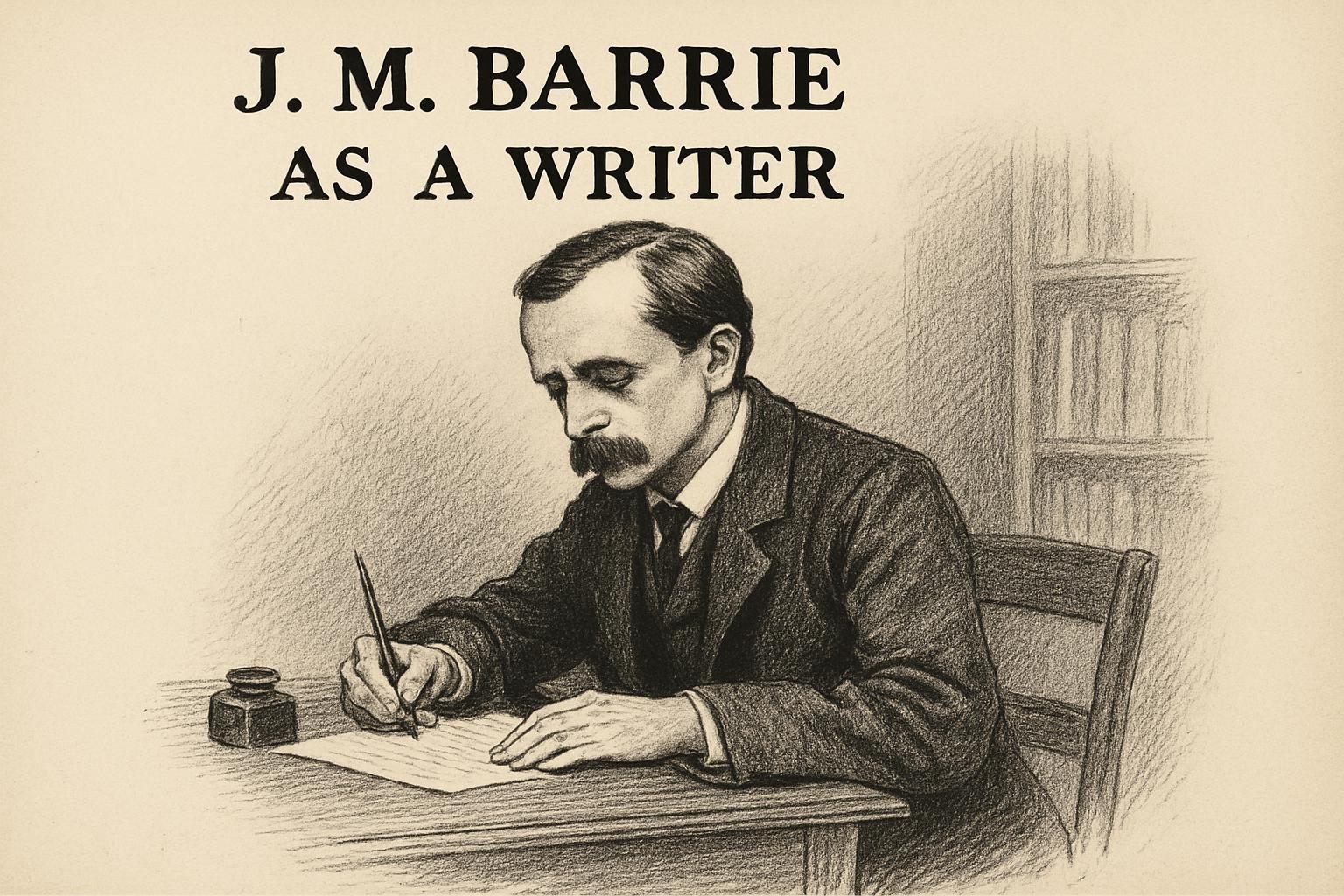
Arnold Bennett as a Writer of Edwardian Period: https://englishlitnotes.com/2025/08/26/arnold-bennett-as-a-writer/
For grammar lessons, visit ChatGPT to explore the platform and interact with the AI: https://chat.openai.com
For English and American literature and grammar, visit Google: https://www.google.com
James Matthew Barrie: https://www.britannica.com/biography/J-M-Barrie
Discover more from Naeem Ullah Butt - Mr.Blogger
Subscribe to get the latest posts sent to your email.