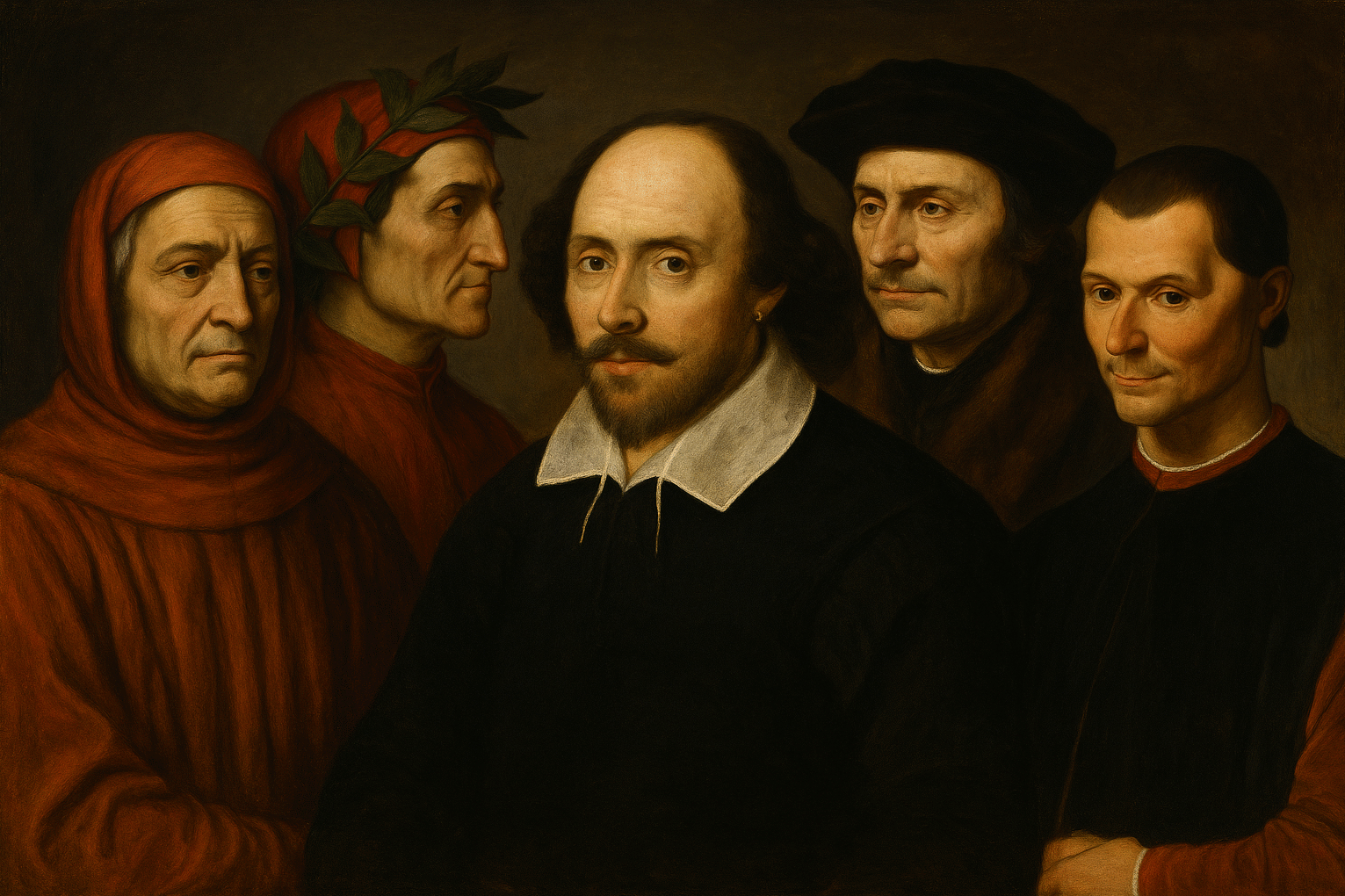
1. Introduction: Unveiling Humanity’s Insatiable Hunger
The role of avarice in Dance of the Seven Deadly Sins exposes humanity’s endless hunger for wealth and control. Avarice never stays silent; it corrupts the moral sense and twists ambition into obsession. Moreover, the sin binds desire to endless dissatisfaction, turning material gain into spiritual emptiness. Thus, the dance reveals greed’s seductive rhythm, masking decay beneath elegance. Clearly, every motion reflects internal decay, for avarice corrupts even noble intent. In this performance, moral weakness becomes artistic form, illustrating how wealth enslaves rather than frees. Therefore, the poet unveils a warning through movement and song. Each gesture captures temptation’s power to dominate conscience. Ultimately, the role of avarice in Dance of the Seven Deadly Sins reminds audiences that unchecked greed blinds virtue and replaces contentment with insatiable longing.
2. Avarice as Moral Blindness: The Distortion of Spiritual Sight
In the dance, avarice dims judgment and blurs spiritual sight. The dancer’s eyes chase glittering illusions rather than truth, showing moral blindness through artful deceit. Moreover, each movement hides sincerity behind the mask of prosperity. Consequently, virtue fades, and the self loses balance. Through repetition, the poet illustrates how greed becomes habit, and habit becomes identity. Additionally, the rhythm’s quick turns symbolize the restless heart, constantly seeking but never finding peace. Therefore, the role of avarice in Dance of the Seven Deadly Sins connects blindness with self-deception. The dancer’s grace conceals corruption, turning beauty into moral parody. Thus, avarice thrives when vision narrows to gold alone. Ultimately, Dunbar crafts a warning. Seeing without wisdom leads to downfall. Spiritual blindness feeds the heart’s deepest hunger.
3. Greed and Human Desire: Transforming Need into Torment
Greed defines human desire’s dark core, transforming need into craving. The poet mirrors this corruption through elegant yet restless choreography. Furthermore, the dancer’s constant reaching expresses how desire never satisfies itself. Every gesture aches for more, revealing the torment of wanting beyond measure. Additionally, each rhythm grows heavier, burdened with ambition’s weight. The poet thus fuses beauty with despair, showing how greed devours contentment. Therefore, the role of avarice in Dance of the Seven Deadly Sins becomes both warning and confession. The movement’s tension shows how pursuit erases peace. Moreover, each turn of the body echoes longing’s eternal loop. Clearly, Dunbar paints a tragic picture of human yearning that knows no rest. Through this, he transforms moral philosophy into performance, translating avarice into visible human pain.
4. Wealth and Spiritual Poverty: The Irony of Material Gain
Material gain hides spiritual poverty beneath its gleam. The poet portrays this contrast through rhythmic tension and expressive stillness. Moreover, the dancer’s golden gestures conceal emptiness within. As the music swells, desire drowns conscience, proving how greed blinds the spirit. Additionally, the choreography grows increasingly mechanical, representing soulless repetition. Therefore, the role of avarice in Dance of the Seven Deadly Sins highlights how wealth destroys empathy. Each luxurious motion mirrors corruption rather than comfort. Thus, the pursuit of excess transforms vitality into lifeless form. Furthermore, Dunbar’s symbolic art reveals how external success hides moral decay. Consequently, the audience sees abundance become isolation. In this revelation, the poet transforms moral instruction into emotional spectacle, ensuring that the weight of riches feels heavier than loss itself.
5. The Dance of Endless Want: A Cycle of Frivolous Motion
Avarice dances endlessly, circling its own hunger. The rhythm rises, yet no satisfaction follows. Each movement repeats the same desire without resolution. Moreover, the dancer’s steps show obsession disguised as grace. Therefore, the poet captures a cycle of futility within aesthetic beauty. The role of avarice in Dance of the Seven Deadly Sins embodies restlessness as art. Clearly, greed spins but never lands, symbolizing spiritual exhaustion. Additionally, Dunbar aligns rhythm with moral commentary, where repetition equals entrapment. Thus, the dancer moves beautifully yet remains spiritually still. Furthermore, the tension between elegance and emptiness defines this sin’s tragic power. Through endless motion, the poet reveals stillborn progress—movement without meaning. Ultimately, the dance exposes how greed, though lively in form, drains vitality from every human pursuit.
6. Avarice and Moral Corruption: The Normalization of Excess
Avarice corrupts by normalizing excess and dulling moral awareness. Dunbar paints this sin as both charming and destructive. Moreover, the dancer’s smile hides a diseased heart. Therefore, the poet turns elegance into warning, blending beauty with menace. Each step symbolizes corruption’s silent growth. Additionally, the glittering costume reflects false purity. Clearly, the role of avarice in Dance of the Seven Deadly Sins turns temptation into spectacle. Through movement, greed disguises its decay beneath the shimmer of style. Furthermore, the poet warns that indulgence poisons integrity. Thus, the dance becomes a mirror reflecting the soul’s slow erosion. Every twirl signifies compromise, every pause whispers deceit. In conclusion, Dunbar transforms moral danger into visual rhythm. He reminds viewers that corruption rarely begins loudly. It grows through subtle desire.
7. The Illusion of Prosperity: Outer Brilliance, Inner Decay
Prosperity in the dance glitters yet deceives deeply. Each motion implies triumph while concealing inevitable decline. Moreover, the dancer’s wealth becomes a dazzling costume for emptiness. Thus, Dunbar reveals how appearance blinds genuine perception. The stage gleams, yet the heart withers within. Therefore, the role of avarice contrasts outward brilliance with inward decay. Additionally, the rhythm’s elegance conceals moral distortion. Each graceful leap symbolizes a frantic reach for approval. Furthermore, the poet reminds that illusion often governs more than truth when greed rules the soul. Consequently, the audience beholds prosperity’s hollow beauty collapsing into despair. Dunbar’s vivid imagery warns that comfort without conscience enslaves entirely. Ultimately, the glitter dims, and revelation emerges. Prosperity born from greed never brings joy. Instead, it breeds loneliness, emptiness, and quiet moral desolation.
8. Temptation’s Seductive Rhythm: The Allure of the Fall
Temptation in avarice moves with charm and captivating rhythm. Dunbar molds desire into melody, transforming moral decay into artful motion. Moreover, the dancer’s fluid grace disguises deep ethical collapse. Each elegant turn seduces conscience, proving how effortlessly greed captivates the soul. Therefore, the poet shapes performance into the living voice of temptation. Clearly, the figure of avarice embodies beauty’s power to deceive. Additionally, every musical beat becomes an invitation toward downfall. Furthermore, Dunbar’s moral craftsmanship converts seduction into warning, teaching vigilance through refined beauty. Thus, temptation’s rhythm remains alluring yet ruinous, delightful yet destructive. Consequently, the dance reveals that ruin’s beginning often feels divine. Ultimately, the audience realizes that what glitters outwardly may hide a moral abyss within the performer’s dazzling heart.
9. Avarice and Emotional Emptiness: The Void Beneath the Vault
Greed fills the world yet empties the soul. The dancer’s elegance hides an aching void within. Moreover, Dunbar’s choreography shows loneliness beneath luxury. Each movement, though smooth, reveals isolation. Therefore, the poet connects avarice with emotional starvation. The role of avarice transforms wealth into burden. Furthermore, every rhythm represents hollow abundance, where possessions multiply but peace disappears. Clearly, the poet equates craving with spiritual exhaustion. Additionally, the music’s melancholy tones deepen this emotional contrast. Thus, Dunbar invites sympathy, not condemnation, showing greed’s victims as tragic, not purely evil. Consequently, the audience senses compassion amid criticism. Ultimately, the dance teaches that fulfillment cannot be bought. True wealth lives in balance, gratitude, and the quiet heart of simplicity.
10. Avarice and Moral Consequence: The Inescapable Shadow
Every sin carries consequence, yet greed bears the greatest weight. Dunbar reveals how desire transforms into destruction through rhythmic storytelling. Moreover, each graceful gesture progresses toward collapse. The dancer’s fall within beauty’s frame symbolizes inevitable moral punishment. Therefore, the role of avarice fuses aesthetics with ethics seamlessly. Additionally, the poet ensures that consequence feels natural, not imposed. Each repetition reflects inner decay, proving greed devours itself entirely. Furthermore, the audience perceives fallibility disguised by elegance. Clearly, the message holds timeless truth—every gain rooted in excess ends in loss. Thus, Dunbar’s dance of avarice becomes a sermon in motion, warning all who chase abundance blindly. His performance ultimately connects poetry and morality. It reminds us that consequence follows desire as faithfully as a shadow follows light. It is unavoidable, enduring, and just.
11. The Mirror of Selfishness: The Isolation of Greed
Avarice reflects selfishness like a mirror of moral distortion. Each glance at wealth deepens vanity and blinds compassion. Moreover, the dancer’s gaze turns inward, ignoring others’ pain. Therefore, Dunbar turns performance into psychological study. The rhythm mimics heartbeat, echoing greed’s possessive pulse. Furthermore, every elegant motion emphasizes self-absorption disguised as beauty. The role of avarice reveals how self-love mutates into obsession. Additionally, Dunbar teaches that selfishness erases empathy, turning humanity into shadow. Clearly, every step away from generosity becomes a fall from grace. Thus, the performance warns that self-centered desire isolates completely. Consequently, the audience recognizes reflection as prison, not pride. Ultimately, the poet uses art to expose inner captivity, showing that obsession with wealth kills both mercy and shared joy.
12. The Fall of Integrity: Compromise and Moral Decay
Integrity collapses when avarice dominates will. The dancer’s body sways between grace and deceit. Moreover, Dunbar choreographs moral struggle into movement, illustrating weakness through rhythm. Each gesture betrays conscience, yet beauty persists. Therefore, temptation feels persuasive, not crude. The poet shows how greed seduces the honorable mind. Additionally, the repetition of reaching hands symbolizes compromise and moral decay. Furthermore, the role of avarice warns that losing integrity begins with small concessions. Clearly, Dunbar’s art transforms spiritual erosion into visual truth. Thus, the audience feels sympathy yet understands blame. Consequently, every fall becomes lesson and lament. Ultimately, the poet teaches that character collapses quietly before ruin appears loud. Through this subtle warning, Dunbar immortalizes moral vigilance as both discipline and defense.
13. The Bondage of Possession: Control as Captivity
Possession enslaves the spirit under the guise of achievement. The dancer grasps treasure yet forfeits freedom. Moreover, Dunbar portrays ownership as illusion, where control transforms into captivity. Each movement tightens like a chain, reflecting inner fear and unrest. Therefore, the poet equates possession with elegant imprisonment. Furthermore, the rhythm slows deliberately, symbolizing burden instead of delight. Clearly, the role of avarice connects ownership to sorrow. Additionally, Dunbar exposes how wealth commands the possessor, not the other way around. Thus, liberty dissolves when material desire dictates every motion. Consequently, the dancer’s art grows confined, beautifully mirroring spiritual bondage. Ultimately, the poet’s vision affirms that peace arises through release, not acquisition. Through this timeless truth, he blends moral philosophy with artistry. He shows that strength blooms in letting go. Grasping breeds endless weakness.
14. Isolation and Emotional Ruin: The Final Gift of Greed
Avarice breeds isolation even among crowds. The dancer glows alone beneath light, untouched by warmth. Moreover, Dunbar’s choreography captures emptiness in graceful solitude. Each step distances rather than connects. Therefore, wealth replaces companionship with quiet despair. Additionally, the music grows colder, echoing emotional starvation. Furthermore, the role of avarice portrays loneliness as sin’s final gift. Clearly, the poet exposes that prosperity without empathy destroys intimacy. Thus, Dunbar turns art into moral revelation, blending pathos with critique. Consequently, the audience witnesses beauty become desolation, luxury become silence. Ultimately, Dunbar’s creative rhythm shows that separation, not satisfaction, defines greed’s legacy. Through emotional ruin, he warns that love cannot survive possession, and only generosity restores the harmony that selfishness shatters completely.
15. The Paradox of Plenty: Having Nothing When You Have Everything
Having everything often means having nothing real. Dunbar reveals this paradox through movement and metaphor. Moreover, the dancer’s overflowing hands tremble with emptiness. Therefore, abundance disguises deficiency. Each rhythm’s richness hides spiritual poverty. Additionally, Dunbar connects beauty with deception, proving that prosperity without purpose collapses inward. Clearly, the role of avarice exposes wealth’s irony. Furthermore, the choreography turns fullness into fatigue, grace into burden. Thus, Dunbar’s moral vision thrives on contrast—appearance versus essence, possession versus peace. Consequently, the audience perceives truth beneath illusion. Ultimately, the poet concludes that true riches require restraint, not accumulation. Through elegant irony, Dunbar transforms philosophy into motion. This ensures the lesson endures. The more one hoards, the less one holds. As a result, joy fades.
16. Transformation through Realization: The Turning Point of Awareness
Realization transforms greed into awareness. The dancer pauses mid-motion, finally confronting emptiness. Moreover, Dunbar captures awakening through sudden stillness. Each silence feels louder than rhythm. Therefore, recognition marks the turning point toward redemption. Additionally, the poet turns moral discovery into visible emotion. Furthermore, the role of avarice shifts from warning to reflection. Clearly, Dunbar believes realization redeems folly through consciousness. Thus, the dance becomes meditation, not merely critique. Consequently, the audience senses hope emerging from despair. Ultimately, the poet shows that transformation begins within perception. Through awareness, even greed’s victims may rise renewed. Hence, art fulfills moral duty—teaching through beauty, reforming through rhythm, and saving through insight. Dunbar’s genius ensures that knowledge itself becomes the first act of salvation.
17. Repentance and Inner Freedom: The Restoration of Grace
Repentance frees the dancer from greed’s shadow. Moreover, Dunbar transforms confession into motion, blending guilt with beauty. Each movement, therefore, becomes a step toward forgiveness. Furthermore, rhythm regains harmony through surrender and humility. Additionally, the poet reveals liberation as simplicity rediscovered through grace. Clearly, the role of avarice concludes not in despair but in renewal. Hence, repentance replaces punishment with inner healing shaped through art. Through expressive rhythm, Dunbar turns morality into visible poetry. Consequently, the audience witnesses redemption unfolding in motion. Moreover, grace arises through awareness and self-truth. Therefore, each gesture symbolizes rebirth. Ultimately, Dunbar’s moral vision celebrates recovery through recognition. Every fall transforms into wisdom’s ascent. Each confession restores light to the heart. Through repentance, the poet merges ethics with artistry. This proves that even sin, when understood, becomes the seed of redemption. It also leads to peace.
18. Renewal and Moral Awakening: The Ascendancy of Virtue
Renewal follows confession like dawn after night. Dunbar symbolizes this awakening through rising tempo and expanding movement. Moreover, the dancer’s gestures soften, revealing restored purity. Therefore, avarice fades, replaced by balance. Each rhythm now flows freely, unburdened by greed. Additionally, Dunbar’s choreography celebrates moral awakening through vibrant grace. Furthermore, the role of avarice completes its journey from corruption to clarity. Clearly, the poet equates forgiveness with freedom. Thus, the dance ends not in darkness but redemption. Consequently, the audience witnesses art become moral triumph. Ultimately, Dunbar’s creative power lies in transformation—turning sin into lesson, struggle into peace. Through renewal, he celebrates the soul’s resilience, reminding humanity that redemption is not granted but earned through constant self-awareness.
19. The Dance as Universal Allegory: Shared Humanity and Vice
The entire performance stands as universal allegory. Dunbar’s dancers embody all humanity, not isolated sinners. Moreover, greed symbolizes every unchecked desire. Therefore, avarice reflects collective weakness, not personal flaw. Each movement transcends individuality, expressing timeless moral rhythm. Additionally, the poet unites art and ethics into one grand vision. Furthermore, the role of avarice teaches humility through shared recognition. Clearly, Dunbar’s universal message uplifts rather than condemns. Thus, the performance encourages reflection beyond judgment. Consequently, the audience feels part of the moral story, not mere spectators. Ultimately, the dance transforms into collective confession, reminding all that vice unites as much as virtue divides. Through this unity, Dunbar redefines morality as shared responsibility and beauty as the expression of truth.
20. Artistic Purpose and Moral Vision: Fusing Ethics and Aesthetics
Dunbar’s art unites entertainment with profound moral reflection. Moreover, each rhythm, movement, and phrase carries deliberate ethical weight. Beauty, therefore, exists not for vanity but for vision. Furthermore, every artistic choice becomes conscience translated into motion. Additionally, emotion deepens understanding rather than distracting from truth. Clearly, the role of avarice confirms that aesthetics can instruct. Hence, Dunbar dissolves boundaries between pleasure and principle. Through this harmony, performance transforms into philosophy expressed through rhythm. Consequently, the audience departs wiser, sensing the union of joy and justice. Moreover, Dunbar shows that poetry and morality pulse together. Each motion teaches while every cadence redeems. Therefore, his creative mastery blends craft with conscience seamlessly. Ultimately, the poet redefines beauty as moral awakening. It enlightens perception, reforms desire, and guides the heart toward spiritual order and enduring human balance.
21. Conclusion: The Final Role of Avarice in Dance of the Seven Deadly Sins
In conclusion, the dance transforms greed into revelation and wisdom. Dunbar’s poetic vision unites morality, rhythm, and art seamlessly. Moreover, the final gesture symbolizes release from inner bondage. Each motion expresses triumph over desire and illusion. Therefore, avarice becomes enlightenment, not condemnation. Additionally, the poet reminds that reflection always precedes reform. Furthermore, the role of avarice in Dance of the Seven Deadly Sins confirms that self-awareness restores lost dignity. Clearly, Dunbar transforms performance into sermon and beauty into moral insight. Thus, the moral dance concludes where understanding begins. Consequently, the audience departs awakened, seeing their reflection within every graceful warning. Moreover, the choreography teaches restraint through revelation. Therefore, the poet’s art endures as a timeless moral guide. Ultimately, his rhythm captures humanity’s eternal conflict between desire and virtue. This ensures that avarice remains both a caution and redemption for all.
22. Summary: The Role of Avarice in Dance of the Seven Deadly Sins
The complex choreography by Dunbar portrays avarice through vivid and striking imagery. Moreover, it becomes a complete artistic study of materialism’s spiritual peril. Each movement within the performance mirrors humanity’s struggle between greed and grace. Furthermore, the dancer’s journey reveals transformation—from opulent blindness to humble awareness. Therefore, the sin appears not merely personal but deeply social. Additionally, Dunbar shows how avarice corrodes peace, compassion, and integrity. Clearly, the poet fuses artistic elegance with ethical purpose. Hence, the role of avarice in Dance of the Seven Deadly Sins becomes profoundly instructive. Through moral rhythm, Dunbar turns spectacle into spiritual reflection. Consequently, vice transforms into a path toward virtue and balance. Moreover, the dance embodies humanity’s enduring potential for renewal. Ultimately, this union of beauty and wisdom secures the poem’s timeless significance, proving that moral art forever enlightens the heart.
Role of Lust in Dance of the Seven Deadly Sins by William Dunbar: https://englishlitnotes.com/2025/10/20/role-of-lust-in-dance-of-the-seven-deadly-sins/
To read William Dunbar’s Poetry, follow the link: https://www.poetryfoundation.org/poets/william-dunbar
Discover more from Naeem Ullah Butt - Mr.Blogger
Subscribe to get the latest posts sent to your email.