1. Introduction: The Destructive Pleasure of Excess
The role of gluttony in Dance of the Seven Deadly Sins expresses the destructive pleasure of excess. It portrays appetite as moral imbalance and spiritual emptiness. Moreover, Dunbar transforms hunger into a rhythmic warning. Clearly, the poet dramatizes human weakness through indulgent motion. Therefore, the dancer’s exaggerated gestures symbolize waste. Furthermore, rhythm mirrors overconsumption’s chaos. Each step reflects craving beyond necessity. Besides, gluttony’s laughter conceals despair. Hence, the dance exposes greed’s twin in appetite. Dunbar turns the stage into a banquet of moral decay. Consequently, the audience confronts sin disguised as celebration. Through vivid movement, the poet condemns uncontrolled desire. Ultimately, the dance becomes a mirror of moral disorder. The performance shows that joy without moderation leads to ruin. Therefore, through rhythmic art, Dunbar unites beauty and warning against appetite ruling reason and corrupting divine balance within the human soul.
2. Excess as Inner Hunger: Spiritual Starvation Beneath Abundance
Dunbar portrays gluttony not as simple eating but spiritual starvation. Moreover, he reveals emptiness within abundance. Therefore, excess becomes proof of lost purpose. Each gesture exaggerates craving, not nourishment. Clearly, the poet equates fullness with void. Furthermore, rhythm quickens as appetite grows. The dancer’s motion reflects restlessness without satisfaction. Besides, Dunbar uses sound to mimic the urgency of desire. Hence, repetition mirrors endless hunger. Through this imagery, the poet reveals consumption’s futility. Consequently, pleasure turns into burden. Moreover, excess transforms blessing into bondage. The dance thus becomes a confession of craving. Therefore, Dunbar exposes a deeper hunger for meaning. Each movement expresses moral emptiness disguised as joy. Ultimately, the sin teaches that spiritual satisfaction lies in restraint, not indulgence, and that true strength resides within controlled desire rather than relentless pursuit of satisfaction.
3. Symbolic Rhythm of Appetite: Moral Imbalance in Motion
The rhythm of gluttony pulses with noisy delight. Moreover, Dunbar uses tempo to reveal moral imbalance. Therefore, the dancer’s quick turns signify uncontrolled craving. Each exaggerated motion mirrors the greed of the flesh. Furthermore, rhythm becomes a sermon through sound. Clearly, the poet transforms appetite into audible sin. Besides, gluttony’s dance disturbs the harmony of others. Hence, excessive movement becomes moral noise. Through performance, Dunbar translates appetite into chaos. Consequently, the stage reflects the disorder of the soul. Moreover, repetition increases tension between joy and shame. Therefore, rhythm itself teaches moderation. Each beat warns against domination by desire. The poet unites motion and meaning flawlessly. Ultimately, gluttony’s rhythm becomes a mirror of the heart chasing pleasure without peace, proving that excess destroys harmony and poisons the quiet rhythm of virtue itself.
4. Physicality and Spiritual Disorder: The Corruption of Unity
Dunbar connects body and spirit through dance. Moreover, gluttony distorts this unity. Therefore, the dancer’s exaggerated gestures represent bodily worship. Clearly, motion replaces devotion. Furthermore, Dunbar’s imagery exposes indulgence as spiritual betrayal. Each movement glorifies appetite over reason. Besides, the poet contrasts sacred discipline with physical greed. Hence, the body becomes an altar of excess. Through choreography, Dunbar expresses faith corrupted by desire. Consequently, the stage turns into a temple of temptation. Moreover, he warns that sensual delight hides spiritual decay. Therefore, balance defines morality. Each gesture reveals the consequence of indulgence without thought. The role of gluttony in Dance of the Seven Deadly Sins becomes visible through this transformation of faith into festivity. Ultimately, Dunbar’s art exposes joy without holiness as illusion, urging humanity toward harmony between spirit, body, and sacred moderation.
5. Contrast with Temperance: Defining Virtue Through Comparison
Dunbar pairs gluttony against its opposite, temperance. Moreover, he builds moral contrast through rhythm. Therefore, moderation dances gracefully while excess moves wildly. Each step becomes an ethical dialogue. Clearly, the poet teaches virtue through balance. Furthermore, he composes harmony from restraint. Besides, the contrast magnifies the sin’s distortion. Hence, gluttony’s laughter becomes a tragic echo. Through choreography, Dunbar defines ethics through comparison. Consequently, the stage displays two sides of humanity. Moreover, rhythm unites difference into moral reflection. Therefore, virtue gains strength beside vice. Each pause between dancers signifies choice. The poet’s art thus becomes a mirror of self-control. Ultimately, Dunbar reveals that temperance restores the music of conscience, while gluttony silences divine rhythm through chaotic pleasure and restless craving disguised as happiness.
6. The Joy that Corrupts: Pleasure Decaying into Pain
Gluttony’s joy begins bright but ends empty. Moreover, Dunbar portrays pleasure decaying into pain. Therefore, laughter becomes a symbol of moral blindness. Each excessive gesture conceals guilt. Furthermore, rhythm slows after indulgence. Clearly, the poet connects satisfaction to sorrow. Besides, gluttony’s celebration collapses into fatigue. Hence, the dance transforms delight into warning. Through his art, Dunbar turns pleasure into tragedy. Consequently, every movement speaks of waste. Moreover, repetition emphasizes the futility of endless consumption. Therefore, the poet exposes joy without gratitude. Each gesture mirrors hunger for sensation over meaning. Ultimately, the dancer’s collapse becomes a moral climax. Dunbar’s structure reveals that pleasure lacking purpose corrupts soul, body, and faith together, replacing divine joy with restless emptiness and momentary illusion of satisfaction.
7. Moral Blindness of Excess: Appetite Consuming Conscience
Excess blinds conscience completely. Moreover, Dunbar paints the dancer unaware of decay. Therefore, indulgence becomes blindness disguised as joy. Each overblown gesture hides ignorance. Furthermore, rhythm intensifies confusion. Clearly, the poet uses noise to symbolize moral chaos. Besides, gluttony numbs awareness through pleasure. Hence, the stage glitters with false light. Through performance, Dunbar reveals sin’s disguise. Consequently, the audience witnesses joy masking judgment. Moreover, repetition of movements mirrors addiction. Therefore, desire repeats until awareness fades. Each step replaces thought with thrill. The role of gluttony in Dance of the Seven Deadly Sins manifests here through the blindness of appetite. Ultimately, the poet warns that pleasure without perception leads to destruction, where satisfaction consumes conscience and indulgence silences every inner cry for meaning.
8. Social Reflection of Indulgence: Communal Vice
Dunbar extends gluttony’s reach to society. Moreover, he treats it as communal vice. Therefore, collective excess mirrors moral decline. Each feast symbolizes social neglect. Furthermore, rhythm expands into crowd movement. Clearly, Dunbar warns that shared pleasure destroys discipline. Besides, gluttony feeds selfishness across communities. Hence, public indulgence becomes cultural decay. Through imagery, he connects appetite to inequality. Consequently, the dance reflects human greed spreading socially. Moreover, repetition reveals habit forming through comfort. Therefore, Dunbar’s choreography becomes social criticism. Each motion questions wealth without morality. Ultimately, he warns that pleasure multiplied becomes oppression. Through rhythmic unity, the poet urges responsibility within abundance. The message becomes timeless: shared restraint preserves harmony, while collective indulgence devours justice, compassion, and moral rhythm together.
9. Waste as a Moral Image: The Cost of Overconsumption
Waste defines gluttony’s destruction. Moreover, Dunbar transforms excess into visible loss. Therefore, each gesture represents something thrown away. Clearly, appetite wastes energy, time, and virtue. Furthermore, rhythm slows under the weight of repetition. Besides, gluttony consumes more than food—it devours meaning. Hence, the poet links consumption to emptiness. Through imagery, he shows abundance becoming burden. Consequently, the stage overflows with symbols of waste. Moreover, the audience senses the fatigue of overindulgence. Therefore, Dunbar transforms beauty into decay. Each movement becomes a sermon on misuse. The poet insists that value demands awareness. Ultimately, gluttony teaches that excess kills gratitude and replaces joy with despair.
10. Greed’s Twin Sin: Appetite and Hoarding United
Gluttony and greed walk together in Dunbar’s rhythm. Moreover, both chase satisfaction endlessly. Therefore, the poet unites them in moral design. Clearly, appetite becomes greed’s reflection. Furthermore, repetition joins hunger and hoarding. Besides, Dunbar shows both vices feeding each other. Hence, overconsumption mirrors endless desire. Through the dance, he demonstrates sin’s network. Consequently, gluttony becomes greed’s physical form. Moreover, rhythm reveals craving without boundary. Therefore, moderation separates virtue from ruin. Each step contrasts need and want. Ultimately, Dunbar exposes how both sins destroy harmony—one through possession, the other through consumption, both erasing gratitude and divine proportion.
11. Emptiness After Indulgence: Silence Following Excess
After indulgence comes emptiness. Moreover, Dunbar presents silence following excess. Therefore, the dancer’s energy collapses into fatigue. Each motion slows into stillness. Furthermore, rhythm fades as appetite dies. Clearly, the poet transforms satisfaction into sorrow. Besides, gluttony drains vitality instead of restoring it. Hence, exhaustion symbolizes moral consequence. Through this quiet ending, Dunbar warns against fleeting pleasure. Consequently, joy becomes temporary and hollow. Moreover, the absence of rhythm exposes the truth behind indulgence. Therefore, gluttony becomes its own punishment. Each gesture reveals that pleasure without purpose leaves a void within the spirit. Ultimately, the poet portrays fulfillment as illusion. Through artful irony, Dunbar teaches that endless craving never nourishes the soul but only deepens despair masked as joy.
12. Transformation Through Awareness: The Path to Spiritual Cleansing
Awareness redeems the sinner. Moreover, Dunbar believes realization restores harmony. Therefore, recognition of excess becomes moral awakening. Each pause during the dance symbolizes reflection. Furthermore, rhythm shifts toward balance. Clearly, the poet connects wisdom to restraint. Besides, repentance begins when indulgence feels empty. Hence, awareness marks the turning point. Through motion, Dunbar displays moral recovery. Consequently, rhythm regains grace and proportion. Moreover, the dancer’s renewed control embodies rebirth. Therefore, awareness transforms appetite into understanding. Each movement reflects discipline returning to the spirit. Ultimately, Dunbar’s vision offers hope beyond excess. The role of gluttony in Dance of the Seven Deadly Sins gains deeper meaning here. It proves that knowledge of sin leads to spiritual cleansing through mindful moderation.
13. Gluttony’s Emotional Symbolism: Laughter and Regret
Dunbar attaches emotion to every gesture deliberately. Moreover, gluttony’s rhythm overflows with laughter and regret constantly. Therefore, the dance becomes emotional confession for the soul. Each motion expresses joy mixed with pain continuously. Furthermore, the poet uses exaggeration to reveal inner truth effectively. Clearly, feeling replaces speech with symbolic movement. Besides, emotion mirrors excess perfectly and vividly. Hence, delight shifts into sorrow naturally through expressive rhythm. Through intense movement, Dunbar captures inner struggle completely. Consequently, rhythm becomes the voice of conscience and desire. Moreover, repetition magnifies guilt and hunger together strikingly. Therefore, emotional tone deepens moral insight consistently. Additionally, gestures turn pleasure into repentance meaningfully. Each rise and fall symbolizes conflict between pleasure and restraint dramatically. Ultimately, the poet proves that emotion exposes moral reality more powerfully than words ever could, emphasizing repentance through passionate movement.
14. The Banquet as Allegory: Temptation’s Charm
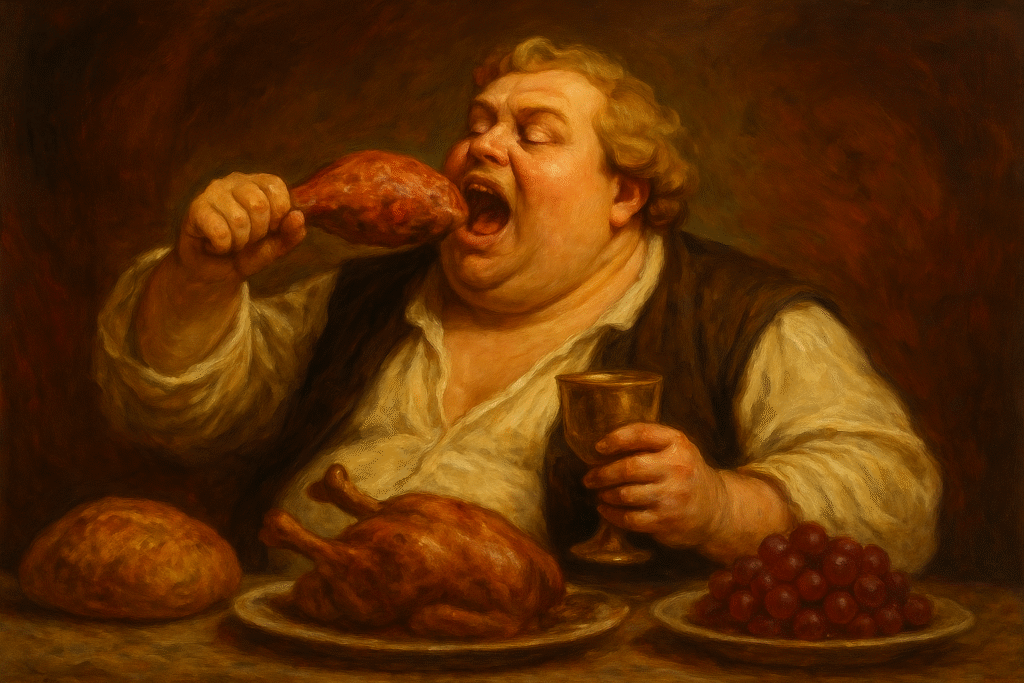
The stage becomes a moral feast entirely. Moreover, Dunbar fills it with abundant imagery of food. Therefore, gluttony’s table symbolizes the world itself meaningfully. Each dish reflects temptation’s charm and danger simultaneously. Furthermore, rhythm imitates chewing and swallowing vividly. Clearly, the poet dramatizes moral appetite through vision and sound. Besides, abundance hides spiritual famine cleverly. Hence, the banquet becomes an allegory of humanity’s weakness. Through rich imagery, Dunbar unites taste with teaching perfectly. Consequently, every bite represents conscious moral choice deeply. Moreover, gluttony’s greed mirrors universal weakness repeatedly. Therefore, he transforms eating into an enduring lesson about excess. Additionally, each act becomes a symbol of surrender and desire. Thus, physical pleasure converts into spiritual loss gradually. Ultimately, the banquet exposes the moral truth that overindulgence devours the heart before it consumes the body completely.
15. Decay Beneath Celebration: The Funeral of Purity
Beneath laughter, Dunbar hides decay carefully. Moreover, gluttony’s joy conceals the death of virtue completely. Therefore, rhythm masks collapse beneath false delight effectively. Each beat pulses with inner deceit constantly. Furthermore, motion grows heavy through endless excess. Clearly, the poet portrays beauty fading into ugliness gradually. Besides, color turns dull as greed spreads uncontrollably. Hence, the dance becomes the silent funeral of purity. Through sharp irony, Dunbar contrasts outer happiness with inner loss profoundly. Consequently, the audience perceives truth slowly yet painfully. Moreover, repetition intensifies the overwhelming sense of doom. Therefore, the stage transforms into a graveyard of moderation symbolically. Additionally, each gesture reveals the body consumed by its craving. Thus, pleasure converts into punishment swiftly. Ultimately, Dunbar demonstrates that sin destroys itself from within and that indulgence always ends where emptiness begins inevitably.
16. Mirror of Human Weakness: Collective Frailty
The role of gluttony in Dance of the Seven Deadly Sins reflects human frailty profoundly. Moreover, Dunbar uses it as a universal mirror of weakness. Therefore, every movement reveals flaws shared by all people equally. Each dancer becomes humanity itself completely. Furthermore, rhythm unites individuals in collective confession deeply. Clearly, the poet generalizes moral experience through vivid performance. Besides, indulgence links body, mind, and spirit harmoniously. Hence, the dance mirrors real temptation and spiritual imbalance. Through performance, Dunbar universalizes appetite’s powerful pull effortlessly. Consequently, the audience recognizes its own moral reflection vividly. Moreover, rhythm transforms entertainment into an ethical mirror entirely. Therefore, gluttony transcends the stage meaningfully. Additionally, each step symbolizes the endless struggle for balance. Ultimately, the poet redefines morality through art gracefully. Thus, sin unites all souls under shared vulnerability and divine possibility of repentance simultaneously.
17. Conflict Between Desire and Discipline: Ethical Warfare
Desire battles discipline in Dunbar’s choreography powerfully. Moreover, tension drives motion throughout the dance continuously. Therefore, rhythm captures the endless struggle between freedom and restraint clearly. Each movement oscillates between chaos and control naturally. Furthermore, gluttony personifies temptation in human form vividly. Clearly, the poet dramatizes ethical warfare through kinetic imagery. Besides, motion transforms moral conflict into a compelling visual story effectively. Hence, every gesture reflects inner resistance and yearning simultaneously. Through shifting tempo, Dunbar translates temptation into expressive rhythm beautifully. Consequently, the dancer embodies both sinner and redeemer symbolically. Moreover, harmony returns only when discipline finally prevails. Therefore, order conquers appetite through moral grace completely. Additionally, each step becomes a radiant symbol of triumph over craving. Ultimately, Dunbar’s art celebrates the victory of will guided by wisdom against the tyranny of indulgent desire eternally.
18. Moral Music of the Dance: Conscience’s Voice
Music amplifies meaning profoundly. Moreover, Dunbar composes rhythm as a moral sermon deliberately. Therefore, melody transforms appetite into a spiritual lesson gracefully. Each tone echoes desire’s magnetic pull clearly. Furthermore, repetition creates the gentle hypnosis of pleasure continuously. Clearly, the poet uses sound to teach restraint effectively. Besides, harmony collapses under the burden of excess naturally. Hence, dissonance reflects deep moral imbalance audibly. Through shifting tempo, Dunbar exposes corruption within joy precisely. Consequently, music becomes the true voice of conscience powerfully. Moreover, recovery appears through a gradual return to divine order. Therefore, melody symbolizes repentance and redemptive grace together. Additionally, each rhythm mirrors inner transformation meaningfully. Thus, the musical pattern reveals a complete moral cycle beautifully. Ultimately, it shows how beauty corrects error faithfully and demonstrates how harmony restores virtue through spiritual awareness eternally.
19. Divine Order Versus Carnal Chaos: The Sacred Symmetry
Dunbar contrasts heaven’s balance with human disorder vividly. Moreover, gluttony breaks divine rhythm deliberately. Therefore, appetite disrupts sacred symmetry entirely. Each excessive motion challenges creation’s perfect design profoundly. Furthermore, chaos replaces cosmic grace completely. Clearly, the poet moralizes through structure and movement simultaneously. Besides, he unites theology with expressive art harmoniously. Hence, the stage becomes a miniature moral universe beautifully. Through striking imagery, Dunbar translates sin into symbolic movement effectively. Consequently, divine harmony appears painfully distant. Moreover, moderation gradually brings spiritual restoration. Therefore, order signifies redemption and renewal alike. Additionally, each controlled gesture echoes heaven’s eternal pattern clearly. Thus, rhythm becomes both discipline and devotion together. Ultimately, Dunbar contrasts sacred harmony with sinful turmoil convincingly. He teaches that only disciplined restraint harmonizes body and soul with divine balance eternally. This preservation of moral beauty is achieved through spiritual awareness forever.
20. Repentance and Renewal: The Restoration of the Soul
Repentance renews rhythm entirely and beautifully. Moreover, Dunbar connects apology to spiritual rebirth profoundly. Therefore, gluttony’s fall becomes preparation for divine grace completely. Each motion softens into humility gracefully. Furthermore, the tempo slows into reflective calm gradually. Clearly, the poet transforms excess into radiant enlightenment meaningfully. Besides, rhythm rebuilds harmony within the awakened spirit harmoniously. Hence, balance returns through heartfelt sorrow genuinely. Through the dancer’s transformation, Dunbar displays visible moral evolution perfectly. Consequently, the stage brightens with luminous hope steadily. Moreover, renewal replaces ruin convincingly. Therefore, the sinner becomes a radiant symbol of growth. Additionally, each gesture now celebrates moral moderation joyfully. Thus, art expresses redemption through movement entirely. Ultimately, the poet completes the full moral cycle beautifully. Appetite is conquered. The soul is restored. The dance turns into a hymn of gratitude, peace, and divine awareness eternally.
21. Conclusion: The Enduring Role of Gluttony in Dance of the Seven Deadly Sins
In conclusion, the role of gluttony in Dance of the Seven Deadly Sins is important. It clearly shows the moral tension between hunger and holiness. Moreover, Dunbar unites movement, music, and meaning beautifully. Therefore, the dance becomes ethical scripture written through rhythmic expression gracefully. Each motion teaches the lasting consequence of indulgence vividly. Furthermore, repetition deepens moral clarity and emotional awareness continually. Clearly, the poet elevates physical art into a spiritual message profoundly. Besides, his choreography defines sin as imbalance and excess together. Hence, gluttony represents disorder in all its tempting forms universally. Through the dancer’s fall and recovery, Dunbar teaches moderation sincerely. Consequently, his moral art transcends time effortlessly. Moreover, the poem still warns modern hearts meaningfully. Therefore, its rhythm remains a timeless mirror of humanity. Ultimately, Dunbar reveals that moral beauty blooms through self-control, faith, and divine harmony eternally.
22. Summary: The Role of Gluttony in Dance of the Seven Deadly Sins
Dunbar uses gluttony in Dance of the Seven Deadly Sins as a profound allegory of human weakness. Moreover, it symbolizes all forms of overconsumption—food, pleasure, and sensation alike. Therefore, the thematic journey of the gluttonous dancer unfolds from chaotic excess to disciplined renewal completely. Each motion expresses moral awakening gradually. Furthermore, Dunbar fuses spiritual disorder with rhythmic chaos skillfully. Clearly, the poet transforms the dance into a timeless moral sermon beautifully. Besides, every gesture emphasizes the deep necessity of moderation. Hence, indulgence becomes instruction through art meaningfully. Through symbolic motion, Dunbar exposes hunger’s spiritual cost. Consequently, renewal emerges through awareness and restraint together. Moreover, the poem celebrates restoration through discipline gracefully. Therefore, harmony replaces craving through moral reflection. Ultimately, Dunbar affirms that true contentment lies not in endless appetite but in the balanced rhythm of controlled desire eternally.
Role of Sloth in Dance of the Seven Deadly Sins: https://englishlitnotes.com/2025/10/20/role-of-sloth-in-dance-of-the-seven-deadly-sins/
Sources for the Grotesque in William Dunbar’s Dance of the Seven Deadly Sins: https://open.journals.ed.ac.uk/ScottishStudies/article/download/595/621
Discover more from Naeem Ullah Butt - Mr.Blogger
Subscribe to get the latest posts sent to your email.