1. Introduction: Corrupted Passion in the Themes of Orpheus and Eurydice
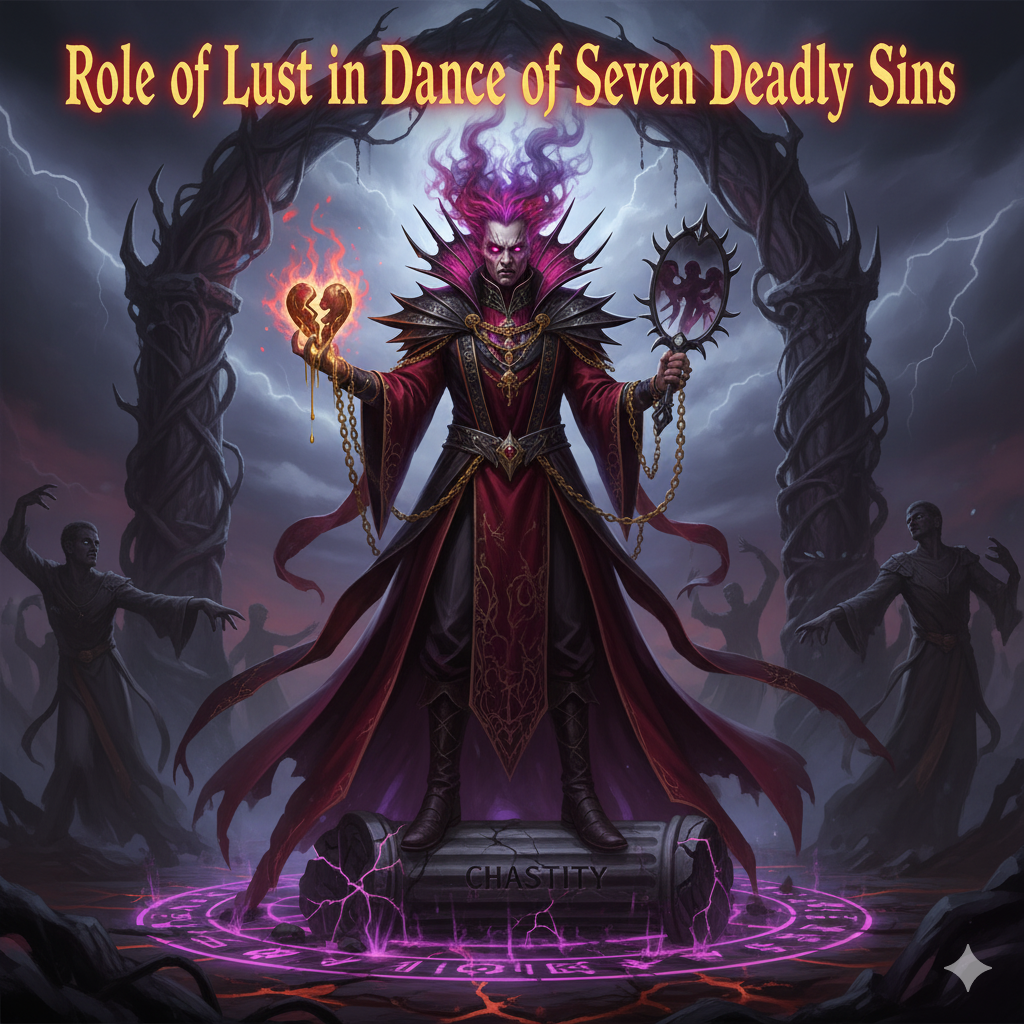
The role of lust in Dance of the Seven Deadly Sins represents corrupted passion and moral blindness. Moreover, Dunbar portrays it as the most seductive yet destructive sin. Therefore, desire appears as both beauty and ruin. Each movement glows with sensual temptation, emphasizing the theme of moral corruption. Furthermore, rhythm reflects emotional fire without direction. Clearly, the poet dramatically visualizes the body overtaking reason. Besides, lust transforms grace into excess, showcasing the destructive power of sin. Hence, the dance embodies love without truth. Through vivid imagery, Dunbar exposes how physical longing replaces spiritual connection. Consequently, pleasure masks decay. Moreover, rhythm intensifies as control vanishes. Therefore, lust becomes a symbol of human weakness through artful choreography. Each motion mirrors temptation’s pull. Ultimately, Dunbar’s portrayal shows that passion without virtue burns purity, proving that beauty ungoverned by morality destroys soul and harmony together.
2. Seduction as Movement: Choreographing Carnal Desire
Dunbar translates seduction into physical rhythm. Moreover, the dancer’s gestures breathe desire, highlighting the theme of bodily surrender. Therefore, each curve expresses hunger disguised as grace. Clearly, motion seduces both performer and audience, underscoring the universal nature of temptation. Furthermore, rhythm mirrors pulse of longing. Besides, Dunbar fuses beauty with temptation. Hence, dance becomes the visual embodiment of carnal desire. Through swift turns, he captures emotional surrender. Consequently, motion reveals a soul enslaved by the body. Moreover, the poet’s choreography dramatizes moral downfall. This is a key aspect of the role of lust in Dance of the Seven Deadly Sins. Therefore, lust’s movement symbolizes love distorted by excess. Each glance becomes a moral invitation. Ultimately, the poet transforms motion into a warning. Attraction without restraint becomes destruction cloaked in beauty. It dissolves purity into the rhythm of sin itself.
3. Emptiness of Passion: Desire Without Sacred Purpose
Lust in Dunbar’s Dance of the Seven Deadly Sins lacks sacred direction completely. Moreover, he portrays it as passion emptied of divine purpose entirely. Therefore, desire moves endlessly without destination, revealing sin’s inner futility clearly. Each gesture seeks more yet discovers nothing meaningful. Furthermore, rhythm circles back to hollow emptiness repeatedly. Clearly, the poet equates passion with restless vanity profoundly. Besides, emotion without meaning wastes energy continually. Hence, the dance becomes a luminous mirror of moral confusion vividly. Through haunting repetition, Dunbar reveals the deep captivity of craving. Consequently, joy decays into sorrow and despair slowly. Moreover, lust replaces genuine connection with shallow consumption relentlessly. Therefore, the stage becomes an arena of lost purpose symbolically. Additionally, each motion teaches a quiet lesson of restraint. Ultimately, Dunbar reminds that desire without soul breeds endless hunger instead of joy eternally.
4. Thematic Contrast: Love vs. Lust and the Moral Divide
Dunbar sharply separates sacred love from sinful lust. Moreover, he defines this moral difference through the dynamics of the dance. Therefore, love unites souls while lust divides them. Each movement clarifies this separation, emphasizing the choice between virtue and vice. Furthermore, rhythm contrasts harmony and chaos. Clearly, love creates while lust consumes. Besides, Dunbar mirrors divine affection through gentle, controlled motion. Hence, lust’s restless, chaotic energy opposes peace and stability. Through this contrast, he transforms the dance into a moral parable. Consequently, the audience perceives virtue through the demonstration of vice. Moreover, repetition intensifies the lesson of balance. Therefore, love appears eternal while lust fades. Each gesture reveals the difference between giving and taking. Ultimately, the poet declares that true affection grows through restraint, not through ungoverned desire enslaving the heart and conscience.
5. Emotional Turbulence: The Shaking of Stability by Desire
Lust shakes emotional stability entirely. Moreover, Dunbar fills the rhythm with feverish, erratic motion. Therefore, passion overwhelms reason and judgment. Each turn reflects confusion within the soul, visualizing the internal struggle with sin. Furthermore, emotion blurs thought and control. Clearly, the poet visualizes moral imbalance. Besides, the rapid tempo mirrors the urgency of craving. Hence, lust becomes an emotional storm. Through musical rhythm, Dunbar depicts the profound internal struggle. Consequently, beauty transforms into violence and disorder. Moreover, desire devours internal peace. Therefore, he shows pleasure collapsing into chaos. Each beat becomes a symbol of loss. Ultimately, the poet demonstrates that feeling without discipline breeds despair, proving that uncontrolled passion tears apart the harmony of virtue and serenity.
6. The Illusion of Beauty: Deciphering Lust’s False Glamour
Dunbar meticulously builds an illusion around lust’s deceptive charm masterfully. Moreover, surface beauty carefully conceals decay and spiritual ruin completely. Therefore, each graceful gesture hides deep corruption effectively. Clearly, rhythm disguises ruin beneath elegance, creating a haunting sense of deceit. Furthermore, the dancer’s allure deceives the audience’s moral perception cleverly. Besides, Dunbar’s art openly exposes the false glamour of sin precisely. Hence, lust appears radiant outwardly but rots within silently. Through shimmering, captivating motion, he constructs profound irony deliberately. Consequently, the audience admires destruction unknowingly. Moreover, repetition strengthens the deceit’s hypnotic power gradually. Therefore, the dance reveals beauty’s final betrayal dramatically. Additionally, each movement becomes a polished mask of vice symbolically. Ultimately, Dunbar unmasks seduction’s emptiness. He clearly teaches that allure without purity blinds conscience. This turns art into a mirror of deceitful charm eternally.
7. Body as Instrument of Sin: The Corruption of Form
The body becomes a stage of rebellion against the spirit. Moreover, Dunbar uses exaggerated movement to reveal surrender to temptation. Therefore, lust converts the divine form into a tool of temptation. Each gesture glorifies flesh over faith, emphasizing the material over the spiritual. Furthermore, rhythm celebrates the fall from grace. Clearly, the poet dramatizes the misuse of creation. Besides, excessive motion replaces moral reflection. Hence, the dance glorifies the body’s rule. Through vivid imagery, Dunbar warns against worshipping physical form alone. Consequently, sensuality transforms holiness into vanity. Moreover, repetition intensifies moral distortion. Therefore, the dancer’s physical strength signifies spiritual enslavement. Each motion reveals the loss of sacred purpose. Ultimately, Dunbar’s art teaches that the body must serve the soul, not dominate it through lust’s burning appetite.
8. Temptation and Spiritual Blindness: The Cost of Craving
Temptation blinds perception completely and dangerously. Moreover, Dunbar portrays the dancer lost in a deep sensual trance vividly. Therefore, lust erases awareness of virtue and moral boundaries entirely. Each step advances slowly toward spiritual darkness inevitably. Furthermore, rhythm accelerates both deception and hypnotic effect powerfully. Clearly, the poet dramatizes ignorance through captivating motion precisely. Besides, repetition mirrors the restless psychological state of obsession continually. Hence, temptation imprisons the conscience within its glittering illusion cruelly. Through rapid pace and intensity, Dunbar expresses total loss of control vividly. Consequently, the dancer’s beauty transforms into her silent bondage gradually. Moreover, the audience witnesses seduction’s overwhelming hypnotic power visually. Therefore, the stage becomes a moral battlefield symbolically. Additionally, each beat signifies complete spiritual surrender deeply. Ultimately, Dunbar’s art shows that pleasure’s blindness darkens not only vision but also the heart eternally.
9. Social Symbol of Corruption: Lust’s Cultural Impact
Lust extends beyond individual weakness; it infects society completely. Moreover, Dunbar portrays it spreading across hearts and corrupting communal values deeply. Therefore, shared indulgence destroys collective morals gradually. Each dancer becomes a striking symbol of cultural decline unmistakably. Furthermore, rhythm reflects widespread spiritual and moral disorder vividly. Clearly, the poet criticizes indulgence within crowds and public gatherings powerfully. Besides, he reveals pleasure as a dangerous public temptation continually. Hence, the social rhythm mirrors sin’s contagious movement exactly. Through dramatic public performance, Dunbar warns against collective moral decay passionately. Consequently, moral collapse appears beautiful outwardly yet remains spiritually hollow within. Moreover, repetition highlights the habitual nature of indulgence repeatedly. Therefore, society mirrors the stage’s alluring chaos perfectly. Additionally, each gesture condemns luxury without conscience strongly. Ultimately, Dunbar exposes how pleasure without principle weakens moral strength and faith eternally.
10. Conflict of Dualities: The War Between Heaven and Flesh
The role of lust in Dance of the Seven Deadly Sins dramatizes the war between spirit and body. Moreover, Dunbar constructs tension through contrasting elements in the rhythm and movement. Therefore, heaven’s call competes directly with flesh’s desire. Each movement contrasts prayer and passion. Furthermore, rhythm alternates dramatically between purity and corruption. Clearly, the poet expresses human duality—the existence of both the divine and the carnal within us. Besides, lust becomes the battlefield of holiness. Hence, the dancer’s internal struggle reflects a universal human conflict. Through vivid imagery, Dunbar unites theology and raw emotion. Consequently, the audience feels both attraction and moral fear. Moreover, the rhythm ends in temporary collapse. Therefore, flesh conquers spirit temporarily. Each step foreshadows the potential for repentance. Ultimately, Dunbar demonstrates divine patience, reminding that fallen beauty still carries the potential for redemption through awareness.
11. Moral Error as Spectacle: Sin as Theatrical Showmanship
Lust transforms moral error into an artful spectacle deliberately. Moreover, Dunbar subtly criticizes the audience’s fascination with alluring temptation clearly. Therefore, sin evolves into a seductive form of entertainment dangerously. Each graceful motion hides a deeper message of moral decay completely. Furthermore, rhythm dazzles the senses while corrupting judgment imperceptibly. Clearly, the poet exposes the fatal danger of beauty unchecked by ethics profoundly. Besides, glitter and glamour distract the audience’s moral awareness continually. Hence, sin’s showmanship deceives hearts effortlessly. Through theatrical exaggeration, Dunbar mirrors both social and moral hypocrisy vividly. Consequently, pleasure appears superficially righteous and praiseworthy falsely. Moreover, applause replaces necessary moral reflection instantly. Therefore, the stage becomes an altar of vanity symbolically. Additionally, each gesture praises fault subtly. Ultimately, Dunbar reminds that admiring evil strengthens it, making society complicit in glorifying corruption eternally.
12. Consequence and Regret: Emptiness After Pleasure
Pleasure fades quickly and leaves an aching void inevitably. Moreover, Dunbar portrays the physical and spiritual exhaustion that follows indulgence vividly. Therefore, rhythm slows into an expressive, haunting silence gradually. Each motion loses its original grace completely. Furthermore, beauty decays once passion’s false intensity dies entirely. Clearly, the poet transforms fleeting satisfaction into enduring regret meaningfully. Besides, repetition drains emotional strength and clarity steadily. Hence, emptiness replaces excitement without resistance. Through stark contrast, Dunbar exposes the inescapable consequence of excess powerfully. Consequently, the glow of desire turns gray and lifeless slowly. Moreover, the audience senses deep moral fatigue intensely. Therefore, lust reveals its inner spiritual hollowness truthfully. Additionally, each gesture reflects quiet decay beneath former delight visibly. Ultimately, Dunbar teaches that joy built on sin collapses, for beauty rooted in corruption dissolves into sorrow eternally.
13. Guilt as Awakening: The Pause for Conscience
Guilt awakens conscience within lust’s inevitable downfall sharply. Moreover, Dunbar presents this awakening through a meaningful pause in rhythm. Therefore, the dancer halts mid-motion deliberately. Each breath mirrors awareness returning to the conscious mind gently. Furthermore, silence interrupts the former chaos and frenzied pace dramatically. Clearly, the poet links guilt directly with enlightenment and moral clarity powerfully. Besides, emotion reshapes shame into valuable knowledge completely. Hence, repentance begins quietly within the heart’s hidden chamber. Through symbolic stillness, Dunbar conveys this essential transformation beautifully. Consequently, rhythm alters its tone and spiritual direction gracefully. Moreover, guilt becomes a wise teacher of restraint and reflection. Therefore, conscience restores morality with renewed strength. Each step after silence embodies spiritual rebirth distinctly. Ultimately, Dunbar portrays sin not as defeat but as redemption’s beginning through understanding, awareness, and sincere moral reflection.
14. The Dancer’s Transformation: Beauty Restored by Discipline
Dunbar emphasizes profound transformation through regained control. Moreover, the dancer of lust discovers self-balance and moderation. Therefore, motion evolves naturally from chaos into harmony. Each gesture gains renewed purpose, symbolizing deep spiritual healing. Furthermore, the rhythm softens into gentle grace. Clearly, the poet celebrates recovery and restored virtue. Besides, the contrast reveals the growing strength of moral awareness. Hence, discipline replaces former disorder. Through this striking transformation, Dunbar displays beauty revived through restraint. Consequently, lustful energy turns into an instrument of moral instruction. Moreover, repentance reshapes the entire meaning of art. Therefore, physical elegance attains spiritual depth. Each movement now reflects a divine and ordered rhythm. Ultimately, the poet declares that through recognition of sin, humanity regains dignity. It also restores the lost harmony between heart, body, and sacred purpose.
15. Moral Harmony Restored: Aligning Body and Soul
Harmony returns through repentance and disciplined self-control. Moreover, Dunbar builds a radiant rhythm of renewal and grace. Therefore, the dance regains its original, sacred order. Each step now embodies virtue and spiritual clarity. Furthermore, grace replaces confusion and former disarray. Clearly, the poet celebrates complete redemption. Besides, the rhythm softens into peaceful stillness. Hence, the body and soul unite through mutual reverence. Through restored balance, Dunbar completes the moral pilgrimage. Consequently, beauty recovers its first innocence. Moreover, the dancer becomes a living symbol of salvation. Therefore, lust’s destruction transforms into a lesson of renewal. Each motion redefines freedom through conscious restraint. Ultimately, the poet reveals that genuine joy arises from harmony with divine rhythm. Another source of joy is gratitude for regained purity.
16. The Symbolism of Fire: Passion’s Dual Nature
Fire symbolizes passion’s dual nature throughout the work. Moreover, Dunbar uses this image repeatedly for dramatic effect. Therefore, flame represents both creation and destruction—the power to give life or consume it. Each flicker mirrors volatile human emotion. Furthermore, the rhythm burns intensely, suggesting uncontrolled desire. Clearly, the poet visualizes the dangerous energy of desire. Besides, fire enlightens yet can quickly consume. Hence, lust burns like sacred power misused. Through this powerful imagery, Dunbar contrasts warmth with ruin. Consequently, flame becomes a potent moral metaphor. Moreover, the repetition strengthens this central symbolism. Therefore, fire embodies both warning and wonder. Each spark recalls the beauty lost to excess. Ultimately, the poet teaches that controlled passion sustains light, while unrestrained heat destroys every trace of goodness and grace.
17. The Ethical Imperative: Moral Lesson for Humanity
The role of lust in Dance of the Seven Deadly Sins reveals an eternal truth about human weakness. Moreover, Dunbar writes explicitly to awaken self-discipline in his audience. Therefore, pleasure requires conscious, constant control. Each movement teaches moral awareness. Furthermore, rhythm translates deep moral wisdom. Clearly, the poet urges mindfulness and self-reflection. Besides, the dance becomes a scripture of the body, expressing spiritual truths non-verbally. Hence, moral clarity grows through careful reflection. Through repetition, Dunbar reinforces the didactic purpose of the art. Consequently, art educates while simultaneously entertaining. Moreover, lust symbolizes life’s temptations and trials. Therefore, self-mastery defines true salvation. Each gesture reminds of consequence. Ultimately, Dunbar’s vision teaches timeless balance between desire’s flame and conscience’s guiding light.
18. Fusing Morality and Aesthetics: Connection Between Sin and Art
Dunbar masterfully fuses morality and aesthetics. Moreover, lust becomes an artistic metaphor for the human condition. Therefore, sin gains potent visual expression. Each motion beautifies the concept of moral decay. Furthermore, rhythm translates temptation into consumable art. Clearly, the poet finds artistic beauty even in the act of warning against vice. Besides, the aesthetic contrast sharpens the moral meaning. Hence, art becomes a means of redemption through reflection. Through the public performance, Dunbar merges beauty and ethics. Consequently, the audience learns moral lessons through delight and engagement. Moreover, rhythm itself becomes a form of confession and spiritual plea. Therefore, dance functions as a visual spiritual sermon. Each gesture unites truth and artistry. Ultimately, the poet proves that moral awareness perfects beauty rather than restrains it, turning temptation into wisdom.
19. Spiritual Cycle: Repentance as Redemption in the Themes of Orpheus and Eurydice
Repentance completes the moral circle of the narrative. Moreover, Dunbar ends the intense rhythm in humility and peace. Therefore, the dancer of lust bows before grace and spiritual truth. Each slow, final step symbolizes spiritual rebirth and renewal. Furthermore, silence replaces the prior noise and chaos. Clearly, the poet connects confession directly to peace and forgiveness. Besides, the rhythm softens into a note of acceptance and forgiveness. Hence, harmony returns fully to the dancer’s form. Through this gentle conclusion, Dunbar offers a powerful message of hope. Consequently, lust transforms into a difficult path toward ultimate understanding. Moreover, the stage glows with calm and resolution. Therefore, redemption redeems beauty itself. Each motion restores the sacred rhythm. Ultimately, Dunbar concludes that fallen desire, when purified by repentance, becomes a powerful testimony of divine mercy and moral restoration.
20. Divine Triumph: Symbolic Victory of the Spirit Over the Flesh
Spirit conquers desire finally and unequivocally. Moreover, Dunbar closes his thematic cycle triumphantly. Therefore, moral strength ultimately overcomes temptation. Each gesture celebrates self-control and discipline. Furthermore, rhythm regains perfection and poise. Clearly, the poet portrays the soul’s dominance over the body. Besides, the moral contrast sharpens the victory’s meaning. Hence, discipline wins spiritual beauty back. Through divine imagery and structure, Dunbar elevates human effort guided by conscience. Consequently, the dance ends in transcendent light and stillness. Moreover, the role of lust in Dance of the Seven Deadly Sins becomes a testament to spiritual triumph. Therefore, the final rhythm concludes with grace and lasting peace. Each motion praises purity reborn through understanding. Ultimately, Dunbar reminds that love sanctified by virtue remains eternal and radiant.
21. Conclusion: The Enduring Role of Lust in Dance of the Seven Deadly Sins
In conclusion, the role of lust in Dance of the Seven Deadly Sins dramatically visualizes humanity’s struggle. It is a struggle between raw desire and divine order. It highlights the tension. Moreover, Dunbar transforms temptation into compelling moral theater. Therefore, the dance becomes a complex warning and source of wisdom together. Each rhythm blends sensual beauty and spiritual danger. Furthermore, the poet crafts intense emotion into powerful enlightenment. Clearly, lust represents craving without conscience or moral direction. Besides, discipline defines the true path to redemption and lasting joy. Hence, Dunbar’s art transforms passion into deep spiritual awareness. Through expressive rhythm and visual cues, he reveals divine mercy guiding human weakness. Consequently, sin becomes an unexpected teacher of virtue. Moreover, art turns moral reflection into a form of spiritual faith. Therefore, every step preaches moderation and self-mastery. Each gesture ends in grace. Ultimately, Dunbar’s moral vision joins rhythm, beauty, and truth. Control transforms pleasure into purity. It restores divine harmony within human art.
Role of Gluttony in Dance of the Seven Deadly Sins by William Dunbar: https://englishlitnotes.com/2025/10/20/role-of-gluttony-in-dance-of-the-seven-deadly-sins/
Sources of Grotesque in William Dunbar’s Dance of the Seven Deadly Sins: https://open.journals.ed.ac.uk/ScottishStudies/article/download/595/621
Discover more from Naeem Ullah Butt - Mr.Blogger
Subscribe to get the latest posts sent to your email.