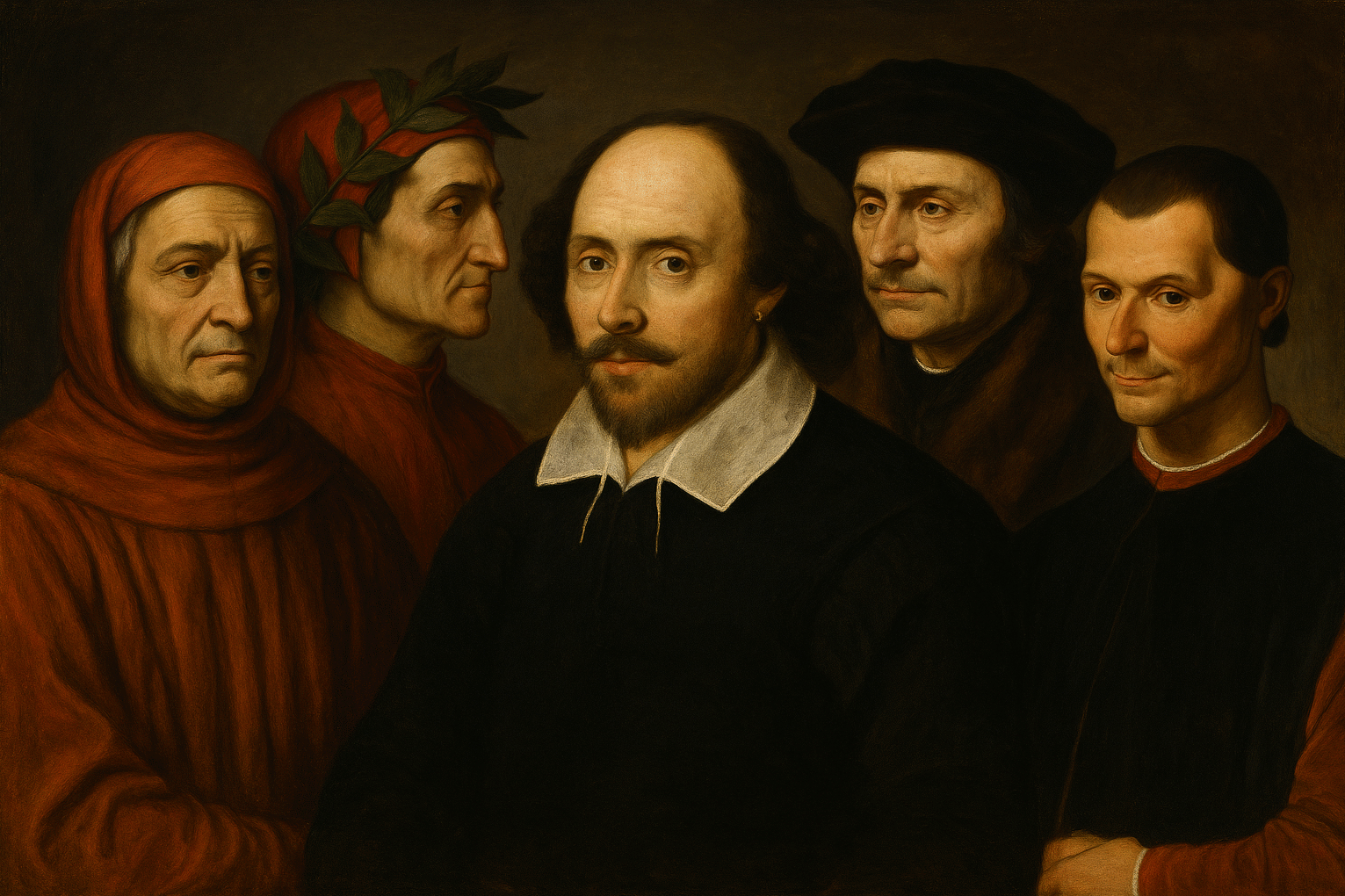
1. Introduction to the History of English Literature
English literature charts a bold path through human history. However, this journey begins with humble Germanic roots. Consequently, scholars track every major shift in this vast canon. Moreover, these stories reflect the evolving soul of a nation. Therefore, we study these texts to understand our world. Furthermore, every era adds a fresh layer to the story. Thus, the literature grows with the people over time. In addition, the language changed from Old English to modern. For this reason, the canon offers a rich cultural tapestry. Besides, literature preserves the voices of the past perfectly. Similarly, it predicts the future of the human spirit. Clearly, writers respond to the events of their own time. Thus, history and literature remain forever linked together. Moreover, we must view these works through a historical lens. Ultimately, this study reveals the progress of human thought. Specifically, each movement reacts against the previous one. Indeed, literary styles shift like the tides of the sea. Hence, we see a cycle of rebellion and tradition. Above all, these books define the English identity today.
2. The Anglo-Saxon Period (450–1066): The Heroic Age
Warrior culture defined the early Anglo-Saxon tribes. Specifically, these people valued bravery and loyalty above all. Yet, their poems often carry a very somber tone. For instance, Beowulf depicts a hero fighting dark monsters. Instead, the poets used alliteration to create a rhythm. Likewise, they used kennings to describe the cold sea. So, this era laid the first English literary stones. Furthermore, monks recorded these oral tales on old parchment. Consequently, we see a mix of pagan and Christian ideas. Moreover, the “Comitatus” bond drove every warrior to greatness. Therefore, poets sang of glory and inevitable death. Additionally, works like The Wanderer show a lonely heart. Thus, the Anglo-Saxon voice remains powerful and haunting today. Similarly, King Alfred the Great promoted prose in English. Hence, the vernacular language gained a new scholarly status. Indeed, this period established the English heroic ideal. Furthermore, poets wrote short elegies about loss and exile. For example, The Seafarer describes the harsh, icy ocean. Thus, the sea became a central symbol in literature.
3. The Middle English Period (1066–1500): The Age of Transition
The Norman Conquest changed the English tongue forever. Subsequently, French culture influenced every local writer and poet. Nevertheless, the English language survived this massive cultural shift. Particularly, Geoffrey Chaucer wrote the famous Canterbury Tales. Besides his wit, he used the common London dialect. Hence, he became the true father of English poetry. Finally, the printing press helped spread these new ideas. Furthermore, Thomas Malory wrote about the legendary King Arthur. Consequently, the chivalric romance became a dominant literary form. In addition, religious plays brought stories to the common folk. Moreover, the Black Death shifted the social power of workers. Therefore, literature began to reflect a changing social order. Additionally, William Langland wrote about the plight of the poor. Thus, the era combined deep faith with social critique. Eventually, the English language became the primary literary tool. Also, the rise of universities fostered new intellectual growth. Therefore, scholars began to write in the native tongue. Likewise, the Pearl Poet wrote intricate allegories about virtue. Thus, Middle English literature grew rich and very diverse.
4. The Renaissance Period (1500–1660): The Elizabethan Bloom
The Renaissance brought a bright rebirth of classical learning. Indeed, the English stage became a center for art. Meanwhile, the University Wits perfected the art of drama. Notably, Christopher Marlowe wrote with a very powerful style. Conversely, William Shakespeare surpassed every other writer of his time. Thus, he mastered the sonnet and the tragic play. Surely, his genius still defines the English literary canon. Furthermore, Edmund Spenser wrote The Faerie Queene for the Queen. Consequently, poets celebrated the glory of the English nation. Moreover, Ben Jonson refined the art of social comedy. In addition, sonneteers explored the depths of human love. Therefore, this age remains the peak of English creativity. Likewise, Francis Bacon pioneered the modern English essay form. As a result, prose became a tool for scientific inquiry. Similarly, Sir Philip Sidney defended the high purpose of poetry. Thus, the Renaissance established the poet as a hero. Additionally, explorers wrote travelogues about the New World. Therefore, the horizon of English thought expanded rapidly.
The Rise of the University Wits
Professional writers emerged from the great English universities. Specifically, these “Wits” transformed the crude drama of old. Instead, they brought classical structure to the public stage. For example, John Lyly created a very refined prose style. Moreover, Thomas Kyd invented the popular revenge tragedy genre. Consequently, the theater became a space for intellectual debate. Thus, they paved the way for Shakespeare’s later success. Furthermore, Robert Greene wrote colorful stories about the London underworld. Thus, they brought realism to the English stage. Similarly, George Peele used mythology to delight the court. Consequently, the drama became both learned and very popular.
The Golden Age of Shakespeare
William Shakespeare captured the entire range of human emotion. Indeed, his plays move from dark tragedy to light comedy. Consequently, his work appeals to both kings and peasants alike. Furthermore, he invented thousands of new words for the language. Therefore, his linguistic influence remains visible in every modern text. Similarly, his characters feel like real, breathing human beings. Thus, he stands as the greatest poet in history. Moreover, his history plays shaped the English national myth. Consequently, citizens learned their past through his powerful verse. Furthermore, his tragedies explore the deepest flaws of man. Thus, Hamlet and Macbeth remain essential reading today.
5. The Puritan Age (1600–1660): The Age of Milton
Civil war soon split the English nation into parts. Consequently, religious themes dominated most of the written works. For example, John Milton wrote the epic Paradise Lost. Rather than simple verse, he used a grand style. Additionally, the King James Bible shaped the English prose. Therefore, faith and politics walked hand in hand here. Still, these writers sought a higher moral truth. Furthermore, the theaters closed during this very strict time. Consequently, poets like George Herbert wrote deeply personal lyrics. Moreover, Andrew Marvell balanced wit with political observation. In addition, the prose reflected a search for divine order. Therefore, the Puritan spirit left a deep mark on history. Eventually, the Restoration brought a return to secular themes. Furthermore, John Bunyan wrote The Pilgrim’s Progress in prison. Consequently, he created the most famous English religious allegory. Thus, even common people engaged with complex spiritual ideas.
6. The Restoration Period (1660–1700): The Age of Dryden
The King returned and brought French tastes with him. Thus, the theaters reopened to a very eager public. In contrast, the new plays mocked the upper class. Particularly, John Dryden led this era of sharp satire. Furthermore, writers began to value reason over raw emotion. As a result, the prose became clear and very precise. Indeed, this period favored logic and social order. Furthermore, the comedy of manners became extremely popular. Consequently, playwrights like Congreve wrote very witty dialogue. Moreover, the Royal Society promoted scientific thought in writing. In addition, diaries by Samuel Pepys captured daily city life. Therefore, literature became more grounded in the real world. Ultimately, Dryden established the rules for modern literary criticism. Similarly, the heroic couplet became the standard poetic form. Thus, poets aimed for perfect balance and clear sense.
7. The Neo-Classical Period (1700–1798): The Age of Pope and Johnson
This age imitated the great Roman and Greek masters. Therefore, authors followed very strict rules of literary form. For instance, Alexander Pope used the heroic couplet perfectly. Simultaneously, the first novels began to reach the public. Specifically, Daniel Defoe wrote about life on desert islands. Thus, prose fiction became a very popular new art. Finally, Samuel Johnson published his massive English dictionary. Furthermore, Jonathan Swift used satire to attack social folly. Consequently, the “Augustan” style emphasized balance and polish. Moreover, women writers like Aphra Behn began to publish. In addition, the coffee house culture fueled literary debate. Therefore, reason and wit ruled the literary scene. Similarly, Edward Gibbon wrote grand histories of the Roman Empire. Thus, non-fiction prose reached a very high level of art. Additionally, the periodical essay became a tool for education. For example, The Spectator taught readers about social virtue. Thus, the middle class gained a strong literary voice.
8. The Romantic Period (1798–1837): The Return to Nature
The Romantics rejected the cold logic of the past. Instead, they celebrated the power of the human imagination. Similarly, William Wordsworth found God in the green hills. On the other hand, Lord Byron created dark heroes. Moreover, these poets loved the beauty of the wild. Consequently, they wrote about deep feelings and natural scenes. Thus, the heart replaced the head in this era. Furthermore, Samuel Taylor Coleridge explored the strange and supernatural. Consequently, The Rime of the Ancient Mariner gripped readers. Moreover, Percy Bysshe Shelley wrote about radical social change. In addition, John Keats focused on the beauty of art. Therefore, the Romantic spirit transformed the poetic landscape forever. Similarly, Jane Austen wrote novels about small village life. Thus, she balanced the Romantic fervor with sharp social wit. Furthermore, Sir Walter Scott invented the modern historical novel. Consequently, readers developed a new fascination with the past.
9. The Victorian Period (1837–1901): Conflict of Religion and Science
Industry grew fast while old traditions began to fade. Therefore, many writers felt a deep sense of doubt. Specifically, Charles Dickens wrote about the poor in London. Meanwhile, George Eliot explored the complex human mind. Likewise, Alfred Tennyson wrote poems about lost faith. However, the novel remained the most popular literary form. Consequently, this era captured the struggle of modern life. Furthermore, Thomas Hardy showed the tragedy of rural fate. Consequently, his novels often carried a very pessimistic tone. Moreover, Robert Browning perfected the dramatic monologue in poetry. In addition, the Pre-Raphaelites brought a new visual richness. Therefore, Victorian literature remains vast and deeply complex. Finally, Oscar Wilde brought wit back to the theater. Thus, the era ended with a flash of aesthetic brilliance. Similarly, Matthew Arnold discussed the high purpose of culture. Thus, critics sought to find “the best” in art.
10. The Modern Period (1901–1945): Disillusionment and Innovation
World War I destroyed the old dreams of progress. Subsequently, writers broke all the traditional rules of art. For example, T.S. Eliot described a dry waste land. Furthermore, Virginia Woolf used the stream of consciousness style. Instead of a clear plot, they showed fragments. Thus, modernism reflected a very broken and confused world. Finally, these artists searched for a new kind of truth. Furthermore, James Joyce wrote the revolutionary novel Ulysses. Consequently, he changed how we think about human thought. Moreover, D.H. Lawrence explored the primal instincts of men. In addition, W.B. Yeats wrote about the changing Irish identity. Therefore, modernism pushed the limits of human expression. Similarly, W.H. Auden brought political awareness back to poetry. Thus, literature became a tool for social and psychological critique. Additionally, the rise of psychoanalysis influenced many novelists. Consequently, they focused on the hidden depths of the subconscious.
11. The Post-Modern & Contemporary Period (1945–Present)
Post-modern writers play with irony and deep self-reflection. Indeed, they question the very nature of reality itself. Meanwhile, global voices now enrich the English literary scene. Specifically, authors from many lands tell their own stories. Therefore, the canon grows more diverse every single day. Moreover, digital media changes how we read and write. Thus, the story of English literature never truly ends. Furthermore, playwrights like Samuel Beckett explored the absurd. Consequently, Waiting for Godot challenged every theatrical norm. Moreover, post-colonial writers reclaimed their own suppressed histories. In addition, meta-fiction became a popular way to tell stories. Therefore, contemporary literature remains vibrant and endlessly varied. Likewise, poets like Seamus Heaney returned to the earth. Thus, the cycle of nature and history continues today. Furthermore, the graphic novel emerged as a serious art form. Consequently, visual storytelling gained new respect in the canon.
12. Conclusion: The Evolution of the English Canon
Literature reflects the constant change of the human spirit. Thus, every age builds upon the work of others. Furthermore, the English language remains a very flexible tool. Specifically, it adapts to new cultures and modern ideas. Consequently, these books offer a window into our history. Instead of dying, the written word finds new life. Therefore, we continue to read and write every day. Furthermore, the digital age offers new ways to share. Consequently, the English canon will surely continue to evolve. Moreover, future writers will find fresh ways to speak. In addition, the core of storytelling will never change. Therefore, literature remains our most vital human legacy. Ultimately, we find ourselves within these ancient and modern pages. Indeed, the journey of literature is a journey of self. Hence, we must cherish every word from the past. Thus, we build a brighter future for the next generation.
Major Authors of the Classical and Medieval Ages
We must recognize the specific masters of the early word. For instance, Cynewulf was a noted Anglo-Saxon poet. Specifically, he signed his name in runic characters. Thus, he marked the beginning of individual authorship. Moreover, King Alfred the Great translated many Latin texts. Therefore, he preserved knowledge for the common English people. Similarly, Chaucer’s friend John Gower wrote in three languages. Consequently, he showed the linguistic flux of the Middle Ages. Thus, these writers shaped the very clay of English. Furthermore, the unknown author of The Pearl displayed immense skill. Thus, he balanced complex rhyme with deep spiritual grief.
Masters of the Renaissance and Enlightenment
The English spirit found its voice through specific geniuses. Specifically, Christopher Marlowe excelled in the use of blank verse. Therefore, his “mighty line” influenced all later tragic writers. Moreover, Ben Jonson wrote plays with a strong moral core. Consequently, he perfected the “Comedy of Humours” for the stage. Similarly, John Donne redefined the boundaries of the love lyric. Thus, he blended physical passion with complex religious wit. Furthermore, Alexander Pope defended the rules of classical taste. Consequently, his satires protected the standards of English society. Thus, these men defined the intellectual limits of their age.
Giants of the Romantic and Victorian Eras
Individual brilliance drove the great literary shifts of the 1800s. For example, William Wordsworth focused on the common man. Consequently, he used simple language to express deep truth. Moreover, Lord Byron became the first modern literary celebrity. Thus, his “Byronic Hero” fascinated readers across all of Europe. Similarly, Charles Dickens used humor to attack social injustice. Therefore, his novels forced the public to see the poor. Furthermore, George Eliot brought deep psychological realism to the novel. Consequently, she explored the moral choices of everyday life. Thus, these authors gave a human face to history.
Pioneers of the Modern and Post-Modern World
Modern writers dared to break every old literary rule. Specifically, James Joyce reinvented the language of the novel. Therefore, Finnegans Wake remains the most complex English text. Moreover, Virginia Woolf explored the internal lives of women. Consequently, she captured the fluid nature of human time. Similarly, T.S. Eliot found beauty in the ruins of tradition. Thus, his poetry defined the mood of a generation. Thus, these masters continue to push the canon ahead.
To read the longer version of this article, follow the link: https://englishlitnotes.com/2025/04/13/history-of-english-literature/
To read John Milton and His Achievements, follow the link: https://englishlitnotes.com/2026/02/09/john-miltons-achievements-legacy/
Download PDF Version of History of English Literature: A Journey Through Time-Short Version:
To read American Literature, follow the link: http://americanlit.englishlitnotes.com/
Discover more from Naeem Ullah Butt - Mr.Blogger
Subscribe to get the latest posts sent to your email.