
Introduction
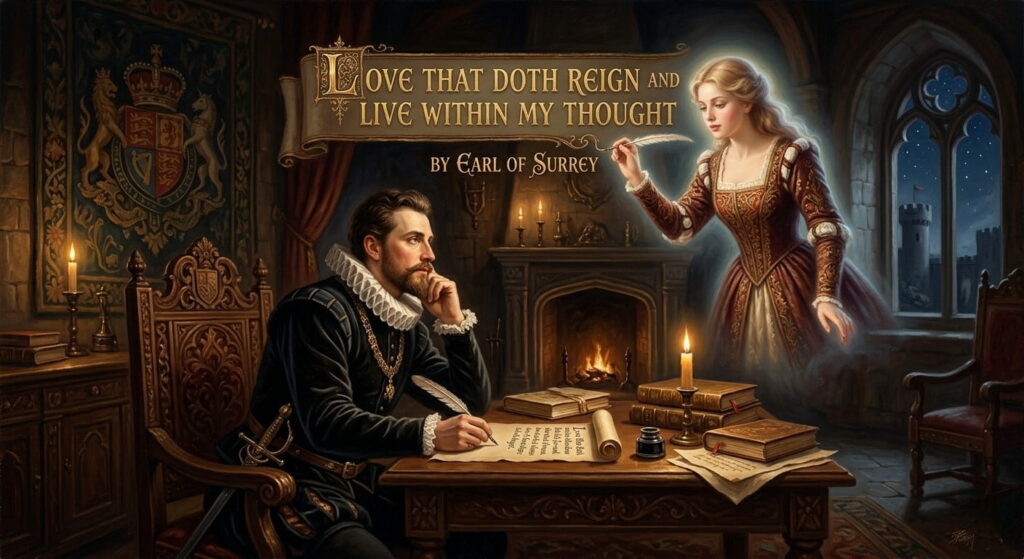
Henry Howard, Earl of Surrey, writes powerful Renaissance love poetry. First, he explores inner conflict caused by dominating love. Moreover, the poem presents intense emotional struggle. Therefore, readers observe love ruling the speaker’s mind. Meanwhile, the poet uses strong symbolic language. Likewise, Renaissance courtly love traditions influence poetic expression. Consequently, the poem blends passion with discipline. Furthermore, Surrey experiments with early English sonnet structure. Therefore, literary historians value his poetic innovation. Meanwhile, love appears as a commanding emotional force. Likewise, the speaker struggles against inner devotion. Consequently, the poem presents loyalty despite suffering. Moreover, Renaissance ideals of honor shape emotional expression. Therefore, the lover accepts love as the ruling authority. Meanwhile, the poetic voice reveals conflict between reason and passion. Likewise, imagery strengthens the emotional tension. Consequently, readers witness devotion mixed with sorrow. Furthermore, Love That Doth Reign and Live Within My Thought reflect Renaissance love philosophy. Thus, Surrey creates a powerful reflection on loyalty, honor, and desire.
Background of the Poem
1. Renaissance Courtly Love Tradition
Renaissance poetry celebrates refined love and emotional devotion. First, poets follow traditions from Petrarchan sonnet culture. Moreover, lovers praise beauty, loyalty, and suffering. Therefore, love becomes a noble emotional experience. Meanwhile, poets admire distant or unattainable beloved figures. Likewise, emotional pain strengthens devotion. Consequently, love poetry reflects honor and sacrifice. Furthermore, courtly love shapes aristocratic culture strongly. Therefore, poets express loyalty through elaborate metaphors. Meanwhile, Renaissance readers admire emotional intensity. Likewise, poetic language praises inner virtue. Consequently, suffering proves loyalty within romantic devotion. Moreover, aristocratic poets celebrate discipline within passion. Therefore, emotional restraint becomes an important ideal. Meanwhile, poetry reflects social expectations of noble lovers. Likewise, Surrey follows this tradition carefully. Consequently, his sonnet reflects Renaissance emotional philosophy. Moreover, Love That Doth Reign and Live Within My Thought reflect courtly love ideals. Thus, Surrey connects personal emotion with the Renaissance poetic tradition.
2. Influence of Petrarchan Poetry
Italian poet Petrarch strongly shaped Renaissance love poetry. First, Petrarch praises distant beloved figures. Moreover, his poetry describes emotional conflict. Therefore, European poets imitate this lyrical style. Meanwhile, Petrarchan lovers admire beauty and virtue. Likewise, devotion continues despite rejection. Consequently, suffering becomes a central poetic theme. Furthermore, Renaissance poets adopt Petrarchan metaphors widely. Therefore, love appears powerful and uncontrollable. Meanwhile, poets describe love through royal imagery. Likewise, lovers become servants to emotional authority. Consequently, love dominates the poet’s inner world. Moreover, Surrey studies Petrarchan poetic methods carefully. Therefore, his sonnet reflects similar emotional tension. Meanwhile, devotion continues despite inner suffering. Likewise, loyalty remains a central virtue. Consequently, the speaker accepts emotional captivity willingly. Moreover, Love That Doth Reign and Live Within My Thought follows Petrarchan inspiration. Thus, Surrey adapts Italian tradition into early English sonnet style.
3. Surrey’s Role in English Sonnet Development
Surrey contributes greatly to English Renaissance poetry. First, he experiments with a new sonnet structure. Moreover, he simplifies Italian poetic forms. Therefore, English poets gain a new literary model. Meanwhile, Surrey introduces a smoother English rhythm. Likewise, poetic language becomes clearer and controlled. Consequently, later poets learn from his style. Furthermore, Shakespeare later adopts similar sonnet patterns. Therefore, Surrey influences English literary history strongly. Meanwhile, his poetry blends emotion with discipline. Likewise, poetic structure supports emotional intensity. Consequently, the poem balances passion with order. Moreover, Renaissance audiences admired artistic elegance. Therefore, Surrey gained a reputation among early English poets. Meanwhile, court culture encourages poetic creativity. Likewise, aristocratic education supports literary skill. Consequently, Surrey shapes English poetic tradition. Moreover, Love That Doth Reign and Live Within My Thought shows structural innovation. Thus, Surrey strengthens the development of English sonnet literature.
4. Historical Context of Tudor Court Culture
Tudor England values honor, loyalty, and reputation strongly. First, aristocratic culture encourages artistic expression. Moreover, poetry becomes popular among noble courtiers. Therefore, writers compose poems about love and virtue. Meanwhile, political life remains competitive and unstable. Likewise, court culture rewards elegance and intellect. Consequently, poetry becomes a tool for emotional expression. Furthermore, noble poets gain prestige through literary skill. Therefore, aristocratic education includes classical literature study. Meanwhile, Renaissance ideals influence English society strongly. Likewise, poets explore philosophical themes through verse. Consequently, love poetry becomes a central literary form. Moreover, emotional discipline reflects social expectations. Therefore, noble lovers demonstrate loyalty and restraint. Meanwhile, poetic metaphors praise honor and virtue. Likewise, Surrey writes within this cultural environment. Consequently, his poetry reflects Tudor court values. Moreover, Love That Doth Reign and Live Within My Thought reflect aristocratic ideals. Thus, the poem mirrors Renaissance court culture.
5. Theme of Love as Ruling Authority
Renaissance poets often describe love as a powerful ruler. First, love commands emotions and thoughts. Moreover, lovers surrender willingly to emotional authority. Therefore, devotion replaces personal freedom. Meanwhile, love resembles a royal monarchy controlling human hearts. Likewise, loyalty defines true romantic devotion. Consequently, emotional suffering proves faithful commitment. Furthermore, lovers accept pain for beloved honor. Therefore, sacrifice becomes a symbol of noble love. Meanwhile, poets express this idea through strong imagery. Likewise, love appears as king within the heart. Consequently, emotional obedience shapes lover identity. Moreover, the speaker accepts love’s control willingly. Therefore, devotion becomes personal philosophy. Meanwhile, inner conflict creates dramatic tension. Likewise, loyalty survives even without reward. Consequently, the lover continues faithful service. Moreover, Love That Doth Reign and Live Within My Thought expresses this idea clearly. Thus, love rules the speaker’s inner world completely.
Characters in the Poem
1. The Lover (Poetic Speaker)
The lover stands as the central voice of the poem. First, he expresses deep emotional devotion. Moreover, love rules his mind and imagination. Therefore, he accepts love as commanding authority. Meanwhile, inner conflict shapes his emotional experience. Likewise, he struggles between reason and loyalty. Consequently, devotion dominates his personal identity. Furthermore, the lover shows courage within emotional suffering. Therefore, loyalty becomes his strongest virtue. Meanwhile, he rejects betrayal and dishonor. Likewise, courtly love traditions influence his behavior. Consequently, he serves love with noble dedication. Moreover, the lover values honor above personal comfort. Therefore, sacrifice becomes natural within his devotion. Meanwhile, emotional discipline shapes his response to pain. Likewise, he accepts suffering for beloved loyalty. Consequently, love appears stronger than personal freedom. Moreover, Love That Doth Reign and Live Within My Thought reveals this character clearly. Thus, the lover represents Renaissance ideals of faithful romantic devotion.
2. Love as Ruler
Love appears as a symbolic ruler within the poem. First, the poet describes love as a governing authority. Moreover, love commands thoughts, emotions, and imagination. Therefore, the speaker accepts emotional obedience. Meanwhile, love controls the inner kingdom of the heart. Likewise, loyalty strengthens this symbolic rule. Consequently, love becomes a central power within the poem. Furthermore, the speaker shows respect toward this authority. Therefore, love resembles a noble king within imagination. Meanwhile, devotion replaces personal independence. Likewise, emotional obedience shapes the lover’s actions. Consequently, love rules without challenge or rebellion. Moreover, Renaissance poetry often presents love through royal imagery. Therefore, Surrey follows that poetic tradition carefully. Meanwhile, loyalty becomes a sign of noble character. Likewise, surrender expresses emotional strength rather than weakness. Consequently, love governs the speaker’s inner world. Moreover, this symbolic ruler defines poetic conflict. Thus, love remains a dominant power guiding the poem’s emotional structure.
3. The Beloved Lady
The beloved lady represents the silent inspiration of devotion. First, her presence shapes the lover’s emotional experience. Moreover, she symbolizes beauty, virtue, and honor. Therefore, admiration inspires loyal dedication. Meanwhile, the lover respects her dignity deeply. Likewise, courtly love traditions encourage distant admiration. Consequently, the beloved appears noble and admired. Furthermore, her beauty inspires poetic imagination. Therefore, the lover expresses devotion through praise. Meanwhile, her silence increases emotional tension. Likewise, the lover accepts distance and longing. Consequently, admiration continues without reward. Moreover, Renaissance poetry often idealizes beloved figures. Therefore, the lady represents moral and aesthetic perfection. Meanwhile, her influence shapes the lover’s thoughts. Likewise, inspiration strengthens emotional devotion. Consequently, the beloved becomes a symbol of ideal beauty. Moreover, her presence drives the poetic narrative. Thus, the beloved lady represents the emotional center of the lover’s devotion.
Summary of the Poem
1. Love Rules the Speaker’s Mind
The poem begins with a strong emotional declaration. First, the speaker acknowledges love’s powerful rule. Moreover, love governs every thought and feeling. Therefore, the lover accepts emotional authority. Meanwhile, devotion shapes his identity completely. Likewise, love becomes the ruler of the inner world. Consequently, the speaker expresses loyalty without hesitation. Furthermore, emotional control appears impossible. Therefore, love dominates imagination and memory. Meanwhile, the lover feels proud of devotion. Likewise, he treats love as a noble duty. Consequently, loyalty strengthens emotional discipline. Moreover, Renaissance courtly ideals influence this attitude. Therefore, the speaker honors love faithfully. Meanwhile, suffering becomes part of devotion. Likewise, emotional struggle strengthens loyalty. Consequently, the poem establishes its central theme. Thus, love appears powerful and commanding.
2. Loyalty Toward Love
The speaker emphasizes strong loyalty toward love. First, devotion replaces personal freedom. Moreover, the lover accepts emotional responsibility willingly. Therefore, loyalty defines his character. Meanwhile, love demands obedience and dedication. Likewise, the lover follows this command faithfully. Consequently, devotion becomes a permanent commitment. Furthermore, loyalty expresses noble emotional discipline. Therefore, the lover rejects disloyal behavior. Meanwhile, courtly traditions encourage faithful devotion. Likewise, suffering becomes a sign of sincerity. Consequently, the lover values honor above comfort. Moreover, emotional sacrifice strengthens romantic identity. Therefore, loyalty shapes every decision. Meanwhile, love remains the guiding principle. Likewise, the speaker refuses betrayal completely. Consequently, devotion continues without expectation of reward. Thus, loyalty forms the moral center of the poem.
3. Inner Conflict of the Lover
The poem presents emotional conflict clearly. First, the lover experiences tension between reason and devotion. Moreover, passion challenges logical judgment. Therefore, emotional struggle shapes his thoughts. Meanwhile, love demands loyalty and sacrifice. Likewise, reason questions the cost of devotion. Consequently, the lover feels inner division. Furthermore, emotional loyalty defeats rational resistance. Therefore, love continues ruling the heart. Meanwhile, the speaker reflects on this conflict. Likewise, devotion strengthens through difficulty. Consequently, emotional struggle deepens romantic identity. Moreover, Renaissance poetry often presents such conflict. Therefore, the poem reflects this literary tradition. Meanwhile, the lover chooses loyalty instead of escape. Likewise, emotional commitment remains firm. Consequently, inner conflict strengthens the poem’s drama. Thus, emotional struggle enriches the poem’s meaning.
4. The Power of Devotion
The poem celebrates the strength of devotion. First, the lover accepts love as a guiding force. Moreover, devotion becomes a central emotional experience. Therefore, loyalty defines his identity completely. Meanwhile, devotion survives hardship and conflict. Likewise, emotional discipline strengthens dedication. Consequently, the lover remains faithful. Furthermore, devotion reflects noble romantic ideals. Therefore, the lover respects love deeply. Meanwhile, suffering strengthens emotional sincerity. Likewise, sacrifice proves loyalty within devotion. Consequently, love appears honorable and powerful. Moreover, courtly tradition praises faithful lovers. Therefore, the speaker follows this tradition proudly. Meanwhile, devotion shapes the poem’s emotional tone. Likewise, commitment remains constant throughout the poem. Consequently, readers admire this emotional strength. Thus, devotion stands as the poem’s dominant theme.
5. Love as Royal Authority
Love appears as royal authority inside the lover’s heart. First, the speaker compares love with noble ruler. Moreover, devotion creates obedience within the emotional kingdom. Therefore, the lover accepts the rule without rebellion. Meanwhile, honor strengthens this loyal devotion. Likewise, courtly ideals influence the lover’s attitude. Consequently, love governs thoughts and imagination. Furthermore, emotional loyalty defines the lover’s identity. Therefore, personal freedom loses importance. Meanwhile, devotion becomes the guiding principle. Likewise, love controls memory and desire. Consequently, the lover serves emotional authority faithfully. Moreover, Renaissance poetry often uses royal imagery. Therefore, Surrey strengthens the theme through symbolic rule. Meanwhile, suffering appears to be part of noble service. Likewise, loyalty remains the lover’s greatest virtue. Consequently, emotional obedience shapes the poem’s meaning. Thus, love stands as the supreme ruler.
6. The Lover’s Emotional Commitment
The speaker shows unwavering emotional commitment. First, devotion guides his inner life. Moreover, loyalty remains constant during emotional struggle. Therefore, the lover accepts responsibility toward love. Meanwhile, personal comfort loses significance. Likewise, sacrifice proves sincere devotion. Consequently, the lover demonstrates moral discipline. Furthermore, Renaissance ideals shape this dedication. Therefore, loyalty becomes a mark of an honorable lover. Meanwhile, emotional endurance strengthens his character. Likewise, suffering becomes a natural consequence of devotion. Consequently, the lover refuses betrayal. Moreover, devotion continues without expectation of reward. Therefore, love appears noble moral obligation. Meanwhile, the lover values honor above happiness. Likewise, loyalty shapes his emotional identity. Consequently, commitment remains unbreakable. Thus, devotion becomes a central emotional force.
7. The Influence of Courtly Love
The courtly love tradition influences the poem strongly. First, lovers praise distant beloved figures. Moreover, devotion requires loyalty and respect. Therefore, emotional suffering appears honorable. Meanwhile, poets celebrate discipline within passion. Likewise, romantic devotion becomes a noble duty. Consequently, the lover respects love’s authority. Furthermore, Renaissance poetry follows these ideals. Therefore, Surrey reflects cultural expectations of noble lovers. Meanwhile, admiration strengthens emotional commitment. Likewise, distance increases longing and devotion. Consequently, the beloved becomes a symbol of perfection. Moreover, suffering deepens romantic sincerity. Therefore, the lover continues faithful service. Meanwhile, courtly culture values emotional restraint. Likewise, devotion replaces selfish desire. Consequently, courtly love shapes the poem’s message. Thus, tradition strengthens the emotional meaning.
8. The Beloved as Inspiration
The beloved inspires emotional dedication within the poem. First, admiration guides the lover’s thoughts. Moreover, her beauty shapes poetic imagination. Therefore, devotion grows through admiration. Meanwhile, respect defines the lover’s attitude. Likewise, the beloved symbolizes moral perfection. Consequently, the lover expresses loyalty proudly. Furthermore, Renaissance poetry often idealizes beloved figures. Therefore, Surrey follows this poetic tradition. Meanwhile, admiration strengthens emotional identity. Likewise, beauty inspires poetic creativity. Consequently, the beloved becomes the center of devotion. Moreover, love transforms admiration into loyalty. Therefore, emotional dedication grows stronger. Meanwhile, longing deepens romantic intensity. Likewise, inspiration fuels poetic expression. Consequently, the beloved remains a powerful influence. Thus, admiration shapes the poem’s emotional world.
9. Love and Personal Honor
Honor appears central within the lover’s devotion. First, the speaker values integrity within emotional commitment. Moreover, loyalty strengthens personal dignity. Therefore, betrayal appears dishonorable. Meanwhile, devotion proves moral character. Likewise, Renaissance culture respects honorable lovers. Consequently, the speaker protects loyalty carefully. Furthermore, honor supports emotional discipline. Therefore, the lover accepts suffering without complaint. Meanwhile, devotion becomes a moral duty. Likewise, sacrifice strengthens honorable identity. Consequently, love connects with ethical values. Moreover, honor shapes romantic dedication. Therefore, loyalty becomes a source of pride. Meanwhile, integrity guides emotional decisions. Likewise, the lover refuses disloyal behavior. Consequently, devotion protects personal reputation. Thus, honor strengthens the poem’s moral message.
10. Love and Inner Strength
The poem celebrates emotional strength within devotion. First, love challenges the lover’s endurance. Moreover, emotional struggle builds strong character. Therefore, devotion develops inner resilience. Meanwhile, loyalty guides the lover’s choices. Likewise, suffering increases emotional determination. Consequently, the lover gains strength through devotion. Furthermore, Renaissance poetry values disciplined emotion. Therefore, emotional control reflects noble character. Meanwhile, love remains a guiding influence. Likewise, hardship tests romantic loyalty. Consequently, the lover proves faithful commitment. Moreover, strength grows through dedication. Therefore, devotion becomes a source of courage. Meanwhile, emotional endurance shapes identity. Likewise, loyalty overcomes internal conflict. Consequently, the lover remains devoted. Thus, love strengthens personal resolve.
11. Love and Imagination
Love influences imagination and poetic creativity. First, emotional devotion shapes the speaker’s thoughts. Moreover, imagination reflects romantic dedication. Therefore, poetry becomes an expression of love. Meanwhile, imagination strengthens emotional experience. Likewise, poetic imagery expresses devotion. Consequently, love inspires artistic creativity. Furthermore, Renaissance poets value emotional expression. Therefore, imagination transforms devotion into poetry. Meanwhile, the lover reflects through symbolic language. Likewise, imagination deepens emotional understanding. Consequently, poetry communicates inner conflict. Moreover, love stimulates artistic reflection. Therefore, poetic language reveals romantic loyalty. Meanwhile, imagination supports emotional discipline. Likewise, artistic expression strengthens devotion. Consequently, poetry captures the lover’s experience. Thus, imagination enriches the poem’s meaning.
12. The Lover Accepts Love’s Rule
The lover finally accepts love’s authority completely. First, devotion replaces resistance. Moreover, emotional loyalty defines his identity. Therefore, love governs thoughts and feelings. Meanwhile, the lover honors emotional authority. Likewise, surrender reflects noble devotion. Consequently, inner conflict fades gradually. Furthermore, loyalty strengthens emotional peace. Therefore, acceptance brings clarity to the lover. Meanwhile, devotion remains firm and constant. Likewise, surrender becomes an act of honor. Consequently, emotional obedience strengthens identity. Moreover, Renaissance ideals praise loyal lovers. Therefore, the speaker accepts love proudly. Meanwhile, loyalty guides future thoughts. Likewise, emotional peace replaces struggle. Consequently, devotion becomes permanent. Thus, the poem concludes with faithful acceptance.
Critical Appreciation of the Poem
1. Theme of Dominating Love
The poem presents love as a powerful emotional authority. First, the speaker recognizes love’s strong control. Moreover, love governs thoughts and imagination. Therefore, devotion shapes the lover’s identity. Meanwhile, emotional loyalty becomes a central experience. Likewise, the lover accepts love without resistance. Consequently, passion replaces personal freedom. Furthermore, Renaissance poetry often describes love as a ruler. Therefore, Surrey strengthens this poetic tradition. Meanwhile, symbolic language represents emotional domination. Likewise, the lover respects love’s command. Consequently, devotion appears honorable and sincere. Moreover, emotional suffering strengthens romantic dedication. Therefore, the poem explores loyalty within intense passion. Meanwhile, inner conflict adds dramatic tension. Likewise, devotion remains stronger than rational hesitation. Consequently, the lover continues faithful service. Moreover, Love That Doth Reign and Live Within My Thought expresses this theme clearly. Thus, dominating love becomes the poem’s central message.
2. Courtly Love Tradition
The poem reflects the strong influence of the courtly love tradition. First, Renaissance poets praise distant beloved figures. Moreover, lovers show loyalty and admiration. Therefore, devotion becomes a noble emotional duty. Meanwhile, court culture values disciplined passion. Likewise, suffering proves the sincerity of romantic feeling. Consequently, lovers express devotion through poetry. Furthermore, admiration remains respectful and idealized. Therefore, emotional loyalty strengthens romantic identity. Meanwhile, distance increases longing and dedication. Likewise, the beloved represents beauty and virtue. Consequently, devotion appears pure and honorable. Moreover, Renaissance culture praises faithful lovers. Therefore, Surrey reflects these cultural ideals. Meanwhile, poetic language celebrates noble admiration. Likewise, sacrifice becomes a sign of devotion. Consequently, courtly love shapes the poem’s emotional tone. Thus, tradition influences Surrey’s poetic expression strongly.
3. Emotional Conflict
The poem presents emotional conflict within the lover’s mind. First, reason challenges the power of passion. Moreover, love demands loyalty and obedience. Therefore, the lover faces internal struggle. Meanwhile, devotion refuses to surrender. Likewise, rational thought questions emotional sacrifice. Consequently, conflict deepens romantic intensity. Furthermore, emotional tension shapes poetic expression. Therefore, readers observe psychological complexity. Meanwhile, loyalty defeats rational resistance. Likewise, passion strengthens romantic dedication. Consequently, emotional struggle increases the dramatic effect. Moreover, Renaissance poets value inner conflict. Therefore, Surrey develops this theme carefully. Meanwhile, the lover chooses devotion instead of escape. Likewise, emotional commitment remains firm. Consequently, conflict strengthens the poem’s meaning. Thus, emotional tension enriches the lover’s experience.
4. Symbolic Representation of Love
Love appears through strong symbolic imagery. First, the poet compares love with powerful ruler. Moreover, royal imagery strengthens emotional authority. Therefore, love becomes monarch of the heart. Meanwhile, devotion resembles loyal service. Likewise, obedience represents emotional discipline. Consequently, symbolism deepens poetic meaning. Furthermore, Renaissance poetry often uses royal metaphors. Therefore, Surrey follows established literary tradition. Meanwhile, symbolism clarifies emotional hierarchy. Likewise, love dominates thoughts and desires. Consequently, the lover accepts the symbolic rule. Moreover, imagery strengthens the dramatic effect. Therefore, readers visualize emotional power. Meanwhile, symbolic language enriches poetic style. Likewise, metaphor creates intellectual depth. Consequently, symbolism strengthens emotional intensity. Thus, royal imagery expresses the lover’s devotion clearly.
5. Influence of Petrarchan Poetry
Italian poet Petrarch strongly influenced Renaissance love poetry. First, Petrarch praises distant beloved figures. Moreover, his poetry explores emotional suffering. Therefore, European poets adopt his lyrical style. Meanwhile, devotion remains a central poetic theme. Likewise, longing deepens romantic expression. Consequently, suffering proves sincere love. Furthermore, Renaissance poets imitate Petrarchan imagery. Therefore, love appears powerful and uncontrollable. Meanwhile, lovers accept emotional captivity. Likewise, devotion defines romantic identity. Consequently, emotional conflict becomes a poetic subject. Moreover, Surrey studies Petrarchan poetic tradition carefully. Therefore, his poem reflects similar ideas. Meanwhile, loyalty remains an essential virtue. Likewise, romantic suffering strengthens devotion. Consequently, Petrarchan influence shapes poetic structure. Moreover, Love That Doth Reign and Live Within My Thought reflect this inspiration. Thus, Petrarchan tradition shapes Surrey’s poetic voice.
6. Language and Style
Surrey employs clear and controlled poetic language. First, the poem uses a balanced structure. Moreover, short expressions strengthen emotional clarity. Therefore, readers understand ideas easily. Meanwhile, poetic rhythm supports emotional intensity. Likewise, word choice reflects Renaissance elegance. Consequently, language enhances poetic beauty. Furthermore, symbolism enriches expression. Therefore, imagery strengthens emotional meaning. Meanwhile, metaphors clarify abstract ideas. Likewise, simple diction supports a sincere tone. Consequently, language communicates devotion effectively. Moreover, Renaissance poets prefer a disciplined style. Therefore, Surrey follows this literary approach. Meanwhile, clarity supports philosophical reflection. Likewise, poetic form organizes emotional thought. Consequently, style strengthens the poem’s message. Thus, language and structure create lasting literary appeal.
7. Theme of Loyalty
Loyalty stands as an important theme within the poem. First, the lover remains faithful to love. Moreover, devotion replaces personal freedom. Therefore, loyalty defines romantic identity. Meanwhile, emotional commitment remains constant. Likewise, sacrifice strengthens devotion. Consequently, loyalty becomes a moral virtue. Furthermore, Renaissance culture respects faithful lovers. Therefore, Surrey celebrates loyal dedication. Meanwhile, suffering proves emotional sincerity. Likewise, discipline supports devotion. Consequently, loyalty strengthens personal honor. Moreover, betrayal appears unacceptable. Therefore, the lover rejects disloyal behavior. Meanwhile, romantic duty guides emotional choices. Likewise, dedication remains permanent. Consequently, loyalty enriches the poem’s meaning. Thus, devotion remains a central moral principle.
8. Renaissance Humanist Influence
Humanist ideas shape Renaissance literary culture. First, humanism values wisdom and moderation. Moreover, intellectual reflection guides poetic expression. Therefore, poets explore ethical questions. Meanwhile, literature encourages philosophical thinking. Likewise, love becomes subject to reflection. Consequently, poets analyze emotional experience carefully. Furthermore, Renaissance education emphasizes classical philosophy. Therefore, Surrey’s poetry reflects intellectual influence. Meanwhile, moral discipline shapes romantic devotion. Likewise, emotional balance supports humanist ideals. Consequently, the poem explores psychological depth. Moreover, intellectual curiosity enriches poetic themes. Therefore, readers consider the ethical meaning of love. Meanwhile, philosophical reflection strengthens emotional understanding. Likewise, literature connects emotion with wisdom. Consequently, humanist ideas influence poetic interpretation. Thus, Renaissance thought enriches the poem’s depth.
9. Emotional Intensity
The poem expresses powerful emotional intensity. First, devotion dominates the speaker’s thoughts. Moreover, love controls imagination and memory. Therefore, emotional experience becomes overwhelming. Meanwhile, the lover accepts this intensity. Likewise, passion defines personal identity. Consequently, the poem reveals deep psychological experience. Furthermore, emotional language strengthens the dramatic effect. Therefore, readers feel the lover’s devotion. Meanwhile, imagery reflects emotional depth. Likewise, metaphors strengthen poetic expression. Consequently, emotional intensity drives the poem forward. Moreover, Renaissance love poetry celebrates passionate devotion. Therefore, Surrey emphasizes romantic commitment. Meanwhile, suffering increases emotional seriousness. Likewise, dedication remains constant. Consequently, intensity enriches poetic meaning. Thus, passion shapes the lover’s identity.
10. Overall Literary Significance
The poem holds an important place in Renaissance poetry. First, it explores loyalty within romantic devotion. Moreover, it reflects the courtly love tradition. Therefore, readers understand Renaissance emotional ideals. Meanwhile, the poetic structure shows Surrey’s innovation. Likewise, symbolic imagery strengthens meaning. Consequently, the poem achieves artistic balance. Furthermore, emotional sincerity enriches poetic voice. Therefore, readers admire its expressive power. Meanwhile, literary history values Surrey’s contribution. Likewise, his work influences later poets. Consequently, the English sonnet tradition develops further. Moreover, Love That Doth Reign and Live Within My Thought shows his poetic skill. Therefore, scholars study the poem widely. Meanwhile, its themes remain universal. Likewise, love and loyalty continue inspiring readers. Consequently, the poem retains literary importance. Thus, Surrey’s work remains significant within English Renaissance poetry.
Poetic Devices Used in the Poem
1. Metaphor
Metaphor shapes the emotional structure of the poem. First, the poet compares love with royal authority. Moreover, this comparison deepens emotional meaning. Therefore, love appears as the ruler of the heart. Meanwhile, the lover becomes a loyal servant. Likewise, devotion resembles service within the royal court. Consequently, metaphor clarifies an emotional relationship. Furthermore, Renaissance poetry values symbolic comparisons. Therefore, Surrey uses metaphor for expressive strength. Meanwhile, metaphor transforms abstract feeling into a vivid image. Likewise, readers understand love through concrete representation. Consequently, poetic meaning becomes clearer. Moreover, metaphor enriches emotional intensity. Therefore, the lover’s devotion appears noble. Meanwhile, imagery supports metaphorical interpretation. Likewise, emotional hierarchy becomes visible. Consequently, metaphor strengthens the poetic message. Moreover, metaphor connects love with authority and loyalty. Therefore, readers recognize symbolic structure clearly. Thus, metaphor becomes a central device within Love That Doth Reign and Live Within My Thought.
2. Imagery
Imagery enriches the poem’s emotional expression. First, the poet presents vivid pictures of inner devotion. Moreover, imagery clarifies emotional experience. Therefore, readers visualize the lover’s inner world. Meanwhile, images of rule and service appear frequently. Likewise, royal imagery strengthens emotional authority. Consequently, love appears powerful and commanding. Furthermore, imagery deepens the poetic atmosphere. Therefore, imagination supports emotional meaning. Meanwhile, symbolic images strengthen poetic beauty. Likewise, visual language guides the reader’s understanding. Consequently, imagery connects emotion with imagination. Moreover, Renaissance poetry values descriptive expression. Therefore, Surrey employs imagery carefully. Meanwhile, vivid pictures support poetic symbolism. Likewise, imagery strengthens emotional depth. Consequently, readers experience devotion vividly. Thus, imagery enriches the artistic beauty of Love That Doth Reign and Live Within My Thought.
3. Symbolism
Symbolism plays an important role in the poem. First, love symbolizes the ruling authority. Moreover, the heart symbolizes the emotional kingdom. Therefore, devotion resembles loyal service. Meanwhile, symbolic meaning deepens interpretation. Likewise, royal imagery represents emotional dominance. Consequently, readers understand the lover’s surrender. Furthermore, Renaissance poets often use symbolic language. Therefore, symbolism strengthens philosophical depth. Meanwhile, symbols represent emotional ideas clearly. Likewise, abstract feelings gain visible meaning. Consequently, symbolism enriches poetic structure. Moreover, readers interpret deeper meanings through symbols. Therefore, symbolism encourages thoughtful reading. Meanwhile, symbolic elements connect emotion with intellect. Likewise, imagery supports symbolic interpretation. Consequently, readers perceive moral ideas within poetic form. Thus, symbolism strengthens the thematic depth of Love That Doth Reign and Live Within My Thought.
4. Personification
Personification gives human qualities to love. First, the poet describes love as a ruling figure. Moreover, love commands thoughts and emotions. Therefore, love behaves like a powerful monarch. Meanwhile, the lover obeys emotional authority. Likewise, devotion resembles loyal service. Consequently, personification strengthens the dramatic effect. Furthermore, Renaissance poetry frequently uses this device. Therefore, emotional ideas appear vivid and active. Meanwhile, personification creates emotional tension. Likewise, love appears as a living presence. Consequently, the poem gains dramatic energy. Moreover, personification helps readers understand emotional dominance. Therefore, abstract feeling becomes an active force. Meanwhile, poetic imagination strengthens expression. Likewise, emotional conflict becomes clearer. Consequently, personification deepens emotional meaning. Thus, this device enriches Love That Doth Reign and Live Within My Thought.
5. Alliteration
Alliteration strengthens sound and rhythm in the poem. First, repeated consonant sounds create musical quality. Moreover, sound patterns attract reader’s attention. Therefore, poetic language becomes memorable. Meanwhile, repetition strengthens emotional emphasis. Likewise, sound harmony supports poetic flow. Consequently, readers experience rhythmic beauty. Furthermore, Renaissance poets value musical language. Therefore, Surrey employs sound patterns carefully. Meanwhile, repetition enriches poetic style. Likewise, musical rhythm supports emotional intensity. Consequently, language becomes expressive and elegant. Moreover, sound repetition highlights important words. Therefore, readers notice key emotional ideas. Meanwhile, rhythmic patterns enhance poetic structure. Likewise, sound harmony strengthens aesthetic appeal. Consequently, alliteration enriches the poetic beauty of Love That Doth Reign and Live Within My Thought.
6. Hyperbole
Hyperbole intensifies emotional expression within the poem. First, the poet exaggerates the power of love. Moreover, emotional language becomes dramatic and powerful. Therefore, devotion appears overwhelming and absolute. Meanwhile, exaggeration highlights emotional depth. Likewise, romantic suffering appears greater than ordinary experience. Consequently, readers sense intense passion. Furthermore, Renaissance love poetry often uses exaggeration. Therefore, Surrey strengthens emotional intensity through hyperbole. Meanwhile, exaggerated language highlights loyalty. Likewise, the lover’s devotion appears limitless. Consequently, emotional commitment seems heroic. Moreover, hyperbole magnifies romantic experience. Therefore, readers understand emotional seriousness. Meanwhile, exaggeration enriches poetic drama. Likewise, the poem gains expressive strength. Consequently, hyperbole strengthens the emotional power of Love That Doth Reign and Live Within My Thought.

Mine Own John Poins by Sir Thomas Wyatt: https://englishlitnotes.com/2026/03/12/mine-own-john-poins-by-sir-thomas-wyatt/
The Colonial and Early National Period of American Literature: https://americanlit.englishlitnotes.com/colonial-and-early-national-period/
Discover more from Naeem Ullah Butt - Mr.Blogger
Subscribe to get the latest posts sent to your email.