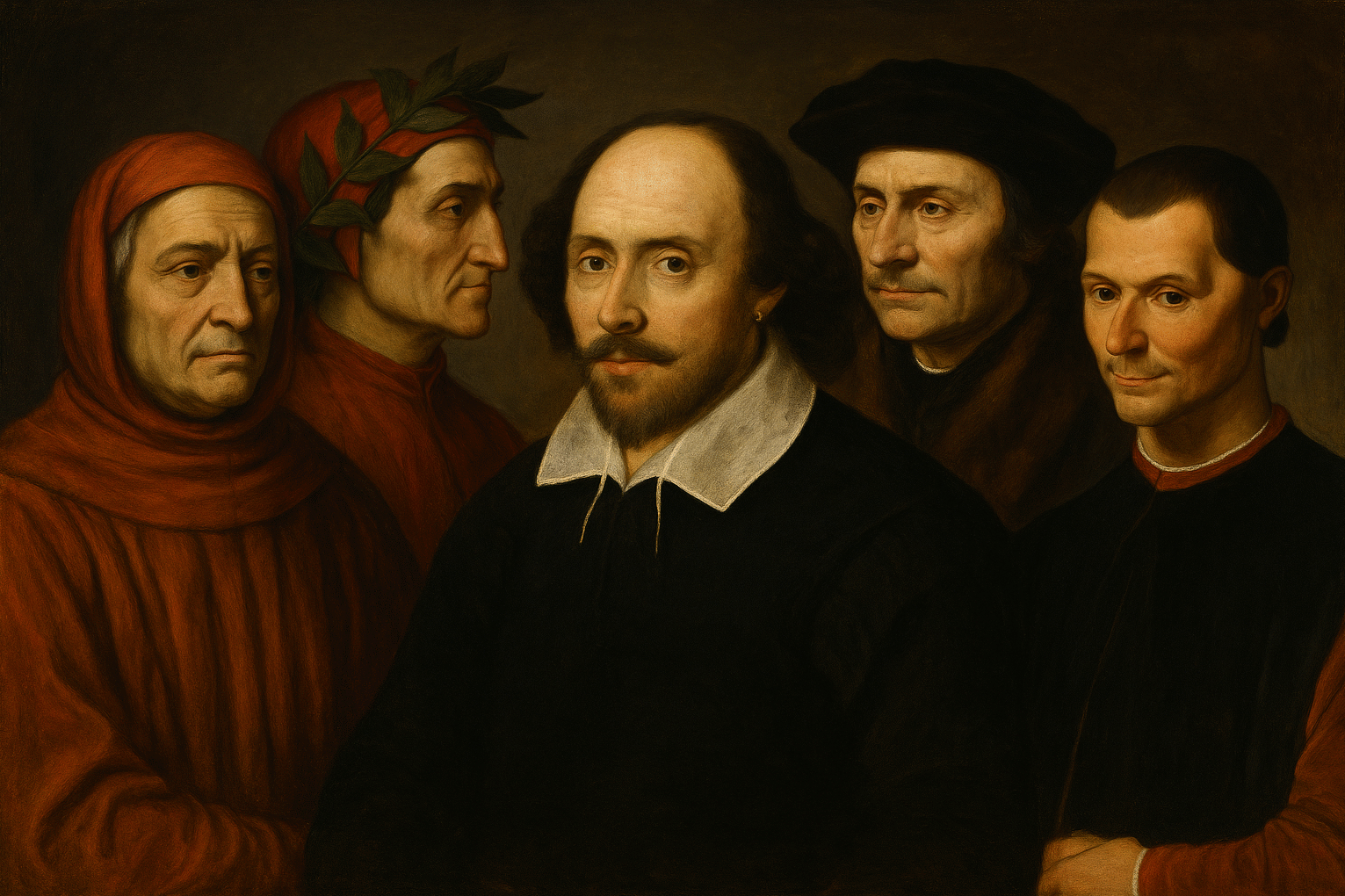

Introduction
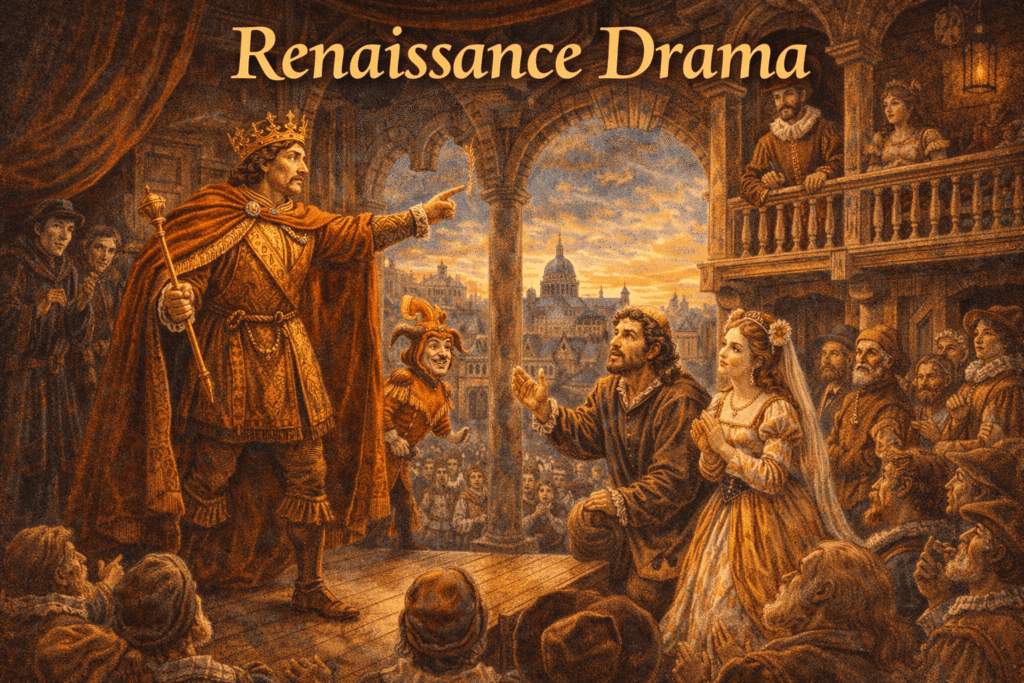
Renaissance drama represents a monumental shift in literary history. This era moved away from strictly religious themes. It embraced the complexities of the human condition instead. Writers explored political power and intense personal emotions. The stage became a mirror for a changing society. London witnessed the birth of professional acting troupes. These performers brought stories to life for diverse audiences. Wealthy nobles and common workers shared this experience. The language reached new heights of poetic beauty. Blank verse transformed the way characters spoke. This period defined the future of Western theater. It remains a pinnacle of creative achievement today. Scholars still study these plays for their depth. Every performance offered a fresh look at reality. The legacy of this theater continues to inspire. Renaissance drama shaped the modern world in many ways.
1. English Renaissance
The English Renaissance marked a rebirth of artistic energy. This cultural movement revitalized literature and music throughout London. Renaissance drama flourished under the influence of new ideas. Moreover, the focus shifted from heaven to human life. Consequently, playwrights explored the depths of the individual soul. They utilized classical models to build modern stories instead. Furthermore, the rising literacy rates created a bigger audience. Thus, the stage became a vital part of society. In addition, the era produced some of the greatest poets. Therefore, the theater grew into a professional industry quickly. Subsequently, actors gained fame and respect across the land. Meanwhile, the city became a hub for creative thinkers. Eventually, this artistic surge defined the national identity clearly. Indeed, the period remains a golden age for writers. Every scene reflected the vibrant spirit of the time.
2. Early Modern Drama
Early modern drama evolved during a time of change. This style moved away from medieval religious morality plays. However, it retained a sense of grand cosmic scale. Renaissance drama served as a bridge between two worlds. Initially, the plays focused on kings and royal history. Then, they began to examine the lives of citizens. Similarly, the language became more complex and very poetic. As a result, the dialogue felt more natural and alive. Besides, the playwrights experimented with many different genres daily. For instance, they mixed comedy with very dark tragedy. Thus, the audience experienced a wide range of emotions. In contrast, the older plays were often quite simple. Therefore, this period introduced a new level of sophistication. Ultimately, these works laid the foundation for modern theater.
3. Elizabethan Era
The Elizabethan Era provided stability for the performing arts. Queen Elizabeth I supported the growth of public theater. Consequently, Renaissance drama reached its first major peak then. During this time, London became a center for entertainment. Moreover, the social hierarchy influenced the types of plays. Nevertheless, all classes gathered together at the large playhouses. For this reason, the stories appealed to many people. Additionally, the age celebrated national pride and military victory. Thus, history plays became extremely popular with the masses. Furthermore, the language of the period was rich and flexible. In fact, many new words entered the English language. Hence, writers had more tools to express deep feelings. Subsequently, the theater reflected the optimism of the nation. Therefore, this reign remains a symbol of cultural glory.
4. Jacobean Period
The Jacobean Period followed the death of the Queen. Under King James I, the theater became much darker. Renaissance drama reflected a growing sense of social cynicism. Specifically, playwrights explored themes of corruption and secret murder. Consequently, the plays often featured very bleak and grim endings. Moreover, the focus shifted toward the inner psychological state. Thus, the characters became more complex and often troubled. Furthermore, the court masques grew in popularity during this reign. Indeed, these shows used lavish costumes and expensive scenery. However, the public theaters continued to produce gritty stories. In addition, the language grew denser and quite difficult. Therefore, the audience had to listen very closely indeed. Eventually, this era pushed the boundaries of traditional theater. Naturally, it remains famous for its intense emotional power.
5. Humanism
Humanism placed the individual at the center of thought. This philosophy deeply influenced the scripts of the era. Renaissance drama focused on human agency and personal choice. Instead of fate, characters controlled their own tragic destinies. Consequently, the stories felt more grounded and very real. Furthermore, writers drew inspiration from ancient Greek and Roman texts. Thus, they blended classical wisdom with modern social concerns. Moreover, the emphasis on education improved the quality of writing. Therefore, the plays became more intellectual and very deep. Additionally, humanism encouraged a spirit of inquiry and doubt. As a result, characters questioned the world around them constantly. In fact, this shift made the theater more relatable. Hence, the audience saw their own struggles on stage. Ultimately, this movement transformed the nature of dramatic art.
6. Secular Theater
Secular theater replaced the old religious mystery play cycles. This new form focused on worldly and political themes. Renaissance drama flourished once the church lost its control. Consequently, writers explored a vast range of non-religious subjects. For example, they wrote about romantic love and revenge. Moreover, the stage became a place for social commentary. Thus, playwrights could critique the behavior of the nobility. Furthermore, the move to secularism allowed for more realism. Indeed, the characters spoke like real people in London. In addition, the lack of religious themes encouraged creativity. Therefore, the theater became a space for pure imagination. Subsequently, the professional companies grew quite wealthy and famous. Meanwhile, the public enjoyed the variety of the shows. Clearly, this change was vital for artistic freedom.
7. Literary Criticism
Literary criticism began to shape the way plays were written. Scholars debated the proper rules for a good drama. Renaissance drama often followed the classical unities of time. However, many English writers chose to ignore these rules. Consequently, they created a more fluid and dynamic style. Furthermore, critics like Philip Sidney wrote about poetic truth. Thus, they defended the theater against its many enemies. Moreover, the study of language became a serious academic pursuit. Therefore, playwrights paid more attention to their verse structure. Additionally, the comparison with ancient texts improved the craft. In fact, writers learned how to build better plots. Hence, the quality of the theater rose significantly over time. Subsequently, the plays became more structured and very polished. Ultimately, criticism helped define the standards of the age.
8. Dramatic Structure
Dramatic structure reached a high level of technical perfection. Renaissance drama typically used a very clear five-act format. This structure allowed for a logical progression of action. First, the exposition introduced the characters and the setting. Then, the rising action built tension and conflict slowly. Consequently, the climax provided a moment of high intensity. Furthermore, the falling action led toward the final resolution. Thus, the audience followed a satisfying and complete story. Moreover, the use of subplots added depth and variety. Therefore, the plays felt rich and very well-rounded. Additionally, the timing of each scene was carefully planned. In fact, writers used structure to manipulate the emotions. Hence, the pacing of the plays remained fast and engaging. Eventually, this format became the standard for Western theater.
9. Classical Influence
Classical influence came from the study of ancient Rome. Renaissance drama borrowed heavily from authors like Seneca and Plautus. Specifically, they adopted the use of a formal chorus. Moreover, the five-act structure was a direct Roman gift. Consequently, the plays felt connected to a grand tradition. Furthermore, writers used Latin tropes to add local dignity. Thus, the theater gained respect among the educated elite. In addition, the themes of fate and justice returned. However, the English playwrights added their own unique energy. Indeed, they mixed high classical style with common humor. Therefore, the result was a vibrant and new form. Subsequently, the audience experienced the best of both worlds. Meanwhile, the stage echoed with the wisdom of old. Clearly, the past provided a blueprint for the future.
10. University Wits
The University Wits were a group of educated writers. They brought academic rigor to the popular London stage. Renaissance drama benefited from its knowledge of classical verse. For instance, Christopher Marlowe transformed the use of poetry. Moreover, these men were the first professional English playwrights. Consequently, they moved the theater away from crude folk traditions. Furthermore, their scripts featured sophisticated themes and complex plots. Thus, they attracted a more diverse and intelligent audience. Additionally, they introduced the concept of the heroic protagonist. In fact, their characters were often larger than life. Hence, the theater became a place for epic storytelling. Subsequently, their work paved the way for William Shakespeare. Therefore, their impact on the era was truly massive. Ultimately, they elevated the status of the entire profession.
11. Tudor Interlude
The Tudor interlude served as a bridge for drama. These were short plays performed between parts of banquets. Renaissance drama grew out of these early, courtly performances. Initially, they were simple and often very funny skits. Then, they began to include political and social satire. Consequently, they prepared the audience for more complex works. Moreover, the interludes focused on dialogue rather than spectacle. Thus, the emphasis shifted toward the power of words. Furthermore, these plays were performed by small professional groups. Indeed, this established the model for the later troupes. In addition, they often featured personified virtues and human vices. Therefore, they retained some elements of the older morality. Subsequently, they became more secular and very witty indeed. Eventually, they evolved into the full-length plays we love.
12. Poetic Justice
Poetic justice became a popular theme in many stories. This concept suggests that virtue wins and vice loses. Renaissance drama used this idea to provide moral closure. Consequently, the audience felt a sense of cosmic order. For example, the villain usually met a fitting end. Moreover, the hero received a reward for his struggles. Thus, the theater reinforced the values of the society. Furthermore, writers used irony to make the justice sweet. Indeed, the punishment often matched the crime perfectly well. In addition, this theme satisfied the desire for fair play. Therefore, the moral lesson remained clear for everyone watching. Subsequently, the plays served as a warning to sinners. Meanwhile, the good people felt encouraged by the outcome. Clearly, justice was a vital part of the plot.
13. Social Satire
Social satire allowed playwrights to mock the foolishness of men. Renaissance drama used humor to criticize the rising city. Specifically, writers targeted the greed of the merchant class. Consequently, the audience laughed at the follies of society. Moreover, satire provided a safe way to discuss politics. Thus, the stage became a mirror for the audience. Furthermore, Ben Jonson was a master of this sharp style. Indeed, his characters were often ridiculous and very greedy. In addition, satire highlighted the hypocrisy of the urban elite. Therefore, the plays had a very strong moral edge. Subsequently, the humor made the serious points more palatable. Meanwhile, the viewers recognized their neighbors on the stage. Eventually, this genre became a staple of the London theater. Naturally, it remains popular for its wit and bite.
14. William Shakespeare
William Shakespeare is the most famous figure of the era. He perfected the art of storytelling within Renaissance drama. Initially, he started as a modest actor in London. Then, he began to write plays for his company. Consequently, his fame grew with every new production season. Moreover, he possessed a deep understanding of human nature. Thus, his characters feel like real and living people. Furthermore, he mastered both high tragedy and light comedy. Indeed, his range was greater than that of any other writer. In addition, his use of language was incredibly rich. Therefore, his words still resonate with audiences globally today. Subsequently, he became a part-owner of the Globe Theatre. Meanwhile, he produced masterpieces that changed the world forever. Clearly, his genius defined the entire golden age.
15. Christopher Marlowe
Christopher Marlowe was a brilliant but very troubled poet. He introduced the “mighty line” to the Renaissance drama. Specifically, he perfected the use of unrhymed blank verse. Consequently, his plays sounded more heroic and very grand. Moreover, his protagonists were often ambitious and quite dangerous. For instance, Doctor Faustus sought forbidden and dark knowledge. Thus, he explored the limits of human power and will. Furthermore, his career was short because of his death. Indeed, he died young in a violent tavern brawl. In addition, his work influenced the style of Shakespeare deeply. Therefore, he remains a vital figure in literary history. Subsequently, his plays are still studied for their intensity. Meanwhile, his life remains a mystery to many scholars. Eventually, his contribution to theater was truly revolutionary indeed.
16. Ben Jonson
Ben Jonson brought a sense of realism to the theater. He was a scholarly man who valued classical rules. Renaissance drama changed through its focus on social types. Specifically, he created the “humours” style of character writing. Consequently, his plays were often satirical and very funny. Moreover, he set his stories in the streets of London. Thus, the audience recognized the world around them clearly. Furthermore, he was a rival and a friend to Shakespeare. Indeed, his work was more cynical and very sharp. In addition, he wrote beautiful masques for the royal court. Therefore, he held a high status among the poets. Subsequently, he became the first unofficial poet laureate of England. Meanwhile, his influence on comedy lasted for many years. Clearly, his legacy is one of intellect and wit.
17. John Webster
John Webster is famous for his dark and macabre plays. Renaissance drama became more intense through his tragic vision. Specifically, he wrote about the cruelty of the Italian courts. Consequently, his work featured a lot of blood and horror. Moreover, he explored the strength of women in pain. For example, the Duchess of Malfi is a hero. Thus, he showed the dignity of the human spirit. Furthermore, his poetry was full of strange and beautiful images. Indeed, he captured the darkness of the Jacobean mind. In addition, his plays were often very cynical and grim. Therefore, they reflected the anxieties of the new century. Subsequently, his reputation grew as a master of tragedy. Meanwhile, modern audiences still find his work very chilling. Eventually, he remained a poet of shadows and death.
18. Thomas Kyd
Thomas Kyd wrote the first great English revenge tragedy. Renaissance drama gained a popular new genre through him. His play, The Spanish Tragedy, was a massive hit. Consequently, other writers copied his style for many years. Moreover, he introduced the ghost as a dramatic device. Thus, the plot was full of mystery and blood. Furthermore, he used a play-within-a-play to reveal the truth. Indeed, this technique became a staple of the era. In addition, his work was very violent and quite sensational. Therefore, the audience loved the thrill of the story. Subsequently, he influenced the writing of Hamlet very deeply. Meanwhile, his own life ended in tragedy and pain. Clearly, he was a pioneer of the London stage. Naturally, his impact on the theater was truly immense.
19. Thomas Middleton
Thomas Middleton was a prolific and very versatile writer. He excelled at both dark tragedy and city comedy. Renaissance drama reached a gritty realism through his work. Specifically, he examined the lust and greed of London. Consequently, his characters were often morally complex and gray. Moreover, he collaborated with many other playwrights of the age. Thus, he was a central figure in the industry. Furthermore, his play The Changeling is a terrifying psychological study. Indeed, he showed how sin corrupts the human heart. In addition, his city comedies were fast and very funny. Therefore, he appealed to a wide variety of people. Subsequently, his style influenced the development of modern drama. Meanwhile, scholars appreciate his cynical and sharp social view. Eventually, his work remains essential for understanding the period.
20. Philip Malinger
Philip Malinger became the lead writer for the King’s Men. He followed the footsteps of the great masters successfully. Renaissance drama continued to flourish under his steady hand. Specifically, he wrote plays with strong moral and political themes. Consequently, his work was often more serious than others. Moreover, he was known for his clear and elegant verse. Thus, his plays were easy for the audience to follow. Furthermore, he often critiqued the behavior of the court. Indeed, he used the stage to suggest social reforms. In addition, he collaborated frequently with his friend John Fletcher. Therefore, he was a key part of the professional network. Subsequently, his play A New Way to Pay Old Debts became famous. Meanwhile, he maintained the high standards of the company. Clearly, his contribution was vital for the theater.
21. Francis Beaumont
Francis Beaumont was one half of a famous duo. He worked closely with John Fletcher to create hits. Renaissance drama moved toward tragicomedy through its shared efforts. Specifically, they wrote for the elite and wealthy audiences. Consequently, their plays were sophisticated and very polished indeed. Moreover, they specialized in stories of noble love and honor. Thus, their work felt very courtly and quite refined. Furthermore, Beaumont had a sharp wit and a poetic style. Indeed, he captured the manners of the upper class. In addition, their partnership was the most successful in history. Therefore, they defined the tastes of the Jacobean era. Subsequently, their plays remained popular for over a century. Meanwhile, they set a new standard for professional collaboration. Eventually, their names became synonymous with high-quality theater.
22. John Fletcher
John Fletcher was a dominant force after Shakespeare retired. He was a master of the popular tragicomedy genre. Renaissance drama benefited from his prolific and fast writing. Specifically, he knew how to please a diverse audience. Consequently, his plays were full of surprises and action. Moreover, he worked with many different writers during his career. Thus, he was a very flexible and social artist. Furthermore, his style was lighter than the earlier tragedies. Indeed, he preferred witty dialogue and romantic plot twists. In addition, he succeeded Shakespeare as the main company playwright. Therefore, he held a position of great power in the theater. Subsequently, his work influenced the Restoration drama of the future. Meanwhile, he remained a favorite of the royal court. Clearly, his influence on the stage was very wide.
23. Robert Greene
Robert Greene was a colorful and very controversial writer. He belonged to the group known as University Wits. Renaissance drama was shaped by his early experimental plays. Specifically, he wrote romantic comedies set in the country. Consequently, his work had a fresh and rustic feel. Moreover, he is famous for attacking William Shakespeare in print. Thus, we have early evidence of the bard’s fame. Furthermore, Greene lived a wild and often very difficult life. Indeed, his stories were popular but he remained poor. In addition, his prose works were also very widely read. Therefore, he was a celebrity in the London literary world. Subsequently, his plays influenced the development of the comedy genre. Meanwhile, his death was as dramatic as his scripts. Eventually, he remained a symbol of the bohemian writer.
24. George Chapman
George Chapman was a scholar and a deeply philosophical poet. He is best known for his translations of Homer. However, he also made major contributions to Renaissance drama. Specifically, he wrote complex tragedies about French political history. Consequently, his plays were intellectual and quite difficult too. Moreover, he explored the concept of the virtuous hero. Thus, his work was full of deep moral questions. Furthermore, he was a rival to Ben Jonson in wit. Indeed, they both went to prison for a play. In addition, his verse was dense and very richly textured. Therefore, he appealed to the most educated theater viewers. Subsequently, his comedies were also quite clever and very satirical. Meanwhile, he remained a respected figure among the London poets. Clearly, his voice added a unique depth to the theater.
25. Thomas Heywood
Thomas Heywood claimed to have written over two hundred plays. He was an incredibly hard-working man of the theater. Renaissance drama reached the working class through its stories. Specifically, he wrote about the lives of London citizens. Consequently, his plays were often sentimental and very patriotic. Moreover, he celebrated the virtues of the common man. Thus, he was a very popular writer among the locals. Furthermore, his work, A Woman Killed with Kindness, is famous. Indeed, it is a great example of a domestic tragedy. In addition, he was also an actor and a scholar. Therefore, he understood the stage from every possible angle. Subsequently, his prolific output kept many theaters very busy. Meanwhile, he wrote about history and classical myths as well. Eventually, he remained a stalwart of the professional stage.
26. Cyril Tourneur
Cyril Tourneur is a mysterious figure in literary history. Scholars often debate if he wrote The Revenger’s Tragedy. Regardless, his name is linked to the Renaissance drama. Specifically, this style features extreme violence and dark humor. Consequently, the plays are chilling and very intense indeed. Moreover, the focus is on the corruption of the soul. Thus, the imagery is often full of decay and death. Furthermore, the characters are driven by a mad desire. Indeed, the tone is one of total moral collapse. In addition, the language is sharp and very biting. Therefore, these plays reflect the darkest part of the age. Subsequently, modern directors love to stage his work today. Meanwhile, the mystery of his life continues to intrigue. Clearly, his work represents the peak of revenge drama.
27. The Globe Theatre
The Globe Theatre was the home of Shakespeare’s troupe. This building was the most famous site for Renaissance drama. Specifically, it was an open-air theater with a thrust stage. Consequently, the actors were very close to the audience. Moreover, the design allowed for a fast-paced performance style. Thus, the energy of the crowd was always very high. Furthermore, it could hold thousands of people at one time. Indeed, citizens from all walks of life gathered there. In addition, the stage had a trapdoor for ghost appearances. Therefore, the productions were full of exciting special effects. Subsequently, the original building burned down during a play. Meanwhile, the company rebuilt it even better than before. Eventually, it became a symbol of the English stage. Naturally, it remains an icon of world literature today.
28. Professional Actors
Professional actors transformed the status of the performing arts. Before this era, acting was often a side job. Renaissance drama relied on men who had trained for years. Specifically, they learned how to dance, fence, and sing. Consequently, the quality of the shows improved very rapidly. Moreover, the actors were part of organized and legal companies. Thus, they gained protection from the powerful royal patrons. Furthermore, lead actors like Richard Burbage became very famous. Indeed, people went to the theater just to see them. In addition, they had to memorize thousands of lines quickly. Therefore, the profession required a lot of mental strength. Subsequently, they earned a good living from the ticket sales. Meanwhile, they helped create a lasting tradition of excellence. Clearly, their dedication was vital for the golden age.
29. Pageant Wagons
Pageant wagons were the ancestors of the permanent theaters. These mobile stages carried the old medieval mystery plays. Renaissance drama evolved away from these simple wooden carts. Initially, the wagons moved from station to station daily. Then, the actors moved into fixed and grand buildings. Consequently, the plays became more complex and very stable. Moreover, the wagons limited the use of heavy scenery. Thus, the writers focused more on the spoken word. Furthermore, the move to professional stages allowed for more profit. Indeed, the troupes could sell more tickets in one place. In addition, the permanent theaters provided protection from the rain. Therefore, the season for plays lasted much longer now. Subsequently, the art form grew into a serious business. Meanwhile, the memory of the wagons remained in style. Eventually, the stage became a true temple of art.
30. Thrust Stage
The thrust stage defined the intimacy of the performance. This platform extended out into the middle of the crowd. Renaissance drama utilized this space to engage the viewers. Specifically, the audience surrounded the actors on three sides. Consequently, there was no wall between the two groups. Moreover, this layout required actors to move very dynamically. Thus, the performance felt like a shared and lived experience. Furthermore, the lack of curtains made scene changes fast. Indeed, the story never stopped for a single moment. In addition, the proximity allowed for quiet and subtle acting. Therefore, the soliloquies felt like secrets told to friends. Subsequently, this design influenced modern theater architecture very deeply. Meanwhile, it kept the focus on the human body. Clearly, the stage shape was a key to success.
31. Lord Chamberlain’s Men
The Lord Chamberlain’s Men were the most successful company. They featured the writing of Shakespeare and leading actors. Renaissance drama reached its height through their collaborative work. Specifically, they held a royal license to perform publicly. Consequently, they were protected from the strict local laws. Moreover, they were a cooperative group of business partners. Thus, they shared the profits and the risks together. Furthermore, they built the famous Globe Theatre for themselves. Indeed, their success made them very wealthy and famous. In addition, they became the King’s Men under James I. Therefore, they were the favorite troupe of the court. Subsequently, they set the standard for all other companies. Meanwhile, they produced the greatest plays in the language. Eventually, their legacy remained a pillar of the age.
32. Indoor Playhouses
Indoor playhouses offered a different experience than outdoor theaters. The Blackfriars was the most famous such private venue. Renaissance drama adapted to these smaller and more intimate spaces. Specifically, the use of candles created a soft light. Consequently, the atmosphere was more refined and quite moody. Moreover, these theaters charged more for the expensive tickets. Thus, the audience consisted of the wealthy and elite. Furthermore, the companies could perform during the cold winter. Indeed, this increased the annual profit for the actors. In addition, the acoustics were better for music and song. Therefore, the plays became more sophisticated and quieter. Subsequently, this shift influenced the style of the playwrights. Meanwhile, the elite enjoyed their exclusive and private shows. Clearly, the venue changed the nature of the art.
33. Groundlings
Groundlings were the common people who stood in the pit. They paid a single penny to see the play. Renaissance drama had to appeal to their energetic tastes. Specifically, they loved action, broad humor, and loud fights. Consequently, playwrights included many jokes and battles for them. Moreover, they stood very close to the thrust stage. Thus, they could interact with the actors during shows. Furthermore, they were a noisy and often very rowdy group. Indeed, they would cheer or hiss at the characters. In addition, their presence made the theater a democratic space. Therefore, the stories had to work for everyone there. Subsequently, Shakespeare wrote levels of meaning for all people. Meanwhile, the energy of the pit fueled the actors. Eventually, the groundlings became a vital part of the theater.
34. Royal Patronage
Royal patronage was the lifeblood of the professional troupes. Renaissance drama needed the approval of the ruling monarch. Specifically, Queen Elizabeth I enjoyed seeing plays at court. Consequently, she protected the actors from their religious enemies. Moreover, the troupes took names from their noble patrons. Thus, they had a clear and legal social status. Furthermore, this support provided a shield against strict censorship. Indeed, the Master of the Revels served the crown. In addition, patronage brought a sense of prestige to art. Therefore, wealthy lords competed to support the best poets. Subsequently, the theater flourished under this direct royal care. Meanwhile, the actors performed special shows for the palace. Clearly, without this help, the theater might have died. Naturally, the crown was a friend to the stage.
35. Master of the Revels
The Master of the Revels was the official censor. He worked for the royal court to oversee plays. Renaissance drama had to pass his strict personal inspection. Specifically, he looked for politically or religiously dangerous ideas. Consequently, playwrights learned to use allegory to hide meaning. Moreover, he charged a fee to license every script. Thus, he made a profit from the thriving industry. Furthermore, he could close any theater for a violation. Indeed, his power was total over the London stage. In addition, he ensured that the plays were moral. Therefore, the theater remained a safe place for citizens. Subsequently, writers respected his authority to avoid jail. Meanwhile, he kept a record of every performance held. Eventually, his role shaped the content of the drama. Clearly, he was a key figure in the theater.
36. Blackfriars Theatre
The Blackfriars Theatre was a premier indoor performance venue. It was located in an old and former monastery. Renaissance drama moved toward a more elite style there. Specifically, the seating was more comfortable and very expensive. Consequently, the audience was mostly made up of lords. Moreover, the use of artificial light allowed evening shows. Thus, the plays felt more magical and very private. Furthermore, the King’s Men used it as their winter quarters. Indeed, it became a very profitable part of the business. In addition, the smaller stage required a new acting style. Therefore, the performance was more subtle and very vocal. Subsequently, writers like Fletcher wrote specifically for this space. Meanwhile, the elite enjoyed the music between the acts. Eventually, it helped define the future of indoor theater.
37. The Rose Theatre
The Rose Theatre was the first playhouse on Bankside. It paved the way for the later, larger theaters. Renaissance drama gained a permanent home through its success. Specifically, it was built by the entrepreneur Philip Henslowe. Consequently, we have detailed records of the daily business. Moreover, it hosted the plays of Marlowe and Greene. Thus, it was a hub for the University Wits. Furthermore, the building was a small and circular structure. Indeed, it offered an intimate view of the stage. In addition, it faced competition from the nearby Swan Theatre. Therefore, the companies had to innovate to stay popular. Subsequently, it was enlarged to hold even more people. Meanwhile, the Rose remains a vital piece of archaeology. Eventually, it showed that the theater was a growing industry.
38. Performance Space
Performance space influenced the way stories were told daily. Renaissance drama relied on the flexibility of the stage. Specifically, there were no realistic sets or painted backdrops. Consequently, the actors used words to create the setting. Moreover, the stage had different levels for different actions. For instance, a balcony could represent a castle wall. Thus, the movement was very vertical and quite dynamic. Furthermore, the lack of scenery made transitions very fast. Indeed, the audience had to use their own imagination. In addition, the open design allowed for grand processions. Therefore, the plays felt epic and very wide in scale. Subsequently, this style put the focus on the performer. Meanwhile, the words carried the weight of the world. Clearly, the space was a tool for the poet.
39. Public Playhouses
Public playhouses were the democratic heart of London life. Renaissance drama brought people together in these large structures. Specifically, they were built outside the city walls legally. Consequently, they avoided the strict rules of local mayors. Moreover, they were shaped like a wooden “O” usually. Thus, the acoustics were good for the loud actors. Furthermore, they were open to the sky and sun. Indeed, the weather played a part in every show. In addition, they were centers for social meetings and trade. Therefore, the theater was part of the urban fabric. Subsequently, thousands of citizens attended the plays every week. Meanwhile, the theaters became the most popular local landmarks. Eventually, they transformed the culture of the entire nation. Clearly, these buildings were essential for the golden age.
40. Elizabethan Tragedy
Elizabethan tragedy focused on the fall of great men. This genre explored the concept of the tragic flaw. Renaissance drama used this form to examine moral failure. Specifically, the hero usually suffered because of his pride. Consequently, the ending was always bloody and very sad. Moreover, the stories often involved political power and royal. Thus, the stakes were high for all the characters. Furthermore, the influence of Seneca was very strong here. Indeed, the plays featured ghosts and a lot of violence. In addition, the language was elevated and very grand. Therefore, the audience felt a sense of pity and fear. Subsequently, Shakespeare perfected this style in his middle years. Meanwhile, the tragedies taught lessons about the human heart. Eventually, this genre remained a peak of poetic achievement.
41. Revenge Tragedy
Revenge tragedy was a dark and very popular genre. It followed a hero who sought justice through blood. Renaissance drama specialized in these twisted and grim stories. Specifically, the plot often involved a ghost and madness. Consequently, the hero was pushed to the edge of sanity. Moreover, the villains were often extremely cruel and quite evil. Thus, the audience loved the tension of the chase. Furthermore, the final scene usually featured a massive massacre. Indeed, almost every character died in the bloody end. In addition, these plays explored the ethics of personal vengeance. Therefore, they raised deep questions about the law of God. Subsequently, the genre reflected a fascination with death and sin. Meanwhile, the plays were full of suspense and horror. Clearly, revenge was a powerful dramatic motor.
42. Comedy of Humours
The Comedy of Humours was a satirical and realistic style. Ben Jonson developed this form to mock social folly. Renaissance drama became more observant through this specific lens. Specifically, each character was driven by one dominant trait. Consequently, they were eccentric and often very ridiculous people. Moreover, the plays aimed to correct the behavior of viewers. Thus, the humor was very serious and moral. Furthermore, the stories were set in contemporary London streets. Indeed, the audience recognized the types of people mocked. In addition, Jonson followed the classical rules of unity here. Therefore, the plots were tight and very well-constructed. Subsequently, this style influenced the later comedy of manners. Meanwhile, the plays remain a window into Tudor life. Eventually, it showed the power of social satire.
43. Blank Verse
Blank verse was the heartbeat of the Renaissance stage. It consists of unrhymed lines in a specific rhythm. Renaissance drama found its natural voice through this poetry. Specifically, Christopher Marlowe was the first to master it. Consequently, the dialogue sounded grand but also very natural. Moreover, it allowed for a wide range of expression. Thus, writers could move from common talk to high art. Furthermore, it fits the natural flow of English. Indeed, the audience loved the musicality of the spoken. In addition, Shakespeare used it to reveal deep inner thoughts. Therefore, it became the standard for all serious theater. Subsequently, it changed the way people thought about poetry. Meanwhile, the rhythm kept the audience focused on the. Eventually, it remains a hallmark of the English Renaissance.
44. Iambic Pentameter
Iambic pentameter is the specific meter used in plays. It mimics the natural sound of a human heartbeat. Renaissance drama utilized this rhythm to create a pulse. Specifically, each line has ten syllables and five beats. Consequently, the verse flows with a steady and predictable rhythm. Moreover, it is very easy for actors to memorize. Thus, the companies could produce many plays very quickly. Furthermore, the rhythm provides a sense of order. Indeed, it elevates the status of the common language. In addition, writers often broke the meter for dramatic effect. Therefore, the variation added a sense of surprise too. Subsequently, it became the most famous meter in literature. Meanwhile, the audience felt the rhythm in their chests. Clearly, this beat was the soul of the theater.
45. Soliloquy
The soliloquy allowed characters to speak their inner thoughts. This dramatic device created a bond with the audience. Renaissance drama used it to reveal secret motives. Specifically, the actor stands alone on the thrust stage. Consequently, there is no one else to hear the. Moreover, it gives the viewer a god-like perspective. Thus, we understand the character better than his friends. Furthermore, Shakespeare used this to show the depth. Indeed, Hamlet is famous for its length and depth. In addition, it allows for a pause. Therefore, the audience can reflect on the moral stakes. Subsequently, the soliloquy became a symbol of theatrical depth. Meanwhile, it required great skill from the professional actors. Eventually, it remains a powerful tool for any playwright.
46. Dramatic Irony
Dramatic irony happens when the audience knows a secret. The characters on stage remain ignorant of the truth. Renaissance drama used this to create intense suspense and. Specifically, it makes the viewer feel a sense of. Consequently, every word spoken carries a double and dark. Moreover, it is a key part of many tragedies. For example, we know that Juliet is not dead. Thus, Romeo’s grief feels even more painful to watch. Furthermore, irony is also used for a comic effect. Indeed, mistaken identity relies on the audience knowing the. In addition, it keeps the crowd engaged in the. Therefore, the plot feels more complex and very rewarding. Subsequently, it shows the power of the playwright’s control. Meanwhile, the audience enjoys being in on the secret. Clearly, irony is a vital part of the.
47. Protagonist
The protagonist is the central figure of the drama. Renaissance drama moved toward complex and very human heroes. Specifically, they were no longer just symbols of virtue. Consequently, they had flaws and made very big mistakes. Moreover, their journey drove the entire plot of the. Thus, the audience identified with their struggles and pain. Furthermore, the hero often faced a moral dilemma. Indeed, their choices defined the theme of the play. In addition, the actor playing the lead was very. Therefore, the role required a massive amount of charisma. Subsequently, the concept of the tragic hero was born. Meanwhile, the protagonist often died from their great pride. Eventually, these characters became icons of the world stage. Naturally, they represent the peak of creativity.
48. Senecan Influence
Senecan influence shaped the dark tone of the tragedy. Seneca was a Roman playwright who wrote about blood. Renaissance drama borrowed its focus on the extreme and dark. Specifically, his plays featured ghosts and a high body. Consequently, English writers adopted the five-act structure and moral. Moreover, the theme of fate was a direct gift. Thus, the stories felt connected to an ancient and. Furthermore, the use of a formal chorus was common. Indeed, it added a sense of weight and dignity. In addition, the focus on rhetoric was very strong. Therefore, the characters gave long and very grand speeches. Subsequently, this influence led to the rise of revenge. Meanwhile, the audience loved the horror and the blood. Clearly, the Roman past was a mirror for the.
49. Metaphor
Metaphors allowed playwrights to describe the world in new ways. Renaissance drama is famous for its rich and poetic language. Specifically, writers compared life to a stage. Consequently, the language was full of vivid and deep. Moreover, metaphor helped express complex and very difficult feelings. Thus, a character could speak of a “sea of. Furthermore, the audience appreciated the cleverness of the poet. Indeed, the imagery stayed in the mind long after. In addition, it added a layer of meaning to. Therefore, the plays were not just about the plot. Subsequently, it showed the power of the English tongue. Meanwhile, the metaphors reflected the themes of the age. Eventually, it remains the greatest treasure of the theater. Clearly, the poet used words to build a world.
50. Catharsis
Catharsis is the emotional release felt by the audience. It is the goal of every great and dark. Renaissance drama aimed to purge the soul through pity. Specifically, the viewer feels a deep sadness for the. Consequently, they leave the theater feeling refreshed and new. Moreover, this concept comes from ancient Greek and Roman cultures. Thus, the play has a therapeutic effect on the. Furthermore, it requires a believable and very tragic hero. Indeed, his fall must feel both earned and sad. In addition, the music and the poetry help the. Therefore, the audience experiences a moment of high truth. Subsequently, they reflect on their own lives and morals. Meanwhile, the theater serves as a communal and spiritual space. Eventually, this release is the peak of the experience. Clearly, catharsis is the true end of art.
Conclusion
Renaissance drama remains a cornerstone of global cultural heritage. It successfully bridged the gap between ages. This movement transformed simple entertainment into profound art. Playwrights of this era mastered the human soul. They gave us characters that feel truly alive. The stage became a place for deep reflection. It challenged every social and political norm. The beauty of the language remains unmatched today. We find ourselves in these ancient stories still. The golden age of theater ended too soon. Yet, its spirit lives in every modern performance. We must preserve this legacy for the future. Renaissance drama is more than just old dusty scripts. It is a living testament to our shared humanity. Its power to inspire will never truly fade away.
The History of English Drama: https://englishlitnotes.com/2025/04/15/the-history-of-english-drama/
The Four Elements by Bradstreet: https://americanlit.englishlitnotes.com/four-elements-by-bradstreet/
Discover more from Naeem Ullah Butt - Mr.Blogger
Subscribe to get the latest posts sent to your email.