1. Introduction to Franz Kafka
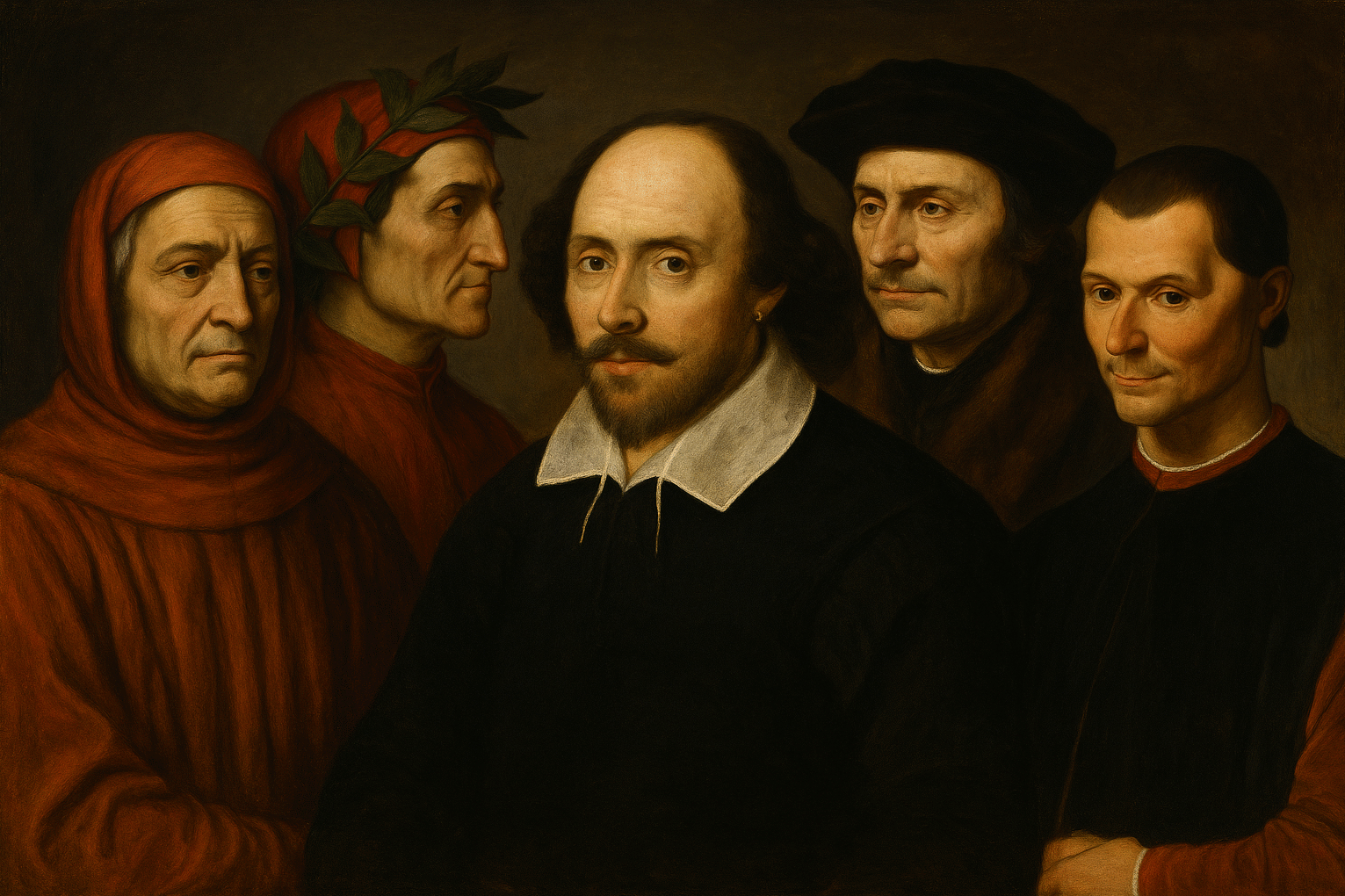
Franz Kafka shaped modernism strongly. He wrote about fear, guilt, and confusion. Therefore, his works show deep conflict. Moreover, his fragmented worlds display chaos. Thus, readers enter strangeness. Furthermore, Kafka created characters who felt trapped. They struggled with law, work, and family. Consequently, his fiction reflects alienation. Hence, his vision became central. Similarly, his stories blur reality. They display dreamlike sequences. Therefore, Franz Kafka as modernist novelist represents modern despair. He mirrors industrial anxiety. Moreover, he shows personal struggle. His style remains fresh. It reveals isolation. Thus, readers sense timeless relevance. Furthermore, Kafka questions authority. He challenges tradition. Therefore, his works symbolize modernist creativity. They carry psychological intensity. Moreover, they present truth. Hence, his novels endure. Kafka changed literature permanently. He became a pioneer. His voice stays central.
2. Kafka and Modernist Style
Kafka embraced experimentation. Therefore, his novels avoided tradition. Moreover, he valued broken narratives. His style expressed uncertainty. Consequently, readers faced challenge. Thus, Franz Kafka as a novelist used form creatively. Furthermore, his sentences grew tense. They displayed urgency. Similarly, he used ambiguity. Hence, meanings stayed unclear. Moreover, Kafka rejected easy answers. He trusted mystery. Therefore, his stories revealed depth. Transitioning further, Kafka’s form shaped mood. It echoed silence. It carried despair. Moreover, his style showed fragmentation. It mirrored inner collapse. Consequently, readers recognized instability. Thus, modernism appeared clearly. Kafka revealed modern conflict. He explored insecurity. Hence, he redefined narrative. Therefore, Kafka’s style shaped modernism. It influenced later fiction. Moreover, his writing continues relevance. Readers value its power. Thus, Kafka’s method changed literature forever.
3. Themes of Alienation
Alienation dominates Kafka. Characters feel isolated. Therefore, they struggle with society. Moreover, they fail in belonging. They confront hostile systems. Consequently, Kafka exposes rejection. Thus, Franz Kafka as a novelist explores alienation deeply. Furthermore, his characters experience distance. They suffer exclusion. Similarly, his settings reflect estrangement. Hence, offices appear cold. Families seem harsh. Moreover, law becomes cruel. It destroys comfort. Therefore, Kafka reveals emotional wounds. Transitioning further, alienation symbolizes modern struggle. It shows identity collapse. It exposes human fragility. Moreover, readers connect with this theme. They sense personal relevance. Consequently, alienation defines Kafka’s world. It remains universal. Thus, modernism values this expression. Kafka’s novels teach truth. They capture timeless pain. Hence, alienation becomes lasting. Therefore, Kafka reshaped literature with alienation. He exposed reality. He shaped modern voices.
4. The Trial as Modernist Text
The Trial represents modernism. Kafka created Josef K. He faces absurd charges. Therefore, he feels trapped. Moreover, law remains unclear. It shows cruelty. Consequently, Kafka builds tension. Thus, Franz Kafka as a novelist demonstrates alienation. Furthermore, the court represents chaos. It shows injustice. Similarly, characters remain powerless. Hence, systems dominate them. Moreover, the novel uses uncertainty. It avoids resolution. Therefore, readers face questions. Transitioning further, The Trial reflects bureaucracy. It shows impersonal order. It mirrors fear. Moreover, readers feel oppression. They share Josef K.’s pain. Consequently, the novel reflects modern conflict. It criticizes authority. Thus, Kafka mirrors instability. He shows absurdity. Hence, The Trial represents modernist despair. Therefore, Kafka reshaped the novel. He created lasting form. Moreover, his work influences others. It guides literature strongly. Hence, The Trial endures permanently.
5. Kafka’s Use of Symbolism
Kafka valued symbols. Therefore, his works use metaphors. Moreover, objects carry meanings. They shape mood. Consequently, literature gains layers. Thus, Franz Kafka as a novelist thrives on symbols. Furthermore, The Castle symbolizes distance. It represents authority. Similarly, The Metamorphosis symbolizes alienation. Hence, Gregor’s change reflects rejection. Moreover, symbols express unconscious fears. They show hidden truths. Therefore, Kafka uses imagery boldly. Transitioning further, symbolism reveals depth. It enriches texts. It expands vision. Moreover, readers interpret freely. They explore hidden meanings. Consequently, his symbols create engagement. They demand thought. Thus, Kafka’s art grows strong. He delivers intensity. He trusts imagination. Hence, symbolism becomes tool. Therefore, modernism values Kafka. His metaphors survive. They guide readers. Moreover, they expand interpretation. Thus, Kafka’s symbolic mastery remains crucial. It shapes literature continuously.
6. Exploration of Bureaucracy
Kafka critiqued bureaucracy. Therefore, his novels display endless systems. Moreover, officials appear heartless. They crush characters. Consequently, lives collapse. Thus, Franz Kafka as a novelist reveals bureaucracy harshly. Furthermore, The Trial mirrors this critique. It displays endless courtrooms. Similarly, The Castle reflects authority. Hence, bureaucracy dominates settings. Moreover, Kafka’s characters seek access. They fail repeatedly. Therefore, power seems unreachable. Transitioning further, bureaucracy symbolizes control. It reflects modern anxiety. It shows dehumanization. Moreover, readers connect with fear. They sense realism. Consequently, Kafka exposes oppression. He criticizes injustice. Thus, bureaucracy becomes symbol. Kafka reshapes narrative. He shows absurd authority. Hence, his critique remains valid. Therefore, literature values him. His vision endures. Moreover, he influenced later writers. Thus, Kafka’s focus on bureaucracy marks modernism. It shaped culture strongly.
7. The Metamorphosis and Modernism
The Metamorphosis defines modernism. Gregor transforms into insect. Therefore, he faces rejection. Moreover, family abandons him. They show cruelty. Consequently, alienation grows. Thus, Franz Kafka as modernist novelist illustrates despair. Furthermore, Gregor’s body becomes symbol. It reflects weakness. Similarly, his isolation mirrors rejection. Hence, Kafka shows human fragility. Moreover, absurdity drives story. It mirrors dream. Therefore, modernist traits appear clearly. Transitioning further, Kafka critiques family roles. He shows burden. He reveals coldness. Moreover, readers feel discomfort. They sense pain. Consequently, the novella shapes literature. It symbolizes modern struggle. Thus, Kafka reshapes narrative. He builds new tradition. Hence, The Metamorphosis represents truth. Therefore, Kafka created timeless fiction. It continues relevance. Moreover, readers admire depth. Thus, Kafka’s novella endures. It symbolizes lasting modernist impact.
8. Kafka’s Influence on Literature
Kafka influenced global writers. Therefore, his works reached worldwide. Moreover, his themes shaped fiction. They guided poets. Consequently, modernist style expanded. Thus, Franz Kafka as modernist novelist inspired literature. Furthermore, writers borrowed his alienation. They used absurdity. Similarly, existentialists admired him. Hence, Sartre valued Kafka. Moreover, Camus drew influence. He built absurd theory. Therefore, Kafka’s legacy grew strong. Transitioning further, Latin American writers adapted him. Magical realism echoed Kafka. Moreover, postmodernism borrowed techniques. It admired ambiguity. Consequently, Kafka transformed culture. He created new models. Thus, literature advanced. Writers respected his vision. They followed boldly. Hence, his works remain central. Therefore, modernism celebrates Kafka. He changed world fiction. Moreover, his influence persists. Thus, readers discover depth. They sense universality. Hence, Kafka’s legacy shapes future. It remains timeless.
9. Psychological Depth in Kafka’s Work
Kafka valued psychology. Therefore, his fiction studies minds. Moreover, characters reveal anxiety. They display fear. Consequently, novels feel intense. Thus, Franz Kafka as modernist novelist uses psychology strongly. Furthermore, his stories mirror Freud. They explore unconscious. Similarly, they reveal repression. Hence, identity collapses inside texts. Moreover, guilt dominates characters. They suffer daily. Therefore, readers witness torment. Transitioning further, Kafka builds tension. He shows mental decline. He portrays obsession. Moreover, inner voices dominate narrative. They shape story. Consequently, readers connect personally. They sense truth. Thus, Kafka deepens fiction. He reveals hidden pain. Hence, modernism embraces psychology. Therefore, Kafka shapes mental portraits. He creates raw vision. Moreover, he uncovers depth. Thus, psychological struggle defines modernist tone. It shapes imagination. Hence, Kafka remains lasting.
10. Religious Questions in Kafka
Kafka explored religion. Therefore, his novels question faith. Moreover, he showed spiritual conflict. He revealed struggle. Consequently, texts carried depth. Thus, Franz Kafka as modernist novelist reflected religious doubt. Furthermore, his characters sought meaning. They felt distant. Similarly, faith seemed broken. Hence, churches offered little. Moreover, symbols replaced certainty. They expressed fear. Therefore, Kafka used spiritual conflict. Transitioning further, his works revealed questions. They offered paradox. They denied closure. Moreover, God appeared silent. He offered nothing. Consequently, characters wandered. They faced emptiness. Thus, Kafka expressed modern uncertainty. He shaped spiritual alienation. Hence, religion became theme. Therefore, modernist readers admired honesty. Kafka mirrored their doubt. Moreover, he gave voice to despair. Thus, religion shaped narrative. It reflected society. Hence, Kafka captured truth.
11. Kafka and the City
Cities dominate Kafka’s worlds. Therefore, settings remain urban. Moreover, offices appear bleak. They mirror despair. Consequently, alienation grows. Thus, Franz Kafka as modernist novelist uses cities boldly. Furthermore, crowds reflect isolation. They create distance. Similarly, bureaucracy flourishes there. Hence, cities display chaos. Moreover, readers recognize modern life. They sense realism. Therefore, cities become symbols. Transitioning further, Kafka explores anonymity. Characters feel invisible. They disappear. Moreover, they wander endlessly. They fail in belonging. Consequently, city becomes maze. It traps people. Thus, literature reflects industrial anxiety. Kafka shows cold streets. He reveals crowded silence. Hence, the city becomes hostile. Therefore, modernism embraces this vision. Kafka transformed setting. He reshaped urban meaning. Moreover, readers understand truth. Thus, the city defined Kafka. It shaped modernist struggle.
12. Family Dynamics in Kafka’s Writing
Family shaped Kafka’s stories. Therefore, his fiction exposes harsh ties. Moreover, fathers dominate children. They cause guilt. Consequently, characters feel weak. Thus, Franz Kafka as a novelist explores family deeply. Furthermore, The Metamorphosis reveals cruelty. Gregor supports parents. They abandon him later. Similarly, Letter to His Father shows trauma. Hence, Kafka’s writing reflects personal struggle. Moreover, family becomes symbol. It mirrors society. It shows control. Therefore, family remains central. Transitioning further, family ties reflect rejection. They reveal alienation. They deny support. Moreover, readers connect emotionally. They sense realism. Consequently, family drama defines texts. It enriches themes. Thus, Kafka shapes universal struggle. He exposes wounds. Hence, family marks identity. Therefore, modernism embraces his honesty. Kafka turned family into art. Moreover, his stories remain relatable. Thus, family shaped Kafka’s genius.
13. Kafka’s Language and Clarity
Kafka used clear style. Therefore, his sentences appeared simple. Moreover, his words created tension. They carried urgency. Consequently, meaning became sharp. Thus, Franz Kafka relied on clarity. Furthermore, he avoided excess. He chose precision. Similarly, his structure carried rhythm. Hence, words revealed power. Moreover, he shaped intensity. He expressed despair. Therefore, readers felt emotion. Transitioning further, clarity deepened themes. It exposed fear. It revealed anxiety. Moreover, his language built universality. It reached wide readers. Consequently, literature expanded. It gained global scope. Thus, Kafka valued sharpness. He trusted restraint. He avoided ornament. Hence, his clarity reflected modernism. Therefore, his words shaped movement. They built impact. Moreover, clarity inspired writers. Thus, Kafka’s language created model. It guided modern expression. Hence, his voice remains unique.
14. Kafka’s Role in Modernist Period
Kafka stands central. Therefore, his works define movement. Moreover, his themes shape identity. They mirror despair. Consequently, modernism gains direction. Thus, Franz Kafka symbolizes the modernist period in literature. Furthermore, his influence grows wide. He shapes poetry too. Similarly, drama absorbs him. Hence, Kafka’s role remains vital. Moreover, readers admire intensity. They sense courage. Therefore, Kafka sustains movement. Transitioning further, his vision shows absurdity. It mirrors crisis. It defines alienation. Moreover, his novels stand universal. They express common struggle. Consequently, Kafka marks modernism’s core. He creates lasting art. Thus, his role becomes monumental. He inspires generations. Hence, modernism owes him depth. Therefore, Kafka’s role in modernism remains strong. He shaped spirit. He transformed literature. Moreover, his vision endures. Thus, Kafka remains timeless.
15. Kafka’s Narrative Techniques
Kafka reshaped narrative. Therefore, his style broke rules. Moreover, he used shifting voices. He created ambiguity. Consequently, texts grew layered. Thus, Franz Kafka developed unique method. Furthermore, his narration reflected psychology. It showed conflict. Similarly, his voice mirrored instability. Hence, his narrative carried tension. Moreover, Kafka trusted innovation. He embraced fluidity. Therefore, readers faced challenge. Transitioning further, narrative built intensity. It revealed uncertainty. It carried irony. Moreover, Kafka used dream logic. He blurred reality. Consequently, his style defined movement. It shaped tone. Thus, narrative became central. Kafka guided form. He avoided tradition. Hence, his techniques influenced others. Therefore, narrative craft shaped modernism. Kafka left deep mark. Moreover, his innovation continues. Thus, narrative freedom defines his genius. It represents modernist identity.
16. Kafka and Existentialism
Kafka inspired existentialism. Therefore, his novels mirrored absurdity. Moreover, philosophers admired him. They valued themes. Consequently, existentialists used Kafka. Thus, Franz Kafka as a novelist shaped existential thought. Furthermore, Sartre praised his fiction. It reflected freedom. Similarly, Camus studied him. Hence, absurd theory grew. Moreover, Kafka’s stories mirrored nothingness. They revealed emptiness. Therefore, philosophy embraced them. Transitioning further, existentialism gained symbols. It used Kafka’s imagery. It showed alienation. Moreover, readers sensed similarity. They felt connection. Consequently, literature supported philosophy. It carried weight. Thus, Kafka created bridges. He united thought. He inspired reflection. Hence, existentialism absorbed modernism. Therefore, Kafka shaped philosophy. He guided culture. Moreover, his voice endures. Thus, existentialism reflects Kafka. It carries his spirit. It expands his influence.
17. Reception of Kafka’s Works
Kafka’s works gained fame later. Therefore, recognition came slowly. Moreover, he died early. He left manuscripts. Consequently, friends published them. Thus, he reached readers posthumously. Furthermore, critics valued his voice. They admired intensity. Similarly, audiences discovered depth. Hence, reputation expanded. Moreover, translations spread ideas. They carried influence. Therefore, global readers learned Kafka. Transitioning further, critics shaped debate. They analyzed symbolism. They explored psychology. Moreover, scholars built theories. They praised genius. Consequently, Kafka became central. He entered canon. Thus, reception reshaped literature. It gave him honor. Hence, recognition grew lasting. Therefore, Kafka’s fame lives. It expands continuously. Moreover, readers admire him. Thus, reception proves timelessness. Kafka remains valued. He inspires future. He holds influence strongly.
18. Kafka’s Legacy in Modern Fiction
Kafka left legacy. Therefore, modern writers respect him. Moreover, they borrow techniques. They use symbols. Consequently, fiction evolves. Thus, Franz Kafka inspires contemporary literature. Furthermore, postmodernists cite him. They use absurdity. Similarly, magical realists follow him. Hence, global writers adapt ideas. Moreover, critics honor him. They analyze texts. They teach lessons. Therefore, legacy grows. Transitioning further, Kafka enriches imagination. He gives courage. He guides innovation. Moreover, readers sense continuity. They connect deeply. Consequently, fiction develops strength. It reflects Kafka’s spirit. Thus, legacy builds modern identity. He reshaped vision. He created timeless voice. Hence, modernism sustains influence. Therefore, Kafka lives through fiction. He inspires constantly. Moreover, legacy remains vibrant. Thus, writers sustain his relevance. It never fades.
19. Kafka’s Impact on Readers
Readers feel Kafka deeply. Therefore, his novels affect strongly. Moreover, they evoke fear. They create empathy. Consequently, readers face discomfort. Thus, Franz Kafka as modernist novelist transforms reading. Furthermore, his stories stay haunting. They disturb imagination. Similarly, they mirror real fears. Hence, readers relate closely. Moreover, texts shape reflection. They cause thought. Therefore, readers question society. Transitioning further, Kafka stirs emotion. He inspires debate. He builds awareness. Moreover, modern readers still connect. They sense freshness. Consequently, works remain timeless. They speak today. Thus, Kafka stays powerful. He shapes response. He guides perspective. Hence, modernist value remains alive. Therefore, Kafka redefines experience. He gives readers depth. He leaves impact always. Moreover, his vision resonates forever. Thus, Kafka holds lasting influence. It defines literature permanently.
20. Kafka and Modernist Humor
Kafka’s humor emerges subtly. Therefore, it balances tension. Moreover, absurd situations create ironic relief. They highlight social critique. Consequently, readers perceive layered meaning. Thus, his style combines seriousness and wit. Furthermore, Kafka reveals human vulnerability through comedic moments. Similarly, surreal events entertain while questioning reality. Hence, humor becomes tool for reflection. Moreover, Kafka blends laughter with anxiety, producing contrast. Therefore, his narrative engages multiple emotions. Transitioning further, irony underlines societal absurdity. It exposes bureaucratic inefficiency. It mirrors alienation. Moreover, readers sense intellectual depth. Consequently, humor enriches the narrative. It emphasizes existential tension. Thus, Kafka’s subtle comedic touch enhances modernist technique. Hence, literature benefits from this duality. Transitioning again, satire highlights human weakness. It supports philosophical inquiry. Moreover, humor connects deeply with readers. It balances complexity. Consequently, modernist fiction gains dimension. It reveals life’s paradox. Hence, Kafka’s wit adds enduring relevance.
21. Kafka’s Treatment of Time
Time in Kafka’s works appears fluid. Therefore, narrative sequence shifts frequently. Moreover, past, present, and future blend seamlessly. They reflect psychological states. Consequently, readers experience disorientation. Thus, Kafka emphasizes subjective perception. Furthermore, characters confront deadlines, bureaucracy, and impending doom. Similarly, the narrative often lacks chronological clarity. Hence, suspense grows naturally. Moreover, Kafka manipulates time to heighten tension. Therefore, experience becomes both universal and personal. Transitioning further, delayed resolutions frustrate expectations. They mirror life’s unpredictability. Moreover, fragmented pacing reveals existential anxiety. Consequently, modernist sensibilities emerge. They challenge conventional storytelling. Thus, readers reconsider linearity. Kafka’s narrative becomes flexible and complex. Furthermore, time interacts with isolation. It reflects alienation and helplessness. Therefore, psychological exploration deepens. Moreover, uncertainty regarding chronology mirrors societal chaos. Consequently, temporal ambiguity strengthens literary innovation. It emphasizes instability. Hence, Kafka’s manipulation of time marks a signature modernist trait.
22. Kafka and Modernist Dreams
Dreamlike sequences dominate Kafka’s fiction. Therefore, reality often feels surreal. Moreover, characters encounter bizarre events. They navigate illogical environments. Consequently, narrative reality blurs. Thus, readers engage subconscious imagination. Furthermore, Kafka’s imagery evokes both fear and fascination. Similarly, his dream logic mirrors inner conflict. Hence, fantasy intensifies psychological insight. Moreover, the narrative rhythm mirrors dreamlike uncertainty. Therefore, readers question perception. Transitioning further, symbolism reinforces subconscious meaning. Objects and spaces shift unexpectedly. Moreover, narrative suspense intertwines with imagination. Consequently, Kafka’s fiction defies conventional interpretation. It encourages active engagement. Thus, narrative ambiguity reflects modernist experimentation. Furthermore, emotions become heightened. Characters and readers simultaneously respond. Therefore, Kafka’s surrealism expands literary possibilities. It challenges understanding. Moreover, subconscious exploration amplifies thematic depth. Consequently, works inspire reflection. Dream motifs signify human anxiety and alienation. Thus, Kafka’s innovative approach strengthens modernist exploration.
23. Kafka and Existential Loneliness
Kafka examines loneliness deeply. Therefore, characters often feel isolated. Moreover, society imposes pressures that alienate. They struggle for connection. Consequently, existential despair grows. Thus, readers confront human solitude. Furthermore, settings emphasize emptiness and distance. Similarly, emotional estrangement shapes conflict. Hence, characters’ internal worlds dominate narrative. Moreover, Kafka uses social and familial constraints to intensify isolation. Therefore, human relationships remain fragile. Transitioning further, communication often fails. Characters misinterpret intentions. Moreover, isolation becomes a symbol of modernist uncertainty. Consequently, Kafka’s work reflects internal and external separation. It mirrors real-world disconnection. Thus, alienation resonates universally. Moreover, tension between belonging and solitude persists. Consequently, Kafka’s focus on loneliness enriches existential exploration. It aligns with modernist concerns. Therefore, psychological and social estrangement define his fiction. Moreover, readers gain empathy through narrative introspection. Thus, loneliness becomes thematic and structural foundation in Kafka’s modernist vision.
24. Kafka’s Ethical Ambiguity
Kafka presents moral dilemmas vividly. Therefore, right and wrong blur. Moreover, decisions carry unpredictable consequences. They challenge ethical certainty. Consequently, readers question conventional morality. Thus, Kafka’s worlds create tension. Furthermore, power structures impose conflicting rules. Similarly, authority seems arbitrary and opaque. Hence, moral clarity dissolves. Moreover, choices become psychologically taxing. Therefore, characters face guilt and confusion simultaneously. Transitioning further, Kafka avoids explicit judgment. Readers interpret behavior personally. Moreover, ambiguity fosters engagement and reflection. Consequently, ethical instability mirrors real-world dilemmas. It challenges conventional narrative morality. Thus, Franz Kafka as Modernist Novelist balances ambiguity with coherence. Furthermore, moral uncertainty reinforces thematic depth. It highlights human vulnerability. Moreover, ethical tension aligns with existential concerns. Consequently, Kafka’s work demonstrates modernist complexity. Transitioning further, readers confront contradictions. They navigate ethical gray areas. Thus, ambiguity sustains narrative tension. Kafka’s exploration of ethics remains enduring.
25. Kafka and Isolation of Work
Kafka emphasizes work as oppressive. Therefore, characters encounter endless tasks. Moreover, bureaucracy dominates routines. They navigate inefficiency constantly. Consequently, labor becomes dehumanizing. Thus, readers witness alienation in mundane activity. Furthermore, hierarchy enforces compliance. Similarly, labor erodes individuality. Hence, professional life mirrors societal absurdity. Moreover, Kafka critiques institutional rigidity. Therefore, repetitive systems trap individuals psychologically. Transitioning further, offices and institutions symbolize existential struggle. Moreover, work becomes metaphor for modern isolation. Consequently, readers reflect on contemporary pressures. It aligns with modernist themes. Thus, labor reveals character vulnerability. Furthermore, Kafka presents tension between duty and selfhood. It reinforces thematic exploration. Moreover, narrative portrays work as both literal and symbolic. Consequently, systemic constraints dominate fiction. They heighten realism and despair. Hence, Kafka’s treatment of work illustrates modernist awareness.
26. Kafka’s Political Commentary
Kafka incorporates political undertones subtly. Therefore, bureaucracy reflects power hierarchies. Moreover, authority remains arbitrary and opaque. It controls personal freedom. Consequently, texts critique societal structures. Thus, readers discern indirect political insights. Furthermore, allegorical situations reveal governance flaws. Similarly, Kafka exposes oppression without explicit ideology. Hence, critique emerges through narrative tension. Moreover, law and rule dominate daily life. Therefore, social institutions impose constraints. Transitioning further, ambiguity allows multiple interpretations. Moreover, political resonance emerges without explicit statement. Consequently, readers identify systemic injustice. It mirrors modern societal anxiety. Thus, Kafka’s fiction intertwines politics with personal struggle. Furthermore, tension between power and helplessness remains evident. It highlights absurdity in governance. Moreover, subtle political themes enrich literary meaning. Consequently, Kafka’s narrative engages critically. His work continues political and cultural relevance.
27. Kafka and Nature Imagery
Kafka employs nature as symbolic device. Therefore, landscapes reflect mood. Moreover, natural elements mirror emotion. They reinforce narrative tension. Consequently, readers connect with symbolic environment. Thus, imagery complements psychological depth. Furthermore, settings emphasize contrast between internal and external worlds. Similarly, weather and terrain influence atmosphere. Hence, natural description shapes existential experience. Moreover, Kafka’s attention to detail intensifies perception. Therefore, scenes carry thematic resonance. Transitioning further, nature interacts with alienation. Moreover, physical surroundings reinforce character isolation. Consequently, modernist elements intertwine with environmental symbolism. It heightens narrative subtlety. Thus, descriptive attention contributes to overall style. Furthermore, symbolic landscape mirrors societal constraints. It reflects despair. Moreover, nature amplifies surreal tension. Consequently, Kafka’s work gains atmospheric depth. It aligns with psychological and thematic concerns.
28. Kafka and the Uncanny
Kafka cultivates uncanny experiences deliberately. Therefore, ordinary becomes strange. Moreover, familiar spaces generate anxiety. They distort perception. Consequently, readers feel cognitive dissonance. Thus, narrative defamiliarizes reality. Furthermore, uncanny motifs amplify alienation. Similarly, transformation and metamorphosis create unease. Hence, storytelling evokes tension constantly. Moreover, narrative ambiguity reinforces uncanny effect. Therefore, expectation subverts reality frequently. Transitioning further, Kafka emphasizes contradictory logic. Moreover, discomfort provokes reflection. Consequently, uncanny scenarios interrogate societal norms. They challenge understanding. Thus, Franz Kafka as Modernist Novelist incorporates uncanny subtly. Furthermore, surreal imagery sustains uncertainty. It engages readers psychologically. Moreover, ambiguity and transformation heighten impact. Consequently, uncanny elements underscore thematic complexity. They enrich narrative. Hence, Kafka’s literary use of the uncanny persists, shaping modernist imagination.
29. Kafka’s Continuing Relevance
Kafka’s works remain contemporary. Therefore, modern readers connect emotionally. Moreover, themes of alienation and absurdity persist. They resonate across cultures. Consequently, literature gains universality. Thus, narrative engages new generations. Furthermore, readers confront timeless psychological dilemmas. Similarly, Kafka’s influence spans media and translation. Hence, analysis continues globally. Moreover, his fiction inspires writers consistently. Therefore, Franz Kafka as Modernist Novelist continues shaping thought. Transitioning further, existential, social, and psychological elements remain central. Moreover, critical studies expand understanding. Consequently, his legacy strengthens academic and creative work. It informs literary theory. Thus, narrative innovation endures. Furthermore, cultural relevance persists. It bridges historical and contemporary contexts. Moreover, philosophical engagement remains high. Consequently, Kafka’s modernist vision sustains significance. Readers and scholars recognize enduring insight. Therefore, literature values his continuing voice. Moreover, his works remain influential worldwide.
30. Kafka’s Exploration of Fear
Kafka immerses readers in fear. Therefore, characters confront the unknown constantly. Moreover, anxiety dominates daily existence. It heightens tension and emotional intensity. Consequently, narrative suspense sustains attention. Thus, readers share inner terror of protagonists. Furthermore, danger appears both real and surreal. Similarly, perception shifts rapidly, producing uncertainty. Hence, fear becomes central to modernist experience. Moreover, Kafka examines psychological terror subtly. Therefore, readers sense existential dread. Transitioning further, uncertainty governs narrative structure. Moreover, ambiguous outcomes enhance tension. Consequently, literature reflects both inner and outer threats. It mirrors societal unpredictability. Thus, Kafka’s fiction explores fear profoundly. Furthermore, emotional resonance guides interpretation. It encourages reflection on human vulnerability. Moreover, suspense interacts with thematic depth. Consequently, modernist traits emerge consistently. It demonstrates enduring narrative power. Hence, exploration of fear shapes reader engagement.
31. Kafka and Identity Crisis
Identity forms a core concern. Therefore, characters struggle with self-perception. Moreover, societal roles conflict with personal desires. They face alienation and ambiguity. Consequently, Kafka interrogates personal versus social identity. Thus, individuals question purpose and belonging. Furthermore, names, roles, and titles often mislead. Similarly, legal and bureaucratic pressures distort self-understanding. Hence, identity collapse reflects existential tension. Moreover, readers recognize universal struggle for meaning. Therefore, crisis becomes a thematic lens. Transitioning further, Kafka emphasizes internal conflict. Moreover, uncertainty shapes character actions. Consequently, self-doubt and fear dominate narratives. They mirror modern life instability. Thus, exploration of identity engages both cognitive and emotional response. Furthermore, complexity deepens textual richness. It sustains reader analysis. Moreover, ambiguity reinforces contemporary relevance. Consequently, identity crises demonstrate modernist concerns vividly.
32. Kafka and Alienation of Youth
Kafka portrays young characters under strain. Therefore, adolescence appears lonely and confusing. Moreover, authority figures impose pressure. They demand obedience yet provide no guidance. Consequently, youth experiences frustration and despair. Thus, education and work structures shape alienation. Furthermore, familial expectations heighten tension. Similarly, societal norms create distance. Hence, young characters encounter emotional isolation consistently. Moreover, peer interaction often fails to alleviate separation. Therefore, Kafka examines psychological and social development. Transitioning further, existential uncertainty affects young minds. Moreover, narratives show lack of autonomy. Consequently, literature mirrors real-world challenges for youth. It reflects modernist exploration of societal strain. Thus, alienation themes engage readers across generations. Furthermore, psychological depth encourages empathy. It resonates universally. Moreover, literary technique conveys nuance and subtlety. Consequently, youth alienation underscores broader thematic concerns.
33. Kafka’s Symbolic Spaces
Kafka’s settings often carry meaning. Therefore, rooms, offices, and hallways convey emotion. Moreover, architecture reflects societal oppression. Spaces become psychological landscapes. Consequently, readers interpret location symbolically. Thus, narrative tension interacts with environment. Furthermore, labyrinthine structures mirror inner confusion. Similarly, buildings represent authority and control. Hence, symbolic spaces reinforce existential anxiety. Moreover, readers experience confinement indirectly. Therefore, Franz Kafka as Modernist Novelist manipulates perspective to highlight restriction and thematic depth. Transitioning further, environmental symbolism interacts with character behavior. Moreover, objects and spatial arrangements suggest hidden truths. Consequently, literary engagement deepens. It enhances modernist style. Thus, Kafka’s spaces operate on thematic and structural levels. Furthermore, allegorical interpretation becomes central. It fosters multi-layered reading. Moreover, narrative environments intensify emotional resonance. Consequently, spatial symbolism contributes to Kafka’s enduring relevance in literature.
34. Kafka’s Enduring Psychological Influence
Kafka’s fiction informs contemporary psychology. Therefore, readers encounter realistic internal struggles. Moreover, dreams, fears, and compulsions guide narrative tension. They mirror human cognition and unconscious processes. Consequently, literature intersects with psychological insight. Thus, modernist exploration deepens understanding of mind. Furthermore, character behavior reflects mental states clearly. Similarly, repetition and obsession emphasize inner turmoil. Hence, readers gain awareness of existential and cognitive patterns. Moreover, narrative ambiguity mirrors human thought complexity. Therefore, Franz Kafka as Modernist Novelist demonstrates the interplay of literature and psychology. Transitioning further, stories illuminate fear, guilt, and anxiety. Moreover, narrative devices reveal subconscious motives. Consequently, Kafka shapes literary psychology discourse. It influences both creative and academic inquiry. Thus, psychological depth remains a hallmark. Furthermore, engagement with human mind sustains relevance. It reinforces modernist literary power.
35. Kafka and Moral Paradox
Kafka explores moral paradoxes subtly. Therefore, choices appear confusing and contradictory. Moreover, characters face dilemmas with no clear solution. They experience guilt and obligation simultaneously. Consequently, readers reflect on ethical ambiguity. Thus, narrative tension arises from uncertainty. Furthermore, conflicting societal and personal codes shape decisions. Similarly, Kafka presents morality as complex and layered. Hence, judgment becomes subjective. Moreover, consequences often defy logic, reinforcing unpredictability. Therefore, readers confront both internal and external ethical challenges. Transitioning further, irony and absurdity highlight contradictions. Moreover, systemic pressures create moral ambiguity. Consequently, modernist concerns emerge through layered narrative. They provoke critical thinking. Thus, Kafka’s treatment of paradox deepens literary meaning. Furthermore, ethical exploration resonates with human experience. It enhances thematic richness. Moreover, narrative structure mirrors moral instability. Consequently, Kafka challenges conventional understanding. It promotes reflection and engagement. Hence, moral paradox remains central to modernist exploration.
36. Kafka and Human Vulnerability
Kafka portrays vulnerability vividly. Therefore, characters confront forces beyond control. Moreover, fear, illness, and social pressure dominate lives. They struggle to maintain agency. Consequently, readers empathize with fragility. Thus, narrative intensity arises naturally. Furthermore, subtle description heightens perception of weakness. Similarly, internal conflicts reveal psychological exposure. Hence, human vulnerability becomes a lens for exploring alienation. Moreover, existential threats interact with personal limitations. Therefore, tension accumulates. Transitioning further, helplessness amplifies thematic resonance. Moreover, Kafka’s world demonstrates emotional exposure. Consequently, narrative engages readers psychologically. It fosters reflection on modern life. Thus, Franz Kafka as Modernist Novelist emphasizes vulnerability to highlight societal pressures. Furthermore, uncertainty and powerlessness reinforce character experience. It mirrors real-world anxieties. Moreover, isolation magnifies human susceptibility. Consequently, Kafka’s fiction emphasizes fragility meaningfully. It remains relevant and enduring.
37. Kafka’s Minimalist Descriptions
Kafka favors minimalist style. Therefore, sentences remain concise. Moreover, imagery is precise yet evocative. It conveys tension without verbosity. Consequently, readers focus on essential detail. Thus, clarity enhances psychological effect. Furthermore, minimalism produces interpretive openness. Similarly, sparse description intensifies atmosphere. Hence, narrative feels immediate and concentrated. Moreover, restraint fosters engagement and reflection. Therefore, modernist principles manifest through style. Transitioning further, structural economy enhances thematic weight. Moreover, dialogue and action dominate interpretation. Consequently, readers become active participants. It encourages analysis and imagination. Thus, Franz Kafka as Modernist Novelist employs minimalism to strengthen narrative and thematic focus. Furthermore, precision and focus reveal subtle nuances. It sustains tension and emotional intensity. Moreover, minimalism amplifies symbolic resonance. Consequently, writing achieves depth through simplicity. It demonstrates the power of concentrated narrative. Hence, clarity and restraint shape enduring modernist literature.
38. Kafka and Emotional Resilience
Kafka examines resilience subtly. Therefore, characters endure continuous stress. Moreover, alienation, bureaucracy, and failure test fortitude. They persist despite futility. Consequently, narrative reflects human perseverance. Thus, readers observe courage amid despair. Furthermore, resilience highlights psychological depth. Similarly, minor victories contrast oppression. Hence, narrative balances despair with endurance. Moreover, emotional strength emerges in subtle action. Therefore, tension reflects both fragility and determination. Transitioning further, characters confront hopelessness creatively. Moreover, perseverance interacts with absurd conditions. Consequently, literature conveys human adaptability. It underscores modernist appreciation of complexity. Thus, Kafka demonstrates that resilience coexists with vulnerability. Furthermore, narrative tension enhances reader empathy. It reinforces realism and relatability. Moreover, inner persistence informs thematic exploration. Consequently, Kafka’s work affirms human spirit subtly. It strengthens narrative depth and philosophical inquiry.
39. Kafka’s Interpersonal Tensions
Kafka explores social interaction critically. Therefore, dialogue and conflict reveal human complexity. Moreover, authority, family, and peers impose strain. They provoke alienation and misunderstanding. Consequently, narrative reflects relational challenges. Thus, readers encounter realistic tension. Furthermore, subtle cues intensify miscommunication. Similarly, hierarchy shapes behavior and expectations. Hence, interpersonal strain informs both character and plot. Moreover, narrative ambiguity amplifies relational anxiety. Therefore, Kafka examines social vulnerability. Transitioning further, emotional and institutional pressures intersect. Moreover, isolation emerges from flawed interaction. Consequently, readers witness multidimensional relational dynamics. It enhances literary realism. Thus, social tension drives thematic development. Furthermore, narrative complexity reflects human experience. It informs modernist understanding of society. Moreover, Kafka’s portrayal emphasizes both power and fragility. Consequently, interpersonal tension becomes central motif. It engages readers cognitively and emotionally. Hence, relational conflict reinforces enduring literary relevance.
40. Kafka and Cultural Critique
Kafka embeds cultural critique subtly. Therefore, his fiction reflects societal norms. Moreover, conventions, tradition, and expectation shape conflict. They constrain individuality and freedom. Consequently, readers confront cultural rigidity. Thus, narrative interrogates modern life critically. Furthermore, implicit commentary emerges through character struggle. Similarly, institutional and familial pressures reveal societal flaws. Hence, literature critiques human systems indirectly. Moreover, Kafka balances subtlety with thematic clarity. Therefore, reflection occurs naturally. Transitioning further, absurdity and alienation highlight cultural tension. Moreover, symbolism enhances critical perception. Consequently, readers analyze structure and norms simultaneously. It fosters active engagement. Thus, Kafka’s fiction examines modernist social critique effectively. Furthermore, narrative resonance supports philosophical interpretation. It informs ethical and cultural discourse. Moreover, critique integrates seamlessly with character development. Consequently, modernist literary influence persists. It shapes reader understanding and literary tradition.
41. Kafka’s Enduring Symbolism
Symbolism remains central in Kafka. Therefore, objects, settings, and actions carry layered meaning. Moreover, subtle cues convey abstract ideas. They enrich narrative and engage interpretation. Consequently, readers navigate multiple levels of understanding. Thus, narrative depth expands consistently. Furthermore, symbolic motifs reflect inner conflict and societal constraints. Similarly, transformation, confinement, and bureaucracy symbolize broader truths. Hence, thematic resonance strengthens storytelling. Moreover, recurring images create coherence across works. Therefore, Kafka fosters interconnected meaning. Transitioning further, allegorical interpretation invites critical thought. Moreover, narrative intensity grows through symbolic tension. Consequently, readers connect psychologically and emotionally. It enhances modernist technique. Thus, symbolism reinforces philosophical and existential concerns. Furthermore, Kafka’s symbolic mastery informs subsequent literature. It demonstrates structural and thematic sophistication. Moreover, interpretation remains open-ended. Consequently, Kafka’s enduring symbolism preserves narrative richness. It sustains cultural and academic engagement.
42. Conclusion on Kafka’s Modernism
Kafka remains central to modernism. Therefore, his works define style. Moreover, his themes shape depth. They mirror alienation. Consequently, modernist movement gains strength. Thus, Franz Kafka represents modernist struggle. Furthermore, his symbols enrich meaning. They carry weight. Similarly, his narratives show fragmentation. Hence, he defines movement. Moreover, critics honor him. They admire innovation. Therefore, Kafka’s genius remains lasting. Transitioning further, his role inspires future. He shapes philosophy. He expands literature. Moreover, his legacy guides writers. It influences globally. Consequently, Kafka never fades. He stays timeless. Thus, modernism owes him power. His works remain alive. Hence, Kafka defines modernist identity. Therefore, conclusion confirms genius. His vision endures permanently. Moreover, readers admire courage. Thus, Kafka symbolizes modernism. He carries movement strongly.
Modernist Period in Literature: https://englishlitnotes.com/2025/09/03/modernist-period-in-literature-analysis/
To get notes, Past Papers and guess Papers, follow this link: https://ilmkidunya.com/
Discover more from Naeem Ullah Butt - Mr.Blogger
Subscribe to get the latest posts sent to your email.