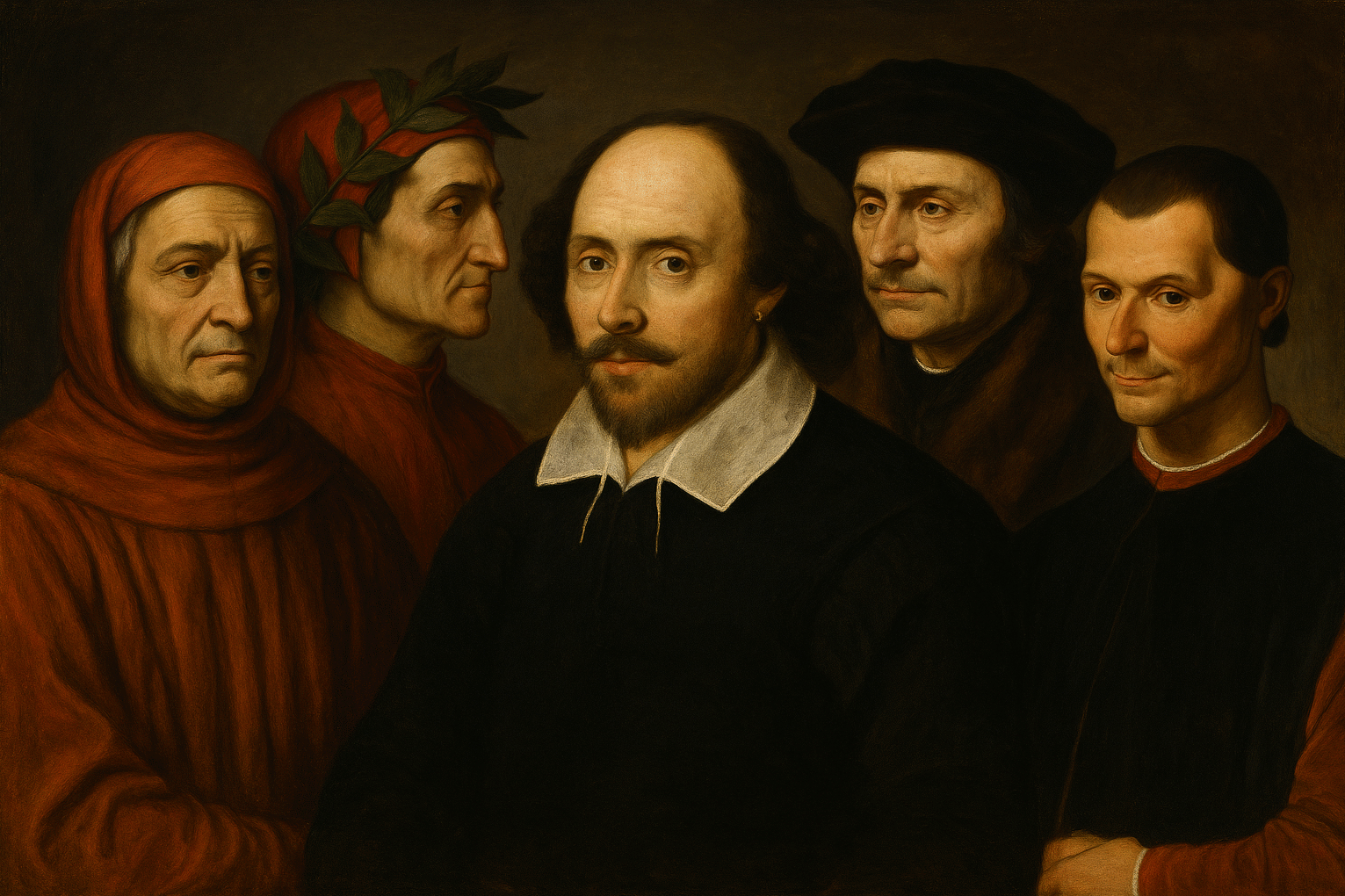

Introduction to the Anglo-Saxon Period
The Anglo-Saxon Period represents one of the most significant eras in the formation of English history, culture, and literature. It began around 449 AD when Germanic tribes migrated to Britain after the Roman Empire withdrew its forces. These tribes—primarily the Angles, Saxons, and Jutes—crossed the North Sea and gradually established settlements across the island. Their arrival marked the beginning of a new political and cultural order that would shape England for centuries.
The Anglo-Saxon Period lasted until 1066, when the Norman Conquest transformed England’s ruling structure and language. However, despite political change, the foundations laid during this early period continued to influence English identity. Old English developed during this transformative era. Heroic poetry also rose during this time. Christianity spread, and early kingdoms formed. Understanding the Anglo-Saxon Period is essential for understanding the origins of English literature and national consciousness.
Origins and Historical Development
Migration and Germanic Tribal Origins
The beginning of the Anglo-Saxon Period is closely connected to the migration of Germanic tribes from continental Europe. The Angles came from what is now Denmark and northern Germany, while the Saxons and Jutes originated from nearby regions. These groups were initially invited to Britain as mercenaries to defend against invasions. However, they eventually settled permanently and claimed land for themselves.
Over time, these tribes established several powerful kingdoms, including Northumbria, Mercia, East Anglia, and Wessex. The political system was decentralized, with each kingdom ruled by its own king. Rivalries and alliances shaped early English politics. Despite regional differences, shared language and customs gradually created a unified Anglo-Saxon culture. The migration period fundamentally altered Britain’s demographic and cultural landscape.
Development of the Old English Language
The Anglo-Saxon Period witnessed the birth of Old English, the earliest form of the English language. Old English developed from Germanic dialects brought by settlers and evolved through interaction with Latin and later Norse influences. It was a highly inflected language, meaning that grammatical relationships were expressed through word endings rather than strict word order.
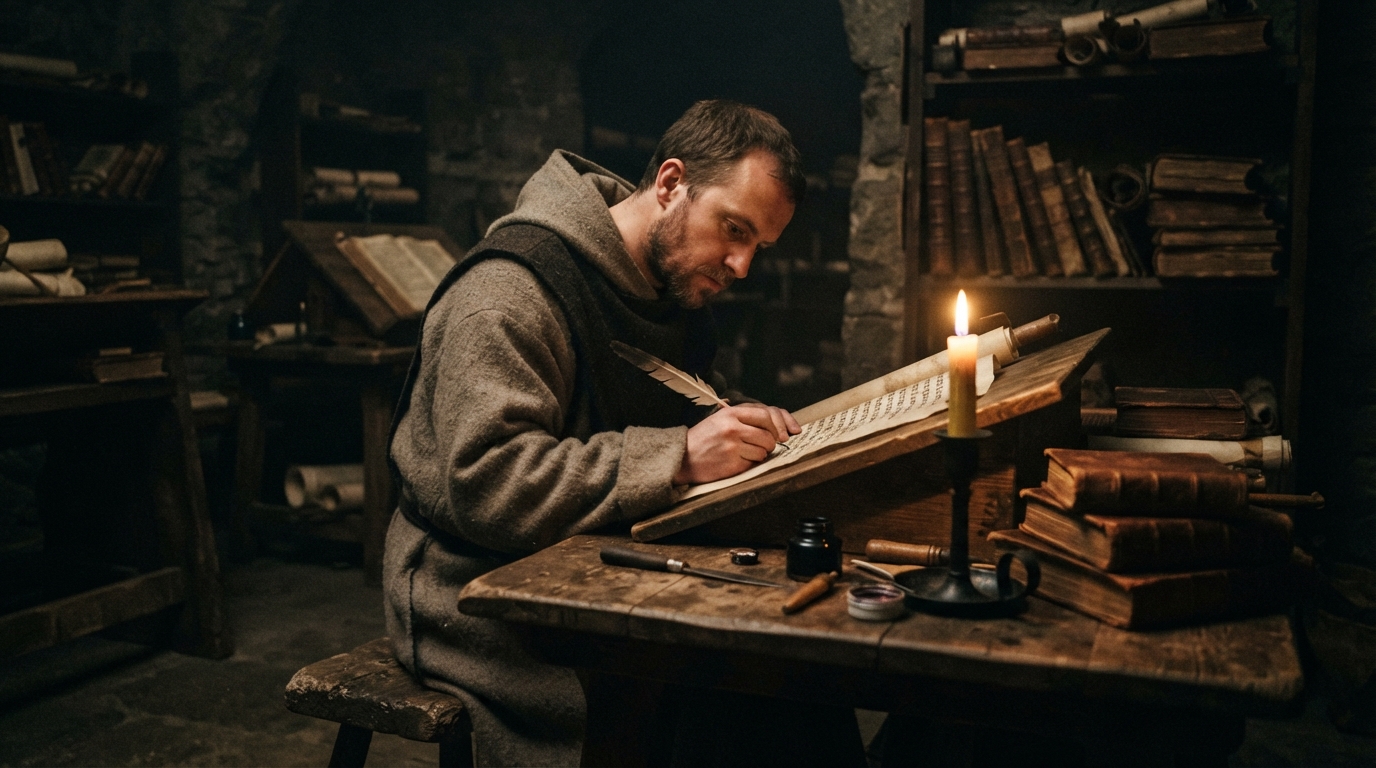
Old English vocabulary was practical and rooted in daily life. Many common modern English words—such as “earth,” “wife,” “child,” and “friend”—come directly from this period. Poetry relied heavily on rhythm and stress patterns rather than rhyme. The preservation of Old English manuscripts by Christian monks ensured that this early language was not lost. Through these texts, modern readers gain direct access to the intellectual and emotional world of the Anglo-Saxon Period.
Viking Invasions and Their Impact
Beginning in the late eighth century, Viking raids disrupted Anglo-Saxon society. Scandinavian warriors attacked coastal monasteries and settlements. Over time, they established permanent settlements, particularly in eastern England.
The Viking presence introduced new vocabulary into Old English and influenced political boundaries. Conflict and cooperation between Anglo-Saxons and Vikings shaped later history. The period of invasion tested the resilience of Anglo-Saxon kingdoms.
Anglo-Saxon Society and Culture
Warrior Society and Heroic Code
The Anglo-Saxon Period was defined by a strong warrior culture. Society valued courage, honor, loyalty, and physical strength. A man’s reputation depended largely on his bravery in battle. The heroic code demanded that warriors defend their lord and community even at the cost of their lives.
Fame was considered a form of immortality. Since life was uncertain and often short, achieving lasting glory through heroic deeds was essential. Cowardice brought shame not only upon the individual but also upon his family. This strict moral code ensured unity and discipline within tribes. However, it also encouraged revenge and continuous warfare. The heroic ideal shaped much of Anglo-Saxon literature, especially epic poetry.
The Comitatus System
The comitatus system was closely linked to the heroic code. It was a social and military bond between a lord and his warriors. Under this system, the lord provided protection, food, and treasure to his followers. In return, they offered absolute loyalty and military service.
This relationship was deeply personal and sacred. If a lord died in battle, his warriors were expected to avenge him or die beside him. Betrayal was considered the greatest dishonor. The comitatus system created stable war bands capable of defending territory and maintaining order. It formed the backbone of political and military life during the Anglo-Saxon Period.
Mead Hall Culture and Social Life
The mead hall was the center of Anglo-Saxon social life. It was a large wooden building. The king and his warriors gathered there to feast. They celebrated victories and listened to poetry. The hall symbolized warmth, safety, and unity in a harsh and dangerous world.
Within the mead hall, treasure was distributed to loyal warriors. Poets recited stories of heroic ancestors, reinforcing shared values. The hall represented order and civilization, standing in contrast to the chaos outside its walls. Attacks on a mead hall, as seen in heroic literature, symbolized a threat to social stability. Thus, it held both practical and symbolic importance in the Anglo-Saxon Period.
Law, Kinship, and Social Order
Anglo-Saxon law was based on kinship and compensation. If a person was harmed, the offender paid wergild, or monetary compensation, to avoid blood feud. Family loyalty was central to social stability. However, revenge killings could still occur. Law codes attempted to regulate disputes and maintain peace within kingdoms.
Women in Anglo-Saxon Society
Women in the Anglo-Saxon Period held important roles within family and community. Noblewomen managed households and sometimes advised rulers. Queens could act as peace-weavers, forming alliances through marriage. Literature often portrays women as hostesses in mead halls, distributing drink and reinforcing social bonds. While society was male-dominated, women exercised influence within domestic and political spheres.
Sea Imagery and Maritime Identity
The sea played a vital role in Anglo-Saxon life. Ancestors arrived by ship, and trade routes connected England to Europe. Poetry frequently uses maritime imagery to symbolize uncertainty and journey. The ocean represented both opportunity and danger. Its presence in literature reflects geographical reality and spiritual metaphor.
Anglo-Saxon Religion and Beliefs
Pagan Beliefs and Mythology
Early Anglo-Saxon society practiced paganism, worshipping gods associated with war, wisdom, and nature. Woden was a central deity, and rituals sought divine favor in battle and harvest. Belief in fate, or Wyrd, shaped attitudes toward life and death.
Burial practices often included weapons and treasure, indicating belief in an afterlife. Pagan mythology influenced early poetry and cultural values. Although Christianity eventually replaced paganism, elements of earlier belief systems persisted within literature and tradition.
Christian Conversion and Religious Transformation
The arrival of Christian missionaries in the sixth century marked a turning point in the Anglo-Saxon Period. Kings gradually converted, and their subjects followed. Monasteries became centers of education, writing, and artistic production.
Christianity introduced new moral teachings emphasizing humility, forgiveness, and spiritual salvation. Biblical stories inspired poetic retellings in heroic style. The blending of pagan and Christian elements created a unique cultural synthesis. Religious transformation reshaped law, governance, and literature throughout the Anglo-Saxon Period.
The Concept of Wyrd and Fate
Wyrd was the Anglo-Saxon concept of fate. It suggested that destiny governed human life. Courage involved accepting one’s fate with dignity. Even great heroes could not escape death. Christianity later reinterpreted fate as part of God’s divine plan, yet the fatalistic tone remained strong in literature.
Transience of Life and Moral Reflection
A strong awareness of life’s impermanence runs throughout Anglo-Saxon literature. Poems describe ruined halls and fallen warriors. They remind audiences that earthly glory fades. The “ubi sunt” motif questions where past heroes have gone. While pagan tradition accepted fate, Christianity offered hope of eternal life. This tension between temporary worldly success and eternal spiritual reward shaped moral reflection. The theme of transience encouraged humility and wisdom.
Anglo-Saxon Literature and Poetry
Oral Tradition and the Role of the Scop
Before literacy became widespread, the Anglo-Saxon Period relied on oral tradition to preserve history and culture. Professional poets known as scops memorized and recited long heroic narratives. They performed in mead halls, using rhythm and alliteration to make stories memorable.
The scop was highly respected because he preserved tribal memory. Through storytelling, he ensured that heroic deeds were not forgotten. Oral tradition allowed stories to evolve while maintaining core themes. When monks later recorded these tales, they preserved a rich cultural heritage that might otherwise have disappeared.
Alliterative Verse and Poetic Style
Anglo-Saxon poetry is distinguished by its use of alliteration rather than rhyme. Each line typically contained four stressed syllables divided by a pause, with repeated consonant sounds linking the halves. This structure created a strong, rhythmic flow suitable for oral performance.
Kennings, or compound metaphors, added imaginative depth to poetry. For example, the sea might be called the “whale-road,” and a king the “ring-giver.” Such expressions enriched imagery and reflected the creative power of Old English language. The poetic style of the Anglo-Saxon Period remains one of its most distinctive literary features.
Beowulf and Epic Heroism
The epic poem Beowulf stands as the greatest literary achievement of the Anglo-Saxon Period. It tells the story of a heroic warrior who defeats monstrous enemies and ultimately sacrifices himself for his people. The poem reflects themes of bravery, loyalty, and mortality.
Beowulf combines pagan warrior values with emerging Christian beliefs. Fate plays a central role, yet references to God suggest divine guidance. The poem explores the tension between earthly glory and inevitable death. Through vivid imagery and powerful language, it captures the spirit of Anglo-Saxon heroism and continues to influence literature worldwide.
Elegiac Poetry and Exile
Elegiac poems such as The Wanderer and The Seafarer reflect themes of loneliness and exile. These works portray individuals separated from their community, mourning lost companions and past glory.
Winter imagery and desolate landscapes symbolize emotional isolation. Exile represented social death in a culture that valued kinship and loyalty. Elegiac poetry reveals the reflective and philosophical side of the Anglo-Saxon Period.
Education, Manuscripts, and Historical Records
Monasteries and Cultural Preservation
Monasteries played a crucial role in preserving knowledge. Monks copied manuscripts, recorded historical events, and produced illuminated texts. Without their efforts, much Anglo-Saxon literature would have been lost.
These religious centers also promoted education and intellectual growth. Despite suffering from Viking raids, monasteries rebuilt and continued scholarly activity. They safeguarded cultural heritage during times of instability.
The Anglo-Saxon Chronicle
One of the most important historical documents from this era is the Anglo-Saxon Chronicle. Initiated during the reign of King Alfred, it recorded events year by year. Different regions maintained their own versions, providing diverse perspectives.
The Chronicle offers valuable insight into political conflicts, Viking invasions, and royal successions. It represents one of the earliest attempts to document English history systematically.
King Alfred and Educational Reform
King Alfred the Great stands out as a remarkable ruler of the Anglo-Saxon Period. He defended Wessex against Viking invasions and promoted learning. Recognizing widespread illiteracy, he encouraged the translation of important Latin works into Old English.
Alfred’s reforms strengthened both political unity and cultural development. His support for education ensured that knowledge was accessible beyond the clergy. He remains a symbol of wise and courageous kingship.
Art, Manuscripts, and Material Culture
Anglo-Saxon art combined intricate patterns with symbolic imagery. Illuminated manuscripts featured elaborate designs and religious scenes. Jewelry, weapons, and metalwork displayed skilled craftsmanship. Archaeological discoveries reveal a society attentive to beauty and symbolism. Artistic expression reflected both pagan heritage and Christian devotion.
Conclusion: Legacy of the Anglo-Saxon Period
The Anglo-Saxon Period laid the foundations of the English language, literature, and identity. Through migration, warfare, religious transformation, and artistic creativity, it shaped the character of a nation. Its heroic poetry, philosophical reflection, and cultural achievements continue to influence modern thought. Although the Norman Conquest ended Anglo-Saxon political rule, the legacy of this era endures in language, values, and literature. To study the Anglo-Saxon Period is to explore the origins of English civilization itself.
To read Caedmon as Anglo-Saxon Poetry, follow the link: https://englishlitnotes.com/2025/04/27/caedmon-and-anglo-saxon-poetry/
To read Canadian Literature, follow the link: http://canlit.englishlitnotes.com
Discover more from Naeem Ullah Butt - Mr.Blogger
Subscribe to get the latest posts sent to your email.