Introduction
Elizabethan drama frequently used supernatural imagery in tragic storytelling. Moreover, playwrights connected ghosts with justice and moral judgment. Therefore, audiences expected spiritual figures within revenge tragedies. Thomas Kyd followed this dramatic tradition with impressive creativity. Consequently, the play presents supernatural observation before human conflict begins. Likewise, spirits guide audience understanding of the tragic events. In addition, supernatural commentary strengthens emotional tension within the narrative. However, the spirits never control human decisions directly. Instead, they observe actions with calm patience. Moreover, the ghost remembers violence from the earlier war. Therefore, the audience learns about injustice before revenge appears. Likewise, this narrative technique increases suspense and curiosity. In addition, supernatural voices explain the moral consequences of human violence. Consequently, tragedy gains philosophical depth and dramatic unity. Moreover, Senecan dramatic influence appears clearly in this structure. Therefore, critics examine the supernatural element in the Spanish Tragedy carefully when studying Elizabethan revenge tragedy.
Ghost of Don Andrea in The Spanish Tragedy
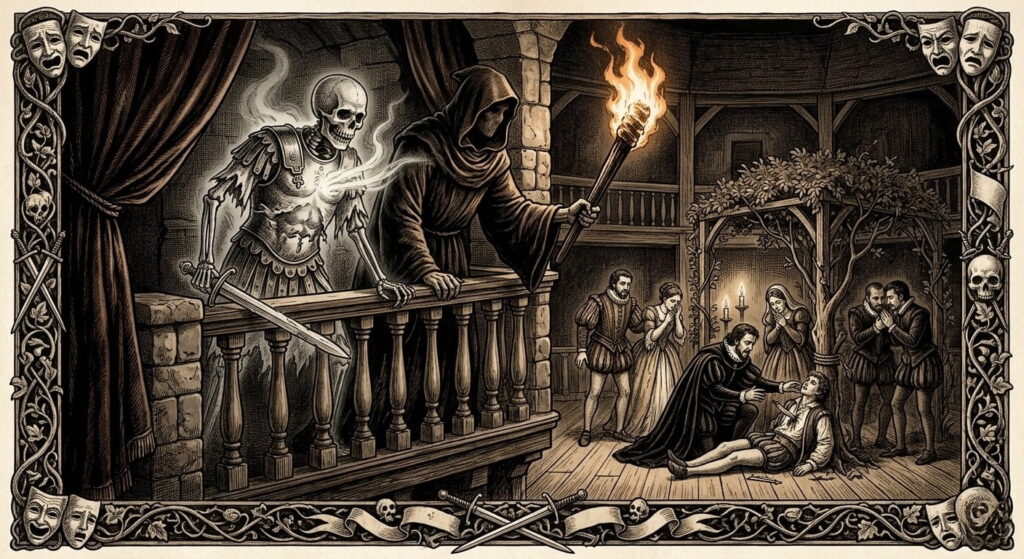
Don Andrea appears as a restless ghost at the beginning. Moreover, he introduces the tragic narrative for the audience. Consequently, spectators understand earlier events before present action appears. Likewise, Andrea remembers his love for Bel-Imperia with sorrow. However, he cannot return to the living world. Therefore, he observes the unfolding revenge beside the spirit Revenge. In addition, he explains the war between Spain and Portugal. Consequently, the audience receives historical context for the tragedy. Moreover, Andrea expresses desire for justice after a violent death. Therefore, the ghost symbolizes memory of injustice and suffering. Likewise, his voice creates emotional sympathy among spectators. However, he never interferes with human decisions. Instead, he watches events with patience and curiosity. Moreover, this narrative role guides the interpretation of the tragedy. Consequently, scholars interpret his presence as a Supernatural Element in the Spanish Tragedy that frames the entire dramatic action.
Role of Revenge in The Spanish Tragedy
Revenge appears beside the ghost as a symbolic guide. Moreover, this spirit represents inevitable punishment for wrongdoing. Consequently, Revenge promises justice during the unfolding tragedy. Likewise, the figure calmly observes human behavior and suffering. However, Revenge never interferes with human freedom directly. Therefore, characters choose revenge through personal emotions. In addition, Revenge explains the moral logic behind tragic events. Consequently, the audience anticipates punishment for violent crimes. Moreover, this figure strengthens the philosophical dimension of the play. Therefore, tragedy appears guided by cosmic justice. Likewise, Revenge connects human actions with moral consequences. However, the spirit remains silent during many tragic moments. Instead, he waits patiently for justice to arrive. Moreover, this dramatic technique creates suspense and expectation. Consequently, critics describe this symbolic presence as a Supernatural Element in the Spanish Tragedy. It reinforces the theme of inevitable revenge.
Senecan Influence in The Spanish Tragedy
Roman tragedy influenced many Renaissance playwrights strongly. Moreover, Seneca shaped dramatic structures within revenge tragedies. Consequently, English dramatists adopted supernatural narrators and ghosts. Likewise, Thomas Kyd studied Senecan dramatic philosophy carefully. Therefore, the play begins with spirits discussing past crimes. In addition, Senecan drama often emphasized fate and moral justice. Consequently, supernatural figures guided audience interpretation of events. However, Kyd adapted classical traditions for English theatre audiences. Instead, he added emotional intensity and complex characters. Moreover, the ghost and Revenge resemble Senecan narrative commentators. Therefore, classical influence appears clearly within the play. Likewise, this structure increases dramatic tension and philosophical reflection. In addition, audiences witness tragedy from a supernatural perspective. Consequently, scholars connect Senecan tradition with the Supernatural Element in the Spanish Tragedy that shapes the dramatic framework.
Symbolism of Ghost in The Spanish Tragedy
The ghost in the play represents memory and unfinished justice. Moreover, Don Andrea reminds audiences about earlier violence. Consequently, past crimes influence present tragic events. Likewise, the ghost symbolizes suffering caused by war. Therefore, his presence creates emotional seriousness within the drama. In addition, he explains the historical conflicts between Spain and Portugal. Consequently, spectators understand the origins of revenge. However, the ghost never punishes criminals directly. Instead, he observes human revenge patiently. Moreover, his silence increases suspense throughout the narrative. Therefore, tragedy develops slowly under supernatural observation. Likewise, the ghost represents moral awareness beyond earthly courts. In addition, he highlights the failure of human justice. Consequently, the story emphasizes revenge as an inevitable consequence. Thus, critics interpret this symbolic role as a Supernatural Element in the Spanish Tragedy that deepens thematic meaning.
Supernatural Motifs in The Spanish Tragedy
Supernatural motifs appear throughout the tragic narrative. Moreover, ghosts and symbolic spirits frame the entire story. Consequently, audiences perceive tragedy through spiritual observation. Likewise, supernatural imagery strengthens emotional tension and expectation. Therefore, spectators anticipate revenge before crimes appear. In addition, supernatural figures represent moral judgment beyond human authority. Consequently, tragedy reflects universal justice against wrongdoing. However, these spirits never force human decisions. Instead, characters pursue revenge through personal emotions. Moreover, grief and jealousy guide their destructive actions. Therefore, supernatural motifs highlight the moral consequences of violence. Likewise, the audience watches tragedy unfold with awareness. In addition, these motifs connect Renaissance theater with classical traditions. Consequently, critics analyze these recurring patterns carefully. Thus, scholars recognize them as a Supernatural Element in the Spanish Tragedy that enriches the revenge tragedy structure.
Supernatural Justice in The Spanish Tragedy
Supernatural justice forms an important idea within the tragedy. Moreover, the spirits watch human crimes with calm patience. Consequently, the audience expects punishment for violent actions. Likewise, the ghost remembers injustice from his own death. Therefore, revenge becomes necessary within the dramatic world. In addition, supernatural observation highlights the weakness of human courts. Consequently, legal authority fails to protect innocent characters. However, cosmic justice still promises moral balance. Instead, revenge appears through human actions and suffering. Moreover, supernatural voices explain the ethical meaning of events. Therefore, tragedy reveals the consequences of jealousy, pride, and ambition. Likewise, the audience understands the moral responsibility behind violence. In addition, spiritual commentary frames each stage of revenge. Consequently, the story gains philosophical seriousness and emotional depth. Thus, critics describe this concept as a Supernatural Element in the Spanish Tragedy that emphasizes the idea of universal justice.
Ghost Tradition in Revenge Tragedy
Revenge tragedies often begin with restless ghosts. Moreover, these spirits demand justice for violent deaths. Consequently, audiences anticipate revenge before the main plot begins. Likewise, the ghost explains earlier crimes to spectators. Therefore, tragedy gains narrative clarity and emotional intensity. In addition, this tradition connects Renaissance theater with classical tragedy. Consequently, playwrights used ghosts as moral commentators. However, these spirits rarely act directly in revenge. Instead, human characters carry out violent punishment. Moreover, this technique preserves human responsibility for tragedy. Therefore, revenge appears as a personal choice rather than a supernatural command. Likewise, the audience observes moral consequences through a ghostly perspective. In addition, ghost figures strengthen suspense across the story. Consequently, scholars study this tradition carefully in literary criticism. Thus, critics recognize ghost presence as a Supernatural Element in the Spanish Tragedy within the wider revenge tragedy tradition.
Spectral Observation in Elizabethan Drama
Elizabethan drama often included spectral observers within tragic narratives. Moreover, these figures commented on human suffering and injustice. Consequently, audiences viewed events from a moral perspective. Likewise, spirits explained the relationship between crime and punishment. Therefore, tragedy gained philosophical depth and seriousness. In addition, spectral observation increased suspense within dramatic action. Consequently, spectators expected revenge and justice throughout the story. However, these spirits rarely changed human decisions. Instead, characters shaped their own tragic destiny. Moreover, this technique highlighted human responsibility for violence. Therefore, supernatural presence guided interpretation rather than action. Likewise, Renaissance audiences accepted ghosts within theatrical imagination. In addition, playwrights used spectral figures to create narrative unity. Consequently, scholars connect these devices with classical tragedy traditions. Thus, critics interpret spectral observation as a Supernatural Element in the Spanish Tragedy that enriches the dramatic structure.
Supernatural Framework of The Spanish Tragedy
The tragedy begins and ends with supernatural figures. Moreover, the Ghost and Revenge introduce the narrative. Consequently, they observe every stage of human conflict. Likewise, their presence creates structural unity within the drama. Therefore, the play appears framed by spiritual commentary. In addition, the spirits explain past crimes and future justice. Consequently, audiences understand moral consequences before action unfolds. However, supernatural characters never control the storyline directly. Instead, they observe human emotions and violent decisions. Moreover, this technique strengthens dramatic tension and expectation. Therefore, revenge appears inevitable within the tragic narrative. Likewise, the audience witnesses suffering through a supernatural perspective. In addition, the framework connects the beginning and the conclusion clearly. Consequently, the play achieves narrative balance and philosophical reflection. Thus, scholars define this structural design as a Supernatural Element in the Spanish Tragedy that organizes the revenge tragedy.
Fate and Destiny in The Spanish Tragedy
The tragedy also explores the concept of destiny. Moreover, supernatural figures suggest inevitable moral consequences. Consequently, characters approach destruction through their own actions. Likewise, jealousy and ambition guide their decisions. Therefore, tragedy appears connected with cosmic justice. In addition, fate influences the emotional direction of revenge. Consequently, characters cannot escape the consequences of violence. However, supernatural spirits never force their choices. Instead, human emotion drives the tragic conflict. Moreover, grief transforms Hieronimo into an avenger. Therefore, destiny appears through human suffering and revenge. Likewise, the audience recognizes patterns of moral punishment. In addition, supernatural commentary strengthens philosophical reflection. Consequently, tragedy becomes more than simple narrative entertainment. Thus, critics see destiny as a Supernatural Element. It reveals the relationship between fate and human action in the Spanish Tragedy.
Moral Commentary of Spirits in The Spanish Tragedy
Spirits in the play provide moral reflection on events. Moreover, they observe human actions with calm attention. Consequently, audiences interpret tragedy through spiritual commentary. Likewise, the ghost remembers injustice and lost love. Therefore, his presence encourages sympathy among spectators. In addition, Revenge promises punishment for violent crimes. Consequently, the audience expects moral balance during the story. However, these spirits never command human characters. Instead, they watch the consequences of human choices. Moreover, this distance strengthens dramatic tension. Therefore, tragedy appears guided by universal justice. Likewise, the spirits represent ethical judgment beyond human courts. In addition, their commentary explains deeper meaning of events. Consequently, spectators reflect upon revenge and moral responsibility. Thus, critics interpret this moral observation as a Supernatural Element in the Spanish Tragedy that shapes the audience’s understanding.
Supernatural Atmosphere in The Spanish Tragedy
The play develops a powerful supernatural atmosphere. Moreover, the opening scene introduces spirits and spiritual dialogue. Consequently, the audience feels mysterious tension from the beginning. Likewise, supernatural observation continues throughout the drama. Therefore, tragedy appears connected with unseen moral forces. In addition, spiritual voices remind spectators about justice. Consequently, the emotional tone becomes serious and reflective. However, human characters remain unaware of supernatural watchers. Instead, they follow their own emotions and desires. Moreover, grief and jealousy create violent conflict. Therefore, the supernatural atmosphere intensifies the tragic meaning. Likewise, spectators anticipate revenge and punishment. In addition, spiritual presence deepens dramatic suspense. Consequently, the narrative gains philosophical significance. Thus, scholars describe this atmosphere as supernatural Element in the Spanish Tragedy that enriches emotional experience.
Spiritual Observation of Human Suffering
Spiritual figures quietly observe human suffering within the drama. Moreover, they witness grief, betrayal, and violent revenge. Consequently, the audience perceives tragedy from a wider perspective. Likewise, the ghost sympathizes with victims of injustice. Therefore, spiritual observation increases emotional intensity. In addition, Revenge waits patiently for moral balance. Consequently, the audience understands the inevitability of punishment. However, spirits never interfere with human actions. Instead, they reflect on tragic consequences. Moreover, their presence highlights the cost of revenge. Therefore, tragedy reveals destruction caused by jealousy and ambition. Likewise, spectators observe suffering through a supernatural perspective. In addition, spiritual observation strengthens philosophical meaning. Consequently, audiences question justice and revenge carefully. Thus, critics consider this narrative role as supernatural Element in the Spanish Tragedy that deepens tragic reflection.
Supernatural Influence on Audience Perception
Supernatural figures influence how audiences interpret the tragedy. Moreover, spirits explain events before human characters understand them. Consequently, spectators possess greater knowledge than the characters. Likewise, this dramatic technique increases tension and curiosity. Therefore, viewers anticipate revenge before it occurs. In addition, supernatural commentary clarifies moral consequences. Consequently, the audience recognizes justice beyond political authority. However, characters remain unaware of spiritual observation. Instead, they pursue revenge through personal emotions. Moreover, grief leads Hieronimo toward tragic action. Therefore, supernatural guidance shapes audience expectations. Likewise, spectators interpret violence through a moral perspective. In addition, spiritual commentary strengthens thematic unity. Consequently, tragedy becomes more meaningful and reflective. Thus, scholars recognize this influence as a Supernatural Element in the Spanish Tragedy that guides the audience’s understanding.
Philosophical Meaning of Supernatural Presence
Supernatural presence gives philosophical meaning to the tragedy. Moreover, spiritual figures represent justice beyond human institutions. Consequently, the audience reflects upon morality and fate. Likewise, the ghost symbolizes memory of injustice and suffering. Therefore, tragedy explores the consequences of human violence. In addition, Revenge represents inevitable punishment for wrongdoing. Consequently, the narrative reveals moral balance within the universe. However, spirits never remove human responsibility for actions. Instead, characters choose revenge through emotional suffering. Moreover, this approach emphasizes ethical complexity. Therefore, tragedy invites reflection upon justice and revenge. Likewise, spectators observe destruction caused by ambition. In addition, supernatural commentary deepens intellectual interpretation. Consequently, scholars analyze philosophical implications carefully. Thus, critics identify this reflection as a Supernatural Element in the Spanish Tragedy that enriches thematic depth.
Supernatural Frame and Narrative Unity
The supernatural frame creates strong narrative unity. Moreover, the Ghost and Revenge open the tragedy. Consequently, they guide the audience through unfolding events. Likewise, they appear again near the conclusion. Therefore, the story gains clear structural balance. In addition, supernatural commentary links the beginning and the ending. Consequently, the audience perceives moral closure within tragedy. However, spirits remain observers rather than participants. Instead, human characters perform acts of revenge. Moreover, this contrast highlights human responsibility. Therefore, supernatural framing strengthens dramatic coherence. Likewise, spectators recognize the moral design of events. In addition, the spirits connect separate scenes with philosophical meaning. Consequently, tragedy appears guided by unseen justice. Thus, scholars define this structural technique as a Supernatural Element in the Spanish Tragedy that organizes the narrative.
Supernatural Vision of Justice
Supernatural vision of justice shapes the moral atmosphere of the drama. Moreover, spirits observe crimes and human suffering. Consequently, audiences expect punishment for violent wrongdoing. Likewise, supernatural observation emphasizes moral balance beyond human courts. Therefore, justice appears inevitable within the tragic narrative. In addition, spiritual figures highlight the failure of earthly authority. Consequently, spectators recognize corruption within the royal court. However, supernatural observers never impose punishment directly. Instead, human characters deliver revenge through personal decisions. Moreover, grief and anger guide their violent actions. Therefore, tragedy reveals the destructive consequences of revenge. Likewise, spectators reflect upon ethical responsibility and suffering. In addition, spiritual observation deepens the emotional intensity of the drama. Consequently, the audience perceives moral meaning within violent events. Thus, supernatural vision of justice strengthens philosophical depth and reinforces the tragic structure of the play.
Symbolic Power of Supernatural Figures
Supernatural figures possess strong symbolic meaning within the drama. Moreover, the ghost represents the memory of injustice and suffering. Consequently, the audience remembers earlier violence throughout the story. Likewise, the spirit called Revenge symbolizes inevitable punishment. Therefore, these figures represent moral authority beyond human institutions. In addition, their presence connects past crimes with future consequences. Consequently, tragedy appears guided by ethical principles. However, supernatural symbols never dominate human decisions. Instead, characters reveal moral weakness through jealousy and ambition. Moreover, symbolic figures deepen thematic complexity within the narrative. Therefore, spectators interpret events through spiritual symbolism. Likewise, supernatural imagery strengthens emotional tension and dramatic seriousness. In addition, these symbols encourage reflection about justice and morality. Consequently, literary scholars examine their meaning carefully. Thus, supernatural symbolism enriches the tragic atmosphere and intellectual depth of the play.
Supernatural Perspective on Human Conflict
A supernatural perspective allows audiences to observe tragedy from a distance. Moreover, spirits watch human conflicts without interference. Consequently, viewers understand the emotional motivations behind revenge. Likewise, supernatural observation highlights the moral consequences of violence. Therefore, tragedy becomes a reflection of human weakness. In addition, spiritual figures witness grief and betrayal patiently. Consequently, spectators recognize the destructive power of jealousy and ambition. However, spirits never interfere with human freedom. Instead, characters create tragedy through their own decisions. Moreover, a supernatural perspective encourages thoughtful interpretation of events. Therefore, audiences analyze justice and revenge more carefully. Likewise, spiritual observation connects individual suffering with universal morality. In addition, this viewpoint strengthens the philosophical meaning within the drama. Consequently, the tragedy appears both emotional and reflective. Thus, supernatural perspective expands the audience’s understanding of human conflict and tragic consequences.
Dramatic Importance of Supernatural Observation
Supernatural observation plays an essential role in dramatic storytelling. Moreover, spirits frame the narrative structure of the play. Consequently, audiences understand the moral direction of events. Likewise, spiritual commentary clarifies hidden motivations behind actions. Therefore, tragedy gains narrative clarity and emotional depth. In addition, supernatural observers create suspense before revenge appears. Consequently, spectators anticipate violent consequences for crimes. However, spirits remain silent witnesses during many scenes. Instead, they allow human drama to develop naturally. Moreover, their presence intensifies tragic irony and tension. Therefore, supernatural observation enriches the dramatic experience. Likewise, audiences reflect upon justice and responsibility more deeply. In addition, spiritual presence strengthens thematic unity within the story. Consequently, the play achieves a balance between narrative action and philosophical meaning. Thus, supernatural observation becomes an essential dramatic element within the tragedy.
Supernatural Reflection on Revenge and Fate
Supernatural reflection connects revenge with destiny throughout the play. Moreover, spirits suggest inevitable consequences for violent crimes. Consequently, characters approach tragedy through personal choices. Likewise, supernatural observation emphasizes moral order within the universe. Therefore, revenge appears both emotional and philosophical. In addition, the ghost represents the memory of injustice. Consequently, the audience anticipates justice before revenge occurs. However, fate never removes human responsibility for violence. Instead, jealousy and ambition guide tragic decisions. Moreover, supernatural reflection encourages audiences to question revenge. Therefore, tragedy reveals destructive cycles of hatred and suffering. Likewise, spiritual perspective strengthens ethical interpretation of events. In addition, this reflection deepens the intellectual meaning of the narrative. Consequently, the drama invites thoughtful consideration of justice and destiny. Thus, supernatural reflection reinforces the philosophical message within the tragedy.
Conclusion
Supernatural imagery plays a powerful role in the tragedy. Moreover, ghosts and spirits shape audience interpretation of events. Consequently, the drama gains philosophical depth and emotional intensity. Likewise, supernatural figures frame the narrative from beginning to end. Therefore, the audience observes revenge through a moral perspective. In addition, spiritual commentary explains the consequences of violence. Consequently, tragedy becomes a reflection on justice and suffering. However, supernatural figures never control human actions directly. Instead, characters create their own destruction through revenge. Moreover, grief and jealousy drive tragic decisions. Therefore, the play reveals moral complexity within the revenge tragedy. Likewise, spectators reflect upon justice beyond human authority. In addition, the supernatural framework strengthens dramatic unity. Consequently, the story achieves a powerful emotional impact. Thus, critics conclude that the Supernatural Element in the Spanish Tragedy defines its unique dramatic structure and philosophical significance.
English Drama: https://englishlitnotes.com/category/english-drama/
The Prologue by Anne Bradstreet: https://americanlit.englishlitnotes.com/the-prologue-by-anne-bradstreet/
Discover more from Naeem Ullah Butt - Mr.Blogger
Subscribe to get the latest posts sent to your email.