Introduction Benjamin Disraeli as Novelist demonstrates mastery of political insight, historical narrative, and social commentary consistently. Therefore, he blends aristocratic intrigue, moral dilemmas, and character development naturally. Moreover, novels integrate Victorian political themes, ethical reflection, and societal critique effectively. Disraeli Read More …
Category: The History of English Literature
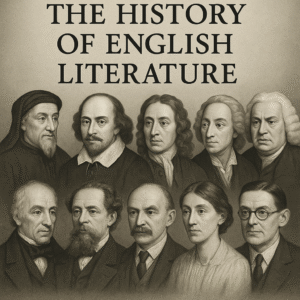
The History of English Literature offers a rich exploration of the development of literary works from the earliest Anglo-Saxon texts to contemporary masterpieces. This category provides in-depth articles, study guides, quizzes, and timelines covering key literary periods such as the Old English era, Middle English literature, the Renaissance, Neoclassical Age, Romantic Movement, Victorian literature, and Modernist innovations. Whether you are a student, researcher, or literature enthusiast, you’ll find detailed analyses of major writers like Geoffrey Chaucer, William Shakespeare, John Milton, Jane Austen, Charles Dickens, and T.S. Eliot. Discover how historical events, cultural movements, and philosophical ideas shaped the evolution of English literature over the centuries. Enhance your understanding of literary techniques, themes, and genres as you navigate through the fascinating journey of English literary history. This resource is ideal for exam preparation, academic research, and anyone passionate about the legacy of English literary traditions.
Charles Kingsley as Novelist of the Victorian Period
Introduction Charles Kingsley as Novelist shows powerful moral urgency throughout his fiction. Therefore, his stories guide readers toward ethical strength and social clarity. Moreover, his novels highlight class injustice and spiritual awakening with bold conviction. Kingsley writes with energetic purpose Read More …
Anne Brontë as Victorian Writer
Introduction Anne Brontë as Victorian Writer remains a remarkable literary figure permanently. Moreover, her novels, poetry, and social commentary illustrate moral insight vividly. Furthermore, literary style, character development, and Gothic elements define her creativity consistently. Indeed, her writing explores morality, Read More …
Lewis Carroll as Victorian Writer
Introduction Lewis Carroll as Victorian Writer remains a literary icon permanently. Moreover, his novels, poetry, and imaginative works define Victorian children’s literature vividly. Furthermore, he blends fantasy, logic, and humor seamlessly for all readers. Indeed, his writing illustrates creativity, narrative Read More …
Thomas Carlyle as an Essayist and Historian of the Victorian Period
Introduction Thomas Carlyle stands among the most influential Victorian thinkers. Moreover, his prose combines moral depth with literary brilliance. Furthermore, he reshaped society through essays addressing ethical responsibility. Indeed, as a historian, he placed heroes at history’s center. Consequently, readers Read More …
Elizabeth Gaskell as Victorian Novelist
Introduction Elizabeth Gaskell as Victorian Novelist remains a significant figure in English literature. Her work combines realism, social commentary, and engaging storytelling consistently. Gaskell highlights industrial life, morality, and human resilience naturally. Moreover, she explores class conflict, gender roles, and Read More …
Oscar Wilde as Victorian Playwright
Introduction Oscar Wilde as Victorian Playwright demonstrates brilliance through wit and clarity. Moreover, he develops rhythm, artistic daring, and dramatic skill perfectly. He strengthens theatrical form through precise timing and clever phrasing. Furthermore, Wilde blends sharp social satire with elegant Read More …
Rudyard Kipling as Victorian Writer
Introduction Rudyard Kipling as Victorian Writer shaped global literary traditions through disciplined craft, thematic daring, and cultural complexity. Therefore, he created fiction, poetry, and children’s literature with remarkable force and emotional clarity. Moreover, he explored empire, identity, and adventure with Read More …
William Makepeace Thackeray as a Victorian Writer
1. Introduction to William Makepeace Thackeray as a Victorian Writer William Makepeace Thackeray as a Victorian writer carved a unique path. He did not follow Dickens’s emotional appeal. Instead, he chose biting satire and realism. His novels, especially Vanity Fair, Read More …
Charles Dickens as Victorian Writer
Introduction Charles Dickens as a Victorian writer shaped literature in ways few others could achieve. Indeed, his name defines the era’s emotional, moral, and social concerns, while simultaneously reflecting Victorian anxieties and hopes. Moreover, he gave voice to the poor Read More …