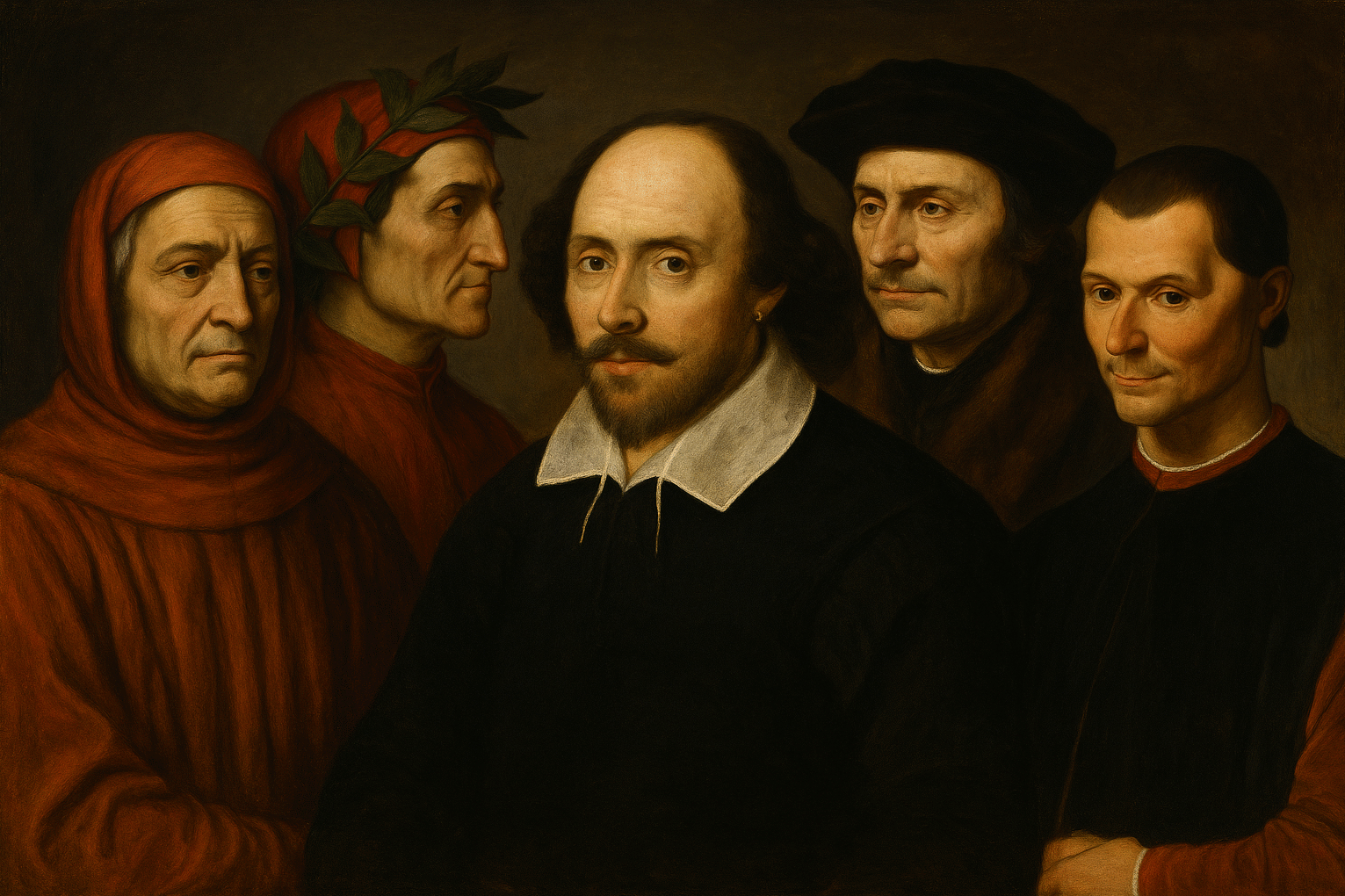
Introduction George Peele as Renaissance Dramatist exemplified the stylistic brilliance of the University Wits. He showcased artistic versatility and actively shaped the formative years of Elizabethan tragedy and comedy. Moreover, his innovative combination of classical learning, lyrical poetry, and popular Read More …
Category: The History of English Literature
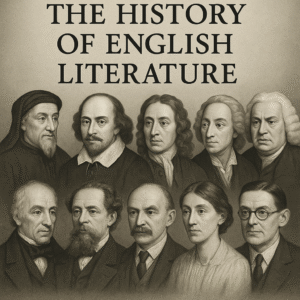
The History of English Literature offers a rich exploration of the development of literary works from the earliest Anglo-Saxon texts to contemporary masterpieces. This category provides in-depth articles, study guides, quizzes, and timelines covering key literary periods such as the Old English era, Middle English literature, the Renaissance, Neoclassical Age, Romantic Movement, Victorian literature, and Modernist innovations. Whether you are a student, researcher, or literature enthusiast, you’ll find detailed analyses of major writers like Geoffrey Chaucer, William Shakespeare, John Milton, Jane Austen, Charles Dickens, and T.S. Eliot. Discover how historical events, cultural movements, and philosophical ideas shaped the evolution of English literature over the centuries. Enhance your understanding of literary techniques, themes, and genres as you navigate through the fascinating journey of English literary history. This resource is ideal for exam preparation, academic research, and anyone passionate about the legacy of English literary traditions.
Thomas Kyd as Renaissance Writer
Introduction Thomas Kyd as Renaissance Writer fundamentally shaped Elizabethan tragedy through innovative structure, dramatic tension, and thematic complexity. Moreover, his masterful use of episodic plot construction, soliloquies, and revenge motifs captivated audiences. As a result, dramatists learned new methods for Read More …
John Lyly as Master Renaissance Euphuist
Introduction John Lyly as Master Renaissance Euphuist exemplifies the stylistic brilliance, rhetorical sophistication, and imaginative flair of Elizabethan prose. Moreover, his unique use of parallelism, antithesis, and balanced sentence structure conveys both elegance and persuasive power, and therefore audiences encounter Read More …
Thomas Nashe as Renaissance Satirist
Introduction Thomas Nashe as Renaissance Satirist exemplifies boldness, wit, and intellectual engagement in Elizabethan literature. Moreover, his works critique social norms, moral failings, and human folly, and therefore Nashe’s satire blends humor with pointed ethical observation. Additionally, narrative structure, rhetorical Read More …
Philip Sidney as Renaissance Poet
Introduction Philip Sidney as Renaissance Poet embodies the fusion of intellect, refinement, and artistic purpose. This fusion shaped English literary development during the Elizabethan era. Moreover, his poetic craft unites emotional depth, rhetorical polish, and philosophical clarity. His contributions strengthened Read More …
Ben Jonson as Renaissance Writer
1. Early Life and Education Ben Jonson as Renaissance Writer demonstrates how early education and humanist influence shaped his literary sensibilities and social awareness. Moreover, formative experiences, classical studies, and exposure to Renaissance ideals guided his understanding of morality, civic Read More …
Christopher Marlowe as Renaissance Writer
Introduction Christopher Marlowe as Renaissance Writer emerges as a seminal figure bridging classical learning, dramatic intensity, and poetic innovation. Moreover, his works demonstrate mastery of rhetoric, moral exploration, and narrative vigor, and therefore he influences both contemporaries and later playwrights. Read More …
Edmund Spenser as Pioneer of Renaissance
Introduction Edmund Spenser as pioneer of Renaissance revolutionized English literature with poetic innovation, allegorical depth, and humanist sensibility. Transition words link imagination, moral instruction, and civic themes consistently. By merging classical influences with English vernacular, Spenser transformed literary aesthetics, narrative Read More …
Sir Thomas More as Renaissance Writer
1. Introduction to Sir Thomas More Sir Thomas More as Renaissance writer exemplifies the fusion of humanist philosophy, ethical reflection, and literary sophistication. Transition words link his intellectual formation, moral insight, and literary output to thematic clarity, audience engagement, and Read More …
Shakespeare as a Renaissance Writer
Introduction William Shakespeare as a Renaissance writer represents the pinnacle of literary innovation, blending classical influences with contemporary culture. His works reflect the intellectual curiosity, humanism, and artistic experimentation central to the Renaissance era. Moreover, he integrates complex character psychology, Read More …