Introduction
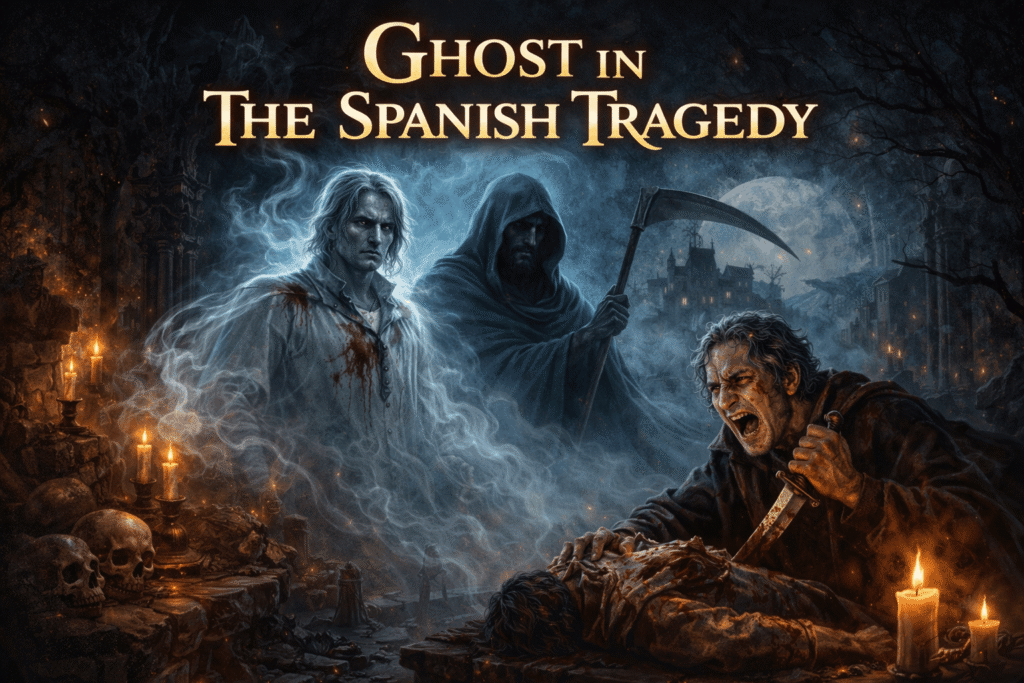
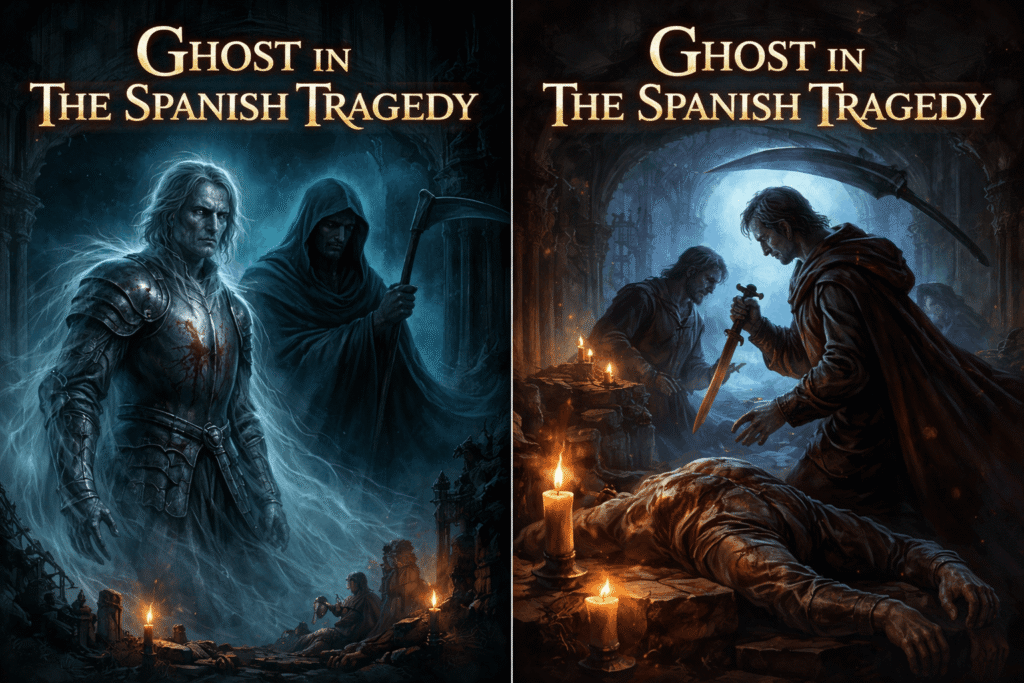
The supernatural plays a powerful role in this tragedy. Moreover, it shapes the structure and meaning deeply. Therefore, the audience encounters forces beyond human control. Initially, the ghost of Don Andrea appears with Revenge. However, they do not interfere directly in events. Consequently, they observe the unfolding tragedy silently. In addition, their presence frames the entire narrative. As a result, the story gains a moral and cosmic dimension. Meanwhile, they guide audience interpretation of events. Furthermore, their role adds suspense and anticipation. Thus, Ghost in The Spanish Tragedy becomes essential to the structure. On the other hand, they do not control human actions. Therefore, characters remain responsible for their choices. However, supernatural elements influence perception strongly. Consequently, the play blends human and cosmic justice. Moreover, the ghost reflects unresolved conflict. Therefore, revenge appears as an inevitable force. Ultimately, the supernatural shapes both meaning and emotional depth.
1. Don Andrea’s Ghost
Don Andrea appears as the central ghostly figure. Initially, he narrates his own tragic death. However, he cannot act within the living world. Consequently, he watches events unfold with Revenge. Moreover, his presence adds emotional weight to the story. Therefore, the audience understands the cause of the tragedy early. In addition, he represents unresolved injustice clearly. As a result, his story connects with later events. Meanwhile, he remains a silent observer throughout. Furthermore, he reacts emotionally to unfolding revenge. Thus, Ghost in The Spanish Tragedy begins with Andrea. On the other hand, he does not influence actions directly. Therefore, he serves more as a witness than an actor. However, his presence reminds the audience of moral balance. Consequently, revenge appears justified within the context. Moreover, his suffering continues beyond death. Therefore, tragedy extends into the afterlife. In addition, his role strengthens dramatic unity. Ultimately, Andrea frames the entire revenge narrative.
2. Role of Revenge as a Character
Revenge appears as a personified supernatural figure. Initially, it accompanies Don Andrea from the underworld. However, it remains calm and controlled throughout. Consequently, it observes events without interference. Moreover, Revenge promises eventual justice for Andrea. Therefore, its presence creates strong anticipation. In addition, it represents inevitable punishment. As a result, the audience expects a tragic outcome. Meanwhile, it guides Andrea through different scenes. Furthermore, it explains the purpose of unfolding events. Thus, Ghost in the Spanish Tragedy includes personified Revenge. On the other hand, Revenge does not act directly. Therefore, human characters perform all actions. However, it symbolizes cosmic justice clearly. Consequently, events appear part of a larger plan. Moreover, Revenge remains patient and confident. Therefore, delay gains deeper meaning. In addition, it controls the final revelation. As a result, justice appears fulfilled at the end. Ultimately, Revenge shapes the moral framework of the play.
3. Supernatural Framework
The play uses a strong supernatural structure. Initially, the ghost and Revenge introduce the story. However, they remain outside the main action. Consequently, they act as observers and commentators. Moreover, their presence creates a frame narrative. Therefore, the story gains a clear beginning and ending. In addition, supernatural elements guide audience understanding. As a result, events appear meaningful and connected. Meanwhile, human actions unfold within this framework. Furthermore, the ghost watches without intervention. Thus, Ghost in The Spanish Tragedy shapes structure. On the other hand, characters remain responsible for their actions. Therefore, free will still exists strongly. However, supernatural presence adds a moral dimension. Consequently, justice appears inevitable and planned. Moreover, it creates dramatic irony for the audience. Therefore, viewers know more than characters. In addition, tension increases through anticipation. As a result, tragedy becomes more powerful. Ultimately, the supernatural framework strengthens narrative unity.
4. Ghost as Observer
The ghost mainly acts as a silent observer. Initially, Andrea watches events without interference. However, he reacts emotionally to unfolding scenes. Consequently, he expresses satisfaction or frustration at times. Moreover, he comments on actions through dialogue. Therefore, the audience gains a deeper understanding of events. In addition, his role creates dramatic distance. As a result, viewers see tragedy from a dual perspective. Meanwhile, he remains powerless to change outcomes. Furthermore, this limitation increases tragic intensity. Thus, Ghost in The Spanish Tragedy functions as an observer. On the other hand, observation builds suspense effectively. Therefore, the audience constantly anticipates final justice. However, a lack of action creates tension. Consequently, events move toward an inevitable conclusion. Moreover, the ghost represents witnessing of injustice. Therefore, the memory of the crime remains alive. In addition, observation highlights human responsibility. As a result, tragedy feels more real and impactful. Ultimately, the ghost’s passive role strengthens emotional depth.
5. Ghost and Justice
The ghost connects closely with the idea of justice. Initially, Andrea seeks satisfaction for his death. However, he cannot achieve justice alone. Consequently, Revenge promises eventual resolution. Moreover, justice appears delayed but certain. Therefore, the audience expects moral balance at the end. In addition, the ghost symbolizes unfinished justice. As a result, the story focuses on restoring order. Meanwhile, human characters struggle within flawed systems. Furthermore, ghosts reflect the failure of earthly justice. Thus, Ghost in The Spanish Tragedy emphasizes the justice theme. On the other hand, justice does not come easily. Therefore, suffering continues throughout the play. However, final revenge fulfills moral expectations. Consequently, the audience experiences closure at the end. Moreover, justice appears violent and tragic. Therefore, it raises ethical questions. In addition, ghost highlights the necessity of balance. As a result, justice becomes a central concern. Ultimately, ghost ensures justice remains the key focus.
6. Ghost and Revenge Theme
The ghost strongly supports the revenge theme. Initially, Andrea desires vengeance for his death. However, he depends on others for action. Consequently, Hieronimo becomes the agent of revenge. Moreover, Revenge guides the process symbolically. Therefore, ghost links begin and end with revenge. In addition, his presence reminds the audience constantly. As a result, revenge appears justified and necessary. Meanwhile, events unfold according to this purpose. Furthermore, Ghost reacts to each stage emotionally. Thus, Ghost in The Spanish Tragedy reinforces the revenge theme. On the other hand, revenge creates destruction and suffering. Therefore, the ghost witnesses tragic consequences. However, he still desires the completion of justice. Consequently, revenge remains an unavoidable force. Moreover, ghosts provide moral justification. Therefore, the audience accepts a violent resolution. In addition, revenge connects the supernatural and human worlds. As a result, the theme gains greater depth. Ultimately, ghost strengthens the revenge structure completely.
7. Ghost and Dramatic Irony
The ghost creates strong dramatic irony in the play. Initially, the audience knows events through Andrea’s narration. However, characters remain unaware of his presence. Consequently, viewers understand more than characters. Moreover, this knowledge builds tension continuously. Therefore, the audience anticipates future outcomes clearly. In addition, irony increases emotional engagement. As a result, scenes feel more intense and meaningful. Meanwhile, ghost comments on the unfolding tragedy. Furthermore, his reactions guide audience interpretation. Thus, Ghost in The Spanish Tragedy enhances dramatic irony. On the other hand, characters act without full knowledge. Therefore, mistakes and misunderstandings increase. However, the audience sees the consequences beforehand. Consequently, suspense grows steadily. Moreover, irony highlights human blindness. Therefore, tragedy feels inevitable and unavoidable. In addition, ghost deepens narrative complexity. As a result, viewers remain fully engaged. Ultimately, dramatic irony strengthens the play’s emotional impact.
8. Ghost and Fate
The ghost connects strongly with the idea of fate. Initially, Andrea believes events follow a destined path. However, he watches without changing outcomes. Consequently, fate appears unavoidable and fixed. Moreover, Revenge confirms the inevitability of justice. Therefore, events seem part of a larger design. In addition, characters move toward predetermined outcomes. As a result, tragedy becomes inevitable. Meanwhile, Ghost observes fate in action. Furthermore, his presence reinforces this belief. Thus, Ghost in The Spanish Tragedy reflects fate clearly. On the other hand, characters still make choices. Therefore, free will exists alongside destiny. However, outcomes remain tragic regardless. Consequently, fate dominates the overall narrative. Moreover, a ghost represents knowledge beyond life. Therefore, he understands destiny better than others. In addition, fate increases dramatic tension. As a result, the audience expects a tragic ending. Ultimately, ghost connects human action with cosmic destiny.
9. Ghost and Moral Judgment
The ghost represents moral judgment beyond human law. Initially, Andrea observes actions without interference. However, he evaluates events emotionally and morally. Consequently, the audience receives guidance about right and wrong. Moreover, his reactions reflect ethical standards clearly. Therefore, actions gain deeper meaning beyond surface events. In addition, moral judgment comes from a supernatural perspective. As a result, justice appears universal rather than personal. Meanwhile, human systems fail to deliver fairness. Furthermore, ghost highlights these failures consistently. Thus, Ghost in The Spanish Tragedy reflects moral judgment. On the other hand, judgment does not stop wrongdoing. Therefore, tragedy continues despite awareness. However, it prepares the audience for the final justice. Consequently, actions feel accountable and meaningful. Moreover, morality remains central to interpretation. Therefore, viewers judge characters through the ghosts’ reactions. In addition, ethical tension increases throughout the play. As a result, judgment shapes emotional response. Ultimately, ghost ensures morality remains central.
10. Ghost and Afterlife
The ghost introduces the concept of the afterlife clearly. Initially, Andrea describes his journey after death. However, he does not find peace immediately. Consequently, he exists between the worlds of the living and the dead. Moreover, the afterlife appears active and conscious. Therefore, death does not end awareness or emotion. In addition, Andrea continues to feel anger and desire. As a result, his presence adds depth to the narrative. Meanwhile, Revenge accompanies him from the underworld. Furthermore, this shows an organized supernatural system. Thus, Ghost in The Spanish Tragedy explores the afterlife. On the other hand, the afterlife does not resolve injustice instantly. Therefore, suffering continues beyond death. However, it allows observation of events. Consequently, justice becomes delayed but certain. Moreover, the afterlife adds a philosophical dimension. Therefore, the audience reflects on life and death. In addition, it strengthens the tragic atmosphere. As a result, the story gains deeper meaning. Ultimately, the afterlife expands the play’s scope.
11. Ghost and Narrative Structure
The ghost shapes the narrative structure effectively. Initially, Andrea introduces the story at the beginning. However, he remains present until the end. Consequently, narrative gains a clear framing device. Moreover, events appear connected and purposeful. Therefore, structure becomes organized and meaningful. In addition, ghost provides continuity throughout scenes. As a result, the audience follows events easily. Meanwhile, his presence links different actions together. Furthermore, the beginning and ending feel unified. Thus, Ghost in The Spanish Tragedy supports structure. On the other hand, structure builds anticipation gradually. Therefore, viewers expect resolution at the end. However, delay increases tension significantly. Consequently, structure enhances dramatic effect. Moreover, ghost maintains narrative focus. Therefore, the story avoids confusion or randomness. In addition, the framework strengthens thematic unity. As a result, tragedy becomes more powerful. Ultimately, ghost organizes the entire narrative effectively.
12. Ghost and Audience Guidance
The ghost guides the audience’s understanding of events. Initially, Andrea explains his own story clearly. However, he also comments on unfolding actions. Consequently, viewers gain insight into hidden meanings. Moreover, his perspective shapes interpretation strongly. Therefore, the audience sees beyond surface actions. In addition, guidance increases emotional involvement. As a result, viewers feel connected to events. Meanwhile, ghost highlights important moments repeatedly. Furthermore, he directs attention to key themes. Thus, Ghost in The Spanish Tragedy guides the audience. On the other hand, characters lack this awareness. Therefore, misunderstanding drives the plot forward. However, the audience remains informed and alert. Consequently, dramatic tension increases steadily. Moreover, guidance prevents confusion. Therefore, complex events become easier to follow. In addition, interpretation becomes more meaningful. As a result, viewers understand tragedy deeply. Ultimately, the ghost acts as narrator and guide.
13. Ghost and Human Suffering
The ghost reflects ongoing human suffering beyond death. Initially, Andrea shows pain from the murder. However, death does not end his suffering. Consequently, emotional pain continues in the afterlife. Moreover, his presence reminds the audience of loss. Therefore, tragedy appears permanent and lasting. In addition, suffering connects past and present events. As a result, narrative gains emotional depth. Meanwhile, Hieronimo experiences similar suffering. Furthermore, ghost links both experiences together. Thus, Ghost in The Spanish Tragedy reflects suffering. On the other hand, suffering motivates revenge strongly. Therefore, actions become emotionally driven. However, it also increases tragedy. Consequently, suffering spreads among characters. Moreover, pain remains unresolved until the end. Therefore, emotional weight grows continuously. In addition, the audience sympathizes deeply. As a result, tragedy feels intense and real. Ultimately, ghosts represent endless human suffering.
14. Ghost and Time
The ghost exists outside the normal sense of time. Initially, Andrea observes events from beginning to end. However, he does not experience time like humans. Consequently, past, present, and future connect. Moreover, he watches events unfold without delay. Therefore, time appears flexible in the supernatural world. In addition, this perspective increases dramatic tension. As a result, the audience anticipates outcomes earlier. Meanwhile, human characters remain limited by time. Furthermore, delay affects their decisions strongly. Thus, Ghost in The Spanish Tragedy alters time perception. On the other hand, time creates suspense within the plot. Therefore, delay increases emotional pressure. However, the ghost remains unaffected by urgency. Consequently, contrast becomes clear. Moreover, time shapes human suffering deeply. Therefore, waiting intensifies pain and frustration. In addition, the ghost observes this process calmly. As a result, time gains thematic importance. Ultimately, ghost expands the idea of time.
15. Ghost and Silence
Silence defines much of the ghost’s role. Initially, Andrea watches without constant interference. However, he speaks only at selected moments. Consequently, silence creates mystery and tension. Moreover, lack of action increases dramatic weight. Therefore, the audience focuses on unfolding events. In addition, silence highlights the helplessness of the ghost. As a result, tragedy feels more intense. Meanwhile, observation replaces intervention completely. Furthermore, silence allows events to develop naturally. Thus, Ghost in The Spanish Tragedy uses silence effectively. On the other hand, silence reflects an inability to act. Therefore, ghost cannot change outcomes directly. However, it still influences perception. Consequently, silence becomes a meaningful presence. Moreover, it creates emotional distance. Therefore, the audience feels tension and anticipation. In addition, silence emphasizes the inevitability of events. As a result, tragedy appears unavoidable. Ultimately, silence strengthens dramatic power.
16. Ghost and Powerlessness
The ghost represents deep supernatural powerlessness. Initially, Andrea desires revenge for his death. However, he cannot act in the living world. Consequently, he depends on human agents for justice. Moreover, this limitation creates emotional frustration. Therefore, his role becomes observational rather than active. In addition, he watches events without control. As a result, helplessness defines his experience. Meanwhile, he reacts emotionally to the unfolding tragedy. Furthermore, his inability increases dramatic tension. Thus, Ghost in The Spanish Tragedy reflects powerlessness clearly. On the other hand, powerlessness mirrors human limitations. Therefore, even supernatural beings face restrictions. However, the desire for justice remains strong. Consequently, emotional conflict continues within him. Moreover, this struggle adds depth to his character. Therefore, the ghost becomes a symbol of a helpless witness. In addition, the audience feels sympathy for him. As a result, tragedy gains emotional weight. Ultimately, powerlessness defines his supernatural role.
17. Ghost and Emotion
The ghost expresses strong emotional reactions. Initially, Andrea shows sorrow and anger. However, he also feels satisfaction during revenge. Consequently, his emotions remain active after death. Moreover, he responds to events with intensity. Therefore, ghosts appear human despite their supernatural nature. In addition, emotions connect him with the audience. As a result, viewers understand his motivations clearly. Meanwhile, emotional shifts reflect unfolding events. Furthermore, feelings guide audience response. Thus, Ghost in The Spanish Tragedy shows emotional depth. On the other hand, emotions do not change outcomes. Therefore, suffering continues despite reactions. However, they enrich the dramatic experience. Consequently, the audience feels a deeper connection. Moreover, emotional expression humanizes the ghost. Therefore, tragedy becomes more relatable. In addition, feelings increase narrative impact. As a result, scenes gain intensity. Ultimately, emotion strengthens the ghost’s role.
18. Ghost and Commentary
The ghost provides important commentary on events. Initially, Andrea explains past events clearly. However, he also reacts to current situations. Consequently, the audience gains deeper insight. Moreover, commentary clarifies complex actions. Therefore, viewers understand hidden meanings easily. In addition, it connects scenes logically. As a result, the narrative becomes coherent and clear. Meanwhile, ghost highlights important developments. Furthermore, commentary guides interpretation strongly. Thus, Ghost in The Spanish Tragedy acts as a commentator. On the other hand, commentary does not influence action. Therefore, characters remain unaware of guidance. However, the audience benefits from this knowledge. Consequently, dramatic irony increases significantly. Moreover, commentary builds suspense effectively. Therefore, viewers anticipate outcomes clearly. In addition, it adds intellectual depth. As a result, play becomes more engaging. Ultimately, commentary enhances understanding and meaning.
19. Ghost and Supernatural Justice
The ghost represents supernatural justice beyond human law. Initially, Andrea seeks fairness for his death. However, earthly systems fail to deliver justice. Consequently, supernatural forces take responsibility. Moreover, Revenge promises final punishment. Therefore, justice appears inevitable. In addition, ghosts connect human actions with cosmic order. As a result, moral balance becomes a central theme. Meanwhile, justice unfolds slowly through events. Furthermore, ghost witnesses each stage carefully. Thus, Ghost in The Spanish Tragedy ensures justice. On the other hand, justice comes through violence. Therefore, it raises moral questions. However, it restores balance ultimately. Consequently, the audience accepts the outcome. Moreover, supernatural justice appears more reliable. Therefore, the system of morality shifts. In addition, justice gains universal meaning. As a result, tragedy feels justified. Ultimately, ghosts guarantee moral resolution.
20. Ghost and Theatrical Tradition
The ghost reflects early theatrical traditions strongly. Initially, revenge tragedies often include supernatural elements. However, this play develops the idea further. Consequently, it influences later dramatic works. Moreover, ghosts become an essential part of the genre. Therefore, tradition continues in future plays. In addition, Andrea sets a pattern for later ghosts. As a result, theatrical conventions become established. Meanwhile, the audience expects supernatural presence. Furthermore, ghost enhances dramatic storytelling. Thus, Ghost in The Spanish Tragedy shapes tradition. On the other hand, it also innovates within the genre. Therefore, new techniques appear in the structure. However, core elements remain recognizable. Consequently, tradition evolves through this play. Moreover, influence reaches later writers. Therefore, importance extends beyond a single work. In addition, the ghost becomes an iconic feature. As a result, tradition strengthens over time. Ultimately, this role defines the revenge tragedy genre.
21. Ghost and Suspense
The ghost contributes significantly to suspense. Initially, Andrea reveals the need for revenge. However, he does not explain how it occurs. Consequently, the audience waits for a resolution. Moreover, his presence creates constant anticipation. Therefore, tension builds throughout the play. In addition, delay increases emotional pressure. As a result, suspense becomes a central experience. Meanwhile, ghosts watch events unfold slowly. Furthermore, each scene adds new tension. Thus, Ghost in The Spanish Tragedy builds suspense. On the other hand, the audience expects an inevitable outcome. Therefore, waiting becomes intense and engaging. However, uncertainty remains about the process. Consequently, curiosity drives attention forward. Moreover, suspense enhances dramatic effect. Therefore, the audience remains fully involved. In addition, tension connects all events. As a result, the story feels gripping and powerful. Ultimately, the ghost sustains suspense until the climax.
22. Ghost and Human Limitation
The ghost highlights limitations of human existence. Initially, Andrea cannot return to life. However, he continues to observe the living world. Consequently, separation becomes clear and painful. Moreover, human life appears fragile and temporary. Therefore, death creates permanent boundaries. In addition, ghosts cannot change past events. As a result, regret becomes a central theme. Meanwhile, humans act without full awareness. Furthermore, limitations shape their decisions. Thus, Ghost in The Spanish Tragedy shows human limits. On the other hand, a supernatural perspective reveals these limits. Therefore, the audience reflects on the human condition. However, characters remain unaware of the truth. Consequently, mistakes continue to repeat. Moreover, limitation leads to tragedy. Therefore, understanding remains incomplete. In addition, actions carry irreversible consequences. As a result, human weakness becomes evident. Ultimately, ghosts expose the limits of life and knowledge.
23. Ghost and Symbolism
The ghost carries a strong symbolic meaning. Initially, Andrea represents unresolved injustice. However, he also symbolizes memory and loss. Consequently, his presence reminds the audience of past events. Moreover, ghosts reflect the consequences of violence. Therefore, tragedy extends beyond a single moment. In addition, symbolism adds deeper interpretation. As a result, play gains intellectual richness. Meanwhile, ghosts connect the worlds of life and death. Furthermore, he represents moral accountability. Thus, Ghost in The Spanish Tragedy holds symbolic value. On the other hand, symbolism remains open to interpretation. Therefore, different meanings emerge for readers. However, the core message remains clear. Consequently, justice and memory stay central. Moreover, symbolism enhances thematic depth. Therefore, the audience engages more critically. In addition, ghost enriches narrative layers. As a result, play becomes more meaningful. Ultimately, symbolism strengthens dramatic impact.
24. Ghost and Audience Emotion
The ghost influences the audience’s emotions strongly. Initially, Andrea’s story creates sympathy. However, his continued suffering deepens the emotional response. Consequently, the audience feels connected to his pain. Moreover, his reactions guide the viewer’s feelings. Therefore, emotions align with unfolding events. In addition, ghosts create a sense of anticipation. As a result, tension increases steadily. Meanwhile, the audience experiences fear and sadness. Furthermore, emotional engagement remains constant. Thus, Ghost in The Spanish Tragedy shapes emotions. On the other hand, emotional response enhances understanding. Therefore, viewers connect with themes deeply. However, tragedy also creates discomfort. Consequently, emotions become complex and intense. Moreover, ghost amplifies the dramatic effect. Therefore, the audience remains invested in the story. In addition, feelings drive interpretation. As a result, experience becomes memorable. Ultimately, ghost strengthens the emotional impact of the play.
25. Ghost and Conflict
The ghost reflects central conflicts of the play. Initially, Andrea represents the conflict between justice and injustice. However, he also shows a struggle between life and death. Consequently, multiple conflicts emerge clearly. Moreover, his presence connects different tensions. Therefore, the narrative becomes more complex. In addition, conflict drives events forward. As a result, tension increases throughout the story. Meanwhile, the ghost observes each stage. Furthermore, his reactions highlight conflict. Thus, Ghost in The Spanish Tragedy reveals struggle. On the other hand, conflict remains unresolved for a long time. Therefore, frustration grows steadily. However, final revenge resolves tension. Consequently, the conflict concludes. Moreover, ghost witnesses this resolution. Therefore, narrative gains closure. In addition, conflict adds depth to themes. As a result, play becomes more engaging. Ultimately, ghost reflects central struggles clearly.
26. Ghost and Knowledge
The ghost possesses knowledge beyond human understanding. Initially, Andrea knows past events fully. However, he also understands future outcomes. Consequently, he holds superior awareness. Moreover, this knowledge creates dramatic irony. Therefore, the audience shares this advantage. In addition, knowledge shapes interpretation strongly. As a result, viewers anticipate events clearly. Meanwhile, characters remain unaware of the truth. Furthermore, ignorance leads to mistakes. Thus, Ghost in The Spanish Tragedy represents knowledge. On the other hand, knowledge does not grant power. Therefore, ghosts cannot change events. However, it increases emotional impact. Consequently, awareness creates tension and anticipation. Moreover, knowledge reveals the inevitability of tragedy. Therefore, the outcome feels predetermined. In addition, the contrast between knowledge and ignorance deepens the drama. As a result, play gains complexity. Ultimately, the ghost symbolizes higher awareness.
27. Ghost and Closure
The ghost plays a key role in closure. Initially, Andrea seeks justice for his death. However, closure comes only at the end. Consequently, final revenge satisfies his desire. Moreover, he expresses relief after justice. Therefore, the narrative reaches a clear conclusion. In addition, ghost confirms completion of events. As a result, the audience experiences resolution. Meanwhile, all conflicts reach their end. Furthermore, order appears restored. Thus, Ghost in The Spanish Tragedy ensures closure. On the other hand, closure comes through tragedy. Therefore, it carries emotional weight. However, justice balances suffering. Consequently, the audience accepts the ending. Moreover, ghosts provide the final judgment. Therefore, the narrative feels complete and meaningful. In addition, closure reinforces themes strongly. As a result, play leaves a lasting impression. Ultimately, ghost finalizes the tragic structure.
28. Ghost and Tragic Vision
The ghost contributes to the tragic vision. Initially, Andrea shows suffering beyond death. However, tragedy continues through human actions. Consequently, vision becomes dark and intense. Moreover, ghosts reflect the inevitability of suffering. Therefore, life appears fragile and uncertain. In addition, tragedy connects past and present. As a result, narrative gains emotional depth. Meanwhile, the ghost observes destruction unfold. Furthermore, his reactions shape the tragic tone. Thus, Ghost in The Spanish Tragedy builds vision. On the other hand, tragedy reveals human weakness. Therefore, the audience reflects on the condition of life. However, suffering leads to understanding. Consequently, meaning emerges from pain. Moreover, ghost strengthens philosophical depth. Therefore, play becomes more than a simple story. In addition, vision influences audience perception. As a result, tragedy feels universal. Ultimately, a ghost defines a tragic worldview.
29. Ghost and Final Judgment
The ghost delivers the final judgment at the end. Initially, he watches events without interference. However, he speaks during the final resolution. Consequently, he assigns punishment and reward. Moreover, judgment reflects moral balance. Therefore, justice appears complete and final. In addition, the ghost decides the fate of characters. As a result, narrative gains authority. Meanwhile, Revenge supports his decisions. Furthermore, judgment confirms earlier expectations. Thus, Ghost in The Spanish Tragedy delivers judgment. On the other hand, judgment comes after great suffering. Therefore, it feels both satisfying and tragic. However, it restores moral order. Consequently, the audience accepts the conclusion. Moreover, the final judgment resolves all conflicts. Therefore, themes reach completion. In addition, the ghost becomes the ultimate authority. As a result, justice appears universal. Ultimately, the final judgment completes the story.
30. Ghost and Dramatic Impact
The ghost enhances the overall dramatic impact greatly. Initially, it introduces a supernatural mystery. However, it continues influencing the entire narrative. Consequently, play becomes more engaging and powerful. Moreover, ghost connects themes and structure. Therefore, drama gains unity and depth. In addition, it increases suspense and emotion. As a result, the audience remains fully involved. Meanwhile, ghost shapes are interpreted continuously. Furthermore, it adds philosophical meaning. Thus, Ghost in The Spanish Tragedy strengthens drama. On the other hand, impact extends beyond performance. Therefore, the audience reflects after the end. However, emotional experience remains lasting. Consequently, play becomes memorable. Moreover, ghosts enrich every aspect of the story. Therefore, dramatic value increases significantly. In addition, it supports tragic intensity. As a result, the narrative feels complete. Ultimately, ghost defines the power of the play.
Conclusion
The ghost remains essential to the play’s meaning. Moreover, it shapes structure, themes, and emotions deeply. Therefore, the narrative gains a supernatural dimension. Initially, Andrea introduces injustice and suffering. However, his presence continues until the final resolution. Consequently, he connects the beginning and ending effectively. In addition, Revenge supports the idea of justice. As a result, moral balance becomes a central theme. Meanwhile, the ghost observes human actions silently. Furthermore, he guides the audience’s understanding clearly. Thus, Ghost in The Spanish Tragedy defines the narrative. On the other hand, characters remain responsible for their actions. Therefore, tragedy emerges from human choices. However, supernatural elements give deeper meaning. Consequently, justice appears inevitable and universal. Moreover, ghosts ensure closure and final judgment. Therefore, the audience experiences both emotion and reflection. In addition, the play gains lasting significance. Ultimately, the ghost shapes its tragic power completely.
Madness in The Spanish Tragedy: https://englishlitnotes.com/2026/03/19/madness-in-the-spanish-tragedy-psychological-breakdown-revenge-and-inner-chaos/
The Play Within The Play in The Spanish Tragedy: https://englishlitnotes.com/2026/03/19/the-play-within-the-play-in-the-spanish-tragedy-a-complete-analysis/
Bel-imperia in The Spanish Tragedy: https://englishlitnotes.com/2026/03/18/bel-imperia-in-the-spanish-tragedy-analysis-of-a-subversive-elizabethan-heroine/
Summary of The Overstory by Richard Powers: https://americanlit.englishlitnotes.com/background-characters-summary-of-the-overstory/
Discover more from Naeem Ullah Butt - Mr.Blogger
Subscribe to get the latest posts sent to your email.