
Early Life and Education
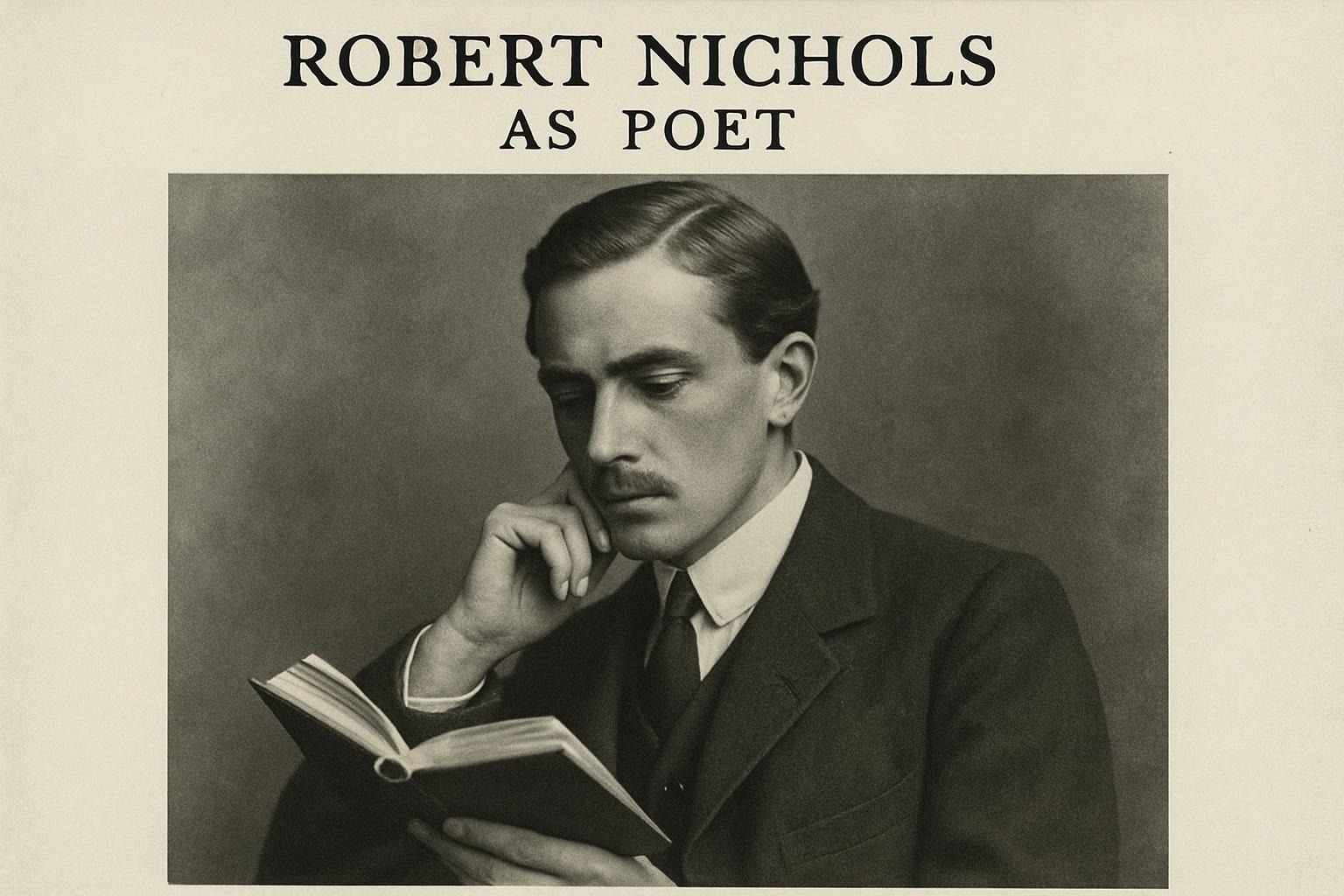
Robert Nichols as poet holds a unique place in Georgian poetry. His works combine war experiences, lyricism, and musical rhythm to create lasting impact. Robert Nichols was born in 1893, and his early years shaped his poetic vision. He came from a cultured background, therefore literature was central in his growth. Moreover, his studies exposed him to classical texts and musical influences. Because of these experiences, his sensitivity toward rhythm and imagery deepened. He also showed a natural inclination toward nature and harmony. Therefore, his earliest poems reflected an admiration for beauty and balance. However, the outbreak of war changed the direction of his life. His education prepared him for intellectual exploration, yet circumstances pulled him toward darker themes. Furthermore, his awareness of human suffering increased, shaping his later voice. His education also influenced his mastery of language. Consequently, his writings blended intellectual thought with deep emotion. This foundation proved crucial in his transition from student to powerful poetic voice.
Entrance into Georgian Poetry
Robert Nichols as poet entered the Georgian movement during its most dynamic period. His association with other poets gave him confidence, direction, and literary support. Additionally, the movement celebrated simplicity, clarity, and themes drawn from nature. Therefore, Nichols quickly found acceptance among peers. His early work displayed lyric grace and refined imagery. Furthermore, his sensitivity to rhythm mirrored the musicality valued by Georgian poets. However, unlike some peers, he introduced intensity shaped by war. His entrance represented a merging of idealism with raw human experience. Because of this combination, his voice carried emotional weight. Moreover, his presence enriched Georgian poetry with new depth. Although young, he stood alongside leading figures with confidence. His acceptance showed his ability to balance tradition and innovation. Consequently, Robert Nichols made an immediate impression within this literary circle. His beginnings marked the rise of a distinct poetic identity.
Influence of War Experience
The war profoundly influenced Robert Nichols as poet, reshaping both style and subject. Before the conflict, he leaned toward romantic imagery. However, trench life altered his tone, introducing sharper realism. He endured hardship, witnessed loss, and faced destruction directly. Consequently, his writing reflected pain, fear, and resilience. Yet he still retained lyric beauty within these depictions. Moreover, the contrast between horror and musicality created striking effects. Therefore, his war poems offered honesty with artistic refinement. Unlike some contemporaries, he did not abandon form. Instead, he infused form with tension born from lived experiences. Furthermore, war strengthened his philosophical reflections. Because of this, his poetry conveyed both trauma and transcendence. His writing became testimony to human endurance. Moreover, readers connected to his authentic voice. His war experiences ultimately defined his reputation and secured his importance among Georgian poets.
Poetic Themes of Nature
Nature played an essential role in Nichols’ poetry, even amid war. His verses often blended natural beauty with human struggle. Therefore, landscapes became both settings and symbols. Fields, skies, and seasons mirrored emotional states. Moreover, these images softened the harshness of conflict. Although war shaped much of his work, he never abandoned nature. Instead, he used it to provide contrast. Consequently, images of dawn, flowers, and rivers enriched his verses. Furthermore, his depictions offered comfort, reminding readers of enduring cycles. This theme revealed his belief in renewal. Moreover, his sensitivity allowed him to balance horror with hope. Through nature, he expressed continuity beyond destruction. His poems therefore bridged immediate pain and eternal beauty. Readers found solace in these depictions. His use of natural imagery kept his poetry alive with timeless resonance.
Lyricism and Musical Quality
Music deeply influenced Robert Nichols, shaping rhythm and tone in his poetry. He often composed verses with cadences resembling melodies. Therefore, his lines carried musical flow. Moreover, repetition and alliteration enhanced lyrical effects. Because of this, his poetry appealed not only to intellect but also to ear. His awareness of sound separated him from less rhythmical poets. Furthermore, war did not silence his musicality. Instead, it deepened contrasts between harsh reality and graceful form. His poems frequently resembled songs of grief and memory. Consequently, his readers experienced both emotion and harmony. Moreover, his lyricism strengthened his connection to Georgian ideals. However, he infused those ideals with darker undertones. This blending gave his poetry unique resonance. His musical style ensured lasting accessibility. Furthermore, it established him as a poet whose voice echoed long after reading.
Relationship with Contemporaries
Robert Nichols as poet built strong connections with fellow Georgian poets. His friendships fostered artistic exchange, encouragement, and collaboration. Moreover, shared ideals united them during turbulent times. Therefore, his participation within literary circles strengthened his voice. He admired peers like Rupert Brooke and Siegfried Sassoon. Furthermore, he contributed distinctive perspectives drawn from personal experiences. His contemporaries recognized his musicality and philosophical depth. Because of these qualities, he stood out in discussions and publications. However, war experiences also created differences. While others emphasized patriotism or protest, he combined both with lyric grace. Consequently, his contributions added variety to Georgian poetry. His interactions with peers shaped his development. Moreover, they allowed him to refine his individuality. These relationships demonstrated his importance within a broader movement. His ability to collaborate while maintaining originality solidified his influence. Therefore, his legacy remained linked with Georgian poetic tradition.
Role of Romantic Influence
Romantic traditions influenced Nichols’ imagery, themes, and sensibility. He admired poets like Keats and Shelley, therefore drawing inspiration from their lyricism. Moreover, Romantic emphasis on nature and emotion resonated strongly with him. Consequently, he infused his work with similar sensitivity. His verses often displayed longing for beauty, balance, and transcendence. Furthermore, he echoed Romantic belief in poetry as emotional truth. However, unlike earlier Romantics, he confronted war realities. This difference intensified the impact of his poetry. His blending of Romantic ideals with modern struggles created freshness. Moreover, readers recognized echoes of past tradition within new contexts. His Romantic influence strengthened his lyric voice. Additionally, it reinforced his musical tendencies. Because of this, his poetry bridged Romanticism and modern war literature. His writing therefore stood as continuation and transformation of poetic tradition. His work linked heritage with innovation effectively.
Experimentation with Form
Robert Nichols as poet demonstrated boldness in experimenting with poetic form. Although Georgian poetry valued tradition, he introduced variety and innovation. Therefore, his works included sonnets, free verse, and lyrical sequences. Moreover, he adjusted structures according to themes. His flexibility allowed him to balance clarity and intensity. Furthermore, war required new forms to express disruption. Consequently, he modified rhythm and imagery to capture these experiences. His experimentation enriched his poetic expression. Moreover, readers admired his ability to surprise while remaining accessible. Unlike some modernists, he never abandoned clarity. Instead, he found harmony between tradition and experimentation. His formal variety reflected musical awareness. Additionally, it showed his responsiveness to changing times. Because of this, his poetry retained freshness. His exploration of form reinforced his significance among Georgian poets. Therefore, Nichols contributed both stability and innovation to early twentieth-century poetry.
Impact of Philosophy and Thought
Nichols’ poetry reflected deep philosophical considerations. He questioned mortality, suffering, and the meaning of endurance. Therefore, his writings often carried meditative tones. Moreover, he expressed awareness of spiritual dimensions. War intensified these reflections, pushing him toward metaphysical inquiry. Consequently, his poems explored existence beyond immediate pain. Furthermore, his philosophical bent distinguished him from some peers. Readers recognized intellectual strength within lyrical expression. Because of this, his poetry appealed both emotionally and thoughtfully. His blend of philosophy and artistry deepened resonance. Moreover, his thoughtfulness allowed him to universalize personal experience. His ideas also aligned with humanist traditions. Consequently, his poetry transcended its era, addressing timeless questions. This intellectual depth elevated his reputation. Furthermore, it ensured ongoing interest in his work. His poetry combined sensitivity, intellect, and artistry effectively. Nichols thus remained both thinker and artist within Georgian tradition.
Representation of Human Suffering
Robert Nichols as poet addressed human suffering with intensity and compassion. His war experiences gave authenticity to his depictions. Therefore, readers trusted his voice. Moreover, he portrayed soldiers’ pain, fear, and resilience. He captured both individual and collective anguish. Furthermore, he balanced raw descriptions with lyrical expression. This balance allowed his poetry to remain powerful yet accessible. Consequently, his work conveyed empathy alongside artistry. Unlike detached accounts, his verses emerged from lived reality. Because of this, they carried emotional authority. Moreover, his sensitivity to human suffering made him relatable. His poetry reminded audiences of shared vulnerability. Additionally, his depictions emphasized endurance amid chaos. His portrayal of suffering reflected both darkness and hope. Therefore, readers experienced recognition and comfort. His honesty deepened his impact within Georgian poetry. Ultimately, his treatment of suffering strengthened his artistic legacy and human appeal.
Symbolism in His Works
Robert Nichols as poet often used symbolism to deepen meaning within his verses. His images carried more than surface beauty; they pointed toward universal truths. Therefore, nature became both literal and metaphorical. Fields symbolized renewal, while storms reflected conflict. Moreover, musical references suggested harmony or dissonance within human life. Because of these symbolic layers, his poems encouraged multiple interpretations. Furthermore, symbolism allowed him to express complex emotions concisely. War experiences also inspired symbolic contrasts, such as light against darkness. Consequently, readers discovered connections between individual pain and broader struggles. His symbolism reflected both Romantic heritage and modern sensibility. Additionally, it demonstrated his philosophical awareness. This enriched his poetry with lasting resonance. Moreover, symbolic writing helped him stand out among Georgian poets. Through symbolism, he built bridges between personal experience and universal meaning. His use of symbolic imagery continues to attract literary study.
Contribution to War Poetry
Nichols’ contribution to war poetry remains significant within English literature. He offered both honesty and artistry when addressing battlefield experiences. Moreover, his ability to balance lyrical beauty with harsh reality gave his works distinct power. Therefore, he became an essential voice in representing the soldier’s perspective. Unlike some contemporaries, he neither glorified war nor dismissed its complexity. Instead, he revealed courage, fear, and emotional exhaustion. Furthermore, his musical qualities softened depictions without diminishing truth. Consequently, readers could endure confronting painful realities. His contribution broadened the definition of war poetry. Moreover, he demonstrated that lyricism could coexist with authenticity. Because of this, later poets acknowledged his pioneering influence. His war poems added depth to the Georgian movement. They also shaped broader cultural memory of conflict. Therefore, Robert Nichols’ role in war poetry deserves lasting recognition.
Emotional Honesty in Writing
Emotional honesty defined Nichols’ poetic voice. He never concealed pain or despair. Instead, he revealed truth directly, therefore building reader trust. Moreover, his depictions of grief carried sincerity. He did not avoid vulnerability. Consequently, his poems offered intimacy. Readers felt connection through shared emotions. Furthermore, his authenticity gave authority to his war descriptions. Unlike rhetorical speeches, his words emerged from experience. Because of this, they carried resonance. Moreover, emotional honesty balanced intellectual reflection. His poetry combined feeling with thought. Therefore, it appealed to both heart and mind. His openness distinguished him among Georgian poets. Additionally, it demonstrated courage, as admitting fear required strength. His readers valued this candor. Consequently, his works remained memorable. Emotional honesty sustained his reputation beyond immediate context. His authenticity made him relatable across generations. Nichols’ truthfulness continues to inspire admiration.
Use of Imagery and Metaphor
Imagery and metaphor enriched Nichols’ poetic craft. He painted vivid pictures through words, therefore engaging readers’ senses. Moreover, he employed metaphors to convey abstract ideas. His depictions of landscapes reflected inner states. Furthermore, his war scenes balanced clarity and symbolism. This use of imagery allowed him to blend reality with imagination. Because of these techniques, his verses achieved depth. Moreover, metaphors allowed him to universalize personal experiences. He transformed pain into images of storm, night, or broken instruments. Consequently, readers connected to feelings through familiar symbols. His metaphoric creativity kept his poetry vivid and lasting. Furthermore, his imagery ensured accessibility. Audiences could visualize experiences beyond their own. Therefore, his use of imagery strengthened both lyricism and meaning. Robert Nichols as poet demonstrated mastery in this area. His poetic imagery continues to impress scholars. Moreover, his metaphors stand as hallmarks of his craft.
Relationship Between Art and Life
Robert Nichols as poet explored the relationship between art and life throughout his career. He believed poetry should reflect lived experience. Therefore, he integrated personal trials into artistic creation. Moreover, he viewed writing as both expression and healing. Because of this perspective, his art remained authentic. Furthermore, war experiences confirmed this belief. His verses testified that art emerges from hardship. Consequently, his poetry became both document and creation. This dual role strengthened its significance. Moreover, he emphasized art’s ability to preserve memory. His poems captured moments otherwise lost to time. Additionally, he valued art as truth-telling. Therefore, his work combined personal reality with universal resonance. His relationship between life and art shaped his identity. Moreover, it demonstrated his faith in poetry’s importance. Nichols showed that art and life cannot be separated. His writing embodied this philosophy fully.
Influence on Later Writers
Nichols’ influence extended beyond his own generation. Younger poets admired his blend of lyricism and truth. Moreover, his courage in depicting war inspired authenticity. Therefore, his approach encouraged others to write honestly about suffering. Furthermore, his musicality influenced stylistic developments. His rhythm and flow inspired poets seeking melodic expression. Additionally, his combination of Romantic heritage with modern experience set precedent. Because of this, later writers recognized his transitional role. His reputation may not match the most famous Georgians. However, his impact remained significant. Moreover, literary scholars continued to study his works. His legacy shaped both war poetry and lyrical tradition. Consequently, his influence stretched across twentieth-century literature. He inspired honesty, musicality, and symbolic richness. Nichols’ role as influence confirmed his importance. His contribution ensured continued respect. Therefore, his poetry remains relevant in literary discussions today.
Reception During His Lifetime
During his lifetime, Robert Nichols as poet enjoyed recognition and respect. His works received positive responses from critics and readers. Moreover, his early collections gained popularity among Georgian audiences. Therefore, he achieved visibility within literary circles. His war poems particularly resonated. Furthermore, his reputation extended to both public and private audiences. He earned positions within academic and artistic communities. Consequently, he contributed actively to literary life. His contemporaries acknowledged his talent. Moreover, reviewers praised his lyricism and sincerity. However, some critics questioned his consistency. Despite occasional doubts, his reputation remained solid. Additionally, his social standing supported his literary activity. Because of these factors, he secured meaningful influence during his career. His reception demonstrated appreciation for his unique voice. Moreover, it confirmed his place within Georgian tradition. Nichols’ lifetime recognition validated his artistic path. His influence extended beyond immediate circles.
Decline and Later Life
Nichols’ later life reflected challenges and decline. His reputation faded compared to earlier fame. Moreover, new literary movements overshadowed Georgian poets. Therefore, his works lost prominence. Furthermore, personal difficulties affected his career. Illness and changing tastes reduced his visibility. Consequently, he published less frequently. His earlier achievements remained remembered, but current recognition diminished. Additionally, critical attention shifted to modernist figures. Because of this, his role seemed less central. However, his importance never vanished completely. Scholars occasionally revisited his contributions. Moreover, his writings continued to attract dedicated readers. His later life demonstrated difficulties many poets face. Therefore, his decline represented broader cultural changes. Despite struggles, his legacy endured quietly. His career reflected both brilliance and hardship. Nichols’ later years showed resilience. Furthermore, his earlier triumphs continued to preserve his name.
Literary Style and Technique
Nichols’ literary style combined precision, elegance, and lyrical fluency. Moreover, he balanced traditional forms with modern sensibilities, creating works that resonated with both critics and general readers. His attention to rhythm enhanced readability, while careful diction conveyed emotional depth. Furthermore, he employed enjambment and varied line length, producing subtle musicality within poems. This technique allowed shifts between calm reflection and intense feeling seamlessly. Additionally, his imagery often drew from everyday life, yet conveyed universal truths. Consequently, readers could relate personally while appreciating artistic craft. His mastery of subtle narrative voice enhanced each poem’s impact. Furthermore, tonal variation allowed flexibility in subject treatment. Unlike strictly formal poets, he embraced spontaneity without losing cohesion. Therefore, his style exemplified balance between freedom and structure. Literary technique reinforced thematic concerns. Moreover, his approach highlighted interplay between emotion, intellect, and sensory perception. Consequently, the combination of skill and sensitivity established his enduring reputation. Readers admired clarity intertwined with subtle complexity. Literary studies emphasize how these methods influenced peers. Therefore, technique and artistry jointly define his poetic legacy.
Themes of Love and Loss
Love and loss featured prominently in his verse. Moreover, Robert Nichols as poet explored personal and collective grief with nuance. Emotional experiences were often framed against broader human concerns, giving poems universal resonance. Consequently, feelings of longing, separation, or mourning became deeply relatable. Additionally, he examined the transient nature of joy, emphasizing its fleeting beauty. The interplay between affection and sorrow created poignant tension. Furthermore, reflections on loss often prompted contemplation of mortality and resilience. This duality enhanced poetic depth. He balanced introspection with outward observation, capturing both private emotion and shared human experience. Transition words guided readers through emotional shifts, heightening engagement. Moreover, his lyricism softened harsh realities, providing artistic refuge. Poems on love and loss often intertwined with natural imagery. Consequently, recurring motifs, such as seasons, rivers, or skies, symbolized cycles of attachment and separation. Emotional honesty reinforced accessibility. Furthermore, these works influenced later poets exploring similar themes. Readers recognized authenticity combined with craft. Therefore, the poetic treatment of love and loss continues to resonate. His sensitivity and musicality ensured lasting appreciation within and beyond Georgian circles.
Depiction of War Landscapes
His war poetry frequently portrayed vivid landscapes. Moreover, battlefields were more than settings; they reflected inner turmoil and communal struggle. He contrasted serenity with devastation, enhancing tension and realism. Consequently, landscapes became symbolic mirrors of human experience. Transition words guided shifts between peaceful scenes and chaotic imagery. Additionally, he highlighted sensory details, such as mud, smoke, or sky, intensifying immersion. Readers encountered both descriptive clarity and layered interpretation. Furthermore, juxtaposition of natural beauty against destruction underscored fragility of life. Poetic devices like metaphor and personification strengthened visual impact. Moreover, rhythmic cadence mirrored marching, chaos, or calm, enhancing musicality. These landscapes were integral to conveying psychological and emotional dimensions. Consequently, the physical environment functioned as a narrative agent. War landscapes reflected endurance, resilience, and fleeting hope. Transitioning smoothly from observation to reflection, poems emphasized memory and experience. His depiction of environments went beyond realism, blending aesthetic and ethical considerations. Readers found layered meaning, appreciating both technique and theme. Therefore, war landscapes exemplified his ability to integrate vision, emotion, and craft into cohesive poetic expression.
Use of Symbolic Imagery
Symbolism enriched his work significantly. Moreover, recurring motifs deepened meaning and encouraged interpretation. Objects, colors, and natural elements often represented emotional states or moral dilemmas. Consequently, readers discerned layers of significance beyond literal depiction. Transition words guided connections between symbols and context. Additionally, light and shadow frequently highlighted contrasts of hope and despair. Storms, rivers, or seasons suggested temporal and spiritual cycles. Furthermore, musical elements sometimes functioned metaphorically, signaling harmony or tension. Symbolic imagery also allowed exploration of ethical or philosophical questions subtly. Consequently, ordinary experiences assumed universal significance, bridging personal and collective concerns. His approach ensured engagement across emotional, intellectual, and aesthetic dimensions. Moreover, these techniques reinforced narrative cohesion. Symbolism intertwined with lyrical rhythm, enhancing memorability. Consequently, meaning emerged organically, maintaining accessibility despite layered complexity. Poetic craft merged with conceptual depth, enriching literary study. Readers recognized nuanced communication between surface and subtext. Moreover, symbolic imagery strengthened thematic continuity across collections. Therefore, this approach amplified resonance and showcased creativity. His integration of imagery, musicality, and symbolism contributed to enduring relevance within literary traditions.
Critical Reception and Analysis
Critical reception of Nichols’ poetry varied yet often emphasized lyricism and depth. Moreover, reviewers highlighted thematic range, technical precision, and philosophical reflection. Consequently, evaluations frequently addressed both form and content. Transition words guided nuanced discussion, comparing early and later works. Scholars praised sensitivity to human experience alongside artistic restraint. Furthermore, analysis considered innovation within Georgian tradition. While some critics questioned originality, most acknowledged contributions to war poetry and lyrical expression. Additionally, literary criticism explored influence on subsequent poets. Transition words clarified connections between style, theme, and historical context. Reviews examined musicality, imagery, and philosophical insights as defining features. Moreover, periodicals frequently noted emotional honesty and narrative clarity. Scholarly discourse emphasized interplay between Romantic heritage and modern sensibility. Consequently, studies often highlighted transitional significance within literary history. Critical engagement provided framework for enduring relevance. Furthermore, comparative studies situate Nichols among contemporaries, illustrating both influence and divergence. Reader response reinforced appreciation, noting accessibility combined with subtle complexity. Therefore, critical reception reflected both admiration and analytical rigor. Evaluative perspectives demonstrated holistic understanding of artistry, confirming lasting significance of poetic contributions within Georgian and war poetry traditions.
Exploration of Spirituality
Spirituality permeated Nichols’ writing subtly yet consistently. Moreover, reflections on faith, endurance, and mortality informed thematic direction. Consequently, poems often addressed existential and ethical questions. Transition words guided readers from reflection to observation, enhancing coherence. He explored human resilience, divine presence, and metaphysical uncertainty with lyrical grace. Additionally, natural imagery reinforced spiritual contemplation, linking environment with inner thought. Furthermore, war experiences intensified engagement with spiritual motifs, suggesting both suffering and transcendence. Consequently, spirituality was neither dogmatic nor overtly doctrinal, allowing personal and universal resonance. Poetic form facilitated exploration, blending musical rhythm with meditative tone. Moreover, his philosophical bent encouraged readers to consider mortality, morality, and continuity of life. Imagery and metaphor amplified spiritual meaning, inviting interpretation. Transition words clarified movement between temporal and transcendent concerns. Spiritual inquiry intertwined with personal emotion, ethical reflection, and aesthetic craft. Consequently, writing exemplified balance between lyrical beauty and philosophical depth. Moreover, the nuanced treatment of spiritual themes contributed to literary richness. His engagement with spirituality ensured that poems addressed enduring human questions. Readers found depth and guidance within subtle lyrical contemplation, affirming the work’s timeless relevance.
Engagement with Modernist Trends
Though rooted in Georgian poetry, his work interacted with modernist tendencies. Moreover, experimentation with rhythm, imagery, and narrative demonstrated awareness of contemporary movements. Consequently, he navigated between tradition and innovation. Transition words highlighted shifts in style and thematic exploration. He balanced lyric clarity with techniques suggesting fragmentation or tension. Additionally, modernist influence encouraged flexible structures, subtle ambiguity, and thematic depth. Furthermore, war and societal upheaval prompted engagement with evolving literary forms. Readers experienced both familiar Georgian musicality and hints of modernist experimentation. Consequently, his poetry became a bridge between eras. Transition words facilitated smooth progression between traditional and experimental elements. Stylistic decisions reflected responsiveness to changing cultural landscapes. Moreover, attention to interior states, perception, and existential concern resonated with modernist approaches. His integration of lyrical form with contemporary sensibilities enriched textual complexity. Consequently, studies often recognize transitional significance. Readers encountered both aesthetic pleasure and intellectual engagement. The nuanced balance allowed broader appeal. Therefore, engagement with modernism demonstrated adaptability and forward-looking vision. His poetic response to evolving trends contributed to relevance and scholarly interest.
Depiction of Childhood and Memory
Childhood and memory recurred as reflective themes in his poems. Moreover, recollections offered contrast to adult experiences and wartime trauma. Consequently, innocence and nostalgia became central motifs. Transition words guided connections between past and present, deepening engagement. He captured sensory details of youth, emphasizing emotion and perception. Additionally, memory functioned as moral and aesthetic reflection, shaping ethical awareness. Furthermore, recollections provided lyrical imagery and emotional continuity. Juxtaposition of memory against war or societal change highlighted vulnerability and endurance. Consequently, poems reflected both personal development and universal growth. Transition words ensured clarity while linking thematic exploration with narrative structure. Depictions of play, nature, and family life enriched resonance. Moreover, stylistic choices emphasized musicality, rhythm, and pattern, reflecting inner continuity. Readers engaged with both reflection and immediacy, appreciating literary craft. Consequently, childhood and memory acted as thematic anchors. Furthermore, these motifs reinforced continuity amidst disruption. Poems conveyed human resilience, aesthetic sensitivity, and philosophical reflection. Therefore, exploration of memory enhanced depth and relatability, sustaining lasting literary interest. His treatment of recollection exemplified synthesis of personal and universal poetic concerns.
Interplay of Silence and Voice
Silence and voice were recurring motifs in his poetry. Moreover, moments of quiet contemplation contrasted with lyrical or narrative expression. Consequently, poems balanced reflection with expressive intensity. Transition words facilitated shifts between introspective and outward-directed passages. Silence conveyed absence, loss, or unspoken emotion, while voice articulated courage, grief, and insight. Additionally, rhythmic and musical techniques emphasized these contrasts. Furthermore, the interplay enhanced emotional resonance, guiding readers through nuanced perception. Poetic craft reinforced thematic concerns, integrating structure with symbolic meaning. Consequently, tension between silence and voice became a device for exploring memory, trauma, and ethical reflection. Transition words clarified transitions, emphasizing continuity amidst contrast. His approach ensured nuanced depiction of thought and feeling. Moreover, interplay provided interpretive richness, allowing multiple readings. Poems encouraged engagement with internal and external realities. Consequently, literary impact depended on rhythm, imagery, and philosophical reflection combined. The nuanced balance highlighted human complexity, emotional honesty, and aesthetic sensibility. Therefore, interplay of silence and voice exemplified his ability to merge technique with thematic depth, enhancing both comprehension and appreciation.
Legacy in 20th-Century Literature
His legacy persisted within twentieth-century literary discourse. Moreover, influence extended through war poetry, lyrical tradition, and symbolic innovation. Consequently, later poets drew inspiration from technique, musicality, and philosophical depth. Transition words highlighted historical continuity and thematic relevance. Nichols’ exploration of nature, human experience, and emotion informed evolving poetic trends. Additionally, scholarly analysis reaffirmed aesthetic and thematic contributions. Furthermore, his work exemplified the bridging of Georgian clarity with modernist experimentation. Critical studies emphasized impact on literary education, poetic craft, and cultural memory. Consequently, he remained a reference point for lyricism, authenticity, and thematic exploration. Transition words ensured narrative cohesion when tracing influence across decades. Readers, critics, and educators recognized the value of nuanced, human-centered verse. Moreover, continued analysis highlighted adaptability and enduring resonance of ideas. His poetry demonstrated relevance despite shifting literary landscapes. Consequently, legacy reflected synthesis of personal, social, and artistic vision. Enduring recognition confirmed the significance of his poetic voice. Therefore, Nichols’ work maintained influence, shaping literary conversations and continuing to inspire engagement within twentieth-century literature.
Legacy in Georgian Poetry
Robert Nichols as poet remains an enduring figure in Georgian literature. His contributions helped shape the movement with sincerity, lyricism, and war truth. Moreover, his blending of beauty and suffering created unforgettable resonance. Therefore, his poetry continued to represent both the Georgian spirit and modern struggles. His symbolic imagery, musical quality, and emotional honesty left lasting marks. Furthermore, scholars recognize his significance within war poetry traditions. His role as connector between Romantic heritage and modern conflict strengthened his reputation. Consequently, his works are studied for their depth and emotional intensity. Although his fame declined later, his influence never disappeared. Moreover, his poetry remains part of anthologies and critical studies. His legacy reveals the power of authenticity and artistry. Therefore, Robert Nichols continues to hold relevance. His name stays secure within the history of Georgian poets.
Conclusion: Enduring Relevance
The enduring relevance of Robert Nichols as poet arises from his ability to balance lyricism and truth. He combined beauty with authenticity, therefore leaving lasting impact. Moreover, his works preserved both personal and collective memory of war. His lyric sensitivity kept them accessible across generations. Furthermore, his symbolic richness offered interpretive depth. Because of these qualities, scholars continued to revisit his poetry. His legacy extends beyond his lifetime. Moreover, his role within Georgian poetry remains vital. Robert Nichols as poet showed that art can transform suffering into enduring meaning. His works connect Romantic heritage, war experiences, and lyrical expression. Consequently, his reputation deserves continued recognition. His place in literary history demonstrates poetry’s resilience. Nichols remains a figure of honesty, artistry, and influence. His poetry, though shaped by war, transcends destruction. Therefore, his voice still speaks with clarity and beauty today.
Further Reading
Isaac Rosenberg as Poet: https://englishlitnotes.com/2025/09/03/isaac-rosenberg-as-poet/
For more about Robert Nichols’ life and works, visit Poetry Foundation.
You can also explore his poems on PoemHunter.
For broader educational resources, check Ilmkidunya.
Discover more from Naeem Ullah Butt - Mr.Blogger
Subscribe to get the latest posts sent to your email.