

Introduction
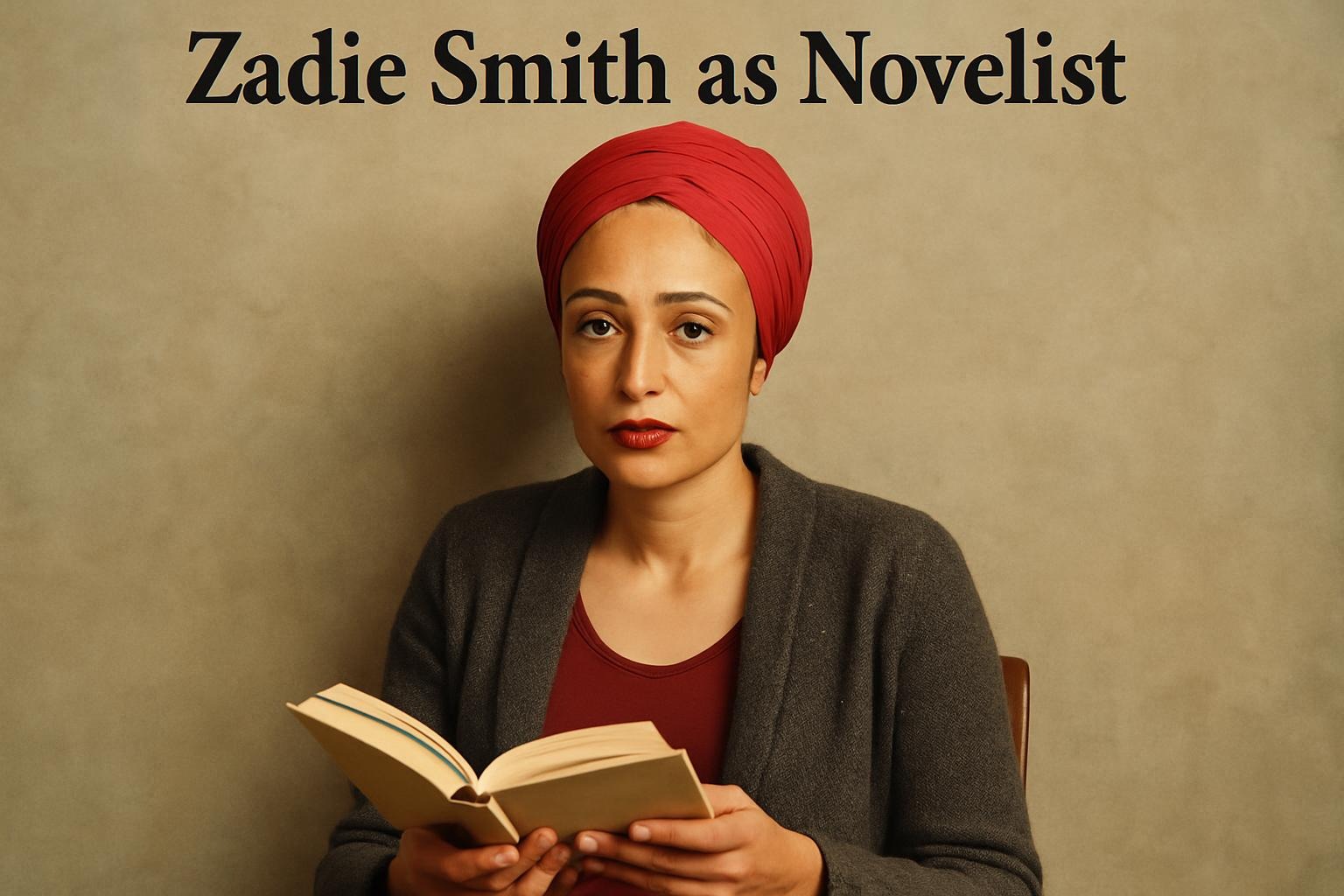
Zadie Smith as Novelist powerfully captures the complexities of modern life clearly. Consequently, she utilizes a sophisticated Zadie Smith narrative style that blends humor with critique effectively. Furthermore, her work is central to Contemporary British fiction, focusing intensely on Multicultural London narratives consistently. Therefore, she masterfully explores Postcolonial identity themes and the challenges of Diaspora and displacement always. Moreover, she creates complex stories driven by profound Intergenerational conflicts successfully then. In addition, her writing is characterized by sharp Social satire and wit, offering keen cultural observations constantly. Thus, her novels are essential for exploring the British multicultural experience and its shifting social landscape fully then. Consequently, Zadie Smith as Novelist foregrounds the challenges of Racial politics in fiction clearly always. Furthermore, her prose demonstrates profound Stylistic versatility across different works deeply. Therefore, she engages with profound Ethical dilemmas in fiction and Moral complexity in characters fully. Moreover, her enduring Zadie Smith literary legacy continues to shape the next generation successfully then. In addition, her work possesses significant Influence on 21st-century fiction constantly. Thus, her contribution to global literature is immense fully.
1. Zadie Smith narrative style
The distinctive Zadie Smith narrative style is celebrated for its remarkable flexibility and wit clearly. Consequently, she effortlessly shifts between literary realism and experimental flourishes effectively. Furthermore, the Zadie Smith narrative style frequently utilizes Polyphonic narrative voices to represent complex urban life consistently. Therefore, she blends profound Intellectual humor and irony with moments of deep emotional resonance always. Moreover, her style is marked by a clear focus on the rhythm and musicality of Voice, rhythm, and dialogue successfully then. In addition, she uses the style to balance Blending comedy with critique of modern social issues constantly. Thus, the style employs Intertextual literary references to enrich the thematic depth fully then. Consequently, Zadie Smith as Novelist is defined by this fluid and engaging prose clearly always. Furthermore, the style is crucial for capturing the fragmentation of Social fragmentation in narratives deeply. Therefore, she skillfully combines expansive historical scope with intimate, character-driven focus fully. Moreover, her prose remains accessible despite profound Narrative experimentation successfully then. In addition, the style is instrumental in her exploration of Multicultural London narratives constantly. Thus, the style is essential to her literary reputation fully.
2. Contemporary British fiction
Contemporary British fiction is profoundly shaped by the novels of Zadie Smith as Novelist clearly. Consequently, her work captured the zeitgeist of modern, diverse Britain with unmatched clarity and scope effectively. Furthermore, she moved the focus of Contemporary British fiction away from insular, traditional narratives consistently. Therefore, her novels are central to the discourse on Multicultural London narratives and the British multicultural experience always. Moreover, her writing tackles the complex Racial politics in fiction and Class tensions in Britain successfully then. In addition, she utilizes sharp Social satire and wit to critique the hypocrisy of modern UK society constantly. Thus, Contemporary British fiction through her lens explores the challenges of Diaspora and displacement fully then. Consequently, Zadie Smith as Novelist embodies the literary cosmopolitanism of the new century clearly always. Furthermore, her success validated a new wave of diverse literary voices deeply. Therefore, her writing is often used to define the characteristics of current Urban realism in novels fully. Moreover, the blending of high and low culture reflects the dynamism of Contemporary British fiction successfully then. In addition, her works engage directly with current Political subtext in fiction constantly. Thus, her position within this genre is uniquely influential fully.
3. Multicultural London narratives
Multicultural London narratives form the dynamic and vibrant heart of Zadie Smith as Novelist‘s entire body of work clearly. Consequently, she maps the city’s complex social geography, from working-class neighborhoods to academic halls effectively. Furthermore, these narratives are essential for exploring the profound challenges of Hybrid cultural identities within the metropolis consistently. Therefore, Multicultural London narratives provide the rich setting for her profound observations on Racial politics in fiction always. Moreover, she expertly represents the Urban diversity themes and the constantly shifting social makeup of the capital successfully then. In addition, her focus on London highlights the crucial themes of Migration and cultural mixing constantly. Thus, Multicultural London narratives serve as a microcosm for the larger British multicultural experience fully then. Consequently, Zadie Smith as Novelist captures the specific Voice, rhythm, and dialogue of London’s diverse communities clearly always. Furthermore, the narratives allow her to explore the intense Intergenerational conflicts within immigrant families deeply. Therefore, she portrays London as narrative space where disparate cultures collide and often coalesce fully. Moreover, the narratives utilize Polyphonic narrative voices to reflect the city’s inherent complexity successfully then. In addition, the narratives are key to her signature Social satire and wit constantly. Thus, the city is central to her thematic success fully.
4. Postcolonial identity themes
Postcolonial identity themes are a profound and consistently central preoccupation for Zadie Smith as Novelist‘s fiction clearly. Consequently, she explores the psychological, social, and cultural impacts of the British Empire’s legacy on subsequent generations effectively. Furthermore, these themes are often interwoven with the exploration of Racial politics in fiction and historical power imbalances consistently. Therefore, Postcolonial identity themes directly inform her representation of Hybrid cultural identities and Diaspora and displacement always. Moreover, her work examines how the past continues to shape the present British multicultural experience successfully then. In addition, the focus on these themes is necessary for analyzing the pervasive Intergenerational conflicts constantly. Thus, Postcolonial identity themes highlight the struggle for Identity and belonging themes among marginalized communities fully then. Consequently, Zadie Smith as Novelist uses the rich backdrop of Multicultural London narratives to ground these complex issues clearly always. Furthermore, she delves into the difficulty of creating an Exploration of selfhood when historical forces clash deeply. Therefore, her engagement with these themes places her work in a vital global literary conversation fully. Moreover, the themes often emerge through the intricate layering of Race, religion, and identity successfully then. In addition, the themes are a key source of her profound Social satire and wit constantly. Thus, these themes are vital to her intellectual core fully.
5. Hybrid cultural identities
The creation and struggle of Hybrid cultural identities are central to the complexity of Zadie Smith as Novelist‘s protagonists clearly. Consequently, her characters frequently navigate a difficult space between their heritage culture and their contemporary British environment effectively. Furthermore, Hybrid cultural identities are directly explored through the lens of Postcolonial identity themes and global interconnectedness consistently. Therefore, these identities are key to her development of nuanced Multicultural London narratives always. Moreover, Zadie Smith as Novelist shows how this cultural mixing leads to profound Intergenerational conflicts within families successfully then. In addition, the search for identity often drives the central thematic focus on Identity and belonging themes constantly. Thus, the hybridity reflects the reality of Migration and cultural mixing across the social spectrum fully then. Consequently, these identities are also subject to the intense pressures of Racial politics in fiction clearly always. Furthermore, she uses the complexity of these identities to generate her distinctive Intellectual humor and irony deeply. Therefore, the concept of Cultural hybridity in literature is richly embodied by her diverse character set fully. Moreover, the creation of a stable self is shown to be a dynamic Exploration of selfhood successfully then. In addition, the hybridity often leads to powerful Social fragmentation in narratives constantly. Thus, the concept is crucial to her thematic breadth fully.
6. Racial politics in fiction
Racial politics in fiction is a defining and unflinching subject that runs throughout Zadie Smith’s body of work clearly. Consequently, she explores the subtle and overt ways race shapes social life, opportunity, and personal identity in Britain effectively. Furthermore, this focus directly engages with Postcolonial identity themes and the legacy of the British Empire consistently. Therefore, Racial politics in fiction provides the critical tension for Multicultural London narratives always. Moreover, she links race inextricably with Class tensions in Britain, exploring the crucial Intersection of race and class successfully then. In addition, the novels use sharp Social satire and wit to expose the hypocrisy surrounding race in modern society constantly. Thus, Racial politics in fiction examines the complex layers of Race, religion, and identity fully then. Consequently, the subject is central to understanding the intense Intergenerational conflicts within diasporic families clearly always. Furthermore, the exploration of this subject is essential for achieving Urban realism in novels deeply. Therefore, her work is a vital contribution to the global conversation about contemporary racism fully. Moreover, the political subtext inherent in her work is driven by Political subtext in fiction successfully then. In addition, the subject highlights the intense pressures on Hybrid cultural identities constantly. Thus, the subject is key to her critical edge fully.
7. Diaspora and displacement
The emotional and physical effects of Diaspora and displacement are consistently explored by Zadie Smith as Novelist clearly. Consequently, her work often details the immigrant experience, focusing on the loss, resilience, and complex renegotiation of culture effectively. Furthermore, Diaspora and displacement directly informs the intense Intergenerational conflicts that define the narratives consistently. Therefore, this theme is inextricably linked to the broader Postcolonial identity themes and their sociological impact always. Moreover, Zadie Smith as Novelist uses the backdrop of Multicultural London narratives to ground the characters’ journey of displacement successfully then. In addition, the theme is crucial for understanding the Identity and belonging themes that drive the characters’ actions constantly. Thus, the process of displacement is essential for exploring the resulting Hybrid cultural identities fully then. Consequently, the theme highlights the immense pressure of Migration and cultural mixing on personal lives clearly always. Furthermore, the exploration of diaspora is vital for her contribution to Contemporary British fiction deeply. Therefore, the theme provides a crucial context for examining Racial politics in fiction and social inequality fully. Moreover, the challenges of displacement contribute significantly to the Exploration of selfhood successfully then. In addition, the theme often provides the source material for the poignant Social satire and wit constantly. Thus, the theme is vital to her emotional realism fully.
8. Intergenerational conflicts
Intergenerational conflicts appear as pervasive and emotionally resonant features within the family structures of Zadie Smith’s novels clearly. Consequently, these conflicts typically arise when first-generation immigrants clash with the assimilationist pressures faced by their British-born children effectively. Furthermore, experiences of diaspora, displacement, and cultural difference directly fuel intergenerational conflicts consistently. Therefore, these conflicts help readers understand the pressures shaping hybrid cultural identities and postcolonial identity themes always. Moreover, complexities of race, religion, and identity often root these conflicts successfully then. In addition, Zadie Smith’s focus on these tensions strengthens her approach to family dynamics in fiction constantly. Thus, intergenerational conflicts highlight the difficulty of reconciling differing perspectives on the British multicultural experience fully then. Consequently, these conflicts often generate the novels’ sharp social satire, wit, and tragic moments clearly always. Furthermore, these tensions sustain the profound character-driven storytelling that distinguishes her work deeply. Therefore, the conflicts shape the central themes of identity, belonging, and cultural alienation fully. Moreover, polyphonic narrative voices often represent different generational perspectives successfully then. In addition, these conflicts drive intense ethical dilemmas in fiction constantly. Thus, these conflicts form the vital emotional core of her work fully.
9. Social satire and wit
Sharp social satire and wit function as indispensable rhetorical tools in Zadie Smith’s literary arsenal. Consequently, she employs these techniques to critique hypocrisy, absurdity, and pretension within contemporary British and global society. Furthermore, social satire and wit play an essential role in her analysis of racial politics in fiction and persistent class tensions in Britain. Therefore, satire enables her to address profound ethical dilemmas in fiction through a critical yet accessible tone. Moreover, wit often emerges through clever dialogue and the layered complexity of intellectual humor and irony. In addition, she carefully blends satire with serious commentary, achieving an effective balance between comedy and critique. Thus, social satire and wit create the critical distance necessary to explore postcolonial identity themes. Consequently, her wit frequently targets the superficiality inherent in modern literary cosmopolitanism. Furthermore, satire contributes significantly to the overall charm of Zadie Smith’s narrative style. Therefore, she uses these elements to expose underlying social fragmentation within her narratives. Moreover, satire remains central to her appeal in contemporary British fiction. In addition, this critical lens enhances her sharp urban realism. Thus, satire ultimately defines her distinctive narrative voice and approach.
10. Urban realism in novels
Urban realism stands as a defining quality of Zadie Smith’s approach to setting in her novels. Consequently, she meticulously portrays the everyday lives, speech patterns, and social environments of characters living in large metropolitan areas. Furthermore, urban realism closely connects to her rich depiction of multicultural London narratives and their social dynamics. Therefore, this realism proves crucial for authentically exploring class tensions in Britain and intersections of race and class. Moreover, Zadie Smith employs precise observation to ground her themes of diaspora and displacement. In addition, she achieves realism through careful attention to voice, rhythm, and dialogue specific to urban settings. Thus, realism provides the necessary gravity for her complex themes of racial politics in fiction. Consequently, realistic settings highlight the intense pressures shaping identity and belonging. Furthermore, realism offers a stark contrast to the postmodern narrative techniques she sometimes employs. Therefore, the setting acts as a dynamic force that shapes character-driven storytelling. Moreover, her commitment to realism marks a hallmark of her contribution to contemporary British fiction. In addition, realism ensures her sharp social satire and wit remain relevant. Thus, realism remains central to her narrative authenticity.
11. Polyphonic narrative voices
The technique of using Polyphonic narrative voices is a highly effective, structural device in Zadie Smith’s novels clearly. Consequently, she employs multiple distinct perspectives, allowing the reader to access various characters’ internal worlds and social realities effectively. Furthermore, Polyphonic narrative voices are essential for representing the complex Multicultural London narratives and Urban diversity themes consistently. Therefore, this technique allows for a comprehensive exploration of Intergenerational conflicts and clashing worldviews always. Moreover, the use of multiple voices prevents the author from imposing a single moral perspective on Ethical dilemmas in fiction successfully then. In addition, the technique underscores the pervasive Social fragmentation in narratives within modern society constantly. Thus, Polyphonic narrative voices provide a fluid structure for her ambitious Narrative experimentation fully then. Consequently, the device is instrumental in showcasing her sophisticated command of Voice, rhythm, and dialogue clearly always. Furthermore, the technique directly supports the Character-driven storytelling that distinguishes her best work deeply. Therefore, this structural complexity reflects the inherent challenges of Literary cosmopolitanism fully. Moreover, the multiplicity of voices enhances her signature Social satire and wit successfully then. In addition, the voices allow for a richer exploration of Race, religion, and identity constantly. Thus, the technique is vital to her structural complexity fully.
12. Intellectual humor and irony
The sophisticated use of Intellectual humor and irony is a hallmark of Zadie Smith as Novelist‘s distinctive prose style clearly. Consequently, she uses wit and subtle parody to engage the reader’s intellect while simultaneously offering social critique effectively. Furthermore, Intellectual humor and irony are often directed at the pretension and contradictions inherent in Literary cosmopolitanism and academic life consistently. Therefore, this intellectual wit allows her to address serious Ethical dilemmas in fiction without becoming didactic always. Moreover, Zadie Smith as Novelist skillfully employs this irony to achieve a perfect balance when Blending comedy with critique successfully then. In addition, the humor is crucial for softening the impact of her profound themes of Diaspora and displacement constantly. Thus, the irony often emerges through the clash between cultural ideals and the reality of Urban realism in novels fully then. Consequently, the humor is essential for her brilliant execution of Social satire and wit clearly always. Furthermore, this intellectual edge is key to her appeal within Contemporary British fiction deeply. Therefore, the irony frequently highlights the pervasive Social fragmentation in narratives within the modern world fully. Moreover, the humor underscores the complexity of Intergenerational conflicts successfully then. In addition, the irony is instrumental in driving the subtle Political subtext in fiction constantly. Thus, the humor defines her unique tone fully.
13. Intertextual literary references
The strategic use of Intertextual literary references enriches the thematic layers and intellectual depth of Zadie Smith’s novels clearly. Consequently, she frequently invokes or alludes to canonical works of literature, philosophy, and popular culture to broaden her critique effectively. Furthermore, Intertextual literary references underscore her place within Literary cosmopolitanism and the intellectual traditions she engages with consistently. Therefore, the references serve to complicate her Character-driven storytelling and provide additional thematic context always. Moreover, the allusions often function as a source of her profound Intellectual humor and irony successfully then. In addition, this technique is a key component of her broader Postmodern narrative techniques and structural complexity constantly. Thus, Intertextual literary references connect the specific struggles of Multicultural London narratives to universal human experiences fully then. Consequently, the references reflect the layered complexity of Cultural hybridity in literature and thought clearly always. Furthermore, this technique is essential for the subtle Political subtext in fiction she weaves into her narratives deeply. Therefore, the references enhance the overall texture and sophistication of the Zadie Smith narrative style fully. Moreover, the allusions often highlight the tension between the past and present successfully then. In addition, the references contribute to the intellectual weight of her Exploration of selfhood constantly. Thus, the technique is vital to her intellectual ambition fully.
14. Character-driven storytelling
Character-driven storytelling is the fundamental engine that moves the intricate plots of Zadie Smith’s novels forward clearly. Consequently, she prioritizes the complex internal lives, motivations, and relationships of her protagonists over purely external events effectively. Furthermore, Character-driven storytelling is essential for exploring the intense psychological pressures of Postcolonial identity themes and cultural alienation consistently. Therefore, the focus on individual experience provides the context for the resulting Intergenerational conflicts always. Moreover, her characters possess immense Moral complexity in characters, making their choices and ethical struggles compelling successfully then. In addition, this focus is key to her success in creating profound and nuanced Family dynamics in fiction constantly. Thus, Character-driven storytelling relies heavily on her mastery of Voice, rhythm, and dialogue to bring individuals to life fully then. Consequently, the stories allow for an intense and sustained Exploration of selfhood under social pressure clearly always. Furthermore, the focus on character provides the crucial emotional core for her sharp Social satire and wit deeply. Therefore, her meticulous attention to character grounds her most ambitious Narrative experimentation fully. Moreover, the depth of her characterization ensures her work’s enduring appeal successfully then. In addition, the complex characters often embody the challenges of Intersection of race and class constantly. Thus, the approach defines her humanism fully.
15. Identity and belonging themes
The complex relationship between identity and belonging forms a continuous and crucial thematic thread throughout Zadie Smith’s fiction. Consequently, she explores the intense struggle individuals face while defining themselves within the shifting landscape of modern, multicultural Britain. Furthermore, processes of diaspora, displacement, and cultural assimilation directly challenge identity and belonging. Therefore, the quest for identity remains essential for understanding the dynamics of hybrid cultural identities. Moreover, Zadie Smith demonstrates how intersections of race, religion, and identity complicate belonging. In addition, her characters often seek belonging within the chaotic backdrop of multicultural London narratives. Thus, this theme stands central to intergenerational conflicts and the search for cultural grounding. Consequently, the theme drives her profound exploration of selfhood. Furthermore, pervasive social fragmentation often undercuts the struggle for belonging. Therefore, tension between self-definition and external labeling defines a key feature of her work. Moreover, this theme finds its strongest expression through character-driven storytelling. In addition, the theme remains essential for analyzing postcolonial identity concerns. Thus, the theme reflects her deep humanistic commitment.
16. Migration and cultural mixing
The global movement of people, leading to Migration and cultural mixing, provides the fertile socio-historical ground for Zadie Smith’s major novels clearly. Consequently, she meticulously details the arrival, settlement, and subsequent integration or alienation of various immigrant communities in Britain effectively. Furthermore, Migration and cultural mixing are the direct causal factors leading to the formation of Hybrid cultural identities consistently. Therefore, the process is essential for creating the dense, diverse texture of Multicultural London narratives always. Moreover, the mixing generates the central conflicts explored through Intergenerational conflicts and clashes of values successfully then. In addition, the theme is crucial for examining the social reality of the British multicultural experience constantly. Thus, Migration and cultural mixing highlights the need for a comprehensive Exploration of selfhood under new societal pressures fully then. Consequently, the theme is inseparable from her analysis of Racial politics in fiction and Diaspora and displacement clearly always. Furthermore, the mixing often results in complex Cultural hybridity in literature which her prose embodies deeply. Therefore, her commitment to this theme anchors her work in Urban realism in novels fully. Moreover, the theme provides much of the material for her insightful Social satire and wit successfully then. In addition, the theme contributes greatly to the complexity of Identity and belonging themes constantly. Thus, the theme is vital to her sociological scope fully.
17. Class tensions in Britain
The exploration of profound Class tensions in Britain is a continuous and rigorous focus for Zadie Smith. She clearly critiques Novelist’s literary concepts. Consequently, she expertly contrasts the worlds of the working class and the intellectual elite. She often places characters across this social divide effectively. Furthermore, Class tensions in Britain are often shown to be inseparable from Racial politics in fiction. This inseparability highlights the critical Intersection of race and class consistently. Therefore, this subject is essential for achieving the social authenticity of Urban realism in novels always. Moreover, Zadie Smith as Novelist uses these tensions to drive much of her sharp Social satire and wit successfully then. In addition, the tensions directly inform the intense challenges faced by characters in Diaspora and displacement constantly. Thus, the exploration of class provides crucial context for her analysis of Identity and belonging themes fully then. Consequently, the conflicts generated by class are central to the complex Ethical dilemmas in her work. These dilemmas are always presented clearly in fiction. Furthermore, the subject anchors her contribution firmly within Contemporary British fiction deeply. Therefore, she demonstrates how class dictates access to social power and cultural capital fully. Moreover, the class divisions underscore the pervasive Social fragmentation in narratives successfully then. In addition, the subject is often revealed through careful attention to Voice, rhythm, and dialogue constantly. Thus, the subject is key to her social realism fully.
18. Intersection of race and class
The complex Intersection of race and class is a critical subject. It is interwoven and informs the socio-political commentary in Zadie Smith’s novels clearly. Consequently, she shows that racial identity and class status are interconnected. Together, they determine a character’s social reality. Furthermore, the Intersection of race and class offers a foundation for her detailed analysis of Racial politics in fiction. It also consistently examines Class tensions in Britain. Therefore, this intersection is central to the authenticity of Urban realism in novels and Multicultural London narratives always. Moreover, the intersection highlights the structural barriers faced by characters dealing with Diaspora and displacement successfully then. In addition, this critical intersection often leads to the core Intergenerational conflicts within families constantly. Thus, the subject contributes significantly to the nuance of Political subtext in fiction in her work fully then. Consequently, the Intersection of race and class helps define the challenges inherent in Identity and belonging themes clearly always. Furthermore, the subject is essential for understanding the immense Moral complexity in characters and their ethical choices deeply. Therefore, her work offers a profound, layered critique of British social inequality fully. Moreover, the intersection provides ample material for her nuanced Social satire and wit successfully then. In addition, the intersection underscores the pervasive sense of Social fragmentation in narratives constantly. Thus, the intersection is vital to her critique fully.
19. Ethical dilemmas in fiction
The presentation of nuanced Ethical dilemmas in fiction adds profound moral weight. These dilemmas also create intellectual tension in Zadie Smith as Novelist‘s major works. These dilemmas clearly highlight moral and intellectual challenges. Consequently, her characters frequently confront situations requiring difficult moral choices, often without a clear “right” answer, testing the reader effectively. Furthermore, intense Intergenerational conflicts and the pursuit of Identity and belonging themes often generate Ethical dilemmas in fiction. Therefore, these dilemmas are crucial for establishing the immense Moral complexity in characters within her narratives always. Moreover, Zadie Smith, as a novelist, uses these moral situations to explore racial politics. She successfully examines social obligations through fiction. In addition, the dilemmas are central to her use of Intellectual humor and irony, offering critique through perspective constantly. Thus, the exploration of these dilemmas encourages the reader’s active participation in the narrative fully then. Consequently, Ethical dilemmas in fiction prevent her work from becoming dogmatic or overly simplistic in its social commentary clearly always. Furthermore, the dilemmas are often rooted in the structural constraints of Class tensions in Britain and social inequality deeply. Therefore, the difficulty of these choices drives the Character-driven storytelling that distinguishes her work fully. Moreover, the dilemmas often provide the source for the subtle Political subtext in fiction successfully then. In addition, the dilemmas enhance the overall sophistication of her prose constantly. Thus, the dilemmas are key to her intellectual depth fully.
20. Exploration of selfhood
The nuanced Exploration of selfhood is a persistent, defining thematic project across all of Zadie Smith’s novels clearly. Consequently, her protagonists embark on complex personal and cultural journeys to define who they are outside of societal labels and familial expectations effectively. Furthermore, the Exploration of selfhood is deeply influenced by the pressures of Postcolonial identity themes and cultural displacement consistently. Therefore, the search for self is central to the intense struggle for Identity and belonging themes always. Moreover, the self is often defined through the complex interactions surrounding Race, religion, and identity successfully then. In addition, this exploration is crucial for understanding the Intergenerational conflicts within diasporic families constantly. Thus, the Exploration of selfhood requires navigating the fluid demands of Hybrid cultural identities fully then. Consequently, the process is essential for generating the profound Moral complexity in characters and their ethical growth clearly always. Furthermore, the self is often revealed through the intimate, psychological focus of Character-driven storytelling deeply. Therefore, the novels ultimately demonstrate that selfhood is a dynamic and perpetually unfinished process fully. Moreover, the Exploration of selfhood provides the emotional core for her ambitious Narrative experimentation successfully then. In addition, the exploration often exposes the underlying Social fragmentation in narratives constantly. Thus, the exploration is vital to her psychological focus fully.
21. Narrative experimentation
The strategic employment of Narrative experimentation is a hallmark of Zadie Smith as Novelist’s work. It shows her commitment to pushing the boundaries of literary form. She uses unconventional structures. She varies points of view and shifts in temporal linearity. These methods effectively mirror the complexity of her subjects. Furthermore, Narrative experimentation is often achieved through the structural complexity of Postmodern narrative techniques and its self-reflexivity consistently. Therefore, the experimentation allows for a dynamic and rich Exploration of selfhood and fractured identity always. Moreover, Zadie Smith as Novelist uses these formal challenges to better reflect the pervasive Social fragmentation in narratives successfully then. In addition, the experimentation is essential for achieving the structural flexibility inherent in the Zadie Smith narrative style constantly. Thus, the use of Polyphonic narrative voices is a key component of her broader formal experimentation fully then. Consequently, this formal ambition connects her work to a tradition of high Literary cosmopolitanism clearly always. Furthermore, the experimentation allows her to weave in various Intertextual literary references with greater ease deeply. Therefore, the structural choices are designed to enhance, rather than detract from, the core Character-driven storytelling fully. Moreover, the experimentation enables a richer Blending comedy with critique successfully then. In addition, the ambition of the experimentation solidifies her place in Contemporary British fiction constantly. Thus, the experimentation is key to her critical stature fully.
22. Postmodern narrative techniques
The deployment of Postmodern narrative techniques is a key literary strategy that defines the structural complexity of Zadie Smith’s fiction clearly. Consequently, these techniques include self-reflexivity, metafiction, fragmentation, and a questioning of grand historical narratives effectively. Furthermore, Postmodern narrative techniques are often used to explore the difficulties inherent in Exploration of selfhood and defining Identity and belonging themes consistently. Therefore, these techniques are central to her broader Narrative experimentation and structural flexibility always. Moreover, the techniques allow her to incorporate Intertextual literary references seamlessly and ironically successfully then. In addition, Postmodern narrative techniques are essential for reflecting the pervasive Social fragmentation in narratives in the modern world constantly. Thus, the techniques highlight the struggle between historical forces and the individual’s journey fully then. Consequently, the techniques often utilize Polyphonic narrative voices to destabilize the notion of a single truth clearly always. Furthermore, the use of these forms contributes significantly to her unique Intellectual humor and irony deeply. Therefore, the techniques are crucial for achieving her goal of Blending comedy with critique of contemporary life fully. Moreover, the techniques place her work firmly within the tradition of Literary cosmopolitanism successfully then. In addition, the techniques subtly underscore the underlying Political subtext in fiction constantly. Thus, the techniques are vital to her intellectual ambition fully.
23. Blending comedy with critique
The subtle mastery of Blending comedy with critique is a signature accomplishment of Zadie Smith as Novelist‘s nuanced tone clearly. Consequently, she utilizes sharp Social satire. Her wit makes her social and political observations accessible and engaging. This approach is more effective than being didactic. Furthermore, Blending comedy with critique is often achieved by using Intellectual humor and irony strategically. These are incorporated within character dialogue and narration consistently. Therefore, this tonal balance allows her to address the profound complexity of Ethical dilemmas in fiction always. Moreover, Zadie Smith employs comedy. This softens the impact of her serious exploration of Racial politics in fiction. In addition, the critique is often directed at the contradictions inherent in Literary cosmopolitanism and the middle-class elite constantly. Thus, the blending ensures her work possesses both immense intellectual weight and wide popular appeal fully then. Consequently, the blending enhances the authenticity of her Urban realism in novels and their social observations clearly always. Furthermore, the tonal complexity is crucial for her sophisticated use of Postmodern narrative techniques deeply. Therefore, the blending allows her to offer poignant commentary on Intergenerational conflicts fully. Moreover, the comedy often emerges from the intense pressures on Hybrid cultural identities successfully then. In addition, the blending solidifies her unique voice within Contemporary British fiction constantly. Thus, the blending defines her stylistic success fully.
24. British multicultural experience
The detailed and complex rendering of the British multicultural experience is a central contribution of Zadie Smith’s entire literary career clearly. Consequently, she maps the social, linguistic, and emotional terrain of a nation redefined by Migration and cultural mixing and Diaspora and displacement effectively. Furthermore, the British multicultural experience provides the necessary setting for the formation of complex Hybrid cultural identities consistently. Therefore, this experience is inextricably linked to her rich depiction of Multicultural London narratives always. Moreover, her work delves into the intense social pressures of Racial politics in fiction within this diverse context successfully then. In addition, the experience often leads to the profound Intergenerational conflicts and clashing worldviews constantly. Thus, the British multicultural experience highlights the central struggle for Identity and belonging themes for the characters fully then. Consequently, her accurate portrayal of this experience anchors her firmly within Contemporary British fiction clearly always. Furthermore, the experience is crucial for understanding the dynamics of Intersection of race and class deeply. Therefore, her meticulous attention to Voice, rhythm, and dialogue captures the linguistic richness of this experience fully. Moreover, the experience provides the material for her sharpest Social satire and wit successfully then. In addition, the experience showcases the pervasive Urban diversity themes constantly. Thus, the experience is vital to her national importance fully.
25. Family dynamics in fiction
The exploration of intricate Family dynamics in fiction provides the essential emotional bedrock for Zadie Smith as Novelist‘s social and political themes clearly. Consequently, she foregrounds the intense love, loyalty, and deep conflict that characterize close family relationships, particularly in immigrant communities effectively. Furthermore, Family dynamics in fiction are often complicated by severe Intergenerational conflicts stemming from cultural difference and assimilation pressures consistently. Therefore, the dynamics are central to the characters’ complex Exploration of selfhood and search for Identity and belonging themes always. Moreover, Zadie Smith as Novelist uses the family structure to examine the complex layers of Race, religion, and identity successfully then. In addition, the family unit serves as a microcosm for the larger British multicultural experience and its pressures constantly. Thus, Family dynamics in fiction often present the central Ethical dilemmas in fiction that the protagonists must navigate fully then. Consequently, the family is the primary setting where the challenges of Diaspora and displacement are first confronted clearly always. Furthermore, the nuanced portrayal of family life is key to her powerful Character-driven storytelling deeply. Therefore, her work demonstrates how the family is both a source of trauma and profound resilience fully. Moreover, the dynamics are often satirized with great Social satire and wit successfully then. In addition, the exploration of dynamics showcases her mastery of Voice, rhythm, and dialogue constantly. Thus, the family is vital to her humanistic focus fully.
26. Satire of modern society
The rigorous Satire of modern society is a consistent critical goal that permeates the entire body of Zadie Smith’s work clearly. Consequently, she targets the materialism, intellectual pretension, technological alienation, and structural inequality of contemporary global culture effectively. Furthermore, this Satire of modern society is primarily achieved through her expert use of sharp Social satire and wit and Intellectual humor and irony consistently. Therefore, the satire is instrumental in her critical analysis of Racial politics in fiction and entrenched Class tensions in Britain always. Moreover, the satire often focuses on the superficiality inherent in aspects of Literary cosmopolitanism successfully then. In addition, the satire allows her to achieve her formal goal of Blending comedy with critique constantly. Thus, Satire of modern society provides a critical distance necessary to explore the profound Ethical dilemmas in fiction fully then. Consequently, the satire highlights the pervasive Social fragmentation in narratives within the ostensibly connected contemporary world clearly always. Furthermore, the focus on modern life anchors her contribution to Contemporary British fiction deeply. Therefore, her critical lens is not limited to Britain but extends to Western consumer culture globally fully. Moreover, the satire is crucial for revealing the underlying Political subtext in fiction successfully then. In addition, the satire often examines the complexity of Urban diversity themes constantly. Thus, the satire defines her critical intelligence fully.
27. Literary cosmopolitanism
The concept of Literary cosmopolitanism is both a stylistic trait and a major theme in the novels of Zadie Smith. Her writing clearly displays this. Consequently, her work demonstrates a broad intellectual engagement with diverse global literatures. She also delves into philosophies and cultures. This is often done through Intertextual literary references effectively. Furthermore, Literary cosmopolitanism is essential for framing her localized analysis of Multicultural London narratives within a global context consistently. Therefore, this intellectual posture reflects the complexities of Cultural hybridity in literature and thought always. Moreover, Zadie Smith as Novelist uses this broad scope. She explores the dynamics of Diaspora and displacement. She also examines global Migration and cultural mixing successfully. In addition, her status as a global intellectual and writer is central to her Literary cosmopolitanism constantly. Thus, the cosmopolitan perspective often provides the critical distance necessary for her sharp Social satire and wit fully then. Consequently, the concept is crucial for understanding her structural ambition and Narrative experimentation clearly always. Furthermore, the cosmopolitan approach underscores the importance of Intellectual humor and irony in her prose deeply. Therefore, her work is a defining example of the intellectual breadth required in modern fiction fully. Moreover, the concept often highlights the tension between local and global identity successfully then. In addition, the cosmopolitanism solidifies her Influence on 21st-century fiction constantly. Thus, the concept is vital to her critical weight fully.
28. Urban diversity themes
The rich tapestry of Urban diversity themes is a continuous and vibrant source of character, setting, and conflict in Zadie Smith’s work clearly. Consequently, she portrays the intense, chaotic, and often beautiful collision of different ethnicities, languages, classes, and subcultures in modern cities effectively. Furthermore, Urban diversity themes are inextricably linked to her acclaimed depiction of Multicultural London narratives and their complex social reality consistently. Therefore, this focus is essential for analyzing the processes of Migration and cultural mixing and Diaspora and displacement always. Moreover, the diversity often provides the core material for her nuanced and complex Family dynamics in fiction successfully then. In addition, Urban diversity themes allow for a precise exploration of the Intersection of race and class constantly. Thus, the diversity is a crucial component of the British multicultural experience she so expertly renders fully then. Consequently, the themes are brought to life through her mastery of Voice, rhythm, and dialogue clearly always. Furthermore, the themes often highlight the pervasive Social fragmentation in narratives within the seemingly connected city deeply. Therefore, her commitment to diversity anchors her work in Urban realism in novels fully. Moreover, the diverse environment provides the critical tension for Intergenerational conflicts successfully then. In addition, the themes are a key source of her insightful Social satire and wit constantly. Thus, the themes are vital to her setting and tone fully.
29. Social fragmentation in narratives
The pervasive sense of Social fragmentation in narratives reflects Zadie Smith as Novelist‘s critical observation of contemporary human experience clearly. Consequently, her novels depict a modern world where shared social structures, beliefs, and even language are breaking down, leaving individuals isolated effectively. Furthermore, Social fragmentation in narratives is often a direct result of the intense pressures exerted by Diaspora and displacement and rapid cultural change consistently. Therefore, this fragmentation is mirrored structurally through her ambitious Narrative experimentation and complex Postmodern narrative techniques always. Moreover, Zadie Smith as Novelist uses this theme to critique the inherent loneliness within Urban diversity themes successfully then. In addition, the fragmentation is highlighted by the multiplicity of perspectives provided by Polyphonic narrative voices constantly. Thus, the theme underscores the difficulty of achieving a stable Identity and belonging themes in the current era fully then. Consequently, Social fragmentation in narratives provides the critical lens for her rigorous Satire of modern society clearly always. Furthermore, the fragmentation complicates the ethical landscape, intensifying Ethical dilemmas in fiction deeply. Therefore, the theme is essential for understanding the intellectual ambition of her Literary cosmopolitanism fully. Moreover, the theme contributes to the deep psychological realism of her work successfully then. In addition, the theme often provides the source for her unique Intellectual humor and irony constantly. Thus, the theme is vital to her intellectual vision fully.
30. Cultural hybridity in literature
Cultural hybridity in literature is the stylistic and thematic result of Zadie Smith’s focus on Migration and cultural mixing and Diaspora and displacement clearly. Consequently, her prose, structures, and characters reflect a synthesis of different cultural influences, languages, and worldviews effectively. Furthermore, Cultural hybridity in literature is fundamentally embodied by the challenges and triumphs of Hybrid cultural identities within her character set consistently. Therefore, this concept is crucial for achieving the authenticity of Multicultural London narratives always. Moreover, the hybridity is often demonstrated through her sophisticated command of Voice, rhythm, and dialogue successfully then. In addition, the cultural blending often leads to the intense Intergenerational conflicts within diasporic families constantly. Thus, Cultural hybridity in literature reflects the complex layering of Race, religion, and identity in the modern world fully then. Consequently, the concept is essential for framing her contribution to the British multicultural experience clearly always. Furthermore, the hybridity is structurally reflected in her sophisticated use of Intertextual literary references deeply. Therefore, this synthesis of influences is a key feature of her overall Literary cosmopolitanism fully. Moreover, the concept underscores the complex Exploration of selfhood under global pressures successfully then. In addition, the hybridity contributes to the nuance of her Social satire and wit constantly. Thus, the concept is vital to her thematic richness fully.
31. Political subtext in fiction
The pervasive presence of Political subtext in fiction provides the critical framework for Zadie Smith as Novelist‘s social observations clearly. Consequently, her narratives, while focused on personal lives, subtly or explicitly address issues of structural inequality, governance, and contemporary ideological fault lines effectively. Furthermore, Political subtext in fiction is inextricably linked to her rigorous analysis of Racial politics in fiction and Class tensions in Britain consistently. Therefore, Zadie Smith as Novelist uses this subtext to offer a layered critique of the Satire of modern society always. Moreover, the subtext is often revealed through the complex Ethical dilemmas in fiction that her characters face successfully then. In addition, the subtext is crucial for framing the challenges of Diaspora and displacement within a national context constantly. Thus, the political themes often intersect with complex issues of Race, religion, and identity fully then. Consequently, the subtext is essential for understanding the underlying causes of Social fragmentation in narratives clearly always. Furthermore, the subtle nature of the subtext is enhanced by her use of Intellectual humor and irony deeply. Therefore, her commitment to the political subtext ensures her work remains critically relevant and impactful fully. Moreover, the subtext is essential for her sophisticated approach to Blending comedy with critique successfully then. In addition, the subtext often emerges through her command of Voice, rhythm, and dialogue constantly. Thus, the subtext is vital to her critical voice fully.
32. Race, religion, and identity
The intricate interplay of Race, religion, and identity is a complex, sensitive, and vital thematic cluster in the work of Zadie Smith as Novelist clearly. Consequently, she explores how these three forces merge and clash to define an individual’s sense of self, social standing, and communal loyalty effectively. Furthermore, the intersection of Race, religion, and identity provides the primary material for the intense Intergenerational conflicts within her family narratives consistently. Therefore, Zadie Smith as Novelist uses this cluster to explore the immense pressure on Hybrid cultural identities within a secularized, diverse society always. Moreover, the religious element often introduces profound Ethical dilemmas in fiction and moral codes successfully then. In addition, this focus is crucial for understanding the nuances of Postcolonial identity themes and cultural inheritance constantly. Thus, the complex relationship between Race, religion, and identity informs the Exploration of selfhood and search for Identity and belonging themes fully then. Consequently, the cluster is central to her rigorous analysis of Racial politics in fiction clearly always. Furthermore, the subtle complexities of the cluster are often reflected in the structural device of Polyphonic narrative voices deeply. Therefore, her handling of this subject ensures her work engages with contemporary global controversies fully. Moreover, the cluster provides rich material for her insightful Social satire and wit successfully then. In addition, the cluster is essential for grasping the emotional stakes of her Political subtext in fiction constantly. Thus, the cluster is vital to her thematic depth fully.
33. Voice, rhythm, and dialogue
The masterful command of Voice, rhythm, and dialogue is a signature stylistic achievement that defines the prose of Zadie Smith as Novelist clearly. Consequently, she meticulously captures the specific cadences, slang, and linguistic inflections of her diverse characters, bringing them vividly to life effectively. Furthermore, this attention to Voice, rhythm, and dialogue is essential for achieving the authenticity of Urban realism in novels and Multicultural London narratives consistently. Therefore, Zadie Smith as Novelist uses these elements to reflect the cultural synthesis inherent in Cultural hybridity in literature always. Moreover, the nuanced dialogue is crucial for articulating the intense Intergenerational conflicts and clashing worldviews successfully then. In addition, the distinctive voices are structurally represented through her use of Polyphonic narrative voices constantly. Thus, the fidelity to voice provides the necessary contrast and texture for her sharp Social satire and wit fully then. Consequently, the precision of the dialogue is key to the profound Character-driven storytelling that distinguishes her work clearly always. Furthermore, the rhythm of the prose is a component of her broader Stylistic versatility across different genres deeply. Therefore, the command of voice is instrumental in conveying the subtle Political subtext in fiction fully. Moreover, the rhythm of the language is essential for her insightful Intellectual humor and irony successfully then. In addition, the dialogue often provides the most immediate access to Moral complexity in characters constantly. Thus, the style is vital to her literary influence fully.
34. London as narrative space
London as narrative space functions not merely as a setting but as a dynamic, shaping force within Zadie Smith’s novels clearly. Consequently, she treats the city as a complex character, embodying the profound themes of Urban diversity themes and Migration and cultural mixing effectively. Furthermore, the meticulous depiction of London as narrative space is essential for creating her acclaimed Multicultural London narratives consistently. Therefore, the city provides the perfect backdrop for exploring the intense Class tensions in Britain and social inequality always. Moreover, her precise mapping of the city is crucial for achieving the authenticity of Urban realism in novels successfully then. In R. In addition, the city’s complex history is often referenced through subtle Intertextual literary references constantly. Thus, London as narrative space acts as a cauldron where the pressures of Diaspora and displacement and assimilation are heightened fully then. Consequently, the urban landscape highlights the pervasive Social fragmentation in narratives within the seemingly unified capital clearly always. Furthermore, the city provides the testing ground for the characters’ struggle for Identity and belonging themes deeply. Therefore, the specific geography of London is crucial for grounding her abstract themes fully. Moreover, the city’s inherent chaos provides ample material for her nuanced Social satire and wit successfully then. In addition, her intimate knowledge of the city is conveyed through her mastery of Voice, rhythm, and dialogue constantly. Thus, the setting is vital to her thematic depth fully.
35. Moral complexity in characters
The rigorous presentation of Moral complexity in characters elevates Zadie Smith as Novelist‘s fiction beyond simple social commentary to profound humanism clearly. Consequently, her characters are rarely purely good or evil but are flawed individuals whose choices are shaped by difficult social conditions and profound Ethical dilemmas in fiction effectively. Furthermore, Moral complexity in characters is a direct consequence of the intense pressures exerted by the Intersection of race and class and cultural difference consistently. Therefore, Zadie Smith as Novelist uses this complexity to drive the psychological tension inherent in Character-driven storytelling always. Moreover, the characters’ moral struggles are often rooted in the conflicting demands of Race, religion, and identity successfully then. In addition, the complexity is essential for her sophisticated approach to Blending comedy with critique constantly. Thus, the moral ambiguity prevents her work from becoming prescriptive in its exploration of Postcolonial identity themes fully then. Consequently, the complexity is crucial for the intense psychological journey of Exploration of selfhood clearly always. Furthermore, the moral depth is often revealed through the nuanced and authentic Voice, rhythm, and dialogue deeply. Therefore, the morally complex characters provide the critical distance necessary for her sharp Social satire and wit fully. Moreover, the complexity is essential for grounding her formal Narrative experimentation successfully then. In addition, the complexity allows for a nuanced reading of her Political subtext in fiction constantly. Thus, the complexity is vital to her humanism fully.
36. Stylistic versatility
The renowned Stylistic versatility of Zadie Smith is a defining aesthetic quality that showcases her technical mastery and formal ambition clearly. Consequently, she demonstrates the ability to shift seamlessly between literary realism, modernist stream-of-consciousness, and Postmodern narrative techniques within and between her novels effectively. Furthermore, Stylistic versatility is demonstrated by her ambitious use of Narrative experimentation and complex structural forms consistently. Therefore, this versatility is crucial for capturing the diverse and complex reality of Multicultural London narratives always. Moreover, her stylistic range allows her to use the appropriate formal language for the profound Ethical dilemmas in fiction she explores successfully then. In addition, Stylistic versatility is a key component of her broader Literary cosmopolitanism and engagement with diverse literary traditions constantly. Thus, the versatility enables her to balance the profound weight of Moral complexity in characters with her signature Intellectual humor and irony fully then. Consequently, the versatile prose maintains a core strength rooted in her mastery of Voice, rhythm, and dialogue clearly always. Furthermore, the versatility ensures her work is always fresh and critically engaging deeply. Therefore, this range is essential for her enduring Influence on 21st-century fiction fully. Moreover, the versatility allows for a more complex and nuanced Exploration of selfhood successfully then. In addition, the stylistic range helps reinforce her central role in Contemporary British fiction constantly. Thus, the versatility is vital to her artistic reputation fully.
37. Zadie Smith literary legacy
The Zadie Smith literary legacy is already one of profound influence, reshaping the scope and ambition of Contemporary British fiction clearly. Consequently, her work established the template for nuanced Multicultural London narratives and the complex exploration of Postcolonial identity themes effectively. Furthermore, the Zadie Smith literary legacy is cemented by her mastery of the form, showcasing deep Stylistic versatility and ambitious Narrative experimentation consistently. Therefore, Zadie Smith as Novelist provided a crucial voice for exploring the British multicultural experience and the challenges of Racial politics in fiction always. Moreover, her legacy rests on her unique ability to combine sharp Social satire and wit with profound intellectual engagement successfully then. In addition, her work is a defining example of modern Literary cosmopolitanism and intellectual engagement constantly. Thus, the legacy is tied to her rigorous exploration of Identity and belonging themes and Exploration of selfhood fully then. Consequently, the Zadie Smith literary legacy is crucial for understanding her immense Influence on 21st-century fiction clearly always. Furthermore, her legacy is defined by her ability to capture the specific Voice, rhythm, and dialogue of a shifting national identity deeply. Therefore, her work ensures the complexities of Cultural hybridity in literature remain central to the modern canon fully. Moreover, her legacy lies in making high intellectual critique widely accessible successfully then. In addition, the legacy is one of structural innovation and thematic depth constantly. Thus, her influence is enduring fully.
38. Influence on 21st-century fiction
The Influence on 21st-century fiction exerted by Zadie Smith as Novelist is wide-ranging and critical to the current literary landscape clearly. Consequently, her initial and subsequent successes demonstrated a demand for ambitious novels focused on Multicultural London narratives and global themes effectively. Furthermore, the Influence on 21st-century fiction is stylistic, encouraging greater Narrative experimentation and formal innovation in younger writers consistently. Therefore, Zadie Smith as Novelist normalized the use of Polyphonic narrative voices and complex structures to reflect the complexity of modern life always. Moreover, her influence stems from her fearless exploration of Racial politics in fiction and Postcolonial identity themes successfully then. In addition, her novels provided a blueprint for achieving the perfect balance of Blending comedy with critique and serious intellectual engagement constantly. Thus, the Influence on 21st-century fiction is evident in the current focus on Urban diversity themes and Family dynamics in fiction across the genre fully then. Consequently, the influence is tied to her command of Voice, rhythm, and dialogue, setting a new standard for linguistic fidelity clearly always. Furthermore, her legacy is a guiding force for the development of modern Literary cosmopolitanism deeply. Therefore, the influence ensures the British multicultural experience remains a central subject in fiction fully. Moreover, her work is a key part of the Zadie Smith literary legacy successfully then. In In addition, the influence is one of thematic depth and profound Moral complexity in characters constantly. Thus, her impact on the generation of writers that followed is immense fully.
Legacy of Zadie Smith as Novelist
The Legacy of Zadie Smith as Novelist is one of defining power and lasting intellectual influence clearly. Consequently, she fundamentally modernized Contemporary British fiction, moving it toward a more honest and complex representation of the British multicultural experience effectively. Furthermore, the Legacy of Zadie Smith as Novelist is built upon her meticulous world-building, utilizing precise Urban realism in novels to ground her abstract, profound themes consistently. Therefore, she is celebrated for her profound insight into Postcolonial identity themes and the intense struggle for Identity and belonging themes always. Moreover, her work demonstrates remarkable Stylistic versatility, blending complex Postmodern narrative techniques with accessible Character-driven storytelling successfully then. In addition, her legacy rests on her ability to address sensitive issues like Racial politics in fiction and Class tensions in Britain with both rigorous critique and great Social satire and wit constantly. Thus, the Legacy of Zadie Smith as Novelist is secured by her immense contribution to Literary cosmopolitanism and her clear Influence on 21st-century fiction fully then. Consequently, her legacy is also one of psychological depth, revealed through the exploration of Moral complexity in characters and profound Exploration of selfhood clearly always. Furthermore, her masterful command of Voice, rhythm, and dialogue ensured her novels possess a distinctive, compelling musicality deeply. Therefore, her work stands as an indispensable map of the cultural and social terrain of the 21st century fully. Moreover, her commitment to Blending comedy with critique ensures her work remains essential and enduring successfully then. In addition, her courage in exploring Ethical dilemmas in fiction is a hallmark of her intellectual commitment constantly. Thus, the legacy is both critical and popular fully.
Thomas Hardy as Novelist: https://englishlitnotes.com/2025/08/04/thomas-hardy-as-a-novelist/
For grammar lessons, visit ChatGPT to explore the platform and interact with the AI: https://chat.openai.com
Discover more from Naeem Ullah Butt - Mr.Blogger
Subscribe to get the latest posts sent to your email.