Early Life and Education
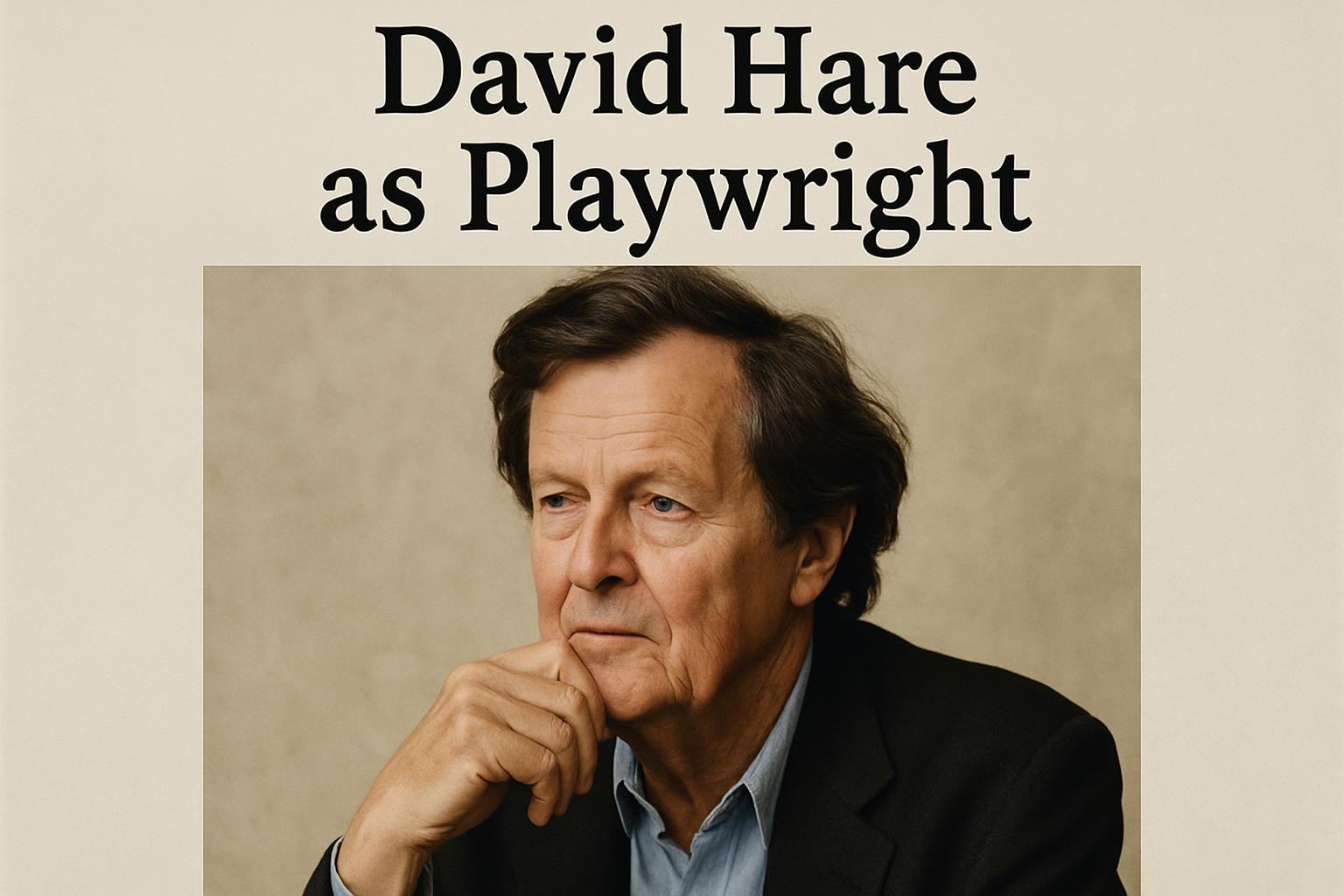
David Hare as Playwright emerged as a major figure in English postmodern theatre. He was born in St Leonards-on-Sea in 1947. Moreover, he studied English Literature at Cambridge University. Therefore, his academic foundation influenced his dramatic sensibility. Additionally, he became active in university theatre societies. Because of this, he developed early skills in writing and production. Furthermore, his upbringing and education shaped his engagement with politics. In fact, he cultivated interest in social issues and morality. Moreover, his early exposure to theatre traditions enriched his style. Consequently, he began experimenting with both political and personal drama. His formative years provided him tools to explore society. Therefore, Hare’s early life became critical to his voice. Furthermore, he learned to blend realism with postmodern experimentation. Because of this, his plays combine intellectual rigor and emotional depth. Ultimately, David reflects education-informed creativity.
Early Career and Breakthrough
David Hare as Playwright began with politically charged early works. His first notable play, Slag, premiered in 1970. Moreover, it explored gender, power, and social change. Therefore, it drew attention from critics and audiences. Additionally, his early plays reflected sharp wit and moral inquiry. Because of this, Hare quickly gained a reputation for fearless writing. Furthermore, his early success encouraged experimentation with themes and form. In fact, he embraced realism while including postmodern critique. Moreover, he avoided escapist narratives in favor of social relevance. Consequently, his plays addressed contemporary moral dilemmas directly. His early career blended intelligence with audacity. Therefore, his stage presence grew rapidly. Furthermore, he became a voice for social critique. Because of this, his first works remain influential in English theatre. Ultimately, David established his identity early.
Political Themes
David Hare often explored political themes in depth. He critiqued government policies, corruption, and social injustice. Moreover, he dramatized moral responsibility in political life. Therefore, his plays engaged audiences intellectually and emotionally. Additionally, works like Pravda tackled media and power structures. Because of this, he became synonymous with politically conscious theatre. Furthermore, he explored ethical dilemmas within bureaucracy and authority. In fact, he combined political critique with personal narratives effectively. Moreover, he reflected postmodern skepticism toward institutions. Consequently, audiences faced questions about civic responsibility. His political vision defined his artistic identity. Therefore, Hare’s theatre challenged complacency in society. Furthermore, he merged social critique with narrative clarity. Because of this, his work remains relevant in contemporary politics. He dramatized the interplay between power and morality. Thus, David Hare is a politically engaged dramatist. Ultimately, his political themes enrich postmodern English theatre.
Collaboration with Howard Brenton
David Hare collaborated effectively with Howard Brenton. Together, they produced plays like Pravda, exposing media corruption. Moreover, their partnership blended intellect, wit, and political insight. Therefore, collaboration strengthened the impact of their drama. Additionally, they experimented with structure and provocative content. Because of this, audiences responded with engagement and debate. Furthermore, their joint works became milestones in postmodern theatre. In fact, they challenged conventional storytelling and authority figures. Moreover, critics recognized their partnership as highly influential. Consequently, Hare and Brenton reshaped English theatre’s political dimension. Their collaboration reflected mutual respect and shared vision. Therefore, their works combined individual strengths seamlessly. Furthermore, they inspired other playwrights to collaborate boldly. Because of this, collective creativity became a hallmark of their success. They set standard for partnership-driven political drama. Thus, Hare’s collaboration expanded the reach of his plays. Ultimately, David Hare gained further acclaim through teamwork.
Social Issues in Drama
David Hare consistently addressed social issues. His works explored class disparity, inequality, and alienation. Moreover, he dramatized the consequences of moral and institutional failure. Therefore, audiences engaged with contemporary societal concerns. Additionally, plays like A Map of the World exposed social fragmentation. Because of this, Hare highlighted the tension between private and public life. Furthermore, he examined responsibilities of individuals within society. In fact, his works showed ordinary lives affected by politics. Moreover, he linked personal dilemmas with systemic injustice. Consequently, his drama educated and provoked reflection. His social focus aligned with postmodern concern for realism. Therefore, Hare dramatized everyday challenges with depth. Furthermore, he combined social critique with compelling narrative. Because of this, his plays became socially resonant. He revealed the human impact of public policy. Thus, David Hare blended ethics and drama. Ultimately, social issues remain central to his legacy.
The Use of Realism
David Hare emphasized realism as dramatic tool. He created authentic characters facing real-world dilemmas. Moreover, dialogue reflected natural speech patterns and emotional tension. Therefore, audiences found his work credible and engaging. Additionally, Hare avoided stylization in favor of clarity. Because of this, his realism enhanced political and social critique. Furthermore, he balanced narrative coherence with postmodern experimentation. In fact, realism reinforced moral urgency in his plays. Moreover, he employed realistic settings to reflect society accurately. Consequently, his works grounded postmodern concerns in everyday life. His use of realism supported audience reflection and debate. Therefore, Hare created immersive, socially aware theatre. Furthermore, realistic detail allowed ethical questions to resonate. Because of this, his plays remain relatable across generations. He demonstrated theatre’s power to reflect lived experience. Thus, David Hare transformed realism into ethical exploration. Ultimately, his realistic approach strengthened postmodern impact.
Ethical Dilemmas
David Hare as Playwright explored ethical dilemmas consistently. Characters often faced moral conflicts with societal implications. Moreover, he dramatized the tension between personal desire and public duty. Therefore, audiences confronted questions about justice and responsibility. Additionally, works like Stuff Happens analyzed historical and political ethics. Because of this, Hare combined factual accuracy with dramatic interpretation. Furthermore, ethical conflicts became central to narrative tension. In fact, his characters embodied postmodern skepticism and human complexity. Moreover, his plays asked audiences to evaluate their own moral choices. Consequently, ethical dilemmas enhanced the intellectual depth of his work. His theatre encouraged critical reflection and self-awareness. Therefore, Hare used ethics as a structural and thematic device. Furthermore, his moral inquiry distinguished him among postmodern dramatists. Because of this, his work resonates in academic and theatrical study. He dramatized consequences of human decisions effectively. Thus, David Hare foregrounded morality in postmodern drama. Ultimately, ethical exploration defines his legacy.
Controversy and Debate
David frequently provoked controversy through his writing. His critiques of government, media, and institutions drew attention. Moreover, plays like Pravda challenged conventional power structures. Therefore, audiences often debated content and context vigorously. Additionally, his bold political commentary sparked critical discussion. Because of this, Hare became a central figure in cultural debates. Furthermore, he refused to compromise artistic integrity for comfort. In fact, critics sometimes attacked his work for perceived audacity. Moreover, controversy amplified the social relevance of his plays. Consequently, his theatre became a forum for public dialogue. His engagement with contentious issues shaped postmodern discourse. Therefore, he valued debate as extension of theatre’s purpose. Furthermore, his controversial works influenced emerging playwrights. Because of this, Hare’s dramatic voice remained fearless and vital. He embraced challenge as integral to theatre. Thus, David remains provocative and essential. Ultimately, controversy reinforced his cultural importance.
Television and Film Adaptations
David Hare extended his work to television and film. His plays often adapted for screen successfully. Moreover, adaptations like The Absence of War reached broader audiences. Therefore, his political and social messages gained wider visibility. Additionally, he wrote original scripts for television with dramatic depth. Because of this, his influence crossed media boundaries. Furthermore, adaptations preserved ethical and political themes faithfully. In fact, his screenwriting retained postmodern engagement. Moreover, his work in multiple media expanded public discourse. Consequently, audiences encountered his ideas in diverse formats. His cross-media presence reinforced relevance and accessibility. Therefore, Hare’s dramaturgy reached audiences beyond theatres. Furthermore, film and television ensured lasting documentation. Because of this, his works achieved cultural longevity. He used media to amplify ethical and political commentary. Thus, David Hare extended stage impact to screen. Ultimately, his media adaptations enhanced public engagement.
Focus on Contemporary Politics
David Hare consistently addressed contemporary political issues. He dramatized war, government policy, and international relations. Moreover, his plays like Stuff Happens explored global power dynamics. Therefore, audiences confronted complex historical and political realities. Additionally, he connected political events to ethical responsibility. Because of this, his work combined information with dramatic reflection. Furthermore, he presented multiple perspectives to encourage critical thinking. In fact, his postmodern approach avoided absolute judgments. Moreover, he questioned media representation of political events. Consequently, audiences engaged with both facts and interpretation. His focus on contemporary politics enriched English postmodern theatre. Therefore, Hare became synonymous with informed, reflective drama. Furthermore, he created theatre as civic dialogue. Because of this, his work remains relevant across generations. He merged realism with political insight consistently. Thus, David Hare foregrounded political consciousness. Ultimately, contemporary politics remain central to his legacy.
Theatre of Conscience
David Hare created what many call theatre of conscience. He challenged audiences to reflect on ethical, social, and political responsibility. Moreover, his works probed moral dilemmas in public and private life. Therefore, theatre became a space for critical engagement. Additionally, he dramatized conflicts between personal ambition and public duty. Because of this, audiences confronted uncomfortable truths about society. Furthermore, his characters often mirrored societal complexity and human imperfection. In fact, his plays encouraged reflection on collective responsibility. Moreover, Hare used realistic dialogue to heighten moral tension. Consequently, his theatre engaged intellectual and emotional faculties. His theatre of conscience highlighted ethical stakes in contemporary life. Therefore, Hare’s plays combined aesthetic and moral urgency. Furthermore, he established drama as ethical mirror. Because of this, his work shaped postmodern English theatre discourse. He demonstrated theatre’s potential for ethical education. Thus, David Hare elevated conscience as central theme. Ultimately, his theatre provokes reflection and awareness continuously.
Exploration of History
David Hare frequently explored historical subjects. He reinterpreted events such as political scandals, wars, and social movements. Moreover, he linked history with contemporary ethical dilemmas. Therefore, his plays revealed recurring patterns of human behavior. Additionally, works like The Permanent Way dramatized institutional failures. Because of this, history became lens for critique and reflection. Furthermore, he challenged audiences to reassess official narratives. In fact, his postmodern approach emphasized subjectivity of historical interpretation. Moreover, he employed realism to ground historical events authentically. Consequently, his historical focus offered moral and political insight. His theatre encouraged critical engagement with the past. Therefore, Hare merged history with narrative innovation. Furthermore, historical exploration reinforced his social and political commentary. Because of this, his works remain instructive and resonant. He dramatized consequences of historical decisions effectively. Thus, David Hare brought history alive with moral clarity. Ultimately, his historical works enriched English theatre postmodernism.
Collaboration with Directors
David Hare worked closely with prominent directors. Collaborations shaped performance, staging, and audience experience. Moreover, partnerships ensured his political and ethical vision reached full expression. Therefore, production quality reinforced thematic impact. Additionally, directors like Max Stafford-Clark supported innovative interpretations. Because of this, his plays gained critical and popular acclaim. Furthermore, collaboration encouraged experimentation with theatrical form. In fact, Hare adapted scripts to directors’ insights skillfully. Moreover, teamwork enhanced both narrative and performance. Consequently, his theatre emphasized dialogue between writer and performer. Collaboration strengthened ethical and political clarity. Therefore, Hare’s work became model for playwright-director partnership. Furthermore, he valued mutual creative input. Because of this, his works achieved layered richness. He demonstrated theatre as collaborative art form. Thus, David Hare maximized dramatic potential. Ultimately, partnerships amplified his influence in English theatre.
Influence on Younger Playwrights
David Hare inspired younger generations of dramatists. His courage, ethical inquiry, and formal experimentation became models. Moreover, his postmodern blending of realism with political critique influenced successors. Therefore, playwrights adopted both thematic and structural strategies from his work. Additionally, his focus on contemporary issues encouraged socially engaged theatre. Because of this, emerging writers pursued politically conscious writing. Furthermore, his collaborations offered mentorship and guidance. In fact, Hare’s attention to ethical and social questions resonated widely. Moreover, his reputation validated experimentation in both content and form. Consequently, his influence extended beyond text into theatrical practice. His example showed integration of intellect and creativity. Therefore, Hare shaped postmodern theatre culture profoundly. Furthermore, his legacy included nurturing talent and debate. Because of this, his impact remains enduring. He inspired postmodern English theatre’s next wave. Thus, David Hare ensured continuity of engaged drama. Ultimately, his influence continues shaping playwrights today.
Exploration of Ethics in Power
David Hare as Playwright frequently explored ethics in positions of power. His works analyzed responsibility, corruption, and leadership failures. Moreover, he dramatized dilemmas faced by politicians and officials. Therefore, audiences examined consequences of moral compromise. Additionally, plays like Stuff Happens revealed ethical tensions in decision-making. Because of this, Hare combined fact with reflective storytelling. Furthermore, his postmodern style highlighted ambiguity rather than certainty. In fact, ethical exploration became central structural element. Moreover, he presented multiple viewpoints without simplification. Consequently, theatre served as forum for moral questioning. His work encouraged critical reflection and debate. Therefore, Hare emphasized accountability in society. Furthermore, ethical examination connected history with contemporary events. Because of this, his theatre remained socially and morally relevant. He dramatized challenges of leadership with nuance. Thus, David Hare foregrounded ethical complexity. Ultimately, ethics remain defining element of his legacy.
Use of Realism and Documentary Style
David Hare often employed realism and documentary techniques. He combined factual research with dramatic storytelling. Moreover, plays like The Permanent Way reflected real events authentically. Therefore, theatre became a space for both education and engagement. Additionally, his style blended realism with narrative experimentation. Because of this, audiences encountered immersive, morally charged experience. Furthermore, his postmodern techniques highlighted subjectivity and interpretation. In fact, documentary realism reinforced social and political commentary. Moreover, his work encouraged critical thinking about contemporary issues. Consequently, his plays remained credible and relevant. Realism grounded ethical and political exploration effectively. Therefore, Hare’s documentary approach expanded postmodern theatre vocabulary. Furthermore, it enhanced engagement with audience reflection. Because of this, his plays remain used in academic and performance contexts. He merged fact and art seamlessly. Thus, David Hare innovated postmodern realism. Ultimately, documentary style became hallmark of his dramatic approach.
Awards and Recognition
David Hare earned numerous awards and critical recognition. He received Olivier Awards, Evening Standard Awards, and honorary degrees. Moreover, his work was celebrated for political courage and narrative clarity. Therefore, accolades affirmed his influence on English theatre. Additionally, critics consistently highlighted his ethical and social engagement. Because of this, his reputation grew internationally. Furthermore, awards validated both artistic merit and societal relevance. In fact, recognition spanned decades, reflecting enduring contribution. Moreover, institutions recognized his role in postmodern dramatic evolution. Consequently, his achievements inspired playwrights and audiences alike. Hare’s recognition emphasized theatre’s cultural importance. Therefore, he became central figure in contemporary English drama. Furthermore, awards reflected both creativity and moral rigor. Because of this, his legacy gained institutional and critical weight. He combined acclaim with integrity consistently. Thus, David Hare earned respect and influence. Ultimately, accolades reinforced his status as postmodern giant.
Legacy and Continuing Relevance
David Hare left a legacy of political engagement, ethical reflection, and formal innovation. His works continue to be staged and studied worldwide. Moreover, his influence persists in contemporary postmodern theatre. Therefore, audiences and scholars still find relevance in his ethical dilemmas. Additionally, younger playwrights draw inspiration from his style and courage. Because of this, his contribution transcends generational boundaries. Furthermore, his focus on contemporary events ensures ongoing significance. In fact, his postmodern blending of realism and critique remains exemplary. Moreover, his engagement with civic responsibility continues to resonate. Consequently, theatre retains his moral and political influence. His legacy embodies intellectual rigor, creativity, and social conscience. Therefore, David Hare as Playwright remains essential for study and performance. Furthermore, his work illustrates theatre’s enduring power to reflect society. Because of this, his plays maintain contemporary urgency. Thus, Hare’s legacy cements him as postmodern English theatre’s luminary. Ultimately, his voice continues shaping culture and conscience.
Conclusion on David Hare’s Contribution
David Hare as Playwright transformed English postmodern theatre with clarity, political engagement, and ethical inquiry. He merged realism, documentary, and narrative experimentation. Moreover, his works challenged censorship, authority, and social complacency. Therefore, his theatre educated and provoked audiences consistently. Additionally, collaboration, mentorship, and public dialogue expanded his influence. Because of this, he became a model of socially conscious dramatic practice. Furthermore, his plays addressed contemporary and historical issues insightfully. In fact, his legacy encompasses ethics, politics, and artistic courage. Moreover, his influence shaped generations of playwrights. Consequently, Hare remains central to postmodern theatre discourse. His contribution demonstrates theatre’s capacity to inform, challenge, and inspire. Therefore, David Hare as Playwright secured enduring cultural and artistic impact. Furthermore, his work embodies reflection, morality, and social engagement. Because of this, his plays remain timeless. He exemplified theatre as a mirror of society. Thus, David Hare as Playwright continues to resonate globally. Ultimately, his legacy ensures postmodern English drama thrives ethically and intellectually.
Howard Brenton as Playwright: https://englishlitnotes.com/2025/09/09/howard-brenton-as-playwright/
For grammar lessons, visit ChatGPT to explore the platform and interact with the AI: https://chat.openai.com
David Hare as Playwright
Discover more from Naeem Ullah Butt - Mr.Blogger
Subscribe to get the latest posts sent to your email.