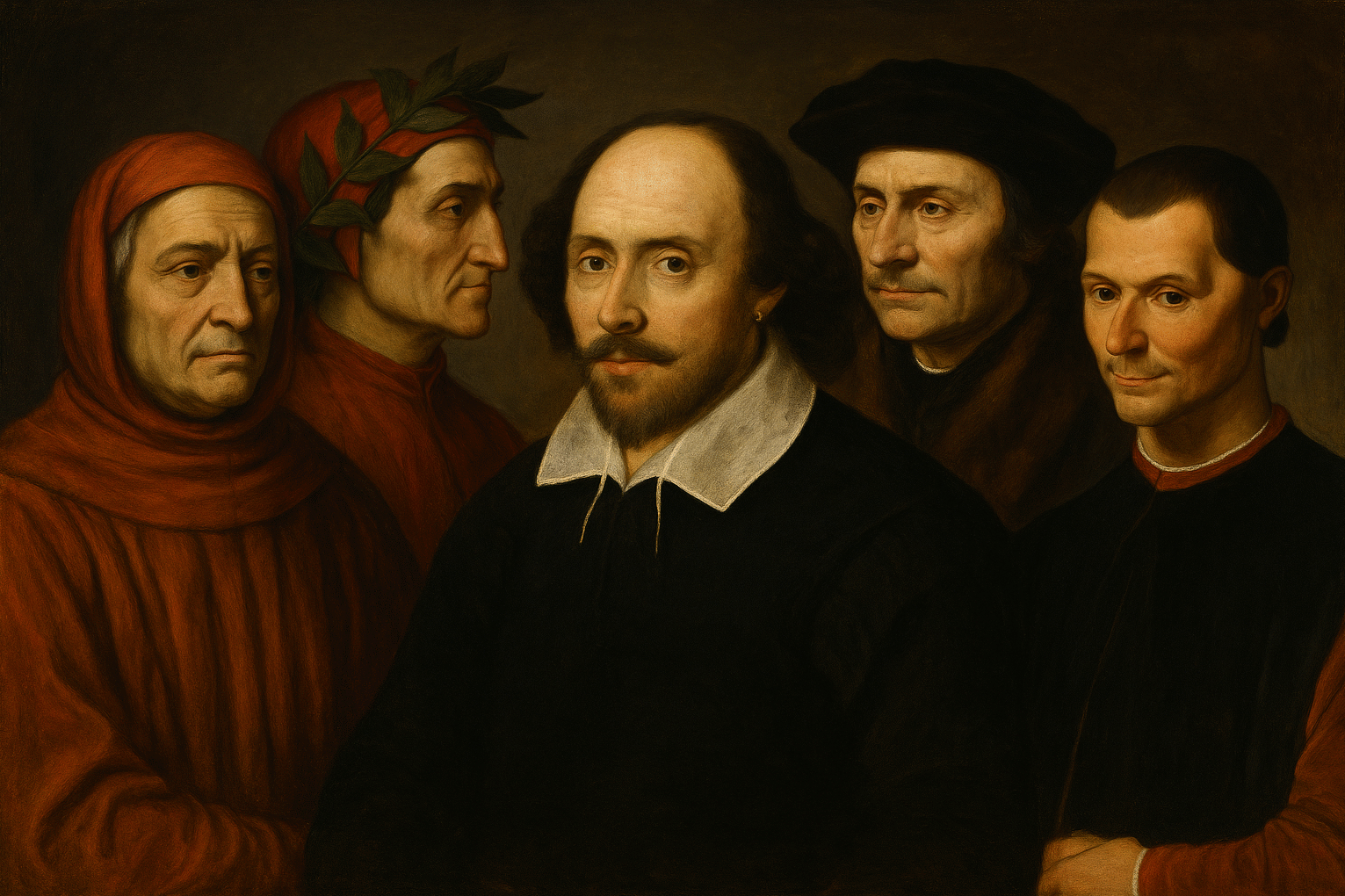
Tom Stoppard as Playwright
Early Life and Background
Tom Stoppard as playwright was one of the most influential writers of postmodern period. He was born in 1937 in Zlín, Czechoslovakia. His family fled during World War II. Moreover, they eventually settled in England after displacement. Therefore, his early life shaped his cultural outlook. He grew up balancing different worlds and identities. Consequently, he developed sensitivity toward language and belonging. Furthermore, his education in England deepened his love for literature. Hence, journalism became his early career before drama. Ultimately, he discovered theatre as his true vocation. His multicultural background enriched his dramatic imagination consistently. Moreover, his sense of exile informed his themes deeply. Thus, questions of identity and truth colored his works. Therefore, his early experiences became essential foundations for art. His theatrical vision reflected displacement and discovery equally. Consequently, his background played lasting roles in shaping his plays. His childhood struggles became sources of creative strength always.
Entry into Theatre
Stoppard began as a journalist before turning to theatre. He worked as a drama critic initially. Moreover, reviewing plays gave him practical stage knowledge. Therefore, his writing developed alongside theatre practice directly. He studied structure, pacing, and performance thoroughly. Consequently, he absorbed lessons from successful dramatists quickly. Furthermore, he sharpened his instincts through journalism rigorously. Hence, criticism trained him in precise observation carefully. Ultimately, criticism prepared him for writing plays himself. His first stage works emerged during the 1960s strongly. Moreover, his debut showcased wit and originality confidently. Thus, he entered theatre with strong preparation. Therefore, his entry was informed by wide exposure. His early career gave him confidence and skills. Consequently, he gained recognition from theatres fairly quickly. His journalism shaped his future plays importantly. His training became essential for theatrical success overall.
Rosencrantz and Guildenstern Are Dead
Stoppard achieved fame with Rosencrantz and Guildenstern Are Dead. The play reimagined minor characters from Shakespeare’s Hamlet. Moreover, it used absurdist humor to explore existence. Therefore, the work combined philosophy with theatrical comedy. Its witty dialogue captivated audiences across countries immediately. Consequently, critics hailed it as groundbreaking and inventive. Furthermore, the play addressed freedom, chance, and mortality clearly. Hence, it reflected postmodern questioning of truth and identity. Ultimately, this play established Stoppard as a significant dramatist. His unique voice entered both stage and classroom permanently. Moreover, the play confirmed his originality among contemporaries. Thus, Stoppard gained lasting fame through early success. Therefore, this work remains central in his career. It continues to be studied internationally today widely. Consequently, Rosencrantz and Guildenstern Are Dead shaped his reputation strongly. His debut masterpiece redefined Shakespearean tradition cleverly.
Stoppard’s Postmodern Style
Stoppard’s style blended intellectual wit and theatrical playfulness. His plays engaged with philosophy and science together. Moreover, they questioned reality, truth, and human freedom constantly. Therefore, his theatre embodied postmodern curiosity and skepticism. He used comedy to investigate serious themes effectively. Consequently, audiences laughed while reflecting on existence simultaneously. Furthermore, intertextual references enriched his dramatic vocabulary continually. Hence, Shakespeare, philosophy, and science coexisted on stage creatively. Ultimately, his style reflected eclecticism and intelligence clearly. His wordplay entertained while deepening intellectual engagement consistently. Moreover, he structured plays with precision and elegance equally. Thus, his works became models of postmodern dramaturgy. Therefore, Tom Stoppard represents a key postmodern figure. His distinctive style continues to inspire younger dramatists globally. Consequently, his theatre demonstrates the fusion of intellect and art. His postmodern identity remains central to English drama.
The Real Inspector Hound
The Real Inspector Hound parodied detective fiction conventions sharply. It blurred boundaries between critics and characters deliberately. Moreover, the play mocked theatrical traditions with playful humor. Therefore, audiences encountered both comedy and critique simultaneously. Characters moved between stage and audience ironically. Consequently, Stoppard dismantled traditional divisions theatrically. Furthermore, he displayed mastery of parody and satire consistently. Hence, this play represented his clever manipulation of genre. Ultimately, it secured his reputation for originality firmly. His comic invention combined with structural experimentation brilliantly. Moreover, the play reflected his growing theatrical confidence strongly. Thus, critics admired his playful subversion of tradition. Therefore, The Real Inspector Hound expanded his reputation widely. It confirmed his ability to blend comedy with analysis. Consequently, audiences remembered its humor and wit fondly. The play remains a favorite example of Stoppard’s ingenuity.
Jumpers and Intellectual Comedy
Jumpers (1972) highlighted Stoppard’s intellectual daring fully. The play combined philosophy, farce, and murder mystery. Moreover, it debated morality, truth, and human responsibility deeply. Therefore, it challenged audiences intellectually while entertaining consistently. Stoppard used gymnastics as theatrical metaphor creatively. Consequently, physical performance reinforced philosophical questions visually. Furthermore, he demonstrated control over structure and balance carefully. Hence, Jumpers illustrated his ability to fuse intellect with comedy. Ultimately, the play earned both admiration and debate internationally. Critics praised its ambitious scope and sharp dialogue thoroughly. Moreover, its mixture of wit and seriousness became signature style. Thus, Stoppard gained reputation as philosopher-playwright strongly. Therefore, Jumpers cemented his position within postmodern theatre. It revealed both humor and seriousness intertwined consistently. Consequently, the play remains studied in academic and theatrical contexts. Its daring originality highlighted Stoppard’s growing dramatic confidence immensely.
Travesties and Historical Parody
Travesties (1974) displayed Stoppard’s intertextual brilliance clearly. The play reimagined Zurich during World War I. Moreover, it brought together Joyce, Lenin, and Dadaists unexpectedly. Therefore, it parodied historical figures and artistic movements humorously. Stoppard used farce to examine art and politics playfully. Consequently, history collided with absurd theatrical invention. Furthermore, audiences encountered dazzling verbal fireworks constantly. Hence, Travesties blended parody, satire, and intellectual inquiry brilliantly. Ultimately, critics praised its originality and inventiveness enthusiastically. The play reflected Stoppard’s love for literature and history deeply. Moreover, it highlighted tensions between art and revolution effectively. Thus, Travesties became one of his most acclaimed works. Therefore, his reputation expanded beyond national boundaries rapidly. It revealed mastery of both parody and cultural commentary. Consequently, audiences recognized his daring approach strongly. The play remains central in his postmodern canon.
Arcadia and Science in Drama
Arcadia (1993) became one of Stoppard’s masterpieces. The play intertwined science, mathematics, and human passion seamlessly. Moreover, it moved between past and present elegantly. Therefore, its structure reflected complexity and beauty equally. Stoppard used chaos theory to mirror life’s unpredictability. Consequently, audiences experienced intellectual and emotional depth simultaneously. Furthermore, witty dialogue balanced romance with scientific exploration effectively. Hence, Arcadia displayed Stoppard’s dramatic maturity clearly. Ultimately, critics hailed it as a landmark achievement. Its interplay of time, knowledge, and love captivated audiences worldwide. Moreover, it reflected his fascination with both art and science. Thus, Arcadia secured his place among great playwrights. Therefore, Tom Stoppard reached peak artistry here. His integration of knowledge and feeling impressed universally. Consequently, Arcadia remains a defining postmodern play globally. Its enduring appeal underscores his genius consistently.
The Coast of Utopia Trilogy
Stoppard wrote The Coast of Utopia trilogy ambitiously. The plays explored Russian intellectual life of the 19th century. Moreover, they examined revolution, philosophy, and human ideals deeply. Therefore, the trilogy represented one of his boldest projects. Audiences encountered vast historical and philosophical debates vividly. Consequently, critics admired the scale and intellectual ambition strongly. Furthermore, the trilogy blended history with imaginative artistry seamlessly. Hence, Stoppard displayed command over epic theatre successfully. Ultimately, The Coast of Utopia confirmed his dramatic range. His ability to handle complex ideas impressed greatly. Moreover, his trilogy combined storytelling with deep inquiry consistently. Thus, Stoppard demonstrated postmodern fascination with history and knowledge. Therefore, his reputation grew internationally after the trilogy. It displayed his intellectual seriousness and theatrical brilliance together. Consequently, audiences regarded him as bold and daring playwright.
Indian Ink and Colonial Themes
Indian Ink explored colonial history and cultural encounters powerfully. It moved between 1930s India and later reflections. Moreover, it examined art, politics, and memory simultaneously. Therefore, the play addressed imperialism and its legacies thoughtfully. Stoppard used personal relationships to reflect broader themes clearly. Consequently, audiences encountered intimacy alongside historical critique effectively. Furthermore, he displayed sensitivity to cross-cultural encounters consistently. Hence, Indian Ink broadened his thematic range considerably. Ultimately, it revealed his ability to engage with empire. His approach combined wit with historical seriousness carefully. Moreover, the play contributed to postcolonial discussions meaningfully. Thus, Stoppard addressed global perspectives beyond Europe. Therefore, Indian Ink enriched his dramatic identity importantly. It remains valued for its cross-cultural dialogue internationally. Consequently, it confirmed his openness to diverse histories. His exploration of empire strengthened his artistic reputation significantly.
Influence of Philosophy
Philosophy informed much of Stoppard’s theatre consistently. He explored logic, morality, and human responsibility deeply. Moreover, his plays questioned freedom and determinism persistently. Therefore, philosophical dialogue became central to dramatic experience. Characters debated abstract issues through witty conversations constantly. Consequently, audiences engaged with intellectual puzzles entertainingly. Furthermore, philosophy shaped his themes across decades clearly. Hence, he connected theatre with academic traditions meaningfully. Ultimately, his philosophy remained accessible through humor and wit. His works never became overly academic or abstract. Moreover, philosophy functioned as a stage experience directly. Thus, his plays balanced thought with entertainment carefully. Therefore, Tom Stoppard stands as intellectual dramatist. His exploration of philosophy influenced many later playwrights. Consequently, his theatre deepened connections between drama and thought significantly. His philosophical curiosity enriched his art consistently.
Comic Spirit and Entertainment
Stoppard’s plays always entertained with comedy strongly. He infused even serious debates with humor. Moreover, his wordplay delighted audiences constantly. Therefore, comedy became essential to his dramatic signature. He transformed complex ideas into accessible laughter effectively. Consequently, audiences enjoyed both wit and depth simultaneously. Furthermore, his comic timing remained sharp across decades consistently. Hence, his humour allowed exploration of difficult themes playfully. Ultimately, critics praised his ability to blend seriousness with comedy. His reputation rested upon both entertainment and intellect equally. Moreover, his comic inventions secured wide popular appeal strongly. Thus, his theatre became engaging and accessible globally. Therefore, Stoppard demonstrated comedy’s power to carry philosophy. His comic energy never diminished throughout his career. Consequently, audiences remember him for laughter and insight equally. His comic spirit strengthened his dramatic identity permanently.
Collaboration with Film and Screen
Stoppard also contributed to cinema successfully. He wrote screenplays and collaborated with Hollywood directors. Moreover, he co-wrote Shakespeare in Love, which won awards. Therefore, his influence spread across stage and screen equally. His film writing reflected wit and narrative brilliance. Consequently, critics admired his versatility beyond theatre strongly. Furthermore, he adapted his theatrical skills into cinema effectively. Hence, his dialogue enriched both mediums continuously. Ultimately, Stoppard gained recognition in global film communities. His presence in cinema broadened his audience significantly. Moreover, he proved drama could cross media boundaries. Thus, Tom Stoppard as Playwright extended his artistry widely. Therefore, his reputation grew within multiple art forms simultaneously. His creative power transcended medium boundaries entirely. Consequently, he remains celebrated in both theatre and film. His cinematic achievements complement his theatrical reputation perfectly.
Awards and Recognition
Stoppard earned numerous awards across his career. He received Academy Awards and Tony Awards. Moreover, his recognition spanned both stage and film. Therefore, his achievements reflected global cultural impact strongly. He collected honorary degrees from prestigious institutions internationally. Consequently, his career gained validation from diverse communities. Furthermore, critics consistently admired his originality and wit. Hence, awards confirmed his influence and mastery powerfully. Ultimately, recognition cemented his place among leading playwrights. His awards represented appreciation of both intellect and entertainment. Moreover, his consistent success made him cultural figurehead widely. Thus, Tom Stoppard as Playwright remains globally honored today. Therefore, his reputation rests upon both creativity and recognition. His achievements represent lasting contributions to drama and cinema. Consequently, he enjoys status as cultural icon historically. His awards reflect his monumental artistic importance clearly.
Later Works and Ongoing Relevance
Stoppard continued writing into the twenty-first century successfully. His plays explored identity, memory, and politics repeatedly. Moreover, later works displayed emotional depth alongside intellectual rigor. Therefore, critics recognized maturity in his later career. The Hard Problem addressed science and consciousness directly. Consequently, audiences admired his continued boldness with themes. Furthermore, he remained relevant to contemporary debates globally. Hence, his plays spoke to modern anxieties effectively. Ultimately, Stoppard’s later works demonstrated enduring creativity consistently. His ability to reinvent himself inspired dramatists worldwide. Moreover, his maturity deepened his earlier brilliance significantly. Thus, his relevance extends beyond his early achievements. Therefore, Tom Stoppard as Playwright continues shaping theatre culture. His later career proved innovation never ceased completely. Consequently, his works still appear on international stages regularly. His longevity marks him as exceptional figure historically.
Influence on English Theatre
Stoppard’s influence reshaped English theatre decisively. He blended entertainment with profound intellectual inquiry uniquely. Moreover, he inspired younger dramatists with daring wit. Therefore, his plays expanded theatrical possibilities significantly. His success encouraged experimentation across genres and styles. Consequently, contemporary drama reflected his innovations consistently. Furthermore, his reputation established English theatre internationally strongly. Hence, his works became part of global repertoires widely. Ultimately, critics placed him among greatest English dramatists. His influence ensured postmodernism flourished on English stages. Moreover, his techniques enriched dramatic training programs everywhere. Thus, Tom Stoppard as Playwright remains defining figure internationally. Therefore, his influence cannot be underestimated in drama history. His theatre remains a touchstone for creativity. Consequently, English drama owes him enduring debt always. His presence reshaped the trajectory of postmodern theatre permanently.
Themes of Identity and Exile
Identity and exile pervaded Stoppard’s theatre consistently. His immigrant background influenced his themes directly. Moreover, displacement appeared through characters and narratives repeatedly. Therefore, questions of belonging and identity shaped plays deeply. His characters sought meaning in uncertain worlds strongly. Consequently, audiences related to struggles of alienation naturally. Furthermore, his theatre questioned truth and authenticity continuously. Hence, personal history blended with intellectual exploration perfectly. Ultimately, these themes enriched his postmodern identity significantly. His immigrant experiences echoed within theatrical imagination permanently. Moreover, critics analyzed identity as central Stoppardian concern widely. Thus, Tom Stoppard as Playwright revealed life through exile. Therefore, his plays spoke to universal questions meaningfully. His sensitivity to belonging shaped his dramatic legacy strongly. Consequently, identity became lasting theme across his works. His background remained vital for understanding his artistry deeply.
Stoppard’s Legacy
Stoppard’s legacy rests on wit, philosophy, and innovation. He transformed English theatre with daring originality decisively. Moreover, his plays bridged entertainment and deep thought masterfully. Therefore, Tom Stoppard as Playwright remains globally significant permanently. His legacy combines intellectual inquiry with theatrical delight. Consequently, students and audiences study him endlessly worldwide. Furthermore, directors continue staging his plays across cultures. Hence, his reputation endures through performance and scholarship equally. Ultimately, his influence inspires writers and dramatists continually. His works remind theatre of its intellectual capacity. Moreover, his genius reflects both art and thought harmoniously. Thus, his legacy ensures continued presence in world drama. Therefore, Tom Stoppard stands as a cultural giant. His postmodern brilliance secures him lasting admiration universally. Consequently, his works guarantee his memory within history. His legacy affirms theatre’s power to question meaning eternally.
Harold Pinter as Playwright: https://englishlitnotes.com/2025/09/09/harold-pinter-as-playwright/
For grammar lessons, visit ChatGPT to explore the platform and interact with the AI: https://chat.openai.com
Discover more from Naeem Ullah Butt - Mr.Blogger
Subscribe to get the latest posts sent to your email.