
Early Life and Theatrical Roots
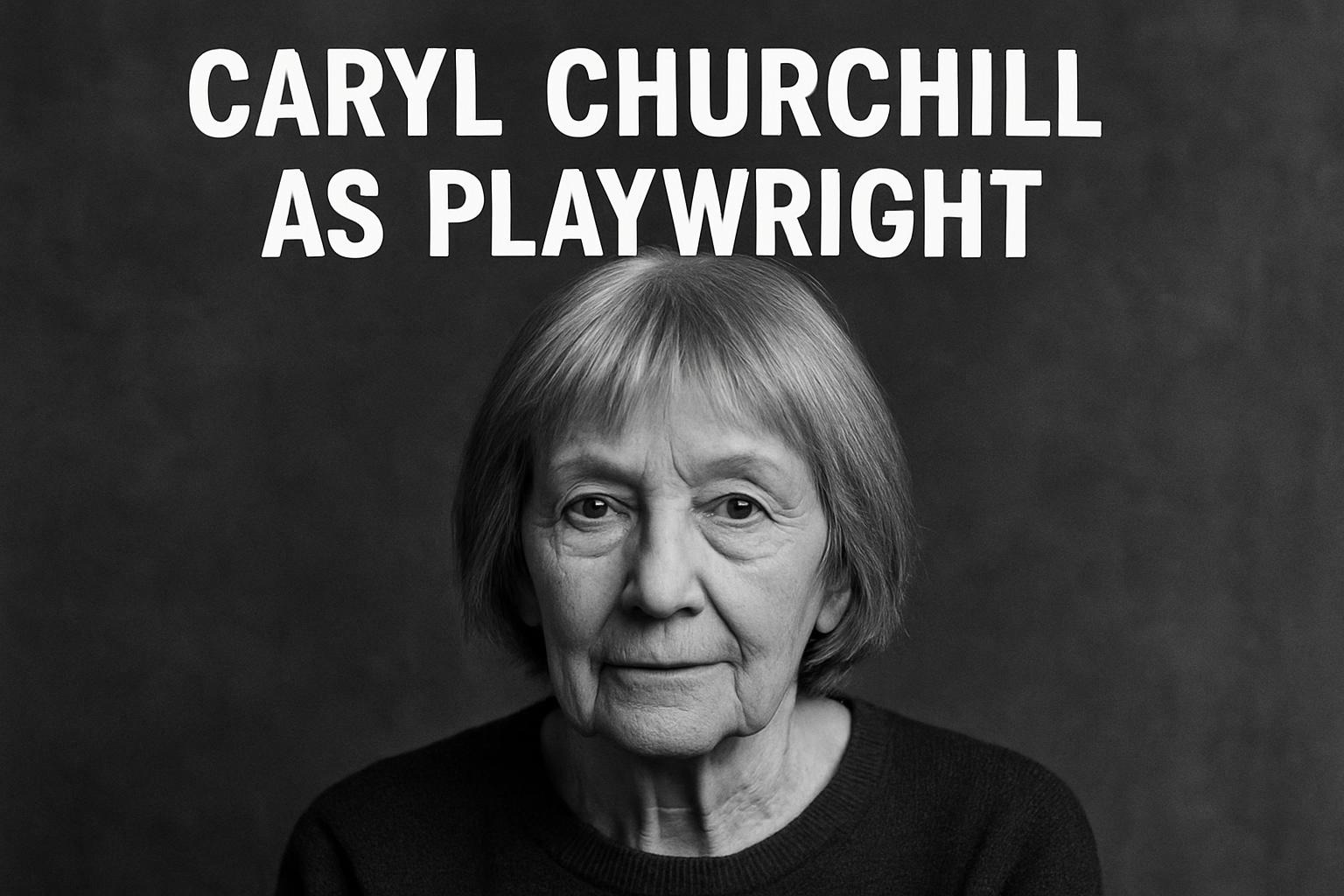
Caryl Churchill as Playwright began exploring theatre during her student years. She studied English and theatre at Oxford University. Her early exposure shaped her style and worldview. Moreover, she absorbed influences from experimental drama of the 1960s. Therefore, she developed an interest in unconventional storytelling. She never restricted herself to traditional realism. Instead, she sought new forms of expression. Additionally, she experimented with fragmented structures and nonlinear plots. Because of this, her works reflected bold theatrical ambition. Furthermore, she responded to political and social tensions. Her plays mirrored shifts within modern British society. Thus, her earliest works revealed themes of power and authority. She focused on family dynamics and wider systems. Moreover, she addressed tensions between genders and generations. Therefore, her formative years contributed greatly to her theatrical voice. These early steps established her commitment to radical experimentation. Consequently, she became a unique voice within postmodern drama.
Political Themes in Her Plays
Caryl Churchill as Playwright consistently embraced political engagement in her work. She tackled controversial issues without hesitation. Moreover, she linked personal experiences to public realities. Because of this, her plays explored intersections between power and society. Additionally, she examined themes of gender, class, and colonialism. Therefore, audiences recognized her plays as politically charged. Furthermore, she used fragmented dialogue to reflect uncertainty. Her style exposed hidden structures of domination. In fact, her plays often challenged capitalist systems. Moreover, she reimagined theatre as a tool for critique. Consequently, her drama offered both entertainment and resistance. She created complex characters caught in societal struggles. Therefore, audiences confronted uncomfortable truths about power. Her engagement with feminism added depth and urgency. Furthermore, she inspired discussions about oppression and equality. Because of this, her legacy extended beyond theatre. Ultimately, her plays revealed the politics embedded within everyday life.
Experimentation with Form
Churchill’s innovation always appeared through experiments with form and structure. She often disrupted conventional theatre expectations. Moreover, she blended realism with surrealist techniques. Therefore, her plays challenged how stories could unfold. Additionally, she manipulated time, space, and character identities. Because of this, audiences encountered unpredictable narratives. Furthermore, she broke traditional dramatic boundaries. In fact, she often employed overlapping dialogues. Her style created rhythm and tension simultaneously. Moreover, she inserted silence as a dramatic force. Consequently, spectators experienced moments of deep unease. Her theatre rejected predictability in favor of fragmentation. Therefore, she reflected postmodern skepticism about grand narratives. Furthermore, she showed that theatre could mirror instability. Because of these innovations, critics admired her creativity. She refused to follow safe conventions. Instead, she reshaped performance into experimental journeys. Her boldness influenced younger dramatists exploring new techniques. Thus, her experimentation established her as a postmodern pioneer.
Feminist Concerns in Her Drama
Caryl Churchill as Playwright stood as a powerful feminist voice. Her plays directly addressed issues of gender and power. Moreover, she questioned stereotypes imposed on women. Therefore, she presented female characters with complexity and strength. Additionally, she exposed systems limiting women’s choices. Because of this, her theatre highlighted structural oppression. Furthermore, she reimagined narratives from women’s perspectives. In fact, plays like Top Girls examined female ambition. They also criticized patriarchal definitions of success. Moreover, she explored women’s struggles in personal spaces. Consequently, her plays invited audiences to reflect critically. Her feminism never remained simplistic. Instead, she embraced diversity of female experience. Therefore, her works empowered theatre as a feminist platform. Additionally, her engagement inspired other female playwrights. Because of this, she broadened opportunities for women in drama. Her feminist perspective remains central to her reputation. Thus, she reinforced theatre as a site of liberation.
Use of Language and Dialogue
Churchill’s language revealed her distinctive theatrical signature. She often wrote fragmented, overlapping conversations. Moreover, she embraced silence as part of dialogue. Therefore, her plays captured real human communication patterns. Additionally, she disrupted smooth exchanges with hesitation and interruption. Because of this, her characters felt unpredictable and authentic. Furthermore, she balanced poetic rhythm with stark realism. In fact, she used fragmented lines to mirror tension. Moreover, her dialogue exposed psychological and social conflicts. Consequently, audiences experienced layers of meaning within speech. Her language created intimacy and distance simultaneously. Therefore, she reflected uncertainty within modern relationships. Furthermore, she transformed language into both weapon and shield. Because of this, her works gained unique dramatic texture. She demonstrated theatre’s ability to reshape communication. Thus, she expanded how language operates on stage. Ultimately, her dialogue innovations influenced many contemporary dramatists. Her linguistic experimentation became essential to postmodern theatre identity.
Collaboration with Theatre Companies
Caryl Churchill as Playwright often worked collaboratively with theatre groups. She believed creativity grew from collective engagement. Moreover, she valued actors’ input during development. Therefore, she collaborated with radical theatre companies. Additionally, she explored improvisational methods during rehearsals. Because of this, her plays reflected shared creativity. Furthermore, she partnered with feminist collectives for certain projects. In fact, these collaborations shaped thematic direction. Moreover, she embraced experimental staging offered by groups. Consequently, her plays pushed beyond individual authorship. Her collaborative process democratized theatre-making. Therefore, she reflected postmodern suspicion toward singular authority. Furthermore, she embraced shared storytelling structures. Because of this, she strengthened her plays’ political resonance. She demonstrated that theatre thrives on collective energy. Thus, her works mirrored broader voices and perspectives. Ultimately, her collaborations enriched her dramatic career. They highlighted her openness to diverse artistic contributions. Her legacy emphasized cooperative approaches within postmodern drama.
Historical and Political Context
Churchill’s theatre always reflected historical and political realities. She situated her plays within shifting cultural moments. Moreover, she addressed global struggles of her era. Therefore, her works resonated with international audiences. Additionally, she responded to late twentieth-century conflicts. Because of this, her plays addressed colonialism and capitalism. Furthermore, she examined how history shaped present tensions. In fact, she often questioned official narratives. Moreover, she exposed hidden perspectives within political events. Consequently, her works revealed silenced voices in history. Her plays encouraged audiences to challenge conventional accounts. Therefore, her drama created bridges between past and present. Furthermore, she made theatre a political arena. Because of this, critics valued her intellectual sharpness. She never separated art from society. Instead, she wove history into dramatic fabric. Thus, she showed that theatre interprets global conditions. Her engagement made her a politically conscious playwright. Ultimately, her context-driven works shaped modern theatre.
Influence of Brechtian Techniques
Caryl Churchill as Playwright frequently employed Brechtian strategies in her work. She used alienation effects to prevent passive watching. Moreover, she encouraged critical thinking from audiences. Therefore, her plays combined political purpose with dramatic innovation. Additionally, she disrupted naturalistic illusions deliberately. Because of this, her plays demanded active engagement. Furthermore, she broke the fourth wall frequently. In fact, she used songs, projections, and direct address. Moreover, she inserted abrupt shifts in tone or scene. Consequently, her audiences could never remain comfortable. Her Brechtian style linked theatre to social change. Therefore, she empowered spectators to question power structures. Furthermore, she demonstrated drama’s role as political critique. Because of this, her plays carried transformative potential. She embraced techniques aligning with postmodern experimentation. Thus, she integrated critical theory with artistic creativity. Ultimately, her work demonstrated Brecht’s continued relevance. Churchill redefined political theatre for her generation. Her engagement reshaped English drama permanently.
Role of Surrealism and Fantasy
Churchill often integrated surrealism and fantasy into her plays. She rejected limitations of strict realism. Moreover, she blended the ordinary with the strange. Therefore, her works created unsettling theatrical landscapes. Additionally, she used fantasy to express social truths. Because of this, her plays invited symbolic interpretation. Furthermore, surreal elements exposed hidden structures of society. In fact, plays like Cloud Nine reflected these techniques. Moreover, she presented shifting identities and fluid realities. Consequently, she destabilized assumptions about character and story. Her surrealism served political and personal critique simultaneously. Therefore, her plays remained both entertaining and thought-provoking. Furthermore, she revealed contradictions in gender and power relations. Because of this, her creative imagination influenced postmodern theatre. She showed surrealism could express complex truths. Thus, she expanded theatre’s possibilities beyond conventional boundaries. Ultimately, her use of fantasy enriched her dramatic impact. Her surreal style defined her reputation worldwide.
Postmodern Qualities of Her Plays
Churchill’s plays embodied distinct postmodern qualities. She rejected absolute truths and stable narratives. Moreover, she blurred distinctions between genres. Therefore, her drama reflected fragmentation and multiplicity. Additionally, she employed intertextual references and shifting voices. Because of this, her works resisted simple categorization. Furthermore, she questioned authority through layered structures. In fact, she emphasized playfulness and irony within scripts. Moreover, she destabilized conventional storytelling expectations. Consequently, her plays reflected skepticism toward grand systems. Her postmodernism emerged through constant experimentation. Therefore, she aligned theatre with philosophical debates of her era. Furthermore, she addressed contradictions without resolving them neatly. Because of this, her works inspired debate and analysis. She showed theatre could embrace ambiguity productively. Thus, her postmodern identity became central to her legacy. Ultimately, her plays reshaped English theatre through postmodern aesthetics. Caryl Churchill as Playwright demonstrated drama’s ability to question reality.
Exploration of Identity
Caryl Churchill as Playwright explored identity through shifting roles and fluid characters. She never restricted her figures to fixed boundaries. Moreover, she portrayed identity as unstable and contested. Therefore, her plays reflected postmodern ideas about selfhood. Additionally, she experimented with characters switching gender or age. Because of this, she challenged rigid definitions of identity. Furthermore, she showed how social structures shaped personal realities. In fact, Cloud Nine demonstrated her radical experimentation with identity. Moreover, she revealed contradictions between desire and expectation. Consequently, audiences questioned their own understanding of self. Her theatre insisted that identity remained dynamic and political. Therefore, her work carried profound cultural implications. Furthermore, she empowered voices marginalized by traditional drama. Because of this, her plays achieved critical resonance. She demonstrated theatre’s role in representing complexity. Thus, her exploration of identity shaped postmodern English theatre significantly. Ultimately, she revealed the instability of human identity.
Innovation in Staging and Performance
Churchill constantly introduced innovation in stagecraft and performance style. She embraced unconventional techniques and experimental staging. Moreover, she collaborated with directors to develop bold visions. Therefore, her plays used lighting, sound, and space creatively. Additionally, she disrupted conventional stage directions. Because of this, her works invited flexible interpretation. Furthermore, she allowed productions to vary widely. In fact, her scripts encouraged improvisation and reinterpretation. Moreover, she often left elements open-ended. Consequently, directors and actors gained interpretive freedom. Her staging reflected postmodern openness and experimentation. Therefore, she shaped theatre as a dynamic experience. Furthermore, she rejected uniform presentation styles. Because of this, every production felt unique. She highlighted theatre as a living art form. Thus, her contributions expanded possibilities of modern staging. Ultimately, her performance innovations inspired directors globally. Caryl Churchill as Playwright proved staging could embody creativity. Her legacy reshaped theatrical aesthetics of the late century.
Responses from Critics
Churchill’s works received wide-ranging critical responses across her career. Some critics praised her bold originality. Moreover, they admired her fearless engagement with politics. Therefore, she became a respected voice in English theatre. Additionally, her feminist themes gained recognition worldwide. Because of this, she attracted scholarly attention. Furthermore, her experiments with language earned critical acclaim. In fact, she won numerous awards and honors. Moreover, critics debated her fragmented structures passionately. Consequently, her plays became focal points in literary discussions. Some conservative voices questioned her radical style. However, progressive critics defended her experimentation. Therefore, she remained a polarizing figure within theatre studies. Furthermore, her legacy grew with every new production. Because of this, she gained respect beyond immediate circles. Her critics acknowledged her central role in postmodern drama. Thus, her influence extended into global theatre discourse. Ultimately, Churchill achieved critical recognition for her fearless creativity.
Global Reach of Her Plays
Caryl Churchill as Playwright gained international recognition for her innovative works. Her plays reached audiences across continents. Moreover, directors staged her works in diverse cultures. Therefore, she influenced theatre beyond England’s borders. Additionally, her themes resonated with global struggles. Because of this, her works addressed universal concerns. Furthermore, translations made her plays accessible worldwide. In fact, productions appeared in Europe, America, and Asia. Moreover, international scholars analyzed her postmodern style deeply. Consequently, her plays shaped debates about global theatre. Her feminist and political themes found broad relevance. Therefore, she became a transnational voice of drama. Furthermore, she inspired non-English playwrights and directors. Because of this, her reach expanded continuously. She proved theatre could cross cultural boundaries effectively. Thus, her works gained timeless international significance. Ultimately, her global reception strengthened her legacy. Her plays continue to resonate across varied cultural landscapes today.
Comparisons with Other Playwrights
Churchill’s career often drew comparisons with fellow playwrights. Critics linked her to Harold Pinter and Tom Stoppard. Moreover, they recognized her shared postmodern experimentation. Therefore, she belonged to a wider dramatic movement. Additionally, scholars compared her political concerns to Edward Bond. Because of this, she joined debates about radical theatre. Furthermore, her feminism connected her with contemporary women dramatists. In fact, she helped pioneer new feminist theatre traditions. Moreover, her surrealism invited comparison to international avant-garde figures. Consequently, her work entered global dramatic conversations. She differed from others through unique feminist focus. Therefore, she carved her own dramatic identity. Furthermore, she showed postmodernism could intersect with activism. Because of this, she remained distinct within her generation. Her comparisons enriched understanding of her artistry. Thus, critics contextualized her within broader theatrical traditions. Ultimately, Churchill stood out while engaging creatively with peers. Her individuality ensured lasting recognition within drama.
Thematic Diversity in Her Career
Churchill’s career reflected impressive thematic diversity across decades. She refused to limit her plays to one subject. Moreover, she explored politics, identity, and personal relationships. Therefore, her works appealed to varied audiences. Additionally, she addressed colonial history and capitalist critique. Because of this, her themes reached global relevance. Furthermore, she examined family, motherhood, and ambition. In fact, she balanced intimate detail with sweeping scope. Moreover, her themes reflected changes in society. Consequently, her career adapted to contemporary concerns. She showed courage by addressing difficult topics. Therefore, she became a voice of her generation. Furthermore, her thematic variety kept her drama fresh. Because of this, her legacy remains vibrant today. She demonstrated theatre could encompass limitless subjects. Thus, her work resisted narrow categorization. Ultimately, her thematic diversity strengthened her influence. Churchill’s career revealed theatre as an expansive art form. Her themes gave audiences powerful reflections of reality.
Awards and Recognition
Churchill received numerous awards during her distinguished career. Her plays achieved both national and international honors. Moreover, critics and institutions acknowledged her groundbreaking style. Therefore, she gained recognition as a leading dramatist. Additionally, she won Obie and Evening Standard Awards. Because of this, her works reached wider audiences. Furthermore, her feminist contributions gained institutional respect. In fact, she was praised for originality and courage. Moreover, prestigious theatres staged her plays globally. Consequently, she gained permanent visibility in modern theatre. Her awards confirmed her place in postmodern drama. Therefore, she stood as a respected figure internationally. Furthermore, her recognition extended to academic circles. Because of this, scholars studied her works extensively. She transformed theatre into a celebrated political platform. Thus, awards reflected her influence beyond artistic circles. Ultimately, recognition highlighted her pioneering postmodern identity. Churchill’s achievements proved her lasting impact on English drama.
Legacy within Postmodern Theatre
Caryl Churchill as Playwright left a monumental legacy in postmodern theatre. Her experiments expanded boundaries of dramatic form. Moreover, her feminist focus reshaped English drama permanently. Therefore, she inspired future generations of dramatists. Additionally, her bold political critique influenced modern theatre movements. Because of this, she stands as a central postmodern figure. Furthermore, her plays remain widely performed today. In fact, her influence extends to film and literature. Moreover, her legacy includes breaking barriers for female playwrights. Consequently, she opened doors for diverse voices. Her impact continues to grow across generations. Therefore, her legacy remains deeply embedded in theatre history. Furthermore, she remains a reference point for scholars. Because of this, her works form part of university curricula. She proved theatre could unite politics, art, and philosophy. Thus, her legacy ensured drama’s relevance in modern society. Ultimately, Churchill’s postmodern influence remains strong and unshakable.
Continuing Relevance Today
Churchill’s works continue to resonate with contemporary audiences. Modern productions highlight their timeless themes. Moreover, her plays reflect ongoing political challenges. Therefore, new generations connect with her messages. Additionally, her explorations of identity remain urgent. Because of this, her plays attract critical attention today. Furthermore, directors reinterpret her works for modern contexts. In fact, her feminist critiques align with ongoing debates. Moreover, her fragmented structures mirror digital culture. Consequently, her plays feel strikingly contemporary and relevant. Her ongoing productions confirm her lasting importance. Therefore, she remains central to postmodern theatre today. Furthermore, younger playwrights still draw inspiration from her. Because of this, her influence extends into modern writing. She demonstrated theatre’s ability to evolve continuously. Thus, her plays remain part of global performance culture. Ultimately, Caryl Churchill as Playwright continues shaping dramatic imagination. Her continuing relevance confirms her timeless artistic power.
Tom Stoppard as Playwright: https://englishlitnotes.com/2025/09/09/tom-stoppard-as-playwright/
For grammar lessons, visit ChatGPT to explore the platform and interact with the AI:https://chat.openai.com
Discover more from Naeem Ullah Butt - Mr.Blogger
Subscribe to get the latest posts sent to your email.