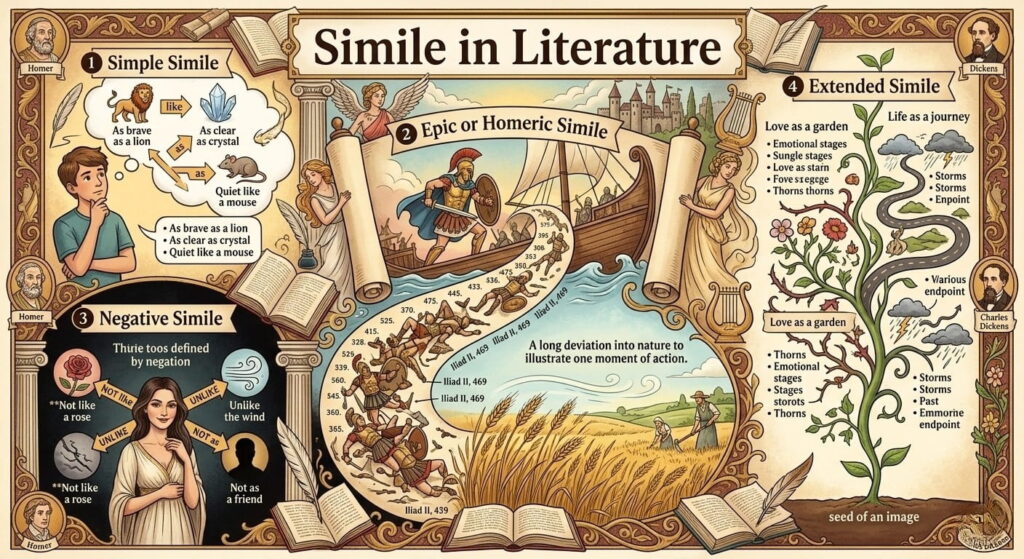
The Essence of Similes A simile in literature is a vital tool. Writers use this tool to compare things. They use “like” or “as” for this. This device bridges ideas. It connects the unknown to the known. Readers see the Read More …
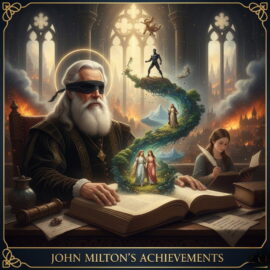
John Milton remains a towering figure of human achievement and spirit. He balanced the roles...
Read More1. Introduction to Jon McGregor as Short Story Writer Jon McGregor as short story writer...
Read More1. Introduction to Kamila Shamsie’s Short Fiction Kamila Shamsie as short story writer stands unique...
Read MoreIntroduction David Means as Writer demonstrates mastery of short fiction and prose that explores human...
Read More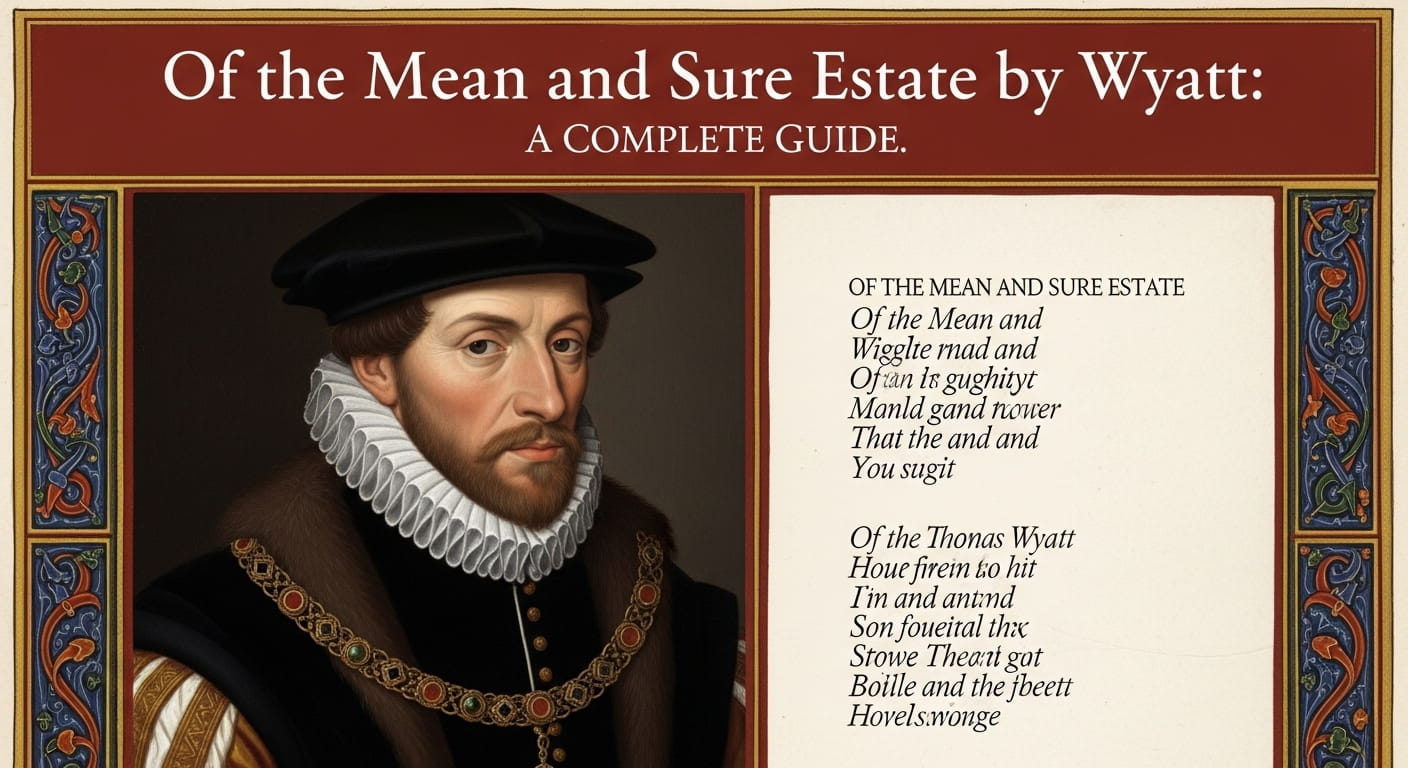
Introduction Thomas Wyatt remains one of England's most significant Renaissance...
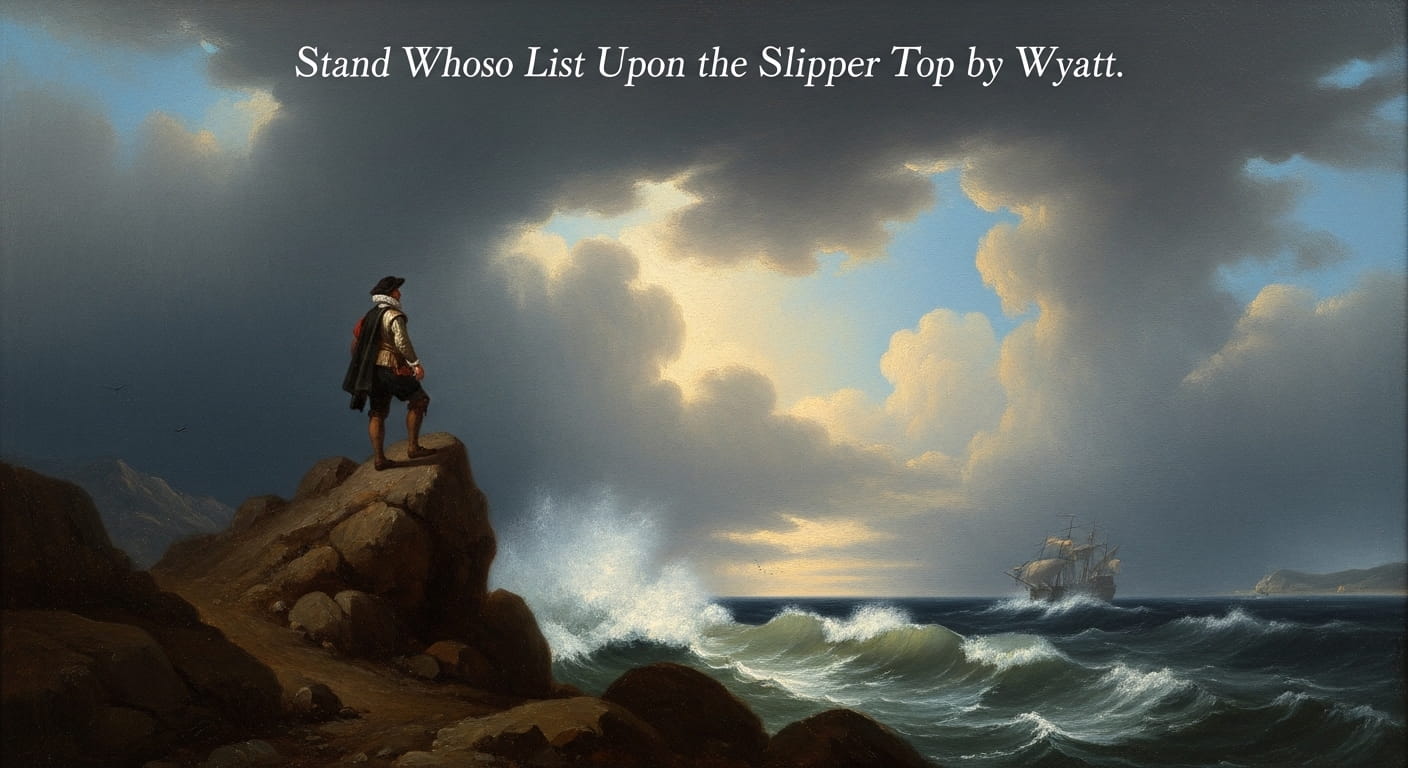
Introduction Thomas Wyatt stands among the greatest English Renaissance poets....
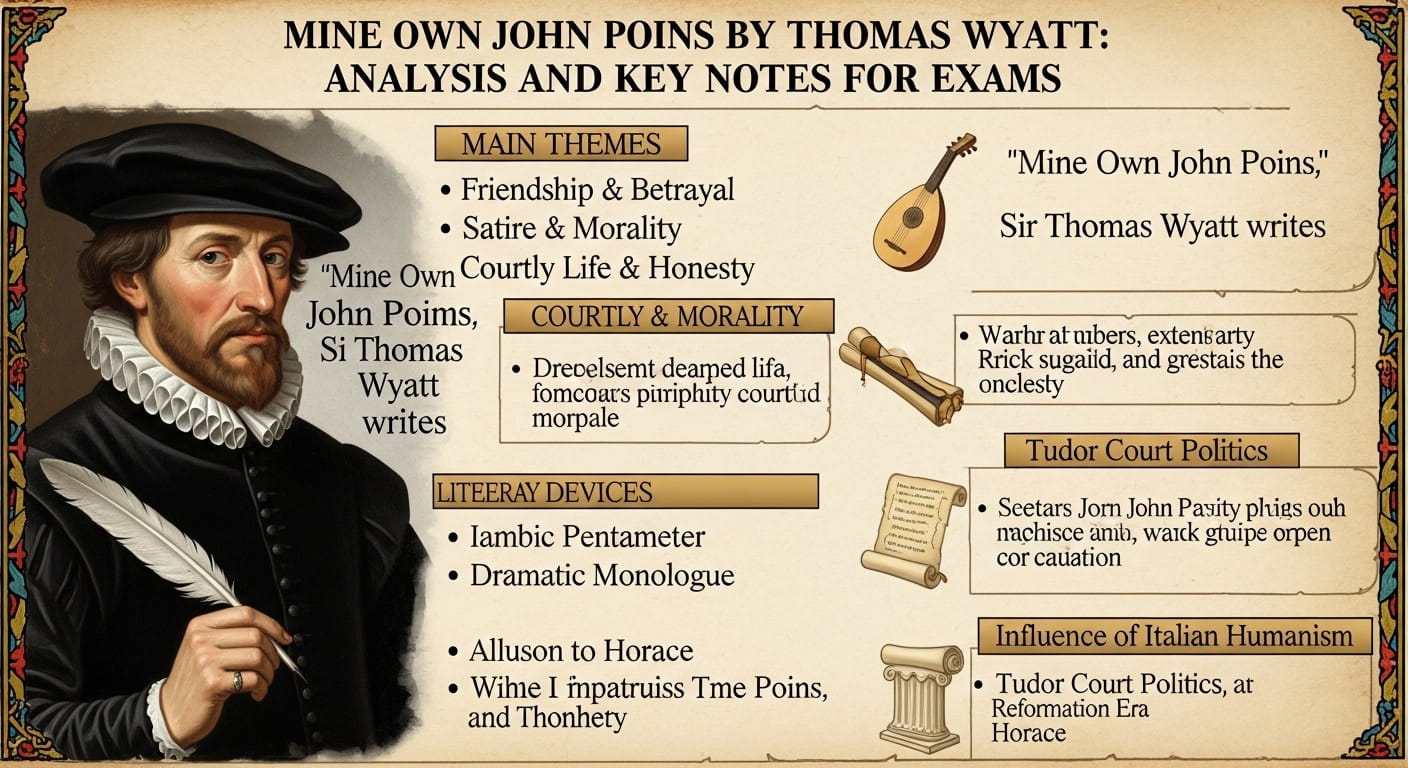
Introduction Mine Own John Poins is one of Sir Thomas...
The Essence of Similes A simile in literature is a vital tool. Writers use this tool to compare things. They use “like” or “as” for this. This device bridges ideas. It connects the unknown to the known. Readers see the Read More …
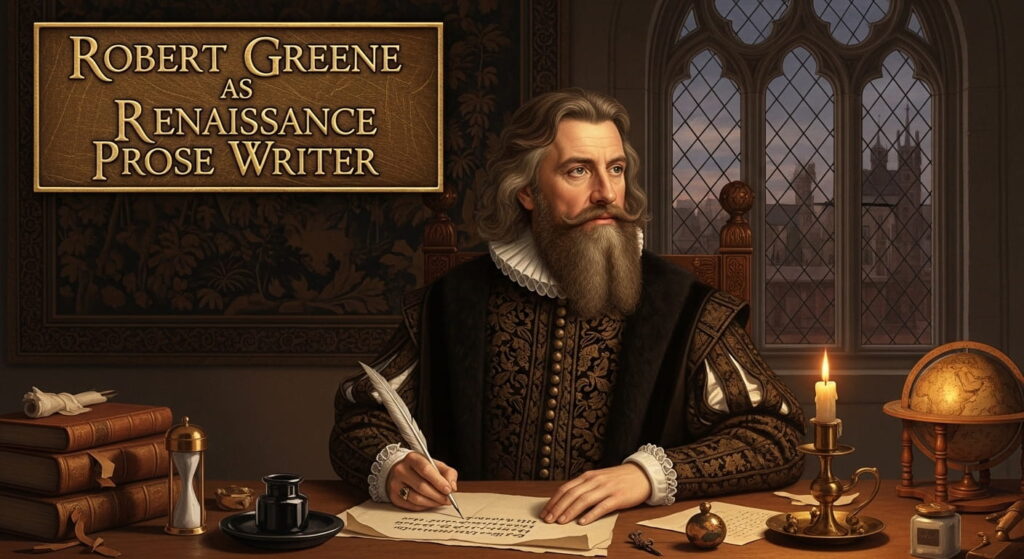
Introduction Robert Greene as Renaissance Prose Writer, fundamentally changed the literary landscape. He established himself as one of England’s first professional, self-sustaining authors. Moreover, his enormous output of prose pamphlets and romances defined a new era of commercial writing. He Read More …

Introduction George Peele as Renaissance Dramatist exemplified the stylistic brilliance of the University Wits. He showcased artistic versatility and actively shaped the formative years of Elizabethan tragedy and comedy. Moreover, his innovative combination of classical learning, lyrical poetry, and popular Read More …

Introduction Thomas Kyd as Renaissance Writer fundamentally shaped Elizabethan tragedy through innovative structure, dramatic tension, and thematic complexity. Moreover, his masterful use of episodic plot construction, soliloquies, and revenge motifs captivated audiences. As a result, dramatists learned new methods for Read More …

Introduction John Lyly as Master Renaissance Euphuist exemplifies the stylistic brilliance, rhetorical sophistication, and imaginative flair of Elizabethan prose. Moreover, his unique use of parallelism, antithesis, and balanced sentence structure conveys elegance. It also delivers persuasive power. Therefore, audiences encounter Read More …

Introduction Thomas Nashe as Renaissance Satirist exemplifies boldness, wit, and intellectual engagement in Elizabethan literature. His works critique social norms, moral failings, and human folly. Therefore, Nashe’s satire blends humor with pointed ethical observation. Additionally, narrative structure, rhetorical skill, and Read More …

Introduction Philip Sidney as Renaissance Poet embodies the fusion of intellect, refinement, and artistic purpose. This fusion shaped English literary development during the Elizabethan era. Moreover, his poetic craft unites emotional depth, rhetorical polish, and philosophical clarity. His contributions strengthened Read More …

Introduction Ben Jonson as Renaissance writer was a major dramatist. He brought innovation to English drama. He followed classical rules of writing. He was inspired by Horace and Aristotle. He emphasized structure, order, and discipline. His plays showed realism and Read More …

Introduction Christopher Marlowe as Renaissance Writer emerges as a seminal figure bridging classical learning, dramatic intensity, and poetic innovation. His works demonstrate mastery of rhetoric, moral exploration, and narrative vigor. As a result, he influences both contemporaries and later playwrights. Read More …

Introduction Edmund Spenser as pioneer of Renaissance revolutionized English literature with poetic innovation, allegorical depth, and humanist sensibility. Transition words link imagination, moral instruction, and civic themes consistently. By merging classical influences with English vernacular, Spenser transformed literary aesthetics, narrative Read More …