Introduction
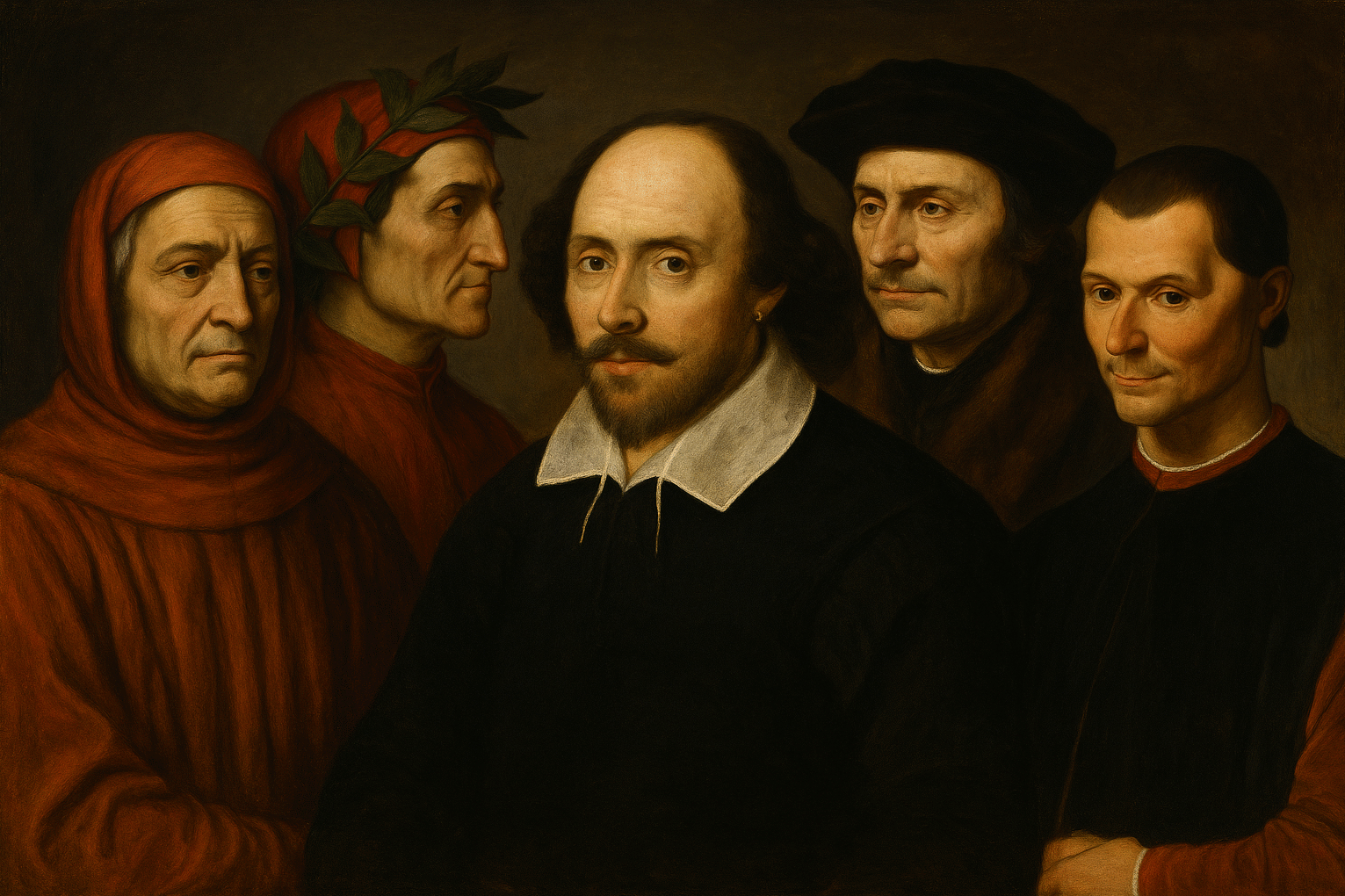
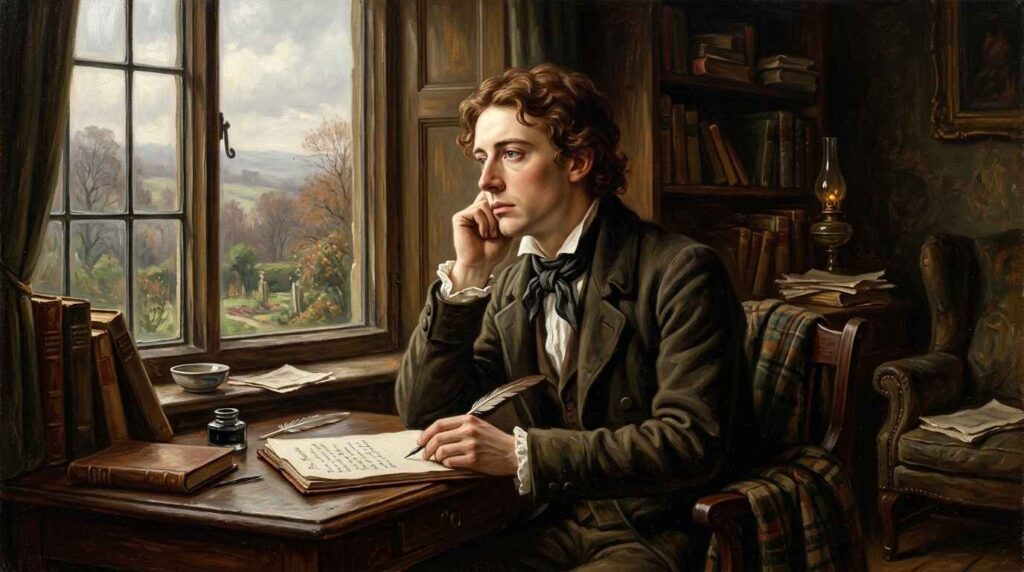
John Keats as Romantic Poet represents the culmination of emotional depth, imagination, and artistic dedication in the Romantic Period in English Literature. Primarily, Keats embraced beauty, nature, and human emotion as central poetic themes. Consequently, his verse expresses intense passion, delicate perception, and philosophical reflection. Furthermore, he explored mortality, art, and transience with unprecedented lyrical intensity. Moreover, his work demonstrates the balance between personal experience and universal insight. In addition, Keats cultivated poetic diction that conveys emotion with elegance and clarity. Therefore, understanding Keats illuminates Romantic literature’s aesthetic and moral dimensions. Subsequently, his poems reflect the interplay between imagination, sensation, and ethical awareness. Nevertheless, his work is deeply rooted in literary tradition while innovating boldly. Thus, John Keats as Romantic Poet remains a defining voice of the era. His lyrical genius continues to inspire readers, scholars, and poets alike. Finally, studying Keats offers insight into the Romantic emphasis on feeling, reflection, and sublime experience.
1. Early Life and Family Background
John Keats as Romantic Poet was shaped by early family experiences and environment. Born in London, his childhood blended hardship and inspiration. Primarily, Keats lost both parents early, influencing his sensitivity and imaginative depth. Consequently, solitude, reflection, and exposure to literature became formative forces. Moreover, his education at Clarke’s school and later apprenticeship introduced intellectual discipline and literary curiosity. In addition, Keats absorbed classical knowledge, English poetry, and moral philosophy. His environment fostered appreciation for beauty, nature, and human emotion. Therefore, family dynamics, personal loss, and social exposure combined to shape poetic perception. Subsequently, these influences are visible in early works, including letters, sonnets, and narrative fragments. Nevertheless, emotional intensity in his life did not impede rational study or reflection. Like William Wordsworth as Poet of Nature, Keats drew profound creative inspiration from personal experience and the natural world. Finally, John Keats as Romantic Poet demonstrates how personal circumstances inform universal artistic insight. His family and formative surroundings provided both challenge and inspiration.
2. Education and Classical Influences
John Keats as Romantic Poet developed a strong foundation in classical literature and philosophy. Primarily, he studied Latin, Greek, and canonical English authors. Consequently, references to Homer, Virgil, and Ovid appear throughout his poetry. Furthermore, classical mythology and narrative models informed structure, imagery, and moral reflection. Moreover, exposure to philosophy nurtured ethical inquiry and aesthetic judgment. In addition, Keats read contemporary literature, including Byron, Wordsworth, and Shelley. Therefore, education became both discipline and inspiration. Subsequently, classical forms shaped lyric precision, epic sensibility, and narrative technique. Nevertheless, Keats adapted these influences, blending classical and Romantic concerns. His engagement with classical tradition parallels that of Samuel Taylor Coleridge as Poet of Nature, who similarly drew on classical frameworks to enrich Romantic vision. Finally, John Keats as Romantic Poet shows how rigorous classical grounding enriches imaginative expression. His education cultivated appreciation for harmony, proportion, and symbolic resonance in poetry. Therefore, education played an indispensable role in shaping his literary voice.
3. Early Poetic Works
John Keats as Romantic Poet demonstrated remarkable promise in his earliest compositions. Primarily, poems like O Solitude and Imitation of Spenser reflect youthful exploration of beauty and emotion. Consequently, his work blends lyrical elegance, natural observation, and reflective depth. Furthermore, experimentation with form, meter, and diction appears early and skillfully. Moreover, letters reveal intense reflection on poetic philosophy, aspiration, and creative responsibility. In addition, early work already shows fascination with mortality, imagination, and moral insight. Therefore, these compositions laid the foundation for later masterpieces. Subsequently, early experimentation informs maturity in odes, sonnets, and narrative fragments. Nevertheless, youthful error or stylistic unevenness never impedes profound insight. Finally, John Keats as Romantic Poet illustrates how early exploration nurtures enduring creativity. Early verses show sensitivity to nature, human feeling, and ethical reflection. Consequently, the period of apprenticeship prepares the poet for ultimate artistic achievement. Each early work anticipates future thematic and stylistic concerns.
4. Romantic Ideals in Keats’s Poetry
John Keats as Romantic Poet embodies the movement’s ideals of beauty, emotion, and imagination. Primarily, his poetry emphasizes personal feeling, natural wonder, and sublime experience. Consequently, themes of love, mortality, and artistic vision intertwine throughout works. Furthermore, imagination is treated as a creative and moral force. Moreover, lyrical expression conveys ethical reflection alongside aesthetic pleasure. In addition, Romantic ideals inform imagery, diction, and narrative design. Therefore, Keats’s verse demonstrates the power of subjective perception. Subsequently, nature becomes both inspiration and moral guide. Nevertheless, Romantic ideals never compromise structural precision or artistic discipline. Finally, John Keats as Romantic Poet reflects harmony between imagination, ethical inquiry, and aesthetic refinement. Romantic principles manifest through attention to sensory experience, emotional resonance, and symbolic meaning. Consequently, his work connects human consciousness with broader spiritual and natural truths. Ongoing study of Keats reinforces appreciation of Romantic aesthetic and moral priorities.
5. The Role of Nature
John Keats as Romantic Poet often elevates nature to spiritual and philosophical prominence. Primarily, landscapes, seasons, and natural phenomena inform imagery and thematic reflection. Consequently, birds, trees, rivers, and celestial events carry symbolic weight. Furthermore, the natural world becomes a teacher, guide, and moral mirror. Moreover, observation of natural processes inspires ethical meditation and imaginative expansion. In addition, nature serves as both subject and metaphor in multiple contexts. Therefore, Keats portrays harmony between external beauty and internal contemplation. Subsequently, natural imagery enhances emotion, lyricism, and symbolic resonance. Nevertheless, he avoids simplistic allegory or sentimentality. Finally, John Keats as Romantic Poet demonstrates that intimate engagement with nature elevates poetry intellectually and emotionally. Each depiction reinforces beauty, moral reflection, and imaginative depth. Consequently, nature becomes central to narrative, philosophy, and aesthetic structure. Observation, reflection, and symbolic interpretation are integrated in every poetic moment.
6. Exploration of Mortality
John Keats as Romantic Poet frequently meditates on mortality and transience. Primarily, poems like Ode to a Nightingale and When I Have Fears examine death’s inevitability. Consequently, reflections on life, time, and impermanence inform imagery, diction, and rhythm. Furthermore, mortality evokes ethical and philosophical inquiry alongside emotional intensity. Moreover, contemplation of death heightens aesthetic awareness and lyrical refinement. In addition, awareness of impermanence inspires both imaginative exploration and moral reflection. Therefore, recognition of temporal limitation intensifies poetic engagement. Subsequently, mortality provides both tension and insight in narrative and lyric forms. Nevertheless, reflection on death coexists with affirmation of beauty and joy. Finally, John Keats as Romantic Poet illustrates how confronting mortality deepens artistic, emotional, and philosophical richness. Each meditation transforms anxiety into lyrical, aesthetic, and reflective accomplishment. Consequently, mortality informs tone, imagery, and moral texture. Awareness of finitude enhances both individual experience and universal resonance.
7. Love and Passion
John Keats as Romantic Poet explores love, desire, and emotional intensity through lyrical expression. Primarily, passion drives character, imagery, and narrative insight. Consequently, relationships, longing, and attachment appear as moral and aesthetic catalysts. Furthermore, emotional engagement shapes rhythm, diction, and metaphor. Moreover, love often merges with mortality, imagination, and ethical reflection. In addition, Keats integrates sensual, spiritual, and intellectual aspects of affection. Therefore, love illuminates personal consciousness and universal resonance. Subsequently, romantic feeling enhances lyric intensity and symbolic meaning. Nevertheless, passion never undermines structural coherence or thematic clarity. Finally, John Keats as Romantic Poet exemplifies how love deepens both aesthetic expression and philosophical inquiry. Emotion connects with nature, imagination, and mortality. Consequently, desire becomes a lens for examining ethical, philosophical, and artistic concerns. Sensuality, reflection, and lyricism intersect throughout the work.
8. The Influence of Greek and Roman Classics
John Keats as Romantic Poet draws from classical Greek and Roman literature. Primarily, Homer, Virgil, and Ovid inform imagery, structure, and narrative style. Consequently, mythological references and epic models appear throughout poems. Furthermore, classical themes inspire moral, philosophical, and aesthetic exploration. Moreover, attention to form, balance, and proportion reflects classical sensibility. In addition, Keats adapts these elements within Romantic frameworks. Therefore, classical knowledge enhances symbolic, narrative, and lyrical depth. Subsequently, his poetry integrates timeless motifs with contemporary aesthetic concerns. Nevertheless, Keats never imitates rigidly or superficially. Finally, John Keats as Romantic Poet demonstrates how engagement with classical tradition enriches originality, reflection, and emotional resonance. Myth, history, and legend blend with personal and philosophical themes. Consequently, the classical inheritance informs style, symbolism, and narrative. Knowledge, adaptation, and innovation coexist in Keats’s work.
9. Use of Imagery
John Keats as Romantic Poet excels in creating vivid, sensorial imagery across his work. Primarily, rich descriptions of sound, color, and texture enhance emotional and thematic impact. Consequently, natural, domestic, and mythological imagery carry symbolic, moral, and aesthetic meaning. Furthermore, imagery supports rhythm, meter, and narrative coherence. Moreover, subtle shifts in descriptive tone convey ethical and philosophical reflection. In addition, images intertwine with emotion, imagination, and mortality. Therefore, imagery provides a foundation for reflection, interpretation, and aesthetic engagement. Subsequently, it guides the reader’s perception of character, action, and symbolic intent. Nevertheless, images remain integrated into narrative and philosophical purpose. Finally, John Keats as Romantic Poet illustrates how imagery enhances lyricism, ethical contemplation, and imaginative richness. Each image contributes to atmosphere, meaning, and emotional depth. Consequently, vivid description enables synthesis of sensation, reflection, and ethical resonance. Imagery becomes central to aesthetic, narrative, and symbolic achievement.
10. Mastery of Lyric Form
John Keats as Romantic Poet demonstrates remarkable mastery of lyrical structure and poetic form. Primarily, his odes, sonnets, and narrative lyrics exhibit precision, musicality, and thematic unity. Consequently, rhythmic variation and stanzaic design enhance emotional and symbolic impact. Furthermore, attention to meter, sound, and cadence conveys subtle reflection and imaginative depth. Moreover, formal innovation coexists with adherence to structural coherence. In addition, lyricism integrates ethical, aesthetic, and philosophical concerns. Therefore, careful construction amplifies both beauty and meaning. Subsequently, the lyric form supports contemplation, imagination, and emotional engagement. Nevertheless, formal excellence never overshadows thematic or moral significance. Finally, John Keats as Romantic Poet exemplifies how disciplined structure enriches expressive, imaginative, and reflective power. Lyric mastery allows simultaneous attention to sound, image, and ethical resonance. Consequently, form and content merge throughout works. Attention to structure reinforces emotional, symbolic, and philosophical coherence.
11. Keats’s Early Literary Influences
Keats’s early education shaped his poetic sensibility. Initially, he absorbed classical literature and mythology. These works fostered appreciation for beauty, narrative, and moral themes. Consequently, he studied Shakespeare, Spenser, and Chaucer with enthusiasm. Moreover, contemporary poets inspired him with expressive language and emotional depth. Transitioning from prose to poetry, Keats discovered his unique voice. His exposure to Romantic ideals encouraged focus on imagination and intense feeling. Furthermore, personal tragedies amplified emotional receptivity and thematic exploration. Early mentors guided him in structure, meter, and diction. Subsequently, this foundation allowed experimentation with verse forms and imagery. Reading widely, he synthesized classical knowledge with Romantic innovation. Additionally, he absorbed lessons from history, philosophy, and art. These influences laid the groundwork for the lyrical exploration of nature and mortality. Keats’s early influences also encouraged introspection and ethical reflection. Moreover, literary friendships nurtured constructive critique and mutual inspiration. Consequently, his early literary development provided a strong grounding for mature poetic achievements. This period highlighted curiosity, discipline, and creative intensity. Ultimately, Keats’s formative education shaped him as a thoughtful and ambitious poet.
12. Emphasis on Sensory Experience
John Keats as Romantic Poet explored sensory perception with great intensity. He believed that vivid imagery could evoke a profound emotional response. Consequently, his poetry integrates sight, sound, smell, taste, and touch. Sensory richness bridges imagination with human experience. Moreover, careful observation of nature inspired his descriptive language. Flowers, skies, and landscapes provide fertile material for contemplation and insight. In addition, repeated attention to detail enhances the immersive quality of verse. Metaphor and simile extend sensory engagement, offering layered interpretation. Keats’s attention to subtle nuance underscores his lyric intensity. Furthermore, combining perception with reflection strengthens thematic resonance. Sensory experience allows readers to inhabit the poet’s interior world. It also emphasizes the ethical and philosophical dimensions of perception. The fusion of observation and imagination creates a morally instructive aesthetic. Moreover, Keats’s dedication to perceptual exactness elevates ordinary objects into transcendent significance. Consequently, he demonstrates how the external world cultivates emotional depth. This focus on sensory detail defines much of Keats’s distinctive poetic voice.
13. Romantic Idealism in Keats’s Poetry
Romantic idealism permeates the work of John Keats as Romantic Poet. He embraced imagination, intuition, and moral feeling above rational constraint. Consequently, poetry becomes a vehicle for exploring beauty, truth, and emotional authenticity. Ideals of love, nature, and mortality recur throughout his verse. Furthermore, he celebrated the unity of human experience and cosmic order. Moreover, ethical reflection and aesthetic appreciation coexist in his work. The pursuit of perfection motivates both imagery and structure. Idealism encourages contemplation of mortality, transcendent beauty, and the sublime. Keats’s vision stresses spiritual enrichment through emotional depth. Ethical and aesthetic ideals intertwine, shaping character and theme. Additionally, Romantic philosophy informs his engagement with classical and contemporary references. He elevates ordinary experience to symbolic and reflective significance. Consequently, idealism in Keats’s poetry bridges imagination, morality, and human feeling. Recurrent motifs unify thought and perception. The poet demonstrates that artistic and moral excellence reinforce each other. Ultimately, Romantic idealism defines both the content and tone of his enduring verse.
14. Exploration of Mortality
John Keats as Romantic Poet confronted mortality in his writing. Death, impermanence, and transience appear as recurring thematic concerns. Consequently, poems meditate on human fragility and the inevitability of loss. Awareness of mortality intensifies appreciation for beauty and temporal pleasure. Moreover, illness and personal loss shaped his engagement with finitude. The brevity of life motivates ethical, emotional, and aesthetic intensity. Nature, art, and love contrast with the transitory human condition. Additionally, contemplation of mortality encourages both humility and ethical sensitivity. Keats’s exploration of death fosters philosophical inquiry and emotional resonance. It also generates profound imaginative freedom for lyrical experimentation. Ethical implications of mortality emerge through poetic imagery and metaphor. Furthermore, he demonstrates how awareness of impermanence enhances moral and aesthetic appreciation. Repeated meditation on mortality strengthens the unity of thought and feeling. Consequently, mortality becomes both a thematic and a structural motif across poetry. Reflection on life and death intertwines personal and universal insight.
15. Nature Imagery and Inspiration
Nature provides John Keats as Romantic Poet, with enduring creative stimulus. Landscapes, flora, and fauna inspire lyrical reflection on beauty, life, and mortality. Consequently, his descriptions engage sight, sound, and movement with meticulous precision. Furthermore, nature serves as a moral and aesthetic mirror for human experience. Change of seasons, natural cycles, and weather inform thematic progression. Observation prompts imaginative and ethical meditation. Moreover, symbolism within nature reinforces emotional resonance and philosophical insight. Sensory and symbolic elements coalesce to form cohesive poetic expression. Additionally, nature contrasts human mortality with the permanence of cosmic cycles. Ethical reflection, imaginative expansion, and aesthetic appreciation converge. Keats’s attention to natural processes conveys rhythm, harmony, and order. Consequently, his work demonstrates integration of external reality with internal perception. Nature imagery enhances emotional intensity and intellectual depth. Recurrent motifs unify aesthetic and moral discourse. The natural world becomes both subject and medium of exploration.
16. Influence of Classical Literature
Classical literature significantly shaped John Keats as Romantic Poet. Greek and Roman myths inform narrative, imagery, and thematic structure. Consequently, classical figures embody ideals of beauty, virtue, and mortality. Furthermore, epic conventions inspire rhythm, style, and narrative ambition. Classical motifs provide ethical and symbolic resonance. Keats fuses ancient precedent with Romantic sensibility. The poet adapts narrative form to convey moral and emotional insight. Recurrent allusions link imagination, ethical reflection, and aesthetic experience. Additionally, the integration of classical reference enriches symbolic texture. Mythological exemplars reinforce exploration of mortality, virtue, and beauty. Moreover, allusions cultivate dialogue between human experience and universal principles. Ethical and aesthetic concerns emerge from classical influence. Consequently, literary inheritance informs both poetic style and conceptual depth. Classical literature functions as a foundation for imaginative, moral, and sensory exploration.
17. Lyricism and Musicality
John Keats as Romantic Poet excels in lyricism and musicality. Sound, rhythm, and cadence shape perception and emotional impact. Consequently, meter, rhyme, and repetition create an immersive and reflective atmosphere. Furthermore, euphony enhances reader engagement while reinforcing moral and aesthetic insight. Poetic voice balances intellectual, ethical, and emotional expression. Additionally, lyricism complements imagery, metaphor, and symbolic exploration. Sound patterns echo internal thought, ethical reflection, and imaginative vision. Furthermore, musicality intensifies immersion, moral resonance, and cognitive reflection. Keats’s manipulation of sound embodies ethical, aesthetic, and philosophical nuance. Moreover, lyricism shapes narrative structure and emotional trajectory. Ethical insight, imaginative intensity, and sensory immersion converge through musical construction. Consequently, rhythm and melody strengthen symbolic meaning and reflective depth. Lyricism functions as both an expressive medium and an interpretive guide. Musicality transforms poetic reading into an ethical and emotional experience.
18. Keats’s Engagement with Beauty
John Keats as Romantic Poet foregrounds beauty as a central philosophical concern. Nature, art, and human experience reveal aesthetic and ethical significance. Consequently, poetic focus on beauty encourages reflection, delight, and moral consideration. Moreover, beauty links ephemeral experience with universal and transcendent ideals. Sensory immersion, symbolic richness, and narrative structure reinforce appreciation. Additionally, beauty serves as a vehicle for ethical reflection, imaginative growth, and emotional engagement. Poetic emphasis on aesthetic excellence elevates ordinary experience to contemplative significance. Moreover, beauty guides moral perception, imaginative expansion, and ethical deliberation. Ethical, aesthetic, and spiritual dimensions converge in depiction of beauty. Consequently, Keats demonstrates interconnection between sensation, intellect, and morality. Observation of beauty fosters imaginative richness and ethical awareness. Aesthetic focus complements lyric, metaphor, and symbolic density. Beauty functions as a lens for ethical, emotional, and imaginative exploration.
19. Exploration of Imagination
John Keats as Romantic Poet prioritizes imagination as a conduit for moral and aesthetic insight. Imaginative faculties transform sensory experience into reflective, symbolic, and ethical understanding. Consequently, narrative, imagery, and metaphor rely on imaginative projection. Furthermore, imagination bridges human experience with universal and transcendent concepts. Symbolic, lyrical, and narrative elements intertwine through imaginative application. Additionally, imaginative exercise supports ethical reflection and emotional resonance. Imagination shapes perception, contemplation, and expression across poetic sequence. Moreover, imaginative engagement fosters synthesis of external observation and internal thought. Consequently, imagination generates unity of form, meaning, and aesthetic experience. Reflection, ethical awareness, and symbolic interpretation emerge through imaginative practice. Like William Blake as Romantic Poet, Keats elevated imagination to supreme creative and moral faculty. Imaginative exploration reinforces Keats’s Romantic philosophy, lyricism, and thematic coherence. Ultimately, imagination functions as an ethical, aesthetic, and reflective instrument.
20. Ethical Reflection in Keats’s Poetry
John Keats as Romantic Poet emphasizes ethical reflection within every significant poem. Moral contemplation interacts with aesthetic, imaginative, and emotional elements. Consequently, decisions, actions, and consequences shape narrative meaning. Moreover, ethical questioning informs both character portrayal and symbolic representation. Consideration of mortality, human behavior, and virtue enhances narrative depth. Additionally, ethical reflection integrates with sensory, lyrical, and imaginative aspects. Ethical awareness emerges alongside emotional engagement, philosophical inquiry, and imaginative projection. Furthermore, reflection encourages reader empathy, judgment, and interpretive participation. Ethical deliberation reinforces both poetic structure and thematic cohesion. Consequently, Keats demonstrates that moral insight is inseparable from aesthetic and lyrical excellence. Ethical reflection bridges imagination, perception, and philosophical engagement. Moreover, it transforms narrative events into instructive and emotionally resonant experiences. Recurrent reflection cultivates awareness of human responsibility and universal principles. Consequently, moral insight integrates with poetic craft. Ethical reflection guides both artistic meaning and imaginative engagement.
21. Keats’s Mastery of Odes
John Keats as Romantic Poet demonstrates technical skill and emotional depth through his celebrated odes. Each ode explores beauty, mortality, and imagination. Consequently, lyrical form allows expansive meditation on aesthetic and ethical concerns. Moreover, elevated diction and sound patterns enhance sensory experience. Imagery, metaphor, and symbolism intertwine to enrich thematic complexity. Additionally, structured verse shapes ethical and philosophical exploration. Poetic rhythm reinforces moral and emotional resonance. The odes’ musicality strengthens both narrative and contemplative impact. Furthermore, precise word choice intensifies lyric and ethical focus. Imagined landscapes, objects, and sensations guide reflection and engagement. Each ode invites readers to meditate on human experience. Ethical, aesthetic, and imaginative concerns converge in lyrical exploration. Consequently, Keats’s mastery solidifies his reputation as a transformative poet. The odes reveal how form, sound, and thought interconnect. Ultimately, they provide enduring models for lyrical excellence and moral reflection.
22. Shelley’s Influence on Keats
Keats absorbed lessons from contemporaries, including Percy Bysshe Shelley as Romantic Poet. Shelley’s imaginative vision inspired exploration of freedom, beauty, and morality. Consequently, Keats incorporated Romantic ideals with personal sensibility. Moreover, Shelley’s emphasis on intellectual and ethical liberty encouraged philosophical inquiry. Ethical reflection, symbolic imagery, and lyricism reflect Shelley’s guidance. Additionally, Keats’s engagement with Romantic thought nurtures narrative depth. The interplay of observation, reflection, and imaginative projection demonstrates intergenerational creative dialogue. Shelley’s innovative use of nature and morality shapes Keats’s exploration of beauty. Consequently, Keats synthesizes ethical reflection, imagination, and aesthetic insight. Sensory detail, metaphor, and symbolic density carry instructive resonance. Moreover, incorporation of Romantic ideals strengthens poetic voice and thematic consistency. Ethical and aesthetic inspiration enhances reader engagement across multiple levels. Ultimately, Shelley’s vision informs Keats’s development while allowing distinctive expression.
23. Engagement with Classical Mythology
Classical mythology shapes John Keats as Romantic Poet throughout his work. Greek and Roman tales offer models of virtue, beauty, and human frailty. Consequently, Keats integrates mythic imagery into lyrical and narrative exploration. Furthermore, heroic figures illuminate ethical dilemmas, mortality, and emotional depth. Symbolism drawn from classical sources reinforces both imaginative and moral significance. Additionally, mythic reference informs ethical reflection, aesthetic appreciation, and imaginative projection. Mythology enriches narrative structure while enhancing lyric depth. Moreover, poetic language synthesizes classical precedent with Romantic ideal. Recurrent motifs, allegories, and allusions provide ethical instruction and imaginative guidance. Classical influence merges philosophical, aesthetic, and ethical concerns. Consequently, mythic material amplifies Keats’s thematic sophistication and imaginative richness. Ethical and aesthetic exploration emerges through mythic lens. The poet demonstrates interconnection of tradition, imagination, and ethical insight. Ultimately, classical sources support moral and imaginative development throughout.
24. Exploration of Human Emotion
John Keats as Romantic Poet emphasizes nuanced emotional depiction. Love, grief, longing, and joy appear in lyrical and narrative form. Consequently, poetry captures psychological complexity and moral reflection. Furthermore, emotional depth interacts with imagination, sensory perception, and ethical inquiry. Lyricism communicates nuanced feeling, enhancing reader engagement. Additionally, expressive intensity reinforces both aesthetic beauty and moral insight. Emotional exploration guides symbolic meaning and imaginative development. Moreover, detailed attention to inner life enriches ethical and philosophical resonance. Sensory imagery underscores psychological depth and imaginative projection. Consequently, Keats illustrates how human emotion intersects with moral and aesthetic exploration. Emotional nuance cultivates ethical awareness, imaginative intensity, and lyrical sophistication. Poetic voice mediates between perception, reflection, and moral evaluation. Ultimately, exploration of emotion contributes to thematic cohesion and artistic achievement.
25. Nature as Moral and Aesthetic Guide
John Keats as Romantic Poet integrates nature as an ethical and aesthetic model. Landscapes, seasons, and natural phenomena provide symbolic and reflective material. Consequently, observation inspires imaginative insight and moral contemplation. Furthermore, natural cycles mirror human life, mortality, and ethical responsibility. Symbolic depiction enhances both lyrical and philosophical content. Additionally, interaction with nature fosters ethical sensibility, imaginative development, and aesthetic appreciation. Nature guides reflection on beauty, virtue, and impermanence. Moreover, imagery and metaphor communicate moral lessons through sensory experience. Natural observation enriches imaginative, ethical, and aesthetic dimensions of poetry. Consequently, Keats demonstrates that nature embodies both ethical instruction and artistic inspiration. The poet’s engagement with nature balances intellectual, ethical, and emotional development. Symbolism within natural description cultivates thematic cohesion and moral resonance. Ultimately, nature functions as a medium for reflection, imagination, and ethical understanding.
26. Shelley’s Ideals in Keats’s Work
Keats absorbs influence from Percy Bysshe Shelley as Romantic Poet, emphasizing liberty and imagination. Shelley’s ideals inform Keats’s exploration of beauty, morality, and intellectual freedom. Consequently, poetic vision integrates Romantic philosophy with personal insight. Ethical reflection, aesthetic exploration, and imaginative projection emerge across verse. Additionally, Keats synthesizes external influence with individual creative expression. Symbolic, lyrical, and philosophical integration reflects Shelley’s guiding vision. Shelley’s emphasis on human potential enhances moral and imaginative inquiry. Furthermore, ethical and aesthetic ideals shape imagery, structure, and thematic progression. Keats’s engagement demonstrates intergenerational literary dialogue while asserting originality. Consequently, Shelley’s philosophical and poetic influence enriches Keats’s lyric and ethical depth. Imagination, morality, and aesthetic insight converge within the adopted principles. Recurrent motifs reinforce ethical guidance and symbolic density. Ultimately, Shelley’s presence illuminates Keats’s poetic evolution while preserving his unique voice.
27. Keats’s Use of Symbolism
John Keats as Romantic Poet employs symbolism to convey ethical and aesthetic meaning. Natural, mythological, and personal symbols communicate moral and imaginative insight. Consequently, objects, events, and imagery carry layered significance across the verse. Symbolic representation reinforces imaginative depth and ethical contemplation. Additionally, recurring motifs provide structural and philosophical cohesion. Symbolism unites perception, imaginative projection, and moral reflection. Moreover, ethical, aesthetic, and philosophical concerns emerge through symbolic integration. Symbolic imagery transforms narrative events into instructive and contemplative experiences. Consequently, Keats demonstrates how layered representation fosters ethical, imaginative, and aesthetic understanding. Symbols enrich emotional, philosophical, and narrative dimensions. Ethical and aesthetic reflection converge through symbolism. Ultimately, symbolic devices enhance conceptual depth, lyrical beauty, and moral resonance.
28. Influence of Contemporary Poets
Contemporary poets shaped John Keats as Romantic Poet. Romantic ideals and ethical reflection pervade his engagement with peer work. Consequently, dialogue with peers stimulates innovation, moral insight, and imaginative exploration. Moreover, collaborative critique and discussion refine poetic technique. Influence informs lexical choice, imagery, and structural experimentation. Additionally, ethical and philosophical themes emerge from engagement with contemporaries. Interaction cultivates moral reflection, imaginative projection, and aesthetic awareness. Poetic experimentation expands narrative scope while reinforcing ethical coherence. Consequently, Keats demonstrates reciprocity between personal insight and communal influence. Ethical, aesthetic, and imaginative growth coalesce through contemporary inspiration. Peer engagement strengthens lyrical, symbolic, and philosophical dimensions. Moreover, ethical reflection intersects with aesthetic cultivation. Ultimately, influence from contemporaries enriches Keats’s poetic voice, technique, and thematic cohesion.
29. Poetic Engagement with Art and Music
Art and music inspire John Keats as Romantic Poet. Visual imagery and melodic quality shape narrative and reflective dimensions. Consequently, poetic form, rhythm, and description mirror aesthetic and ethical sensibility. Furthermore, engagement with multiple art forms fosters imaginative depth and moral contemplation. Artistic integration enhances structural, thematic, and emotional resonance. Additionally, music and visual motifs reinforce lyrical and symbolic cohesion. Cross-disciplinary observation enriches imagination and ethical awareness. Consequently, Keats demonstrates the interrelation of sensory, imaginative, and moral perception. Ethical reflection, aesthetic engagement, and imaginative projection converge throughout the verse. Moreover, artistic inspiration enhances symbolic, lyrical, and ethical expression. Integration of music, visual art, and poetry strengthens interpretive and emotional depth. Observed motifs become instructive, symbolic, and ethically significant. Ultimately, artistic influence fosters multi-dimensional exploration of beauty, morality, and imagination.
30. Shelley’s Lasting Impact on Keats
Keats acknowledges influence from Percy Bysshe Shelley as Romantic Poet. Shelley’s emphasis on imagination, beauty, and ethical reflection shapes narrative and thematic choices. Consequently, Keats integrates Romantic philosophy with individual poetic voice. Influence manifests in lyrical intensity, symbolic density, and imaginative projection. Additionally, ethical, aesthetic, and philosophical concerns converge through adopted principles. Shelley’s ideals amplify imaginative scope while guiding moral contemplation. Furthermore, the incorporation of Romantic precepts enriches poetic texture, structure, and thematic coherence. Ethical, aesthetic, and imaginative insight flourish under Shelley’s conceptual influence. Consequently, Keats synthesizes inherited Romantic ideals with personal ethical and aesthetic vision. Symbolism, lyricism, and philosophical inquiry are integrated through Shelley’s guidance. Moreover, imaginative freedom and moral reflection coalesce across verse. Ultimately, Shelley’s influence informs Keats’s artistic evolution, shaping a lasting literary contribution.
31. Early Poetic Development
John Keats as Romantic Poet demonstrates remarkable growth in early composition. His initial works reveal sensitivity to nature, emotion, and imaginative possibility. Consequently, attention to diction, imagery, and rhythm shapes formative poetic identity. Furthermore, experimentation with classical forms, meter, and symbolism cultivates narrative and lyrical depth. Early engagement with literature informs ethical, aesthetic, and imaginative concerns. Additionally, careful attention to musicality and cadence enhances lyrical resonance. Poetic maturation integrates emotional, ethical, and imaginative exploration. Early work exhibits experimentation with theme, form, and expression. Moreover, narrative and lyric elements converge to establish voice and technique. Growth emerges through interaction with peers, mentors, and literary models. Ethical reflection, imaginative projection, and aesthetic sophistication begin to intertwine. Consequently, early compositions foreshadow complex thematic and stylistic achievements. Attention to detail, symbol, and emotion shapes a lasting literary foundation.
32. Shelley’s Influence on Keats’s Early Work
Percy Bysshe Shelley as Romantic Poet inspires Keats’s early work. Shelley’s imaginative vision encourages exploration of freedom, morality, and aesthetic innovation. Consequently, Keats adopts Romantic ideals while developing a distinct personal expression. Influence manifests through lyricism, symbolic imagery, and philosophical reflection. Additionally, ethical and aesthetic ideals inform diction, structure, and imagery. Shelley’s emphasis on moral and imaginative liberty shapes Keats’s thematic focus. Moreover, inspiration fosters ethical, aesthetic, and imaginative growth across lyrical and narrative poetry. Keats synthesizes Romantic principles with personal vision, reflecting a nuanced interpretation. Symbolism, imaginative projection, and ethical reflection converge under Shelley’s guidance. Consequently, the poet demonstrates intergenerational literary dialogue while asserting a unique voice. Ethical and aesthetic inquiry deepens through applied Romantic ideals. Ultimately, Shelley’s presence informs Keats’s poetic evolution while preserving originality.
33. Exploration of Beauty
John Keats as Romantic Poet investigates beauty through sensory, emotional, and imaginative lenses. Observations of nature, art, and human experience inspire reflective contemplation. Consequently, lyrical language conveys aesthetic appreciation alongside ethical consideration. Furthermore, attention to color, sound, and movement enhances immersive experience. Symbolism enriches perceptual and ethical meaning. Additionally, the juxtaposition of ephemeral and eternal phenomena reinforces imaginative insight. Sensory detail cultivates emotional and moral awareness. Moreover, perception of beauty guides ethical reflection and imaginative projection. Recurrent motifs provide structural and thematic cohesion. Consequently, aesthetic engagement fosters moral and imaginative insight. Language, form, and symbolic representation converge to explore beauty. Observation, imagination, and ethical sensibility intertwine throughout the verse. Ultimately, beauty serves as a conduit for aesthetic, ethical, and imaginative understanding.
34. Shelley’s Philosophical Guidance for Keats
Keats draws guidance from Percy Bysshe Shelley as Romantic Poet. Shelley’s ideals inspire contemplation of freedom, morality, and intellectual aspiration. Consequently, ethical and imaginative exploration integrates with personal poetic vision. Philosophical and aesthetic principles inform diction, structure, and symbolic imagery. Additionally, narrative and lyric forms reflect Shelley’s emphasis on ethical and imaginative inquiry. Inspiration guides exploration of human potential, beauty, and intellectual depth. Moreover, ethical, philosophical, and aesthetic concerns converge within adapted Romantic principles. Application of Shelley’s vision enriches thematic sophistication and lyrical resonance. Consequently, Keats synthesizes ethical, aesthetic, and philosophical guidance with personal artistic expression. Romantic ideals shape Keats’s approach to nature, beauty, and imagination. Ethical, aesthetic, and imaginative reflection converge under influence. Ultimately, Shelley’s philosophical guidance informs Keats’s poetic and moral development.
35. Lyricism and Musicality
John Keats as Romantic Poet demonstrates exceptional lyricism and musicality in verse. Attention to meter, rhythm, and sound patterns enhances emotional and aesthetic impact. Consequently, poetry conveys ethical, imaginative, and sensory meaning. Musicality reinforces narrative flow and reflective contemplation. Additionally, harmonic patterns and sonic devices intensify mood and imaginative depth. Lyricism integrates emotional resonance with philosophical and moral inquiry. Moreover, sound, rhythm, and diction merge to shape thematic and symbolic structure. Recurrent attention to musical devices enhances ethical and imaginative engagement. Consequently, Keats’s use of musicality demonstrates the interplay of aesthetic beauty and moral contemplation. Lyric form supports imaginative exploration and ethical reflection. Ultimately, musicality amplifies thematic depth, sensory experience, and symbolic resonance.
36. Shelley’s Ethical Inspiration for Keats
Keats gains ethical inspiration from Percy Bysshe Shelley as Romantic Poet. Shelley’s focus on human virtue, freedom, and moral responsibility informs lyrical reflection. Consequently, ethical inquiry integrates with aesthetic and imaginative exploration. Moral guidance manifests through symbolic imagery, narrative events, and contemplative passages. Additionally, ethical principles shape diction, structure, and thematic cohesion. Influence fosters exploration of human potential, duty, and ethical judgment. Moreover, philosophical, moral, and aesthetic concerns converge under Shelley’s guidance. Application of ethical ideals enhances thematic depth and narrative coherence. Consequently, Keats synthesizes moral, aesthetic, and imaginative principles. Romantic ethical philosophy enriches lyricism, symbolism, and narrative meaning. Ultimately, Shelley’s ethical inspiration shapes Keats’s poetic vision and moral understanding.
37. Nature as Reflective Medium
John Keats as Romantic Poet uses nature for reflective contemplation. Landscapes, seasons, and elements mirror emotional, ethical, and imaginative experience. Consequently, observation of natural phenomena guides moral and aesthetic reflection. Symbolism derived from natural detail enhances thematic and ethical significance. Additionally, interaction with the environment fosters ethical, imaginative, and aesthetic exploration. Nature serves as both inspiration and an instructional model. Moreover, observation of natural cycles reinforces understanding of mortality and virtue. Natural imagery provides coherence, ethical guidance, and imaginative stimulus. Consequently, Keats’s poetic engagement with the environment strengthens aesthetic, ethical, and imaginative depth. Ethical and imaginative exploration converges with aesthetic perception. Ultimately, nature functions as conduit for integrated moral, aesthetic, and imaginative insight.
38. Shelley’s Political Ideals and Keats
John Keats assimilates political ideals from Percy Bysshe Shelley as Romantic Poet. Shelley’s advocacy for liberty, reform, and moral responsibility informs ethical reflection. Consequently, engagement with social justice and human rights enriches imaginative and lyrical development. Political awareness integrates with ethical, aesthetic, and symbolic concerns. Additionally, reflection on justice and societal constraints informs narrative and lyric composition. Ethical, aesthetic, and imaginative principles emerge through engagement with political ideals. Moreover, Shelley’s vision amplifies moral and imaginative discourse. Political consciousness guides ethical insight, imaginative projection, and aesthetic engagement. Consequently, Keats synthesizes social, ethical, and aesthetic principles. Ethical reflection, imaginative freedom, and social awareness coalesce. Ultimately, Shelley’s political ideals inform Keats’s poetic vision.
39. Imagination and Vision
John Keats as Romantic Poet demonstrates expansive imagination and visionary insight. Lyrical and narrative passages explore possibilities beyond immediate experience. Consequently, symbolic representation and imaginative projection inform ethical and aesthetic reflection. Imagination guides engagement with beauty, mortality, and ethical complexity. Additionally, visionary insight shapes narrative structure and lyrical intensity. Imagination enables the synthesis of personal, symbolic, and cultural elements. Moreover, a visionary perspective reinforces ethical, aesthetic, and reflective depth. Ethical and aesthetic concerns integrate with imaginative exploration. Consequently, imaginative freedom enhances lyricism, symbolic resonance, and moral insight. Poetic imagination mediates between perception, contemplation, and creative articulation. Ultimately, visionary imagination amplifies thematic, ethical, and aesthetic cohesion.
40. Shelley’s Philosophical Legacy in Keats
Keats internalizes philosophical guidance from Percy Bysshe Shelley as Romantic Poet. Shelley’s ideals of freedom, morality, and aesthetic exploration inform lyrical reflection. Consequently, integration of Romantic philosophy with personal poetic vision enhances depth. Ethical, imaginative, and aesthetic principles converge under Shelley’s influence. Additionally, philosophical guidance informs diction, symbolic imagery, and narrative structure. Influence shapes exploration of human potential, ethical responsibility, and imaginative freedom. Moreover, aesthetic, philosophical, and moral concerns intersect in poetic expression. Integration of philosophical guidance enriches imaginative, ethical, and aesthetic achievement. Consequently, Keats synthesizes inherited principles with individual poetic voice. Ethical, imaginative, and aesthetic growth converge under Shelley’s legacy. Ultimately, Shelley’s philosophical influence informs Keats’s vision, ethical insight, and poetic achievement.
41. Lyrical Sensibility
John Keats as Romantic Poet demonstrates profound lyrical sensibility throughout his poetry. His attention to rhythm, sound, and diction enhances emotional impact. Consequently, lyricism conveys ethical, aesthetic, and imaginative meaning. Symbolism and imagery complement musicality to deepen interpretive insight. Additionally, meter and cadence guide reader attention and interpretive focus. Lyric quality integrates personal, ethical, and imaginative reflection. Moreover, aesthetic and moral exploration merge with musical expression. Lyrical craft fosters reader engagement and interpretive depth. Consequently, Keats’s attention to sound amplifies thematic and moral resonance. Lyricism guides imagination, ethical insight, and aesthetic appreciation. Ultimately, lyrical sensitivity enriches both poetic form and reflective content.
42. Shelley’s Ethical Reflection in Keats’s Work
Keats draws ethical inspiration from Percy Bysshe Shelley as Romantic Poet. Shelley’s principles of human freedom, virtue, and social responsibility inform reflective composition. Consequently, moral exploration integrates with aesthetic and imaginative development. Symbolism, narrative, and lyrical techniques convey philosophical and moral meaning. Additionally, attention to detail and structure reinforces ethical lessons. Ethical reflection merges with imagination, beauty, and symbolic expression. Moreover, philosophical inquiry enhances thematic depth and emotional resonance. Moral responsibility guides lyricism, imagery, and narrative development. Consequently, integration of ethical principles enriches imaginative and aesthetic achievement. Exploration of virtue and human potential strengthens poetic expression. Ultimately, Shelley’s ethical reflection informs Keats’s vision, moral understanding, and literary craft.
43. Use of Classical Imagery
John Keats as Romantic Poet employs classical imagery to enrich thematic depth. Greek and Roman references provide ethical, aesthetic, and imaginative guidance. Consequently, integration of classical elements shapes narrative, lyric, and symbolic resonance. Classical figures and myths reinforce moral and aesthetic reflection. Additionally, narrative and lyrical integration strengthen thematic cohesion. Imagery bridges human experience, historical tradition, and imaginative exploration. Moreover, aesthetic, ethical, and imaginative meaning converge through classical reference. Classical imagery illuminates ethical dilemmas, beauty, and human aspiration. Consequently, allusions deepen interpretive, imaginative, and moral engagement. Integration of imagery enhances aesthetic, ethical, and imaginative insight. Ultimately, classical references enrich thematic complexity and reflective depth.
44. Sensory Engagement
John Keats as Romantic Poet heightens sensory engagement across poetry. Vivid description of sight, sound, and touch intensifies imaginative and ethical reflection. Consequently, sensory detail amplifies aesthetic, emotional, and moral resonance. Integration of tactile, auditory, and visual imagery enhances ethical and symbolic insight. Additionally, detailed observation informs narrative, lyrical, and thematic coherence. Sensory engagement enables readers to experience aesthetic, moral, and imaginative content. Moreover, attention to detail strengthens ethical reflection and symbolic interpretation. Vivid engagement supports narrative, lyric, and ethical dimensions. Consequently, sensory focus enriches reader comprehension and interpretive depth. Ethical, aesthetic, and imaginative meaning converge through vivid observation. Ultimately, sensory engagement enhances poetic impact and reflective depth.
45. Emotional Depth
John Keats as Romantic Poet explores emotional depth through narrative and lyric. Expression of sorrow, joy, and longing fosters ethical and imaginative reflection. Consequently, emotional resonance strengthens thematic, aesthetic, and symbolic coherence. Emotional intensity complements imagery, narrative, and ethical exploration. Additionally, lyric expression integrates imaginative, moral, and aesthetic meaning. Emotional depth illuminates human experience, virtue, and imaginative possibility. Moreover, heightened feeling amplifies ethical and aesthetic resonance. Emotional complexity deepens imaginative exploration, narrative engagement, and moral reflection. Consequently, affective intensity enriches poetic expression and interpretive clarity. Ethical, imaginative, and aesthetic dimensions coalesce through emotional depth. Ultimately, expressive richness enhances both literary quality and reflective engagement.
46. Reflection on Mortality
John Keats as Romantic Poet reflects on mortality and transience. Contemplation of life, death, and impermanence informs ethical, aesthetic, and imaginative inquiry. Consequently, exploration of mortality shapes narrative, lyric, and symbolic resonance. Mortality awareness integrates emotional, ethical, and imaginative understanding. Additionally, lyrical and narrative techniques reinforce thematic depth and symbolic meaning. Reflection on mortality fosters moral, aesthetic, and imaginative insight. Moreover, consideration of impermanence enhances ethical perspective and narrative focus. Awareness of mortality guides aesthetic, ethical, and symbolic interpretation. Consequently, contemplation of transience strengthens poetic depth and reflective resonance. Ethical, imaginative, and aesthetic exploration coalesces through mortality reflection. Ultimately, awareness of mortality enhances Keats’s poetic vision and thematic complexity.
47. Influence of Romantic Contemporaries
John Keats as Romantic Poet absorbs influence from contemporaries in his lyrical and narrative work. Observation of peers enriches aesthetic, ethical, and imaginative exploration. Consequently, engagement with other poets cultivates thematic depth and stylistic refinement. Integration of techniques, symbolism, and thematic motifs strengthens narrative and lyric cohesion. Additionally, ethical, aesthetic, and imaginative concerns intersect under shared Romantic ideals. Influence enhances lyricism, symbolism, and thematic resonance. Moreover, interaction with peers fosters ethical insight and imaginative exploration. Engagement with contemporary ideas supports thematic, aesthetic, and imaginative depth. Consequently, influence of peers enriches Keats’s poetic development. Ethical, aesthetic, and imaginative integration deepens through interaction. Ultimately, Romantic influence strengthens both technical skill and reflective insight.
48. Symbolism in Nature
John Keats as Romantic Poet employs nature as a symbolic medium. Landscapes, flora, and weather convey ethical, aesthetic, and imaginative meaning. Consequently, natural symbolism enhances thematic depth and reflective resonance. Interaction with environment integrates sensory, ethical, and imaginative exploration. Additionally, natural cycles provide structural and thematic cohesion. Nature functions as guide for moral, aesthetic, and imaginative insight. Moreover, symbolic attention to seasons and elements strengthens ethical understanding. Nature’s symbolism informs lyric, narrative, and philosophical expression. Consequently, poetic engagement with environment enriches ethical, imaginative, and aesthetic comprehension. Ethical, aesthetic, and imaginative dimensions converge through natural symbolism. Ultimately, attention to nature deepens thematic, reflective, and imaginative resonance.
49. Exploration of Love and Desire
John Keats as Romantic Poet explores love and desire within lyrical and narrative contexts. Emotional experience informs ethical, aesthetic, and imaginative reflection. Consequently, exploration of passion strengthens narrative cohesion and symbolic depth. Ethical and imaginative insight integrates with the expression of feeling. Additionally, attention to symbolic, lyrical, and narrative detail enriches reflective depth. Engagement with love, desire, and relational experience enhances ethical and aesthetic understanding. Moreover, narrative and lyric techniques merge to convey imaginative and emotional resonance. Emotional insight shapes aesthetic, imaginative, and moral exploration. Consequently, focus on love and desire amplifies thematic depth. Ethical, imaginative, and aesthetic exploration coalesces through the study of desire. Ultimately, romantic engagement enhances literary depth and interpretive richness.
50. Percy Bysshe Shelley as Romantic Poet and Enduring Legacy
Keats recognizes the enduring influence of Percy Bysshe Shelley as Romantic Poet. Shelley’s principles of freedom, morality, and imagination inform lyrical, narrative, and symbolic composition. Consequently, integration of Romantic ideals shapes ethical, aesthetic, and imaginative depth. Ethical, imaginative, and aesthetic dimensions converge under Shelley’s guidance. Additionally, philosophical, moral, and artistic influences inform diction, structure, and symbolism. Shelley’s vision fosters ethical, aesthetic, and imaginative sophistication. Moreover, influence strengthens lyricism, narrative clarity, and symbolic resonance. Legacy manifests through integration of ethical principles, imaginative freedom, and aesthetic insight. Consequently, Shelley’s enduring impact enhances Keats’s literary achievement and reflective depth. Ethical, imaginative, and aesthetic growth converge under Shelley’s enduring legacy. For further reading on Romantic literature, visit English literature notes and explore American literature for comparative literary traditions. Ultimately, Percy Bysshe Shelley’s vision informs poetic vision, ethical insight, and literary accomplishment.
P.B. Shelley as a Poet: https://englishlitnotes.com/2025/07/24/pb-shelley-as-a-poet/
Notes on English for Class 12: http://englishwithnaeemullahbutt.com
Discover more from Naeem Ullah Butt - Mr.Blogger
Subscribe to get the latest posts sent to your email.