Introduction
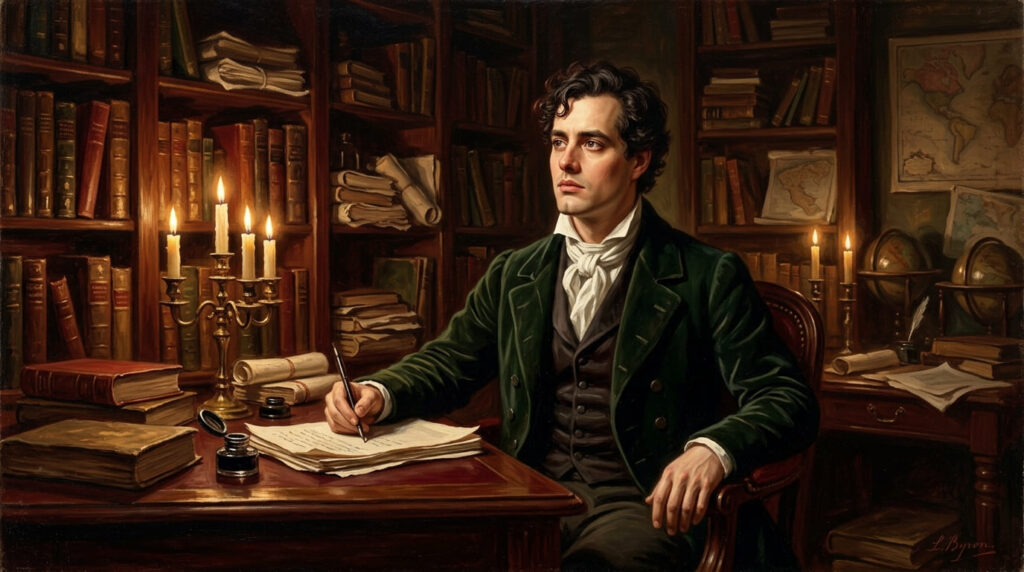
The Romantic Period in English Literature produced many bold and influential literary voices. Furthermore, Lord Byron as Romantic Poet stands among the greatest of these voices. Therefore, his writing expressed fiery passion, fierce independence, and deep psychological exploration. Moreover, he embraced the turbulent world around him. He turned conflict into a creative force. Consequently, readers connected with his honest voice. He refused to follow rigid expectations. Furthermore, his ideas encouraged new generations to challenge norms. He inspired authentic expression across cultures. Also, his characters revealed strong desires and troubled inner landscapes. Hence, his poetry created unforgettable scenes filled with dramatic imagery. Additionally, he used sharp wit and fierce criticism to confront hypocrisy. Thus, his art influenced major writers globally. Moreover, his energetic style introduced new emotional intensity into English poetry. Consequently, students, scholars, and creative minds continue to explore his vibrant legacy with lasting admiration.
1. Early Life and Formative Influences
Lord Byron as Romantic Poet developed his creative spirit through early experiences filled with emotional complexity. Therefore, his childhood shaped strong sensitivities and encouraged bold imaginative expression. Moreover, he explored legends, travel stories, and heroic tales early. These stirred his restless and curious mind. Consequently, he began forming ideas that fueled his dramatic poetic identity. Furthermore, he learned through observation and intense reflection during adolescence. He admired historical figures who demonstrated courage and rebellion. Hence, these influences molded his bold personality. Additionally, early travels exposed him to striking landscapes and diverse cultures. Thus, his inner world grew richer through constant self-examination. Moreover, he nurtured an intuitive understanding of human conflict and emotional complexity. Consequently, his early development built the foundation for a remarkable literary career. He absorbed classical literature, contemporary poetry, and travel narratives. Furthermore, personal loss fueled his emotional depth and longing for connection. His upbringing in a privileged yet tumultuous household shaped his worldview.
2. Formative Literary Education
Lord Byron developed through rigorous engagement with classical and modern texts. Specifically, he studied works by Homer, Virgil, and Milton to refine his stylistic skill. Consequently, he mastered meter, narrative structure, and rhetorical strategies. Furthermore, he absorbed contemporary British poetry, including the works of Pope and Gray. Moreover, his education fostered a balance between formal discipline and imaginative experimentation. Therefore, he integrated philosophical inquiry and moral reflection into his verse naturally. Exposure to European Enlightenment thought encouraged him to question authority. He embraced individual liberty with great intellectual courage. In addition, private reading and travel provided broader understanding of human nature and politics. Subsequently, his formative literary experiences emphasized the fusion of personal emotion and epic scope. Furthermore, he learned to use irony, satire, and lyricism to convey complex ideas. Consequently, this education positioned him as a poet capable of uniting intellectual rigor with passionate expression. His early intellectual cultivation became central to his poetic innovation and public recognition.
3. Emergence of the Byronic Hero
Lord Byron as Romantic Poet introduced a revolutionary character type that reflected his intense inner world. Therefore, the Byronic hero embodied fierce independence, emotional turmoil, and deep intellectual conflict. Moreover, this figure demonstrated bold courage and absolute refusal to obey limiting social structures. Consequently, readers admired the hero’s complexity, strength, and rebellious spirit across many narratives. Furthermore, this character revealed deep wounds and intense passions that shaped unforgettable dramatic moments. Also, his conflicted heart exposed raw truth and extreme vulnerability. Hence, audiences sensed real humanity and admired powerful honesty within each tormented decision. Additionally, the hero’s unpredictable choices heightened suspense and strengthened thematic depth. Thus, this innovation influenced countless writers and transformed modern character development. Moreover, the Byronic hero encouraged bold emotional exploration and fearless individuality throughout world literature. Consequently, this creation became one of the most influential legacies linked with Byron’s powerful imagination. The archetype combined charisma, intellect, moral ambiguity, and a tragic flaw. Byron’s personal experiences with scandal and exile informed these characterizations directly.
4. Exploration of Freedom and Rebellion
Lord Byron as Romantic Poet expressed powerful admiration for absolute freedom and fierce rebellion throughout his work. Therefore, he championed courageous resistance against restrictive traditions and oppressive moral expectations. Moreover, his poems highlighted strong dissatisfaction with corruption, injustice, and political hypocrisy. Consequently, his verses encouraged readers to embrace personal independence. Furthermore, his rebellious tone inspired emotional liberation within many creative minds globally. Also, he shaped characters who sought autonomy, adventure, and truth through bold defiance. Hence, his writing energized movements that celebrated civil rights and personal liberty. Additionally, his ideas supported intellectual courage and rejected fear-driven conformity. Thus, his creative mission honored individual dignity and encouraged moral strength across cultural boundaries. Moreover, his poetic stance inspired later thinkers who pursued justice and uncompromising integrity. Consequently, his focus on freedom continues influencing modern movements and contemporary artistic expression. He supported Greek independence and expressed solidarity with oppressed groups across nations. Furthermore, his political commitment combined aesthetic intensity with strong ethical reflection.
5. Emotional Intensity and Personal Expression
Lord Byron as Romantic Poet crafted emotionally charged poetry filled with raw honesty and intense personal reflection. Therefore, his verses captured longing, despair, passion, and fierce desire with striking clarity. Moreover, he explored internal conflicts and expressed deep psychological tension through vivid imagery. Consequently, readers felt strong connection with his vulnerable thoughts and spirited emotional voice. Furthermore, he shaped lyrical passages that revealed intimate truths and intense personal struggles. Also, his expressive tone strengthened dramatic effect and shaped unforgettable poetic moments. Hence, audiences admired his courage to share inner pain with bold sincerity. Additionally, he used emotional shifts to capture human fragility and complex sensitivity. Thus, his poems offered cathartic release and invited readers to confront private fears. Moreover, his intensity established powerful standards for emotional authenticity in literary art. Consequently, his expressive style remains influential and continues inspiring bold creative exploration today. He explored personal identity, moral responsibility, and inner conflict through his verse. Furthermore, reflective passages provided insight into emotional complexity, motivation, and ethical dilemmas.
6. Influence of Travel and Exotic Landscapes
Lord Byron discovered powerful inspiration through travel and exotic landscapes encountered during adventurous journeys. Therefore, he absorbed new cultures, witnessed dramatic scenery, and found emotional liberation across distant regions. Moreover, foreign landscapes strengthened his imagination and enriched symbolic meaning within many poetic works. Consequently, unfamiliar environments deepened his artistic curiosity and encouraged vivid descriptive energy. Furthermore, he used scenic contrasts to highlight emotional extremes and spiritual tension throughout numerous poems. Also, he integrated cultural diversity into character design and thematic exploration across his narratives. Hence, travel allowed him to observe human struggle, political conflict, and profound beauty. Additionally, vast horizons nurtured his restless mind and intensified his desire for personal freedom. Thus, worldly experiences shaped narrative texture and gave his poetry adventurous depth. Moreover, he transformed landscapes into emotional mirrors that reflected desire, longing, and internal conflict. Consequently, his travel-inspired creations continue captivating global readers and inspiring modern artistic journeys. He encountered Italy, Greece, and the Balkans, observing landscapes and cultures closely. Furthermore, classical ruins inspired vivid imagery and reflections on human transience.
7. Mastery of Satire and Social Critique
Lord Byron as Romantic Poet demonstrated unmatched talent for sharp satire and incisive critique across many works. Therefore, he used humor, irony, and bold exaggeration to expose hypocrisy and corruption throughout society. Moreover, his sharp wit targeted political leaders, moral pretenders, and cultural elites. Consequently, readers admired his fearless tone and his refusal to tolerate dishonesty. Furthermore, his satire encouraged independent thinking and challenged oppressive expectations imposed by powerful groups. Also, his humorous strategies intensified truth-telling and strengthened emotional impact within his narratives. Hence, his critiques inspired public debate and supported intellectual courage during tense cultural moments. Additionally, he shaped clever characters who revealed truths through sharp conversation and humorous confrontation. Thus, his satirical style elevated poetry and positioned literature as a tool for moral clarity. Moreover, his critiques influenced later writers who confronted injustice through bold humor. Works like English Bards and Scotch Reviewers combine wit, irony, and pointed commentary. Furthermore, satire allowed him to assert intellectual authority and social critique. Consequently, his witty voice remains admired and continues shaping discussions about integrity.
8. Complex Treatment of Love and Desire
Lord Byron as Romantic Poet treated love with striking complexity, vivid passion, and fearless emotional honesty. Therefore, his poems explored longing, heartbreak, ecstasy, and jealousy through dramatic expressive power. Moreover, he illustrated emotional contradictions and revealed intense vulnerability within intimate relationships. Consequently, readers connected with his honest portrayal of desire’s unpredictability and emotional danger. Furthermore, he shaped characters who suffered, yearned, and struggled with fierce internal conflict. Also, he highlighted the tension between ideal devotion and painful reality across many narratives. Hence, his depictions challenged simplistic ideas about romance and encouraged mature emotional understanding. Additionally, he confronted difficult truths about betrayal, loss, and obsessive passion with strong psychological insight. Thus, his treatment of love illustrated the deepest extremes of human feeling and personal longing. Moreover, he transformed romantic themes into powerful explorations of identity and emotional complexity. Consequently, his work influenced how modern literature portrays complex relationships and passionate desire. Romantic passion, longing, and emotional intensity propel narrative and thematic development throughout his poetry. Furthermore, relationships illuminate moral complexity, social expectation, and individual choice.
9. Engagement with Political Issues
Lord Byron as Romantic Poet engaged political issues with fierce conviction, strong clarity, and bold determination. Therefore, he confronted injustice, tyranny, and corruption through emotionally charged poetic arguments. Moreover, he championed human dignity and encouraged resistance against oppressive authority. Consequently, readers admired his bravery and respected his refusal to remain silent. Furthermore, he supported liberation movements and expressed solidarity with oppressed groups across nations. Also, his political expression shaped characters who embodied courage, suffering, and hope within difficult struggles. Hence, his literature energized debates about freedom and strengthened moral commitment among many followers. Additionally, he highlighted the sacrifices required for social change. Thus, his writing connected artistic vision with ethical purpose and encouraged responsible citizenship. Moreover, his political engagement continues inspiring activists who value justice and collective dignity. Consequently, his influence remains vital within global discussions about power and human rights. He addressed liberty, revolution, and social reform with moral intensity throughout his poetry. Furthermore, historical events provided context for heroic action and philosophical reflection.
10. Use of Dramatic Imagery and Symbolism
Lord Byron as Romantic Poet created vivid imagery and sharp symbolism that strengthened emotional and intellectual depth. Therefore, he used stormy seas, dark skies, and vast ruins to express inner conflict. Moreover, these images revealed psychological tension and spiritual longing across many poetic scenes. Consequently, readers interpreted symbolic meanings and discovered deeper truths within dramatic descriptions. Furthermore, he selected images that reflected rebellion, desire, grief, and hope throughout various narratives. Also, he combined natural elements with emotional states to enhance thematic unity. Hence, his imagery encouraged reflective reading and supported complex interpretation among thoughtful audiences. Additionally, symbolic objects enriched storytelling and intensified emotional resonance within each verse. Thus, his poetic language offered multilayered experiences and invited deep intellectual engagement. Moreover, his symbolic style influenced major writers who valued expressive depth and philosophical meaning. Consequently, his imagery remains admired and continues shaping study of literary symbolism. Like William Blake as Romantic Poet, Byron used symbolic vision to reveal deeper truths about human experience. Furthermore, his treatment of nature reflects his appreciation for classical aesthetics.
11. Relationship with Other Romantic Poets
Lord Byron as Romantic Poet maintained dynamic relationships with influential contemporaries who shaped literary culture. Therefore, he exchanged ideas with brilliant thinkers and debated artistic principles across changing environments. Moreover, his interactions encouraged bold experimentation and strengthened creative confidence within the movement. Consequently, he influenced colleagues through powerful individuality and strong intellectual energy. Furthermore, he admired originality and valued emotional authenticity within poetic communities. Also, he participated in conversations that explored freedom, imagination, and heroic identity across many gatherings. Hence, these connections nourished artistic growth and inspired new directions among gifted writers. Additionally, shared journeys strengthened friendships and allowed meaningful discussion about evolving cultural issues. Thus, his presence supported literary innovation and encouraged fearless creative exploration among peers. Moreover, William Wordsworth as Poet of Nature and Samuel Taylor Coleridge as Poet of Nature were among his most important contemporaries. Furthermore, many poets found motivation in his boldness and embraced deeper emotional expression. Consequently, his collaborative spirit helped define Romantic ideals and shaped the movement’s lasting influence.
12. Travel and Cultural Experience
Byron’s extensive travels across Europe and the Near East shaped his literary perspective. Primarily, his journeys introduced him to diverse political systems, social structures, and cultural practices. Consequently, these experiences enriched his narrative landscapes with vivid and authentic details. Furthermore, exposure to classical ruins, medieval architecture, and exotic environments inspired historical reflection. Moreover, Byron engaged with contemporary intellectual circles, absorbing ideas about liberty and nationalism. Therefore, these encounters strengthened his philosophical and political awareness. In addition, travel offered Byron opportunities for personal reflection, isolation, and creative experimentation. Confronting political turmoil abroad intensified his critique of European aristocracy and inherited privilege. Furthermore, encounters with diverse literary traditions encouraged stylistic innovation. He blended lyric, narrative, and epic forms with great skill. Subsequently, his poetry reflects the synthesis of firsthand observation, imaginative reconstruction, and deep introspection. Therefore, Byron’s travels influenced thematic diversity, cultural awareness, and poetic depth. Moreover, these experiences reinforced his fascination with heroism, individual struggle, and the sublime.
13. Early Publications and Reception
Hours of Idleness revealed Byron’s lyrical skill, satirical wit, and keen observation. Consequently, he faced both praise and sharp criticism, shaping his future approach to poetic form. Furthermore, critical reception heightened his awareness of public perception and literary trends. Moreover, early feedback motivated Byron to refine diction, narrative techniques, and thematic focus. Therefore, he experimented with both heroic and lyrical forms to explore human passion. Negative critiques taught him resilience and cultivated a rebellious independence central to his poetic persona. In addition, he embraced public controversy as a tool for self-definition and cultural impact. Subsequently, Byron’s initial literary reception underscored the importance of originality and emotional depth. Furthermore, the attention affirmed his potential to influence Romantic literary discourse. Consequently, Byron’s early publications marked the emergence of a voice both daring and introspective. This period established foundational themes and stylistic strategies evident throughout his later masterpieces. Additionally, early criticism motivated him to push boundaries and develop a distinctive voice. Therefore, the journey from early rejection to worldwide fame defines his remarkable literary evolution.
14. Childe Harold’s Pilgrimage
Lord Byron as Romantic Poet achieved fame with the publication of Childe Harold’s Pilgrimage. Specifically, this narrative poem fused autobiographical reflection with vivid travel description. Consequently, Byron explored the tension between individual destiny and historical forces. Furthermore, the work emphasized melancholy, heroism, and personal rebellion, defining his public persona. Moreover, the poem’s complex structure combined lyricism, narrative, and philosophical reflection. Therefore, readers experienced both immediate emotional resonance and enduring intellectual engagement. Byron’s blend of exotic locales and introspection established a model for subsequent Romantic travel literature. In addition, the poem resonated with contemporary political ideals, including liberty and national identity. Subsequently, the text enhanced Byron’s status as a socially aware and intellectually rigorous writer. Furthermore, Childe Harold exemplified his skill at intertwining personal experience with universal human themes. Consequently, this work secured Byron’s reputation as a leading Romantic poet early in his career. Its widespread influence extended across Europe, inspiring both admiration and emulation. The poem cemented Byron’s role as a Romantic innovator capable of blending passion with intellect.
15. Themes of Exile and Solitude
Byron frequently explored exile and solitude as central motifs in his literature. Specifically, he portrayed heroes who endured isolation, introspection, and conflict with society. Consequently, these themes reflected his personal experiences of social estrangement and self-imposed travel. Furthermore, solitude allowed characters to achieve moral clarity and artistic vision. Moreover, the motif reinforced the Romantic ideal of individualism and heroic autonomy. Therefore, Byron examined the tension between personal desire and societal expectation thoughtfully. The depiction of exile highlighted the cost of rebellion and self-determination. In addition, solitude often catalyzed philosophical reflection and existential inquiry. Subsequently, Byron’s treatment of isolation became both a narrative strategy and a thematic core. Furthermore, his solitary protagonists embody emotional depth, courage, and intellectual ambition. Consequently, the exploration of exile shaped broader Romantic discussions on freedom and identity. Byron’s nuanced approach to solitude revealed his understanding of human vulnerability and strength. The motif continued to influence later literary depictions of heroism and personal introspection.
16. Nature Imagery
Lord Byron as Romantic Poet employed vivid nature imagery to enhance emotional and thematic expression. Specifically, landscapes reflect inner states of melancholy, passion, or contemplation. Consequently, natural elements often serve as mirrors to human conflict and desire. Furthermore, Byron integrates light, weather, and terrain to underscore narrative tension. Moreover, these descriptions reinforce Romantic ideals of sublimity, beauty, and moral reflection. Therefore, the natural world functions as a stage for ethical and philosophical exploration. Byron contrasts serene landscapes with tumultuous settings to highlight human turmoil. In addition, imagery establishes mood, foreshadows plot developments, and emphasizes character psychology. Subsequently, his nature depictions demonstrate mastery of both lyric and narrative techniques. Furthermore, Byron’s treatment of nature reflects his appreciation for classical aesthetics and contemporary sensibilities. Consequently, his imagery continues to influence Romantic landscape poetry and cultural perception. Mountains, seas, and ruins mirror the hero’s emotional and moral turmoil. His vivid attention to light, weather, and seasonal change enhances thematic depth. Therefore, nature provides moral and spiritual insight while enriching narrative texture.
17. Political and Social Commentary
Lord Byron as Romantic Poet addressed pressing political and social issues with great moral courage. Specifically, he critiqued tyranny, inequality, and corruption through both subtle and overt means. Consequently, his works advocate freedom, justice, and individual rights. Furthermore, Byron draws on historical and contemporary events to frame moral arguments. Moreover, he integrates critique within narrative, character, and thematic structures. Therefore, readers encounter complex ethical questions alongside emotional resonance. Byron avoids mere didacticism, balancing commentary with aesthetic and lyrical sophistication. In addition, satire, irony, and allegory enhance persuasive power and reader engagement. Subsequently, his commentary reflects personal conviction and intellectual rigor. Furthermore, Byron addresses universal themes of power, responsibility, and human dignity. Consequently, political and social reflection becomes integral to his literary identity. His works resonate across generations due to moral insight, narrative innovation, and emotional depth. Literary craft amplifies ethical concerns and philosophical exploration. Consequently, Byron’s critique achieves lasting relevance and influence in cultural and literary discourse.
18. Literary Fame
Lord Byron as Romantic Poet achieved global fame through distinctive style and daring subject matter. Specifically, his mastery of narrative, lyricism, and dramatic characterization captivated readers across Europe. Consequently, his fame spread through translations, reviews, and social networks. Furthermore, Byron’s persona as a charismatic and rebellious figure fueled public fascination. Moreover, literary recognition reinforced his influence on emerging Romantic poets and intellectuals. Therefore, critical acclaim combined with public intrigue to establish enduring cultural significance. Byron’s fame sometimes provoked envy, controversy, and social scrutiny. In addition, his reputation facilitated political engagement, patronage, and literary collaborations. Subsequently, international acclaim confirmed his status as both literary innovator and cultural icon. Furthermore, his works inspired debate, emulation, and scholarly analysis. Consequently, Byron’s global recognition secured his position within literary history. The combination of talent, originality, and personal charisma ensured lasting prominence. His reputation reflected both artistic achievement and cultural resonance. Literary fame reinforced Byron’s role as a Romantic innovator, shaping poetic discourse and influence.
19. Byronic Hero: The Archetype Defined
The Byronic Hero remains one of the most influential archetypes in literary history. Specifically, this figure combines charisma, intellect, moral ambiguity, and tragic flaw. Therefore, the hero rejects societal norms while displaying profound self-reflection. Furthermore, Byron’s personal experiences with scandal and exile informed these characterizations directly. Moreover, the Byronic Hero balances charisma, intelligence, and deep flaws, producing intense dramatic tension. Consequently, these figures explore rebellion, guilt, and existential angst simultaneously. In addition, narrative poems such as Childe Harold’s Pilgrimage exemplify this archetype with vivid emotional clarity. Contemporaries often misunderstood the hero’s defiance and moral ambiguity. Moreover, the Byronic Hero’s appeal endures across literary history, influencing countless later writers and artistic media. Furthermore, Byron combines intense introspection, vivid landscapes, and philosophical reflection. Subsequently, the emergence of this archetype transformed Romantic literature. It emphasized individual struggle, moral complexity, and emotional intensity. Therefore, Lord Byron significantly reshaped narrative character construction permanently.
20. Romantic Nature and Landscape
Lord Byron explored natural landscapes with intense observation, symbolic meaning, and emotional resonance. Specifically, he treated mountains, seas, and ruins as mirrors of inner consciousness. Therefore, Byron’s descriptions convey psychological states alongside physical surroundings. Furthermore, his engagement with sublime nature expresses awe, fear, and introspective contemplation. Moreover, landscape often interacts with narrative, emphasizing heroic action, isolation, and moral reflection. Consequently, he conveys human vulnerability and ambition against vast, untamed environments. In addition, vivid imagery and precise sensory detail heighten emotional intensity and narrative impact. Byron often contrasts urban settings or social decay with natural splendor. Furthermore, Romantic aesthetic principles guide his depiction of beauty, danger, and transcendence in the natural world. Subsequently, these portrayals invite readers to engage with philosophical reflection and ethical contemplation. Therefore, Byron’s integration of landscape and inner life reflects the Romantic emphasis on unity between human experience and nature. Moreover, the power of natural imagery underscores personal emotion, heroic struggle, and existential inquiry.
21. Gothic Elements
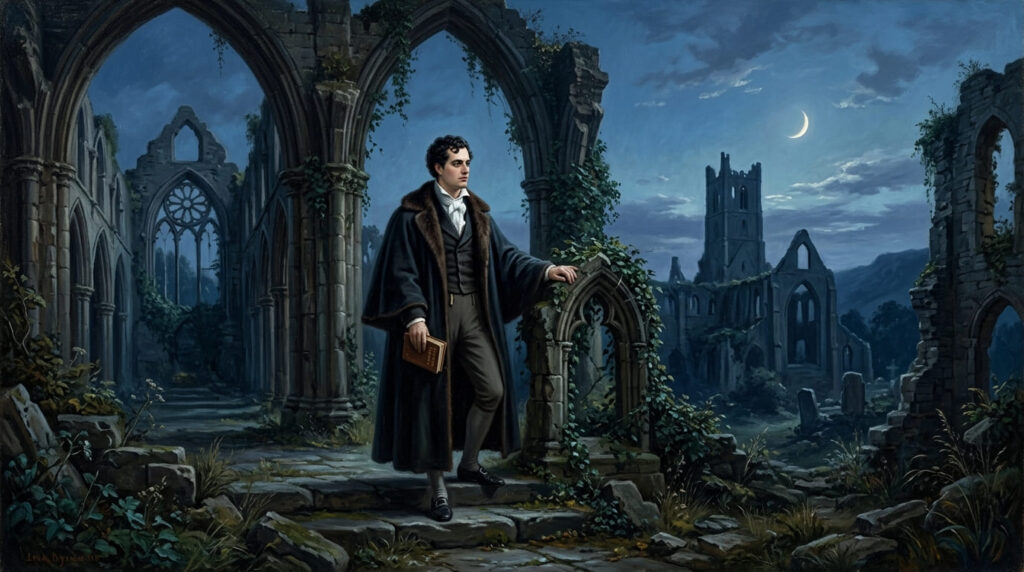
Lord Byron incorporates Gothic elements to heighten drama, psychological intensity, and narrative suspense. Specifically, castles, ruins, storms, and mysterious events evoke fear, awe, and emotional depth. Therefore, Gothic motifs reinforce isolation, inner conflict, and moral ambiguity within heroic narratives. Furthermore, Byron uses darkness, terror, and the supernatural to probe human psychology. Moreover, Gothic imagery interacts with Romantic ideals, blending sublimity, emotion, and personal introspection. Consequently, heightened atmosphere enhances plot tension, character development, and philosophical reflection. In addition, setting, imagery, and narrative structure work together to produce Gothic intensity. Byron balances horror and beauty, creating aesthetic richness alongside emotional engagement. Furthermore, Gothic devices underscore existential dilemmas, societal critique, and personal rebellion. Subsequently, these elements enrich thematic complexity, narrative energy, and stylistic innovation. Therefore, Lord Byron demonstrates mastery in blending Gothic sensibility with Romantic expression. Gothic motifs provide a dramatic framework for psychological exploration. Moreover, mystery and supernatural elements deepen reader engagement with moral questions.
22. Humor and Wit
Lord Byron frequently employs humor, irony, and playful wit to engage, entertain, and critique. Primarily, playful language enhances narrative tone while addressing serious moral and social issues. Consequently, satire and paradox provide contrast, depth, and critical reflection without undermining literary artistry. Furthermore, clever wordplay, epigrams, and structural irony demonstrate both intellectual acuity and creative skill. Moreover, humor often functions to relieve narrative tension, highlight absurdity, or illuminate character traits. Therefore, Byron balances levity with gravity, maintaining aesthetic and emotional equilibrium. In addition, wit amplifies thematic resonance, underscores characterization, and enriches narrative strategy. Humor never dilutes philosophical or moral engagement but strengthens it. Furthermore, playful elements invite readers into reflective, participatory, and critical reading experiences. Subsequently, Byron demonstrates a keen understanding of literary technique, audience engagement, and cultural commentary. Therefore, the integration of wit, irony, and humor enhances Byron’s distinctive Romantic voice. Moreover, it situates his work within both entertaining and intellectually rigorous literary traditions.
23. Epic Scope and Narrative Ambition
Lord Byron as Romantic Poet achieves epic scope, ambitious narrative, and stylistic innovation simultaneously. Primarily, works like Childe Harold’s Pilgrimage integrate personal reflection, travelogue, and heroic narrative. Consequently, poetic form accommodates both lyric intensity and expansive descriptive panorama. Furthermore, historical, cultural, and philosophical references enrich thematic resonance and narrative depth. Moreover, Byron fuses personal experience with universal motifs, producing multi-layered dynamic storytelling. Therefore, narrative ambition matches emotional, moral, and intellectual complexity. In addition, expansive structure enables exploration of landscapes, politics, human psychology, and existential questions. Structural innovation never sacrifices clarity, coherence, or aesthetic impact. Furthermore, interplay of narrative voice, reflection, and imagery enhances reader immersion. Subsequently, Byron’s epic vision redefines Romantic literary possibility, merging grandeur with intimate insight. Therefore, Lord Byron as Romantic Poet exemplifies the full synthesis of Romantic ideals and narrative experimentation. Moreover, this achievement solidifies his enduring influence on subsequent literary traditions. Narrative technique and thematic development reflect his extraordinary ambition and skill.
24. Exploration of Exotic Locales
Lord Byron frequently sets his poetry in distant and exotic locales. Primarily, these settings evoke adventure, mystery, and heightened emotional resonance. Consequently, landscapes contribute symbolic depth, reflecting inner psychological states. Furthermore, cultural differences provide narrative tension and broaden thematic perspective. Moreover, detailed observation enhances authenticity while promoting aesthetic richness. Therefore, these exotic environments intensify heroism, moral conflict, and ethical reflection. In addition, travel experiences inform accurate depiction, historical context, and descriptive texture. Byron avoids superficial exoticism, grounding imagery in lived experience. Furthermore, narrative mobility allows exploration of freedom, rebellion, and human desire. Subsequently, Byron integrates personal journey with historical insight and cultural observation. Therefore, these explorations reflect Romantic ideals of individual experience, sublime environment, and emotional depth. Moreover, this approach fosters reader engagement with both imaginative landscapes and moral inquiry. In addition, the exotic setting enhances narrative momentum, character development, and thematic resonance. Consequently, Byron’s literary geography becomes integral to plot structure and aesthetic strategy.
25. Introspection and Self-Reflection
Lord Byron as Romantic Poet emphasizes introspection as essential for human understanding. Specifically, he explores personal identity, moral responsibility, and inner conflict. Therefore, reflective passages provide insight into emotional complexity, motivation, and ethical dilemmas. Furthermore, self-examination deepens narrative tension while revealing psychological nuance. Moreover, Byron interweaves memory, experience, and observation to enhance philosophical depth. Consequently, introspection functions as both thematic device and structural anchor. In addition, lyrical interludes convey inner emotion while advancing narrative clarity. Byron contrasts introspective moments with external action, creating dynamic tension. Furthermore, reflective poetry examines societal norms, personal freedom, and existential uncertainty. Subsequently, interior exploration illuminates the hero’s moral choices, isolation, and self-awareness. Therefore, introspection enriches characterization, narrative strategy, and Romantic thematic concerns. Moreover, it facilitates reader empathy, philosophical engagement, and ethical contemplation. In addition, personal reflection underscores the tension between desire, duty, and societal expectation. Consequently, Lord Byron as Romantic Poet demonstrates mastery of the human psyche and emotional resonance.
26. Engagement with Historical Events
Lord Byron frequently incorporates historical events, battles, and social upheaval into his poetry. Primarily, history informs character development, plot tension, and moral reflection. Consequently, narrative action gains gravitas, ethical relevance, and temporal depth. Furthermore, historical awareness provides allegorical resonance and cultural critique. Moreover, Byron integrates fact and imaginative reconstruction to enrich narrative and aesthetic impact. Therefore, historical context enhances thematic coherence, symbolism, and narrative plausibility. In addition, attention to political realities shapes the hero’s choices, motivations, and ethical dilemmas. He balances historical detail with imaginative license, ensuring literary freedom. Furthermore, Byron’s historical insight illuminates societal constraints, human ambition, and existential uncertainty. Subsequently, historical engagement interacts with Romantic ideals, fostering reflection on liberty and morality. Therefore, the past becomes a lens for exploring contemporary ethical questions. Moreover, historical references heighten dramatic tension, narrative scope, and emotional resonance. In addition, history informs both narrative strategy and philosophical inquiry. Consequently, Byron’s integration of history reinforces the Romantic synthesis of imagination and cultural critique.
27. Themes of Exile and Alienation
Lord Byron as Romantic Poet frequently explores exile, alienation, and social isolation. Specifically, protagonists often confront displacement, rejection, or voluntary solitude. Therefore, isolation emphasizes personal reflection, moral testing, and ethical dilemmas. Furthermore, alienation heightens tension between individual desire and societal expectation. Moreover, physical and emotional exile provides opportunities for observation, introspection, and ethical meditation. Consequently, narrative explores consequences of rebellion, social transgression, and personal choice. In addition, alienation reinforces heroism, introspection, and Romantic emphasis on individual experience. Societal constraint and misunderstanding deepen emotional intensity and dramatic resonance. Furthermore, exile allows contemplation of mortality, destiny, and freedom. Subsequently, Byron’s characters navigate solitude, adventure, and ethical reflection simultaneously. Therefore, themes of alienation inform narrative structure, characterization, and aesthetic strategy. Moreover, they underscore tension between personal autonomy and external constraint. In addition, Byron balances melancholy, reflection, and heroic action to achieve narrative cohesion. Consequently, Lord Byron as Romantic Poet demonstrates mastery in integrating isolation, ethical inquiry, and narrative drama.
28. Exploration of Moral Ambiguity
Lord Byron frequently investigates moral ambiguity, ethical dilemmas, and human fallibility. Primarily, characters confront choices without clear guidance, creating narrative tension. Consequently, ethical uncertainty enhances psychological realism, dramatic interest, and thematic complexity. Furthermore, Byron interweaves personal motivation, societal norms, and philosophical reflection. Moreover, moral ambiguity allows nuanced exploration of heroism, guilt, and human desire. Therefore, narrative tension arises from conflict between conscience, passion, and circumstance. In addition, ambiguity reflects Romantic concerns with individuality, personal freedom, and ethical responsibility. Clarity of moral law rarely dictates character behavior, emphasizing human complexity. Furthermore, ambiguity facilitates intellectual engagement, reflective reading, and philosophical consideration. Subsequently, Byron’s treatment of ethics enriches narrative structure, characterization, and thematic depth. Therefore, moral exploration complements heroic narrative, poetic technique, and Romantic ideals. Moreover, ethical tension resonates with emotional depth, philosophical inquiry, and aesthetic sophistication. In addition, characters navigate ethical uncertainty while demonstrating courage, reflection, and resilience. Consequently, Byron integrates moral ambiguity as central to Romantic narrative and poetic innovation.
29. Satirical Observation
Lord Byron utilizes satire to critique society, institutions, and literary rivals. Specifically, wit, irony, and clever wordplay convey commentary without diminishing aesthetic value. Therefore, satire functions as both entertainment and cultural critique. Furthermore, humor illuminates hypocrisy, social pretension, and ethical shortcomings. Moreover, narrative voice balances playful critique with serious reflection. Consequently, satire provides insight into character, morality, and societal tension. In addition, structural placement of satirical passages enhances rhythm, pacing, and dramatic effect. Humor never undermines emotional intensity or philosophical depth. Furthermore, satirical observation encourages reflective reading, moral assessment, and engagement with contemporary issues. Subsequently, Byron’s integration of wit and critique enriches Romantic narrative strategy. Therefore, satire interacts with broader themes of heroism, freedom, and societal expectation. Moreover, it demonstrates literary versatility, intellectual acuity, and aesthetic skill. In addition, Byron balances critique, characterization, and imaginative storytelling. Consequently, Lord Byron exemplifies mastery of humor, social observation, and thematic sophistication.
30. Influence of Classical Literature
Lord Byron engages extensively with classical literature, mythology, and epic traditions. Primarily, Homer, Virgil, and Greek drama inform narrative structure, character development, and thematic depth. Consequently, classical allusions enrich imagery, philosophical reflection, and moral complexity. Furthermore, intertextual references provide historical continuity, cultural resonance, and intellectual engagement. Moreover, Byron adapts classical motifs to Romantic sensibilities, blending grandeur with emotional intensity. Therefore, epic conventions guide narrative rhythm, heroic characterization, and thematic exploration. In addition, classical influence enhances symbolism, metaphorical resonance, and philosophical reflection. Byron transforms inherited literary forms into dynamic and personalized artistic expression. Furthermore, classical engagement fosters ethical contemplation, imaginative expansion, and cultural critique. Subsequently, this fusion bridges past literary traditions with innovative Romantic aesthetics. Therefore, narrative scope, poetic craft, and intellectual rigor emerge from classical foundations. Moreover, classical inspiration enriches both heroic portrayal and ethical inquiry. In addition, Byron integrates epic structure with lyric intensity and philosophical reflection. Consequently, his work embodies the Romantic synthesis of tradition, imagination, and moral exploration.
31. Exploration of Heroic Ideals
Lord Byron as Romantic Poet consistently examines heroic ideals, courage, and personal ambition. Specifically, protagonists display strength, moral complexity, and intellectual depth simultaneously. Therefore, heroism includes psychological nuance, ethical reflection, and existential contemplation. Furthermore, heroic characters challenge societal expectation while demonstrating personal integrity. Moreover, Byron balances admiration for courage with recognition of human vulnerability. Consequently, heroic narrative conveys tension between personal desire and social constraint. In addition, ethical choices, introspection, and moral responsibility enrich characterization. Heroism rarely conforms to rigid convention, emphasizing individual interpretation. Furthermore, Byron situates heroism within historical, cultural, and political context. Subsequently, heroic ideals inform plot development, thematic emphasis, and emotional resonance. Therefore, ethical reflection, personal struggle, and Romantic sensibility intertwine naturally. Moreover, narrative demonstrates how courage, ambition, and moral deliberation shape human experience. In addition, Byron emphasizes both triumph and limitation in heroic journeys. Consequently, Lord Byron as Romantic Poet creates a vision of heroism blending complexity, passion, and moral depth.
32. Psychological Complexity
Lord Byron as Romantic Poet frequently explores psychological complexity, inner conflict, and emotional tension. Primarily, characters navigate conflicting desires, ethical dilemmas, and moral uncertainty. Consequently, narrative conveys nuanced mental states, emotional depth, and ethical reflection. Furthermore, introspection, dialogue, and narrative voice illuminate consciousness, motivation, and personal struggle. Moreover, psychological insight heightens suspense, empathy, and thematic resonance. Therefore, character interiority enriches Romantic narrative, aesthetic sophistication, and philosophical inquiry. In addition, Byron interweaves emotional intensity with narrative structure and stylistic innovation. Superficial characterization rarely appears, maintaining narrative depth and intellectual engagement. Furthermore, psychological subtlety reinforces themes of morality, freedom, and individual responsibility. Subsequently, internal conflict drives plot, thematic exploration, and heroic development. Therefore, Byron balances human frailty, passion, and ethical reflection. Moreover, character psychology aligns with Romantic ideals of introspection and emotional intensity. In addition, narrative integrates inner struggle with external action. Consequently, Lord Byron as Romantic Poet enhances both aesthetic appeal and intellectual complexity through psychological exploration.
33. Synthesis of Romantic Principles
Lord Byron as Romantic Poet synthesizes imagination, emotion, and ethical reflection. Specifically, he integrates individual experience, historical awareness, and heroic exploration. Therefore, narrative harmonizes lyric intensity, narrative scope, and philosophical inquiry. Furthermore, thematic coherence emerges from interaction between passion, moral choice, and cultural observation. Moreover, poetic technique unites rhythm, imagery, and structural innovation. Consequently, Romantic ideals of freedom, introspection, and sublime experience inform characterization and plot. In addition, Byron balances personal voice with universal resonance, enhancing reader engagement. Imaginative expression never sacrifices ethical or philosophical depth. Furthermore, narrative ambition, stylistic innovation, and thematic complexity reinforce each other. Subsequently, Byron achieves integration of classical influence, Gothic sensibility, and Romantic individuality. Therefore, synthesis highlights ethical inquiry, emotional intensity, and aesthetic achievement simultaneously. Moreover, structural, narrative, and linguistic mastery create enduring literary impact. In addition, integration of Romantic principles ensures both artistic brilliance and intellectual rigor. Consequently, Lord Byron as Romantic Poet demonstrates the culmination of Romantic literary ideals.
34. Engagement with Nature
Lord Byron’s engagement with nature remains a central feature throughout his poetry. Specifically, landscapes, storms, and seascapes often mirror the hero’s emotional and moral turmoil. Therefore, natural imagery conveys isolation, freedom, and psychological reflection. Consequently, mountains, rivers, and forests function as both setting and symbolic character. Furthermore, the depiction of natural grandeur highlights the contrast between human frailty and the sublime. Moreover, Byron emphasizes sensory experience alongside philosophical inquiry to create layered meaning. Urban or artificial settings often signify corruption, constraint, and moral limitation. In addition, his vivid attention to light, weather, and seasonal change enhances thematic depth. Therefore, nature provides moral and spiritual insight while enriching narrative texture. Subsequently, poetic description merges observation with reflection, imagination, and emotion. Moreover, Byron integrates natural elements to reveal human conflict, ethical choices, and existential struggle. Consequently, landscapes reflect and amplify heroic qualities, personal insight, and imaginative vision. Therefore, engagement with nature anchors thematic cohesion, narrative intensity, and Romantic ideals.
35. Historical and Political Awareness
Lord Byron as Romantic Poet exemplifies engagement with historical and political concerns. Principally, his poetry addresses liberty, revolution, and social reform with moral intensity. Therefore, characters often confront oppression, injustice, and ethical dilemmas. Consequently, historical events provide context for heroic action, philosophical reflection, and imaginative insight. Furthermore, Byron critiques tyranny, despotism, and corruption while celebrating courage and personal conscience. Moreover, political engagement combines aesthetic intensity with ethical reflection to enrich narrative impact. Social critique does not overshadow psychological depth, emotional resonance, or imaginative vision. In addition, historical awareness informs character development, thematic significance, and narrative cohesion. Therefore, poetry balances personal reflection with public discourse, creating layered meaning. Subsequently, literary depiction of politics, ethics, and heroism resonates across cultural and temporal contexts. Moreover, Byron’s exploration of historical and political issues informs enduring Romantic themes of freedom and responsibility. Consequently, readers perceive ethical engagement alongside imaginative pleasure. Furthermore, poetic treatment of political awareness enhances narrative structure and philosophical depth. Therefore, Lord Byron as Romantic Poet demonstrates how art intersects with history, society, and individual conscience.
36. Exile and Travel
Lord Byron frequently examines exile, travel, and personal wanderlust with profound intensity. Specifically, journeys symbolize internal struggle, ethical questioning, and imaginative exploration. Therefore, displacement and wandering create opportunities for introspection, moral evaluation, and personal growth. Consequently, foreign landscapes reflect cultural contrast, human ambition, and existential challenge. Furthermore, travel provides narrative momentum, philosophical insight, and emotional depth. Moreover, exploration of unfamiliar lands amplifies Romantic ideals of freedom, heroism, and self-realization. Journeys highlight tension between human aspiration and social constraint. In addition, movement and mobility serve as metaphors for psychological and ethical development. Therefore, narrative structure integrates external observation with internal reflection. Subsequently, Byron emphasizes the transformative potential of travel, experience, and imaginative engagement. Moreover, journeys reinforce thematic cohesion, narrative variety, and emotional resonance. Consequently, wanderlust and exile become literary devices for moral and philosophical insight. Furthermore, travel provides aesthetic pleasure while deepening narrative complexity. Therefore, poetic movement reflects Romantic ideals of autonomy, self-discovery, and ethical reflection.
37. Love and Relationships
Love, desire, and interpersonal relationships occupy significant space in Byron’s poetry. Specifically, romantic passion, longing, and emotional intensity propel narrative and thematic development. Therefore, relationships illuminate moral complexity, social expectation, and individual choice. Consequently, affection and intimacy create tension, psychological depth, and reflective insight. Furthermore, romantic entanglements often inspire heroism, introspection, and imaginative invention. Moreover, emotional experience intertwines with societal norms, ethical dilemmas, and personal growth. Unfulfilled love and betrayal provoke melancholy, isolation, and self-examination. In addition, exploration of human attachment enhances narrative texture, character motivation, and thematic resonance. Therefore, Byron examines passion as a lens for psychological realism and moral reflection. Subsequently, romantic interaction reinforces heroism, individuality, and ethical engagement. Moreover, emotion functions as both narrative engine and philosophical exploration. Consequently, relationships shape ethical discourse, imaginative experience, and aesthetic achievement. Furthermore, human connection integrates with poetic technique, imagery, and stylistic design. Therefore, Byron balances feeling and reason, intimacy and heroism, and social insight.
38. Identity and Selfhood
Lord Byron’s attention to identity, selfhood, and personal development permeates his work. Specifically, heroes negotiate public perception, inner reflection, and ethical responsibility. Therefore, exploration of identity drives narrative tension, character evolution, and thematic depth. Consequently, internal struggle reveals moral choice, psychological realism, and imaginative insight. Furthermore, selfhood intersects with social norms, historical circumstance, and cultural expectation. Moreover, identity exploration enables ethical, philosophical, and aesthetic reflection. External pressures and inherited expectation challenge individuality and personal freedom. In addition, narrative emphasizes the tension between autonomy, societal constraint, and self-realization. Therefore, Byron merges introspection with imaginative vision, moral inquiry, and literary artistry. Subsequently, self-exploration enhances narrative cohesion, thematic richness, and emotional resonance. Moreover, identity provides a lens for human motivation, ethical evaluation, and psychological complexity. Consequently, readers engage with ethical, emotional, and imaginative dimensions simultaneously. Furthermore, exploration of selfhood reinforces Romantic ideals of heroism, freedom, and moral courage. Therefore, Byron illustrates the centrality of individual consciousness to narrative and philosophical achievement.
39. Heroism and Moral Courage
Lord Byron as Romantic Poet examines heroism, moral courage, and personal struggle throughout his poetry. Specifically, protagonists confront adversity, ethical dilemmas, and societal opposition. Therefore, heroic action involves internal reflection, imaginative initiative, and moral decision-making. Consequently, character development intertwines with thematic exploration, narrative progression, and emotional intensity. Furthermore, Byron emphasizes courage, resilience, and ethical integrity in complex situations. Moreover, heroism aligns with Romantic ideals of individuality, imagination, and personal freedom. Societal constraint, historical circumstance, and external challenge test the hero’s resolve. In addition, personal struggle provides opportunities for philosophical reflection and imaginative exploration. Therefore, narrative tension derives from conflict between desire, duty, and moral principle. Subsequently, heroic journey integrates external adventure, inner reflection, and imaginative depth. Moreover, character development reinforces narrative cohesion, thematic significance, and ethical resonance. Consequently, readers witness courage, vulnerability, and ethical choice operating together. Furthermore, Lord Byron as Romantic Poet demonstrates how heroism emerges through moral reflection, imaginative vision, and personal perseverance. Therefore, personal struggle and ethical engagement define the Romantic conception of heroism.
40. Enduring Legacy
The enduring legacy of Lord Byron as Romantic Poet exemplifies the power of Romantic literary achievement. Principally, his poetry influences Romanticism, narrative innovation, and global literary tradition. Therefore, themes of heroism, passion, and ethical reflection resonate across generations. Consequently, exploration of imagination, individuality, and moral responsibility inspires writers, readers, and scholars. Furthermore, stylistic innovation, narrative technique, and thematic depth define literary achievement. Moreover, the Byronic Hero remains a model for creativity, complexity, and moral tension. Ethical insight and imaginative power reinforce enduring relevance across historical and cultural contexts. In addition, Byron’s vivid engagement with nature, human emotion, and societal critique enhances literary significance. Therefore, his work demonstrates sustained impact on narrative form, poetic style, and thematic exploration. Subsequently, his influence informs education, literary criticism, and creative practice. Moreover, imaginative innovation and ethical inquiry maintain global resonance. Consequently, Lord Byron as Romantic Poet exemplifies the highest Romantic ideals through heroic vision, emotional intensity, and aesthetic mastery. For further reading on related Romantic figures, explore English literature notes and American literature. Furthermore, his enduring legacy inspires scholarship, artistic creation, and public appreciation.
Discover more from Naeem Ullah Butt - Mr.Blogger
Subscribe to get the latest posts sent to your email.